6 Annual Flowers That Attract Bees To Your Garden

6 Annual Flowers That Attract Bees To Your Garden

Bees are the unsung heroes of every thriving garden. These tiny pollinators are responsible for helping our fruits, vegetables, and flowers flourish. Yet, as bee populations face global decline, gardeners everywhere can make a big difference by creating pollinator-friendly spaces. The simplest way to do that? Plant annual flowers that attract bees naturally.

Unlike perennials that return every year, annuals bloom fast, bright, and long—making them irresistible to bees searching for nectar and pollen. They’re easy to grow, often low-maintenance, and perfect for adding bursts of color to borders, containers, or even small balcony gardens.

Here’s a guide to six stunning annual flowers that bees can’t resist, along with practical growing tips to help your garden buzz with life all season long.


1. Zinnias — The Colorful Bee Magnet
Why bees love them:
Zinnias are a pollinator’s paradise. Their bold, open blooms come in every color imaginable—crimson, coral, yellow, pink, and even green—and are loaded with nectar. Their flat flowerheads make it easy for bees to land and gather pollen, while the bright petals act as natural “landing signals.”

Bloom season: Mid-summer to frost

Best for: Honeybees, bumblebees, and solitary bees

Growing tips:

  • Zinnias thrive in full sun and well-draining soil.
  • Sow seeds directly in the garden after the last frost.
  • Avoid overwatering—keep soil slightly moist.
  • Regular deadheading (removing spent flowers) keeps blooms coming for months.
  • Choose single or semi-double varieties like ‘Benary’s Giant’ or ‘Profusion Series’—they provide easier access to nectar than tightly packed double blooms.

Bonus: Zinnias also attract butterflies and hummingbirds, so you’ll have a garden filled with movement and color all summer long.


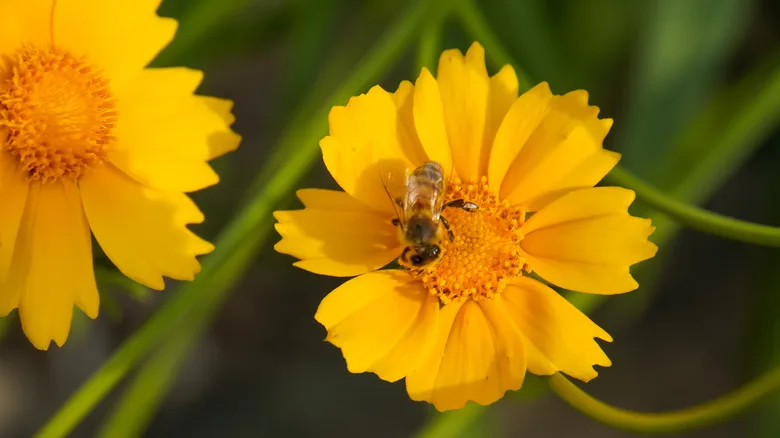
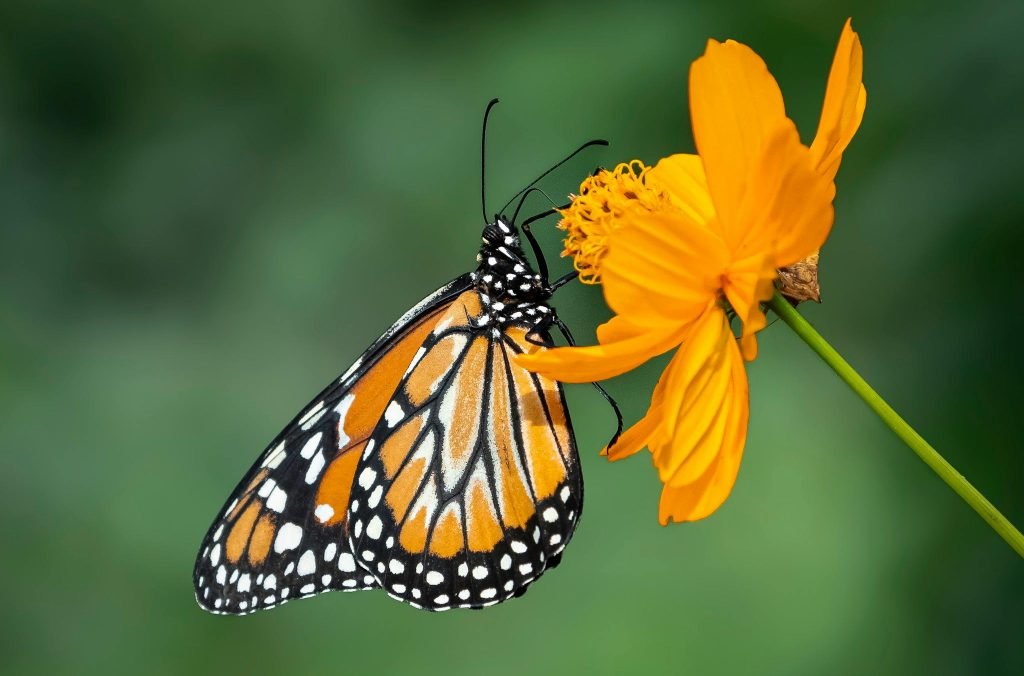
2. Cosmos — The Graceful Pollinator Favorite
Why bees love them:
Cosmos are elegant, daisy-like flowers that sway gently in the breeze and offer a constant supply of pollen. Bees are particularly drawn to the simple, open centers of cosmos blooms, which allow for effortless feeding.

Bloom season: Early summer through fall

Best for: Honeybees and native bees

Growing tips:

  • Cosmos thrive in poor to average soil—too much fertilizer will reduce blooms.
  • They love full sun and need minimal watering once established.
  • Sow seeds directly in the soil after frost; they germinate quickly.
  • Pinch off the growing tips when plants are young to encourage bushier growth.
  • Deadhead regularly for non-stop flowering.

Bonus: Cosmos self-seed easily, so you’ll often find them returning year after year—an effortless way to keep bees visiting your garden.


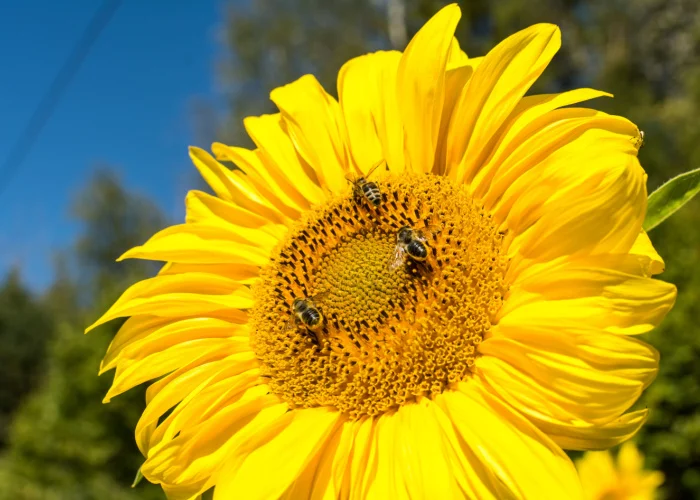
3. Sunflowers — The Classic Bee Buffet
Why bees love them:
There’s a reason the sunflower is practically a symbol of summer—it’s not only beautiful but also a bee superfood. Each sunflower head is made up of hundreds of tiny florets filled with pollen and nectar. Bees love to crawl across the face of the flower, collecting food while helping it pollinate.

Bloom season: Summer to early fall

Best for: Bumblebees, honeybees, and solitary bees

Growing tips:

  • Plant sunflower seeds directly in the ground after frost danger has passed.
  • Choose open-pollinated varieties like ‘Lemon Queen’ or ‘Autumn Beauty’.
  • Provide full sun and space plants at least 12 inches apart.
  • Water regularly, especially during dry spells, but avoid waterlogging.
  • For continuous blooms, sow new seeds every few weeks.

Bonus: Once the bees have had their fill, you can harvest sunflower seeds for yourself or let birds enjoy them in late summer.


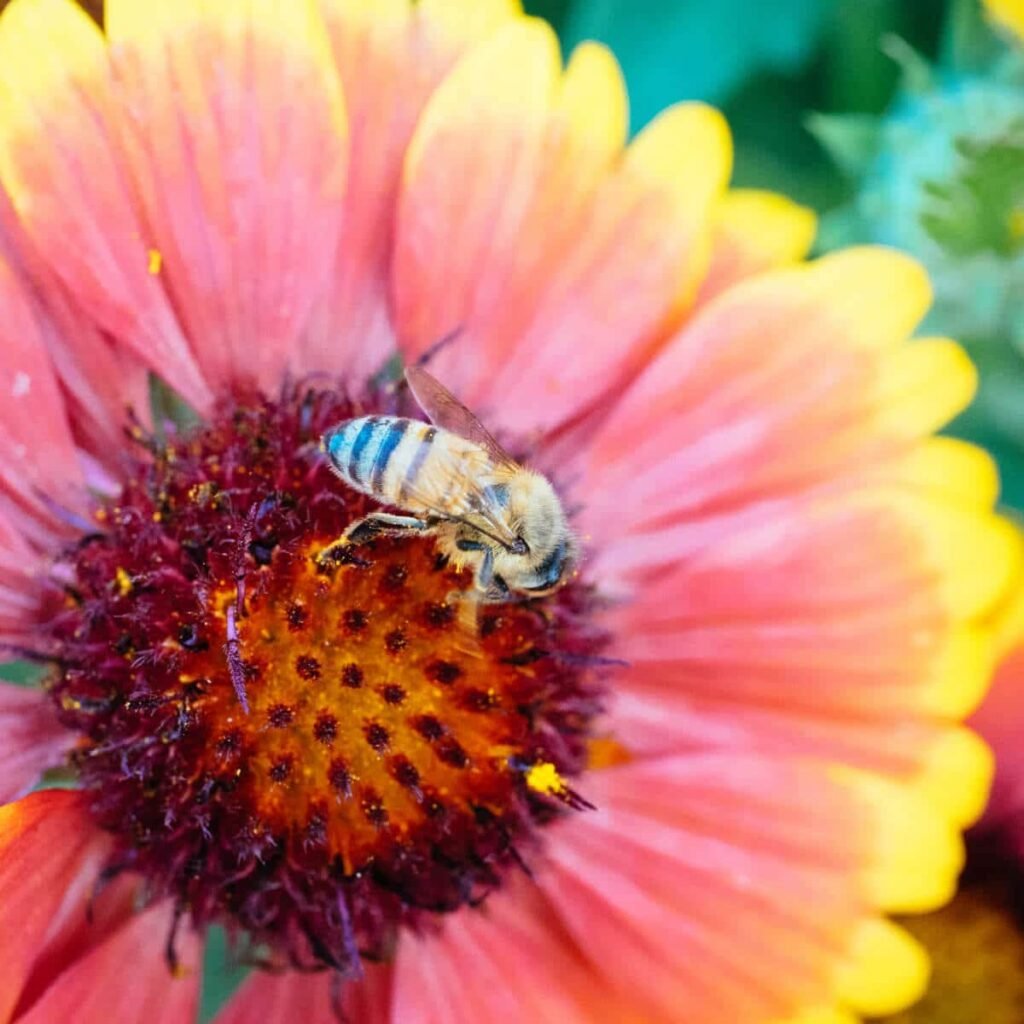
4. Calendula — The Bright, Bee-Friendly Bloomer
Why bees love them:
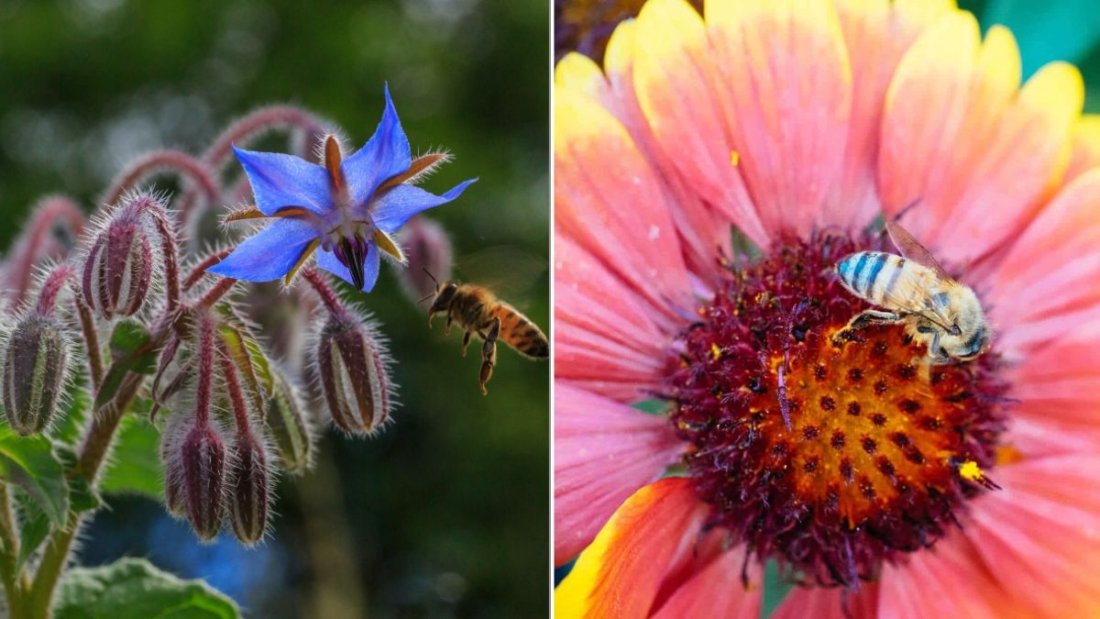
Also called pot marigold, calendula’s sunny orange and yellow flowers are a bee’s delight. The open shape makes it easy for bees to collect pollen, and the flowers keep blooming from early spring until frost, providing a long nectar season.

Bloom season: Spring through fall

Best for: Honeybees, leafcutter bees, and hoverflies

Growing tips:

  • Prefers cool weather and can tolerate partial shade.
  • Sow seeds directly in the garden or in containers in early spring.
  • Keep the soil moist but not soggy.
  • Regularly deadhead to promote new blooms.
  • Avoid planting in overly rich soil—calendula blooms best when slightly stressed.

Bonus: Calendula petals are edible and have soothing properties. You can use them in teas, balms, or salads while your bees enjoy the nectar.


5. Borage — The Star of the Bee Garden
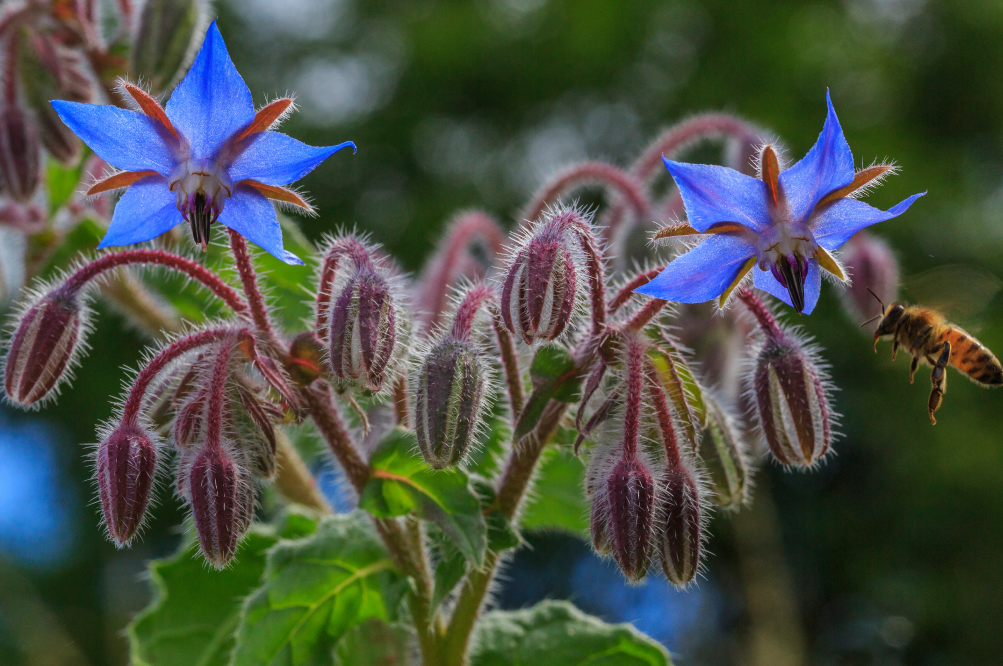
Why bees love them:
Few flowers attract bees quite like borage, also known as starflower. Its striking blue blooms are rich in nectar that replenishes quickly after being visited—meaning bees can return again and again throughout the day. Borage flowers even hang slightly downward, perfectly positioned for bees to access.

Bloom season: Late spring through fall

Best for: Honeybees and bumblebees

Growing tips:

  • Plant in full sun with well-draining soil.
  • Sow seeds directly into the soil after the last frost.
  • Water regularly until established, then let it thrive with minimal care.
  • Borage can self-seed freely—if you don’t want it spreading, harvest flowers before they drop seed.

Bonus: The leaves and flowers are edible with a light cucumber flavor, making them a refreshing garnish for summer dishes or drinks.


6. Sweet Alyssum — The Fragrant Bee Carpet
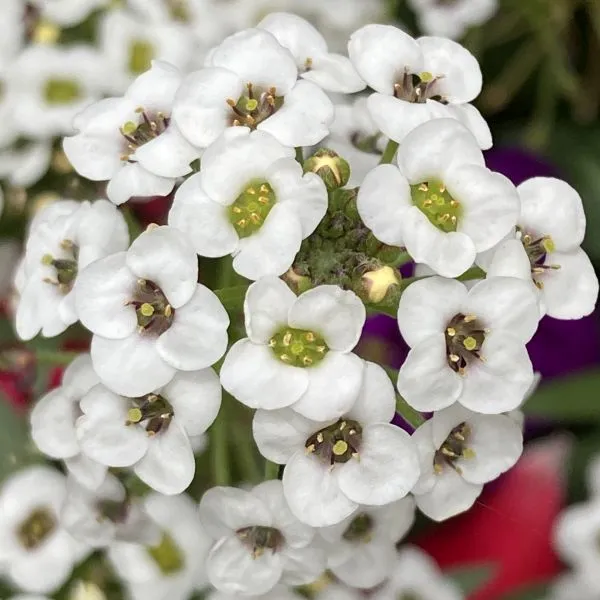
Why bees love them:
Sweet alyssum is a low-growing annual with clusters of tiny white, pink, or purple flowers that release a sugary fragrance bees adore. It provides both nectar and pollen while blooming for months on end, especially in cooler climates.

Bloom season: Early spring to late fall

Best for: Small native bees and hoverflies

Growing tips:

  • Grow in full sun to partial shade.
  • Excellent for edging garden beds, pathways, or containers.
  • Water regularly but avoid soggy conditions.
  • Trim lightly after the first bloom cycle to encourage more flowers.
  • For continuous blooms, re-seed mid-season or plant successively.

Bonus: Sweet alyssum attracts other beneficial insects, such as ladybugs and lacewings, which feed on garden pests like aphids—helping you maintain a naturally balanced ecosystem.


Creating a Bee Haven: Garden Tips for Success

Planting bee-friendly flowers is just the start. To truly welcome pollinators and keep them healthy, follow these simple but powerful tips:

1. Plant in Clusters

Bees are more efficient when they can collect nectar from multiple blooms in a single area. Instead of scattering individual plants, grow your annuals in clusters of three or more of each variety.

2. Avoid Pesticides

Even natural or “bee-safe” pesticides can harm pollinators if used incorrectly. Instead, rely on natural pest deterrents like neem oil, garlic spray, or companion planting. If you must spray, do so in the evening, when bees are least active.

3. Provide a Water Source

Bees need water to regulate hive temperature and dilute honey. Offer a shallow dish filled with pebbles and water—the stones give them a safe place to land.

4. Ensure Continuous Blooming

Mix early-, mid-, and late-season annuals so your garden provides nectar throughout the growing season. Bees rely on consistent food sources, especially in late summer.

5. Choose Single Blooms Over Doubles

While double flowers look fuller, they often have so many petals that bees can’t access the nectar. Always opt for single-flowered varieties when planting for pollinators.

6. Add Some Native Annuals

Native plants are adapted to your region’s climate and attract native bee species that thrive locally. Check with your local nursery for native annuals that complement your garden.


Why Bees Matter More Than Ever

Bees are responsible for pollinating about one-third of all the food we eat, including many fruits, vegetables, and nuts. Beyond that, they maintain biodiversity by helping wildflowers reproduce. Yet, due to habitat loss, pesticide use, and climate change, global bee populations are declining at alarming rates.

By planting just a few pots or flowerbeds filled with bee-attracting annuals, you’re doing more than beautifying your space—you’re supporting pollinator survival and helping nature maintain its delicate balance.


Final Thoughts

A bee-friendly garden doesn’t have to be complicated or high-maintenance. With six annual flowers—zinnias, cosmos, sunflowers, calendula, borage, and sweet alyssum—you can turn even a small patch of soil or balcony planter into a vibrant pollinator haven.

These blooms not only reward you with color and fragrance but also invite the gentle hum of bees working happily among the petals—a sound that signals your garden is alive and thriving.

So grab a handful of seeds, find a sunny spot, and let nature take care of the rest. Because when the bees are buzzing, your entire garden blossoms in harmony.
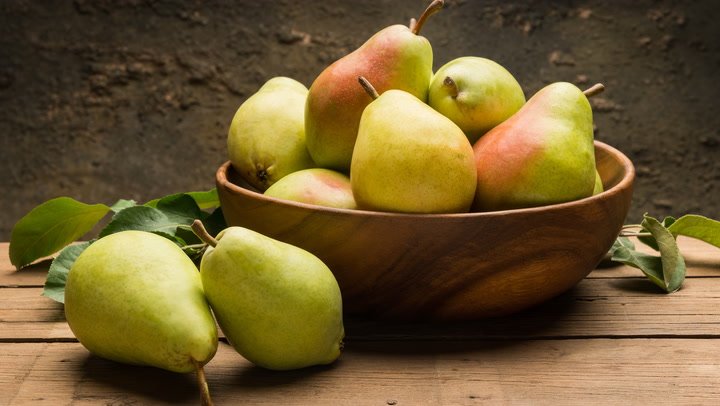
How To Ripen Green Pears After Picking

How To Ripen Green Pears After Picking

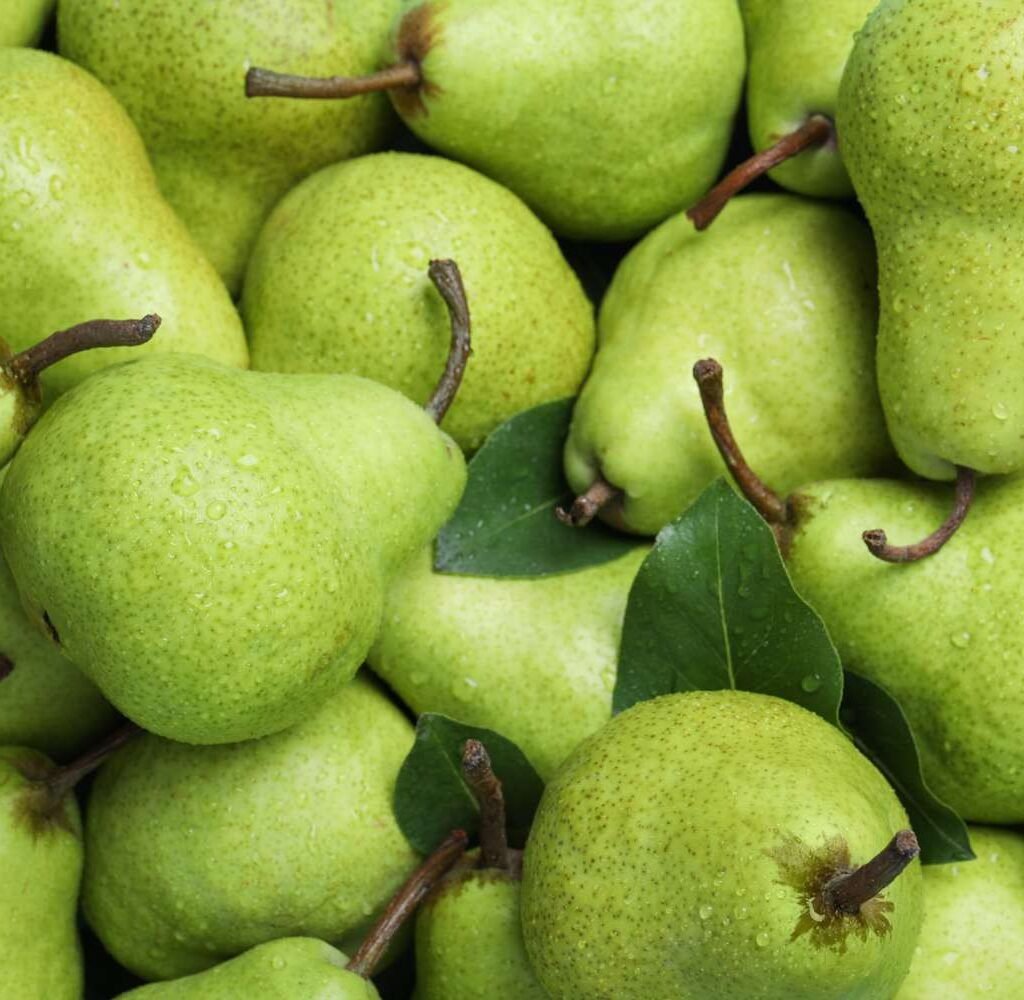
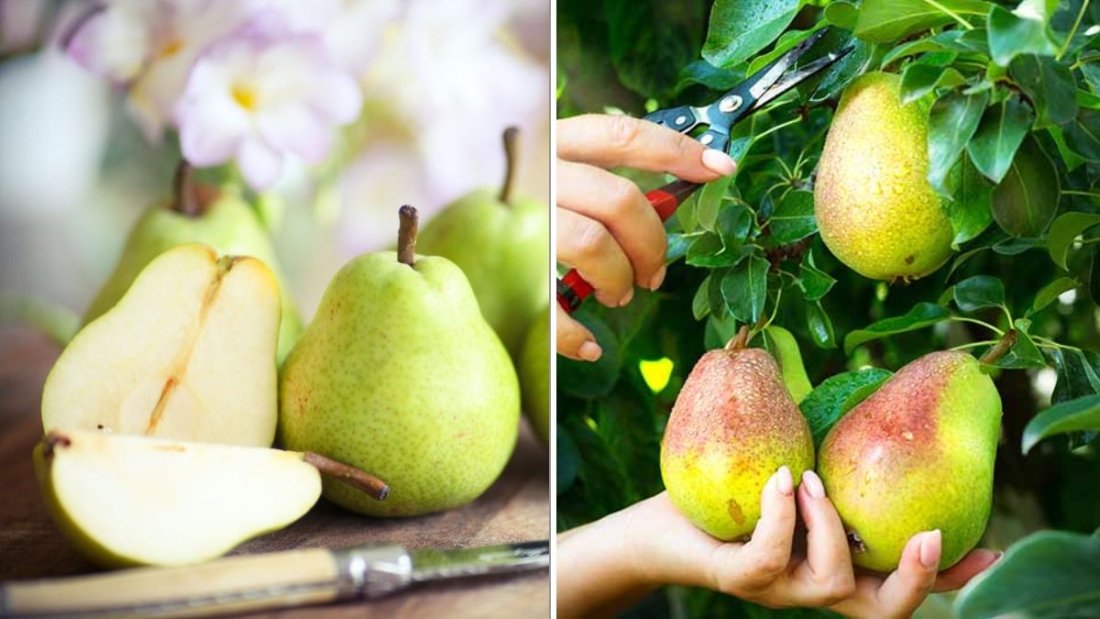
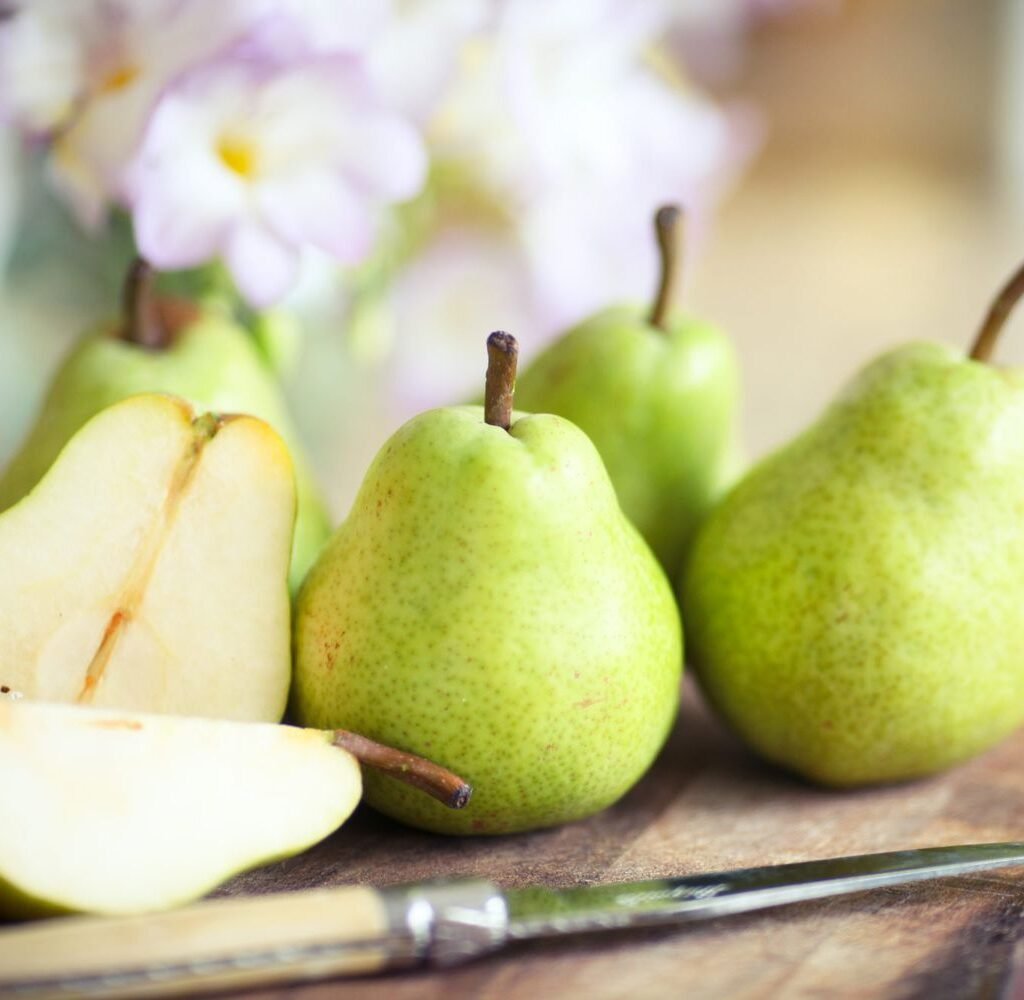
There’s something so satisfying about harvesting your own pears—whether from a backyard tree, a local orchard, or even a farmers’ market haul. But if you’ve ever bitten into a green, rock-hard pear, you know how disappointing it can be. Unlike many fruits, pears don’t ripen well on the tree. Instead, they’re meant to mature off the branch—a unique process that can leave many gardeners and home cooks wondering how to properly ripen them once picked.

Fortunately, with the right approach, you can turn those firm, green pears into perfectly sweet, juicy fruit. This guide explains why pears behave this way, when to harvest them, and how to ripen them at home for the best flavor and texture.


Why Pears Don’t Ripen on the Tree

Unlike apples or peaches, pears ripen best after they’re harvested. This is because of a natural plant hormone called ethylene, which triggers the ripening process. When pears remain on the tree until fully ripe, they often turn mealy or gritty in texture before achieving peak sweetness.

By picking them when they’re mature—but still firm—you allow them to ripen evenly off the tree, avoiding that unpleasant graininess. The process mimics nature’s timing while giving you more control over the fruit’s quality.

In short:

  • On the tree: Pears develop starch and size.
  • Off the tree: Starch converts to sugar, and the fruit softens beautifully.

Step 1: Know When to Pick Your Pears

The first step in ripening success is knowing when to harvest. Picking too early means the pears may never ripen; picking too late can result in mushy fruit.

Signs your pears are ready to harvest:

  1. Color shift: Most green varieties (like Bartlett or D’Anjou) lighten slightly in color. Yellow varieties (like Bosc) develop a more golden tone.
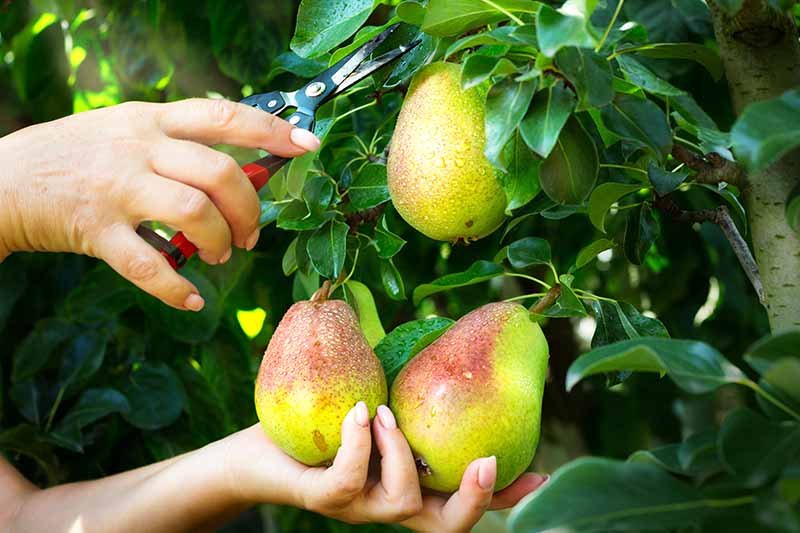
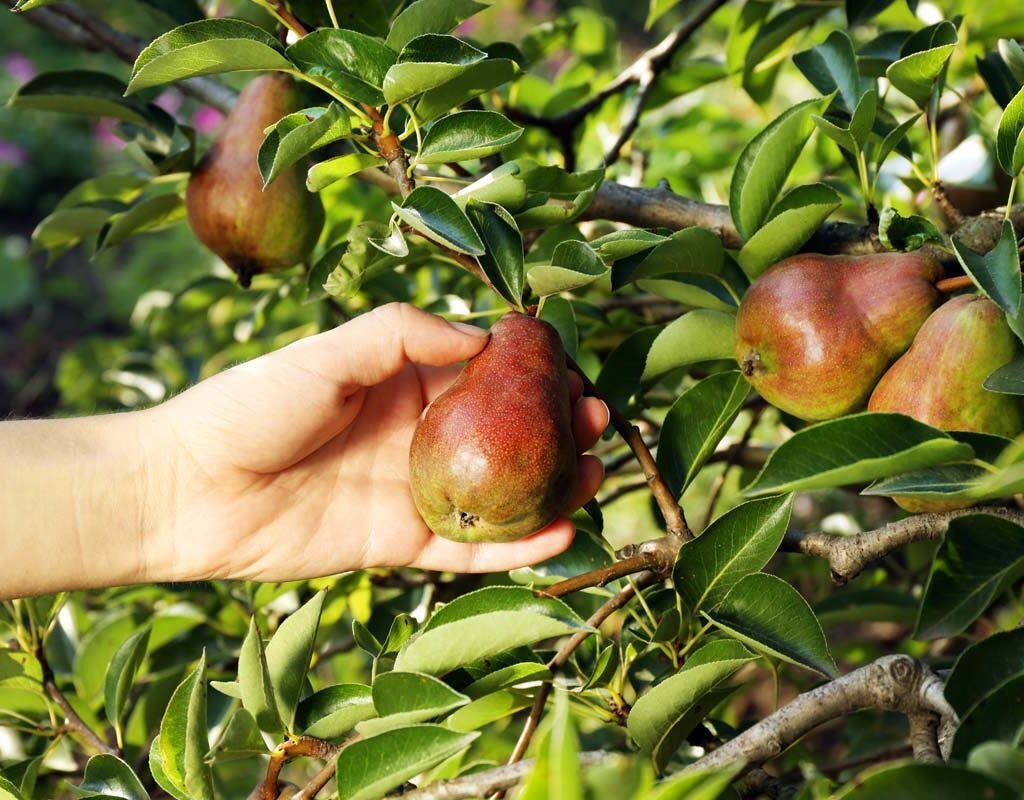
  2. Tilt test: Gently lift a pear to a horizontal position—if it detaches easily from the branch with a small twist, it’s mature.
  3. Firmness: The fruit should feel hard but not rock solid.
  4. Seeds: If you cut one open, mature seeds should be brown, not white.

Tip: Always handle pears carefully when harvesting—they bruise easily, and damaged fruit won’t ripen evenly.


Step 2: Sorting and Storing Freshly Picked Pears

Once harvested, sort your pears to separate any bruised or blemished ones. Damaged pears release more ethylene gas, which can cause others to over-ripen or spoil prematurely.

For short-term storage:

  • Keep pears in a cool, dark place (like a pantry or cellar) at 30–40°F (around 0–4°C).
  • Arrange them in a single layer, not stacked, to prevent pressure bruising.

For long-term storage:

  • You can refrigerate mature but unripe pears for up to 3–4 weeks.
  • Move them to room temperature when you’re ready to start the ripening process.

Step 3: Ripening Pears at Room Temperature

The simplest and most effective way to ripen pears is to let them sit at room temperature until they soften naturally.

Here’s how:

  1. Place unripe pears in a single layer on the counter or in a shallow bowl.
  2. Keep them out of direct sunlight but in a warm (65–75°F / 18–24°C) environment.
  3. Check daily by pressing gently near the stem—when the fruit yields slightly to pressure, it’s ripe.

Most varieties take 4–7 days to ripen this way, though cooler temperatures can slow things down.

Pro tip: Line your bowl with paper towels to absorb any moisture and prevent mold.


Step 4: Speeding Up the Ripening Process

If you can’t wait a week to enjoy your pears, you can easily accelerate the process with natural ethylene producers.

Method 1: Paper Bag Trick

  • Place 3–5 pears in a brown paper bag and fold the top loosely.
  • Add one ripe banana or apple—both release ethylene gas, which speeds ripening.
  • Store at room temperature and check daily.

Method 2: Cloth Wrap Method

  • Wrap pears in a breathable cotton towel or napkin and leave them in a warm spot (like on top of the fridge).
  • The enclosed space traps ethylene gas, encouraging faster ripening.

Method 3: Warm Room Method

  • Move pears to the warmest room in your house (but away from direct heat).
  • Warmer temperatures accelerate ripening, though this can sometimes cause uneven softening—so check often.

Typically, these methods shorten ripening time to 2–3 days.


Step 5: Slowing Down Ripening Once Perfect

Once your pears are perfectly soft and fragrant, it’s important to pause the ripening process before they go overripe.

To do this:

  • Transfer ripe pears to the refrigerator immediately.
  • They’ll stay fresh for 5–7 more days.

For the best texture and sweetness, bring them back to room temperature for about an hour before eating.

Tip: Avoid freezing whole pears. If you want to preserve them longer, consider making pear sauce, jam, or poached pears instead.


Step 6: Understanding Different Pear Varieties

Not all pears ripen at the same rate. Knowing the characteristics of your variety helps you predict and control ripening more effectively.

Common Varieties and Their Ripening Notes:

VarietyTypeRipening Time (after picking)Flavor & Texture
BartlettSummer4–7 daysSweet, juicy, classic pear flavor
BoscWinter10–14 daysFirm, spicy-sweet, ideal for baking
D’AnjouWinter7–10 daysMild, dense flesh
ComiceLate season5–8 daysVery sweet, tender, best for fresh eating
Asian PearTree-ripenedUsually ripens on treeCrisp like an apple, mild sweetness

Winter pears (like Bosc or D’Anjou) need a longer indoor ripening period, while summer pears (like Bartlett) mature faster.


Step 7: Using Ripe Pears in the Kitchen

Once your pears are perfectly ripe, the possibilities are endless. Their natural sweetness and silky texture make them perfect for both savory and sweet dishes.

Delicious ways to enjoy ripe pears:

  • Slice over oatmeal, yogurt, or cereal.
  • Pair with blue cheese and walnuts in a salad.
  • Roast with honey and cinnamon for a simple dessert.
  • Poach in red wine or spiced syrup for a showstopping treat.
  • Blend into smoothies or bake into muffins and tarts.

And if your pears ripen all at once, don’t worry—make pear compote or jam to enjoy their flavor year-round.


Step 8: Common Ripening Mistakes to Avoid

Even experienced gardeners can make small errors when ripening pears. Here’s what to watch for:

  1. Leaving pears on the tree too long: This leads to gritty, overripe fruit.
  2. Storing in airtight containers: Pears need airflow; sealed containers trap moisture and cause mold.
  3. Placing in direct sunlight: This can overheat and shrivel the fruit instead of ripening it evenly.
  4. Ignoring daily checks: Pears can go from perfect to overripe in less than 24 hours once they start softening.

Rule of thumb: “Cool to store, warm to ripen.”


Final Thoughts

Ripening pears after picking might seem tricky at first, but once you understand how they work, it becomes second nature. The key lies in timing—harvesting at the right maturity stage, ripening at room temperature, and storing cool once they’re ready.

With just a little patience and a few tricks, you can enjoy perfectly ripe, buttery-sweet pears every time—whether they’re homegrown or store-bought.

So next time you find yourself staring at a basket of firm green pears, don’t worry. Give them a little warmth, a little time, and they’ll reward you with the delicate flavor and texture that makes pears one of autumn’s most elegant fruits.

The Best Companion Plants For Apple Trees: Boost Growth, Repel Pests, and Improve Your Harvest Naturally

The Best Companion Plants For Apple Trees: Boost Growth, Repel Pests, and Improve Your Harvest Naturally

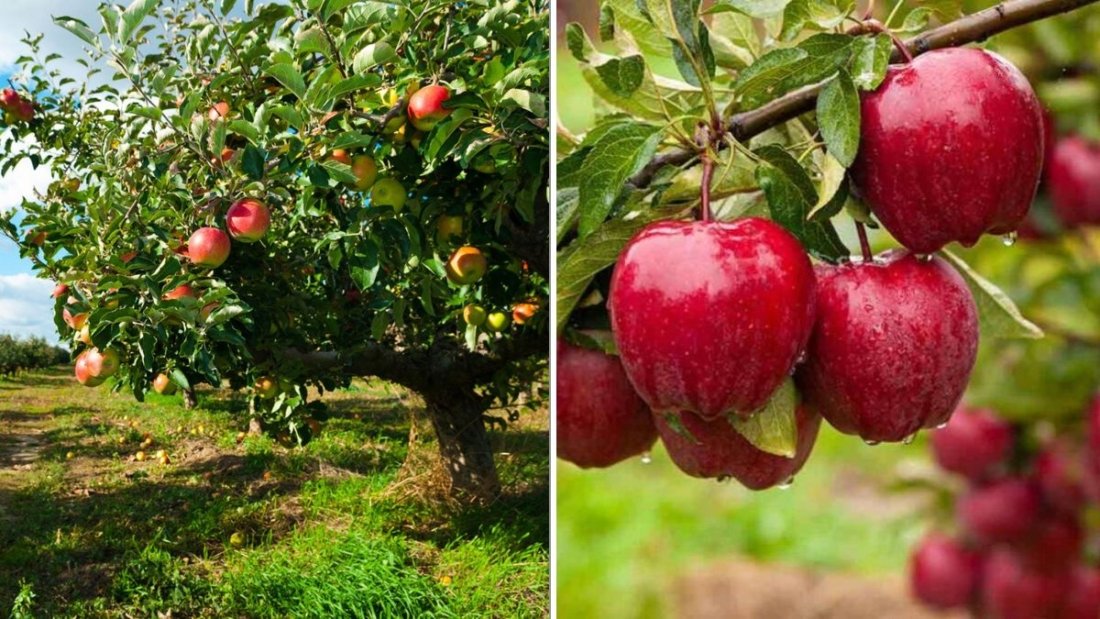
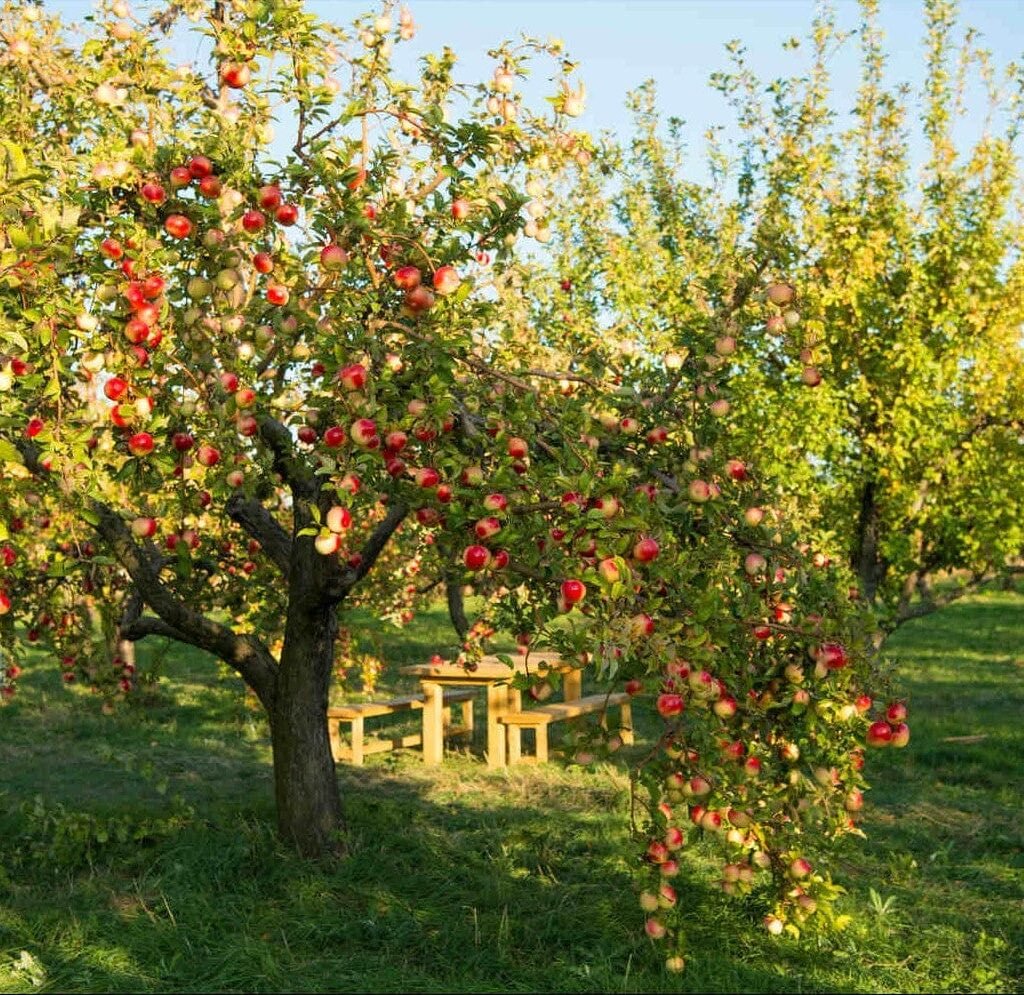
If you’ve ever dreamed of harvesting baskets of crisp, juicy apples from your backyard, you already know that healthy soil, sunshine, and pruning play key roles. But there’s another, often-overlooked secret to thriving apple trees — companion planting.

Companion planting is the art of growing certain plants together for mutual benefit. The right companions can attract pollinators, repel pests, enrich the soil, and even improve fruit flavor. For apple trees, which face common challenges like aphids, codling moths, and fungal diseases, companion plants can make a world of difference.

Whether you’re tending an orchard or a single tree in your garden, here’s a complete guide to the best companion plants for apple trees — and how to use them to create a lush, self-sustaining ecosystem.


Why Companion Planting Works for Apple Trees

Apple trees don’t grow in isolation in nature — they thrive in diverse ecosystems where plants, insects, and soil microbes work together. Companion planting recreates that natural balance right in your garden.

Here’s how it helps:

  1. Pest Control: Certain herbs and flowers naturally repel apple-loving pests like aphids, codling moths, and apple maggots.
  2. Pollination Boost: Flowers attract bees and beneficial insects, improving fruit set.
  3. Soil Health: Nitrogen-fixing plants and ground covers keep the soil rich, aerated, and moist.
  4. Disease Prevention: Aromatic herbs help reduce fungal spores and mildew around apple roots.
  5. Weed Suppression: Ground covers outcompete weeds and maintain consistent soil moisture.

In short: Companion planting reduces your need for pesticides and fertilizers while creating a more balanced, beautiful orchard.


The Best Companion Plants for Apple Trees

Here’s a curated list of top-performing companion plants that help apple trees grow stronger, resist disease, and yield more fruit.


1. Comfrey – The Soil Enricher

Comfrey is often called the “power plant” of permaculture — and for good reason. Its deep roots pull up nutrients like potassium, calcium, and magnesium from the subsoil, making them available to apple roots when its leaves decompose.

Benefits:

  • Builds soil fertility and improves structure.
  • Provides excellent mulch when chopped and dropped around the base of the apple tree.
  • Attracts pollinators with its purple-blue flowers.

How to Plant:

  • Plant comfrey about 2–3 feet away from the apple tree trunk.
  • Cut leaves 3–4 times a year to use as mulch or compost material.

Tip: Use the sterile variety ‘Bocking 14’, which doesn’t spread aggressively.


2. Marigolds – The Pest Repellent

Marigolds are among the best-known companion plants for any garden — and apple trees love them too.

Benefits:

  • Repel nematodes, aphids, and whiteflies.
  • Their strong scent confuses pests like apple maggots and codling moths.
  • Bright blooms attract bees and butterflies.

How to Plant:

  • Scatter marigolds in clusters around the apple tree’s drip line (the area under the edge of the canopy).
  • Replant annually for continuous protection.

Pro Tip: Pair marigolds with herbs like basil or dill for an even stronger pest barrier.


3. Chives – The Fungal Fighter

Chives are a must-have around apple trees. Their onion-like scent deters many pests, while their antimicrobial compounds help prevent fungal diseases such as apple scab and powdery mildew.

Benefits:

  • Repels aphids, borers, and mites.
  • Naturally inhibits fungal spores on nearby plants.
  • Attracts pollinators when in bloom.

How to Plant:

  • Plant clumps of chives around the tree base, leaving a few inches between plants.
  • Divide and replant every 2–3 years for best growth.

Bonus: Chive flowers are edible and make lovely garden garnishes.


4. Garlic and Onions – Natural Pest Barriers

Alliums (the family that includes garlic, onions, and leeks) are among the most effective natural pest repellents.

Benefits:

  • Repel aphids, mites, borers, and deer.
  • Help prevent fungal infections.
  • Easy to grow in the partial shade of apple trees.

How to Plant:

  • Plant garlic bulbs in fall, about 6 inches apart, around the tree base.
  • Harvest in summer, then replant for year-round protection.

Pro Tip: Use garlic chives for a low-maintenance perennial alternative.


5. Dandelions – The Pollinator Magnet

Though often considered a weed, dandelions play a surprising role in a healthy orchard ecosystem.

Benefits:

  • Their long taproots pull up calcium and potassium for shallow-rooted trees.
  • Early spring blooms attract bees just when apple blossoms begin to open.
  • Help maintain soil aeration.

How to Plant:

  • Allow a few dandelions to grow naturally under your tree — no special planting needed.
  • Mow or pull excess plants if they start spreading too widely.

Tip: Don’t remove all dandelions from your lawn — they’re vital for early-season pollinators.


6. Clover – The Nitrogen Fixer

Clover is one of the best living mulches for apple trees. It’s low-growing, drought-tolerant, and improves soil fertility.

Benefits:

  • Fixes nitrogen in the soil, providing natural fertilizer.
  • Reduces weeds and conserves moisture.
  • Attracts bees and beneficial insects.

How to Plant:

  • Sow white or red clover seed in spring or fall beneath your apple tree.
  • Mow occasionally to keep it tidy and stimulate new growth.

Pro Tip: Clover also helps prevent erosion and compaction around tree roots.


7. Nasturtiums – The Aphid Trap

Nasturtiums are not only beautiful — they’re a brilliant form of pest management.

Benefits:

  • Act as a trap crop, luring aphids and whiteflies away from apple leaves.
  • Attract beneficial insects like ladybugs and lacewings that feed on pests.
  • Their bright flowers add color and are edible too!

How to Plant:

  • Plant nasturtiums in small clusters 3–4 feet from the tree base.
  • Let them trail naturally or climb low supports.

Bonus: Nasturtium leaves and flowers have a peppery flavor and make great additions to salads.


8. Lemon Balm and Mint – The Insect Repellers

Both lemon balm and mint are aromatic herbs that confuse and repel insect pests.

Benefits:

  • Repel codling moths, aphids, and ants.
  • Attract pollinators with their small, nectar-rich flowers.
  • Release essential oils that deter mosquitoes and fruit flies.

How to Plant:

  • Plant in containers near your apple trees to prevent aggressive spreading.
  • Cut back regularly to encourage new growth and prevent overcrowding.

Pro Tip: Crushed mint leaves also deter rodents that might nibble on young bark.


9. Calendula (Pot Marigold) – The Pollinator Powerhouse

Calendula’s bright yellow-orange flowers are more than ornamental — they help keep apple trees productive and healthy.

Benefits:

  • Attract bees and hoverflies for pollination.
  • Repel aphids and beetles.
  • Improve soil health through dense root systems.

How to Plant:

  • Sow calendula seeds around the tree base in early spring.
  • Deadhead spent blooms to encourage continuous flowering.

Fun Fact: Calendula petals are edible and can be used as a natural dye or garnish.


10. Yarrow – The Beneficial Insect Haven

Yarrow is a powerhouse perennial that enhances biodiversity around your apple trees.

Benefits:

  • Attracts ladybugs, lacewings, and parasitic wasps that prey on aphids and caterpillars.
  • Strengthens nearby plants through chemical signaling (allelopathy).
  • Improves soil structure with deep, fibrous roots.

How to Plant:

  • Plant yarrow at the edge of your orchard or garden bed, about 3 feet from the trunk.
  • Divide clumps every few years to control spread.

Pro Tip: Choose white or yellow yarrow for best insect attraction.


Bonus Companions for Apple Trees

Companion PlantBenefitNotes
BorageAttracts bees, improves fruit flavorRe-seeds easily each year
ThymeGround cover, repels worms and beetlesPlant along borders
ChamomileBoosts tree immunityGreat for underplanting
TansyRepels ants and mothsKeep controlled—can spread
Fennel (in containers)Attracts hoverfliesKeep away from direct root zone

Plants to Avoid Near Apple Trees

Not all plants make good neighbors. Some compete for nutrients or release compounds that can stunt apple tree growth.

Avoid planting:

  • Potatoes, tomatoes, peppers, or eggplants (members of the nightshade family – can spread blight).
  • Walnuts (release juglone, which is toxic to apple trees).
  • Brassicas (like cabbage and broccoli – can attract root maggots).

Tip: Always leave 2–3 feet of open space around the trunk to prevent root competition.


How to Design a Companion Planting Guild Around Your Apple Tree

A “fruit tree guild” is a layered, self-sustaining planting system that mimics a forest.

Example Apple Tree Guild:

  • Center: Apple tree
  • Inner Circle: Garlic, chives, and comfrey (nutrient cycling & disease control)
  • Middle Circle: Clover or nasturtiums (ground cover & nitrogen fixing)
  • Outer Circle: Marigolds, calendula, and yarrow (pollinator support)

This layered design provides nutrients, pest control, and pollination year-round — all without chemical fertilizers or sprays.


Final Thoughts

Companion planting around your apple tree is one of the simplest, most natural ways to boost productivity, protect against pests, and create a thriving garden ecosystem.

Instead of relying on pesticides or synthetic fertilizers, you’ll have a living system that supports your tree — from the roots to the blossoms.

With the right mix of herbs, flowers, and ground covers, your apple tree will grow stronger, produce more fruit, and stay healthier season after season.

So grab your gloves, gather your seeds, and start designing your apple tree companion garden today — because a happy tree is never alone.

How To Start A Fig Tree From Cuttings: A Complete Step-By-Step Guide For Beginners

How To Start A Fig Tree From Cuttings: A Complete Step-By-Step Guide For Beginners

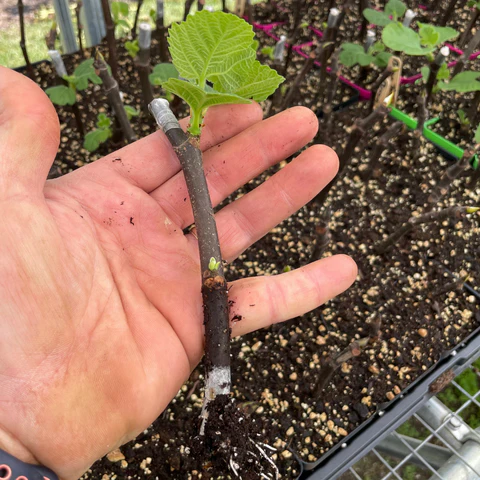
Fig trees (Ficus carica) are among the most rewarding fruit trees you can grow. Their large, hand-shaped leaves, sweet honey-flavored fruit, and easy-going nature make them a favorite of gardeners everywhere. But here’s a little secret: you don’t need to buy an expensive fig tree from a nursery.

With just one healthy branch and a little patience, you can start your own fig tree from cuttings — and it’s easier than you might think.

This guide walks you through everything you need to know about growing fig trees from cuttings — from choosing the right branch to rooting, transplanting, and caring for your new plant. Whether you’re a seasoned gardener or a beginner, you’ll be amazed at how simple and satisfying this process can be.


Why Grow Fig Trees From Cuttings?

Starting fig trees from cuttings has several benefits:

  1. It’s Free (or Nearly Free): You can propagate dozens of new trees from one parent plant.
  2. True to Type: Cuttings produce an exact genetic clone of the parent tree, so you’ll get the same delicious fruit.
  3. Fast Results: Fig cuttings can root in as little as 4–6 weeks and may bear fruit within 1–2 years.
  4. Fun & Rewarding: Watching roots and leaves emerge from a stick is truly magical for gardeners of all skill levels.

Step 1: Choose the Right Time for Taking Fig Cuttings

The best time to take fig cuttings depends on your local climate and whether you’re propagating indoors or outdoors.

  • Late Winter to Early Spring (Dormant Season): Ideal for hardwood cuttings. The plant is resting, which reduces stress and increases rooting success.
  • Late Spring to Early Summer: You can also root softwood or semi-hardwood cuttings taken from actively growing branches, but they’ll require more humidity and care.

Pro Tip: If you’re a beginner, start with hardwood cuttings in late winter—they’re more forgiving and root easily with minimal equipment.


Step 2: Select a Healthy Parent Fig Tree

The success of your new fig tree depends heavily on the health of the parent.

Choose a parent tree that:

  • Produces sweet, high-quality fruit.
  • Has no signs of disease, rot, or pest damage.
  • Is mature (at least 2–3 years old).

Avoid taking cuttings from weak, diseased, or overly young plants.


Step 3: Take the Cuttings

You’ll need a sharp pair of pruning shears or a clean knife.

How to take fig cuttings:

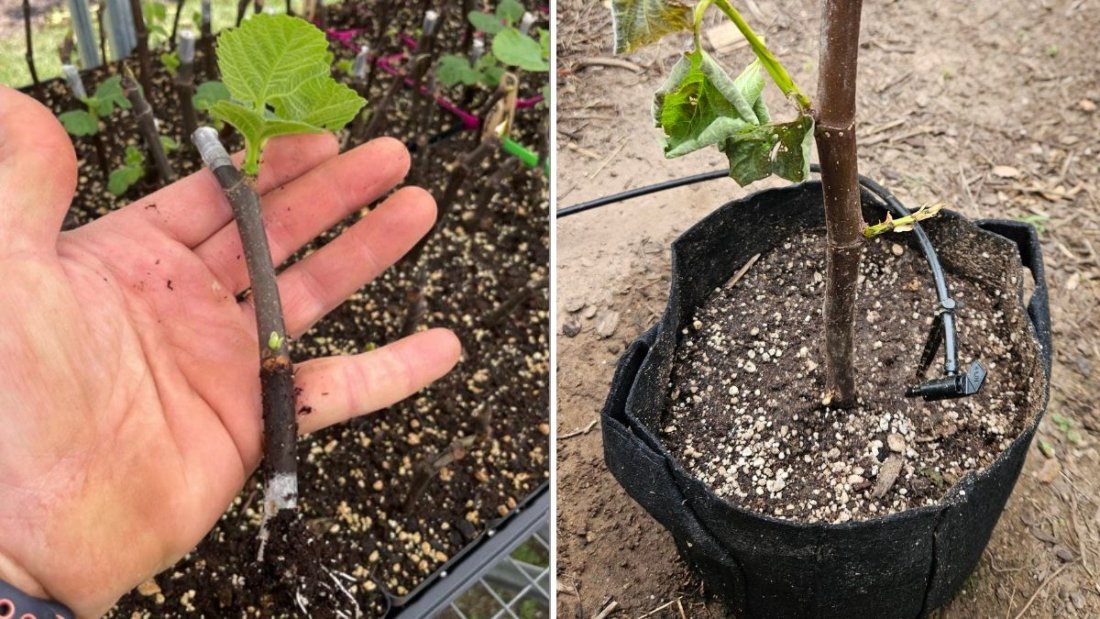
  1. Select a branch that’s ½ to ¾ inch thick (about pencil width).
  2. Cut sections that are 6 to 10 inches long with 3–5 nodes (the little bumps where leaves or roots can grow).
  3. Make the bottom cut just below a node and the top cut about ½ inch above a node.
  4. Remove any leaves from the lower half of the cutting.

If you’re not planting them right away, wrap the cuttings in a damp paper towel, seal them in a plastic bag, and store them in the refrigerator for up to two weeks.

Optional: Dip the bottom end of each cutting into rooting hormone powder to boost root development.


Step 4: Prepare the Planting Medium

Fig cuttings root best in a moist, well-draining medium that provides both air and stability.

Good options include:

  • 1 part perlite + 1 part peat moss
  • 1 part coarse sand + 1 part compost
  • Pre-mixed seed-starting soil

Avoid heavy garden soil—it can suffocate the roots or lead to rot.

Tip: If you plan to root cuttings indoors, use individual pots or plastic cups with drainage holes for easy transplanting later.


Step 5: Plant and Water the Cuttings

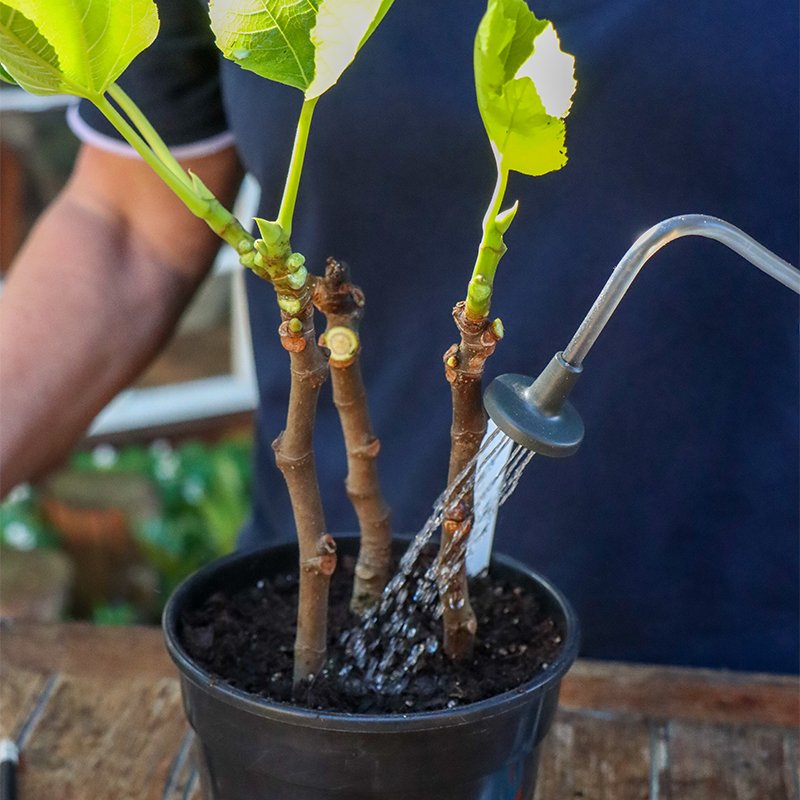
  1. Fill your container with the prepared soil mix.
  2. Insert the cutting 2–3 inches deep, making sure at least one or two nodes are buried under the soil.
  3. Firm the soil gently around the cutting to hold it upright.
  4. Water thoroughly until moisture drains from the bottom.

If planting multiple cuttings, space them at least 2 inches apart in a tray or pot.


Step 6: Create the Ideal Rooting Environment

Cuttings root best in warm, humid conditions.

If Rooting Indoors:

  • Place the pots in a bright, indirect light (like a sunny windowsill).
  • Maintain temperatures between 70–80°F (21–27°C).
  • Cover the cuttings with a clear plastic dome or bag to retain humidity.

Important: Vent the plastic daily for a few minutes to prevent mold growth.

If Rooting Outdoors:

  • Choose a shaded, sheltered location to prevent the cuttings from drying out.
  • Cover with a plastic bottle or mini greenhouse structure to maintain moisture.

Keep the soil consistently moist but not soggy. Roots typically start forming in 4–6 weeks.


Step 7: Check for Root Development

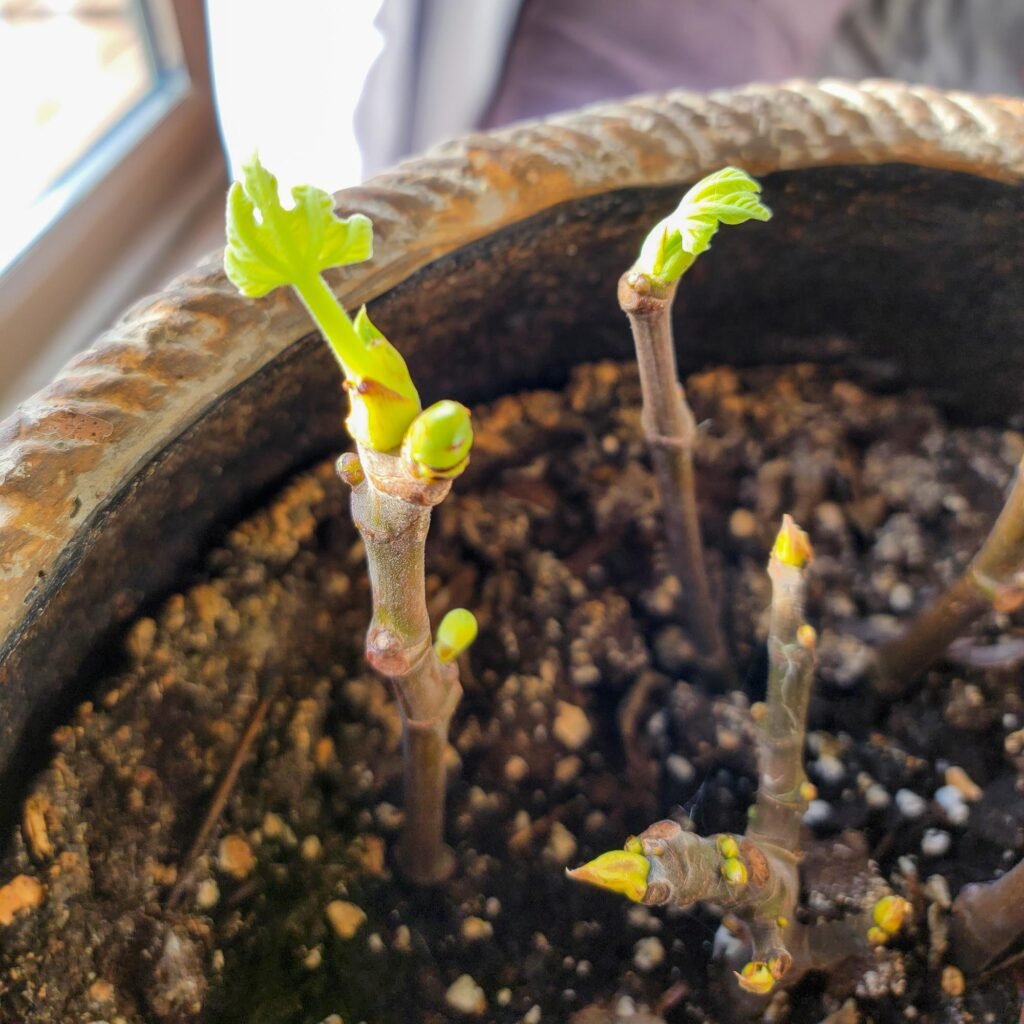
After about a month, gently tug on the cutting. If you feel resistance, roots are forming!

To confirm:

  • Carefully remove one cutting and check for white, fibrous roots emerging from the buried nodes.

Once the roots are at least 1–2 inches long, your fig cuttings are ready to transplant into larger pots.


Step 8: Transplant Your Rooted Fig Cuttings

Transplant rooted cuttings into 6- to 8-inch pots filled with a nutrient-rich potting mix.

Transplanting steps:

  1. Handle gently to avoid damaging the roots.
  2. Plant each cutting at the same depth it was rooting.
  3. Water thoroughly.
  4. Place the pots in bright, indirect sunlight for the first week, then move to full sun as they adjust.

As your fig trees grow taller and stronger, they can be transplanted into:

  • Larger containers (15–20 gallons) for patio gardening, or
  • Directly into the ground, if you live in a warm climate.

Tip: Figs are hardy in USDA zones 7–11, but you can grow them indoors or in containers even in cooler areas.


Step 9: Caring for Young Fig Trees

After transplanting, fig trees grow quickly with the right care.

Light:

Figs love full sun (at least 6–8 hours daily). If growing indoors, place near a south-facing window or use grow lights.

Water:

Keep the soil evenly moist but not waterlogged. Let the top inch of soil dry before watering again.

Fertilizer:

Feed every 4–6 weeks during the growing season with a balanced fertilizer (10-10-10) or compost tea. Avoid overfertilizing, which can produce leafy growth at the expense of fruit.

Pruning:

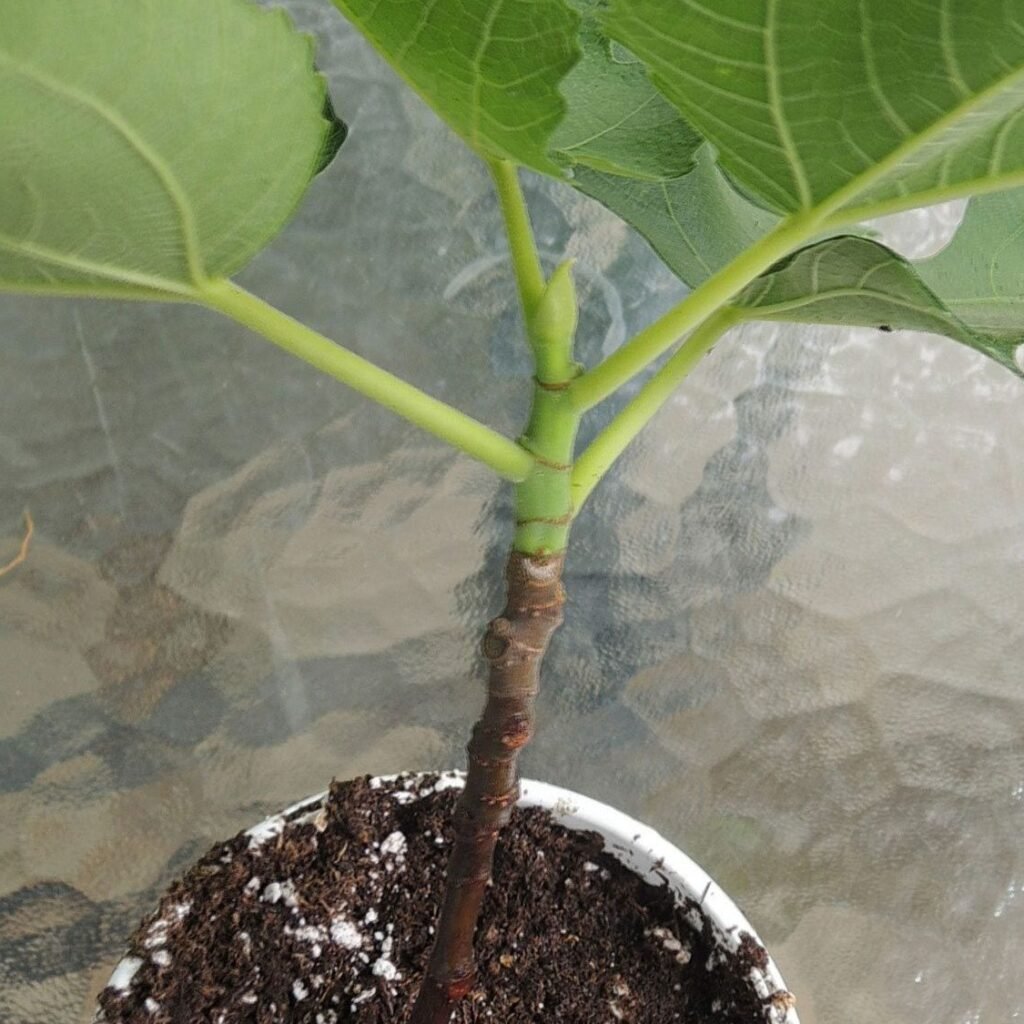
Pinch back the growing tip after 4–5 leaves appear. This encourages branching and a stronger, bushier shape.

Pests:

Watch for aphids, scale, and spider mites. A quick spray of neem oil or insecticidal soap usually keeps them under control.


Step 10: Overwintering Your Fig Trees

If you live in a region where winters drop below freezing, your young fig trees will need protection.

Two simple options:

  1. Bring Indoors: Move container-grown figs indoors before frost. Place them in a cool, bright area (like a basement window). Water lightly every few weeks to keep roots alive.
  2. Outdoor Protection: If planted in the ground, wrap the trunk with burlap and mulch heavily around the base.

Figs naturally go dormant in winter, so don’t worry if they lose their leaves — they’ll regrow once spring arrives.


When Will Your New Fig Tree Bear Fruit?

Patience pays off! Most fig trees started from cuttings will begin producing fruit within 1–2 years, sometimes even sooner if rooted early in the season.

For best results:

  • Keep the plant in full sun.
  • Don’t let it dry out during the growing season.
  • Repot every 2–3 years to refresh the soil and encourage healthy growth.

Bonus Tip: Once your fig tree is mature, you can repeat the process and propagate even more trees — they make thoughtful gifts for friends and family!


Common Problems (and Easy Fixes)

ProblemLikely CauseQuick Fix
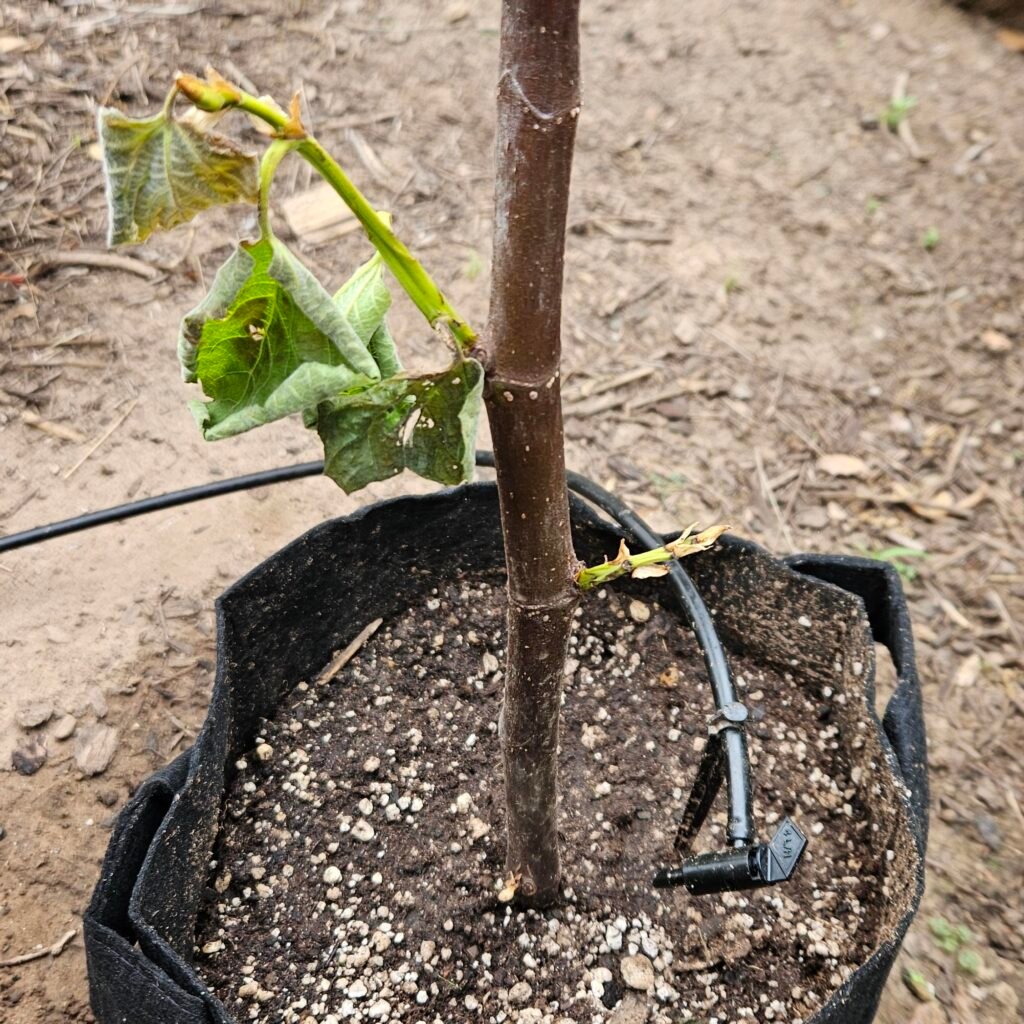
Cuttings turn black or mushyOverwatering or poor drainageLet soil dry slightly, ensure drainage holes
No roots after 8 weeksLow temperature or dry airIncrease warmth/humidity, mist regularly
Yellow leavesNutrient deficiencyApply balanced fertilizer
Mold on soil surfacePoor ventilationRemove cover briefly each day, reduce watering

Final Thoughts

Starting a fig tree from cuttings isn’t just an affordable way to expand your garden—it’s a satisfying experience that connects you directly with the cycle of growth. With a few simple materials, patience, and regular care, you can transform a small branch into a thriving tree that provides shade, beauty, and delicious fruit for years to come.

Whether you’re growing your fig indoors on a sunny windowsill or outdoors in a pot, each leaf and branch is proof of your green thumb at work.

So go ahead — find a healthy fig tree, grab your pruning shears, and start growing your own. Before you know it, you’ll be harvesting sweet, sun-ripened figs straight from your very own tree.

8 Fruit Trees You Can Grow In Containers: Harvest Fresh Fruit Right From Your Patio

8 Fruit Trees You Can Grow In Containers: Harvest Fresh Fruit Right From Your Patio

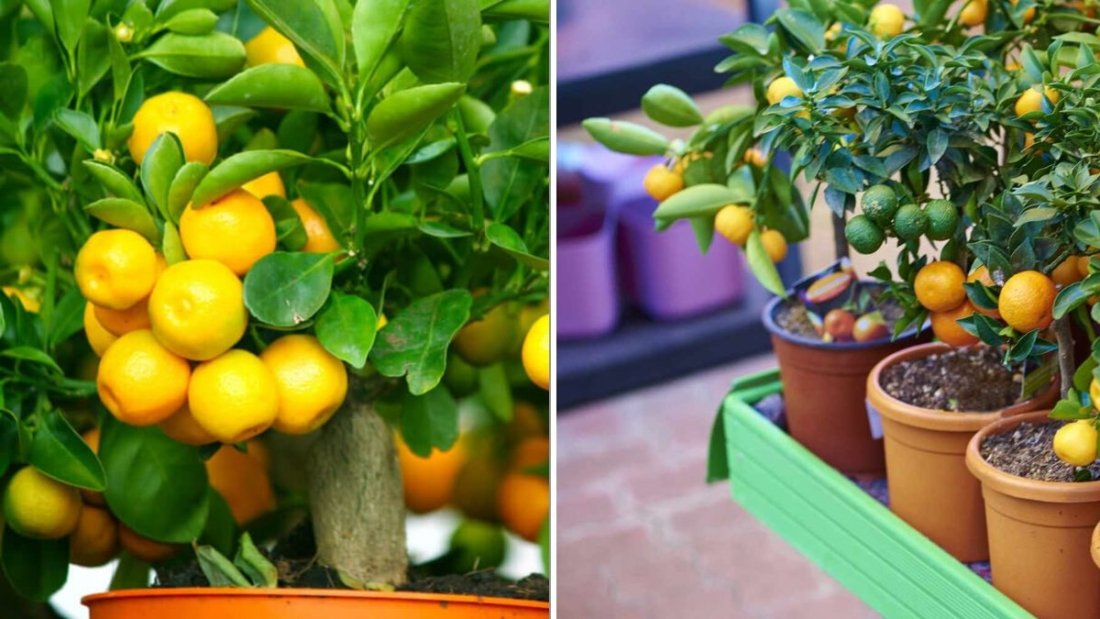
Imagine stepping onto your balcony, patio, or sunny porch and plucking a ripe orange, a handful of cherries, or a juicy peach—all from trees growing right in containers. It sounds like something only a warm-climate gardener could enjoy, but with the right care, you can grow fruit trees in pots almost anywhere.

Container-grown fruit trees are compact, beautiful, and surprisingly productive. Whether you have a small urban space or want to keep your garden mobile, growing fruit trees in containers offers a flexible, rewarding way to enjoy homegrown fruit all year long.

Here’s a guide to 8 fruit trees that thrive in containers, plus detailed tips to help them flourish.


Why Grow Fruit Trees in Containers?

Before we jump into the best varieties, let’s look at the benefits of container gardening for fruit trees:

  1. Space Efficiency: Perfect for balconies, patios, or small gardens.
  2. Mobility: You can move trees indoors during winter or into the sun as needed.
  3. Pest and Disease Control: Easier to monitor and treat issues in confined soil.
  4. Controlled Growth: Dwarf and semi-dwarf varieties stay compact and manageable.
  5. Decorative Appeal: Fruit trees add greenery, fragrance, and color to any space.

With just a few large pots, good soil, and regular care, you can create your very own mini orchard in containers.


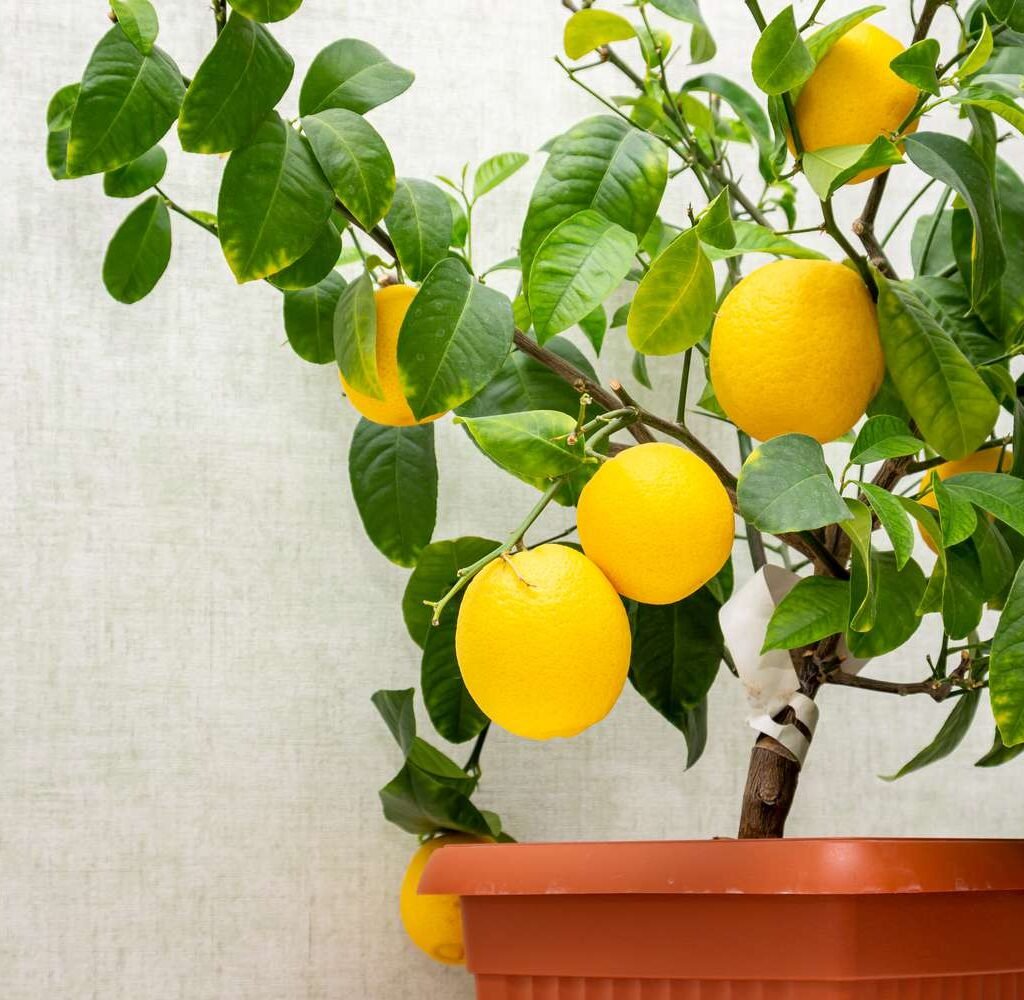
1. Lemon Tree (Citrus limon)

Few things say “tropical” like a lemon tree. Compact and fragrant, lemon trees are perfect for container gardening.

Best Varieties for Pots:

  • ‘Improved Meyer’ Lemon – Naturally small, sweet, and highly productive.
  • ‘Ponderosa’ Lemon – Grows larger fruit but still manageable indoors.

Container Requirements:

  • Minimum 18–24 inches wide, with excellent drainage.
  • Use a well-draining potting mix designed for citrus or cacti.

Sunlight & Care:

  • Needs 8–10 hours of sunlight daily—a sunny south-facing window or grow light works well.
  • Water when the top inch of soil feels dry.
  • Fertilize monthly with a citrus-specific fertilizer.

Pro Tip: Move your lemon tree outdoors in warm months for more blooms and pollination, then bring it back inside when temperatures drop below 55°F (13°C).


2. Orange Tree (Citrus sinensis)

Orange trees in containers bring cheerful color and fragrance to your space.

Best Varieties for Containers:

  • ‘Calamondin’ Orange – Compact, cold-tolerant, and ornamental.
  • ‘Trovita’ or ‘Washington Navel’ – Great for indoor growth under strong light.

Container & Soil:

  • A 20-inch pot with drainage holes.
  • Use loamy, acidic soil rich in organic matter.

Sun & Water:

  • Needs at least 6–8 hours of direct sunlight.
  • Keep soil evenly moist but not soggy.
  • Mist leaves occasionally to boost humidity indoors.

Fertilizing:
Feed every 4–6 weeks during the growing season with a citrus fertilizer high in nitrogen and magnesium.


3. Peach Tree (Prunus persica)

Yes, you can grow sweet, juicy peaches in pots! Dwarf peach varieties are bred for container life and can produce a surprising number of fruits.

Best Varieties for Containers:

  • ‘Bonanza’ – Dwarf variety reaching only 4–6 feet tall.
  • ‘Golden Glory’ – Compact and perfect for patios.

Container & Soil:

  • A deep 20–24-inch container with drainage.
  • Use nutrient-rich potting soil with compost mixed in.

Sun & Pruning:

  • Needs full sun (6–8 hours daily).
  • Prune annually in late winter to maintain shape and encourage fruiting wood.

Watering:

  • Water deeply when the top 2 inches of soil dry out.
  • Avoid letting roots sit in water.

Tip: Peaches grown in pots often ripen faster due to the warmth absorbed by the container—perfect for short growing seasons!


4. Cherry Tree (Prunus avium / Prunus cerasus)

Cherries are not only delicious but stunning when in bloom. Dwarf cherry trees adapt beautifully to container growing with proper pruning.

Best Varieties for Pots:

  • ‘Stella’ – Self-pollinating sweet cherry.
  • ‘Carmine Jewel’ – Compact tart cherry ideal for small spaces.

Container & Soil:

  • A large pot (at least 24 inches deep) for root spread.
  • Use loamy soil with good drainage.

Sun & Care:

  • Requires 6+ hours of sunlight daily.
  • Water regularly, keeping soil slightly moist.

Fertilizer:
Feed every 2–3 months with a balanced (10-10-10) slow-release fertilizer.

Pro Tip: Place two compatible cherry varieties nearby if yours is not self-pollinating. This ensures heavy fruiting even in containers.


5. Apple Tree (Malus domestica)

Even apples can be grown successfully in pots with dwarf rootstocks. Compact apple trees offer classic beauty and crisp, sweet fruit.

Best Varieties for Containers:

  • ‘Honeycrisp’ – Sweet and aromatic.
  • ‘Gala’ or ‘Golden Delicious’ – Productive and hardy in containers.
  • Rootstock: Choose M27 or M9 dwarfing rootstock for compact growth.

Container & Soil:

  • A 24-inch-wide, deep container.
  • Use rich, well-draining loam with compost.

Sunlight:

  • Needs full sun—8 hours minimum daily.

Pruning & Pollination:

  • Prune in winter to maintain shape.
  • Most apples need cross-pollination, so grow two compatible varieties or choose a self-pollinating one like ‘Golden Delicious’.

6. Fig Tree (Ficus carica)

Figs are among the easiest fruit trees to grow in containers. They thrive in pots, adapt well to pruning, and bear sweet, rich fruit even with minimal care.

Best Varieties for Pots:

  • ‘Brown Turkey’ – Hardy and self-fertile.
  • ‘Celeste’ – Compact with excellent flavor.

Container & Soil:

  • Minimum 16–20-inch pot with drainage holes.
  • Use loamy, compost-enriched soil.

Sun & Water:

  • Figs need full sun (8+ hours).
  • Water when the soil dries out 1 inch below the surface.

Winter Care:

  • Bring indoors or to a cool garage during freezing temperatures.

Pro Tip: Figs produce best when slightly root-bound—don’t upsize pots too often.


7. Dwarf Mulberry Tree (Morus nigra)

Mulberries are fast-growing, productive trees that adapt surprisingly well to containers. They produce sweet, blackberry-like fruit and offer a tropical look.

Best Varieties for Containers:

  • ‘Dwarf Everbearing’ – Compact, prolific, and produces multiple crops per year.

Container & Soil:

  • A 16–20-inch container with drainage.
  • Use neutral, rich potting mix.

Sun & Care:

  • Requires 6–8 hours of sunlight daily.
  • Water regularly; mulberries dislike drought stress.

Bonus:

  • Fruits continuously through summer.
  • Self-pollinating, so you only need one plant.

Fun fact: The leaves of mulberries are also the favorite food of silkworms—so your plant has history and beauty!


8. Pomegranate Tree (Punica granatum)

Pomegranates add exotic flair to any patio garden. Their glossy leaves, vibrant flowers, and ruby-red fruit make them a showstopper in pots.

Best Varieties for Containers:

  • ‘Nana’ – True dwarf variety (3–4 feet tall).
  • ‘Wonderful’ – Slightly larger but produces big, juicy fruits.

Container & Soil:

  • Use a large 18–22-inch pot.
  • Soil should be well-draining and slightly sandy.

Sun & Water:

  • Loves full sun (8+ hours).
  • Water deeply, allowing the soil to dry out between waterings.

Pruning:

  • Prune annually in late winter to shape and remove weak branches.

Tip: Pomegranates can flower and fruit even indoors near a bright window—perfect for adding a Mediterranean vibe to your home.


Bonus Tips for Growing Fruit Trees in Containers

  1. Choose the Right Pot:
    • Terracotta or plastic pots both work, but make sure they have drainage holes.
    • Larger pots retain moisture better and allow root expansion.
  2. Use Quality Soil:
    • Always use potting mix, not garden soil.
    • Add compost or slow-release fertilizer for nutrients.
  3. Fertilize Regularly:
    • Container-grown trees lose nutrients faster.
    • Use organic fertilizers every 4–6 weeks during growing season.
  4. Prune Annually:
    • Keeps trees compact and encourages more flowers and fruit.
  5. Pollination Help:
    • Move trees outdoors during flowering or hand-pollinate using a small brush if kept indoors.
  6. Winter Care:
    • Move non-hardy species (like citrus or figs) indoors when temperatures drop below 50°F (10°C).
  7. Repot Every 2–3 Years:
    • Refresh soil and prune roots slightly to maintain size and health.

Creating a Mini Orchard

Mixing different container fruit trees can create a vibrant, edible paradise. Try grouping:

  • Lemon, fig, and pomegranate for a Mediterranean feel.
  • Peach, cherry, and apple for a traditional orchard look.
  • Mulberry and citrus for a lush tropical corner.

Add some herbs or flowers around the pots for pollinator attraction and extra beauty.


Final Thoughts

Growing fruit trees in containers is one of the most rewarding ways to bring nature, color, and flavor into small spaces. Whether you dream of sipping lemonade under your lemon tree or snacking on homegrown peaches from your balcony, container fruit trees make it all possible.

Start small—choose one or two dwarf varieties, provide sun, good soil, and a bit of patience. Soon, you’ll have a thriving patio orchard that’s as beautiful as it is productive.

Because no matter how big or small your garden is, the sweetest fruit is always the one you grow yourself.


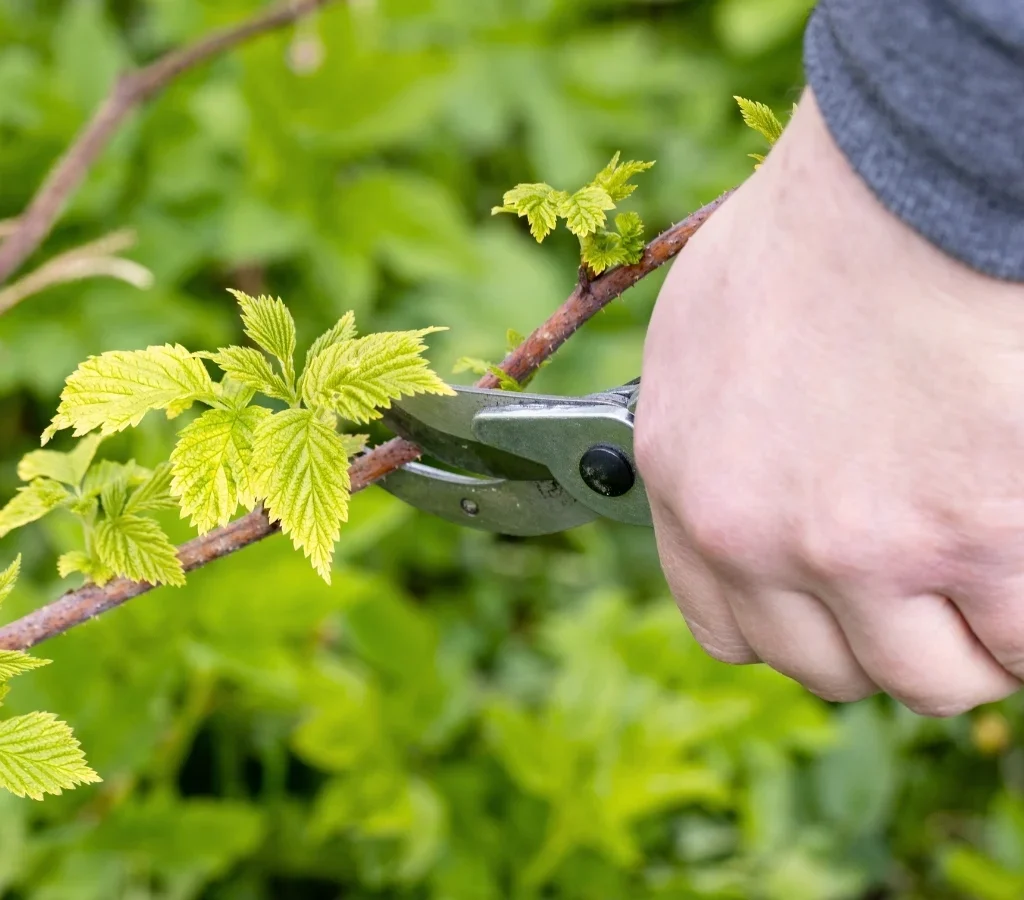
When And How To Prune Raspberry Bushes For Better Yields

When And How To Prune Raspberry Bushes For Better Yields

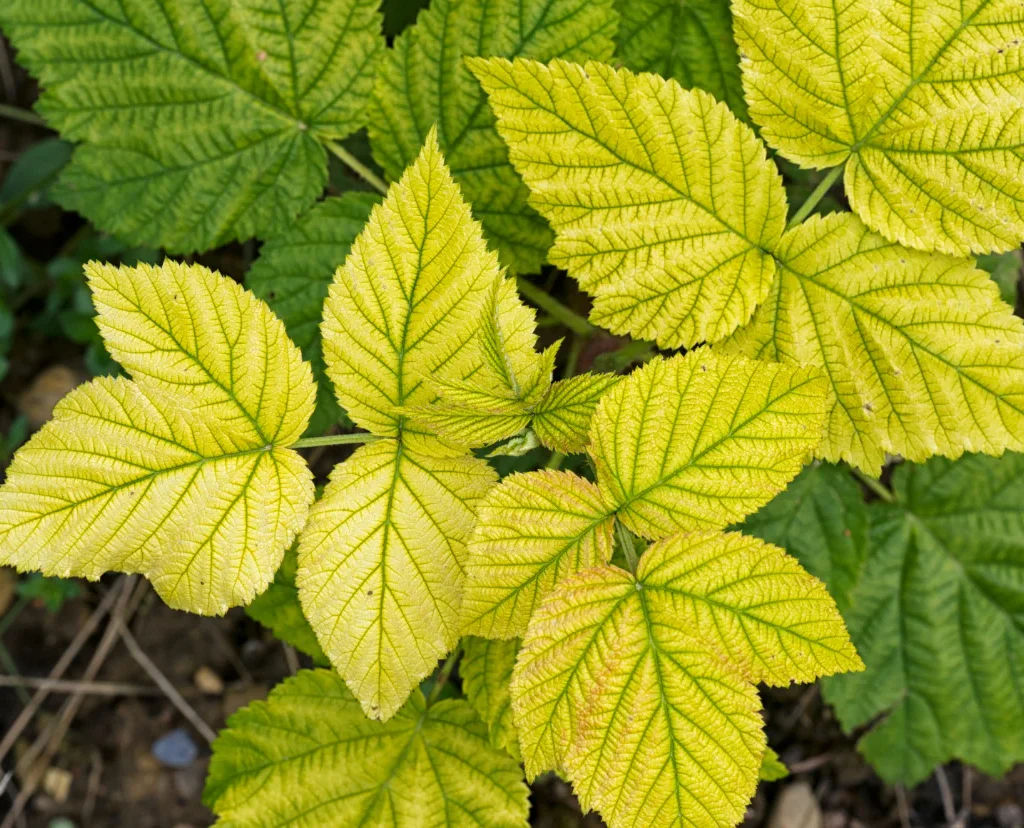
Raspberries are one of the most rewarding berries to grow at home—sweet, tangy, and bursting with flavor. But if you’ve ever wondered why your harvests seem smaller each year or why your raspberry patch looks more tangled than thriving, the answer is likely simple: it’s time to prune.

Pruning raspberry bushes isn’t just about tidying up your garden; it’s about ensuring healthier plants, larger berries, and more abundant harvests. With the right technique and timing, your raspberries will reward you with plump, juicy fruit season after season.

Here’s your complete, easy-to-follow guide on when and how to prune raspberry bushes for better yields.


Why Pruning Is Essential For Raspberry Plants

Raspberry plants are naturally vigorous. They send up new canes (stems) each year, and without proper management, they quickly form dense thickets.

Here’s what happens if you don’t prune:

  • Old, unproductive canes steal nutrients from new growth.
  • Crowded canes block sunlight and air circulation.
  • Poor airflow increases the risk of diseases like cane blight and powdery mildew.
  • Smaller, less flavorful berries develop due to competition.

Regular pruning keeps your raspberry patch healthy and productive. It encourages strong new canes that produce abundant fruit and makes harvesting easier and cleaner.


Understanding Raspberry Growth: Summer-Bearing vs. Ever-Bearing

Before you grab your pruning shears, it’s important to identify which type of raspberries you have—because pruning times differ dramatically.

1. Summer-Bearing Raspberries

  • Produce fruit once per year, typically in early to mid-summer.
  • Berries grow on second-year canes called floricanes.
  • First-year canes (primocanes) grow vegetatively, then fruit the following year.

Example varieties: ‘Latham’, ‘Boyne’, ‘Willamette’, and ‘Killarney’.

2. Ever-Bearing (Fall-Bearing) Raspberries

  • Also known as primocane-bearing varieties.
  • Produce fruit twice per year—a small crop in early summer and a main crop in late summer to fall.
  • Fruit grows directly on the current year’s canes.

Example varieties: ‘Heritage’, ‘Caroline’, ‘Autumn Bliss’, and ‘Anne’.


Step 1: Gather the Right Tools

Good pruning starts with the right gear:

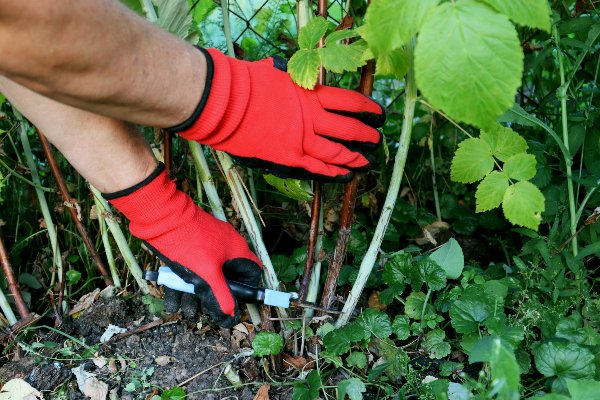
  • Sharp pruning shears or loppers (clean cuts prevent disease).
  • Gardening gloves (raspberry canes are thorny).
  • Disinfectant (wipe blades with alcohol between cuts).

Step 2: Know the Right Time to Prune

Timing is crucial. Prune too early, and you may remove canes that will fruit soon. Prune too late, and you’ll miss the chance to shape growth for next season.


For Summer-Bearing Raspberries:

1. After Harvest (Mid to Late Summer):

  • As soon as fruiting is over, remove all canes that produced berries.
  • These are old, woody, and will never bear again.
  • Cut them at ground level—don’t leave stubs.

2. Late Winter or Early Spring:

  • Before new growth begins, thin out the remaining canes.
  • Keep the sturdier, younger first-year canes (primocanes) that will bear this season.
  • Aim for 4–6 canes per foot of row.

This two-step process rejuvenates your patch and encourages strong fruiting canes for the next year.


For Ever-Bearing Raspberries:

You have two options depending on whether you want one large harvest or two smaller ones:

Option 1: One Large Fall Harvest (Simplest Method)

  • In late winter or early spring, cut all canes down to the ground.
  • New canes will sprout in spring and produce a single, heavy crop in late summer or fall.
  • This method keeps things tidy and disease-free.

Option 2: Two Harvests (More Involved)

  • After the fall harvest, cut back only the portion of each cane that fruited (top third).
  • These same canes will produce again on the lower sections in early summer next year.
  • After the summer harvest, remove those canes completely to make room for new growth.

Tip: Many home gardeners prefer the one-harvest method—it’s easier and still yields plenty of fruit.


Step 3: How To Prune Effectively

Now that you know when to prune, let’s look at how to do it right.

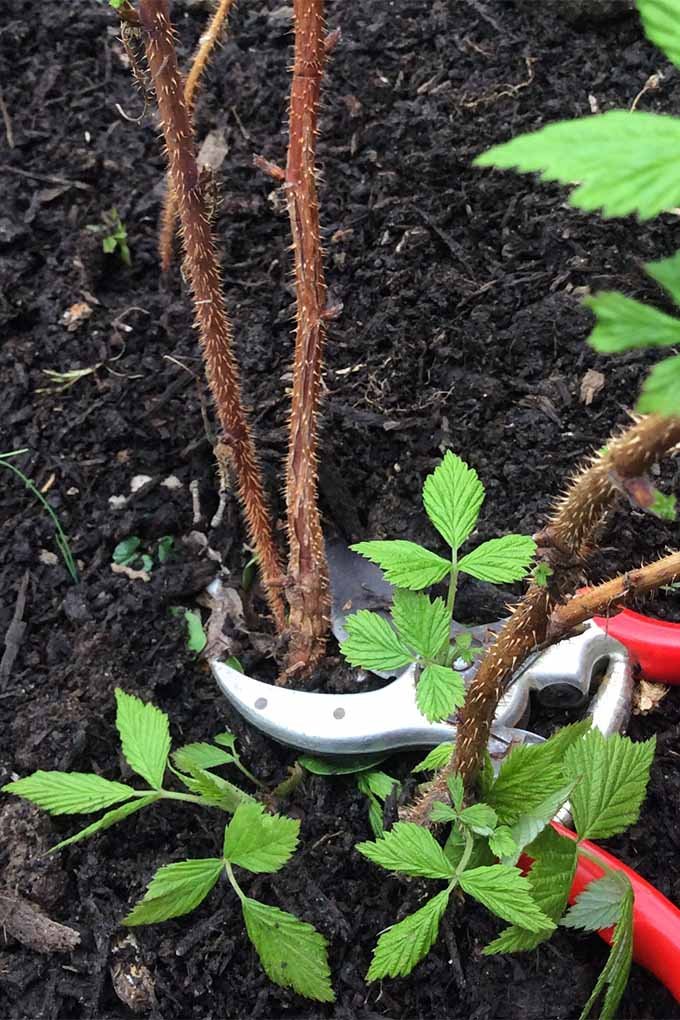
1. Remove Old, Dead, or Diseased Canes

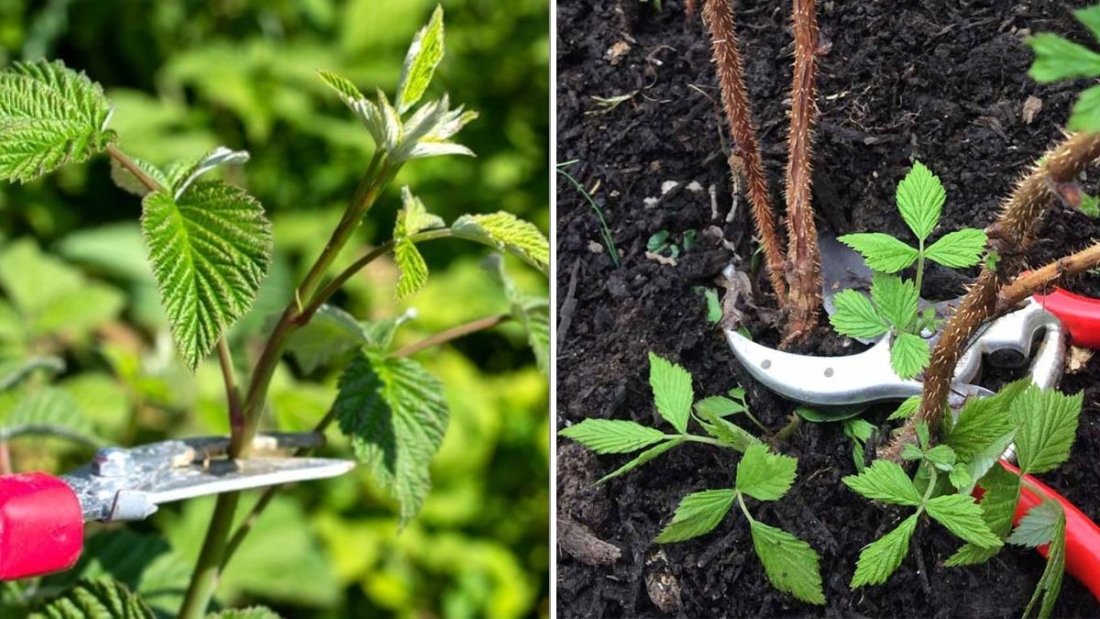
Cut them at soil level. These canes are brown, woody, and brittle. Removing them prevents disease and opens space for new canes.

2. Thin the Patch

Overcrowding is the biggest cause of reduced yield. Aim for a spacing of:

  • 6 inches between canes within rows.
  • 2–3 feet between rows.

Keep only the strongest, healthiest canes—usually the thickest and greenest.

3. Trim the Tops (Optional)

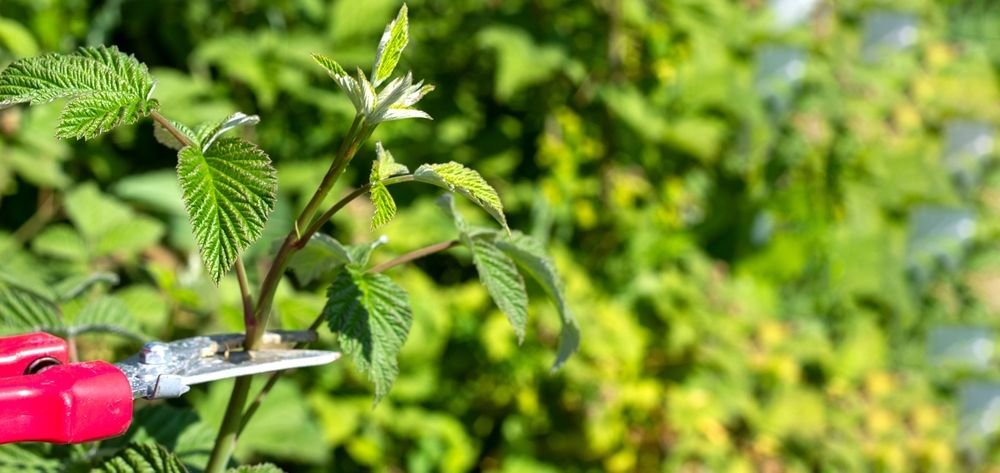
In early spring, you can trim the top 6 inches of healthy canes to encourage branching.
More side branches = more fruiting tips.

4. Train Canes on a Trellis or Wires

Raspberry canes benefit from gentle support:

  • Use stakes, wires, or a T-trellis system to keep canes upright.
  • Tie canes loosely with garden twine or clips.

Proper support prevents bending, improves airflow, and makes picking easier.

Bonus: A well-trained raspberry patch looks neat, organized, and far more productive.


Step 4: Mulch and Maintain After Pruning

After pruning, your plants will redirect energy toward new growth. Help them recover with proper care.

1. Apply Compost or Fertilizer

  • Add a 2-inch layer of compost or use a balanced fertilizer (10-10-10) in early spring.
  • This boosts soil nutrients and promotes vigorous cane growth.

2. Mulch the Base

  • Spread straw, pine needles, or wood chips around the base to retain moisture and suppress weeds.
  • Keep mulch an inch away from the stems to prevent rot.

3. Water Deeply but Infrequently

  • Raspberries prefer moist but not soggy soil.
  • Water deeply once or twice a week during dry spells.

4. Watch for Suckers

  • Raspberries spread by underground shoots. Remove excess suckers that appear outside your planting area to prevent overcrowding.

Step 5: Yearly Raspberry Pruning Calendar

Here’s a quick summary to keep your pruning schedule simple:

SeasonSummer-Bearing RaspberriesEver-Bearing Raspberries
Late Summer (Post-Harvest)Remove spent canes completelyOptional: Remove fruited tops
Late Winter/Early SpringThin out weak canes, keep strongestCut all canes to ground (for one crop)
During Growing SeasonLight trimming for shapeRemove dead/diseased canes anytime

Following this schedule ensures your plants stay vigorous, manageable, and productive year after year.


Step 6: Pruning for Health and Disease Prevention

Beyond yield, pruning keeps your raspberry patch disease-free.

Common issues prevented by pruning:

  • Cane Blight: Fungal infection spread by crowded, damp conditions.
  • Anthracnose: Gray spots and weak stems caused by poor airflow.
  • Botrytis (Gray Mold): Affects ripening fruit when humidity is high.

Regular pruning improves air circulation and sunlight exposure—two natural disease fighters.


Step 7: Extra Tips for Maximum Yield

  1. Keep Rows Narrow: Rows no wider than 18 inches make harvesting and maintenance easier.
  2. Rotate Mulch Each Year: Fresh mulch keeps weeds down and improves soil texture.
  3. Feed Mid-Season: Apply a light dose of fertilizer in mid-summer after pruning to boost next year’s cane growth.
  4. Train New Canes: Tie new canes as they grow to prevent damage from wind.
  5. Be Patient: The best yields come when your plants reach their second or third year of growth and are properly managed.

Step 8: Rejuvenating an Overgrown Raspberry Patch

If you’ve inherited an old or neglected patch, don’t worry—it can be revived.

Here’s how:

  1. In late winter, cut all canes to the ground.
  2. In spring, allow new canes to emerge.
  3. When they reach 12–18 inches, thin out weaker shoots, leaving 4–6 strong canes per clump.
  4. Fertilize, mulch, and water regularly.

By next season, your raspberry bed will be healthy and fruiting again.


Final Thoughts

Pruning raspberries may sound intimidating at first, but it’s one of the simplest and most rewarding garden tasks once you understand your plant’s growth cycle. Think of it as a yearly reset—removing what’s old to make space for what’s new.

When done correctly and at the right time, pruning gives your plants everything they need to produce larger, sweeter, and more plentiful berries. It keeps your patch neat, healthy, and bursting with fruit year after year.

So, grab your gloves and shears, step into the garden, and give those canes a trim. A few careful cuts today will lead to baskets of juicy raspberries tomorrow—and the satisfaction of knowing you grew them to perfection.

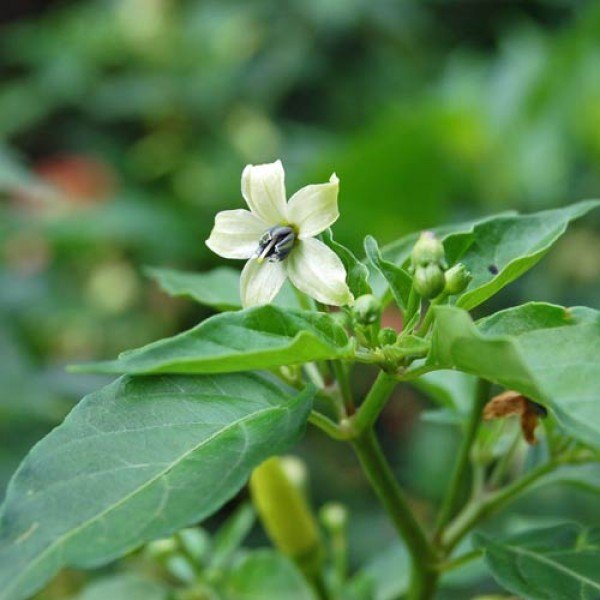
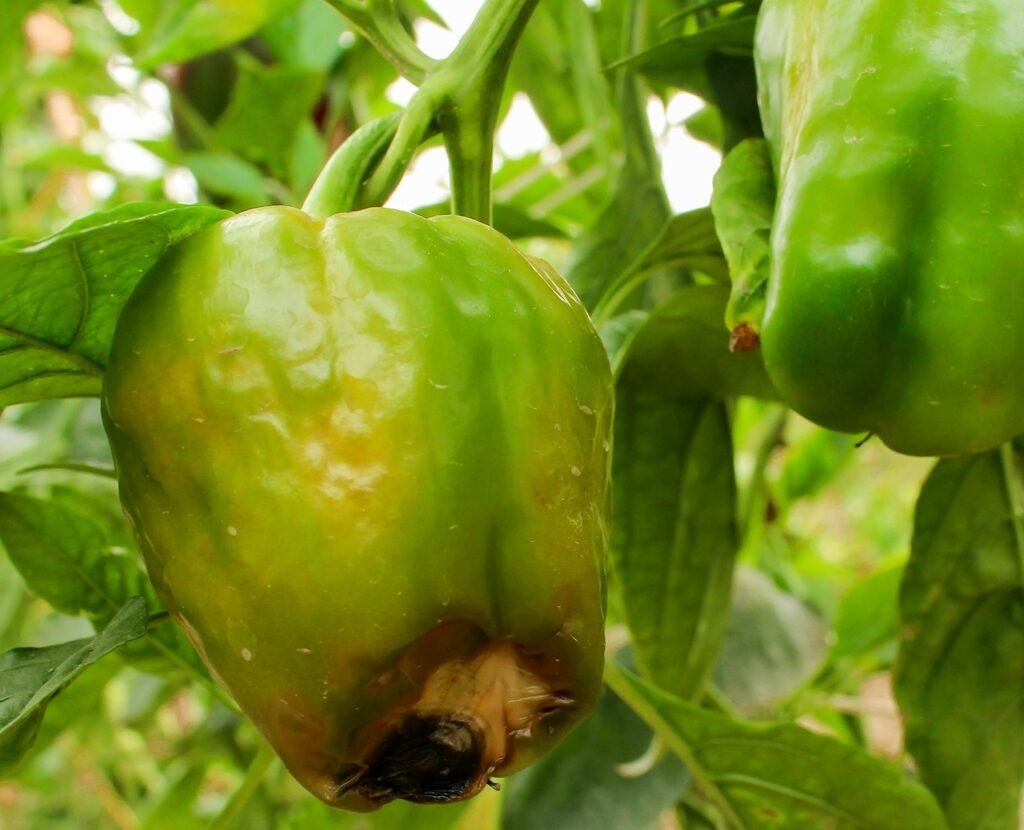
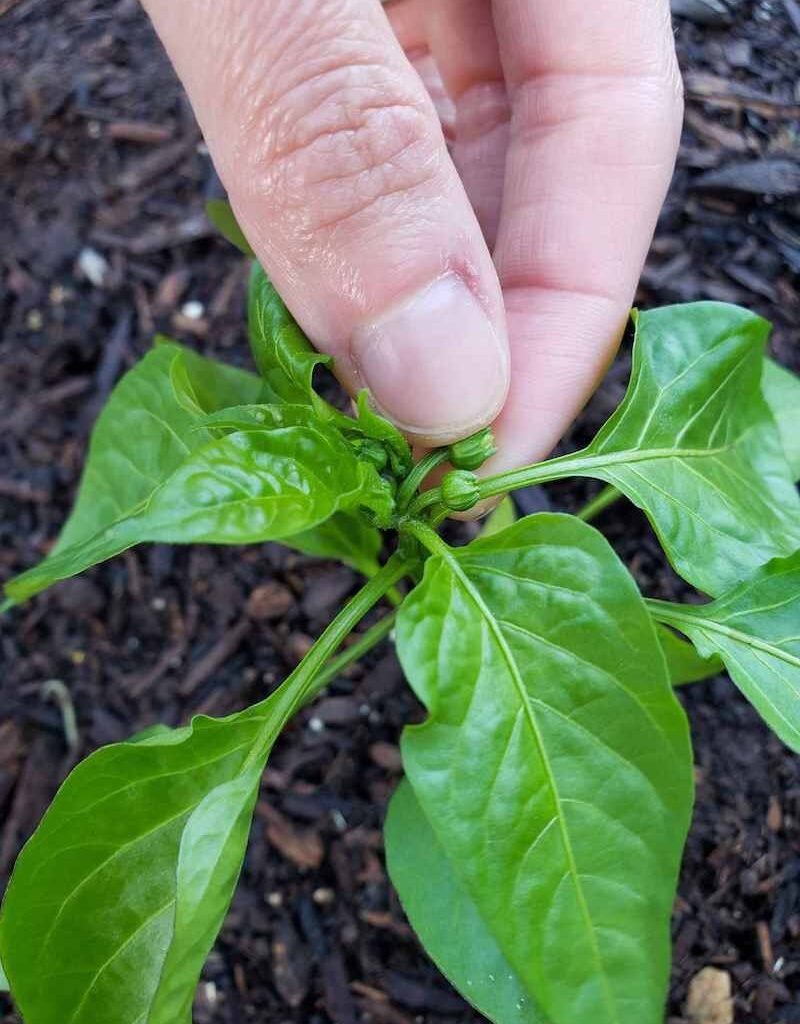
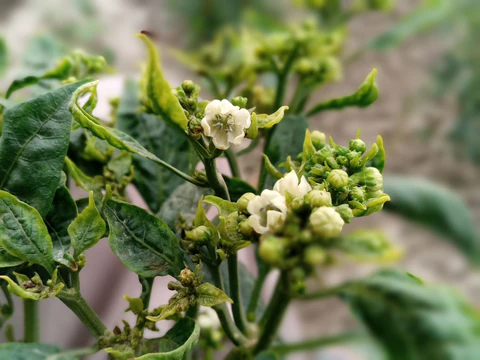
Why Your Peppers Are Dropping Their Blossoms (And How To Fix It)

Why Your Peppers Are Dropping Their Blossoms (And How To Fix It)

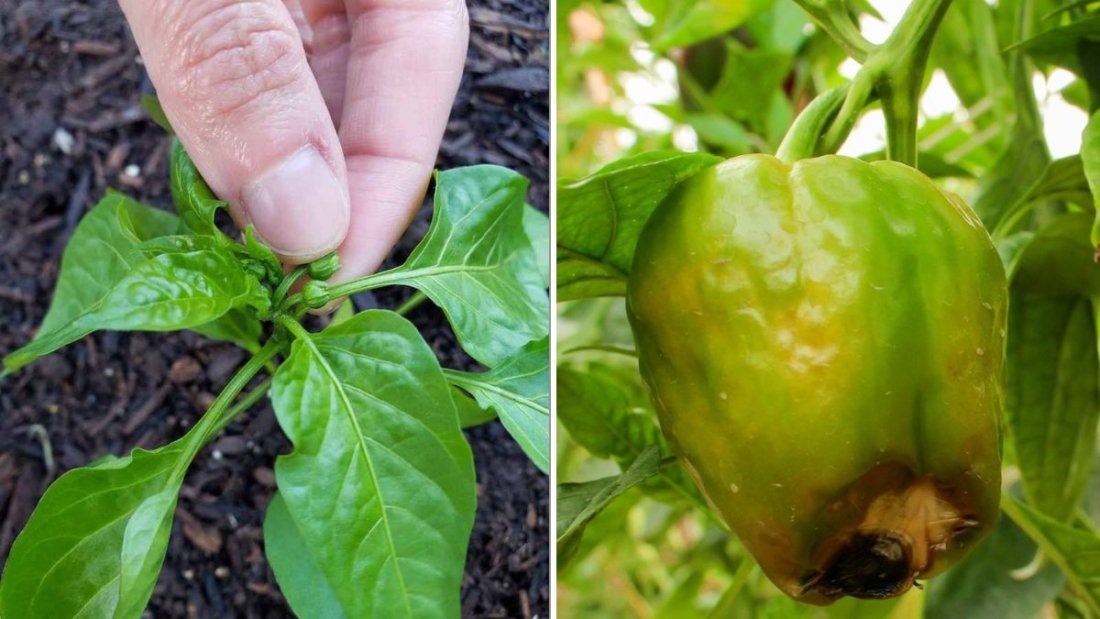
You’ve nurtured your pepper plants for weeks — watering carefully, feeding regularly, and watching those little buds appear with excitement. Then suddenly, the flowers start to drop off before forming fruit. Few things frustrate gardeners more than seeing promising blossoms fall away, leaving behind empty stems.

The good news? You’re not alone — and it’s not the end of your harvest. Pepper blossom drop is one of the most common (and fixable) issues gardeners face. Understanding why it happens is the first step toward getting your plants back on track and producing an abundance of vibrant, flavorful peppers.

Let’s break down the most common reasons pepper plants drop their blossoms — and what you can do to prevent it.


1. Temperature Stress: The Most Common Culprit

Peppers are tropical plants at heart. They love warmth but can be surprisingly sensitive to temperature swings.

Ideal growing range:

  • Daytime: 70–85°F (21–29°C)
  • Nighttime: 60–70°F (15–21°C)

When temperatures drift outside this sweet spot, your pepper plants get stressed — and stressed plants shed flowers to conserve energy.

Too Hot:

If daytime temperatures soar above 90°F (32°C) or nighttime temps stay above 75°F (24°C), blossoms often wither and fall before pollination. The plant’s pollen becomes sterile, making fruit formation impossible.

Too Cold:

Likewise, if the temperature dips below 55°F (13°C), pepper plants go into survival mode. Growth slows, pollination stops, and flowers drop.

How to fix it:

  • Provide shade cloth (30–40%) during heat waves to protect blossoms from intense sun.
  • Water consistently in hot weather — heat stress and drought often go hand-in-hand.
  • Use row covers or cold frames on cool nights to trap warmth and protect plants.
  • Choose heat-tolerant pepper varieties (like ‘Cayenne’, ‘Jalapeño M’, or ‘Habanero’) if you live in a hot region.

2. Inconsistent Watering

Peppers hate extremes — and watering is no exception. Both overwatering and underwatering can lead to flower drop.

When underwatered:
Plants experience drought stress, forcing them to shed blossoms and conserve moisture for survival.

When overwatered:
Soggy soil suffocates roots and blocks oxygen absorption, preventing the plant from taking up nutrients needed for flowering.

How to fix it:

  • Water deeply, about 1–1.5 inches per week, depending on your soil and weather.
  • Stick your finger 2 inches into the soil — if it feels dry, it’s time to water.
  • Use mulch (straw, compost, or shredded leaves) to regulate moisture and temperature.
  • Avoid shallow watering — it encourages weak, surface-level roots.

Consistency is key. A steady moisture routine helps pepper plants stay balanced and keep their flowers.


3. Wind and Physical Stress

Strong winds, rough handling, or even brushing against pepper plants too often can cause blossoms to snap off.

Why it happens:
Pepper flowers are delicate, and excessive movement damages the tiny stem joints that hold them in place. In windy conditions, pollen may also blow away before fertilization occurs.

How to fix it:

  • Stake or cage tall pepper varieties for support.
  • Use windbreaks like garden fencing, taller plants, or shade cloth.
  • Be gentle when pruning, harvesting, or checking flowers.

Even a mild breeze helps with pollination, but when the wind starts to whip, your plants need protection.


4. Poor Pollination

Even if your plants are healthy, flowers can drop simply because pollination didn’t occur.

Peppers are self-pollinating, but they rely on natural movement — wind, insects, or human touch — to transfer pollen from one flower part to another. If this doesn’t happen, the flower dies off after a few days.

Why pollination fails:

  • Lack of bees or other pollinators.
  • High humidity that makes pollen sticky and heavy.
  • Very hot or dry air that causes pollen to dry out.

How to fix it:

  • Encourage pollinators: Plant nearby flowers like marigolds, cosmos, and basil to attract bees.
  • Gently shake the plant or tap flower clusters in the morning to release pollen.
  • Try hand-pollinating: Use a soft brush or cotton swab to transfer pollen between blossoms.
  • Ensure good airflow around plants — stagnant air limits pollen movement.

With a little encouragement, your peppers will soon have all the pollination help they need.


5. Nutrient Imbalance

Peppers are moderate feeders, but improper fertilization can throw off their reproductive balance.

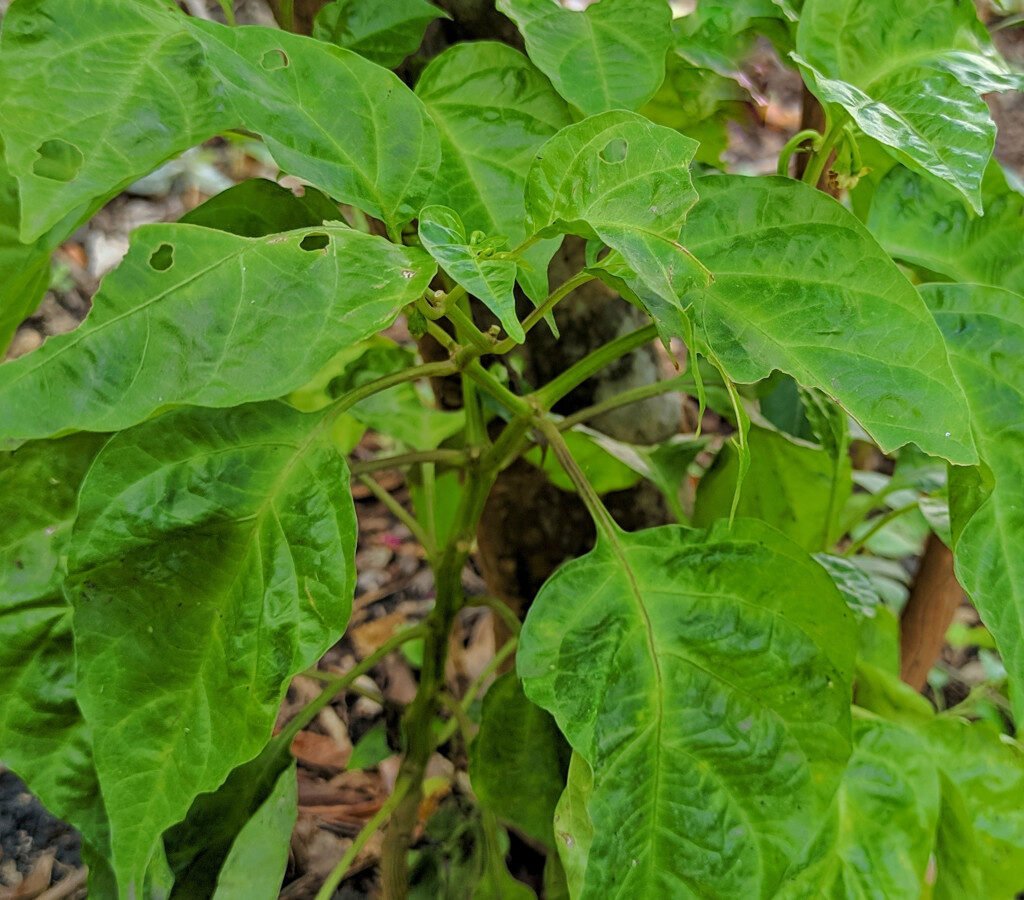
Too much nitrogen (often from lawn fertilizer or over-fertilizing) pushes lush green foliage at the expense of flowers and fruit. The plant looks beautiful — but blooms fall off before setting fruit.

Too little phosphorus or potassium can also cause weak flower formation and drop.

How to fix it:

  • Use a balanced fertilizer with an N-P-K ratio like 5-10-10 or 3-4-5 to encourage blossoms and fruit.
  • Avoid high-nitrogen fertilizers meant for lawns (like 20-0-0).
  • Mix in compost or bone meal before planting for slow-release nutrients.
  • Apply a liquid fertilizer every 2–3 weeks during blooming for a steady nutrient boost.

Pro tip: If your pepper leaves are lush but fruitless, it’s almost always a nitrogen issue — scale back feeding immediately.


6. Too Little (or Too Much) Sunlight

Peppers need at least 6–8 hours of direct sunlight daily to thrive. Insufficient light weakens growth and prevents blossoms from developing into fruit.

However, too much intense sun — especially when combined with high heat — can lead to flower scorch and drop.

How to fix it:

  • If your peppers are shaded, relocate or prune nearby plants to let in more light.
  • In very hot climates, use a light shade cloth to protect blossoms during midday heat.
  • Container-grown peppers can be moved to follow the sun throughout the day.

Balance is crucial: enough light for strong growth, but not so much that it causes heat stress.


7. Pest or Disease Damage

Sometimes, the issue isn’t environmental — it’s microscopic. Pests like aphids, thrips, and whiteflies feed on flower buds, causing them to dry up and fall off.

Common culprits:

  • Aphids: Tiny green or black insects that suck sap from new growth.
  • Thrips: Slender, fast-moving insects that damage buds and flowers.
  • Spider mites: Cause stippling on leaves and can spread quickly in dry weather.

How to fix it:

  • Spray plants with neem oil or insecticidal soap weekly until pests are gone.
  • Introduce beneficial insects like ladybugs or lacewings.
  • Keep plants healthy — strong peppers resist pests better.

Check leaves (especially undersides) regularly for signs of pests or eggs. Catching them early can prevent serious damage.


8. Plant Maturity and Natural Cycles

If your pepper plant is still young, blossom drop may simply be part of its natural development.

Many pepper plants shed their first few sets of flowers as they focus on establishing strong roots and stems before supporting fruit.

How to fix it:

  • Be patient! Once the plant matures, it will produce more flowers that set fruit successfully.
  • Avoid heavy feeding early on — let the plant focus on building structure first.
  • Prune early blossoms on small plants to help them channel energy into growth.

Once your peppers reach maturity (about 12–16 inches tall), they’ll start holding onto flowers more consistently.


9. Overcrowding and Poor Airflow

Tightly spaced pepper plants compete for sunlight, water, and nutrients — and poor airflow increases humidity, creating stress and reducing pollination success.

How to fix it:

  • Space plants 18–24 inches apart for optimal airflow.
  • Trim lower leaves to improve circulation around the base.
  • Avoid watering foliage — focus on the soil instead.

A well-spaced pepper patch stays drier, healthier, and more productive.


How to Encourage Fruit Set After Blossom Drop

Even after some flowers fall, you can still turn things around. Try these strategies to reset your plant for fruiting success:

  1. Trim lightly: Remove weak or damaged leaves to direct energy toward healthy buds.
  2. Feed strategically: Apply a phosphorus-rich fertilizer (like bloom booster) to encourage flowering.
  3. Control environment: Shade in extreme heat, water consistently, and protect from cold.
  4. Attract pollinators: Grow herbs and flowers nearby — basil, marigold, dill, and alyssum are perfect companions.
  5. Stay consistent: Regular care beats quick fixes. Keep temperature, moisture, and feeding steady.

Within a week or two, you’ll likely notice new buds forming and healthier growth resuming.


Final Thoughts

Blossom drop is your pepper plant’s way of saying, “Something’s off — help me rebalance!” Whether it’s heat stress, irregular watering, or a lack of pollination, every dropped flower offers a clue.

The key is observation. Once you identify what’s causing stress, your plants will bounce back — peppers are resilient when given the right care.

With steady moisture, balanced nutrition, and a little patience, those empty stems will soon give way to a crop of colorful, flavorful peppers that make your garden shine.


How To Hand-Pollinate Cucumbers For More Fruit

How To Hand-Pollinate Cucumbers For More Fruit

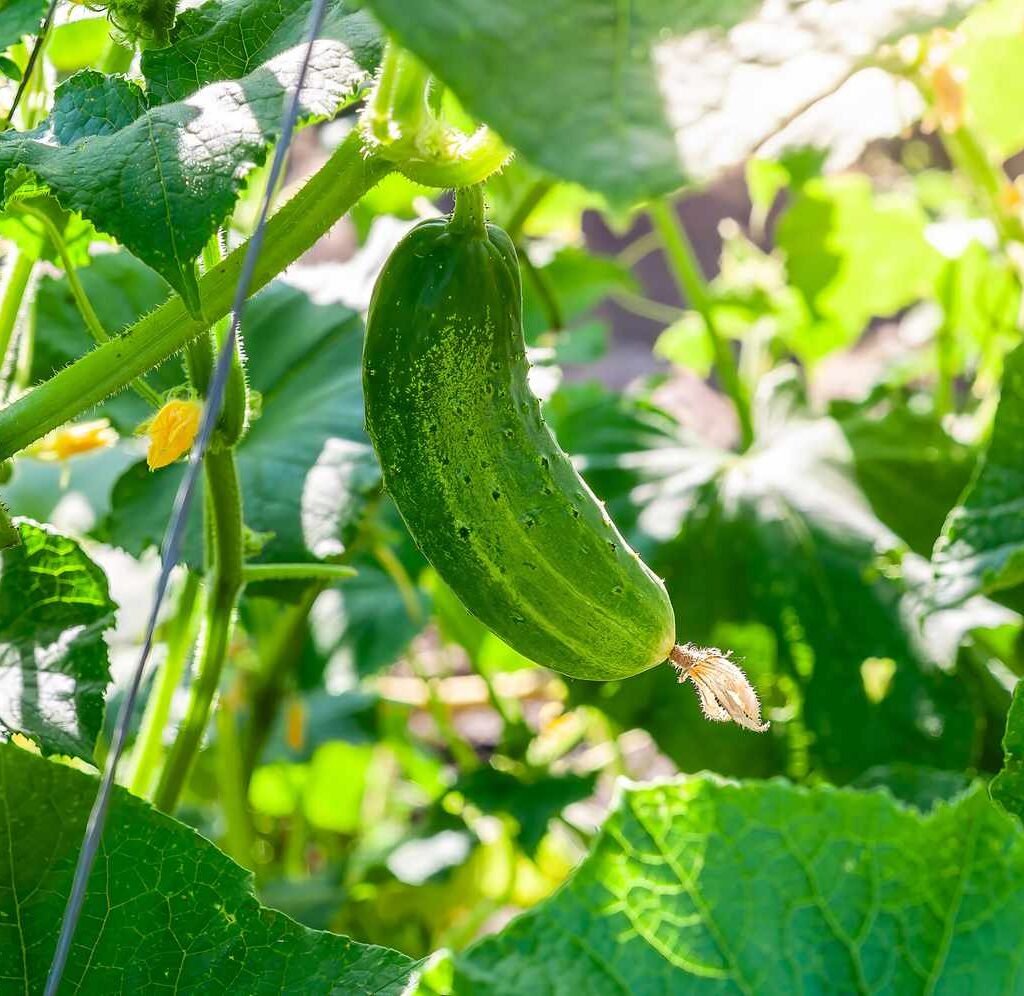
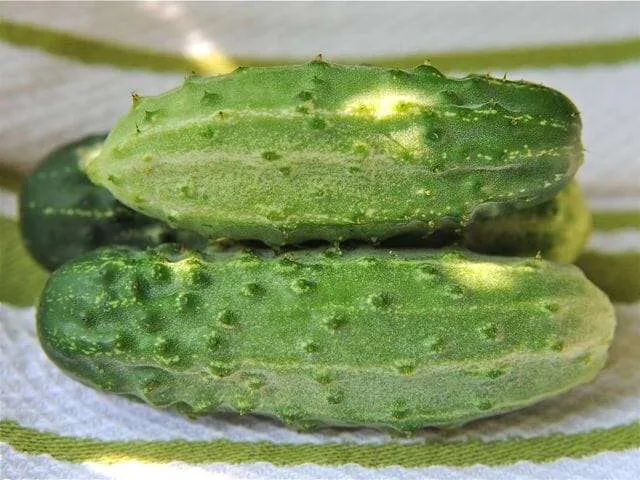
Few gardening frustrations compare to watching your cucumber vines thrive with lush green leaves and blossoms—only to end up with tiny, shriveled fruit that never fully develops. If that sounds familiar, the culprit might be poor pollination.

Cucumbers rely heavily on pollinators like bees, butterflies, and other insects to transfer pollen from male to female flowers. But when pollinators are scarce—due to weather, pesticides, or other environmental factors—you can step in and hand-pollinate cucumbers yourself.

It’s easy, satisfying, and one of the most effective ways to boost fruit production and ensure every flower gets a fair shot at becoming a crisp, juicy cucumber.

Here’s everything you need to know about how to hand-pollinate cucumbers for more fruit, from identifying flower types to mastering the right technique.


Why Cucumbers Need Pollination

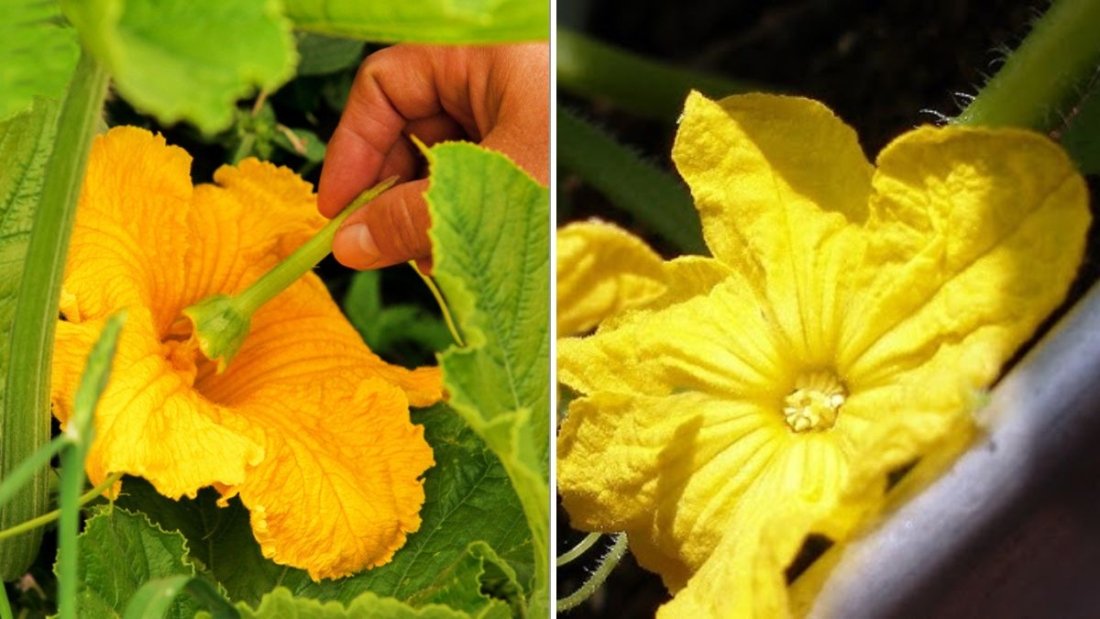
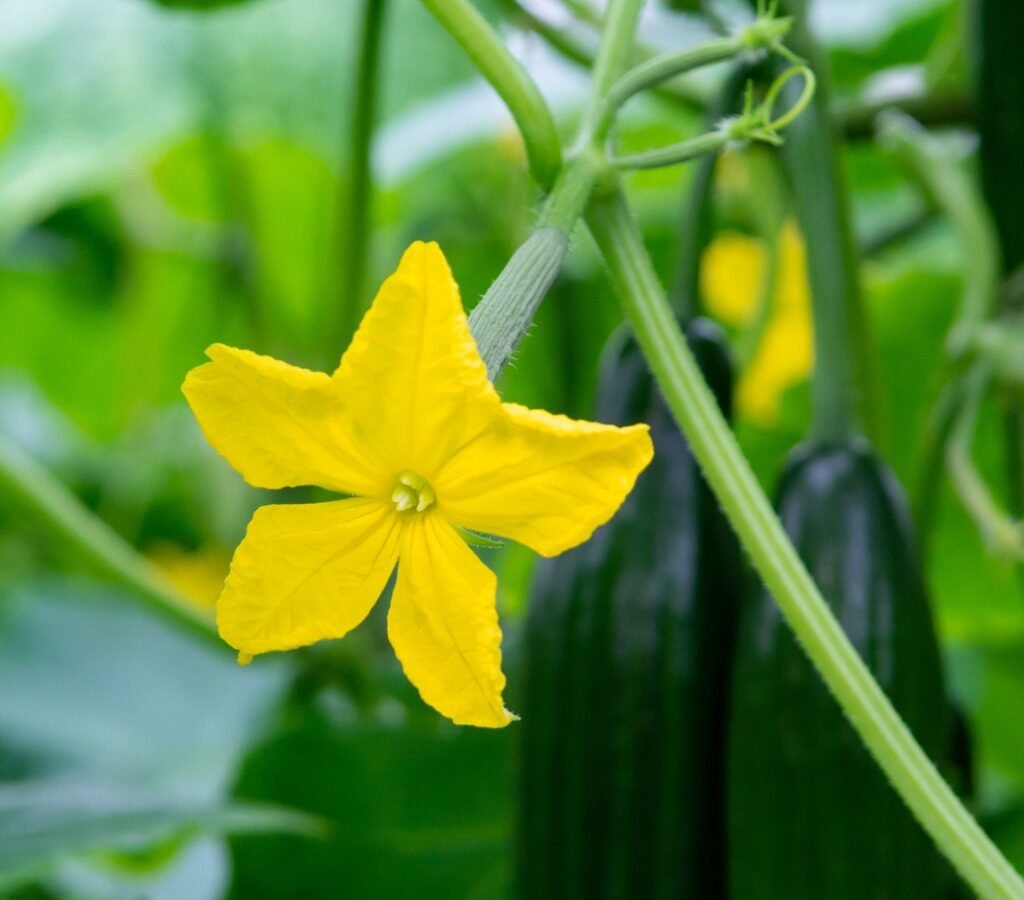
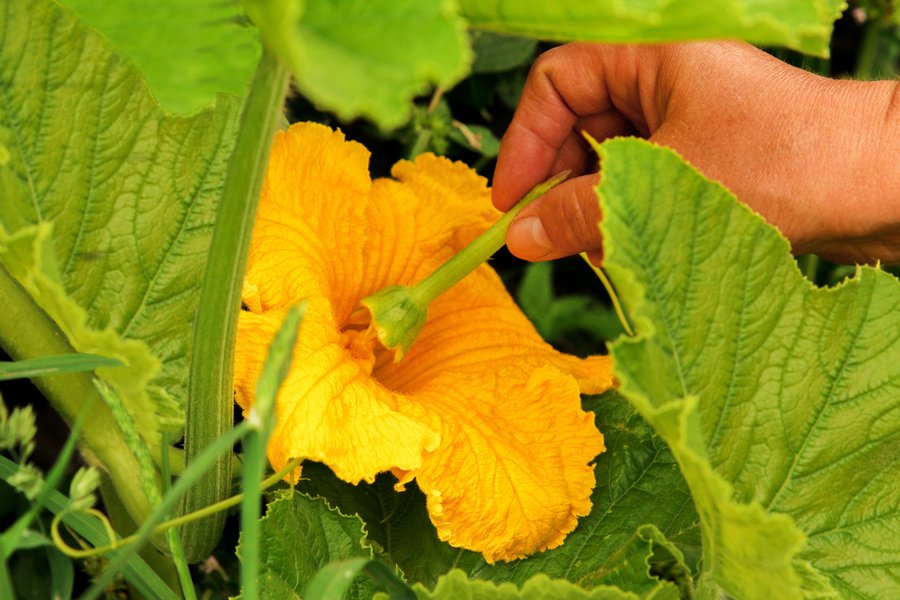
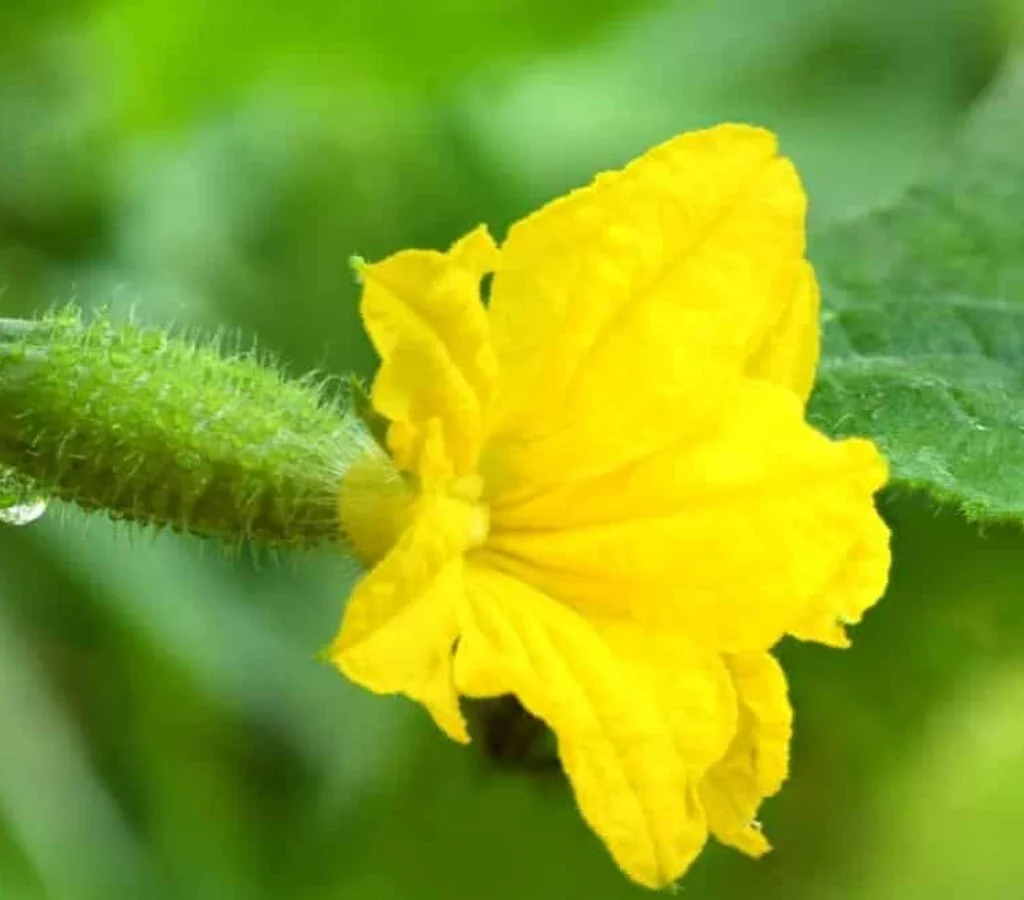
Cucumber plants produce two types of flowers: male and female. Both are essential for fruit development.

  • Male flowers produce pollen but no fruit.
  • Female flowers contain the ovary (a small baby cucumber) that develops into the mature fruit once pollinated.

In nature, bees visit male flowers first, collecting pollen on their bodies, and then transfer it to female flowers as they move around. Without that pollen transfer, the female flower will shrivel and die instead of producing fruit.

Unfortunately, pollinator populations can fluctuate, especially during extreme weather or early in the growing season. Hand-pollination mimics the work of bees, ensuring consistent results even when nature falls short.


Step 1: Learn to Identify Male and Female Flowers

Before you can hand-pollinate, you need to distinguish male from female cucumber flowers. It’s simpler than it sounds once you know what to look for.

Male Flowers

  • Appear first on the vine, often in clusters.
  • Have a thin stem directly connecting to the vine.
  • Contain a pollen-covered stamen (a yellow structure inside the blossom).
  • Do not have a small fruit behind them.

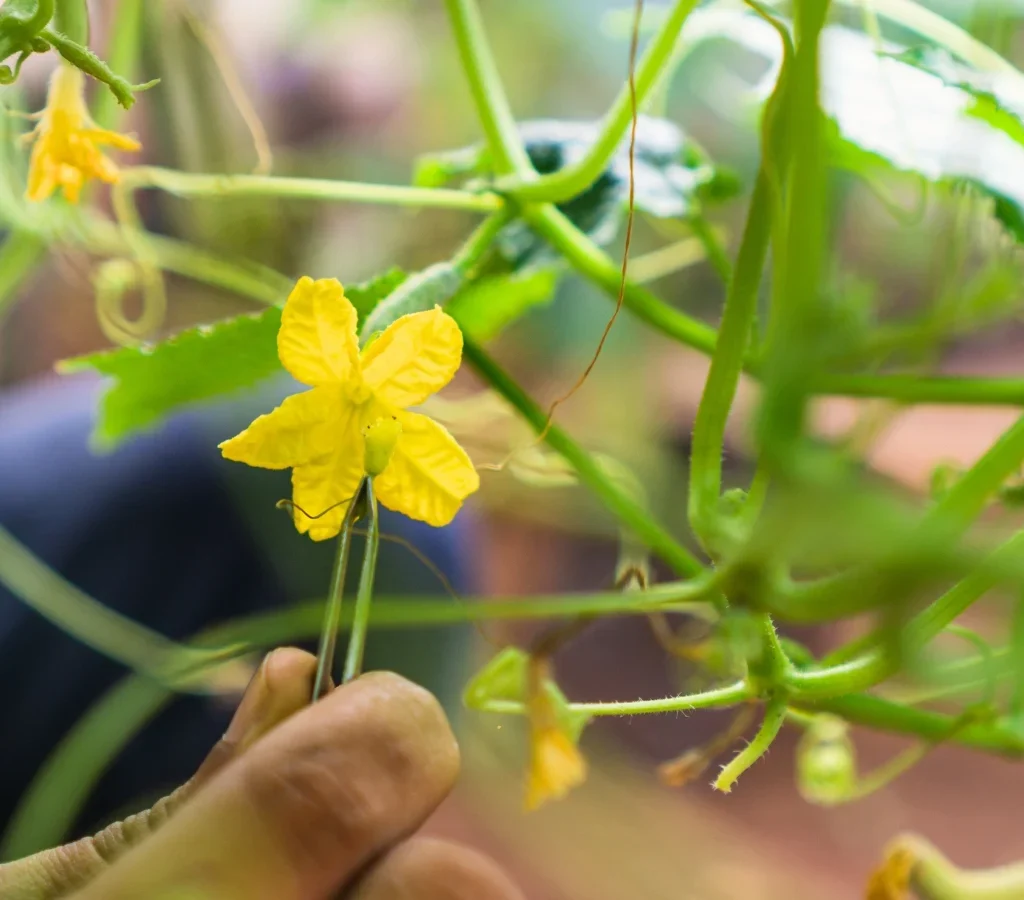
Female Flowers

  • Usually appear a week or two later than males.
  • Grow on a shorter, thicker stem.
  • Have a small, swollen ovary behind the blossom that looks like a tiny baby cucumber.
  • Contain a sticky stigma in the center of the flower.

That tiny cucumber behind the female blossom is what becomes your fruit—but only if the flower is pollinated.


Step 2: Check Timing — Morning Is Best

Cucumber flowers don’t stay open for long. Each one usually blooms for just a single morning, sometimes lasting only a few hours.

The best time to hand-pollinate:

  • Early morning (between 6 a.m. and 9 a.m.) when flowers are fully open.
  • During dry, calm weather—humidity or rain can make pollen clump, making it harder to transfer.

If you wait too long, the flowers may close, and your chance for pollination that day will be gone.


Step 3: Gather Your Tools

You don’t need much to hand-pollinate cucumbers—just gentle hands and a simple tool.

You can use:

  • A small artist’s paintbrush or cotton swab.
  • A toothpick for more precision.
  • Or simply the male flower itself.

Make sure whatever you use is dry and clean—moisture can damage pollen or spread disease.


Step 4: Collect Pollen From Male Flowers

Start by selecting a freshly opened male flower.

Method 1: Using the Flower Itself

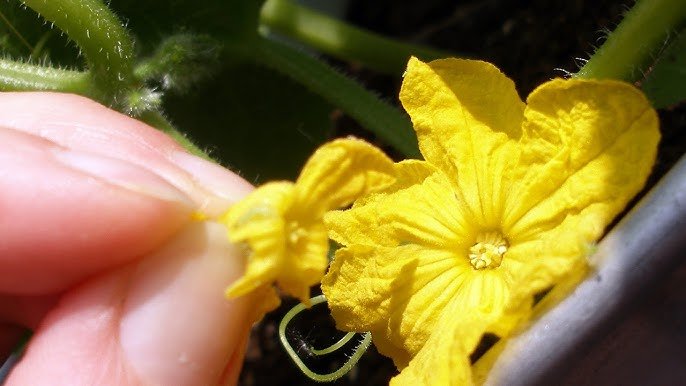
  1. Gently pluck the male flower from the plant.
  2. Peel back or remove the petals to expose the stamen inside.
  3. You’ll see the stamen covered in yellow pollen dust.

Method 2: Using a Brush or Swab

  1. Leave the male flower attached.
  2. Gently rub your brush or cotton swab over the stamen to collect pollen.
  3. You’ll see a fine yellow powder on the brush—this is the fertile pollen.

Be careful not to damage the flower’s center while collecting pollen; a gentle touch goes a long way.


Step 5: Transfer Pollen to Female Flowers

Now that you’ve gathered pollen, it’s time for the magic.

  1. Locate an open female flower—remember, it has that small, baby cucumber behind it.
  2. Gently touch or brush the male pollen onto the stigma (the center of the female flower).
  3. Make sure to coat all three lobes of the stigma to maximize success.

If you’re using the male flower directly, you can simply press its stamen against the female flower’s stigma in a gentle, swirling motion.

Each male flower can usually pollinate two or three female flowers, depending on how much pollen it has.


Step 6: Mark and Monitor

It’s a good idea to mark the hand-pollinated flowers using a small piece of string, garden tag, or colored tape around the stem.

This helps you:

  • Track which fruits were successfully pollinated.
  • Observe how long they take to grow.
  • Identify which flowers didn’t take, so you can adjust technique next time.

Within 3–5 days, a successfully pollinated female flower will begin to grow noticeably larger. The tiny cucumber will swell, while unpollinated ones will shrivel and drop off.


Step 7: Encourage Pollinators Naturally

While hand-pollination is a great backup, your goal should always be to make your garden pollinator-friendly so bees can take over the job naturally.

Here’s how to invite them in:

Plant Pollinator-Friendly Flowers

  • Grow zinnias, sunflowers, marigolds, cosmos, and nasturtiums near your cucumber patch.
  • Choose flowers with open, accessible blooms that bees can easily reach.

Avoid Pesticides

Even organic sprays can harm beneficial insects. If necessary, apply treatments in the evening, when pollinators are less active.

Provide Water and Shelter

  • A shallow dish of water with pebbles gives bees a safe place to drink.
  • Leave some bare soil or hollow stems nearby for nesting sites.

With the right environment, your garden will soon buzz with activity—and you’ll rarely need to hand-pollinate again.


Troubleshooting Common Pollination Problems

Even with hand-pollination, sometimes issues persist. Here’s what might be going wrong and how to fix it.

1. Flowers Are Falling Off Without Fruit

  • Cause: Pollination didn’t occur, or the flower closed too soon.
  • Fix: Ensure both male and female flowers are open at the same time. If not, store male flowers in a plastic bag in the refrigerator for up to a day to use later.

2. Fruit Starts Growing, Then Withers

  • Cause: Partial pollination — not enough pollen reached the stigma.
  • Fix: Make sure you cover all lobes of the female stigma with pollen. Using multiple male flowers can improve success.

3. Bitter Cucumbers

  • Cause: Stress from inconsistent watering or heat. Pollination isn’t the culprit here, but poor fruit development can make bitterness worse.
  • Fix: Keep soil consistently moist, and add mulch to retain moisture.

Bonus Tip: Timing for Maximum Yield

Cucumber plants produce the most female flowers when temperatures are warm but not scorching — ideally 70°F to 85°F (21°C to 29°C).

To keep your plants blooming:

  • Harvest frequently. The more you pick, the more flowers your plant will produce.
  • Fertilize lightly every two weeks with a balanced fertilizer or compost tea.
  • Prune gently to improve airflow and light around developing fruit.

With consistent care and the occasional hand-pollination, your cucumber vines will reward you with a steady stream of crisp, flavorful fruits all summer long.


The Satisfaction of Hand-Pollination

There’s something deeply rewarding about playing the role of nature’s helper. Hand-pollinating cucumbers not only increases your yields but also helps you connect more intimately with your garden. You’ll begin to notice subtle differences in flower structure, timing, and growth — insights that make you a better gardener over time.

Plus, the results are undeniable:

  • More consistent fruit set
  • Fewer misshapen cucumbers
  • Healthier, more vigorous plants

By mastering this simple technique, you ensure your cucumber crop never depends on chance — just your own two hands and a bit of morning sunshine.


Final Thoughts

When nature needs a helping hand, your garden will thank you for stepping in. Hand-pollinating cucumbers is quick, easy, and one of the most effective ways to guarantee a bountiful harvest.

All you need is a gentle touch, a few morning minutes, and a good eye for flowers. Soon, your vines will be heavy with perfect cucumbers — crisp, green, and garden-fresh.

So grab that paintbrush or pick that male flower and play pollinator for a day. You’ll be amazed how much more fruit your cucumbers can produce when you lend them a helping hand.

The Best Companion Plants For Cucumbers (And 3 To Avoid)

The Best Companion Plants For Cucumbers (And 3 To Avoid)

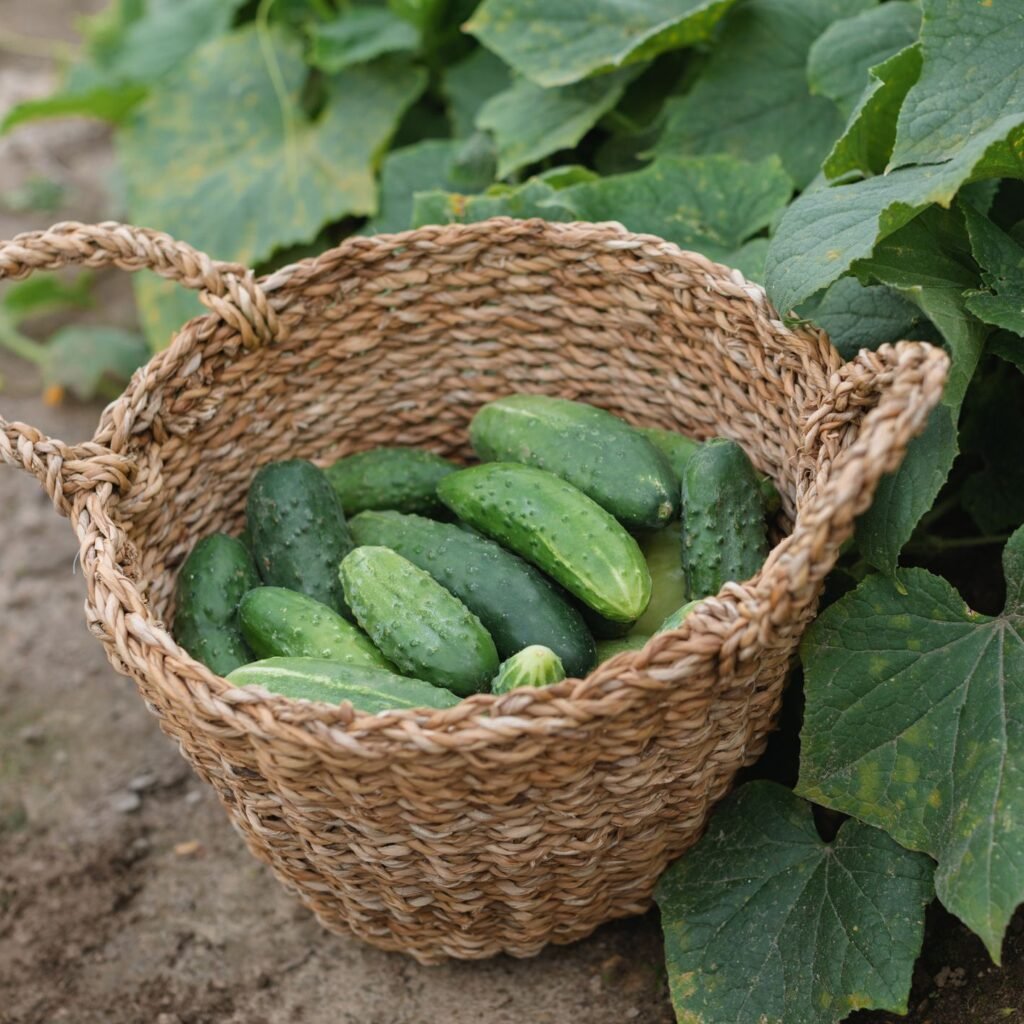
There’s something deeply satisfying about growing cucumbers in your garden — those crisp, cool fruits that seem to capture summer itself. But did you know that cucumbers thrive even better when planted alongside certain “friends”? This gardening practice, known as companion planting, can boost growth, deter pests, improve flavor, and even enhance pollination.

However, not all plants make good neighbors. Some compete for nutrients, attract harmful pests, or even stunt your cucumber’s growth. Knowing which plants to pair — and which to keep far away — can make the difference between a modest harvest and an overflowing basket of cucumbers.

Let’s explore the best companion plants for cucumbers — and the three you should definitely avoid — to help your vines reach their full, refreshing potential.


Why Companion Planting Works

Companion planting is nature’s way of achieving garden harmony. When certain plants grow together, they form mutually beneficial relationships that improve soil quality, pest resistance, and yield.
Cucumbers, being fast-growing and nutrient-demanding vines, benefit greatly from companions that:

  • Repel pests like aphids, cucumber beetles, and spider mites.
  • Attract pollinators that increase fruit set.
  • Improve soil health by fixing nitrogen or providing shade.
  • Maximize space by growing vertically or at different soil levels.

Think of companion planting as creating a small ecosystem where each plant supports the others — naturally.

The 10 Best Companion Plants for Cucumbers

Here are ten plants that pair beautifully with cucumbers, each offering its own unique advantage.

1. Beans — The Nitrogen Boosters

Beans are one of the best companions for cucumbers. As legumes, they host beneficial bacteria on their roots that fix atmospheric nitrogen into the soil — a vital nutrient for leafy cucumber vines.

Why it works:

  • Cucumbers are heavy feeders that thrive on nitrogen-rich soil.
  • Beans provide a slow, steady nitrogen source without synthetic fertilizers.

Planting tip:
Grow pole beans on the opposite side of a trellis from your cucumbers. Both can climb without crowding each other, maximizing vertical space and air circulation.


2. Radishes — The Pest Defenders

Tiny but mighty, radishes are cucumber’s best pest-fighting ally. They repel cucumber beetles and other soil-dwelling insects that damage roots and leaves.

Why it works:

  • The sharp scent of radishes confuses pests.
  • Fast-growing radishes act as “trap crops,” drawing pests away from young cucumber plants.

Planting tip:
Sow radishes between cucumber rows or around the garden’s perimeter. Harvest them early before the cucumber vines spread.


3. Dill — The Natural Pest Magnet (For the Good Kind!)

Dill doesn’t just add flavor to pickles — it’s a powerhouse for attracting beneficial insects.

Why it works:

  • Dill flowers draw ladybugs, lacewings, and hoverflies, which prey on aphids and mites.
  • Its aroma repels cucumber beetles and spider mites.

Planting tip:
Plant dill near cucumbers but not too close — it can grow tall and shade your vines. A distance of about 2 feet works best.


4. Lettuce — The Living Mulch

Lettuce grows quickly and has shallow roots, making it an excellent living mulch for cucumber beds.

Why it works:

  • Helps shade the soil, reducing evaporation and keeping roots cool.
  • Suppresses weeds and prevents soil compaction.

Planting tip:
Interplant lettuce between cucumber rows early in the season. By the time cucumber vines spread, lettuce will be ready to harvest.


5. Nasturtiums — The Colorful Protectors

Nasturtiums are not only beautiful but also incredibly useful companions.

Why it works:

  • Their peppery scent deters aphids, whiteflies, and cucumber beetles.
  • They act as a trap crop, luring pests away from cucumbers.
  • The flowers attract pollinators and add a pop of color to the garden.

Planting tip:
Grow nasturtiums along the edges of cucumber beds or let them trail beneath the vines.


6. Marigolds — The Pest-Repelling Powerhouse

Marigolds are every gardener’s secret weapon.

Why it works:

  • Their roots release nematode-repelling compounds that protect cucumber roots.
  • Their scent wards off aphids and whiteflies.

Planting tip:
Border your cucumber patch with marigolds. They add color while naturally reducing pest populations.


7. Carrots — The Space-Savers

Carrots and cucumbers grow in perfect harmony because they occupy different soil levels.

Why it works:

  • Carrots grow deep, while cucumbers root near the surface — no competition for space.
  • Carrots help loosen the soil, improving aeration for cucumber roots.

Planting tip:
Sow carrots before transplanting cucumber seedlings. This way, carrots mature by the time cucumbers start sprawling.


8. Corn — The Living Trellis

Corn and cucumbers are classic companions in the garden, especially in the traditional “Three Sisters” planting (corn, beans, and squash).

Why it works:

  • Corn provides a natural trellis for cucumber vines to climb.
  • The tall stalks offer partial shade, protecting cucumbers from excessive heat.

Planting tip:
Plant cucumbers on the south side of corn rows so they receive adequate sunlight and use the stalks for support.


9. Sunflowers — The Pollinator Magnets

Sunflowers not only add beauty but also attract a host of pollinators.

Why it works:

  • Bees love sunflowers — and more bees mean better cucumber pollination.
  • Sunflowers can also act as windbreaks, protecting cucumber vines.

Planting tip:
Plant tall sunflower varieties on the north side of your cucumber patch to avoid shading the vines.


10. Onions and Garlic — The Bug Barriers

Members of the allium family, like onions and garlic, have strong scents that repel many cucumber pests.

Why it works:

  • Their sulfur compounds deter aphids, thrips, and cucumber beetles.
  • They also reduce the risk of fungal infections like powdery mildew.

Planting tip:
Plant them around the edges of your cucumber bed, not directly beside the vines (they prefer different watering needs).


3 Plants to Avoid Near Cucumbers

Not every plant makes a good companion. Some can hinder growth or attract the wrong pests.


1. Potatoes — The Nutrient Competitors

Cucumbers and potatoes don’t mix well underground.

Why they’re bad companions:

  • Both compete heavily for potassium and phosphorus, leading to nutrient deficiencies.
  • Potatoes attract blight and beetles that can also harm cucumbers.

Better alternative:
Plant cucumbers away from nightshades (potatoes, tomatoes, eggplants) to reduce disease spread.


2. Aromatic Herbs Like Sage and Rosemary

While some herbs like dill and basil are great companions, strong-scented woody herbs can inhibit cucumber growth.

Why they’re bad companions:

  • Sage, rosemary, and thyme prefer dry, sandy soil, while cucumbers love moist, fertile soil — a bad environmental match.
  • Their potent oils may repel beneficial insects along with pests.

Better alternative:
Choose soft herbs like basil, dill, or oregano, which have milder scents and similar moisture needs.


3. Melons and Squash — The Space and Pest Rivals

It’s tempting to plant melons or squash near cucumbers, but it’s usually a mistake.

Why they’re bad companions:

  • All are members of the Cucurbit family, sharing the same pests (like cucumber beetles) and diseases (such as powdery mildew).
  • Their vines easily intertwine, competing for space, sunlight, and nutrients.

Better alternative:
Plant melons or squash in a separate bed to minimize disease transfer and give cucumbers room to sprawl.


Companion Planting Tips for Success

To get the most from your companion planting, keep these pro tips in mind:

  • Rotate crops annually. Don’t plant cucumbers or their companions in the same spot each year to prevent soil-borne diseases.
  • Use mulch generously. It helps retain moisture, suppress weeds, and support soil health.
  • Keep balance in mind. Avoid overcrowding — your cucumbers need airflow to prevent fungal issues.
  • Encourage diversity. A mix of flowers, herbs, and vegetables creates a resilient, balanced garden ecosystem.

Final Thoughts

Cucumbers are friendly plants — they thrive when surrounded by the right companions. Beans feed them, radishes protect them, and marigolds keep pests at bay. Add a few pollinator-friendly flowers, and you’ve created a thriving ecosystem that supports vibrant growth and delicious harvests.

But remember, not every neighbor is welcome. Keep potatoes, woody herbs, and other cucurbits at a distance to avoid unwanted competition and disease.

By pairing your cucumbers wisely, you’ll enjoy a healthier garden, higher yields, and tastier fruits — all while letting nature do most of the work.

6 Signs Your Cucumber Plants Need More Water

6 Signs Your Cucumber Plants Need More Water

Cucumbers are one of summer’s most refreshing garden treasures — crisp, juicy, and full of flavor. But anyone who’s grown them knows these fast-growing vines are also some of the thirstiest plants in the garden. Without enough water, cucumbers quickly become stressed, bitter, and less productive.

Whether you’re growing them in the ground, in containers, or on trellises, proper watering is the secret to healthy plants and a bumper crop. The challenge? Cucumbers can’t tell you when they’re thirsty — but their leaves, fruit, and overall growth can.

Here are six clear signs your cucumber plants need more water, along with tips on how to fix the problem before your harvest suffers.


1. Wilting Leaves (Especially During the Day)

The first and most common sign of water stress in cucumbers is wilting. When cucumber plants don’t receive enough moisture, their large, thin leaves lose turgor pressure — the internal water pressure that keeps them firm and upright.

What you’ll see:

  • Leaves droop, curl, or appear limp.
  • The plant may look fine in the morning but wilt by afternoon, especially in full sun.
  • Severe wilting can cause leaves to dry, turn yellow, and drop off.

What’s happening:
Cucumbers have shallow roots that dry out quickly, especially in hot weather. When the soil moisture drops, the plant can’t draw up enough water to replace what’s lost through evaporation and transpiration.

How to fix it:

  • Water deeply and consistently. Give the plants a thorough soaking so water reaches at least 6–8 inches deep.
  • Avoid shallow watering, which only moistens the surface.
  • Add organic mulch (like straw, compost, or shredded leaves) around the base to retain soil moisture and regulate temperature.

Pro tip:
If wilting occurs in the middle of a hot day but the plant perks up by evening, it’s likely temporary heat stress. However, if leaves remain limp into the night, your cucumbers definitely need more water.


2. Yellowing Leaves

If your cucumber’s lush green leaves begin turning yellow, it might be signaling more than just nutrient deficiency — it could mean inconsistent watering.

What you’ll see:

  • Lower leaves turning pale green or yellow first.
  • Leaf edges may brown or curl.
  • Yellowing may spread upward if the problem persists.

What’s happening:
Water carries essential nutrients like nitrogen and magnesium from the soil to the plant. Without enough moisture, nutrient uptake slows, and chlorophyll (the green pigment) breaks down — leading to yellowing.

How to fix it:

  • Check the soil moisture by sticking your finger 2 inches deep. If it feels dry, it’s time to water.
  • Water cucumbers 2–3 times a week, depending on temperature and rainfall.
  • Use a soaker hose or drip irrigation to provide even, deep watering without splashing the leaves (which can spread disease).
  • If yellowing continues even after improving watering, apply a balanced liquid fertilizer to replenish nutrients.

Remember: Yellow leaves can also indicate overwatering, so always confirm by checking the soil’s moisture before you water again.


3. Bitter or Misshapen Cucumbers

Few things are more disappointing than harvesting cucumbers that look great — until you bite into one and it’s bitter!

What you’ll see:

  • Fruit tastes bitter, especially near the stem end.
  • Cucumbers may grow curved, shriveled, or unevenly shaped.
  • Skins can appear tough or leathery.

What’s happening:
When cucumbers experience irregular watering — drying out and then getting flooded — it stresses the plant. This triggers the production of cucurbitacins, natural compounds responsible for bitterness. Inconsistent watering also disrupts fruit development, causing irregular shapes.

How to fix it:

  • Maintain steady soil moisture. Avoid long dry periods followed by heavy watering.
  • Keep a 2–3 inch mulch layer around the plant base to prevent rapid evaporation.
  • Water in the morning to give the plant time to absorb moisture before the heat of the day.

Pro tip: Pick cucumbers regularly. Overripe fruits left on the vine signal the plant to slow production and can worsen bitterness.


4. Fewer Flowers and Small Fruit Set

Healthy cucumber plants should produce a steady stream of flowers and fruits throughout the growing season. When the plant isn’t getting enough water, flowering and fruiting are often the first things to suffer.

What you’ll see:

  • Fewer flowers than usual.
  • Tiny or undeveloped fruits that drop off before maturing.
  • Slower overall growth and reduced vigor.

What’s happening:
Water stress causes cucumbers to go into survival mode — the plant conserves energy by halting flower and fruit production. The roots focus on staying alive rather than producing new growth.

How to fix it:

  • Keep the soil evenly moist, especially during flowering and fruiting stages when water demand is highest.
  • Apply water slowly and deeply twice per week rather than giving small, frequent splashes.
  • Add compost or worm castings to help the soil retain moisture while improving fertility.

Extra tip: Hot, dry conditions can also reduce pollination, so encourage pollinators with nearby flowers or hand-pollinate blossoms with a small brush.


5. Dry or Cracked Soil Around the Base

Sometimes, the soil itself gives you the clearest clue that your cucumbers need a drink.

What you’ll see:

  • Soil surface appears dry, hard, or cracked.
  • Water beads up instead of soaking in.
  • Mulch (if used) feels dry and brittle to the touch.

What’s happening:
When soil dries out completely, it becomes hydrophobic—meaning it actually repels water. Even if you water afterward, much of it runs off instead of soaking down to the roots.

How to fix it:

  • Loosen the top inch of soil gently before watering to help moisture penetrate.
  • Water slowly so it has time to absorb — a drip irrigation system works best.
  • After rehydrating, spread organic mulch over the base to prevent the soil from drying again.
  • Consider adding compost or coco coir to future soil mixes to improve water retention.

6. Slower Growth and Poor Yields

If your cucumber plants look stunted, have smaller leaves, or produce fewer fruits than expected, the problem might be chronic under-watering.

What you’ll see:

  • Shorter vines than usual.
  • Thin stems and small, pale leaves.
  • Sparse fruit production or fruits that stop growing midway.

What’s happening:
Cucumbers are composed of about 95% water, so inadequate moisture directly stunts growth. The plant can’t efficiently photosynthesize or transport nutrients, leading to sluggish development and lower yields.

How to fix it:

  • Water deeply and consistently during the entire growth cycle, especially once vines start spreading.
  • Provide 1–1.5 inches of water per week, more during hot or windy periods.
  • For container-grown cucumbers, check daily — pots dry out much faster than garden beds.

Bonus tip: If your plants are severely stressed, apply a seaweed or compost tea foliar spray to help them recover faster and boost resilience.


How to Water Cucumbers the Right Way

Knowing the signs of underwatering is only half the battle — you also need to master proper watering technique.

Here’s how to get it right every time:

1. Water in the Morning

Morning watering gives plants the entire day to absorb moisture before heat and evaporation kick in. Evening watering can lead to wet leaves overnight, increasing the risk of fungal disease.

2. Water at the Base

Always water at the soil level, not over the leaves. This ensures roots get the moisture they need and keeps foliage dry and disease-free.

3. Use Drip Irrigation or a Soaker Hose

These systems deliver water directly to the roots, reducing waste and keeping moisture consistent — ideal for thirsty cucumbers.

4. Maintain Mulch

A 2–3 inch layer of mulch locks in moisture, prevents soil compaction, and keeps the root zone cool during hot spells.

5. Check Moisture Regularly

Use your finger or a soil moisture meter. If the top 2 inches feel dry, it’s time to water.


Final Thoughts

Cucumbers might be easy to grow, but they’re not forgiving when it comes to inconsistent watering. A few missed days can mean wilted vines, bitter fruits, and disappointing yields.

By learning to recognize early warning signs — from wilting leaves and yellowing to poor fruit set and cracked soil — you can act quickly to keep your plants hydrated and thriving.

Consistent watering, good mulch, and healthy soil are the keys to crisp, flavorful cucumbers all summer long.

So next time you step into your garden, take a quick look at your cucumber vines. Are their leaves perky? Is the soil slightly damp to the touch? If so, you’re on track for a cool, crunchy, and abundant harvest that’ll make all your summer salads shine.