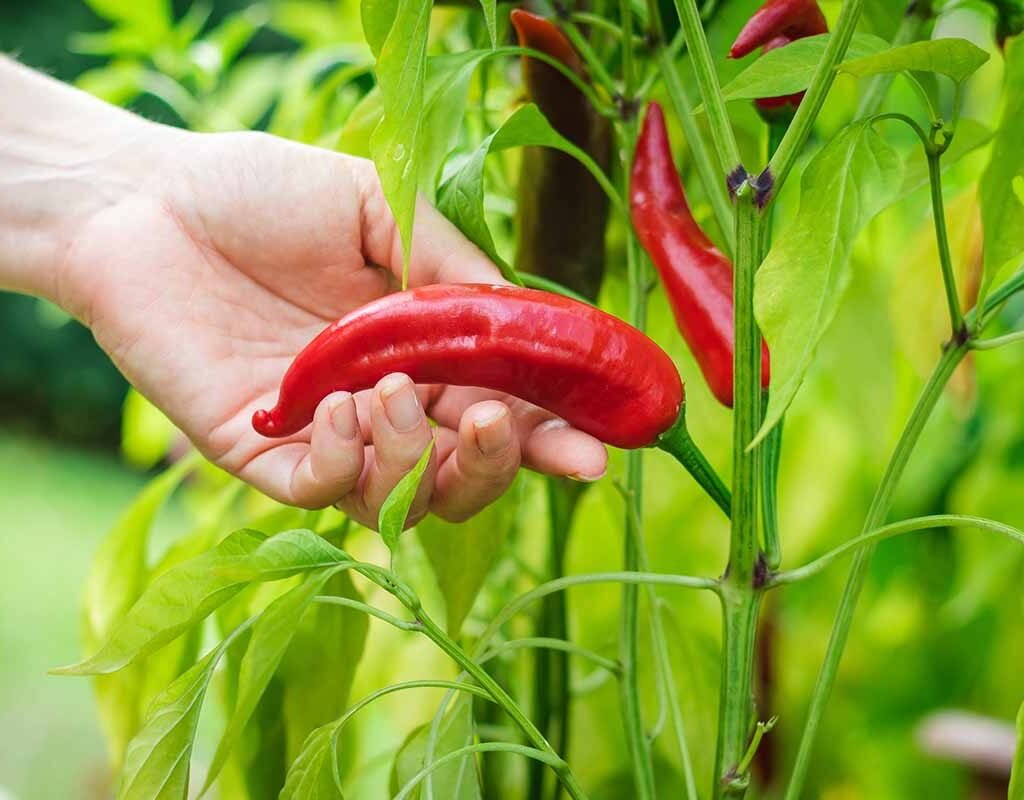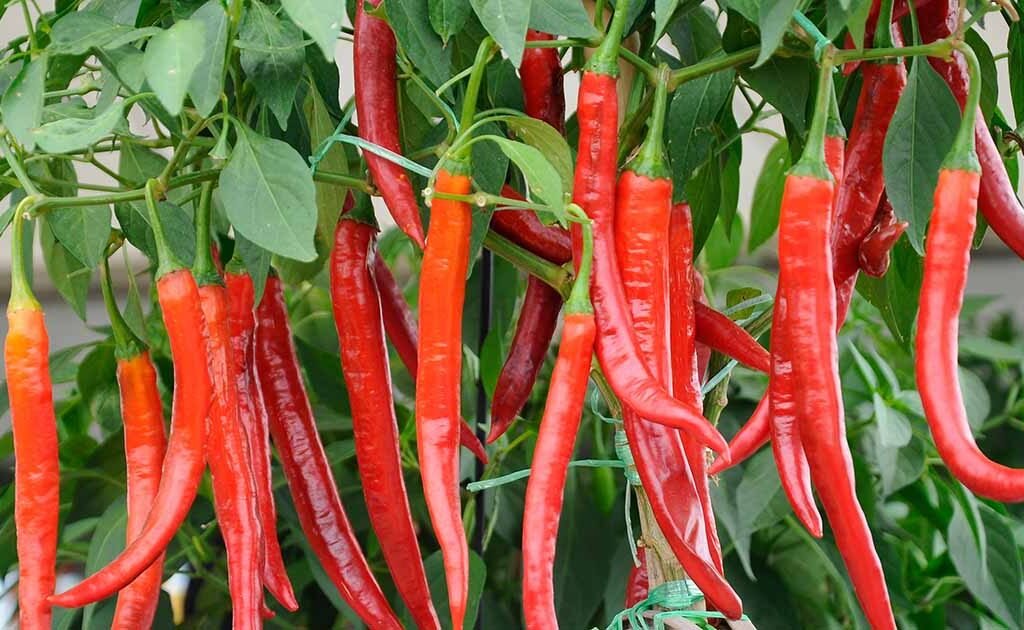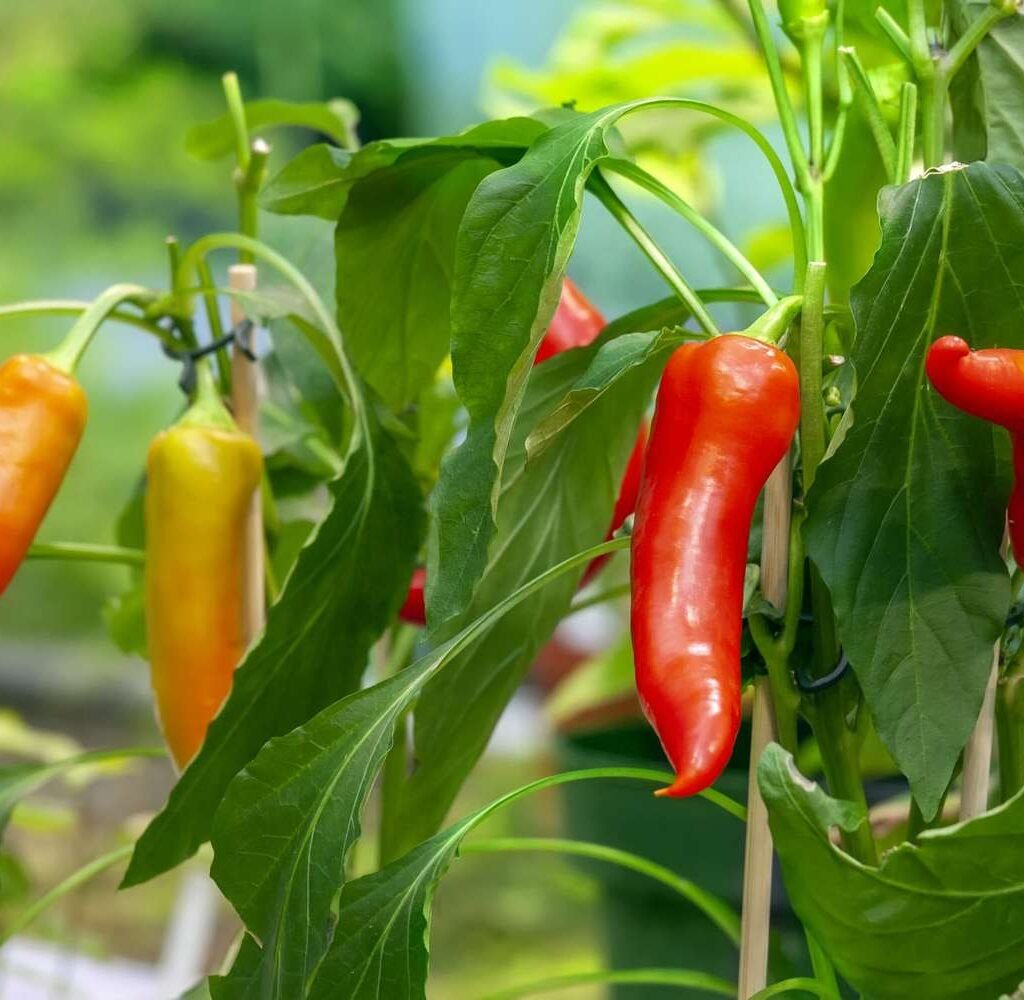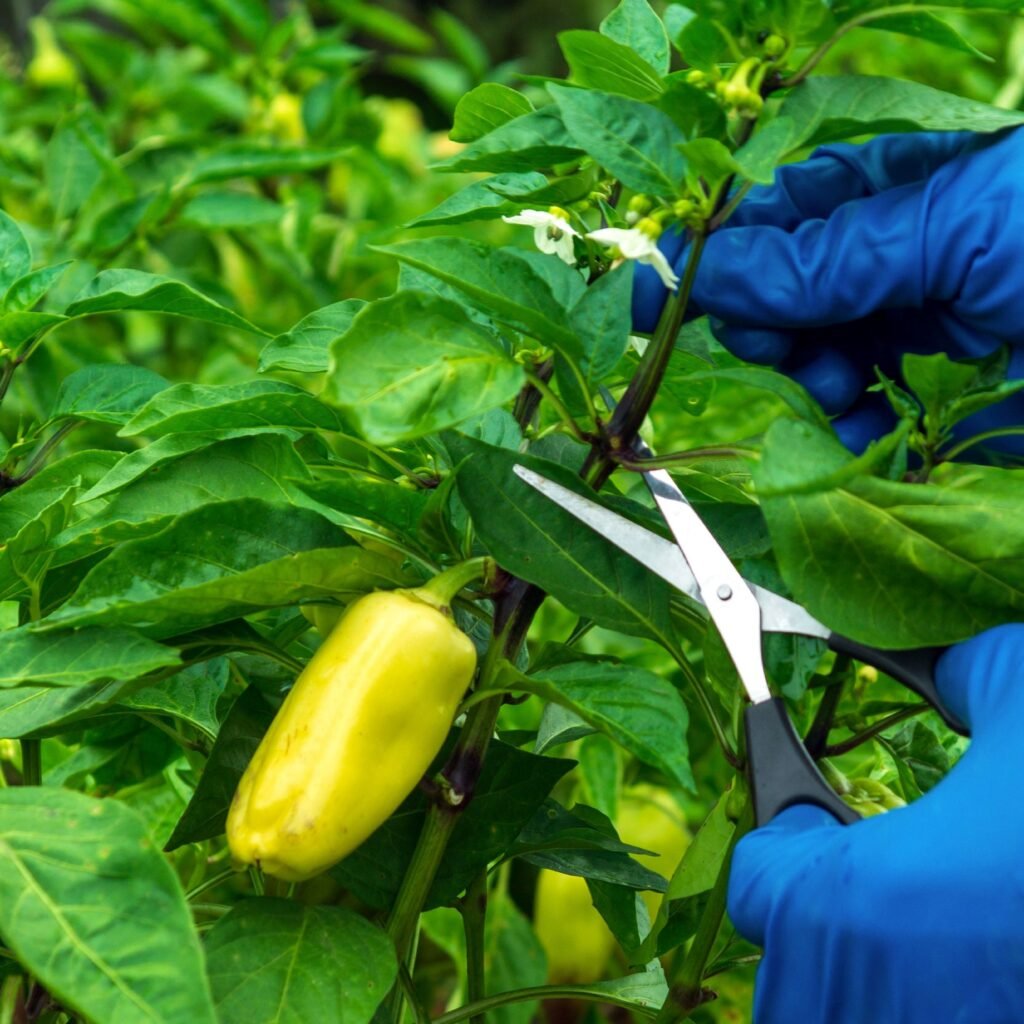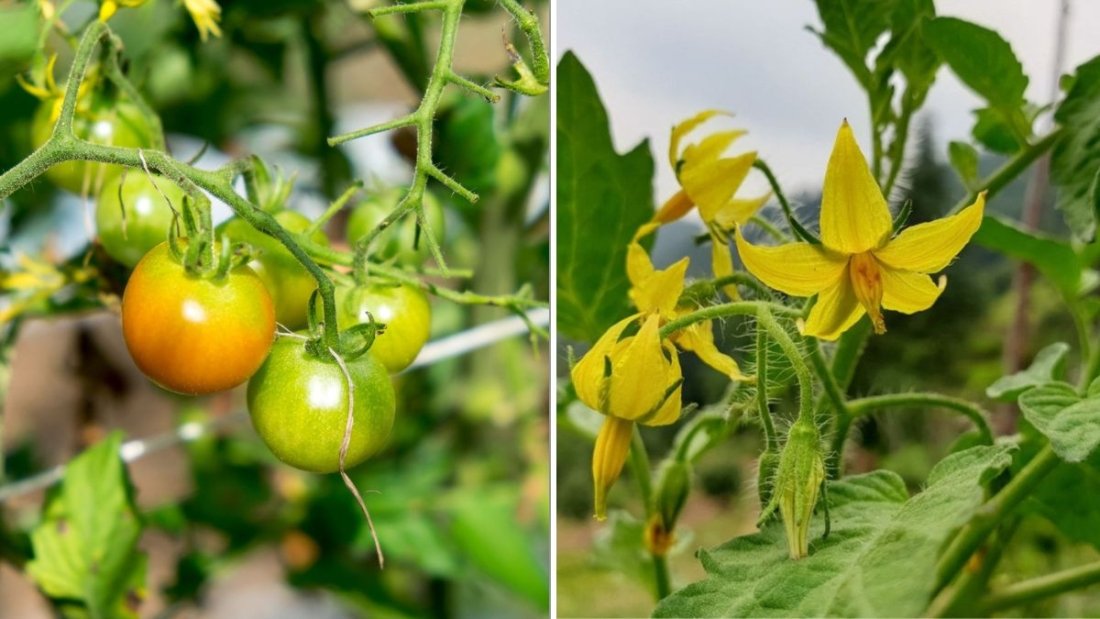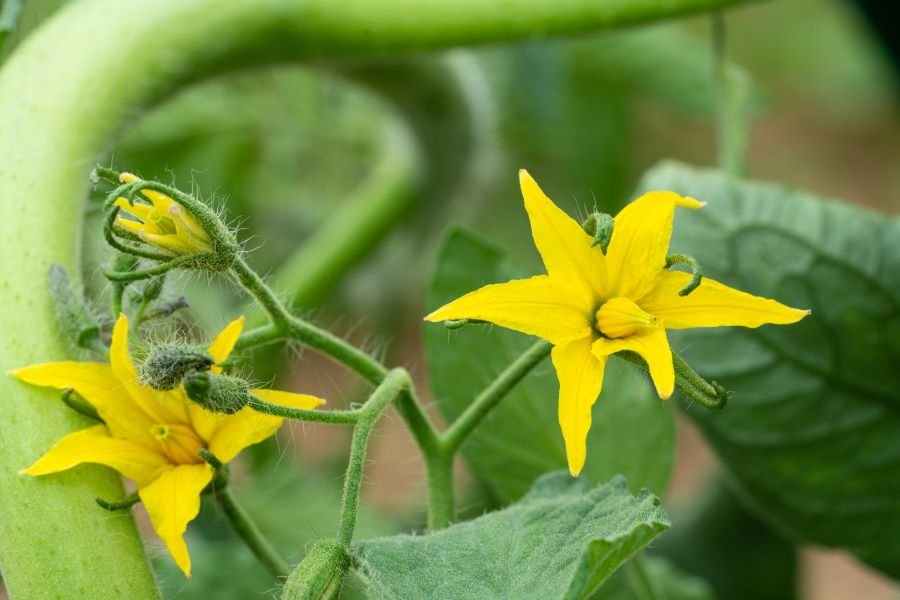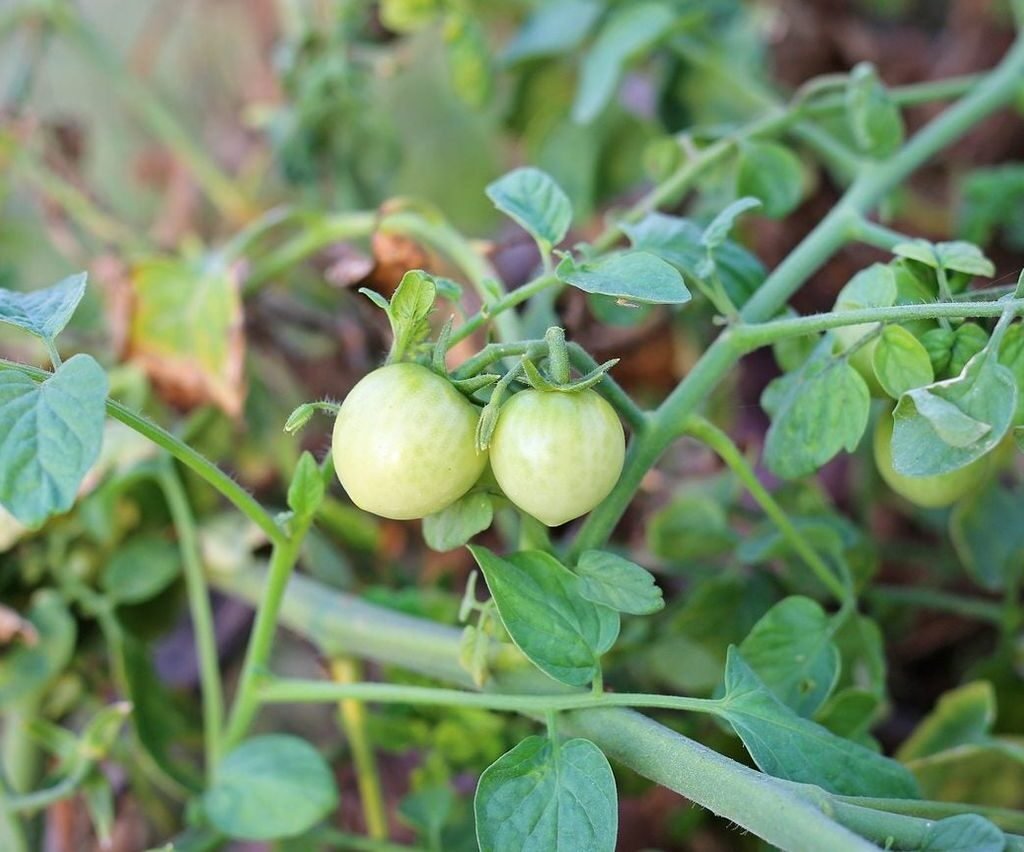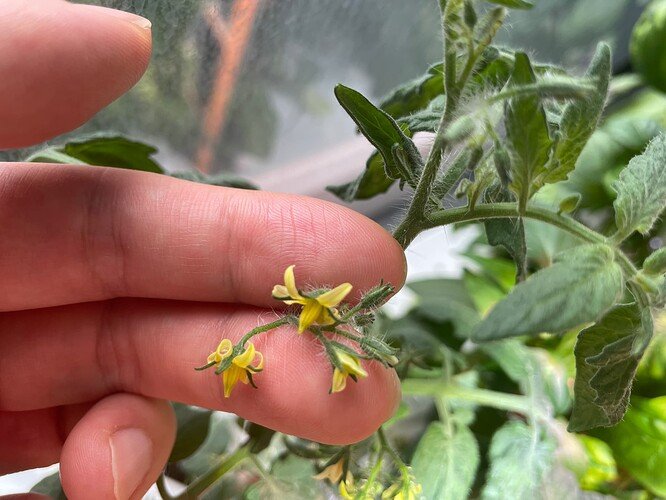
Why Your Peppers Are Dropping Their Blossoms (And How To Fix It)

Why Your Peppers Are Dropping Their Blossoms (And How To Fix It)

You’ve nurtured your pepper plants for weeks — watering carefully, feeding regularly, and watching those little buds appear with excitement. Then suddenly, the flowers start to drop off before forming fruit. Few things frustrate gardeners more than seeing promising blossoms fall away, leaving behind empty stems.

The good news? You’re not alone — and it’s not the end of your harvest. Pepper blossom drop is one of the most common (and fixable) issues gardeners face. Understanding why it happens is the first step toward getting your plants back on track and producing an abundance of vibrant, flavorful peppers.

Let’s break down the most common reasons pepper plants drop their blossoms — and what you can do to prevent it.


1. Temperature Stress: The Most Common Culprit
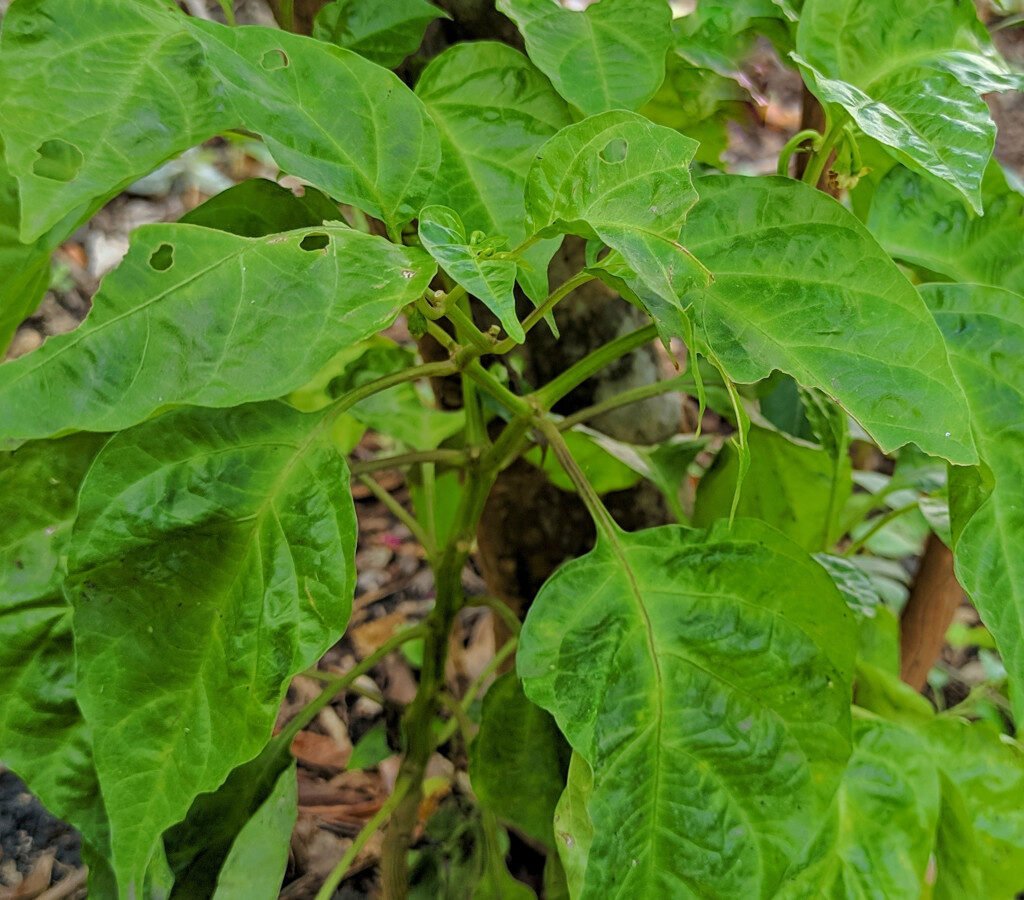
Peppers are tropical plants at heart. They love warmth but can be surprisingly sensitive to temperature swings.

Ideal growing range:

  • Daytime: 70–85°F (21–29°C)
  • Nighttime: 60–70°F (15–21°C)

When temperatures drift outside this sweet spot, your pepper plants get stressed — and stressed plants shed flowers to conserve energy.

Too Hot:

If daytime temperatures soar above 90°F (32°C) or nighttime temps stay above 75°F (24°C), blossoms often wither and fall before pollination. The plant’s pollen becomes sterile, making fruit formation impossible.

Too Cold:

Likewise, if the temperature dips below 55°F (13°C), pepper plants go into survival mode. Growth slows, pollination stops, and flowers drop.

How to fix it:

  • Provide shade cloth (30–40%) during heat waves to protect blossoms from intense sun.
  • Water consistently in hot weather — heat stress and drought often go hand-in-hand.
  • Use row covers or cold frames on cool nights to trap warmth and protect plants.
  • Choose heat-tolerant pepper varieties (like ‘Cayenne’, ‘Jalapeño M’, or ‘Habanero’) if you live in a hot region.

2. Inconsistent Watering

Peppers hate extremes — and watering is no exception. Both overwatering and underwatering can lead to flower drop.

When underwatered:
Plants experience drought stress, forcing them to shed blossoms and conserve moisture for survival.

When overwatered:
Soggy soil suffocates roots and blocks oxygen absorption, preventing the plant from taking up nutrients needed for flowering.

How to fix it:

  • Water deeply, about 1–1.5 inches per week, depending on your soil and weather.
  • Stick your finger 2 inches into the soil — if it feels dry, it’s time to water.
  • Use mulch (straw, compost, or shredded leaves) to regulate moisture and temperature.
  • Avoid shallow watering — it encourages weak, surface-level roots.

Consistency is key. A steady moisture routine helps pepper plants stay balanced and keep their flowers.


3. Wind and Physical Stress
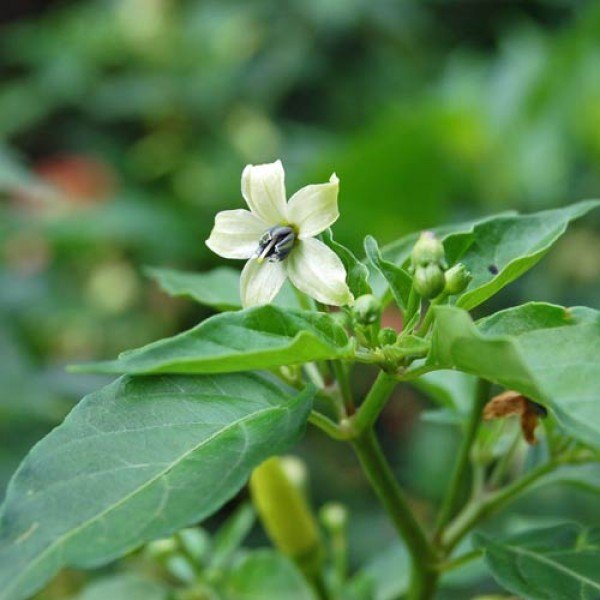
Strong winds, rough handling, or even brushing against pepper plants too often can cause blossoms to snap off.

Why it happens:
Pepper flowers are delicate, and excessive movement damages the tiny stem joints that hold them in place. In windy conditions, pollen may also blow away before fertilization occurs.

How to fix it:

  • Stake or cage tall pepper varieties for support.
  • Use windbreaks like garden fencing, taller plants, or shade cloth.
  • Be gentle when pruning, harvesting, or checking flowers.

Even a mild breeze helps with pollination, but when the wind starts to whip, your plants need protection.


4. Poor Pollination

Even if your plants are healthy, flowers can drop simply because pollination didn’t occur.

Peppers are self-pollinating, but they rely on natural movement — wind, insects, or human touch — to transfer pollen from one flower part to another. If this doesn’t happen, the flower dies off after a few days.

Why pollination fails:

  • Lack of bees or other pollinators.
  • High humidity that makes pollen sticky and heavy.
  • Very hot or dry air that causes pollen to dry out.

How to fix it:

  • Encourage pollinators: Plant nearby flowers like marigolds, cosmos, and basil to attract bees.
  • Gently shake the plant or tap flower clusters in the morning to release pollen.
  • Try hand-pollinating: Use a soft brush or cotton swab to transfer pollen between blossoms.
  • Ensure good airflow around plants — stagnant air limits pollen movement.

With a little encouragement, your peppers will soon have all the pollination help they need.


5. Nutrient Imbalance
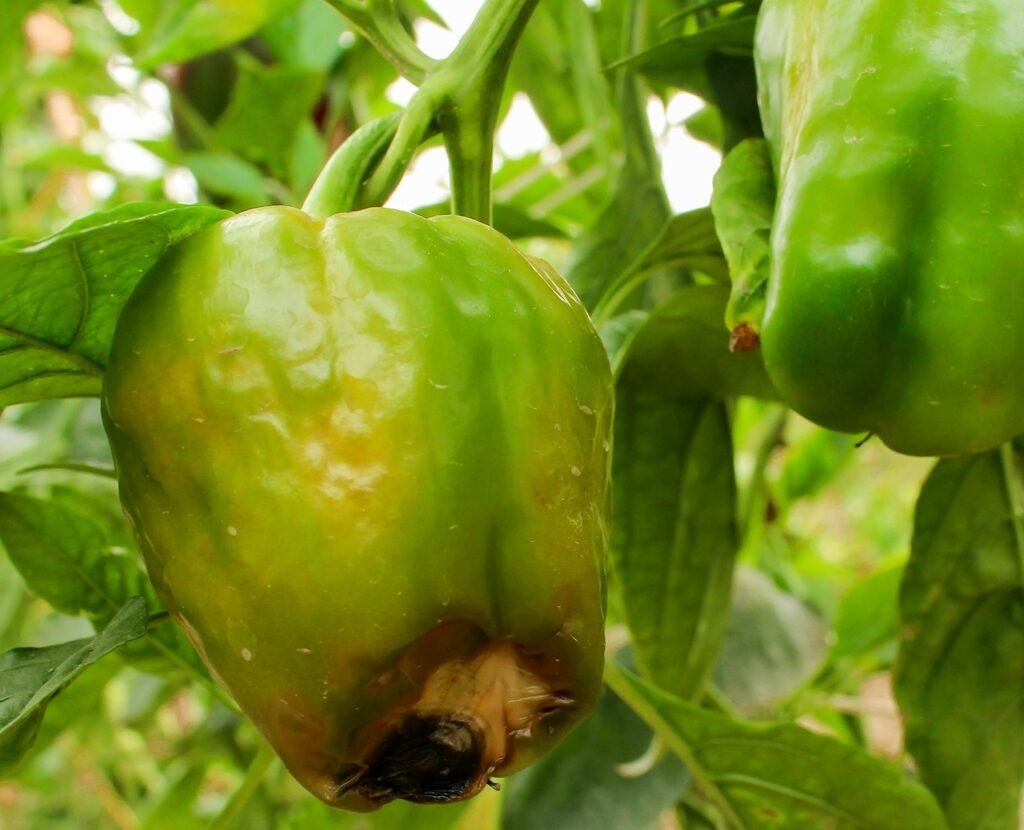
Peppers are moderate feeders, but improper fertilization can throw off their reproductive balance.

Too much nitrogen (often from lawn fertilizer or over-fertilizing) pushes lush green foliage at the expense of flowers and fruit. The plant looks beautiful — but blooms fall off before setting fruit.

Too little phosphorus or potassium can also cause weak flower formation and drop.

How to fix it:

  • Use a balanced fertilizer with an N-P-K ratio like 5-10-10 or 3-4-5 to encourage blossoms and fruit.
  • Avoid high-nitrogen fertilizers meant for lawns (like 20-0-0).
  • Mix in compost or bone meal before planting for slow-release nutrients.
  • Apply a liquid fertilizer every 2–3 weeks during blooming for a steady nutrient boost.

Pro tip: If your pepper leaves are lush but fruitless, it’s almost always a nitrogen issue — scale back feeding immediately.


6. Too Little (or Too Much) Sunlight

Peppers need at least 6–8 hours of direct sunlight daily to thrive. Insufficient light weakens growth and prevents blossoms from developing into fruit.

However, too much intense sun — especially when combined with high heat — can lead to flower scorch and drop.

How to fix it:

  • If your peppers are shaded, relocate or prune nearby plants to let in more light.
  • In very hot climates, use a light shade cloth to protect blossoms during midday heat.
  • Container-grown peppers can be moved to follow the sun throughout the day.

Balance is crucial: enough light for strong growth, but not so much that it causes heat stress.


7. Pest or Disease Damage
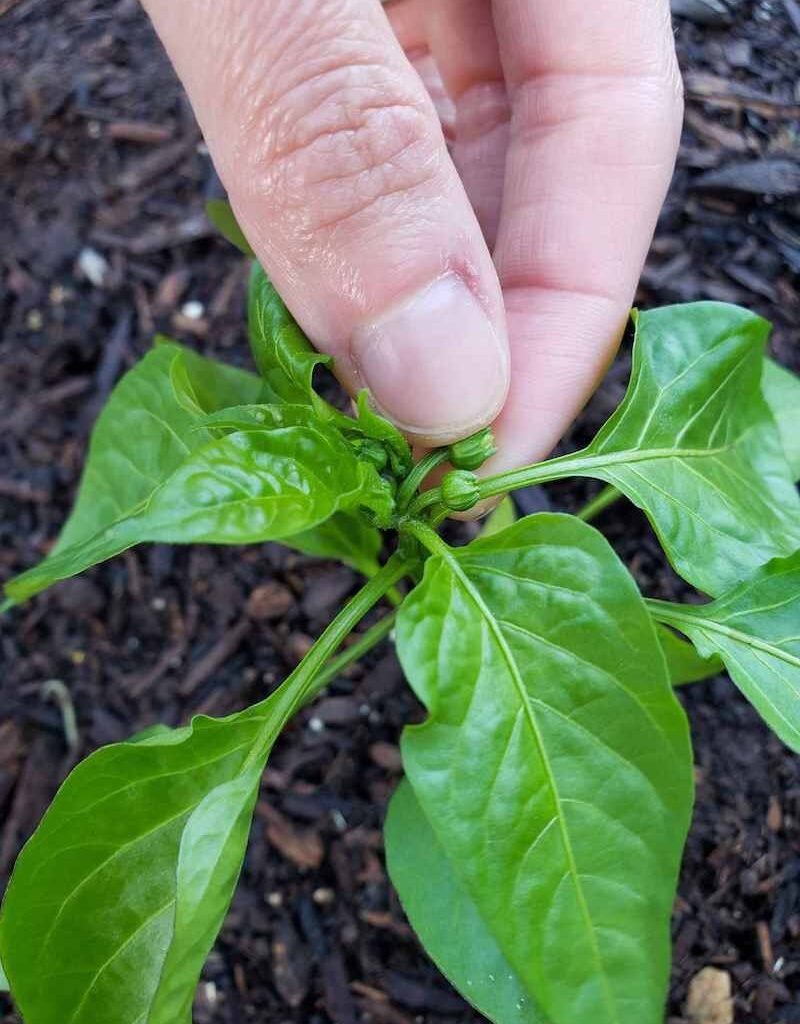
Sometimes, the issue isn’t environmental — it’s microscopic. Pests like aphids, thrips, and whiteflies feed on flower buds, causing them to dry up and fall off.

Common culprits:

  • Aphids: Tiny green or black insects that suck sap from new growth.
  • Thrips: Slender, fast-moving insects that damage buds and flowers.
  • Spider mites: Cause stippling on leaves and can spread quickly in dry weather.

How to fix it:

  • Spray plants with neem oil or insecticidal soap weekly until pests are gone.
  • Introduce beneficial insects like ladybugs or lacewings.
  • Keep plants healthy — strong peppers resist pests better.

Check leaves (especially undersides) regularly for signs of pests or eggs. Catching them early can prevent serious damage.


8. Plant Maturity and Natural Cycles

If your pepper plant is still young, blossom drop may simply be part of its natural development.

Many pepper plants shed their first few sets of flowers as they focus on establishing strong roots and stems before supporting fruit.

How to fix it:

  • Be patient! Once the plant matures, it will produce more flowers that set fruit successfully.
  • Avoid heavy feeding early on — let the plant focus on building structure first.
  • Prune early blossoms on small plants to help them channel energy into growth.

Once your peppers reach maturity (about 12–16 inches tall), they’ll start holding onto flowers more consistently.


9. Overcrowding and Poor Airflow
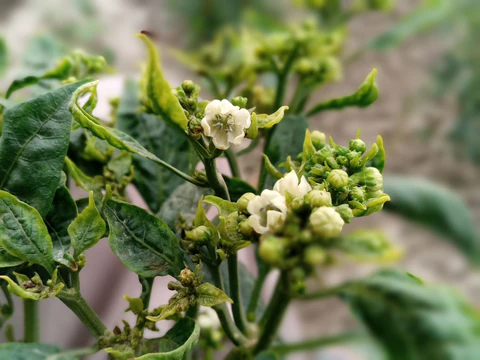
Tightly spaced pepper plants compete for sunlight, water, and nutrients — and poor airflow increases humidity, creating stress and reducing pollination success.

How to fix it:

  • Space plants 18–24 inches apart for optimal airflow.
  • Trim lower leaves to improve circulation around the base.
  • Avoid watering foliage — focus on the soil instead.

A well-spaced pepper patch stays drier, healthier, and more productive.


How to Encourage Fruit Set After Blossom Drop

Even after some flowers fall, you can still turn things around. Try these strategies to reset your plant for fruiting success:

  1. Trim lightly: Remove weak or damaged leaves to direct energy toward healthy buds.
  2. Feed strategically: Apply a phosphorus-rich fertilizer (like bloom booster) to encourage flowering.
  3. Control environment: Shade in extreme heat, water consistently, and protect from cold.
  4. Attract pollinators: Grow herbs and flowers nearby — basil, marigold, dill, and alyssum are perfect companions.
  5. Stay consistent: Regular care beats quick fixes. Keep temperature, moisture, and feeding steady.

Within a week or two, you’ll likely notice new buds forming and healthier growth resuming.


Final Thoughts

Blossom drop is your pepper plant’s way of saying, “Something’s off — help me rebalance!” Whether it’s heat stress, irregular watering, or a lack of pollination, every dropped flower offers a clue.

The key is observation. Once you identify what’s causing stress, your plants will bounce back — peppers are resilient when given the right care.

With steady moisture, balanced nutrition, and a little patience, those empty stems will soon give way to a crop of colorful, flavorful peppers that make your garden shine.
How To Hand-Pollinate Cucumbers For More Fruit

How To Hand-Pollinate Cucumbers For More Fruit

Few gardening frustrations compare to watching your cucumber vines thrive with lush green leaves and blossoms—only to end up with tiny, shriveled fruit that never fully develops. If that sounds familiar, the culprit might be poor pollination.

Cucumbers rely heavily on pollinators like bees, butterflies, and other insects to transfer pollen from male to female flowers. But when pollinators are scarce—due to weather, pesticides, or other environmental factors—you can step in and hand-pollinate cucumbers yourself.

It’s easy, satisfying, and one of the most effective ways to boost fruit production and ensure every flower gets a fair shot at becoming a crisp, juicy cucumber.

Here’s everything you need to know about how to hand-pollinate cucumbers for more fruit, from identifying flower types to mastering the right technique.


Why Cucumbers Need Pollination

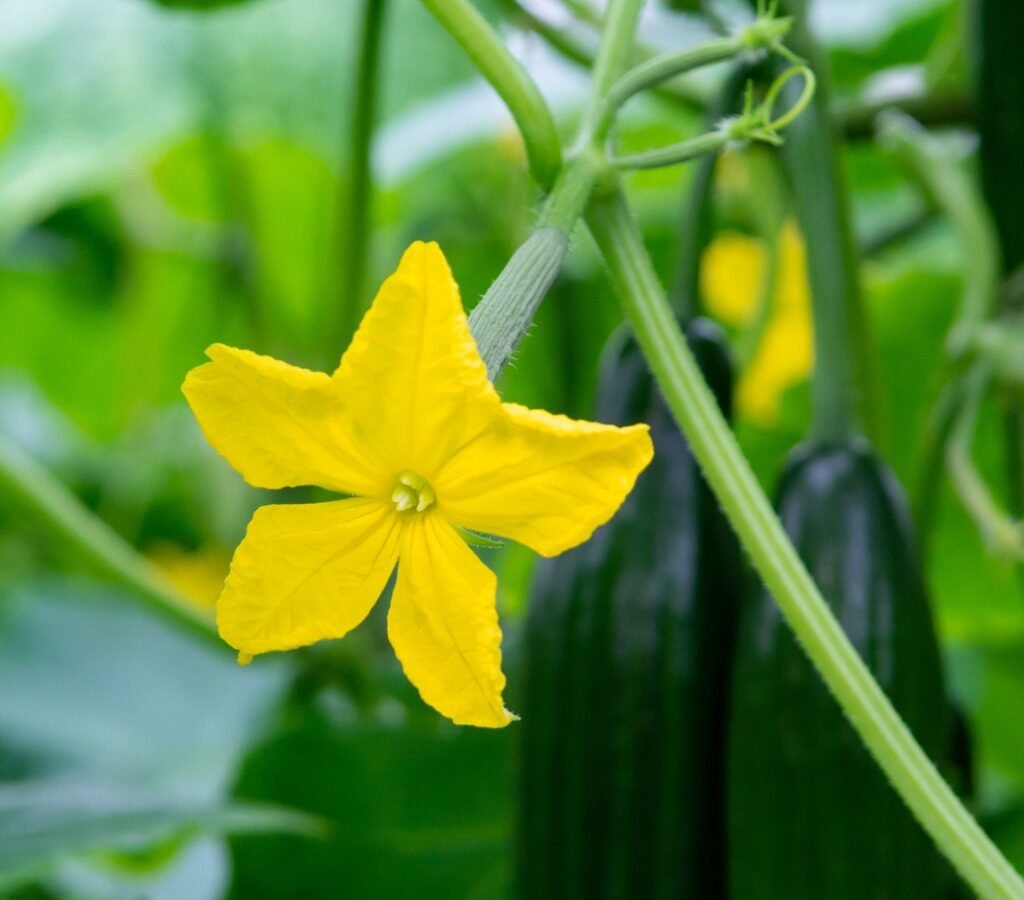
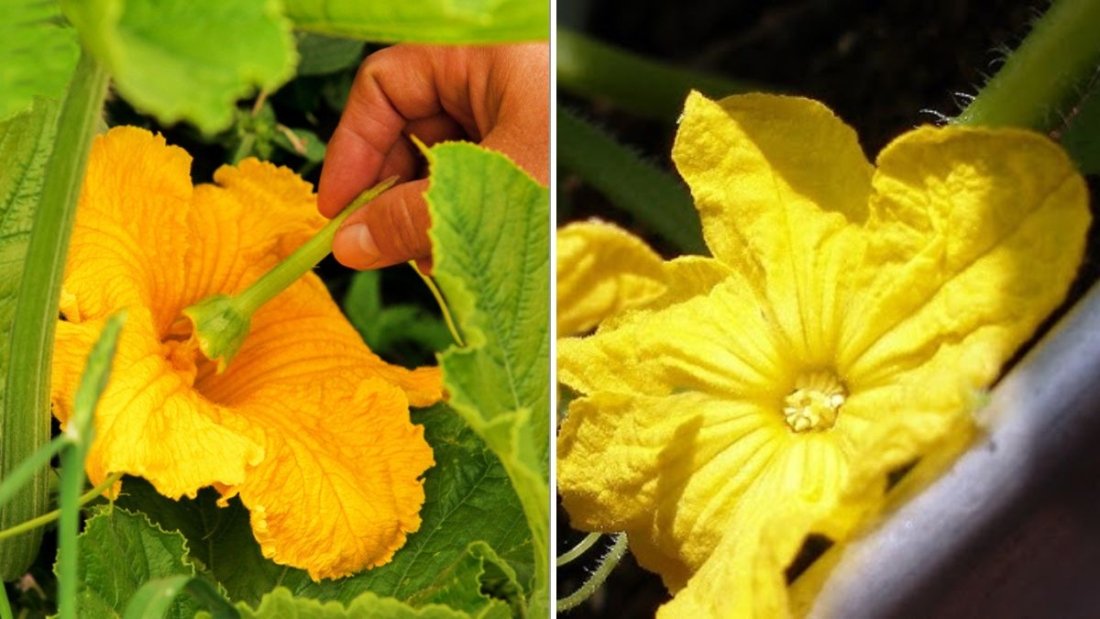
Cucumber plants produce two types of flowers: male and female. Both are essential for fruit development.

  • Male flowers produce pollen but no fruit.
  • Female flowers contain the ovary (a small baby cucumber) that develops into the mature fruit once pollinated.

In nature, bees visit male flowers first, collecting pollen on their bodies, and then transfer it to female flowers as they move around. Without that pollen transfer, the female flower will shrivel and die instead of producing fruit.

Unfortunately, pollinator populations can fluctuate, especially during extreme weather or early in the growing season. Hand-pollination mimics the work of bees, ensuring consistent results even when nature falls short.


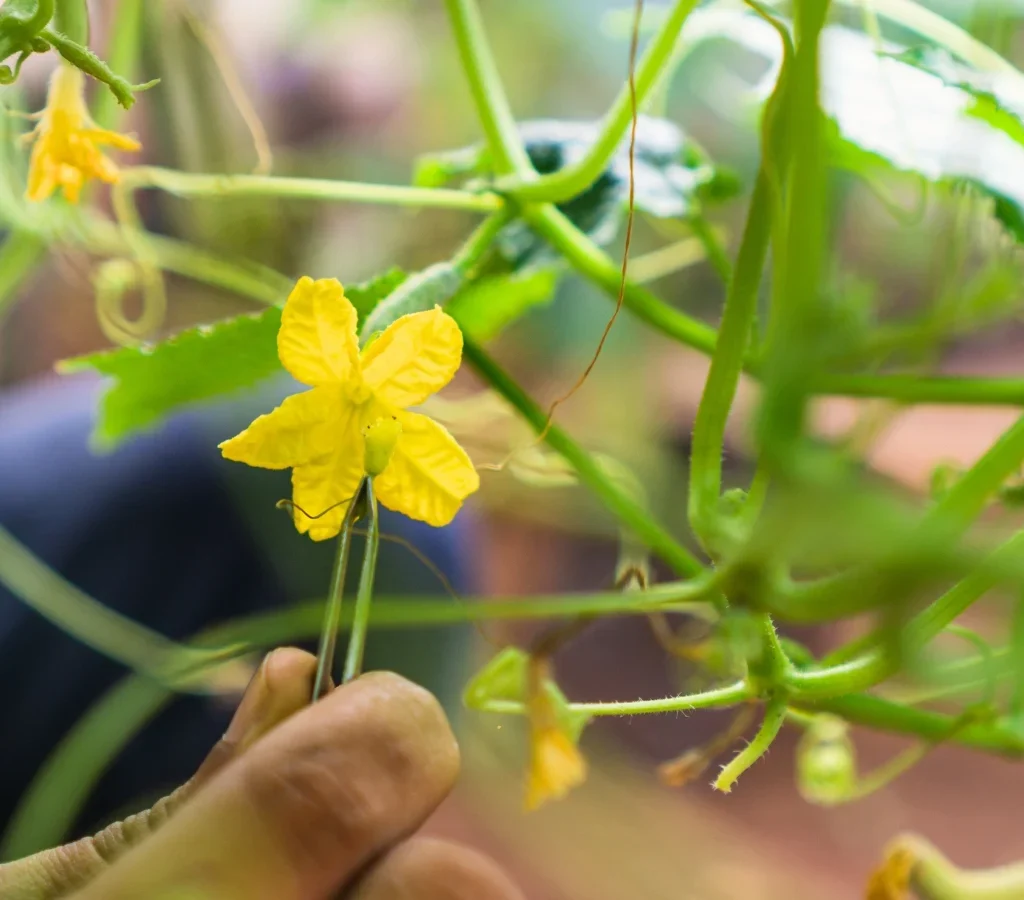
Step 1: Learn to Identify Male and Female Flowers

Before you can hand-pollinate, you need to distinguish male from female cucumber flowers. It’s simpler than it sounds once you know what to look for.

Male Flowers

  • Appear first on the vine, often in clusters.
  • Have a thin stem directly connecting to the vine.
  • Contain a pollen-covered stamen (a yellow structure inside the blossom).
  • Do not have a small fruit behind them.

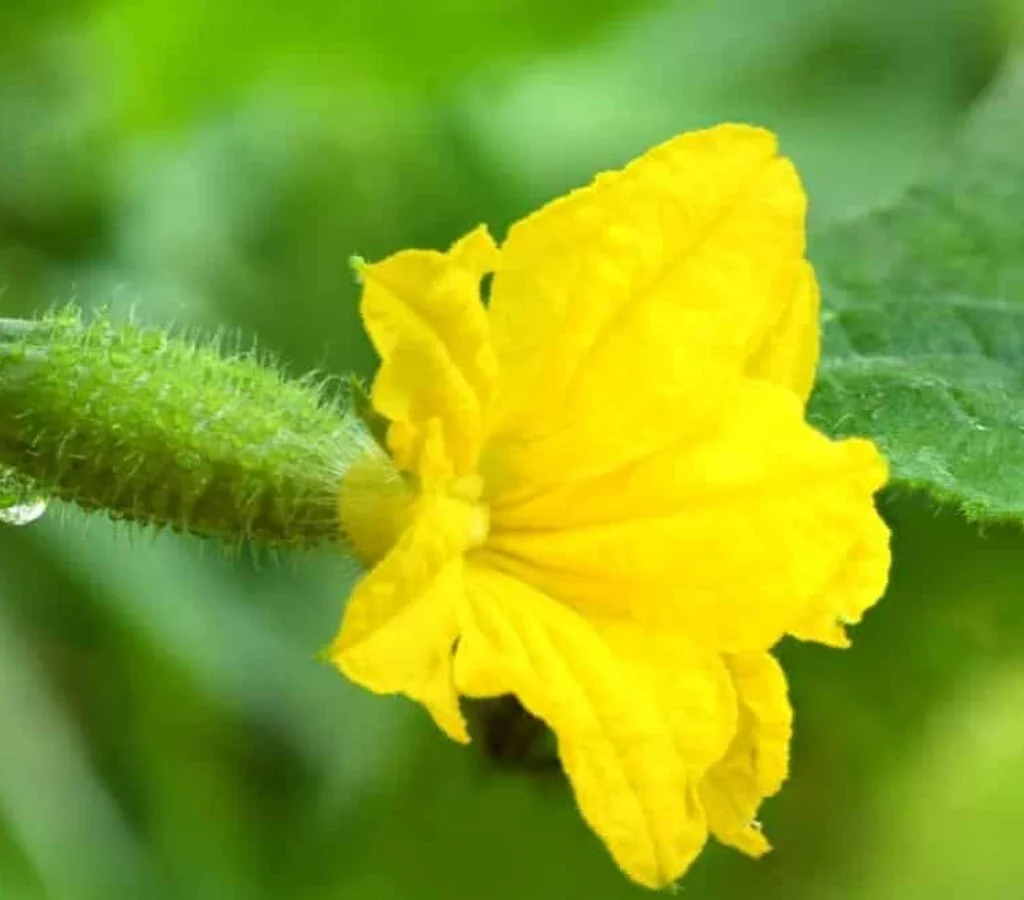
Female Flowers

  • Usually appear a week or two later than males.
  • Grow on a shorter, thicker stem.
  • Have a small, swollen ovary behind the blossom that looks like a tiny baby cucumber.
  • Contain a sticky stigma in the center of the flower.

That tiny cucumber behind the female blossom is what becomes your fruit—but only if the flower is pollinated.


Step 2: Check Timing — Morning Is Best

Cucumber flowers don’t stay open for long. Each one usually blooms for just a single morning, sometimes lasting only a few hours.

The best time to hand-pollinate:

  • Early morning (between 6 a.m. and 9 a.m.) when flowers are fully open.
  • During dry, calm weather—humidity or rain can make pollen clump, making it harder to transfer.

If you wait too long, the flowers may close, and your chance for pollination that day will be gone.


Step 3: Gather Your Tools

You don’t need much to hand-pollinate cucumbers—just gentle hands and a simple tool.

You can use:

  • A small artist’s paintbrush or cotton swab.
  • A toothpick for more precision.
  • Or simply the male flower itself.

Make sure whatever you use is dry and clean—moisture can damage pollen or spread disease.


Step 4: Collect Pollen From Male Flowers

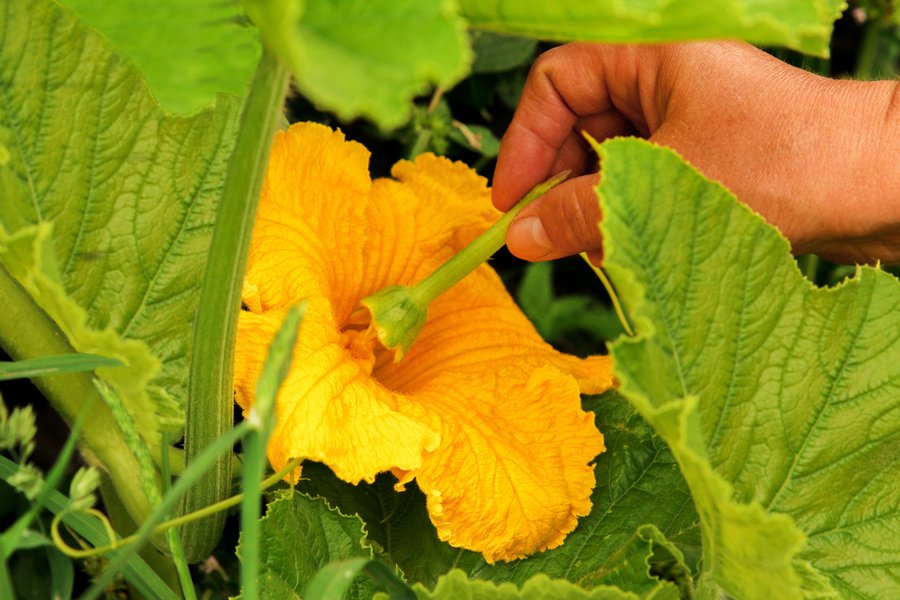
Start by selecting a freshly opened male flower.

Method 1: Using the Flower Itself

  1. Gently pluck the male flower from the plant.
  2. Peel back or remove the petals to expose the stamen inside.
  3. You’ll see the stamen covered in yellow pollen dust.

Method 2: Using a Brush or Swab

  1. Leave the male flower attached.
  2. Gently rub your brush or cotton swab over the stamen to collect pollen.
  3. You’ll see a fine yellow powder on the brush—this is the fertile pollen.

Be careful not to damage the flower’s center while collecting pollen; a gentle touch goes a long way.


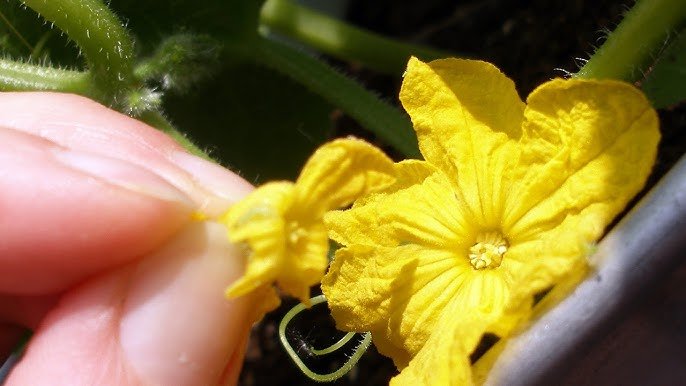
Step 5: Transfer Pollen to Female Flowers

Now that you’ve gathered pollen, it’s time for the magic.

  1. Locate an open female flower—remember, it has that small, baby cucumber behind it.
  2. Gently touch or brush the male pollen onto the stigma (the center of the female flower).
  3. Make sure to coat all three lobes of the stigma to maximize success.

If you’re using the male flower directly, you can simply press its stamen against the female flower’s stigma in a gentle, swirling motion.

Each male flower can usually pollinate two or three female flowers, depending on how much pollen it has.


Step 6: Mark and Monitor

It’s a good idea to mark the hand-pollinated flowers using a small piece of string, garden tag, or colored tape around the stem.

This helps you:

  • Track which fruits were successfully pollinated.
  • Observe how long they take to grow.
  • Identify which flowers didn’t take, so you can adjust technique next time.

Within 3–5 days, a successfully pollinated female flower will begin to grow noticeably larger. The tiny cucumber will swell, while unpollinated ones will shrivel and drop off.


Step 7: Encourage Pollinators Naturally

While hand-pollination is a great backup, your goal should always be to make your garden pollinator-friendly so bees can take over the job naturally.

Here’s how to invite them in:

Plant Pollinator-Friendly Flowers

  • Grow zinnias, sunflowers, marigolds, cosmos, and nasturtiums near your cucumber patch.
  • Choose flowers with open, accessible blooms that bees can easily reach.

Avoid Pesticides

Even organic sprays can harm beneficial insects. If necessary, apply treatments in the evening, when pollinators are less active.

Provide Water and Shelter

  • A shallow dish of water with pebbles gives bees a safe place to drink.
  • Leave some bare soil or hollow stems nearby for nesting sites.

With the right environment, your garden will soon buzz with activity—and you’ll rarely need to hand-pollinate again.


Troubleshooting Common Pollination Problems

Even with hand-pollination, sometimes issues persist. Here’s what might be going wrong and how to fix it.

1. Flowers Are Falling Off Without Fruit

  • Cause: Pollination didn’t occur, or the flower closed too soon.
  • Fix: Ensure both male and female flowers are open at the same time. If not, store male flowers in a plastic bag in the refrigerator for up to a day to use later.

2. Fruit Starts Growing, Then Withers

  • Cause: Partial pollination — not enough pollen reached the stigma.
  • Fix: Make sure you cover all lobes of the female stigma with pollen. Using multiple male flowers can improve success.

3. Bitter Cucumbers

  • Cause: Stress from inconsistent watering or heat. Pollination isn’t the culprit here, but poor fruit development can make bitterness worse.
  • Fix: Keep soil consistently moist, and add mulch to retain moisture.

Bonus Tip: Timing for Maximum Yield

Cucumber plants produce the most female flowers when temperatures are warm but not scorching — ideally 70°F to 85°F (21°C to 29°C).

To keep your plants blooming:

  • Harvest frequently. The more you pick, the more flowers your plant will produce.
  • Fertilize lightly every two weeks with a balanced fertilizer or compost tea.
  • Prune gently to improve airflow and light around developing fruit.

With consistent care and the occasional hand-pollination, your cucumber vines will reward you with a steady stream of crisp, flavorful fruits all summer long.


The Satisfaction of Hand-Pollination

There’s something deeply rewarding about playing the role of nature’s helper. Hand-pollinating cucumbers not only increases your yields but also helps you connect more intimately with your garden. You’ll begin to notice subtle differences in flower structure, timing, and growth — insights that make you a better gardener over time.

Plus, the results are undeniable:

  • More consistent fruit set
  • Fewer misshapen cucumbers
  • Healthier, more vigorous plants

By mastering this simple technique, you ensure your cucumber crop never depends on chance — just your own two hands and a bit of morning sunshine.


Final Thoughts

When nature needs a helping hand, your garden will thank you for stepping in. Hand-pollinating cucumbers is quick, easy, and one of the most effective ways to guarantee a bountiful harvest.

All you need is a gentle touch, a few morning minutes, and a good eye for flowers. Soon, your vines will be heavy with perfect cucumbers — crisp, green, and garden-fresh.

So grab that paintbrush or pick that male flower and play pollinator for a day. You’ll be amazed how much more fruit your cucumbers can produce when you lend them a helping hand.

The Best Companion Plants For Cucumbers (And 3 To Avoid)

The Best Companion Plants For Cucumbers (And 3 To Avoid)

There’s something deeply satisfying about growing cucumbers in your garden — those crisp, cool fruits that seem to capture summer itself. But did you know that cucumbers thrive even better when planted alongside certain “friends”? This gardening practice, known as companion planting, can boost growth, deter pests, improve flavor, and even enhance pollination.

However, not all plants make good neighbors. Some compete for nutrients, attract harmful pests, or even stunt your cucumber’s growth. Knowing which plants to pair — and which to keep far away — can make the difference between a modest harvest and an overflowing basket of cucumbers.

Let’s explore the best companion plants for cucumbers — and the three you should definitely avoid — to help your vines reach their full, refreshing potential.


Why Companion Planting Works

Companion planting is nature’s way of achieving garden harmony. When certain plants grow together, they form mutually beneficial relationships that improve soil quality, pest resistance, and yield.

Cucumbers, being fast-growing and nutrient-demanding vines, benefit greatly from companions that:

  • Repel pests like aphids, cucumber beetles, and spider mites.
  • Attract pollinators that increase fruit set.
  • Improve soil health by fixing nitrogen or providing shade.
  • Maximize space by growing vertically or at different soil levels.

Think of companion planting as creating a small ecosystem where each plant supports the others — naturally.


The 10 Best Companion Plants for Cucumbers

Here are ten plants that pair beautifully with cucumbers, each offering its own unique advantage.


1. Beans — The Nitrogen Boosters

Beans are one of the best companions for cucumbers. As legumes, they host beneficial bacteria on their roots that fix atmospheric nitrogen into the soil — a vital nutrient for leafy cucumber vines.

Why it works:

  • Cucumbers are heavy feeders that thrive on nitrogen-rich soil.
  • Beans provide a slow, steady nitrogen source without synthetic fertilizers.

Planting tip:
Grow pole beans on the opposite side of a trellis from your cucumbers. Both can climb without crowding each other, maximizing vertical space and air circulation.


2. Radishes — The Pest Defenders

Tiny but mighty, radishes are cucumber’s best pest-fighting ally. They repel cucumber beetles and other soil-dwelling insects that damage roots and leaves.

Why it works:

  • The sharp scent of radishes confuses pests.
  • Fast-growing radishes act as “trap crops,” drawing pests away from young cucumber plants.

Planting tip:
Sow radishes between cucumber rows or around the garden’s perimeter. Harvest them early before the cucumber vines spread.


3. Dill — The Natural Pest Magnet (For the Good Kind!)

Dill doesn’t just add flavor to pickles — it’s a powerhouse for attracting beneficial insects.

Why it works:

  • Dill flowers draw ladybugs, lacewings, and hoverflies, which prey on aphids and mites.
  • Its aroma repels cucumber beetles and spider mites.

Planting tip:
Plant dill near cucumbers but not too close — it can grow tall and shade your vines. A distance of about 2 feet works best.


4. Lettuce — The Living Mulch

Lettuce grows quickly and has shallow roots, making it an excellent living mulch for cucumber beds.

Why it works:

  • Helps shade the soil, reducing evaporation and keeping roots cool.
  • Suppresses weeds and prevents soil compaction.

Planting tip:
Interplant lettuce between cucumber rows early in the season. By the time cucumber vines spread, lettuce will be ready to harvest.


5. Nasturtiums — The Colorful Protectors

Nasturtiums are not only beautiful but also incredibly useful companions.

Why it works:

  • Their peppery scent deters aphids, whiteflies, and cucumber beetles.
  • They act as a trap crop, luring pests away from cucumbers.
  • The flowers attract pollinators and add a pop of color to the garden.

Planting tip:
Grow nasturtiums along the edges of cucumber beds or let them trail beneath the vines.


6. Marigolds — The Pest-Repelling Powerhouse

Marigolds are every gardener’s secret weapon.

Why it works:

  • Their roots release nematode-repelling compounds that protect cucumber roots.
  • Their scent wards off aphids and whiteflies.

Planting tip:
Border your cucumber patch with marigolds. They add color while naturally reducing pest populations.


7. Carrots — The Space-Savers

Carrots and cucumbers grow in perfect harmony because they occupy different soil levels.

Why it works:

  • Carrots grow deep, while cucumbers root near the surface — no competition for space.
  • Carrots help loosen the soil, improving aeration for cucumber roots.

Planting tip:
Sow carrots before transplanting cucumber seedlings. This way, carrots mature by the time cucumbers start sprawling.


8. Corn — The Living Trellis

Corn and cucumbers are classic companions in the garden, especially in the traditional “Three Sisters” planting (corn, beans, and squash).

Why it works:

  • Corn provides a natural trellis for cucumber vines to climb.
  • The tall stalks offer partial shade, protecting cucumbers from excessive heat.

Planting tip:
Plant cucumbers on the south side of corn rows so they receive adequate sunlight and use the stalks for support.


9. Sunflowers — The Pollinator Magnets

Sunflowers not only add beauty but also attract a host of pollinators.

Why it works:

  • Bees love sunflowers — and more bees mean better cucumber pollination.
  • Sunflowers can also act as windbreaks, protecting cucumber vines.

Planting tip:
Plant tall sunflower varieties on the north side of your cucumber patch to avoid shading the vines.


10. Onions and Garlic — The Bug Barriers

Members of the allium family, like onions and garlic, have strong scents that repel many cucumber pests.

Why it works:

  • Their sulfur compounds deter aphids, thrips, and cucumber beetles.
  • They also reduce the risk of fungal infections like powdery mildew.

Planting tip:
Plant them around the edges of your cucumber bed, not directly beside the vines (they prefer different watering needs).


3 Plants to Avoid Near Cucumbers

Not every plant makes a good companion. Some can hinder growth or attract the wrong pests.


1. Potatoes — The Nutrient Competitors

Cucumbers and potatoes don’t mix well underground.

Why they’re bad companions:

  • Both compete heavily for potassium and phosphorus, leading to nutrient deficiencies.
  • Potatoes attract blight and beetles that can also harm cucumbers.

Better alternative:
Plant cucumbers away from nightshades (potatoes, tomatoes, eggplants) to reduce disease spread.


2. Aromatic Herbs Like Sage and Rosemary

While some herbs like dill and basil are great companions, strong-scented woody herbs can inhibit cucumber growth.

Why they’re bad companions:

  • Sage, rosemary, and thyme prefer dry, sandy soil, while cucumbers love moist, fertile soil — a bad environmental match.
  • Their potent oils may repel beneficial insects along with pests.

Better alternative:
Choose soft herbs like basil, dill, or oregano, which have milder scents and similar moisture needs.


3. Melons and Squash — The Space and Pest Rivals

It’s tempting to plant melons or squash near cucumbers, but it’s usually a mistake.

Why they’re bad companions:

  • All are members of the Cucurbit family, sharing the same pests (like cucumber beetles) and diseases (such as powdery mildew).
  • Their vines easily intertwine, competing for space, sunlight, and nutrients.

Better alternative:
Plant melons or squash in a separate bed to minimize disease transfer and give cucumbers room to sprawl.


Companion Planting Tips for Success

To get the most from your companion planting, keep these pro tips in mind:

  • Rotate crops annually. Don’t plant cucumbers or their companions in the same spot each year to prevent soil-borne diseases.
  • Use mulch generously. It helps retain moisture, suppress weeds, and support soil health.
  • Keep balance in mind. Avoid overcrowding — your cucumbers need airflow to prevent fungal issues.
  • Encourage diversity. A mix of flowers, herbs, and vegetables creates a resilient, balanced garden ecosystem.

Final Thoughts

Cucumbers are friendly plants — they thrive when surrounded by the right companions. Beans feed them, radishes protect them, and marigolds keep pests at bay. Add a few pollinator-friendly flowers, and you’ve created a thriving ecosystem that supports vibrant growth and delicious harvests.

But remember, not every neighbor is welcome. Keep potatoes, woody herbs, and other cucurbits at a distance to avoid unwanted competition and disease.

By pairing your cucumbers wisely, you’ll enjoy a healthier garden, higher yields, and tastier fruits — all while letting nature do most of the work.

6 Signs Your Cucumber Plants Need More Water

6 Signs Your Cucumber Plants Need More Water

Cucumbers are one of summer’s most refreshing garden treasures — crisp, juicy, and full of flavor. But anyone who’s grown them knows these fast-growing vines are also some of the thirstiest plants in the garden. Without enough water, cucumbers quickly become stressed, bitter, and less productive.

Whether you’re growing them in the ground, in containers, or on trellises, proper watering is the secret to healthy plants and a bumper crop. The challenge? Cucumbers can’t tell you when they’re thirsty — but their leaves, fruit, and overall growth can.

Here are six clear signs your cucumber plants need more water, along with tips on how to fix the problem before your harvest suffers.


1. Wilting Leaves (Especially During the Day)

The first and most common sign of water stress in cucumbers is wilting. When cucumber plants don’t receive enough moisture, their large, thin leaves lose turgor pressure — the internal water pressure that keeps them firm and upright.

What you’ll see:

  • Leaves droop, curl, or appear limp.
  • The plant may look fine in the morning but wilt by afternoon, especially in full sun.
  • Severe wilting can cause leaves to dry, turn yellow, and drop off.

What’s happening:
Cucumbers have shallow roots that dry out quickly, especially in hot weather. When the soil moisture drops, the plant can’t draw up enough water to replace what’s lost through evaporation and transpiration.

How to fix it:

  • Water deeply and consistently. Give the plants a thorough soaking so water reaches at least 6–8 inches deep.
  • Avoid shallow watering, which only moistens the surface.
  • Add organic mulch (like straw, compost, or shredded leaves) around the base to retain soil moisture and regulate temperature.

Pro tip:
If wilting occurs in the middle of a hot day but the plant perks up by evening, it’s likely temporary heat stress. However, if leaves remain limp into the night, your cucumbers definitely need more water.


2. Yellowing Leaves

If your cucumber’s lush green leaves begin turning yellow, it might be signaling more than just nutrient deficiency — it could mean inconsistent watering.

What you’ll see:

  • Lower leaves turning pale green or yellow first.
  • Leaf edges may brown or curl.
  • Yellowing may spread upward if the problem persists.

What’s happening:
Water carries essential nutrients like nitrogen and magnesium from the soil to the plant. Without enough moisture, nutrient uptake slows, and chlorophyll (the green pigment) breaks down — leading to yellowing.

How to fix it:

  • Check the soil moisture by sticking your finger 2 inches deep. If it feels dry, it’s time to water.
  • Water cucumbers 2–3 times a week, depending on temperature and rainfall.
  • Use a soaker hose or drip irrigation to provide even, deep watering without splashing the leaves (which can spread disease).
  • If yellowing continues even after improving watering, apply a balanced liquid fertilizer to replenish nutrients.

Remember: Yellow leaves can also indicate overwatering, so always confirm by checking the soil’s moisture before you water again.


3. Bitter or Misshapen Cucumbers

Few things are more disappointing than harvesting cucumbers that look great — until you bite into one and it’s bitter!

What you’ll see:

  • Fruit tastes bitter, especially near the stem end.
  • Cucumbers may grow curved, shriveled, or unevenly shaped.
  • Skins can appear tough or leathery.

What’s happening:
When cucumbers experience irregular watering — drying out and then getting flooded — it stresses the plant. This triggers the production of cucurbitacins, natural compounds responsible for bitterness. Inconsistent watering also disrupts fruit development, causing irregular shapes.

How to fix it:

  • Maintain steady soil moisture. Avoid long dry periods followed by heavy watering.
  • Keep a 2–3 inch mulch layer around the plant base to prevent rapid evaporation.
  • Water in the morning to give the plant time to absorb moisture before the heat of the day.

Pro tip: Pick cucumbers regularly. Overripe fruits left on the vine signal the plant to slow production and can worsen bitterness.


4. Fewer Flowers and Small Fruit Set

Healthy cucumber plants should produce a steady stream of flowers and fruits throughout the growing season. When the plant isn’t getting enough water, flowering and fruiting are often the first things to suffer.

What you’ll see:

  • Fewer flowers than usual.
  • Tiny or undeveloped fruits that drop off before maturing.
  • Slower overall growth and reduced vigor.

What’s happening:
Water stress causes cucumbers to go into survival mode — the plant conserves energy by halting flower and fruit production. The roots focus on staying alive rather than producing new growth.

How to fix it:

  • Keep the soil evenly moist, especially during flowering and fruiting stages when water demand is highest.
  • Apply water slowly and deeply twice per week rather than giving small, frequent splashes.
  • Add compost or worm castings to help the soil retain moisture while improving fertility.

Extra tip: Hot, dry conditions can also reduce pollination, so encourage pollinators with nearby flowers or hand-pollinate blossoms with a small brush.


5. Dry or Cracked Soil Around the Base

Sometimes, the soil itself gives you the clearest clue that your cucumbers need a drink.

What you’ll see:

  • Soil surface appears dry, hard, or cracked.
  • Water beads up instead of soaking in.
  • Mulch (if used) feels dry and brittle to the touch.

What’s happening:
When soil dries out completely, it becomes hydrophobic—meaning it actually repels water. Even if you water afterward, much of it runs off instead of soaking down to the roots.

How to fix it:

  • Loosen the top inch of soil gently before watering to help moisture penetrate.
  • Water slowly so it has time to absorb — a drip irrigation system works best.
  • After rehydrating, spread organic mulch over the base to prevent the soil from drying again.
  • Consider adding compost or coco coir to future soil mixes to improve water retention.

6. Slower Growth and Poor Yields

If your cucumber plants look stunted, have smaller leaves, or produce fewer fruits than expected, the problem might be chronic under-watering.

What you’ll see:

  • Shorter vines than usual.
  • Thin stems and small, pale leaves.
  • Sparse fruit production or fruits that stop growing midway.

What’s happening:
Cucumbers are composed of about 95% water, so inadequate moisture directly stunts growth. The plant can’t efficiently photosynthesize or transport nutrients, leading to sluggish development and lower yields.

How to fix it:

  • Water deeply and consistently during the entire growth cycle, especially once vines start spreading.
  • Provide 1–1.5 inches of water per week, more during hot or windy periods.
  • For container-grown cucumbers, check daily — pots dry out much faster than garden beds.

Bonus tip: If your plants are severely stressed, apply a seaweed or compost tea foliar spray to help them recover faster and boost resilience.


How to Water Cucumbers the Right Way

Knowing the signs of underwatering is only half the battle — you also need to master proper watering technique.

Here’s how to get it right every time:

1. Water in the Morning

Morning watering gives plants the entire day to absorb moisture before heat and evaporation kick in. Evening watering can lead to wet leaves overnight, increasing the risk of fungal disease.

2. Water at the Base

Always water at the soil level, not over the leaves. This ensures roots get the moisture they need and keeps foliage dry and disease-free.

3. Use Drip Irrigation or a Soaker Hose

These systems deliver water directly to the roots, reducing waste and keeping moisture consistent — ideal for thirsty cucumbers.

4. Maintain Mulch

A 2–3 inch layer of mulch locks in moisture, prevents soil compaction, and keeps the root zone cool during hot spells.

5. Check Moisture Regularly

Use your finger or a soil moisture meter. If the top 2 inches feel dry, it’s time to water.


Final Thoughts

Cucumbers might be easy to grow, but they’re not forgiving when it comes to inconsistent watering. A few missed days can mean wilted vines, bitter fruits, and disappointing yields.

By learning to recognize early warning signs — from wilting leaves and yellowing to poor fruit set and cracked soil — you can act quickly to keep your plants hydrated and thriving.

Consistent watering, good mulch, and healthy soil are the keys to crisp, flavorful cucumbers all summer long.

So next time you step into your garden, take a quick look at your cucumber vines. Are their leaves perky? Is the soil slightly damp to the touch? If so, you’re on track for a cool, crunchy, and abundant harvest that’ll make all your summer salads shine.
How To Boost Pepper Yields With Simple Pruning Tricks

How To Boost Pepper Yields With Simple Pruning Tricks

Peppers are one of the most rewarding crops a home gardener can grow—vibrant, flavorful, and versatile. Whether you love sweet bell peppers or fiery hot chilies, nothing beats harvesting basketfuls of colorful fruits from your own plants. But if your pepper plants tend to produce fewer or smaller fruits than you hoped, the secret to bigger, more abundant yields might be simpler than you think: pruning.

Pruning peppers may sound intimidating, but with a few easy techniques, you can transform spindly, slow-growing plants into bushy, fruit-loaded powerhouses. In this guide, we’ll walk you through why pruning works, when to do it, and the exact steps to follow for each growth stage—plus a few pro tips that seasoned gardeners swear by.


Why Pruning Matters for Peppers

Unlike many vegetables, pepper plants have a natural tendency to grow tall and leggy. Left alone, they often spend too much energy producing leaves and stems instead of focusing on flowers and fruits.

Pruning redirects the plant’s energy into what matters most: producing larger, healthier, and more flavorful peppers.

Here’s what proper pruning helps accomplish:

  1. Encourages bushier growth: Cutting back the main stems encourages side branches to grow, resulting in more flowering sites and higher yields.
  2. Improves air circulation: A well-pruned plant is less prone to fungal diseases like powdery mildew or bacterial leaf spot.
  3. Increases light exposure: Sunlight can reach more parts of the plant, helping fruits ripen evenly.
  4. Strengthens stems: Pruned plants develop thicker, sturdier branches that can support heavy fruit loads.
  5. Reduces pest problems: Fewer hidden areas make it harder for pests like aphids or spider mites to thrive.

In short, pruning helps your pepper plants stay healthier, sturdier, and more productive all season long.


When to Prune Pepper Plants

Timing is everything. Pruning at the wrong stage can stress young plants or reduce fruit production. Here’s the right schedule to follow:

1. Early Pruning (Seedling Stage – 4 to 6 Weeks Old)

Once your pepper seedlings are about 6 inches tall and have developed at least 3–4 sets of true leaves, it’s time for their first haircut.

This stage is all about shaping your plant. Pinch or snip off the top growing tip just above a leaf node. This signals the plant to branch out from below instead of shooting straight upward.

2. Mid-Season Pruning (Before Flowering)

As your pepper plant matures, you’ll notice multiple branches forming. At this point, your goal is to:

  • Remove lower leaves and branches near the soil line (to prevent disease splashback).
  • Thin out any crowded interior branches that block sunlight or airflow.

This mid-season shaping keeps your plant open and encourages energy to flow to flowering branches.

3. Late Pruning (During Fruit Production)

Once the plant is covered in blossoms and young fruits, avoid heavy pruning. However, you can still:

  • Snip off damaged or diseased leaves.
  • Remove small, non-fruiting branches that drain energy.
  • Trim excess foliage at the top to redirect resources to ripening peppers.

Step-by-Step: How To Prune Pepper Plants

Pruning isn’t complicated, but doing it correctly makes all the difference. Follow these easy steps:

Step 1: Prepare Your Tools

Always use clean, sharp scissors or pruning shears. Sterilize the blades with rubbing alcohol or a 10% bleach solution before use to prevent spreading disease between plants.

Step 2: Identify the “Y” Shape

When your pepper plant is about 6–8 inches tall, you’ll notice the main stem naturally splitting into a “Y” shape. This is where the first set of branches form.

Snip off the topmost growing tip right above this “Y.” Doing so encourages the plant to produce two main stems, leading to a bushier shape with more flowering sites.

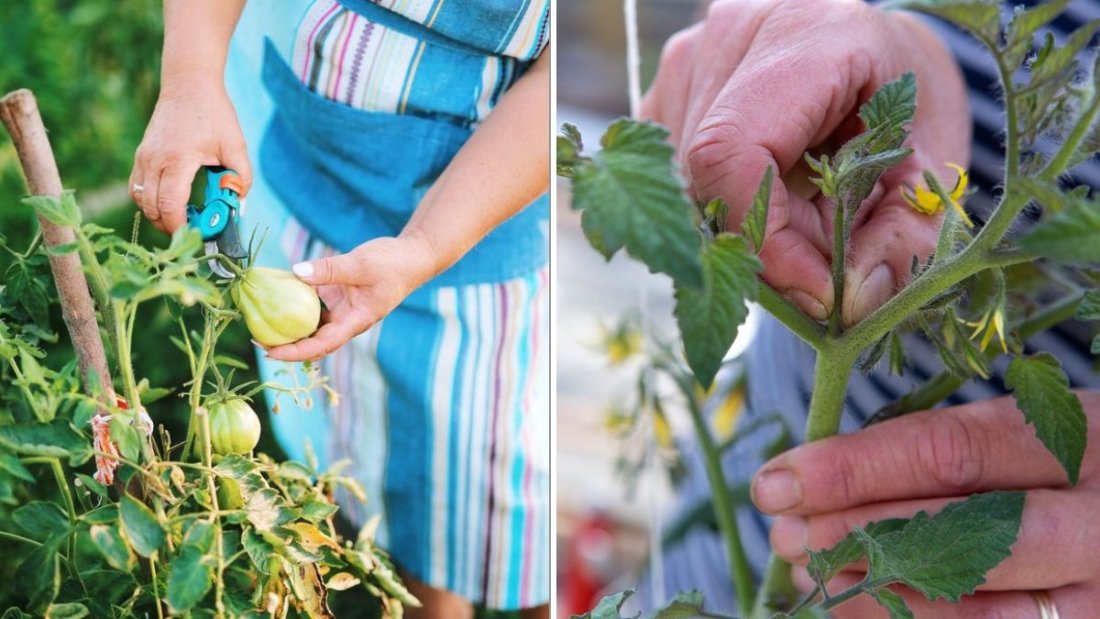
Step 3: Remove Suckers

After topping, watch for small shoots growing in the “crotches” where branches meet the main stem. These are suckers—they compete for nutrients and shade the interior of the plant.

Pinch or cut these suckers off when they’re small (about 1–2 inches). Focus especially on lower suckers that won’t receive much sunlight.

Step 4: Clean the Lower Stem

Remove all leaves and small branches up to about 6 inches from the soil surface. This prevents soil-borne pathogens from splashing up onto your plant and improves airflow around the base.

Step 5: Thin the Canopy

Once your plant is producing fruit, prune selectively to open up the canopy. Remove crowded branches so sunlight can reach deep inside the plant. This helps peppers ripen evenly and reduces the risk of fungal infections.


Light, Water, and Feeding Tips to Maximize Results

Pruning works best when paired with good cultural practices. A stressed plant can’t make the most of its new shape, so support it with these essential tips:

1. Provide Full Sun

Peppers love sunlight. Aim for at least 6–8 hours of direct sun daily. If growing indoors or in partial shade, supplement with grow lights to encourage healthy growth and strong stems.

2. Maintain Even Moisture

Uneven watering can stress pruned plants and affect fruit development. Keep the soil consistently moist but not waterlogged. A layer of mulch helps retain moisture and stabilize soil temperature.

3. Feed Regularly

After pruning, your plants will redirect energy toward new growth and fruiting. Boost them with a balanced, slow-release fertilizer or a liquid feed with an N-P-K ratio around 5-10-10. Too much nitrogen encourages leafy growth rather than fruiting.

4. Support Your Plants

Pruned plants often grow heavy with fruit. Use stakes or cages to support branches and prevent them from snapping under the weight.


Bonus Trick: Early Blossom Removal for Bigger Yields

It might sound counterintuitive, but removing the first few flowers that appear on young plants actually leads to a higher yield later.

Here’s why:
Early blooms divert energy toward fruiting before the plant has developed a strong enough root system and foliage. By removing the first blossoms, you allow the plant to grow stronger and more capable of producing large clusters of peppers later on.


Common Mistakes to Avoid

Even with good intentions, many gardeners make a few missteps when pruning peppers. Here are the most common mistakes—and how to fix them:

  1. Pruning too late: Heavy pruning during fruiting can shock the plant. Focus on shaping early in the season.
  2. Over-pruning: Removing too many leaves exposes fruits to sunscald. Always keep enough foliage to shade developing peppers.
  3. Using dirty tools: Dirty shears can spread disease like wildfire. Always sterilize before and after pruning.
  4. Ignoring plant stress: Avoid pruning during extreme heat or drought; wait until the plant is hydrated and healthy.

The Payoff: Healthier Plants and Heavier Harvests

When done correctly, pruning transforms pepper plants into compact, highly productive bushes loaded with fruit. The difference can be dramatic—double the number of peppers, fewer pest problems, and better airflow and sunlight throughout the plant.

You’ll also notice that your pruned plants:

  • Produce larger, thicker-walled peppers
  • Ripen faster and more evenly
  • Stay disease-free longer
  • Remain manageable in size, especially in containers

Final Thoughts

Learning how to prune your pepper plants is one of the simplest and most powerful ways to boost your yield. With just a few well-placed cuts, you can direct your plant’s energy where it counts—into producing more flowers, stronger stems, and heavier fruit clusters.

So, grab your pruning shears and give it a try. Start small, observe how your plants respond, and adjust your technique over time. Within a few weeks, you’ll see the difference—not only in plant health but in the sheer number of peppers you’ll harvest.

Because in the end, pruning isn’t just about cutting—it’s about shaping your plants for success. And once you see your pepper garden bursting with vibrant, glossy fruits, you’ll never skip this simple but game-changing step again.

Why Your Tomato Plant Isn’t Producing Fruit

Why Your Tomato Plant Isn’t Producing Fruit

Few things frustrate gardeners more than a lush, leafy tomato plant that simply refuses to bear fruit. You’ve watered, fed, staked, and nurtured it with care—yet the flowers fall off or never turn into tomatoes. Don’t worry—you’re not alone. This is one of the most common (and solvable) problems in home gardening.

In this article, we’ll explore why your tomato plant isn’t producing fruit, what environmental and care factors are to blame, and how you can fix them to get those juicy red tomatoes growing again.


Understanding How Tomato Plants Produce Fruit

Before troubleshooting, it helps to understand the fruiting process. Tomato plants go through three key stages:

  1. Vegetative stage: The plant focuses on developing stems and leaves.
  2. Flowering stage: Blossoms form, signaling the start of fruit production.
  3. Fruiting stage: Flowers are pollinated, then develop into tomatoes.

If your plants are stuck in the vegetative or flowering stage, something is interrupting this natural progression. That “something” usually falls into one (or more) of the following categories: temperature stress, pollination failure, improper pruning, nutrient imbalance, or environmental stress.


1. Temperature Extremes: The Silent Fruit Blocker

Tomatoes are heat-loving plants—but they’re also picky about how much heat they get. Both too much and too little can stop fruiting altogether.

Ideal Temperature Range:

  • Day: 70–85°F (21–29°C)
  • Night: 55–70°F (13–21°C)

When Temperatures Go Wrong:

  • Above 90°F (32°C): Flowers often dry out and fall off before pollination occurs (a condition called blossom drop).
  • Below 55°F (13°C): Pollination slows down or stops completely.

Fixes:

  • Provide shade: Use shade cloths during heatwaves to reduce sun intensity.
  • Mulch generously: A 2–3 inch layer of straw or shredded leaves helps moderate soil temperature.
  • Water deeply and regularly: Especially in hot climates, consistent moisture keeps plants from stressing.
  • For cold snaps: Cover plants at night with frost cloths or plastic tunnels to retain warmth.

Temperature fluctuations are the number one reason tomato plants stop producing fruit, so stabilizing their environment is your first line of defense.


2. Poor Pollination: No Pollination, No Tomatoes

Tomato plants need their flowers to be pollinated before fruit can form. While they’re self-pollinating, meaning each flower has both male and female parts, they still need vibration or movement (from wind or insects) to transfer pollen.

Causes of Poor Pollination:

  • Low bee or pollinator activity.
  • Still air (especially in greenhouses).
  • High humidity, which causes pollen to clump.
  • Extreme heat, which sterilizes pollen.

How to Fix It:

  • Attract pollinators: Plant bee-friendly flowers nearby—like lavender, basil, or marigolds.
  • Encourage air movement: Use a small fan in enclosed spaces to simulate wind.
  • Hand-pollinate: Gently shake or tap flower clusters, or use a soft brush or electric toothbrush to move pollen.
  • Avoid pesticides: Many insecticides drive away or harm pollinators.

A little help from you—or the bees—can often jump-start fruit production within a week or two.


3. Too Much Nitrogen: All Leaves, No Fruit

If your tomato plant looks healthy, tall, and covered in lush green leaves—but not a single tomato is in sight—it’s probably getting too much nitrogen.

Nitrogen promotes leafy growth, but an excess throws the plant’s hormonal balance off, reducing flower and fruit development.

The Signs:

  • Very tall plants with thick foliage.
  • Few or no blossoms.
  • Delayed fruiting despite vigorous growth.

The Fix:

  • Switch to a balanced or low-nitrogen fertilizer, such as one labeled 5-10-10 or 4-6-8 (N-P-K ratio).
  • Add bone meal or rock phosphate to boost phosphorus levels for better flowering.
  • Incorporate compost instead of synthetic fertilizers for slow, steady nutrient release.

A simple feeding adjustment often brings plants back into balance, encouraging them to focus on flowering instead of just foliage.


4. Lack of Sunlight

Tomatoes are sun lovers. Without at least 6–8 hours of direct sunlight per day, your plant will struggle to produce flowers and fruit.

Symptoms:

  • Long, leggy growth.
  • Sparse blossoms.
  • Weak stems and pale leaves.

Solutions:

  • Relocate container plants to the sunniest spot available.
  • Prune nearby trees or tall plants that cast shade.
  • Use reflective mulch or white garden fabric to redirect light onto your plants.

More sunlight equals more energy for flowering and fruiting—simple as that.


5. Overcrowding and Poor Airflow

Tomatoes need space to breathe. When plants are too close together, airflow decreases, humidity rises, and diseases spread—creating stress that hinders fruit formation.

Recommended Spacing:

  • Indeterminate varieties: 24–36 inches apart.
  • Determinate varieties: 18–24 inches apart.

Fixes:

  • Thin out crowded plants.
  • Prune lower leaves and unnecessary suckers.
  • Stake or cage plants to keep them upright and airy.

Good spacing not only encourages fruiting but also prevents common issues like blight and mildew.


6. Inconsistent Watering Habits

Tomatoes need steady moisture—but not too much. Irregular watering (alternating between drought and flood) stresses plants and leads to flower drop, fruit cracking, or small yields.

What Happens:

  • Drought = Flowers dry up.
  • Overwatering = Roots suffocate, preventing nutrient uptake.

How To Fix It:

  • Water deeply and infrequently. Aim for about 1–1.5 inches of water per week.
  • Use mulch. This keeps soil moisture even.
  • Check soil regularly. Stick your finger 2 inches deep—if it’s dry, it’s time to water.

Consistency is the secret to healthy, fruit-bearing tomato plants.


7. Stress From Pruning or Transplanting

Overzealous pruning or rough transplanting can shock your plant into a temporary pause in growth.

How To Avoid This:

  • Prune gradually. Never remove more than one-third of the plant at once.
  • Transplant carefully. Disturb the root ball as little as possible.
  • Water immediately after transplanting or pruning to help recovery.
  • Apply mulch to stabilize temperature and moisture.

Tomatoes can be surprisingly sensitive—gentle handling keeps them in productive mode.


8. Variety and Timing Issues

Sometimes, the problem isn’t you—it’s the plant variety or the timing of your planting.

What To Know:

  • Some tomato varieties take 70–90 days from transplanting to fruiting.
  • If planted too early or late in the season, plants may face temperatures unsuitable for fruit set.
  • Certain heirloom types are naturally slower producers.

Solutions:

  • Choose heat-tolerant or early-maturing varieties (like ‘Early Girl’ or ‘Sun Gold’) for hot regions.
  • Stagger plantings every 2–3 weeks for a longer harvest window.
  • Track local growing seasons using a planting calendar.

9. Diseases and Pests Interfering With Fruit Set

Pests and diseases weaken your plant and interfere with its reproductive process.

Common Culprits:

  • Aphids and whiteflies: Suck sap and transmit viruses.
  • Spider mites: Cause stippled, yellowing leaves.
  • Fungal diseases: Such as blight or wilt, which stress the plant.

Natural Treatments:

  • Spray with neem oil or insecticidal soap weekly.
  • Remove infected leaves promptly.
  • Avoid overhead watering to reduce fungal spread.
  • Encourage beneficial insects like ladybugs and lacewings.

A healthy, pest-free plant has more energy to produce flowers and fruits.


10. Environmental Stress (Wind, Pollution, or Nearby Chemicals)

Tomatoes are sensitive to environmental pollutants and physical damage.

  • Strong winds can break stems or blow away pollen.
  • Herbicide drift from neighboring yards can distort leaves and halt flowering.
  • Dust or pollution can coat leaves, reducing photosynthesis.

Solutions:

  • Use windbreaks like fences or garden fabric.
  • Avoid planting tomatoes near lawns treated with herbicides.
  • Rinse leaves gently with water during dry, dusty periods.

How To Encourage Fruit Production

Once you’ve identified the likely cause, use these strategies to kickstart fruiting:

  1. Feed wisely: Apply a balanced fertilizer every 2–3 weeks.
  2. Trim excess growth: Prune suckers and lower leaves for better airflow.
  3. Water evenly: Avoid extremes of drought or soaking.
  4. Control temperature: Shade in heat, cover in cold.
  5. Help pollination: Shake flower clusters daily or use a soft brush.
  6. Patience: Once conditions improve, your plant will refocus its energy on fruiting.

Final Thoughts

A tomato plant that isn’t producing fruit isn’t a lost cause—it’s simply a signal that something’s off in its environment. Whether it’s too much heat, too little pollination, or an overload of nitrogen, every problem has a fix.

By paying attention to the plant’s cues and making small adjustments in care—consistent watering, balanced feeding, good airflow, and the right temperatures—you’ll soon see those tiny green tomatoes forming.

And once they ripen, all the patience and observation will have been worth it—because nothing tastes sweeter than the first juicy tomato from a plant you’ve nursed back to fruiting health.

How To Prune Tomato Plants For Bigger, Juicier Fruits

How To Prune Tomato Plants For Bigger, Juicier Fruits

Tomatoes are one of the most rewarding crops to grow—but they can also be among the most demanding. If you’ve ever looked at your tomato plants and wondered why they’re sprawling everywhere but not producing much fruit, pruning may be the missing link.

Pruning is more than just trimming—it’s about helping your plant focus its energy on producing fewer but bigger, juicier, and tastier tomatoes. Done right, it improves airflow, prevents disease, and maximizes sunlight exposure—all key factors for a successful harvest.

In this detailed guide, you’ll learn why pruning matters, when and how to do it, and which mistakes to avoid to get the best results.


Why Pruning Tomato Plants Matters

Many gardeners hesitate to prune, fearing they’ll harm their plants. But pruning tomatoes isn’t just cosmetic—it directly impacts growth and yield.

Here’s what proper pruning does:

  1. Improves air circulation: Reduces the risk of fungal diseases like blight and mildew.
  2. Encourages fruit growth: The plant diverts energy from excess foliage to fruit production.
  3. Enhances sunlight exposure: Allows lower leaves and fruits to receive adequate light.
  4. Reduces pest problems: Less dense foliage means fewer hiding spots for pests.
  5. Keeps plants manageable: Easier to stake, tie, and harvest without tangles.

Simply put, pruning helps create a healthier plant that produces more flavorful, high-quality tomatoes instead of a jungle of leaves.


Know Your Tomato Type Before Pruning

Before picking up your shears, identify whether your tomato variety is determinate or indeterminate, because their pruning needs differ.

1. Determinate Tomatoes (Bush Type)

  • Grow to a fixed size (usually 3–4 feet tall).
  • Produce fruit all at once.
  • Prune minimally—just remove dead or diseased leaves.
  • Over-pruning can reduce yield because fruit forms on a set number of stems.

Examples: Roma, Celebrity, Patio Princess.

2. Indeterminate Tomatoes (Vining Type)

  • Continue growing and producing fruit all season.
  • Require regular pruning to control size and improve yield.
  • Benefit most from training and staking systems.

Examples: Brandywine, Cherokee Purple, Beefsteak, Sungold.

If your goal is continuous harvest and larger fruits, indeterminate varieties respond best to structured pruning.


When To Start Pruning Tomato Plants

Timing is crucial. Start pruning once your tomato plant is about 12–18 inches tall and has begun to develop its first flower cluster.

Key moments to prune:

  • Early season: Shape the plant as it grows.
  • Midseason: Maintain airflow and remove suckers.
  • Late season: Remove excess growth to speed up ripening.

Avoid heavy pruning during very hot, sunny days, as it may expose fruits to sunscald. Early morning or evening is ideal for trimming.


The Anatomy of a Tomato Plant (Know What to Cut)

Understanding where and what to prune helps avoid accidental damage.

Here are the main parts you’ll work with:

  • Main stem: The central leader of the plant.
  • Leaves: Essential for photosynthesis—don’t remove too many.
  • Flower clusters: Future tomatoes—never cut these!
  • Suckers: The small shoots that grow in the joint between a stem and a leaf branch.

Suckers are the primary focus when pruning tomatoes.


Step-by-Step Guide: How To Prune Tomatoes Properly

Step 1: Gather Your Tools

You’ll need:

  • Sharp pruning shears or scissors.
  • Gloves.
  • Sanitizing spray (like diluted rubbing alcohol) to prevent disease spread.

Clean your tools before and after pruning—tomatoes are prone to fungal infections that spread easily through cuts.


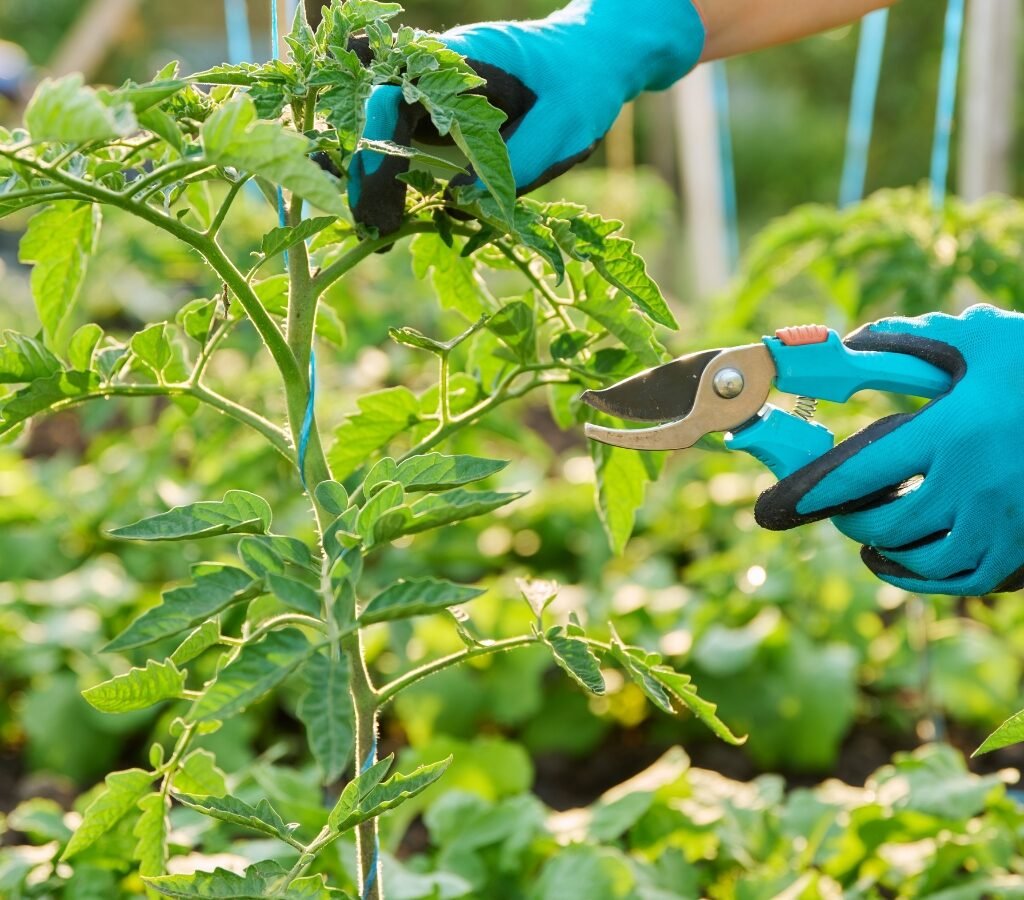
Step 2: Remove the Bottom Leaves

Once your plant reaches about 18 inches tall, remove the bottom 6–12 inches of leaves. These lower leaves are closest to the soil, where moisture and disease spores linger.

  • Use clean shears to snip them off.
  • Do not tear leaves by hand—it can damage stems.
  • This step greatly reduces the risk of early blight and soil-borne diseases.

Step 3: Identify and Remove Suckers

Suckers are the small shoots growing in the “V” between a main stem and a branch.

Why remove them:
Left unchecked, suckers turn into full stems that compete for nutrients and create dense foliage.

How to remove them:

  • Pinch them off with your fingers when they’re 2–3 inches long.
  • For larger suckers, use sterilized pruning shears.
  • Leave one or two main stems depending on your training system.

Tip: If your goal is maximum fruit size, prune more aggressively (keeping one main stem). For higher quantity, leave two stems.


Step 4: Thin Out Dense Growth

As the plant grows, remove leaves that block sunlight from reaching the interior.

  • Focus on the middle section where airflow gets restricted.
  • Always keep at least 60% of the foliage intact—tomatoes need leaves for photosynthesis.
  • Avoid stripping too many at once to prevent sunburned fruits.

This “selective thinning” helps light reach ripening tomatoes while reducing disease risk.


Step 5: Top the Plant (End-of-Season Pruning)

In late summer (about 4 weeks before the first expected frost), you can top your tomato plants to encourage ripening of existing fruit.

  • Cut off the main stem just above the last cluster of developing fruit.
  • This redirects the plant’s energy from producing new flowers to ripening existing tomatoes.

Result? A sweeter, fuller harvest before cold weather hits.


Pruning Techniques for Different Setups

1. Single-Stem Pruning (For Vertical Growth)

  • Ideal for small spaces or when using cages, stakes, or trellises.
  • Keep only one main stem.
  • Remove all suckers and side shoots.
  • Produces fewer but larger, juicier fruits.

2. Double-Stem Pruning

  • Leave one sucker just below the first flower cluster to grow as a secondary stem.
  • Offers a balance between fruit size and total yield.
  • Easier to manage than multi-stem plants.

3. Minimal Pruning (For Busy Gardeners)

  • Remove only the bottom leaves and diseased or crowded branches.
  • Best for bush-type (determinate) tomatoes.

Pro Tips for Effective Tomato Pruning

  1. Never prune wet plants: Moisture spreads fungal diseases like wildfire.
  2. Sanitize tools regularly: A quick wipe with alcohol prevents contamination.
  3. Mulch after pruning: It keeps the soil from splashing onto lower stems and retains moisture.
  4. Don’t over-prune: Too few leaves mean less energy for fruit development.
  5. Train as you prune: Tie vines gently to stakes or cages as they grow.
  6. Observe your plants: Some varieties naturally grow more compactly; prune according to their growth habit.

Common Pruning Mistakes to Avoid

Even experienced gardeners make these errors:

  • Over-pruning: Cutting too much foliage at once stresses plants and exposes fruit to sunscald.
  • Ignoring suckers for too long: Once large, they divert major nutrients from fruiting branches.
  • Pruning too late: Early pruning (before flowering) gives better results.
  • Neglecting airflow: Dense growth encourages fungal issues like leaf spot and mold.
  • Cutting above flower clusters: Always prune below or beside them to avoid losing fruiting potential.

Aftercare: Helping Plants Recover

Pruning slightly stresses your tomato plants, so help them bounce back quickly:

  • Water deeply after pruning.
  • Feed lightly with compost tea or diluted seaweed extract to replenish nutrients.
  • Mulch around the base to conserve moisture and stabilize soil temperature.
  • Monitor for pests—open spaces may temporarily attract them until new growth appears.

Within a few days, you’ll notice sturdier stems and stronger flower clusters.


Final Thoughts

Pruning tomato plants is both an art and a science. It’s about guiding growth, not restricting it. By removing the right leaves and suckers at the right time, you allow your plants to focus on what truly matters—producing bigger, juicier, and more flavorful tomatoes.

Think of each snip as a way to redirect your plant’s energy toward abundance. Combine smart pruning with proper watering, feeding, and staking, and your tomato patch will reward you with a bumper crop of sun-ripened perfection.

Remember: a well-pruned tomato plant isn’t just healthier—it’s happier, more productive, and a joy to harvest from all season long.

The Best Fertilizer Schedule For Healthy Tomato Growth

The Best Fertilizer Schedule For Healthy Tomato Growth

Tomatoes are hungry plants. To produce plump, flavorful fruit, they need a steady supply of nutrients throughout the growing season. But too much or too little fertilizer at the wrong time can harm your plants—causing lush leaves but few fruits, or stunted growth and yellowing foliage.

That’s why following a smart fertilizer schedule is essential. With the right nutrients applied at the right time, your tomato plants will thrive from seedling to harvest.

In this guide, we’ll walk through the best fertilizer schedule for healthy tomato growth, including what nutrients tomatoes need, when to apply them, and how to use both organic and natural options effectively.


Understanding Tomato Nutrient Needs

Before diving into the schedule, it helps to understand what tomatoes actually crave. Like all plants, tomatoes rely on three key macronutrients:

  • Nitrogen (N): Promotes leafy green growth early in the season.
  • Phosphorus (P): Stimulates root development, flower production, and fruit set.
  • Potassium (K): Supports overall plant health, disease resistance, and fruit quality.

They also benefit from secondary nutrients and trace minerals such as:

  • Calcium: Prevents blossom end rot.
  • Magnesium: Important for chlorophyll production.
  • Sulfur, Iron, Zinc, and Boron: Support metabolism and growth.

A healthy tomato fertilizer program balances all of these elements at different growth stages.


Phase 1: Pre-Planting Preparation (2–3 Weeks Before Planting)

Healthy tomato growth starts before your seedlings even hit the soil.

Goal: Build a nutrient-rich foundation.

What to Do:

  1. Test your soil: Use a home soil test kit to check nutrient levels and pH. Tomatoes prefer slightly acidic soil (pH 6.0–6.8).
  2. Amend your soil:
    • Mix 2–3 inches of compost or well-rotted manure into the top 8–12 inches of soil.
    • Add bone meal or rock phosphate for phosphorus (2–3 tablespoons per planting hole).
    • Add wood ash or greensand for potassium if your soil test shows a deficiency.
  3. Optional boost: Mix in a slow-release organic fertilizer labeled for vegetables (something near 5-5-5 NPK).

This ensures your plants start in nutrient-rich soil that supports strong roots and early growth.


Phase 2: At Planting Time

Goal: Establish deep roots and healthy seedlings.

When transplanting your tomato starts into the garden, give them a nutrient boost that focuses on phosphorus and calcium.

Fertilizer type: A starter fertilizer high in phosphorus (like 4-12-4 or 5-10-5).

How to apply:

  • Add 1–2 tablespoons of the fertilizer directly into the planting hole and mix well with soil before placing the seedling.
  • You can also sprinkle crushed eggshells or a tablespoon of bone meal to supply calcium and phosphorus.

Avoid high-nitrogen fertilizers at this stage—excess nitrogen promotes leafy growth at the expense of root and flower development.


Phase 3: Early Growth (Weeks 1–4 After Planting)

Goal: Encourage steady vegetative growth without overstimulation.

During this period, your tomato plants are establishing roots and producing healthy foliage.

Best fertilizer: Balanced formula, such as 10-10-10 or organic compost tea.

How to apply:

  • Feed once every 2 weeks with a liquid organic fertilizer diluted to half strength.
  • Water plants thoroughly before and after feeding to prevent root burn.

Organic options:

  • Compost tea (rich in microbial life).
  • Fish emulsion (high in nitrogen but gentle).
  • Seaweed extract (adds micronutrients and boosts resilience).

Tip: Keep nitrogen moderate. Too much will create lush, leafy plants that delay flowering.


Phase 4: Flowering Stage (Weeks 4–6)

Goal: Support flowering and fruit set.

As your plants begin to bloom, their nutritional focus shifts from growing leaves to producing flowers and fruit.

Fertilizer type: Low-nitrogen, high-phosphorus formula—something like 5-10-10 or 4-6-8.

How to apply:

  • Apply fertilizer every 2–3 weeks, depending on plant vigor.
  • Use a liquid fertilizer for quick absorption or a granular fertilizer scratched into the soil around the plant base.
  • Stop using nitrogen-heavy feeds.

Organic alternatives:

  • Bone meal or fish bone meal for phosphorus.
  • Banana peel tea for potassium.
  • Kelp meal to improve flower retention and stress tolerance.

Extra Tip: Mulch around the plants with straw or compost to regulate soil moisture and reduce nutrient loss.


Phase 5: Fruit Development (Weeks 6–12)

Goal: Promote healthy, flavorful fruits.

At this stage, your tomato plants are busy setting and growing fruit. They need potassium and calcium more than nitrogen.

Fertilizer type:

  • Organic 4-6-8 or 3-4-6 formula.
  • Or, use tomato-specific fertilizers (such as Espoma Tomato-Tone or Jobe’s Organic Tomato Food).

How to apply:

  • Fertilize every 2–3 weeks throughout fruiting.
  • Water thoroughly before and after applying fertilizer.
  • Side-dress with compost or worm castings midseason for a natural nutrient boost.

Calcium tip: If you notice small black spots at the bottom of fruits (blossom end rot), spray a calcium solution (1 tablespoon of calcium nitrate per liter of water) once a week.


Phase 6: Late Season (After Peak Harvest)

Goal: Maintain plant health and extend production.

As plants age, nutrient demand decreases slightly, but they still need steady potassium and micronutrients to keep producing quality fruit.

Fertilizer type:

  • Low-nitrogen formula, such as 3-4-6 or 2-3-5.
  • Continue organic feeding every 3–4 weeks until the final harvest.

If you’re growing in containers, fertilize a bit more frequently, as nutrients wash out faster due to frequent watering.

Pro Tip: Use liquid seaweed extract or compost tea in late summer to help plants recover from heat stress and maintain vigor.


Sample Fertilizer Schedule (Summary Table)

Growth StageTimeframeFertilizer TypeFrequencyFocus Nutrients
Pre-Planting2–3 weeks before plantingCompost + Bone MealOncePhosphorus, Potassium
TransplantingPlanting dayStarter Fertilizer (5-10-5)OncePhosphorus, Calcium
Early GrowthWeeks 1–4Balanced Feed (10-10-10 or Compost Tea)Every 2 weeksNitrogen, Micronutrients
FloweringWeeks 4–6Low-Nitrogen, High-P (5-10-10)Every 2–3 weeksPhosphorus, Potassium
FruitingWeeks 6–12Tomato Fertilizer (4-6-8)Every 2–3 weeksPotassium, Calcium
Late SeasonAfter Peak HarvestSeaweed or Compost TeaEvery 3–4 weeksMicronutrients

Organic Fertilizer Options for Tomatoes

If you prefer to keep your garden natural, try these organic fertilizers that deliver a balanced nutrient profile:

  • Compost or worm castings: Improves soil structure and microbial health.
  • Fish emulsion: Great for early vegetative growth.
  • Bone meal: Encourages flower and fruit development.
  • Kelp meal or seaweed extract: Adds trace minerals and promotes resilience.
  • Epsom salt (magnesium sulfate): 1 tablespoon per gallon of water every month supports chlorophyll production and prevents leaf yellowing.

Additional Tips for Fertilizer Success

  1. Water wisely: Always water before fertilizing—dry soil can cause nutrient burn.
  2. Don’t overfeed: More fertilizer doesn’t mean more fruit; it can stunt or stress plants.
  3. Mulch generously: Reduces nutrient leaching and keeps roots cool.
  4. Monitor growth: Pale leaves indicate nitrogen deficiency, while dark green but flowerless plants suggest too much nitrogen.
  5. Use slow-release options: Organic fertilizers feed gradually, preventing over-fertilization.

Final Thoughts

A consistent and balanced fertilizer routine is the secret to healthy, high-yielding tomato plants. By feeding according to your plant’s growth stage—starting with phosphorus for roots, balanced nutrients for leaves, and potassium for fruit—you’ll help your tomatoes reach their full potential.

Remember: healthy soil equals healthy plants. Combine a good fertilizer schedule with compost, mulch, and proper watering, and your tomato garden will reward you with flavorful, abundant harvests all season long.

How To Grow Tomatoes Vertically To Save Space

How To Grow Tomatoes Vertically To Save Space

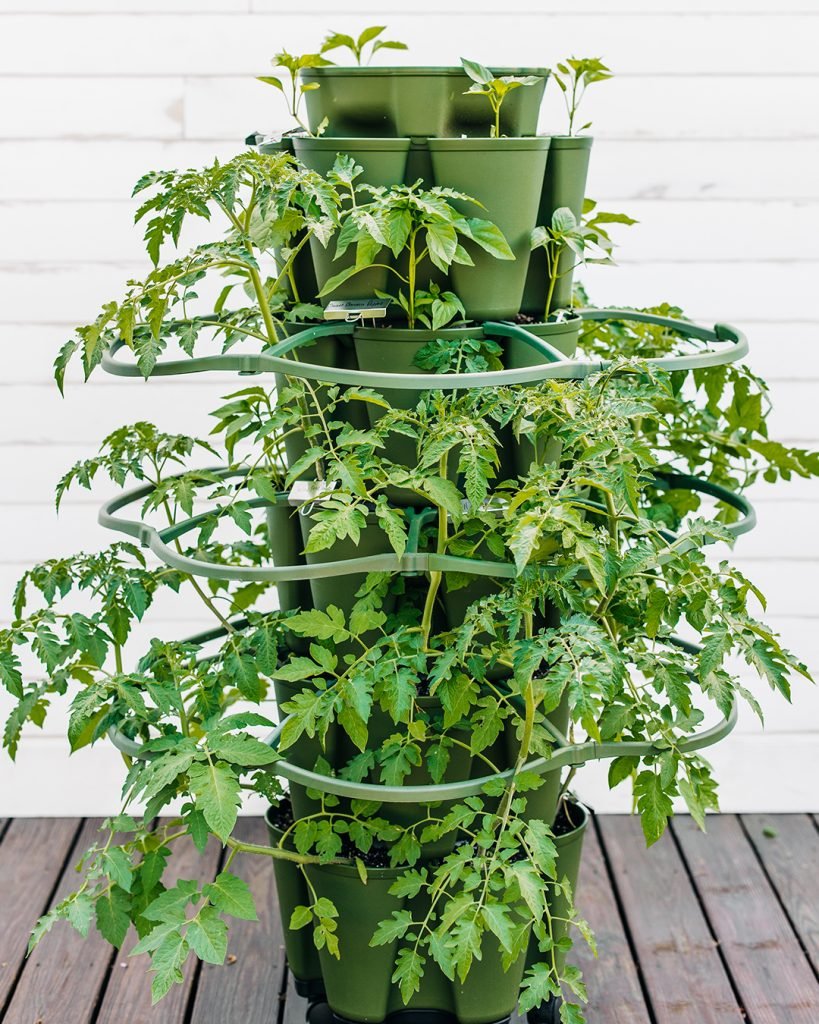
If you’ve ever struggled to fit all your favorite plants into a small garden, patio, or balcony, vertical tomato growing might be the perfect solution. Instead of sprawling across the ground and taking up valuable space, tomato plants can be trained to grow upward—yielding healthier fruit, fewer pests, and easier harvesting.

Growing tomatoes vertically isn’t just for small gardens. Even gardeners with ample space are embracing this method because it improves air circulation, reduces disease, and boosts productivity. Whether you’re growing in containers or garden beds, this guide will show you how to grow tomatoes vertically to save space and increase yield.


Why Grow Tomatoes Vertically?

Before diving into the how-to, let’s look at why vertical tomato growing has become so popular:

  1. Saves Space: Ideal for small gardens, patios, or balconies where horizontal space is limited.
  2. Improves Air Circulation: Reduces the risk of fungal diseases like blight and mildew.
  3. Simplifies Harvesting: Fruits are easier to see and pick without bending or crawling.
  4. Reduces Pest Problems: Keeps fruit off the soil, deterring slugs and rot.
  5. Encourages Stronger Stems: Vertical training promotes healthier growth and larger yields.
  6. Cleaner Fruit: Tomatoes stay free of soil splashes and debris.

Now let’s explore how to do it successfully.


Step 1: Choose the Right Tomato Variety

Not all tomato varieties perform equally well when grown vertically.

Best choices:

  • Indeterminate varieties (vining types): These grow tall and continuously produce fruit throughout the season.
    Examples: Better Boy, Sungold, Sweet Million, Cherokee Purple, Big Beef.
  • Avoid determinate (bush) varieties: They grow to a set height and stop producing once they’ve reached maturity, making them less ideal for vertical systems.

If space is very limited or you’re growing on a balcony, choose a compact indeterminate like Gardener’s Delight or Tumbler.


Step 2: Pick Your Vertical Growing System

There are several effective structures you can use depending on your space and budget.

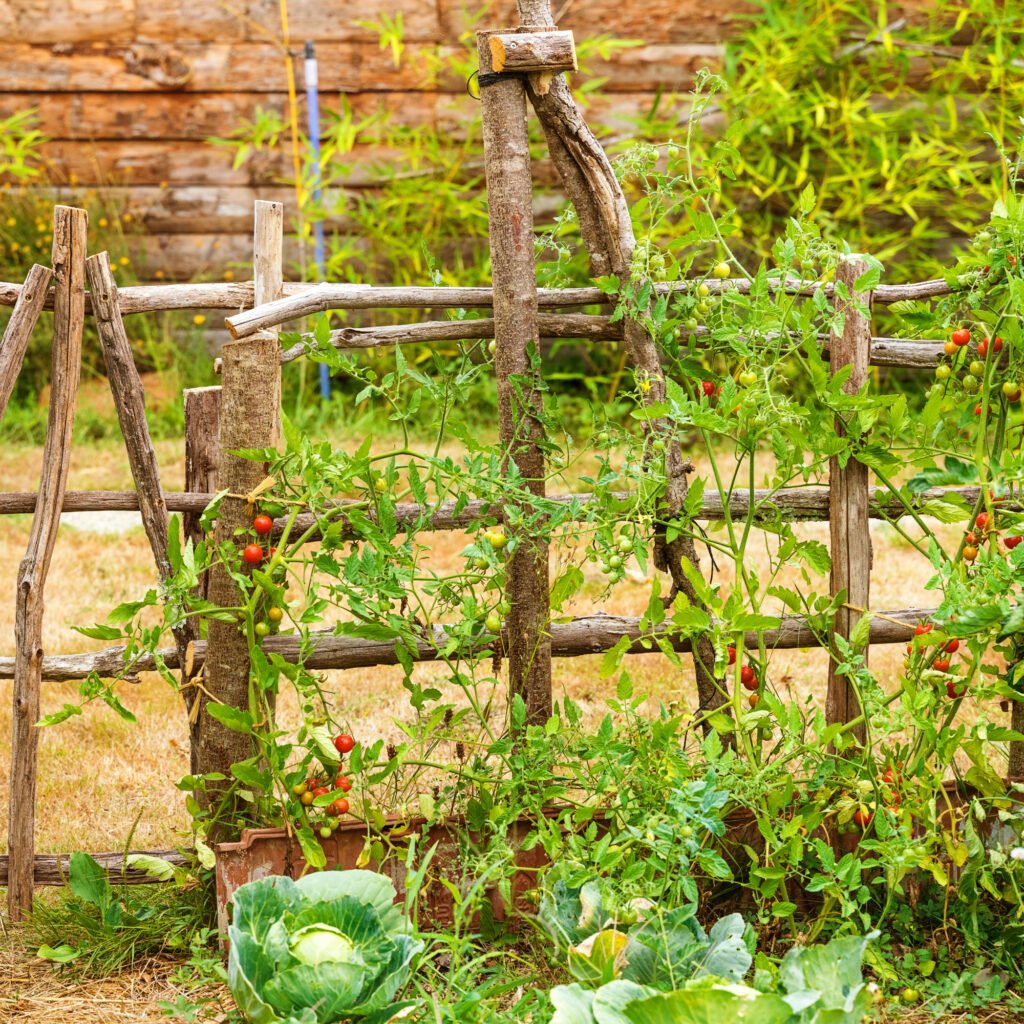
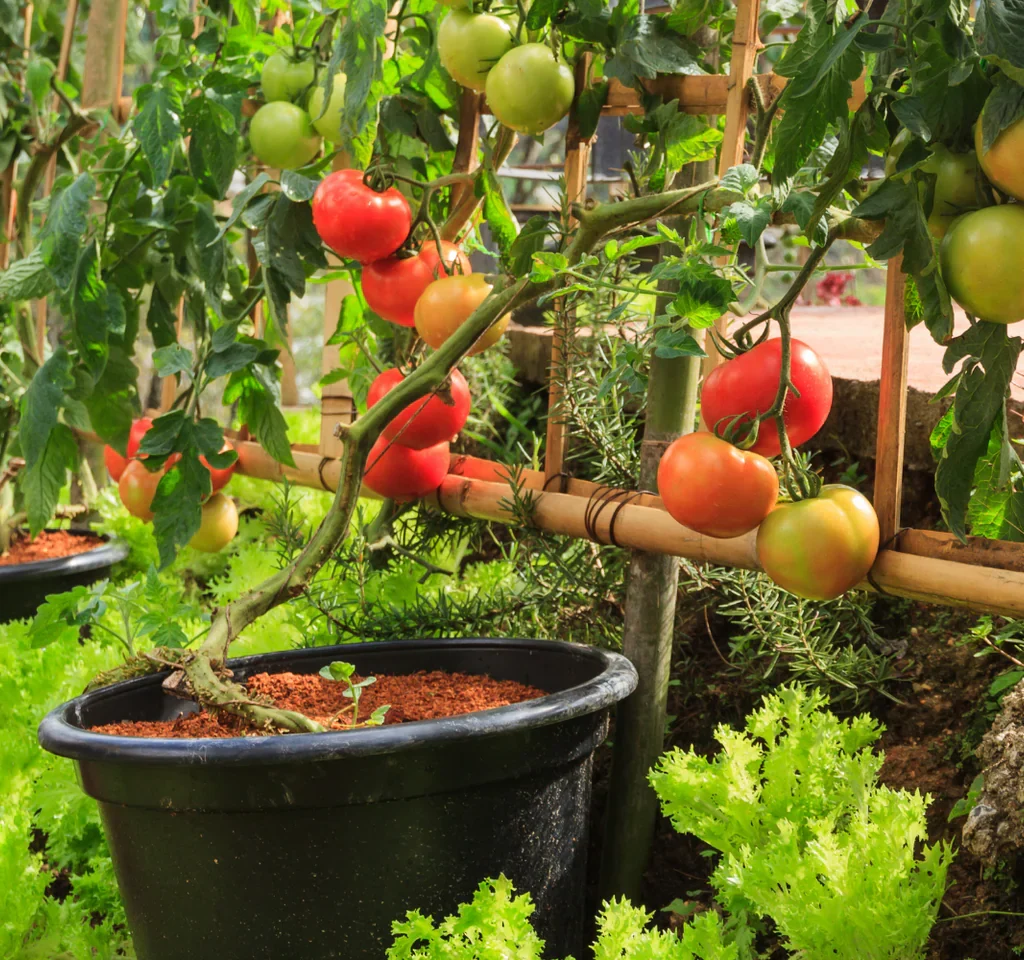
1. Stakes

  • Simple and inexpensive.
  • Drive a 6–8-foot wooden, bamboo, or metal stake 12 inches deep into the ground next to each plant.
  • Tie the plant to the stake every 8–10 inches as it grows using soft ties or garden twine.

  • Ideal for single plants or small gardens.

2. Cages

  • Great for beginner gardeners.
  • Use wire tomato cages that are 4–6 feet tall.
  • Place cages at planting time to avoid damaging roots later.
  • Support the stems inside the cage as they grow.

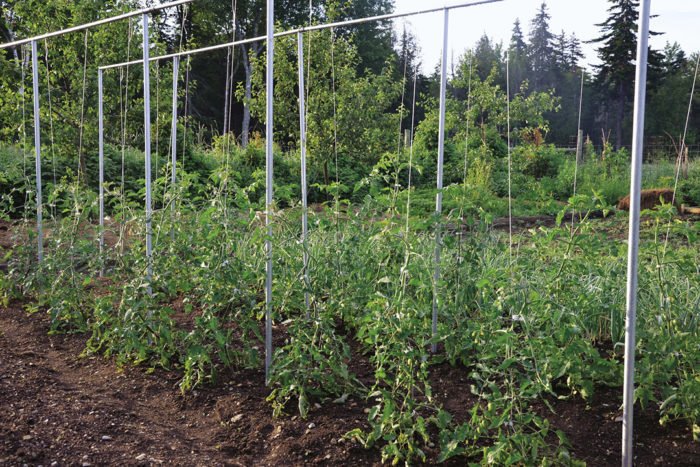
3. Trellises

  • Excellent for multiple plants in a row.
  • Construct using wood or metal posts with strong horizontal wires or netting.
  • Gently weave stems through the structure as they climb.
  • Perfect for raised beds or long garden rows.

4. String Support System

  • Popular in greenhouse or indoor setups.
  • Tie twine from a high support bar down to the base of each plant.
  • Wrap the main stem around the string as it grows.
  • Provides excellent airflow and efficient use of space.

Step 3: Prepare the Soil and Plant Properly

Tomatoes love deep, rich, well-draining soil.

Soil preparation:

  • Loosen soil 12–18 inches deep.
  • Mix in compost or aged manure for nutrients.
  • Add a slow-release organic fertilizer (such as 5-5-5 NPK).

Planting tips:

  • Plant seedlings deep—bury two-thirds of the stem. This encourages strong root growth along the buried portion.
  • Space plants about 18–24 inches apart if using stakes or strings, and 2–3 feet apart if using cages.

Deep planting and proper spacing ensure that your vertical system can handle healthy, tall plants without overcrowding.


Step 4: Train and Prune Regularly

Training your tomatoes to grow vertically requires some ongoing attention.

Training technique:

  • Once plants reach 10–12 inches tall, begin tying them loosely to the support.
  • Always tie just below a leaf node to prevent stem breakage.
  • Check every few days to guide new growth upward.

Pruning essentials:

  • Remove suckers—the small shoots that grow between the main stem and leaf branches. These divert energy from fruit production and cause overcrowding.
  • Keep the lower 12 inches of the plant free of leaves to improve airflow and prevent soil splash.
  • Limit each plant to one or two main stems for best results.

Regular pruning keeps plants manageable, improves fruit size, and prevents disease.


Step 5: Water and Feed Consistently

Vertical tomatoes depend heavily on consistent watering and nutrition.

Watering tips:

  • Water deeply at the base of the plant 2–3 times per week, depending on weather.
  • Avoid overhead watering to keep leaves dry and reduce fungal issues.
  • Apply mulch (like straw or shredded leaves) around the base to retain moisture.

Feeding:

  • Feed every 2–3 weeks with an organic liquid fertilizer such as fish emulsion or compost tea.
  • During fruiting, switch to a low-nitrogen fertilizer to encourage more fruit and fewer leaves.

Pro Tip: Irregular watering causes blossom end rot, a common issue in container-grown tomatoes. Maintain steady moisture levels.


Step 6: Support Heavy Fruit Clusters

As tomatoes develop, the weight of the fruit can strain stems. Prevent breakage by:

  • Adding extra ties below large clusters.
  • Using soft cloth or elastic plant ties to avoid damaging stems.
  • For trellised plants, use mesh netting to cradle the fruit gently.

If you’re growing large varieties like Beefsteak, be extra vigilant about providing strong, sturdy support.


Step 7: Manage Pests and Diseases Naturally

Growing vertically already helps minimize pest problems, but some vigilance is still necessary.

Natural control tips:

  • Inspect leaves regularly for aphids, whiteflies, and hornworms.
  • Spray neem oil or insecticidal soap at first signs of infestation.
  • Encourage beneficial insects like ladybugs and lacewings.
  • Remove any yellow or diseased leaves promptly.
  • Maintain airflow by pruning regularly and spacing plants correctly.

Mulching and bottom watering also help prevent soil-borne diseases like blight and root rot.


Step 8: Harvest and Maintain Your Plants

When fruits begin to ripen, the benefits of vertical growing become clear—you’ll see clusters of tomatoes hanging neatly in view.

Harvesting tips:

  • Pick fruits as soon as they reach full color to encourage new growth.
  • Use pruning shears or gently twist the fruit off the vine.
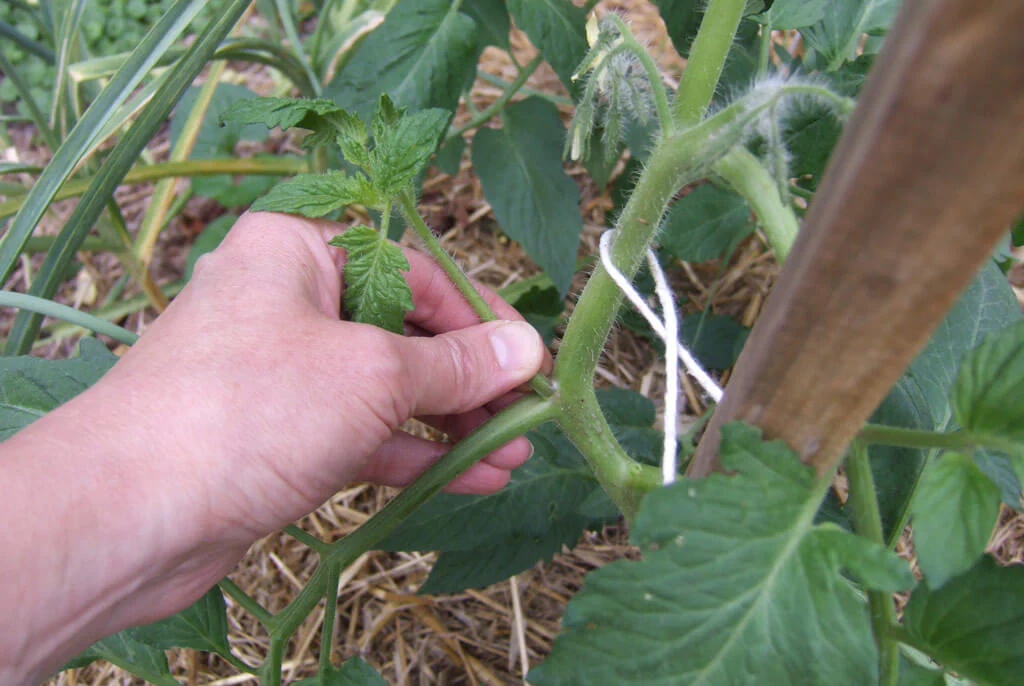
  • Regular harvesting keeps plants productive and prevents splitting.

As the season progresses, remove lower leaves and dead foliage to keep plants healthy and focused on fruit production.


Bonus: Growing Vertically in Containers

Don’t have a garden bed? You can still grow vertically on a patio or balcony.

Container requirements:

  • Minimum size: 18–24 inches deep and wide.
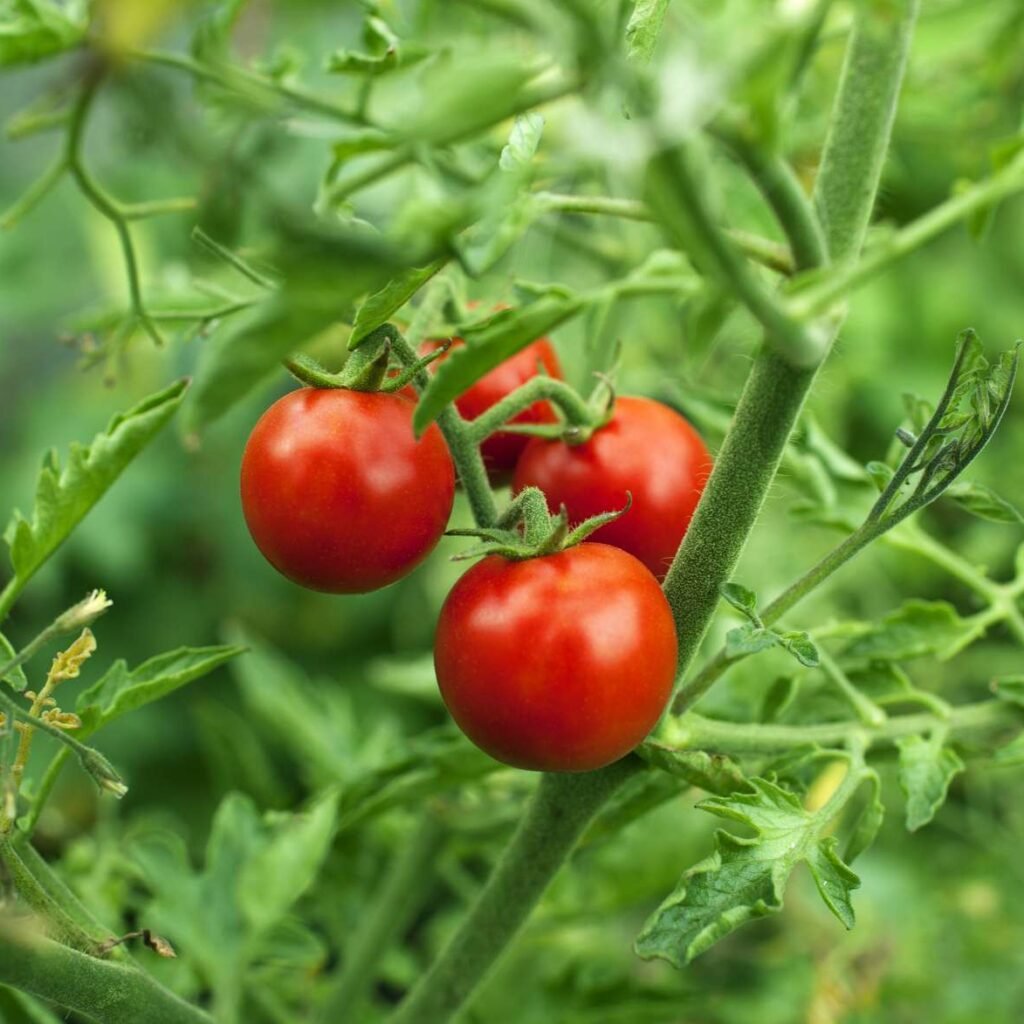
  • Use high-quality potting mix with compost added.
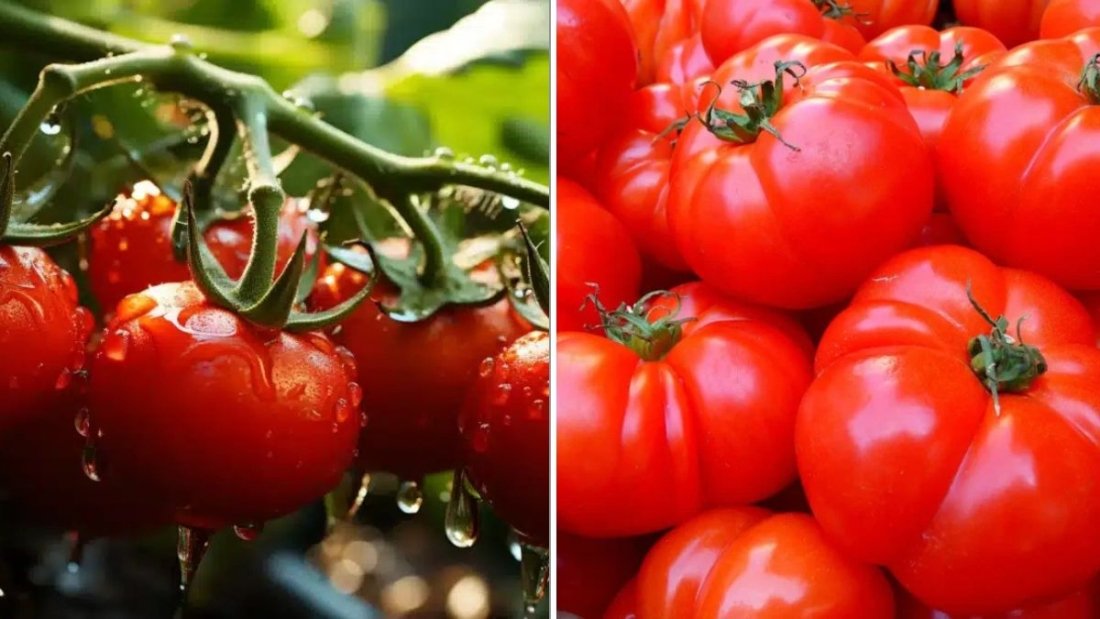
  • Add a stake, cage, or trellis directly into the pot before planting.
  • Water more frequently since containers dry out faster.

Choose compact indeterminate or dwarf varieties that adapt well to smaller spaces, such as Patio Princess or Tiny Tim.


Common Mistakes to Avoid

  1. Using weak supports: Always ensure your stakes or trellises are strong enough for mature plants.
  2. Tying too tightly: Restricts growth and damages stems.
  3. Neglecting pruning: Leads to overcrowded, disease-prone plants.
  4. Inconsistent watering: Causes stress and poor fruit quality.
  5. Planting too close together: Reduces airflow and invites disease.

A little extra attention early in the season prevents big problems later.


Final Thoughts

Growing tomatoes vertically is one of the smartest ways to make the most of limited space while improving plant health and yield. It transforms messy, sprawling vines into tidy, productive towers of flavor.

With the right structure, regular pruning, and consistent care, you’ll enjoy cleaner fruit, easier harvesting, and healthier plants—all without sacrificing precious garden space.

Whether you’re a balcony gardener or managing a large backyard plot, vertical tomato growing will reward you with beautiful, abundant harvests that make every inch of your garden count.

10 Common Tomato Diseases—And How To Treat Them Naturally

10 Common Tomato Diseases—And How To Treat Them Naturally

Tomatoes are the crown jewel of any home garden—lush, flavorful, and incredibly rewarding to grow. But every tomato grower eventually faces the heartbreak of discovering black spots, yellowing leaves, or stunted plants. These are signs of tomato diseases, many of which can spread quickly and devastate your crop if not managed early.

The good news? You don’t need harsh chemicals to save your tomatoes. With natural and organic methods, you can treat and prevent most tomato diseases while keeping your garden ecosystem healthy.

Here’s a detailed guide to the 10 most common tomato diseases—what causes them, how to recognize the symptoms, and how to treat them naturally.


1. Early Blight (Alternaria solani)

Symptoms:

  • Dark brown or black spots with concentric rings on lower leaves.
  • Leaves yellow and drop off as the disease progresses.
  • Fruit may develop sunken, leathery patches near the stem.

Cause:
A fungal disease that thrives in warm, humid conditions and spreads through soil or splashing water.

Natural Treatments:

  • Neem oil spray: Mix 2 teaspoons of neem oil with 1 liter of water and spray every 7–10 days.
  • Prune infected leaves: Dispose of them away from the garden (don’t compost).
  • Mulch heavily: Prevents soil-borne spores from splashing onto leaves.
  • Rotate crops: Avoid planting tomatoes or potatoes in the same spot for 2–3 years.

2. Late Blight (Phytophthora infestans)

Symptoms:

  • Irregular gray or dark patches on leaves and stems.
  • Leaves develop white fuzzy mold on undersides in humid weather.
  • Fruits show greasy, dark, firm spots that spread rapidly.

Cause:
A highly destructive fungal-like pathogen responsible for the Irish potato famine, thriving in cool, moist conditions.

Natural Treatments:

  • Remove affected parts immediately.
  • Spray with copper fungicide (OMRI-approved organic formula).
  • Increase airflow: Stake plants and prune lower branches.
  • Avoid overhead watering to keep foliage dry.
  • Plant resistant varieties like Mountain Magic or Defiant PhR.

3. Septoria Leaf Spot (Septoria lycopersici)

Symptoms:

  • Tiny, circular gray spots with dark borders on older leaves.
  • Rapid yellowing and leaf drop from the bottom up.
  • Fruit remains mostly unaffected but loses vigor due to defoliation.

Cause:
A fungus that survives on infected plant debris in the soil.

Natural Treatments:

  • Remove infected leaves as soon as spots appear.
  • Apply a baking soda spray: Mix 1 tablespoon of baking soda, 1 teaspoon of mild soap, and 1 gallon of water.
  • Use drip irrigation to keep leaves dry.
  • Mulch and rotate crops annually.

4. Fusarium Wilt (Fusarium oxysporum)

Symptoms:

  • Yellowing begins on one side of the plant or a single branch.
  • Leaves wilt during the day and recover at night—eventually, they stay wilted.
  • Brown streaks visible inside stems when cut open.

Cause:
A soil-borne fungus that blocks water transport inside the plant, thriving in warm climates.

Natural Treatments:

  • Plant resistant varieties: Look for “F” or “FF” after the tomato name (e.g., Better Boy F1).
  • Solarize soil: Cover the garden bed with clear plastic for 4–6 weeks during peak summer to kill fungal spores.
  • Add compost and beneficial microbes: Improves soil health and suppresses pathogens.
  • Rotate crops: Avoid nightshade family plants for 3 years.

5. Verticillium Wilt (Verticillium albo-atrum)

Symptoms:

  • Yellow “V-shaped” marks at leaf edges.
  • Wilting begins with lower leaves and moves upward.
  • Slower progression than fusarium wilt but equally damaging.

Cause:
Another soil-borne fungus, active in cooler conditions than Fusarium.

Natural Treatments:

  • Crop rotation and soil solarization as above.
  • Boost soil biology: Add mycorrhizal fungi or compost tea to outcompete pathogens.
  • Remove and destroy infected plants to prevent spread.
  • Grow resistant varieties: Celebrity and Big Beef are good options.

6. Bacterial Spot (Xanthomonas campestris)

Symptoms:

  • Tiny, dark, greasy-looking spots on leaves and fruits.
  • Leaves may turn yellow, curl, and drop prematurely.
  • Fruit spots are scabby and unsightly, reducing quality.

Cause:
Spread by contaminated seeds, splashing rain, or handling wet plants.

Natural Treatments:

  • Use disease-free seeds or treat seeds in hot water (122°F/50°C for 25 minutes).
  • Apply copper-based organic sprays at the first sign of symptoms.
  • Avoid touching plants when leaves are wet.
  • Mulch and space plants properly for airflow.

7. Bacterial Canker (Clavibacter michiganensis)

Symptoms:

  • Wilting and browning from the base upward.
  • Leaves curl inward and develop “bird’s-eye” spots (white centers, dark margins) on fruit.
  • Stems ooze yellowish sap when cut.

Cause:
A serious bacterial infection that spreads quickly through pruning tools or water.

Natural Treatments:

  • Disinfect tools with a 10% bleach solution between plants.
  • Remove infected plants immediately—do not compost them.
  • Improve drainage to prevent bacterial growth.
  • Spray neem oil or copper soap weekly during humid conditions.

8. Tomato Mosaic Virus (ToMV)

Symptoms:

  • Mottled, mosaic-like yellow and green patches on leaves.
  • Leaf curling and distortion.
  • Smaller, hardened fruits with uneven ripening.

Cause:
A viral disease spread by contaminated hands, tools, or even tobacco products.

Natural Treatments:

  • No chemical cure—focus on prevention.
  • Wash hands and tools before handling plants.
  • Remove and destroy infected plants immediately.
  • Disinfect stakes and cages with 10% bleach.
  • Grow resistant varieties such as Celebrity or Better Boy.

Pro Tip: Avoid smoking near plants—tobacco can carry the virus!


9. Blossom End Rot

Symptoms:

  • Dark, sunken spots on the bottom (blossom end) of tomatoes.
  • Spots enlarge and turn leathery as fruit grows.
  • Leaves remain healthy, making it easy to mistake for a disease.

Cause:
A physiological disorder—not infectious—caused by calcium deficiency due to inconsistent watering or root stress.

Natural Treatments:

  • Maintain even watering: Don’t let soil dry out between sessions.
  • Add crushed eggshells or bone meal to soil before planting.
  • Mulch heavily to regulate moisture.
  • Spray calcium solution: Mix 1 tablespoon of calcium nitrate per liter of water and apply to leaves weekly.

Prevention: Healthy soil rich in organic matter helps stabilize calcium availability.


10. Powdery Mildew

Symptoms:

  • White, powdery patches on leaves and stems.
  • Leaves curl, yellow, and die back from the bottom up.
  • Fruits usually remain unaffected but plant growth stalls.

Cause:
Fungal spores that spread in dry, warm environments with poor air circulation.

Natural Treatments:

  • Spray milk solution: Mix 1 part milk to 2 parts water and apply weekly—it acts as a natural fungicide.
  • Use neem oil to control active infections.
  • Increase airflow: Space plants and prune overcrowded areas.
  • Avoid high-nitrogen fertilizers, which promote soft tissue vulnerable to infection.

Bonus: Natural Preventive Strategies for All Tomato Diseases

  1. Rotate Crops Every Year: Avoid planting tomatoes where other nightshades (peppers, eggplants, potatoes) grew recently.
  2. Mulch Generously: Prevents soil-borne spores from splashing onto lower leaves.
  3. Water at the Base: Keep foliage dry to reduce fungal spread.
  4. Prune Wisely: Remove lower branches for better airflow but leave enough leaves to protect fruits.
  5. Feed with Compost Tea: Boosts beneficial microbes that suppress pathogens.
  6. Attract Beneficial Insects: Ladybugs, lacewings, and bees help maintain ecological balance.
  7. Keep Tools Clean: Sanitize regularly to prevent cross-contamination.

When to Remove a Plant

If more than half of your tomato plant is affected, removal is often the best choice to protect the rest of your garden. Always dispose of infected material in the trash—not the compost pile.


Final Thoughts

Tomato diseases may seem overwhelming, but most can be managed naturally with early action and preventive care. The key is observation—check your plants daily for early symptoms, maintain good soil health, and keep your garden environment balanced.

By combining organic sprays, smart gardening practices, and disease-resistant varieties, you can keep your tomatoes strong, vibrant, and productive all season long—without relying on harsh chemicals.

A healthy tomato plant doesn’t just happen—it’s cultivated through consistent, mindful care. And when you see those bright red fruits thriving despite the challenges, every ounce of effort will feel worth it.