How to Grow Big, Juicy White Radishes in Planters: The Easy Home Gardening Guide for Huge Harvests

How to Grow Big, Juicy White Radishes in Planters: The Easy Home Gardening Guide for Huge Harvests

If you’ve ever dreamed of harvesting big, white, crunchy radishes straight from your balcony, patio, or backyard, this guide is for you. You don’t need a large garden or fancy tools to enjoy homegrown radishes — just a simple planter, good soil, and a few smart growing tricks.

Radishes are one of the easiest root vegetables to grow, and with the right planter setup, you can grow a lot of large, sweet white radishes even in small spaces. Whether you’re new to gardening or an experienced grower, this step-by-step method will help you achieve healthy, high-yielding plants that produce beautiful radishes every time.

Let’s explore how to grow big, white radishes in containers — the simple, space-saving way to enjoy fresh veggies all season long.


Why Grow White Radishes in a Planter?
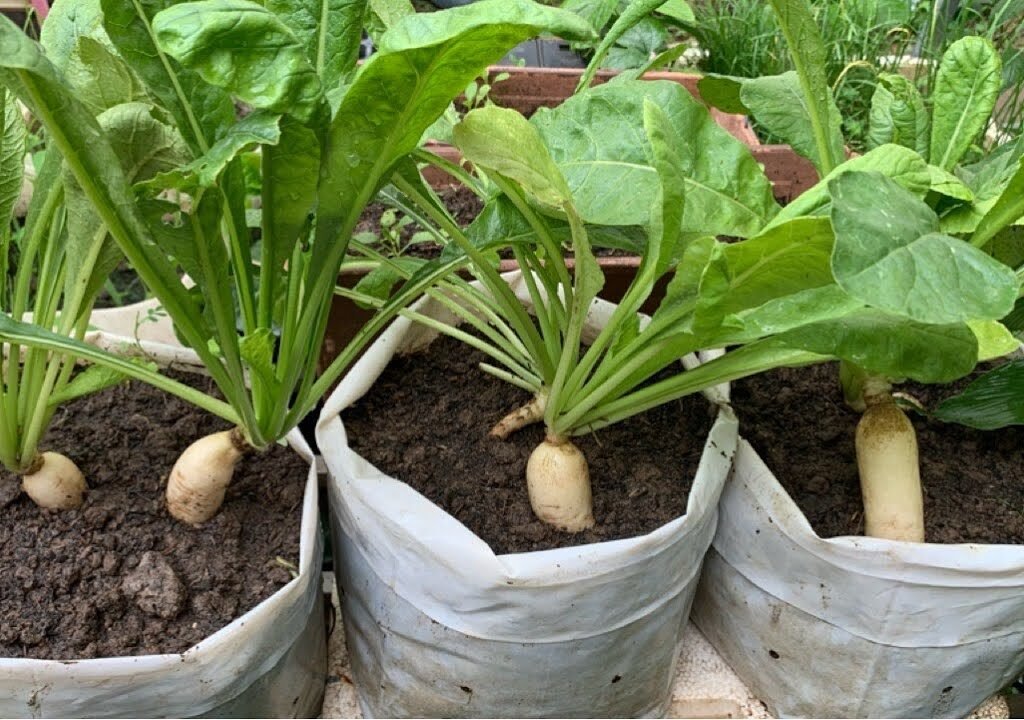
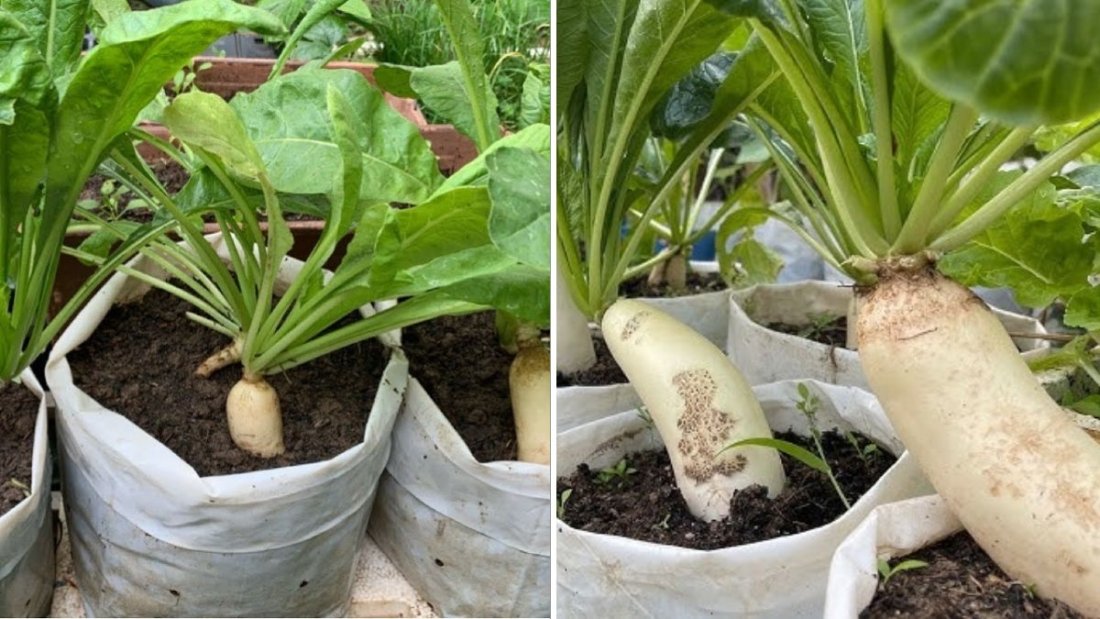
White radishes — often called Daikon or Japanese radishes — are long, crisp, and mildly sweet. Unlike the small red radishes often found in grocery stores, these varieties can grow up to 10–14 inches long when given the right conditions.

Here’s why growing them in planters is such a great idea:

  1. Space-Saving: Perfect for balconies, patios, or small backyards.
  2. Clean and Controlled: Planters reduce pest issues and allow better soil management.
  3. Year-Round Growing: Easily move containers to control light and temperature.
  4. Perfect for Beginners: Simple, low-maintenance, and fast-growing (ready in 30–60 days).
  5. Health Benefits: Rich in vitamin C, fiber, potassium, and digestive enzymes.

Container gardening makes it easy to grow these nutritious roots even if you don’t have a traditional garden plot.


Choosing the Right Variety

Before planting, it’s important to choose the right white radish variety for your space and climate. Some popular types include:

  • Daikon Minowase: A classic long white radish known for its size and mild flavor.
  • Snow Belle: Small, round white radishes that mature quickly.
  • Sakurajima Giant: One of the largest radish types, great for gardeners looking for impressive yields.
  • Icicle Radish: Slender, 5-inch roots that grow well in small planters.

For container gardening, Icicle and Minowase are the best options because they grow deep and uniform without needing too much space.


What You’ll Need

To grow your own batch of white radishes in planters, gather these basic supplies:

  • A deep planter or container (at least 12–15 inches deep)
  • Good-quality potting soil (loose and well-draining)
  • Organic compost or aged manure
  • Radish seeds (white variety of your choice)
  • Watering can or spray bottle
  • A sunny location (balcony, deck, or windowsill)

Optional: Garden gloves, trowel, and mulch (like straw or coco coir).


Step-by-Step Guide: How to Grow Big White Radishes in a Planter
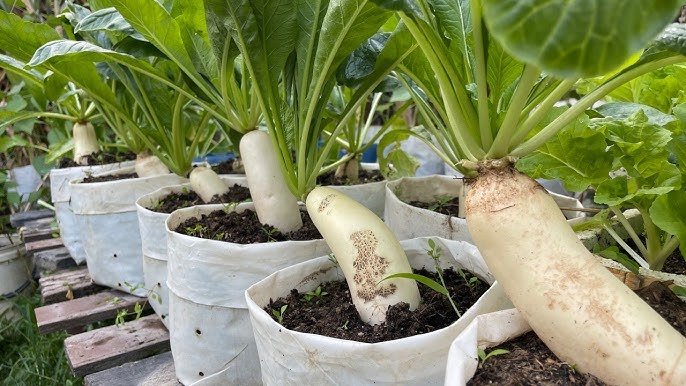
Step 1: Prepare the Planter

Choose a deep container — radishes are root crops, so depth is more important than width. The container should be at least 12 inches deep and have good drainage holes.

Fill it with a mix of 70% loose garden soil and 30% compost. Avoid heavy clay soil, as it can restrict root growth. The goal is a soft, airy texture that allows roots to expand easily.


Step 2: Sow the Seeds

Once your soil is ready:

  • Make small holes about ½ inch deep and 2 inches apart.
  • Drop one seed in each hole and cover lightly with soil.
  • Water gently to keep the soil evenly moist.

You can plant multiple rows if your planter is wide enough. Keep about 2 inches of space between each row to ensure proper airflow and root growth.

Tip: White radishes don’t like being transplanted — always sow seeds directly into the planter instead of starting them in seed trays.


Step 3: Provide Sunlight and Water

Place your planter in a sunny spot that receives at least 5–6 hours of direct sunlight daily.

Radishes love sunlight but can tolerate light shade in the afternoon, especially in warmer regions.

  • Water regularly — the soil should remain slightly moist but never waterlogged.
  • If you’re in a hot climate, water daily in small amounts.
  • Overwatering can cause the roots to crack, while underwatering can lead to spongy, bitter radishes.

Maintaining consistent moisture is key to getting big, crisp roots.


Step 4: Thin the Seedlings

After about 5–7 days, the seedlings will sprout. When they reach 2–3 inches tall, thin them out so that each plant is spaced about 3 inches apart.

This ensures that every radish has enough space to develop large, healthy roots. The thinned seedlings can be eaten as microgreens — a nutritious bonus from your planter garden!


Step 5: Feed the Plants

White radishes grow fast and don’t need heavy feeding, but a little nutrient boost can make a big difference in root size and flavor.

Feed them once with a mild organic fertilizer (like compost tea, diluted fish emulsion, or vermicompost extract) about 2 weeks after germination.

Avoid high-nitrogen fertilizers — they promote leafy growth instead of large roots. Aim for a balanced nutrient mix with phosphorus and potassium to encourage strong, deep root formation.


Step 6: Maintain and Monitor Growth

To ensure the best results:

  • Keep the soil loose — gently stir the surface once a week to improve airflow.
  • Mulch lightly with straw or shredded leaves to prevent soil drying.
  • Watch for pests like aphids or flea beetles. Spray neem oil or soapy water if needed.

Radishes grow quickly, and within 25–30 days, you’ll start seeing the white tops peeking through the soil — a sign they’re nearly ready to harvest!


Step 7: Harvesting Your White Radishes
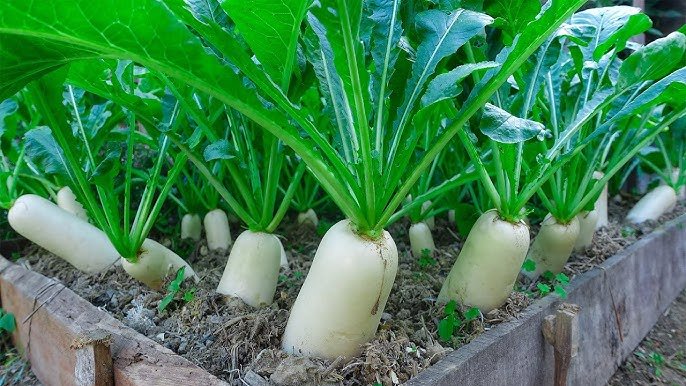
Harvest time depends on the variety, but most white radishes are ready in 30–60 days. The roots should be firm, smooth, and about 6–10 inches long for standard varieties.

Here’s how to harvest them:

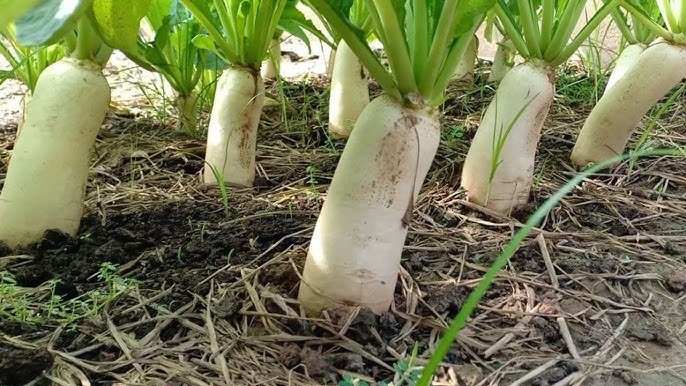
  • Gently loosen the soil around the root using your fingers or a small trowel.
  • Grasp the base of the plant and pull straight up.
  • Avoid yanking, as it may break the root.

After harvesting, rinse the radishes in cool water and store them in the refrigerator for up to a week. For best taste and crunch, use them fresh in salads, stir-fries, or pickled dishes.


Tips for Growing Bigger and Healthier White Radishes

  1. Deep Containers = Big Roots
    The deeper the soil, the larger your radishes will grow. Use containers at least 12–15 inches deep for full-size Daikon.
  2. Consistent Moisture
    Fluctuating moisture levels cause cracks or irregular roots. Keep the soil evenly moist throughout.
  3. Cooler Weather Grows Sweeter Radishes
    White radishes grow best in cool weather (50°F–70°F). In the U.S., the ideal planting seasons are early spring and fall.
  4. Avoid Overcrowding
    Each plant needs space for its root to expand — proper thinning is key for big radishes.
  5. Harvest on Time
    Don’t wait too long — overripe radishes become woody and lose sweetness.

Troubleshooting Common Problems
ProblemCauseSolution
Small rootsOvercrowding or poor sunlightThin seedlings and ensure full sun exposure
Cracked rootsUneven wateringMaintain steady moisture levels
Pest damageAphids, leaf minersSpray neem oil weekly
Yellow leavesNutrient deficiencyAdd a light compost or seaweed feed
Spongy textureHigh temperature or over-maturityHarvest earlier and keep planters in partial shade

The Benefits of Growing Radishes in Planters
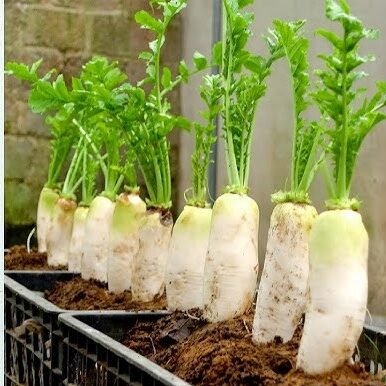
  • Accessibility: Easy to move and manage, especially for urban gardeners.
  • Clean Harvest: Roots stay free of pests and soil diseases.
  • Continuous Crop: Sow new seeds every 2 weeks for a steady supply.
  • Eco-Friendly: Reuse planters and organic compost to reduce waste.

It’s a sustainable, rewarding way to grow fresh produce right where you live — no large plot required.


Conclusion: From Planter to Plate

Growing big, white radishes in a planter is one of the easiest and most satisfying gardening projects you can try. With just a bit of care, sunshine, and consistent watering, you’ll enjoy crisp, juicy radishes that taste far better than anything from the store.

This method works beautifully for urban gardeners, beginners, or anyone wanting fresh vegetables without the need for a full garden. So grab a deep planter, sow your seeds, and in just a few weeks, you’ll be harvestng fresh, organic white radishes — straight from your balcony to your table
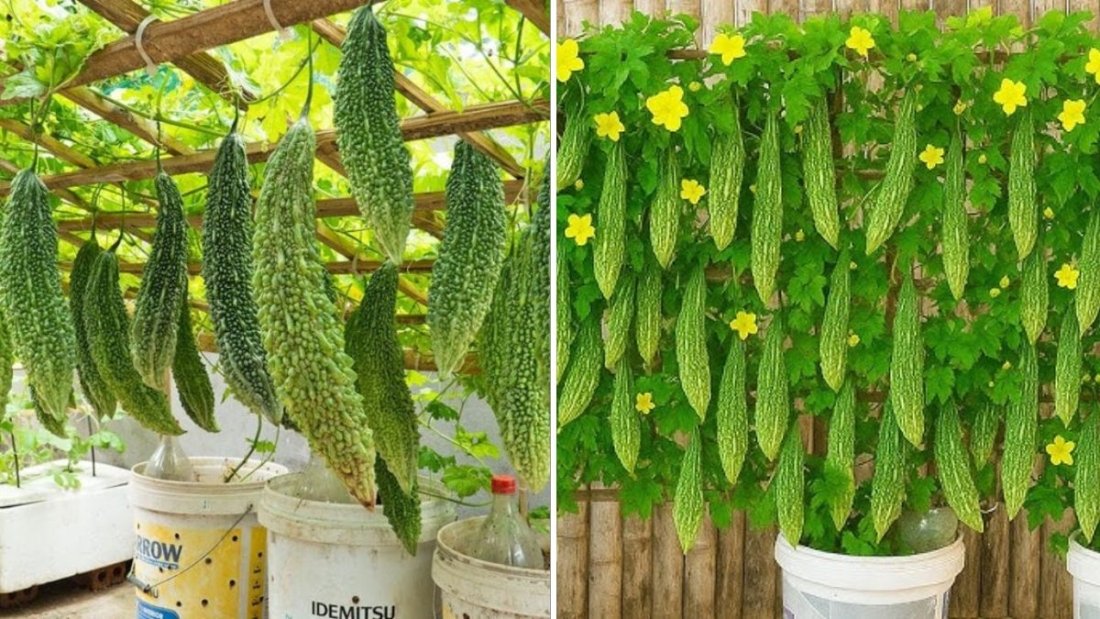
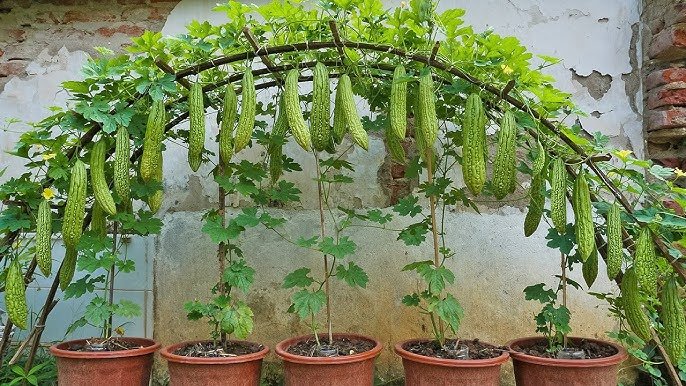
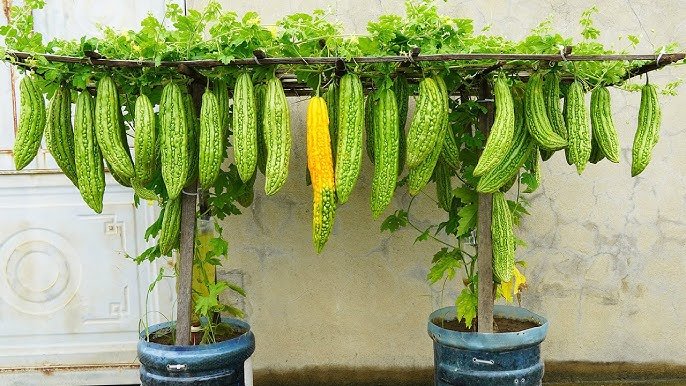
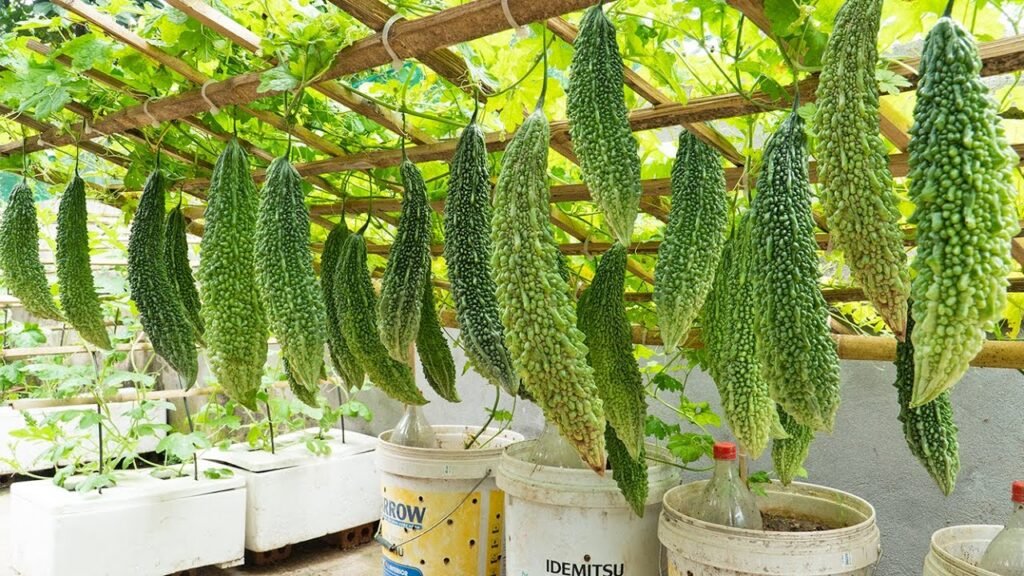
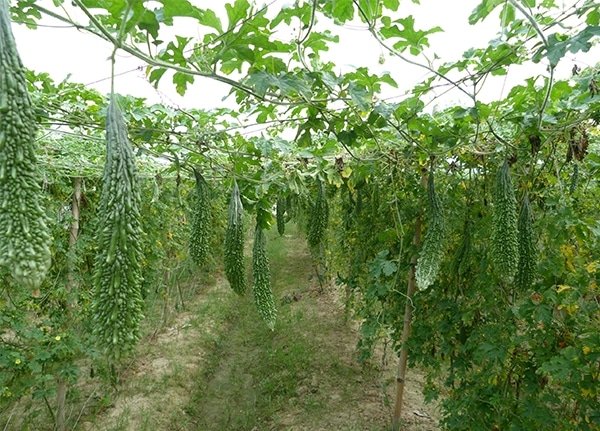
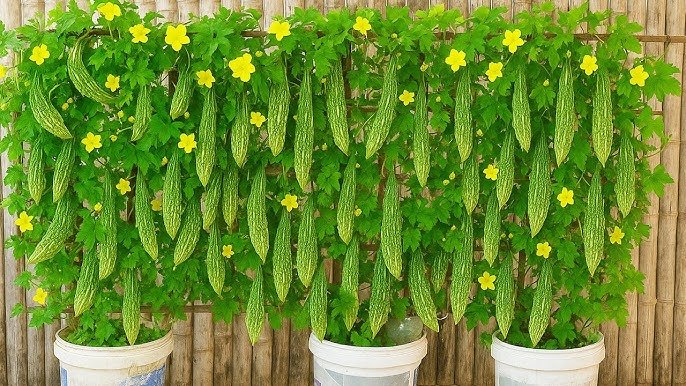
Grow Bitter Melon Fast in Plastic Tubs: Step-by-Step Guide for Super High Yields at Home

Grow Bitter Melon Fast in Plastic Tubs: Step-by-Step Guide for Super High Yields at Home

Bitter melon, also known as bitter gourd or karela, is a powerhouse vegetable prized for its medicinal benefits and unique flavor. Packed with vitamins, antioxidants, and compounds that support blood sugar management, it’s a favorite in American and international kitchens alike.
Growing bitter melon at home doesn’t require a backyard garden — with plastic tubs, you can cultivate this nutritious vegetable efficiently and harvest a super high yield. This method is perfect for urban gardeners, apartment dwellers, and beginners looking for fast, productive growth.
In this guide, you’ll learn everything from selecting seeds and preparing tubs to planting, supporting, fertilizing, and harvesting bitter melon successfully. By the end, you’ll be ready to enjoy fresh, homegrown bitter melons all season long.


1. Why Grow Bitter Melon in Plastic Tubs?

Bitter melon is a vigorous vine that can produce abundant fruit with proper care. Using plastic tubs offers several advantages:

Benefits of Tub Gardening:

  • Space-efficient: Ideal for patios, balconies, and small yards.
  • High yield: Large tub volume encourages strong vine growth and fruiting.
  • Mobility: Move tubs to catch sunlight or avoid harsh weather.
  • Control over soil and nutrients: Prevent soil-borne diseases and pests.
  • Beginner-friendly: Simple setup with minimal tools required.

Plastic tubs allow for excellent drainage, aeration, and root expansion, leading to faster growth and bigger harvests compared to traditional pots.


2. Choosing the Right Bitter Melon Variety

Not all bitter melon varieties perform equally well in containers. For plastic tubs, compact and high-yielding varieties work best.

Popular Varieties for Tub Gardening:

  • Indian Bitter Melon (Karela): Smooth, elongated, and fast-growing.
  • Chinese Bitter Melon: Lighter green, slightly sweeter, high-yielding.
  • Hybrid Varieties: Developed for container growth, disease resistance, and high production.

Pro Tip: If your goal is continuous harvest, choose early-maturing or hybrid varieties that produce multiple fruits per vine.


3. Materials You’ll Need

You don’t need a full garden bed to grow bitter melon. Here’s what you’ll need:

Materials List:

  • Plastic tubs (minimum 15–20 gallons)
  • Potting soil or garden soil mixed with compost
  • Organic compost or vermicompost
  • Bitter melon seeds
  • Trellis, bamboo sticks, or netting for vine support
  • Watering can or spray bottle
  • Optional: Mulch to retain soil moisture

Tip: Reuse large plastic storage tubs or detergent containers for a budget-friendly setup. Ensure they have drainage holes at the bottom.


4. Preparing Plastic Tubs

Proper tub preparation ensures healthy root development and prevents waterlogging.

Step-by-Step Preparation:

  1. Drill 4–6 drainage holes at the bottom of each tub.
  2. Fill the tub ¾ full with a well-draining soil mix.
  3. Lightly water the soil to moisten it.
  4. Position tubs in a sunny location with at least 6–8 hours of sunlight daily.

Pro Tip: If using large vining varieties, leave room around the tub for vines to climb.


5. Preparing the Soil Mix

Bitter melon thrives in loose, fertile soil rich in organic matter.

Ideal Soil Mix:

  • 50% potting soil
  • 30% compost or organic manure
  • 20% perlite or sand for drainage

Soil pH: 6.0–6.5 (slightly acidic to neutral)

Tip: Adding bone meal or slow-release fertilizer promotes flowering and fruiting.


6. Planting Bitter Melon Seeds

Bitter melon seeds can germinate quickly if planted properly.

Step 1: Pre-Soak Seeds

  • Soak seeds in water for 24 hours to soften the hard seed coat.
  • Optional: Scratch the seed coat lightly to improve germination.

Step 2: Plant Seeds in Tub

  • Sow 2–3 seeds per tub, 1 inch deep.
  • Cover lightly with soil and water gently.
  • Germination occurs in 7–10 days under warm conditions.

Step 3: Thinning Seedlings

  • Once seedlings emerge, thin to 1–2 strong plants per tub to ensure maximum growth.

Pro Tip: Keep the soil consistently moist but avoid waterlogging.


7. Providing Support for Vines

Bitter melon is a climbing vine and requires vertical support to maximize fruit production.

Support Options:

  • Trellis or bamboo sticks
  • Netting or fencing for the vine to climb
  • Tie vines loosely with soft string or twine

Tip: Keeping the vine off the soil prevents rot, reduces pests, and improves air circulation.


8. Watering and Moisture Management

Consistent watering is key for fast growth and high yield.

Watering Guidelines:

  • Water deeply 2–3 times per week or whenever the top inch of soil feels dry.
  • Water at the base of the plant to prevent leaf fungal diseases.
  • Mulch around the base to retain moisture and reduce evaporation.

9. Fertilizing Bitter Melon

Container-grown bitter melon relies entirely on your care for nutrients.

Feeding Schedule:

  • At planting: Mix compost or slow-release fertilizer into the soil.
  • After 3–4 weeks: Feed with a balanced liquid fertilizer every 2 weeks.
  • During flowering and fruiting: Switch to a fertilizer rich in phosphorus and potassium to boost flower and fruit production.

Tip: Organic options like fish emulsion, banana peel fertilizer, or compost tea work exceptionally well.


10. Pollination: Ensuring Fruit Production

Bitter melon produces male and female flowers. Pollination is required for fruit set.

Pollination Tips:

  • Outdoors, bees and insects usually handle pollination.
  • Indoors or low-bee areas: hand-pollinate using a small brush or cotton swab.
  • Transfer pollen from male to female flowers gently.

11. Common Pests and Problems

Even in tubs, bitter melon can face pests and diseases.

Common Issues:

  • Aphids and whiteflies: Spray with neem oil or insecticidal soap.
  • Powdery mildew: Avoid overhead watering and improve air circulation.
  • Yellow leaves: Could indicate nutrient deficiency or overwatering.

Pro Tip: Inspect plants regularly and remove any diseased leaves promptly.


12. Harvesting Bitter Melon

Bitter melon grows quickly — from planting to harvest usually takes 50–70 days, depending on variety.

How to Harvest:

  • Pick fruits when they are bright green and firm (before turning yellow).
  • Regular harvesting encourages more flowers and fruits.
  • Use scissors or gently twist off fruits to avoid damaging the vine.

Tip: Leaving fruits too long reduces yield and flavor.


13. Maximizing Yield in Plastic Tubs

  • Grow one strong plant per tub to allow adequate root expansion.
  • Use vertical trellises to save space and prevent vine damage.
  • Mulch and feed regularly for larger, healthier fruits.
  • Consider planting staggered batches to enjoy continuous harvests.

14. Fun Fact: Bitter Melon’s Health Benefits

Bitter melon is rich in vitamins C, A, and B-complex, and contains compounds that may help control blood sugar and boost immunity. Growing it at home ensures fresh, chemical-free vegetables right at your doorstep.


15. Conclusion: Fast, High-Yield Bitter Melon Gardening

Growing bitter melon in plastic tubs is a brilliant, beginner-friendly method for urban gardeners. It’s space-efficient, cost-effective, and highly productive, making it perfect for American homes with limited outdoor space.

With a few plastic tubs, good soil, seeds, and proper care, you can enjoy fresh, crisp, and nutritious bitter melons all season. This method not only maximizes yield but also gives you healthy, homegrown produce without a full garden.

Start your tub garden today and experience the satisfaction of harvesting bitter melon at home — fresh, organic, and completely yours!

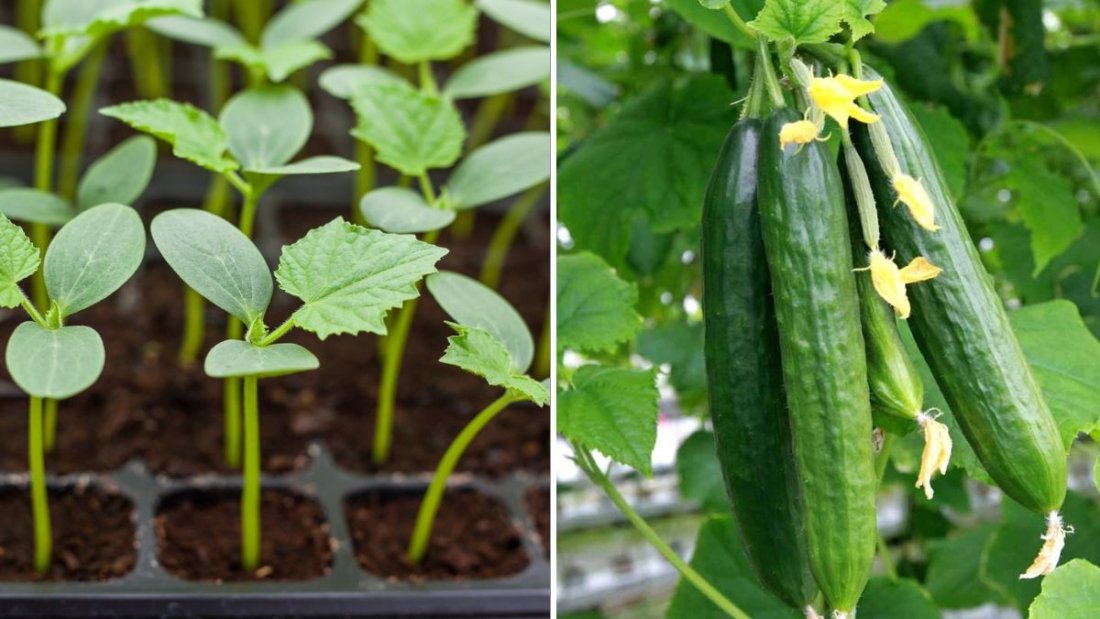
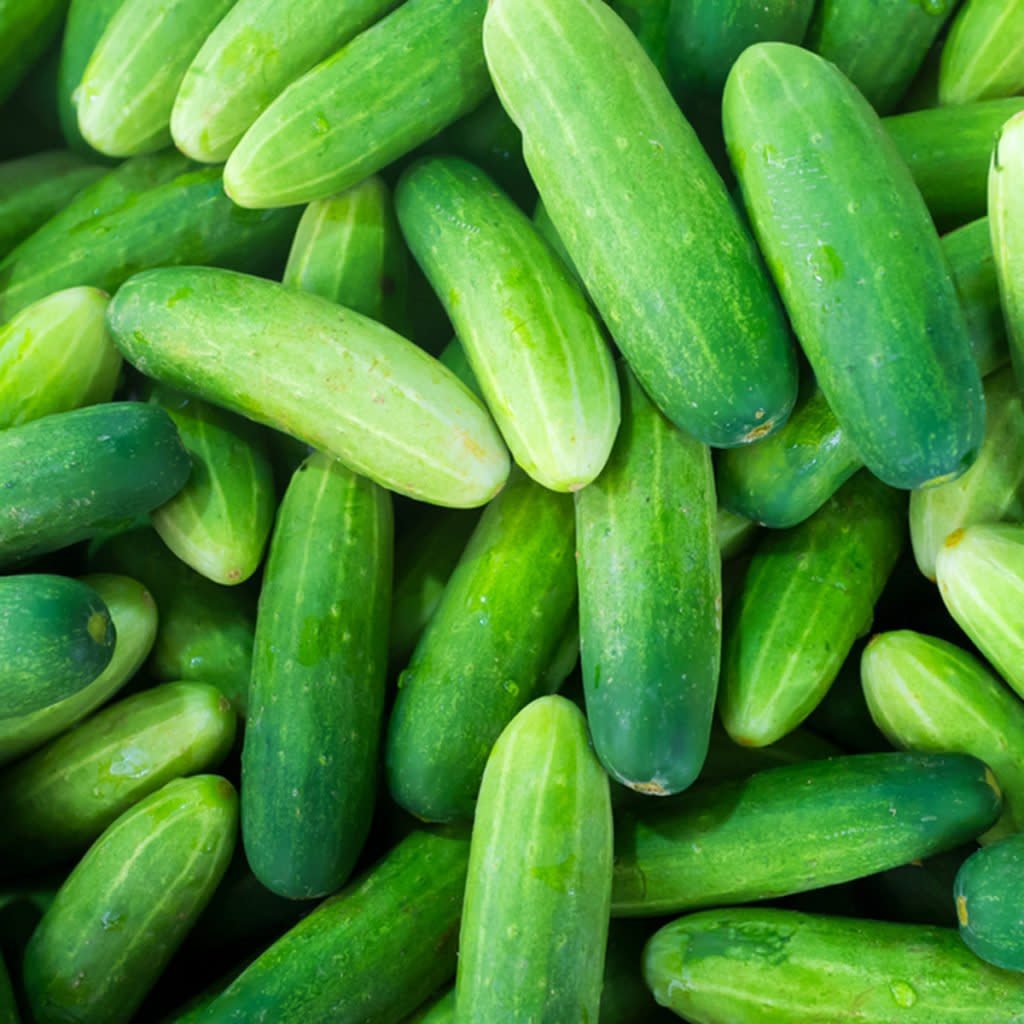
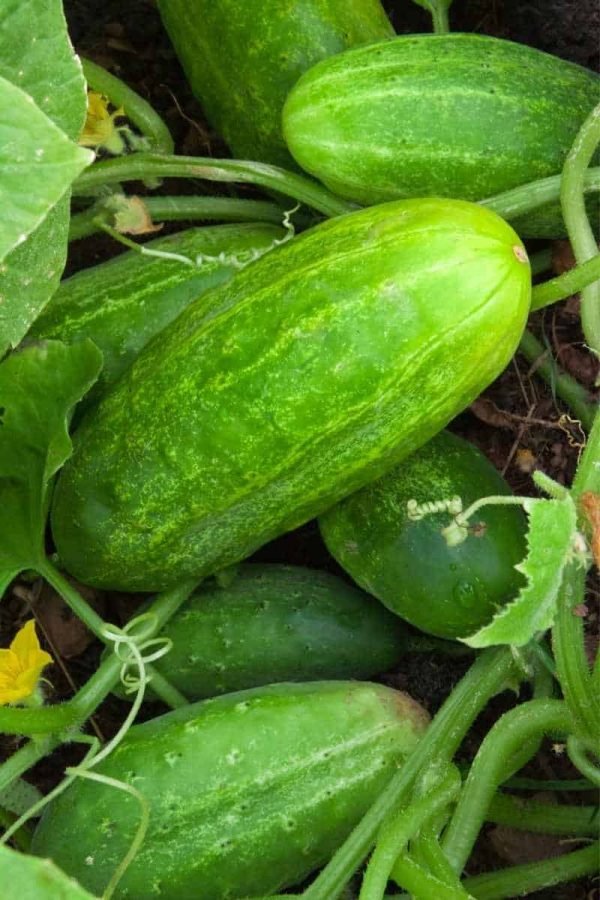
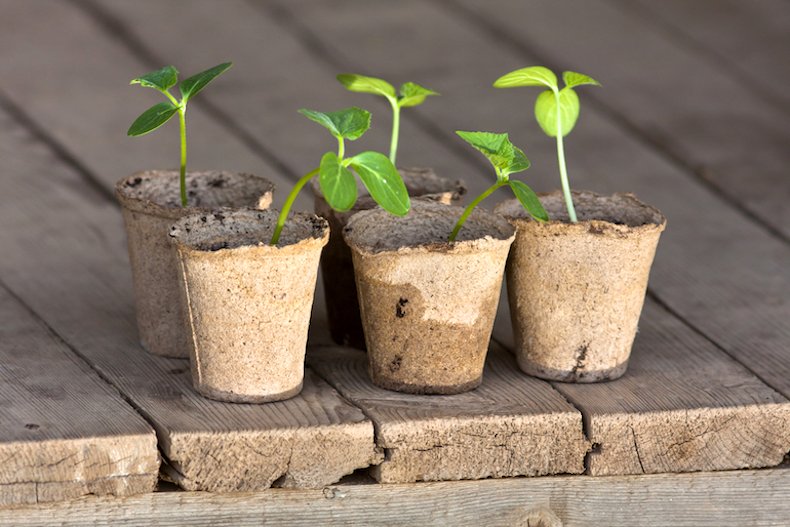
Amazing Idea: How to Grow Cucumbers from Seed at Home Using Sacks – Easy Step-by-Step Guide for Beginners

Amazing Idea: How to Grow Cucumbers from Seed at Home Using Sacks – Easy Step-by-Step Guide for Beginners

Imagine walking into your backyard or balcony and picking fresh, crisp cucumbers straight from your own plants. Growing cucumbers from seed at home is not only fun and rewarding but also surprisingly easy, especially when using the sack method, a clever technique perfect for small spaces.

This method, popular among urban gardeners, allows you to grow cucumbers in sacks or large bags with minimal soil, no garden beds, and maximum yield. Whether you live in an apartment, a small backyard, or even on a rooftop, you can enjoy a continuous supply of fresh cucumbers without complicated gardening setups.

In this comprehensive guide, you’ll learn everything from selecting seeds and preparing sacks to watering, fertilizing, supporting, and harvesting your homegrown cucumbers.


1. Why Grow Cucumbers in Sacks?

Cucumbers are fast-growing, nutritious, and versatile, but they do require support and sufficient soil to thrive. The sack method offers several advantages:

Benefits of Growing Cucumbers in Sacks:

  • Space-saving: Perfect for balconies, patios, and small yards.
  • Affordable: Uses sacks or bags you likely already have.
  • High-yield: Large root space promotes more fruit production.
  • Portable: Move sacks to catch sunlight or protect from harsh weather.
  • Beginner-friendly: Easy setup with minimal tools and effort.

This approach is ideal for American urban gardeners or anyone who wants a productive cucumber harvest without a full garden.


2. Choosing the Right Cucumber Variety

Selecting the right cucumber variety is key for success, especially in containers or sacks.

Best Cucumber Varieties for Sacks:

  • Bush varieties: Compact, ideal for limited space.
    • Example: Bush Champion, Patio Snacker
  • Vining varieties: Produce longer fruits; require support.
    • Example: Marketmore 76, Straight Eight
  • Pickling cucumbers: Smaller fruits, great for pickles.
    • Example: Boston Pickling, National Pickling

Pro Tip: If growing in sacks, choose a variety suited for container growth, or ensure you provide vertical support for vining types.


3. Materials Needed for Cucumber Sack Gardening

You don’t need a garden bed to start. Here’s what you’ll need:

Materials List:

  • Large sacks or grow bags (15–20 gallons or bigger)
  • Good-quality potting soil
  • Organic compost or vermicompost
  • Cucumber seeds
  • Stakes, trellis, or bamboo sticks for support
  • Watering can or spray bottle
  • Optional: Mulch to retain moisture

Tip: Reuse old rice or potato sacks for an eco-friendly and budget-friendly approach.


4. Preparing the Sacks

Proper preparation ensures your cucumbers have the right soil depth and drainage for strong growth.

Step-by-Step Preparation:

  1. Fill each sack ¾ full with a mix of potting soil and compost.
  2. Create a small depression at the top for planting seeds.
  3. If sacks are solid, poke holes at the bottom for drainage.
  4. Place sacks in a sunny spot, ensuring at least 6–8 hours of sunlight daily.

5. Preparing the Soil Mix

Cucumbers thrive in loose, fertile soil with excellent drainage.

Ideal Soil Mix for Cucumber Sacks:

  • 50% potting soil
  • 30% compost
  • 20% sand or coco peat for aeration

Pro Tip: Add a handful of bone meal or slow-release fertilizer to promote flowering and fruiting.


6. Planting Cucumbers from Seed

Planting cucumber seeds in sacks is straightforward and highly rewarding.

Step 1: Pre-soak Seeds

  • Soak seeds in water for 4–6 hours to improve germination.

Step 2: Plant Seeds

  • Plant 2–3 seeds per sack, ½–1 inch deep.
  • Cover lightly with soil and water gently.

Step 3: Thinning Seedlings

  • After seedlings sprout (5–7 days), thin to one strong plant per sack.

Tip: Keep sacks moist but avoid overwatering, as cucumbers dislike soggy roots.


7. Watering and Moisture Management

Cucumbers need consistent moisture, especially during flowering and fruiting.

Watering Tips:

  • Water deeply every 2–3 days (more often in hot climates).
  • Water at the base of the plant, avoiding wetting leaves to prevent fungal disease.
  • Use mulch to retain soil moisture and regulate temperature.

8. Fertilizing Cucumbers

Because cucumber roots are confined to sacks, nutrients can deplete quickly. Regular feeding ensures strong growth.

Feeding Schedule:

  • At planting: Mix compost or slow-release fertilizer into soil.
  • After 3–4 weeks: Apply a balanced liquid fertilizer every 2 weeks.
  • During flowering and fruiting: Use a fertilizer higher in potassium and phosphorus for larger, tastier cucumbers.

9. Supporting Your Plants

Vining cucumbers need vertical support to save space and prevent rot.

How to Provide Support:

  • Use bamboo sticks, a trellis, or netting.
  • Tie vines loosely with soft strings.
  • Ensure good air circulation to reduce fungal disease risk.

Tip: Bush varieties may not need support but still benefit from stakes to keep fruits off the soil.


10. Pollination: Ensuring a Healthy Harvest

Cucumber flowers produce male and female blooms. Successful fruiting depends on pollination.

Pollination Tips:

  • Outdoors, bees and insects usually handle pollination.
  • Indoors or low-bee areas: hand-pollinate using a small brush or cotton swab.
  • Transfer pollen from male to female flowers gently.

11. Common Pests and Problems

Even in sacks, cucumbers can face pests and diseases.

Common Issues:

  • Aphids and whiteflies: Spray with neem oil solution.
  • Powdery mildew: Improve airflow, avoid wetting leaves, or use baking soda spray.
  • Yellow leaves: Could indicate nutrient deficiency or overwatering.

Pro Tip: Inspect plants weekly to catch issues early and maintain healthy growth.


12. Harvesting Cucumbers

Cucumbers grow quickly — from seed to harvest usually takes 50–70 days, depending on variety.

How to Harvest:

  • Pick fruits 6–8 inches long for crisp, tender cucumbers.
  • Harvest regularly to encourage continuous production.
  • Use scissors or gently twist to avoid damaging the vine.

Tip: Leaving cucumbers on the vine too long can reduce overall yield.


13. Maximizing Yield from Sack Gardening

  • Grow one plant per sack for maximum root space.
  • Rotate sacks occasionally to ensure even sunlight exposure.
  • Mulch regularly and feed with compost tea for larger, tastier fruits.
  • Consider planting staggered batches every 2–3 weeks for continuous harvest.

14. Fun Fact: Cucumbers Are Mostly Water

Cucumbers are about 95% water, making them refreshing and hydrating. Growing your own ensures chemical-free, fresh cucumbers, perfect for salads, pickles, or summer drinks.


15. Conclusion: Fresh Cucumbers Anywhere, Anytime

Growing cucumbers from seed in sacks is a brilliant, beginner-friendly gardening idea. It’s space-efficient, cost-effective, and highly productive, making it perfect for urban or small-space gardeners.

With just a few sacks, some soil, seeds, and sunlight, you can enjoy crisp, flavorful cucumbers straight from your home — no garden required. Whether you’re using them in salads, smoothies, or pickles, homegrown cucumbers will elevate your meals and bring the joy of gardening right to your doorstep.

Start today and watch your mini cucumber farm thrive — fresh, organic, and completely yours!

Brilliant Idea: How to Grow Peanuts at Home Easily – A Beginner’s Guide to Fresh, Nutty Harvests

Brilliant Idea: How to Grow Peanuts at Home Easily – A Beginner’s Guide to Fresh, Nutty Harvests

Imagine biting into a fresh, crunchy peanut that you grew yourself — no store-bought nuts, no pesticides, just pure, homegrown goodness. Growing peanuts at home might sound complicated, but it’s surprisingly simple, fun, and rewarding, even for beginners.

Peanuts, also known as groundnuts, are native to South America but are now widely cultivated across the world, including in American home gardens. They’re nutrient-rich, versatile, and an incredible addition to your homegrown pantry.
This guide will walk you step-by-step through growing peanuts at home, from planting seeds to harvesting and storing them. Whether you have a small backyard, balcony, or even just a sunny windowsill, you can enjoy fresh, organic peanuts in a few months.


1. Why Grow Peanuts at Home?

Peanuts are not just delicious; they’re also incredibly beneficial for your health and your wallet. Here’s why growing them at home is worth it:

Benefits of Homegrown Peanuts:

  • Fresh and Organic: Control the soil and avoid harmful pesticides.
  • Nutritious: Rich in protein, healthy fats, and antioxidants.
  • Cost-Effective: Save money compared to store-bought nuts.
  • Educational: Fun project for kids and gardening beginners.
  • Sustainable: Growing your own reduces food waste and packaging.

Homegrown peanuts are perfect for snacking, peanut butter, or even roasting at home, making them a versatile crop for every household.

2. Choosing the Right Peanut Variety
Not all peanuts are ideal for home growing. For beginners, small and fast-maturing varieties work best, especially if you’re growing in containers or limited spaces.

Popular Peanut Varieties for Home Gardening:

  • Virginia: Large nuts, excellent for roasting.
  • Spanish: Smaller, flavorful nuts; great for snacking and baking.
  • Valencia: Sweet taste; produces multiple nuts per pod.
  • Runner: Perfect for peanut butter and consistent yields.

Pro Tip: Choose seeds labeled as raw peanut seeds, not roasted, salted, or processed nuts, because only raw seeds can germinate.


3. Materials You’ll Need to Grow Peanuts

Growing peanuts at home doesn’t require fancy tools. Here’s what you’ll need:

Basic Supplies:

  • Raw peanut seeds (with shells intact)
  • Deep containers or pots (10–12 inches minimum depth)
  • Potting soil or garden soil mixed with compost
  • Sunny spot or grow lights
  • Watering can or spray bottle
  • Fertilizer (organic compost, bone meal, or slow-release fertilizer)

Optional: Mulch to retain moisture and protect young seedlings.


4. Preparing the Soil

Peanuts are legumes, which means they fix nitrogen in the soil, but they still need well-draining, loose soil to develop healthy pods underground.

Ideal Soil Mix for Peanuts:

  • 50% potting soil
  • 30% organic compost
  • 20% sand or perlite for drainage

Soil pH: 6.0–6.5 (slightly acidic to neutral)

Tip: Avoid heavy clay soils, as they can stunt pod development and increase the risk of rot.


5. Planting Peanuts Step-by-Step

Planting peanuts is simple, but timing and spacing are crucial.

Step 1: Prepare the Seeds

  • Remove peanuts from their shells carefully (leave the seed coat on if possible).
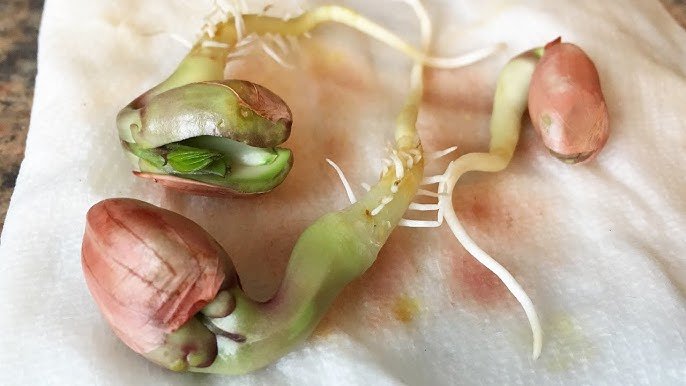
  • Optional: Soak seeds in water for 4–6 hours to speed up germination.

Step 2: Fill Containers with Soil

  • Fill pots about 2–3 inches below the rim.
  • Moisten soil lightly before planting.

Step 3: Plant the Seeds

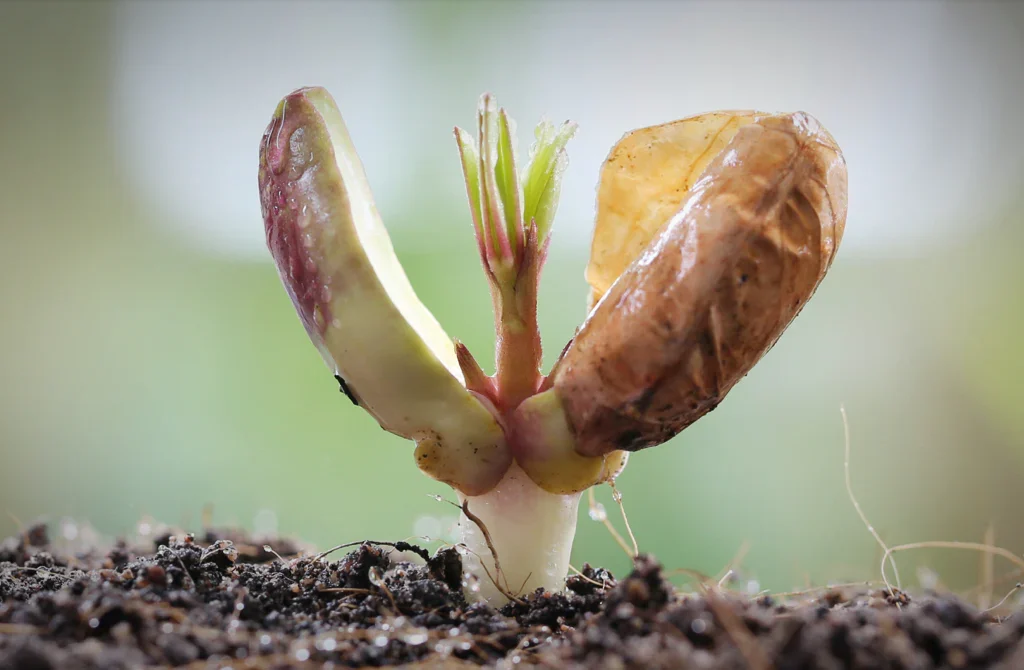
  • Place seeds 2 inches deep, with the pointed end facing downward.
  • Space seeds 4–6 inches apart if planting multiple peanuts in one pot.
  • Cover lightly with soil and water gently.

Step 4: Find a Sunny Spot

Peanuts love sunlight — aim for 6–8 hours of direct sun per day.
If indoors, place pots near a bright window or use LED grow lights for 12–14 hours daily.


6. Watering and Care

Peanuts need consistent moisture, but overwatering can cause rot, especially in containers.

Watering Tips:

  • Keep the soil evenly moist during germination and early growth.
  • Reduce watering slightly once plants are mature to prevent fungal issues.
  • Water in the morning to allow soil to dry slightly before evening.

Fertilizing Peanuts:

  • At planting: Mix compost or bone meal into the soil.
  • Mid-growth: Add a balanced organic fertilizer for healthy leaves and flowers.
  • Avoid excessive nitrogen — peanuts fix their own nitrogen and too much can reduce pod production.

7. Flowering and Pegging: Understanding Peanut Growth

Peanuts have a unique growth cycle:

Flowering Stage:

  • After 30–40 days, yellow flowers appear above ground.
  • Flowers are self-pollinating, so you don’t need insects.

Peg Formation (Underground Pod Development):

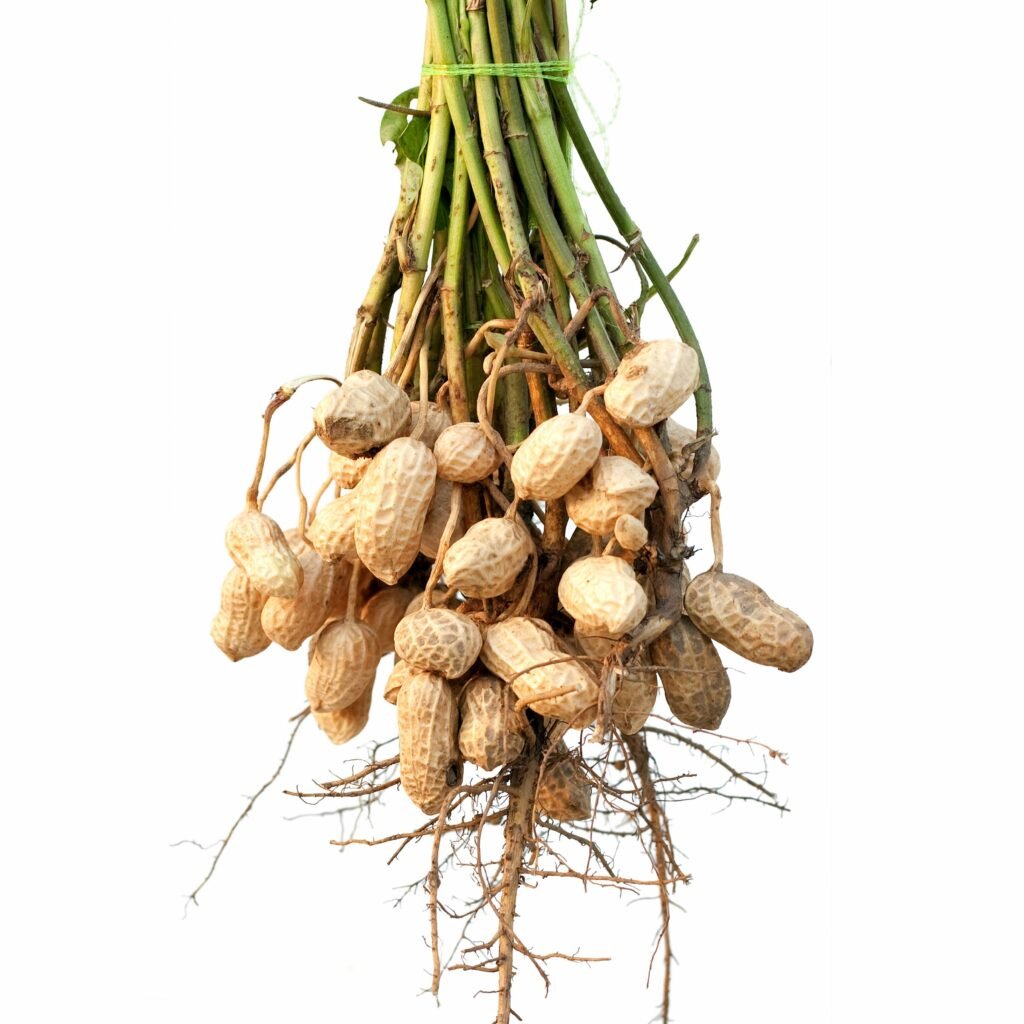
  • Fertilized flowers form pegs, which grow downward into the soil.
  • The pods develop underground — a key difference from other nuts or vegetables.
  • Keep the soil loose so pegs can penetrate easily.

Tip: Mulching helps protect pegs and pods from drying out or pests.


8. Common Problems and How to Prevent Them

Even in home containers, peanuts may face some challenges.

ProblemCauseSolution
Yellowing leavesOverwatering or nutrient deficiencyReduce water; add compost tea
Stunted growthPoor sunlightMove to sunnier location or use grow lights
Fungal diseaseOverly wet soilImprove drainage; avoid overhead watering
PestsAphids, mitesUse neem oil or insecticidal soap

9. Harvesting Peanuts

Patience is key — peanuts take 90–120 days to mature. Signs they are ready:

  • Leaves turn yellow and start to wilt
  • Pods are fully formed underground

How to Harvest:

  1. Gently loosen soil around the plant.
  2. Carefully lift the entire plant, keeping pods intact.
  3. Shake off excess soil and let the plant dry in a warm, airy place for 2–3 weeks.

Freshly harvested peanuts can then be roasted, boiled, or stored for future use.


10. Storage and Usage

  • Roasting: Spread peanuts on a baking sheet and roast at 350°F for 15–20 minutes.
  • Boiling: Boil peanuts in salted water for a soft, savory snack.
  • Storage: Store dried peanuts in airtight containers in a cool, dark place.

Growing your own ensures chemical-free, fresh, and flavorful peanuts ready to enjoy anytime.


11. Growing Peanuts in Containers: Extra Tips for Beginners

  • Use deep pots for better pod development.
  • Rotate containers occasionally for even sunlight.
  • Thin seedlings if overcrowded to ensure larger pods.
  • Consider growing multiple containers for continuous harvests.

12. Fun Fact: Peanuts Are Legumes, Not Nuts!

Many people assume peanuts are nuts, but they’re actually legumes, related to beans and lentils. This makes them protein-packed and soil-friendly, as they naturally fix nitrogen, improving soil fertility for future crops.

Growing peanuts at home not only gives you delicious nuts but also enhances the health of your garden soil for other plants.


13. Conclusion: Homegrown Peanuts Made Simple

Growing peanuts at home is a brilliant, beginner-friendly gardening project. With just a few plastic containers, soil, and peanut seeds, you can enjoy fresh, organic peanuts in just a few months.

This method is perfect for urban gardeners, balcony growers, or anyone looking to try something new and rewarding. Whether you roast them, boil them, or make peanut butter, homegrown peanuts add a unique flavor and pride to your kitchen.

So grab some raw peanut seeds, prepare your containers, and start growing — your fresh, crunchy, and nutritious peanut harvest awaits!

How to Grow Onions in Plastic Cups at Home: Easy Indoor Gardening for Big Yields (American Guide Inspired by NY Sokhom)

How to Grow Onions in Plastic Cups at Home: Easy Indoor Gardening for Big Yields (American Guide Inspired by NY Sokhom)

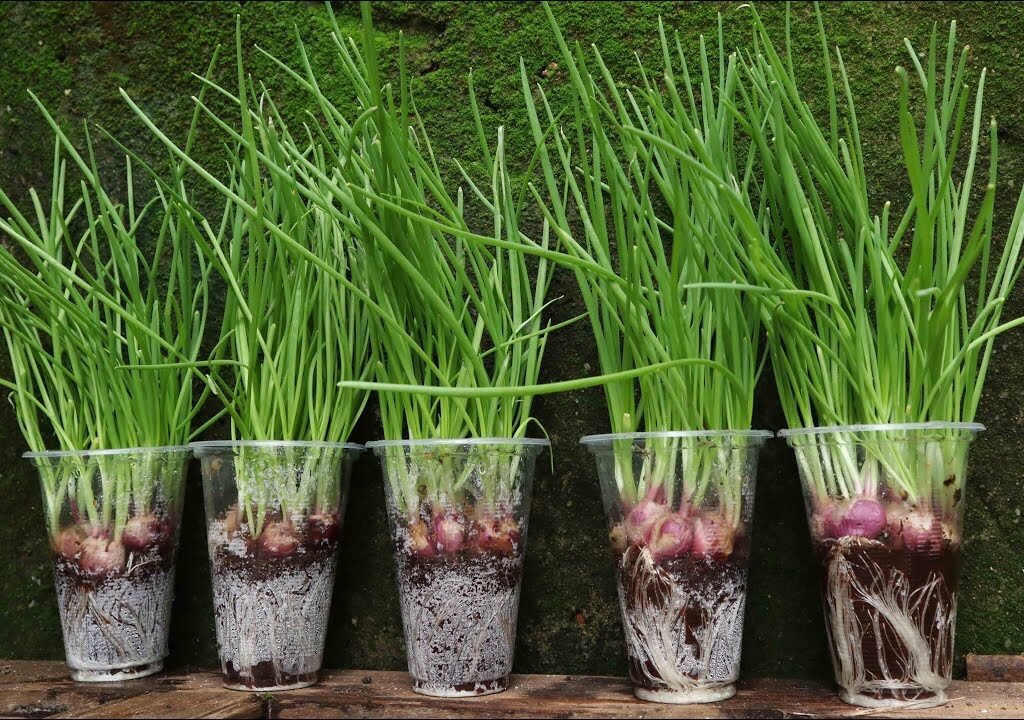
If you think you need a backyard or a full garden bed to grow onions, think again! Growing onions in plastic cups is a simple, space-saving, and affordable method that anyone can do — even if you live in an apartment or have limited space.

This smart method, popularized by NY Sokhom’s practical gardening techniques, shows how you can grow Indian or red onions indoors using basic materials you already have at home.

Whether you’re a beginner gardener or an urban dweller looking to grow your own food, this guide will walk you step-by-step through the process of growing onions in plastic cups — from selecting bulbs and preparing the soil to watering, fertilizing, and harvesting.

By the end of this article, you’ll have the confidence to start your own mini onion garden right on your windowsill — saving money while enjoying fresh, flavorful onions all year round!


1. Why Grow Onions in Plastic Cups?

Onions are one of the most essential ingredients in every American kitchen. They flavor soups, salads, stir-fries, and countless dishes — and growing them at home ensures freshness, organic quality, and a satisfying gardening experience.

Benefits of Growing Onions in Plastic Cups:

  • Space-efficient: Perfect for balconies, kitchens, or windowsills.
  • Low-cost setup: Uses recycled plastic cups and minimal soil.
  • Fast results: You’ll see green shoots in just 5–7 days!
  • Pest-free environment: Easier to control pests indoors.
  • Great for kids and beginners: Simple, fun, and educational project.

This method is ideal for Indian onions, red onions, or yellow onions, all of which adapt well to container or cup gardening.


2. Choosing the Right Onion Type

Not all onions are the same when it comes to growth rate and bulb size. For plastic cup gardening, it’s best to choose small to medium-sized onion varieties that thrive in limited soil space.

Best Onion Varieties for Cup Growing:

  • Red Onions (Indian type): Flavorful and fast-growing.
  • Yellow Onions: Sweet and mild flavor; great for salads.
  • Spring Onions (Green onions): Perfect for continuous harvesting.
  • Shallots: Compact and excellent for container growing.

Tip: Choose firm, healthy bulbs — avoid any that are soft, moldy, or sprouting excessively before planting.


3. Materials You’ll Need

You don’t need fancy gardening tools or pots. Just a few basic items will do!

Materials List:

  • Plastic cups (16–20 oz size, with drainage holes)
  • Potting mix or garden soil
  • Organic compost or vermicompost
  • Onion bulbs or sets
  • A tray or shallow container (to hold the cups)
  • Watering can or spray bottle

Optional: Baking soda, neem oil, or cinnamon powder for pest prevention.


4. Preparing the Plastic Cups

Proper cup preparation ensures healthy root growth and prevents waterlogging — one of the biggest problems in container gardening.

Step-by-Step Cup Prep:

  1. Take clean, transparent or semi-transparent plastic cups.
  2. Using a heated nail or small drill, poke 4–5 small drainage holes at the bottom.
  3. Place all cups on a tray to collect excess water.
  4. If you want to grow multiple onions, line up 6–10 cups for a mini garden setup.

You can even decorate your cups or label them with onion types — fun for families or school gardening projects!


5. Preparing the Soil Mix

Onions need loose, fertile, and well-draining soil to form bulbs efficiently.

Best Soil Mix for Onions in Cups:

  • 50% potting soil
  • 30% compost or cow manure
  • 20% perlite, coco peat, or sand

Mix thoroughly until the texture feels light and crumbly.

Pro Tip: Add a teaspoon of bone meal or wood ash for an extra phosphorus boost, which helps bulb development.


6. Planting the Onion Bulbs

Now comes the fun part — planting your onions!

How to Plant Onions in Cups:

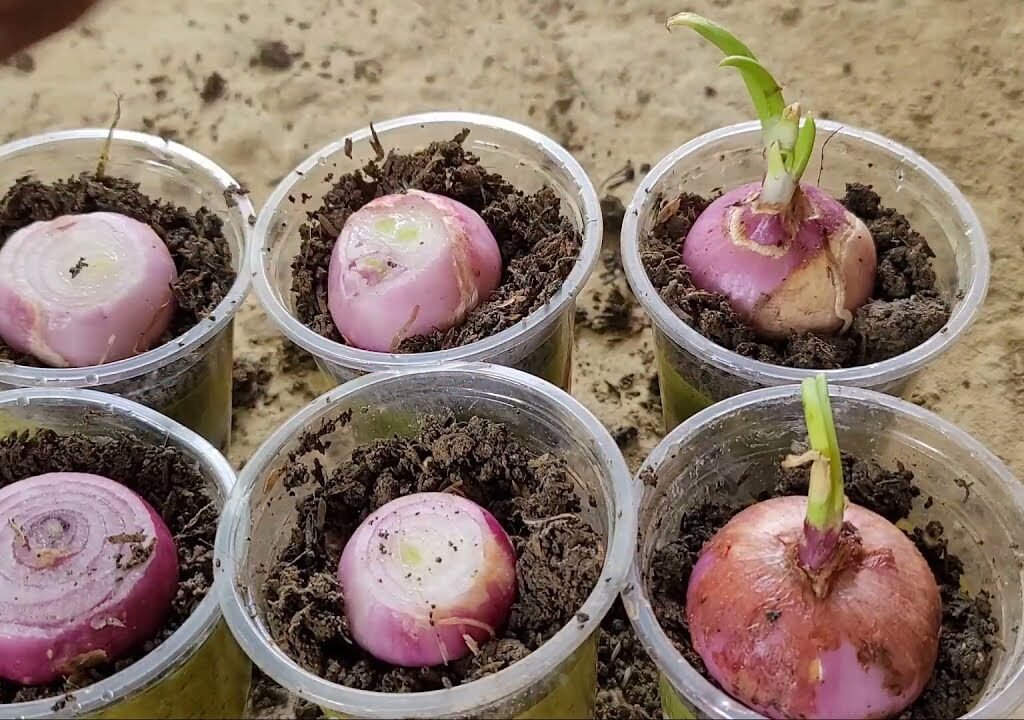
  1. Fill each plastic cup about ¾ full with the soil mix.
  2. Place one onion bulb in the center, with the pointed tip facing upward.
  3. Gently press it down so that one-third of the bulb is above the soil.
  4. Water lightly until the soil feels moist (not soggy).

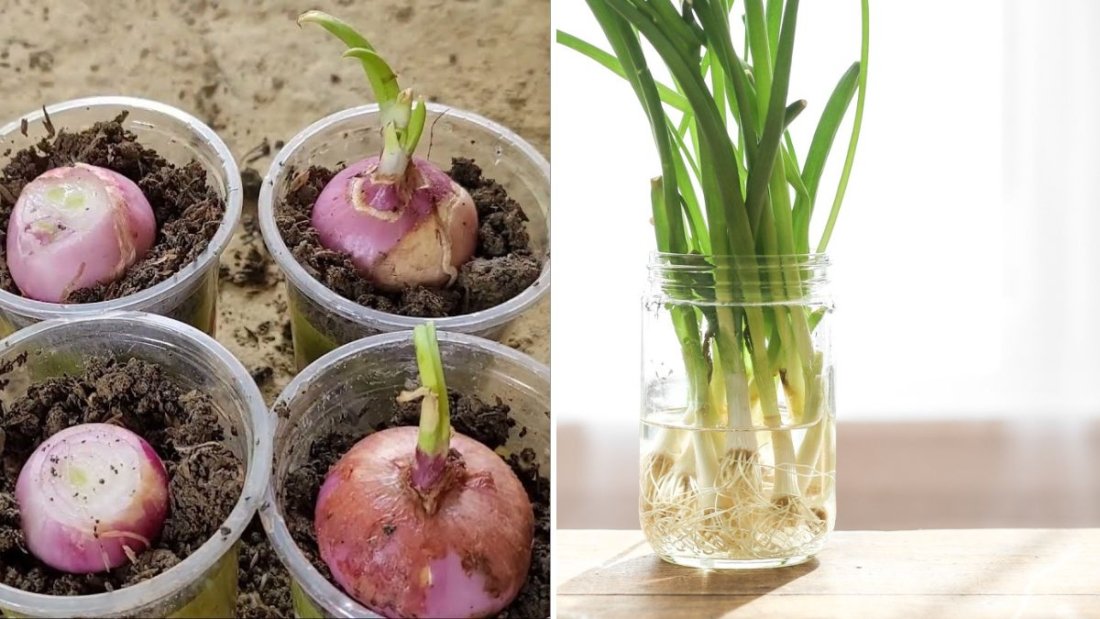
Within 3–5 days, you’ll notice green shoots emerging — a sure sign your onion is growing strong!


7. Finding the Perfect Growing Spot

Onions love sunlight — they need it for both bulb and leaf growth.

Ideal Conditions:

  • Sunlight: 6–8 hours of direct sunlight daily.
  • Temperature: Between 65°F–80°F (18°C–27°C).
  • Placement: Sunny window ledge, balcony, or patio.

If you’re growing indoors, use a grow light or LED lamp to ensure your onions receive enough light each day.


8. Watering and Care

Onions don’t like “wet feet.” Overwatering can cause rot, especially in plastic containers.

Watering Tips:

  • Water only when the top inch of soil feels dry.
  • Use a spray bottle or light watering can for even moisture.
  • Avoid getting water on the bulb itself — focus on soil moisture.

Place the cups on a tray with gravel to help with drainage and prevent fungal buildup.


9. Feeding and Fertilizing

Since plastic cups hold limited soil, nutrients deplete faster. Regular feeding ensures steady growth and strong bulbs.

Feeding Schedule:

  • After 2 weeks: Add a diluted liquid fertilizer (10-10-10).
  • Every 10–14 days: Feed with compost tea or fish emulsion.
  • During bulb formation: Switch to potassium-rich feed (like banana peel fertilizer).

Organic fertilizers not only boost growth but also improve flavor and reduce chemical residue.


10. Managing Pests Naturally

Even in indoor setups, you might encounter small pests like fungus gnats or aphids.

Natural Pest Remedies:

  • Spray with neem oil solution (1 tsp neem oil + 1 quart water).
  • Sprinkle cinnamon powder on soil to prevent fungus.
  • Keep the area well-ventilated to avoid mold or mildew.

Avoid chemical pesticides — they’re unnecessary for such small-scale, controlled gardens.


11. Pruning and Growth Maintenance

Once the green shoots reach 6–8 inches, you can start trimming them lightly.

Tips for Maintenance:

  • Use scissors to snip the tops of green leaves for cooking — this encourages more growth.
  • Remove any yellow or wilted leaves to prevent disease spread.
  • Rotate the cups weekly for even sunlight exposure.

Your onion greens will regrow multiple times before the bulb matures completely.


12. Harvesting Onions from Plastic Cups

Depending on the variety and conditions, onions can be ready to harvest in 60–90 days.

When and How to Harvest:

  • When leaves turn yellow and fall over, your bulbs are mature.
  • Stop watering for a week before harvest to let bulbs firm up.
  • Gently loosen the soil and pull the bulb upward by the base.

Rinse off soil and dry the bulbs in a warm, airy spot for 5–7 days before storage.

If you prefer green onions (scallions), you can harvest them much earlier — around 20–25 days after planting.


13. Reusing Onion Bulbs for Continuous Growth

Want to keep your onion cycle going? You can regrow onions from the base of harvested bulbs!

Regrowing Method:

  1. Cut off the onion base (about 1 inch thick).
  2. Let it dry for 24 hours.
  3. Plant it in a new cup with fresh soil.
  4. Water and place in sunlight — green shoots appear within a week!

This method lets you enjoy endless onion harvests without constantly buying new bulbs.


14. Troubleshooting Common Problems

ProblemCauseSolution
Onion bulb not growingNot enough sunlightMove to a sunnier spot or use a grow light
Yellowing leavesOverwatering or poor drainageReduce watering and check holes
Mold on soilPoor air circulationRemove mold, sprinkle cinnamon, improve airflow
No bulb formationCrowded roots or nutrient deficiencyUse bigger cups or add fertilizer

15. Bonus Tip: Growing Onions Hydroponically in Cups

For advanced gardeners, try a hydroponic version — grow onion bulbs in water using plastic cups suspended over jars.
Just add water, change it weekly, and watch the roots grow! It’s an excellent science experiment and home décor idea rolled into one.


Conclusion: Grow Smart, Eat Fresh

Growing onions in plastic cups is a simple, low-cost, and sustainable gardening hack that proves you don’t need a big yard to grow your own vegetables. Inspired by NY Sokhom’s innovative techniques, this method helps you enjoy fresh, organic onions year-round, even in tight spaces.

With just a few cups, soil, and bulbs, you can turn your kitchen or balcony into a mini onion farm — saving money, reducing waste, and adding homegrown flavor to every meal.

So grab those plastic cups, pick your favorite onion variety, and start your indoor onion-growing journey today. You’ll be amazed at how fast and rewarding it can be!

How to Grow Zucchini in Containers: A Step-by-Step Guide for High Yields Even Without a Garden

How to Grow Zucchini in Containers: A Step-by-Step Guide for High Yields Even Without a Garden

Imagine stepping outside your kitchen door and picking crisp, green zucchini straight from a pot. Sounds too good to be true? It’s not!

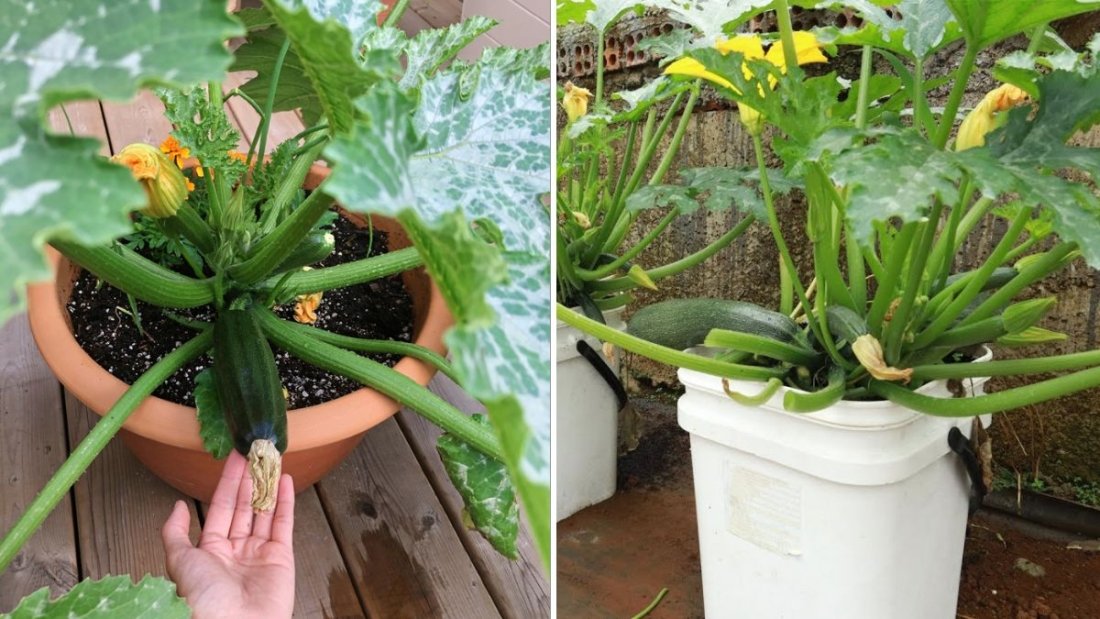
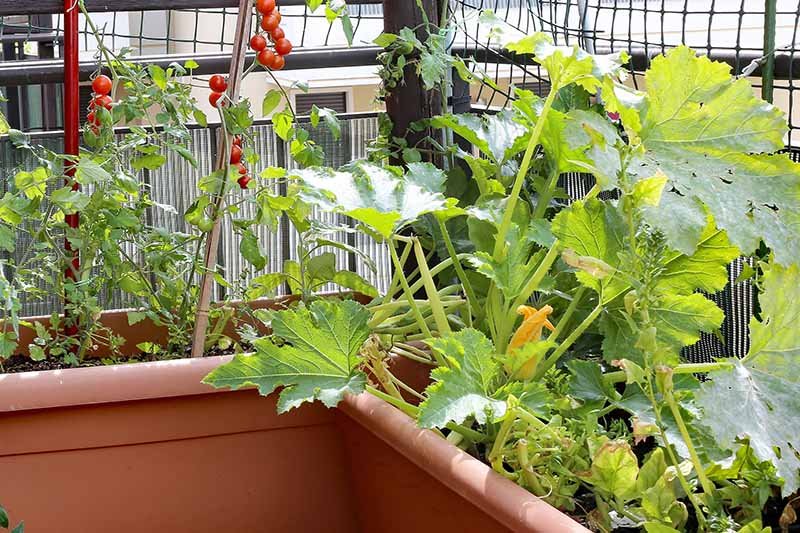
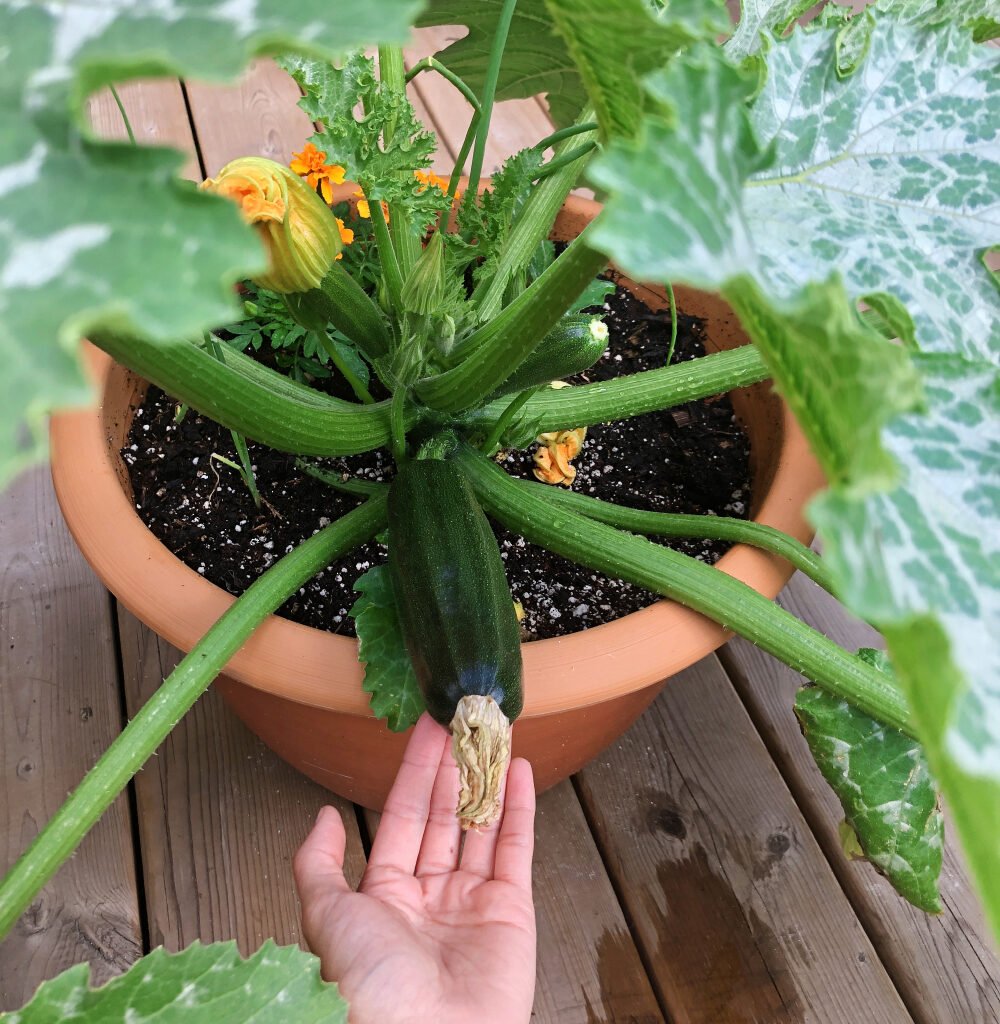
Growing zucchini in containers is one of the easiest and most rewarding ways to produce fresh vegetables at home — even if you don’t have a backyard. Whether you live in an apartment, a townhouse, or a home with limited space, container gardening lets you enjoy delicious, organic zucchini all season long.

In this guide, you’ll learn exactly how to grow zucchini in a container, from choosing the right pot and soil to watering, fertilizing, and harvesting your homegrown bounty.

By the end, you’ll know how to turn a small corner of your patio or balcony into a zucchini-producing powerhouse — perfect for stir-fries, salads, and summer grilling.


1. Why Grow Zucchini in Containers?

Zucchini (also called courgette) is one of the most productive and low-maintenance vegetables you can grow. One or two plants can yield enough zucchini for an entire family — even when grown in pots.

Benefits of Container-Grown Zucchini:

  • Space-efficient: Perfect for patios, balconies, and decks.
  • Pest control: Easier to monitor and protect from insects.
  • Mobility: Move pots to capture more sunlight or avoid frost.
  • Better soil control: Avoid poor garden soil or weeds.
  • Aesthetic appeal: Adds greenery and freshness to small spaces.

With just a few containers and proper care, you can enjoy a steady supply of zucchini throughout summer — even if you’ve never gardened before.


2. Choosing the Right Container

Zucchini plants are fast-growing and need space for their roots to spread. The container you choose plays a major role in their success.

Ideal Container Size:

  • Minimum: 5 gallons (18–20 inches deep)
  • Ideal: 10–15 gallons for vigorous growth and higher yields

If you’re growing bush varieties (compact types), one plant per container works perfectly. For vining varieties, use larger pots or support trellises to guide their growth.

Best Container Types:

  • Plastic or resin pots: Lightweight and retain moisture.
  • Fabric grow bags: Great airflow, prevents root rot.
  • Wooden barrels or crates: Natural insulation for roots.

Pro Tip: Ensure your container has drainage holes at the bottom. Zucchini roots dislike standing water.


3. The Perfect Soil Mix for Zucchini

Zucchini loves well-draining, nutrient-rich soil. The key is balancing moisture retention with airflow around the roots.

DIY Potting Mix Recipe:

  • 40% high-quality potting soil
  • 40% organic compost
  • 20% perlite or coco peat for drainage

Optional: Add a handful of slow-release fertilizer or worm castings to give your plant a nutrient boost.

Ideal Soil pH:

Keep between 6.0 and 7.5 — slightly acidic to neutral soil helps zucchini absorb nutrients efficiently.


4. Choosing the Right Zucchini Variety

Not all zucchini varieties perform equally well in containers. For best results, go for compact or bush types that stay small but produce abundantly.

Top Zucchini Varieties for Containers:

  • Bush Baby: Compact, early producer.
  • Raven: Dark green fruit, perfect for small spaces.
  • Black Beauty: Classic flavor, grows well in pots.
  • Patio Star: Specifically bred for container gardening.
  • Eight Ball: Round zucchini ideal for grilling and stuffing.

You can start from seeds or seedlings — both work well for container setups.


5. Planting Zucchini: Step-by-Step

Step 1: Fill the Container

Fill your pot with the prepared soil mix, leaving about 2 inches of space at the top.

Step 2: Plant the Seeds or Seedlings

  • If planting seeds, sow 2–3 seeds about 1 inch deep.
  • Once seedlings emerge (after 5–7 days), thin out and keep the strongest plant.
  • If planting nursery seedlings, place one plant per container.

Step 3: Position in Sunlight

Zucchini thrives in full sun — at least 6–8 hours of direct light daily.
Place your pot on a south-facing patio, balcony, or sunny windowsill.


6. Watering and Moisture Control

Zucchini plants need consistent moisture to produce tender, juicy fruits. However, overwatering can suffocate the roots.

Watering Tips:

  • Water deeply 2–3 times per week (more often in hot climates).
  • Always check soil moisture — it should feel damp, not soggy.
  • Water early in the morning to allow foliage to dry by evening.

To prevent evaporation, mulch the surface with straw, shredded leaves, or coco husk. This keeps the soil cool and reduces watering frequency.


7. Feeding Your Container Zucchini

Container-grown plants rely entirely on you for nutrients, so feeding regularly ensures lush growth and abundant harvests.

Feeding Schedule:

  • At planting: Mix organic compost or slow-release fertilizer.
  • Every 2 weeks: Feed with a balanced liquid fertilizer (10-10-10).
  • During flowering: Switch to a bloom-boosting fertilizer rich in phosphorus and potassium.

Organic options like fish emulsion, compost tea, or banana peel fertilizer work beautifully to boost fruiting and flavor.


8. Supporting and Pruning for Maximum Growth

Zucchini grows fast, and even bush types can sprawl. Keeping your plant well-shaped ensures proper airflow and disease prevention.

Pruning Tips:

  • Remove yellowing or damaged leaves to promote air circulation.
  • Trim lower leaves to prevent soil splashing during watering.
  • Don’t over-prune — keep enough foliage for photosynthesis.

For vining zucchini, add a small trellis or tomato cage to help it climb. This saves space and keeps fruits off the soil, reducing rot.


9. Pollination: Helping Your Zucchini Produce Fruit

Zucchini plants produce separate male and female flowers, and they need pollination to set fruit.

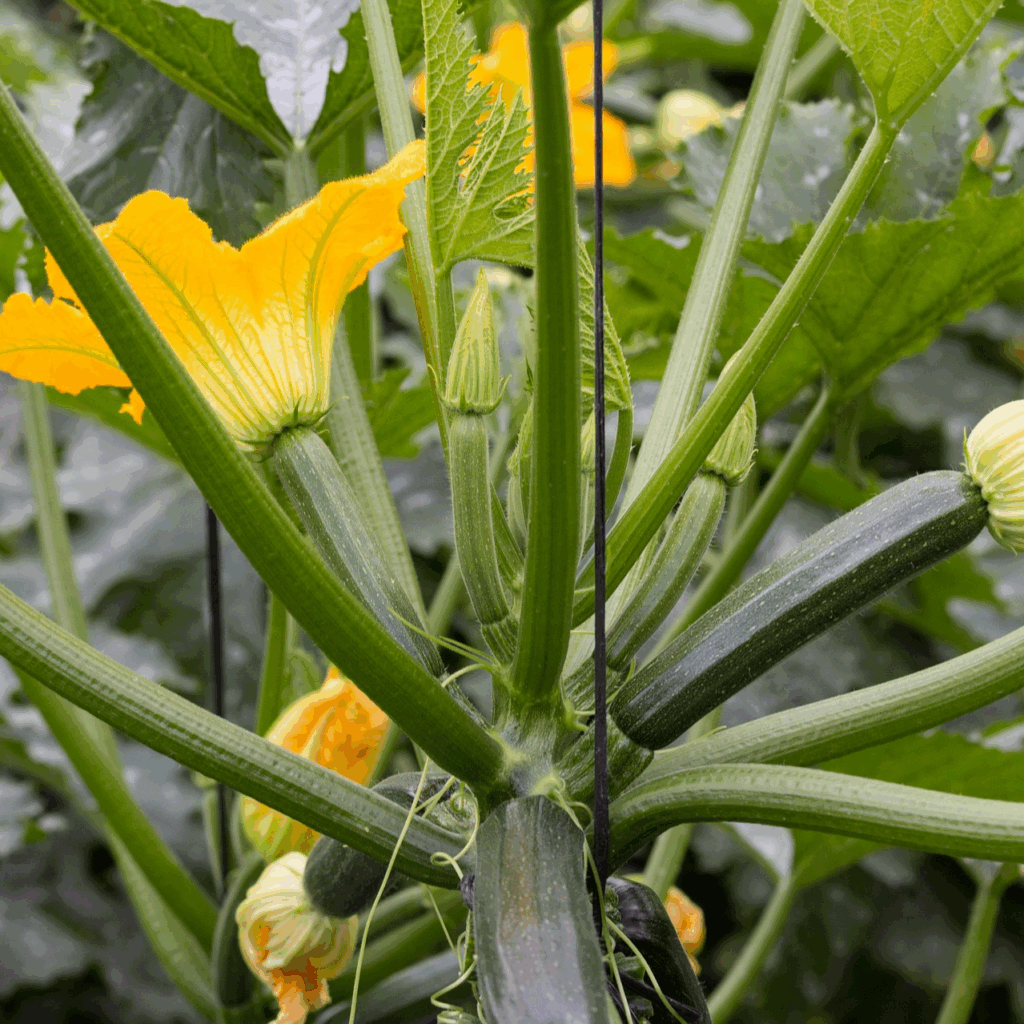
Male vs. Female Flowers:

  • Male flowers: Grow on thin stems and appear first.
  • Female flowers: Have a tiny zucchini behind the blossom.

If you’re growing indoors or have limited bees, use a small brush to hand-pollinate:

  1. Gently collect pollen from a male flower.
  2. Dab it inside the center of a female flower.

Within a few days, you’ll see the fruit start to swell!


10. Common Pests and How to Prevent Them

Even in containers, zucchini can attract some pests. Here’s how to protect your plants naturally.

Common Pests:

  • Aphids: Spray with neem oil or insecticidal soap.
  • Squash bugs: Remove by hand and destroy eggs under leaves.
  • Powdery mildew: Prevent with good airflow and baking soda spray (1 tsp baking soda + 1 quart water).

Avoid overwatering and overcrowding — these conditions attract pests and fungal problems.


11. Harvesting Zucchini the Right Way

The best part of growing zucchini is harvesting — and it happens quickly!

When to Harvest:

  • Usually 45–60 days after planting.
  • Pick fruits when they’re 6–8 inches long for best flavor.
  • Use scissors or pruning shears to cut rather than twist.

Frequent harvesting encourages more fruit production — the more you pick, the more your plant gives!


12. Maximizing Yield from Your Container

To keep your zucchini plant productive all season:

  • Feed regularly with compost or fertilizer.
  • Harvest frequently to prevent oversized fruit.
  • Keep removing dead leaves to promote airflow.
  • Rotate the container weekly to ensure even sunlight.

With proper care, each zucchini plant can yield 10–20 pounds of produce throughout the growing season — impressive for a single pot!


13. Troubleshooting Common Issues

ProblemCauseSolution
Yellow leavesOverwatering or nutrient deficiencyReduce watering, add compost tea
No fruitPoor pollinationHand-pollinate flowers manually
Powdery spotsFungal infectionSpray with baking soda solution weekly
Drooping plantHeat stress or root rotMove to shade temporarily, check drainage

14. Winter Care & Saving Seeds

If you live in a colder region, zucchini won’t survive frost. However, you can save seeds for next season or grow indoors year-round under LED grow lights.

How to Save Seeds:

  1. Let one zucchini over-mature on the vine until thick and yellow.
  2. Scoop out seeds, rinse, and dry completely.
  3. Store in a cool, dry place for next season’s planting.

Conclusion: Fresh Zucchini, Anywhere, Anytime

Growing zucchini in containers proves that you don’t need a big garden to grow big results. With the right setup, even a small balcony can produce baskets of fresh, delicious zucchini ready for summer grilling, pasta dishes, or salads.

It’s affordable, rewarding, and sustainable — perfect for anyone who wants to live a greener, healthier lifestyle.

So grab a pot, some soil, and a few seeds — and get ready to enjoy your own homegrown zucchini harvest right from your patio. You’ll be amazed at how easy and satisfying it is!

How to Keep Pests Away Without Chemicals

How to Keep Pests Away Without Chemicals

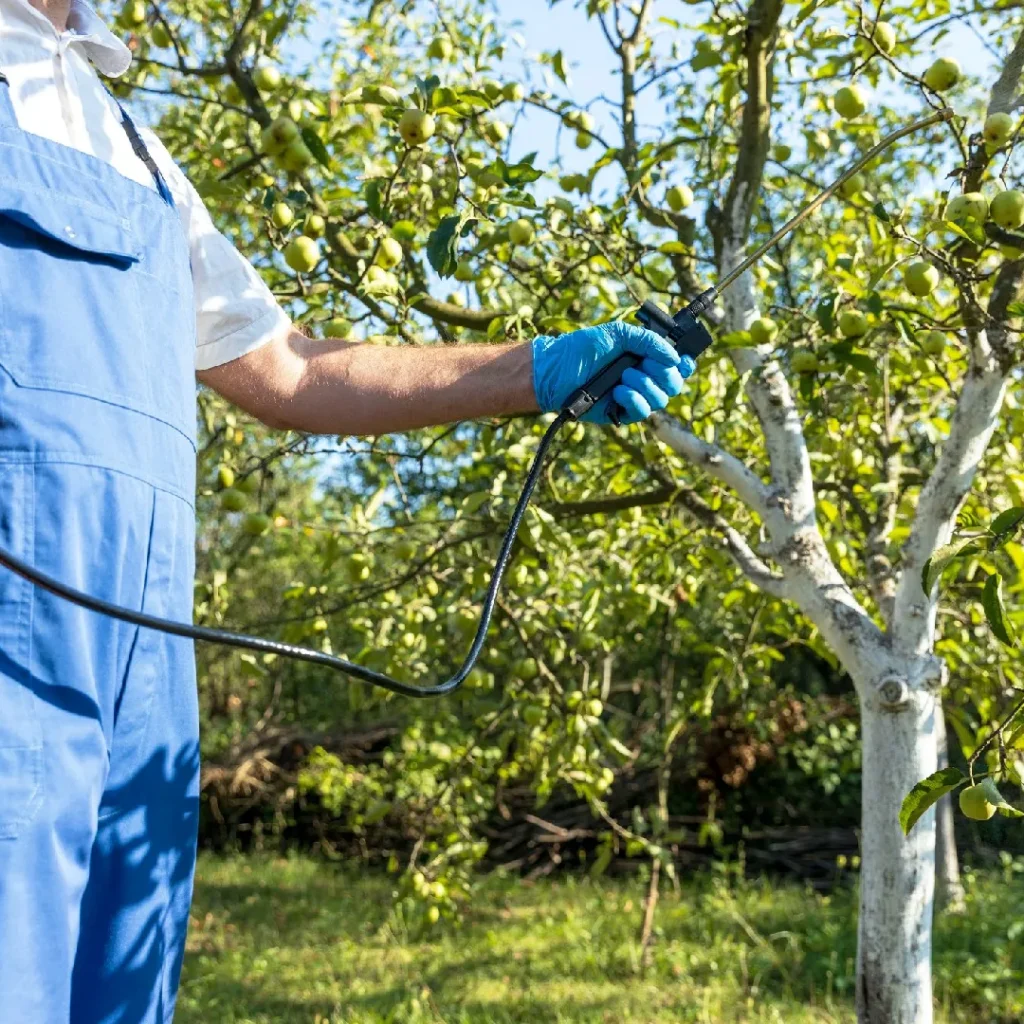
Gardening is one of life’s great joys, but pests can quickly turn a flourishing garden into a frustrating experience. While chemical pesticides offer a quick solution, they can harm beneficial insects, pollinators, pets, and even humans. Fortunately, there are effective, chemical-free ways to keep pests away, ensuring a healthy, thriving garden while maintaining ecological balance.

This comprehensive guide will explore natural pest control methods, preventive strategies, and sustainable techniques to protect your plants without relying on harmful chemicals.


Step 1: Understand Your Pests

The first step in controlling pests naturally is knowing what you’re dealing with. Common garden pests include:

  • Aphids: Tiny green, black, or white insects that suck sap from leaves and stems.
  • Slugs and Snails: Soft-bodied creatures that chew holes in leaves.
  • Caterpillars: Larvae that eat leaves and can defoliate plants.
  • Whiteflies: Small flying insects that feed on plant sap.
  • Mealybugs and Scale Insects: Sap-sucking pests often covered in waxy coatings.
  • Japanese Beetles and Other Leaf-Eating Insects: Chew on foliage, flowers, and fruits.

Tip: Identify pests early. Check leaves, stems, flowers, and soil for signs like holes, yellowing, or sticky residue. Early detection makes control easier.


Step 2: Practice Good Garden Hygiene

Maintaining a clean, well-organized garden reduces pest infestations naturally:

  • Remove dead leaves and plant debris, which harbor pests.
  • Weed regularly to eliminate hiding spots for insects.
  • Avoid overwatering, as damp conditions encourage slugs, snails, and fungal pests.
  • Rotate crops yearly to prevent soil-borne pests from becoming established.

Tip: Healthy, well-maintained plants are less attractive to pests and more resilient against attacks.


Step 3: Use Companion Planting

Companion planting is a natural pest deterrent strategy. Certain plants repel pests or attract beneficial insects that prey on them:

  • Marigolds: Repel nematodes, aphids, and whiteflies.
  • Basil: Repels mosquitoes and flies; enhances tomato growth.
  • Chives and Garlic: Keep aphids, Japanese beetles, and carrot flies away.
  • Nasturtiums: Attract aphids away from vegetables (acts as a trap crop).
  • Dill and Fennel: Attract ladybugs and parasitic wasps, which are natural predators.

Tip: Plant companion plants strategically near vulnerable crops to maximize their pest-repelling benefits.


Step 4: Encourage Beneficial Insects

Not all insects are harmful—many act as natural pest controllers:

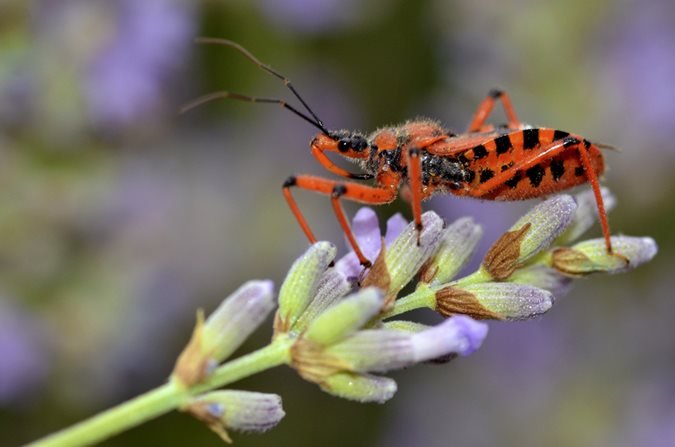
  • Ladybugs: Eat aphids and scale insects.
  • Lacewings: Feed on aphids, mealybugs, and mites.
  • Parasitic Wasps: Lay eggs inside caterpillars or whiteflies, controlling populations.
  • Predatory Beetles: Consume slugs, snails, and other soft-bodied pests.

Tip: Create a welcoming habitat with flowering plants, herbs, or small water sources to attract and sustain beneficial insects.


Step 5: Physical Barriers and Traps

Simple, non-toxic physical methods are highly effective:

  • Row Covers or Netting: Protect crops from flying insects and birds.
  • Copper Tape: Creates a barrier that slugs and snails avoid.
  • Sticky Traps: Yellow or blue sticky boards attract and trap flying pests like whiteflies and aphids.
  • Handpicking: Remove caterpillars, slugs, or beetles manually when feasible.

Tip: Combine barriers and traps for maximum protection, especially in small gardens or balconies.


Step 6: Homemade Natural Sprays

Several household ingredients can be turned into effective sprays to repel pests:

1. Neem Oil Spray

  • Mix 2 teaspoons of neem oil and a few drops of mild soap in 1 liter of water.
  • Spray on affected plants weekly.
  • Controls aphids, whiteflies, mealybugs, and caterpillars.

2. Garlic and Chili Spray

  • Blend garlic cloves and hot chilies with water, strain, and spray on plants.
  • Repels insects and some mammals.

3. Soap and Water Spray

  • Mix 1–2 teaspoons of liquid soap in 1 liter of water.
  • Spray on leaves to suffocate soft-bodied pests like aphids and spider mites.

4. Herbal Infusions

  • Make tea from neem, mint, or chamomile and spray directly on plants.
  • Repels pests and promotes plant health.

Tip: Test sprays on a small section first to ensure plants do not get damaged. Reapply after rain for effectiveness.


Step 7: Mulching and Soil Management

Healthy soil and proper mulching deter pests naturally:

  • Use organic mulch (straw, wood chips, compost) to reduce weeds and moisture fluctuations.
  • Avoid mulch that stays excessively wet, which can attract slugs and snails.
  • Rotate crops and amend soil with compost to maintain nutrient balance, reducing plant susceptibility to pests.

Tip: Mulching also helps beneficial insects like ground beetles thrive, enhancing natural pest control.


Step 8: Crop Rotation and Diversity

Rotating plants annually prevents pests from establishing long-term populations:

  • Avoid planting the same crop in the same location each year.
  • Mix crops in beds to confuse pests and reduce disease spread.
  • Interplant fast-growing vegetables with slower-growing ones for added diversity.

Tip: Companion planting and crop rotation together create a resilient ecosystem that naturally minimizes pest problems.


Step 9: Use Organic Repellents and Amendments

Certain natural products improve plant health and repel pests:

  • Diatomaceous Earth: Fine powder that scratches soft-bodied pests like slugs and aphids.
  • Coffee Grounds: Repel slugs and provide nitrogen to soil.
  • Banana Peels: Attract beneficial insects while enriching soil.
  • Eggshells: Act as a barrier for crawling pests and add calcium to soil.

Tip: Spread organic amendments around the base of plants strategically for maximum effect.


Step 10: Regular Monitoring and Early Intervention

Preventive care is the cornerstone of chemical-free pest control:

  • Inspect leaves, stems, flowers, and soil weekly.
  • Remove affected parts promptly to prevent pest spread.
  • Keep records of pest activity to identify recurring problems and adjust strategies.

Tip: Early detection allows natural methods to work effectively, reducing the need for stronger interventions.


Benefits of Chemical-Free Pest Control

  1. Safe for Humans and Pets: No toxic residues on edible crops or in living spaces.
  2. Protects Pollinators: Bees, butterflies, and other beneficial insects thrive.
  3. Environmentally Friendly: Reduces contamination of soil and water.
  4. Promotes Healthy Soil: Organic amendments improve fertility and microbial activity.
  5. Sustainable: Encourages long-term garden resilience.

Tip: Chemical-free gardens foster biodiversity, creating a balanced ecosystem where plants and beneficial organisms coexist.


Step 11: Tips for Success

  • Combine multiple strategies (companion planting, natural sprays, beneficial insects) for maximum effectiveness.
  • Keep plants healthy with proper watering, pruning, and fertilization; strong plants resist pests better.
  • Introduce barriers for vulnerable plants while using natural sprays for existing infestations.
  • Learn from experience: observe which methods work best for your garden’s specific pests.
  • Maintain diversity: growing different plants reduces the risk of large-scale infestations.

Final Thoughts

Keeping pests away without chemicals is not only possible but rewarding and sustainable. By combining preventive practices, natural repellents, companion planting, and beneficial insects, you can maintain a healthy, productive garden while respecting the environment.

Chemical-free pest management promotes plant health, soil vitality, and biodiversity, creating a resilient garden that can thrive year after year. With patience, observation, and consistent care, you can enjoy lush, pest-free plants without compromising safety or environmental integrity.

Whether you’re a small balcony gardener or managing a larger backyard, implementing these strategies ensures your garden flourishes naturally, beautifully, and sustainably.

How to Grow Roses That Bloom All Year

How to Grow Roses That Bloom All Year

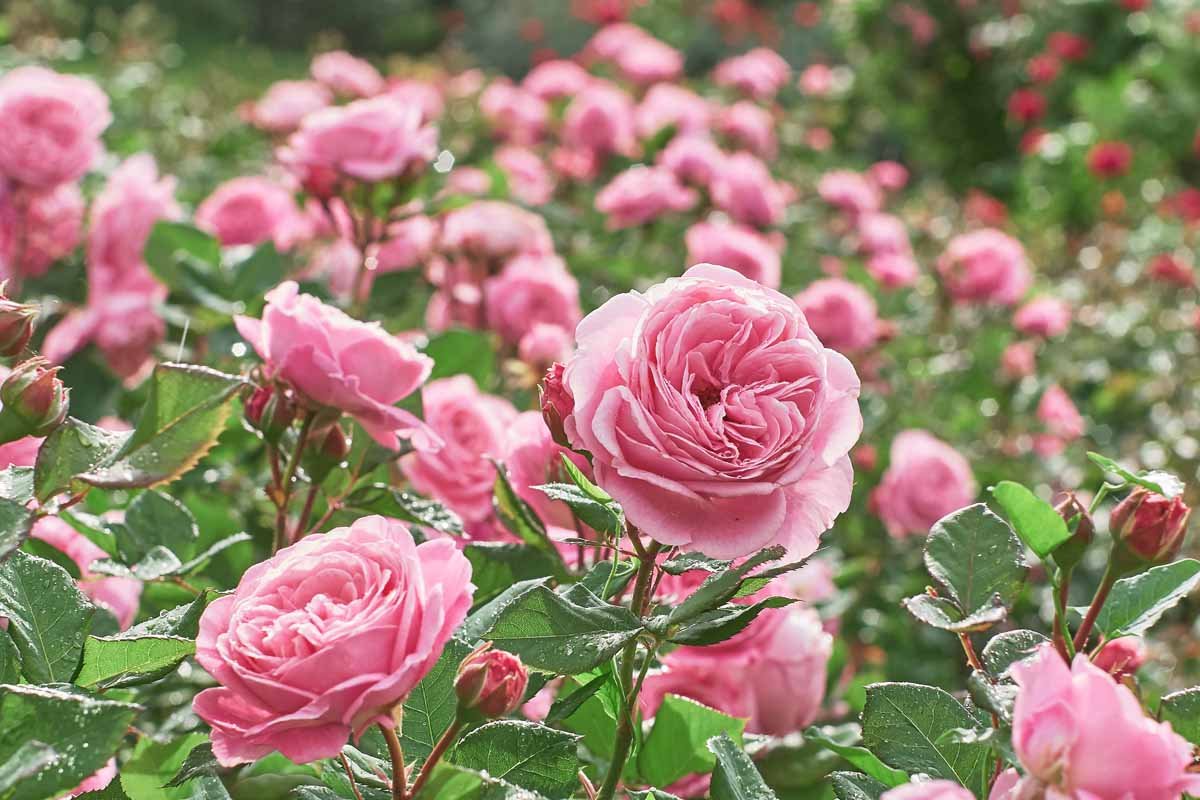
Roses are timeless symbols of beauty, love, and elegance. While many gardeners enjoy them for their vibrant colors and intoxicating fragrance, keeping roses blooming year-round can feel like a challenge. With the right varieties, care techniques, and environmental considerations, it is entirely possible to enjoy continuous blooms. Growing roses that bloom all year requires understanding their needs, from sunlight and soil to pruning, fertilization, and pest management.

This guide will walk you through how to grow roses that bloom all year, providing detailed, actionable steps for both beginner and experienced gardeners.


Step 1: Choose the Right Rose Varieties

The first step to year-round blooms is selecting rose varieties that are known for continuous flowering. Not all roses bloom throughout the year, so choose repeat-blooming or remontant varieties:

  • Hybrid Tea Roses: Classic long-stemmed roses that produce large, elegant blooms repeatedly.
  • Floribunda Roses: Compact shrubs with clusters of flowers that bloom multiple times.
  • Grandiflora Roses: Tall, elegant plants combining hybrid tea and floribunda traits with continuous flowering.
  • Climbing Roses: Certain climbing varieties bloom repeatedly and can provide vertical beauty.
  • Shrub Roses: Disease-resistant and hardy, with frequent flowering cycles.

Tip: Check the variety’s bloom habit before planting to ensure it fits your goal of year-round flowering.


Step 2: Plant Roses in the Right Location

Sunlight, air circulation, and protection from harsh elements are critical for roses to bloom consistently:

  1. Sunlight: Roses need at least 6 hours of direct sunlight per day. Morning sunlight is especially beneficial to dry dew and prevent fungal diseases.
  2. Air Circulation: Plant roses where air can flow freely to reduce fungal infections and encourage healthy growth.
  3. Soil Drainage: Roses prefer well-draining, loamy soil. Avoid low spots that collect water, which can lead to root rot.

Tip: If you’re planting in containers, choose large pots with proper drainage holes and high-quality potting soil enriched with compost.


Step 3: Prepare the Soil Properly

Healthy soil is the foundation of year-round blooms:

  • Soil pH: Roses thrive in slightly acidic soil, ideally between 6.0 and 6.5.
  • Amendments: Mix compost, aged manure, and organic matter into the soil to improve fertility and structure.
  • Drainage: Raise garden beds or use containers with drainage layers to prevent waterlogging.

Tip: Conduct a soil test to determine nutrient levels and pH, adjusting as necessary for optimal rose growth.


Step 4: Watering Roses Correctly

Consistent moisture is crucial, but overwatering can harm roses:

  • Deep Watering: Water at the base of the plant to encourage deep root growth.
  • Frequency: Water 2–3 times per week in hot weather; adjust depending on rainfall and soil type.
  • Avoid Wetting Foliage: Wet leaves encourage fungal diseases like black spot and powdery mildew.

Tip: Mulch around the base with 2–3 inches of organic material to retain moisture and reduce evaporation.


Step 5: Fertilize for Continuous Blooms

Roses are heavy feeders, especially repeat-blooming varieties. Fertilization supports healthy growth and abundant flowering:

  1. Balanced Fertilizer: Use a rose-specific or general-purpose fertilizer with balanced NPK (Nitrogen, Phosphorus, Potassium).
  2. Frequency: Feed every 4–6 weeks during the growing season; reduce in winter if dormant.
  3. Organic Options: Compost, worm castings, and well-aged manure provide nutrients naturally.
  4. Liquid Fertilizers: Seaweed or fish emulsion can provide a quick nutrient boost and improve flowering.

Tip: Avoid over-fertilizing with nitrogen alone, as it promotes leaf growth at the expense of blooms.


Step 6: Pruning for Year-Round Bloom

Proper pruning encourages new growth and continual flowering:

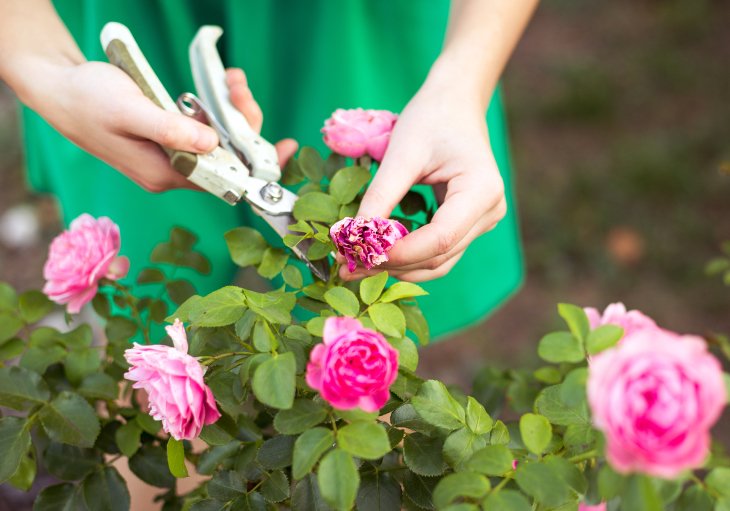
  • Deadheading: Remove spent flowers regularly to stimulate new blooms.
  • Structural Pruning: Cut back old or weak stems to improve airflow and plant shape.
  • Timing: For repeat-blooming roses, prune lightly throughout the year; heavier pruning can be done in early spring.

Tip: Use clean, sharp pruning shears to prevent disease transmission and damage to the plant.


Step 7: Protect Roses from Pests and Diseases

Year-round blooming requires maintaining healthy plants free from pests and diseases:

Common Pests

  • Aphids
  • Spider mites
  • Thrips
  • Japanese beetles

Common Diseases

  • Black spot
  • Powdery mildew
  • Rust

Prevention and Management:

  • Inspect plants weekly for early signs of pests or disease.
  • Use insecticidal soap or neem oil for organic pest control.
  • Ensure proper spacing and pruning for air circulation.
  • Remove and destroy infected leaves promptly.

Tip: Companion planting with garlic, chives, or marigolds can help deter pests naturally.


Step 8: Extend the Blooming Season

To keep roses flowering almost all year, consider these techniques:

  1. Climate Considerations:
    • In temperate climates, roses may slow down in winter. Use protective coverings or grow in containers to move indoors.
  2. Succession Planting:
    • Plant varieties with staggered bloom times to maintain continuous color.
  3. Encourage New Growth:
    • Regular feeding, deadheading, and pruning stimulate new shoots and buds.
  4. Container Gardening:
    • Allows better control over temperature, soil quality, and watering, enabling extended bloom in colder months.

Tip: Some tropical or subtropical rose varieties can bloom year-round in warm climates without special care.


Step 9: Mulching and Soil Care

Mulching is essential for maintaining consistent soil moisture, suppressing weeds, and protecting roots:

  • Organic Mulch: Use straw, wood chips, or compost.
  • Thickness: 2–3 inches around the base, keeping mulch away from the crown of the plant.
  • Renew Regularly: Refresh mulch as it decomposes or is washed away by rain.

Tip: Mulching also moderates soil temperature, which helps roses maintain growth during seasonal changes.


Step 10: Growing Roses in Containers

Container roses offer flexibility and can thrive year-round with proper care:

  • Pot Selection: Choose large pots to accommodate root growth.
  • Soil Mix: Use high-quality potting soil mixed with compost.
  • Watering: Container soil dries faster, so monitor moisture more frequently.
  • Fertilization: Container roses benefit from more frequent feeding due to nutrient leaching during watering.

Tip: Move containers to sunnier locations during cloudy or winter months to prolong blooming.


Step 11: Winter Care and Year-Round Tips

Even in colder climates, you can encourage continuous blooming:

  • Protect roses from frost using burlap wraps or frost cloths.
  • Apply a layer of mulch or straw around the base for insulation.
  • Reduce watering slightly during dormancy but keep soil from drying out completely.
  • Consider indoor overwintering for container roses with adequate sunlight.

Tip: Ever-blooming varieties like “Knock Out” roses are more resilient and easier to maintain for year-round flowering.


Benefits of Year-Round Blooming Roses

  1. Aesthetic Beauty: Continuous flowers enhance gardens, patios, or indoor spaces.
  2. Fragrance: Enjoy the delightful aroma all year.
  3. Pollinator Attraction: Bees and butterflies visit consistently, supporting biodiversity.
  4. Garden Productivity: Continuous blooms can provide cut flowers for your home or gifts.
  5. Therapeutic Value: Caring for roses throughout the year promotes relaxation and reduces stress.

Final Thoughts

Growing roses that bloom all year is achievable with careful variety selection, proper location, soil preparation, watering, fertilization, pruning, and pest management. The key is consistency in care and understanding the needs of your specific rose varieties.

By choosing repeat-blooming or remontant roses, providing adequate sunlight, maintaining soil health, and protecting plants from pests and diseases, your roses can flourish continuously, providing vibrant color, fragrance, and joy all year long.

Whether planted in the garden or in containers, year-round roses are not just a beautiful addition—they’re a symbol of dedication, patience, and love for gardening. With the right care, you can transform your garden into a haven of color, fragrance, and natural beauty throughout every season.

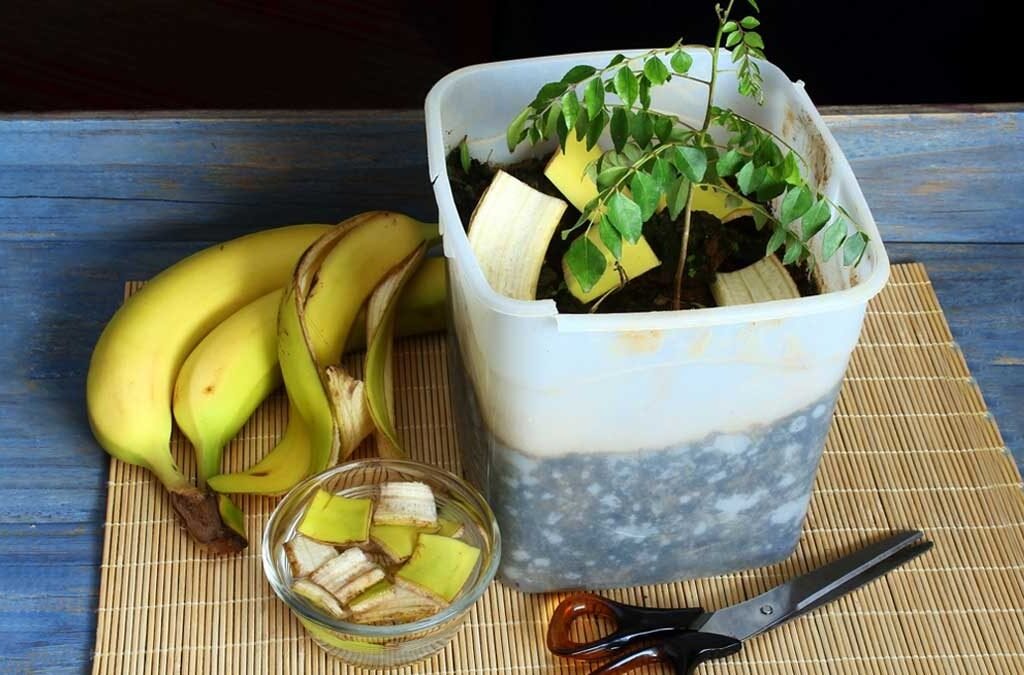
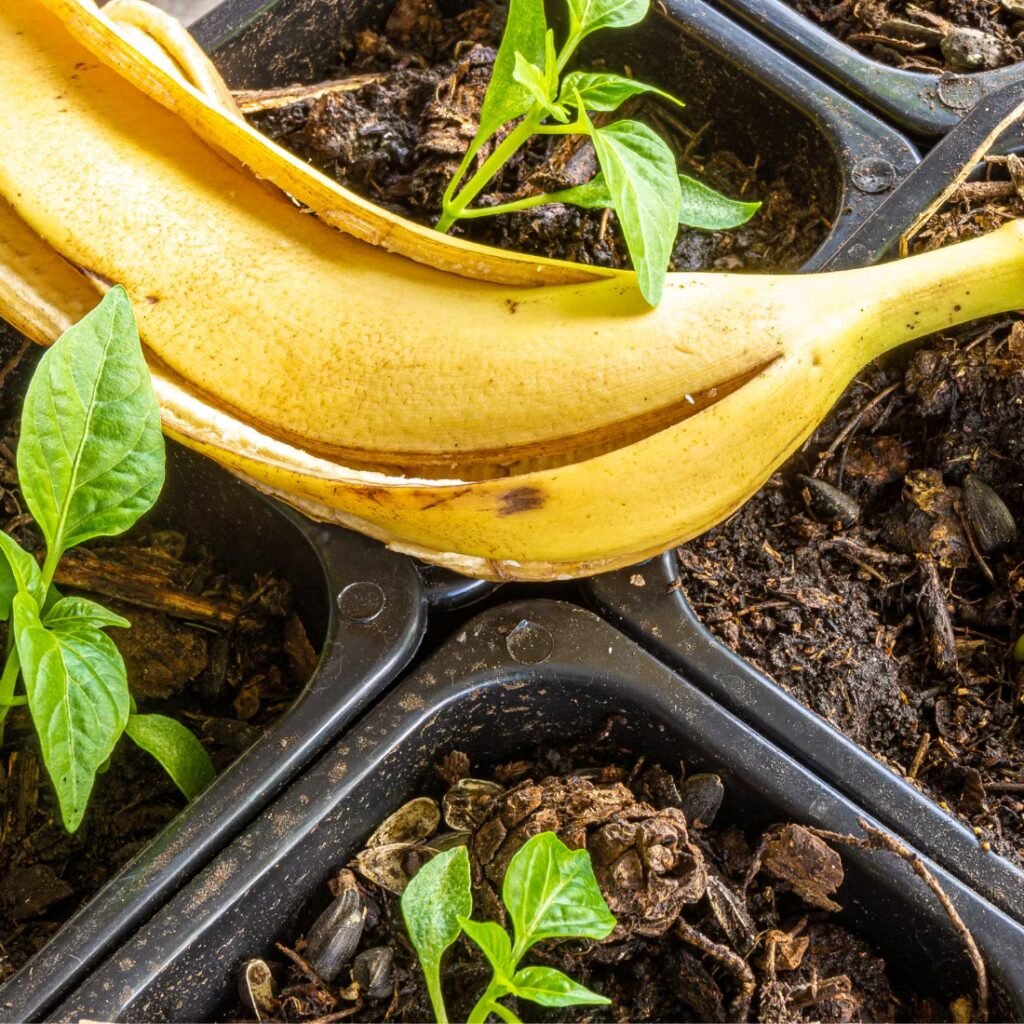
How to Use Banana Peels for Plant Growth

How to Use Banana Peels for Plant Growth

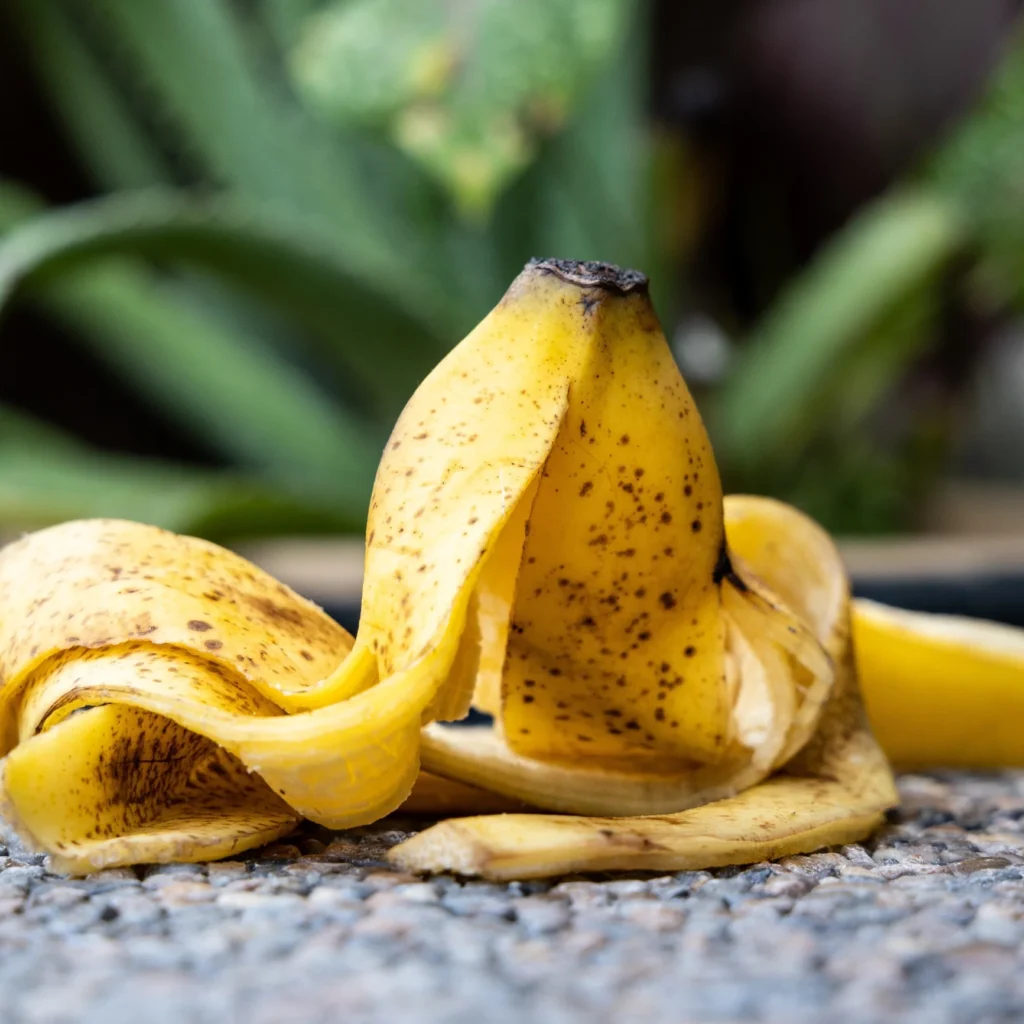
Bananas are one of the most popular fruits worldwide, but what happens to the peels once you finish eating the fruit? Instead of tossing them in the trash, banana peels can become a natural, nutrient-rich fertilizer for your garden. Packed with essential nutrients like potassium, phosphorus, calcium, and magnesium, banana peels can enhance plant growth, improve flowering, and even deter pests.

In this guide, we’ll explore how to use banana peels for plant growth, covering different methods of application, benefits, precautions, and tips to maximize their effectiveness. Whether you have houseplants, vegetables, or flowering plants, banana peels offer a sustainable, eco-friendly way to nourish your greenery.


Why Banana Peels Are Beneficial for Plants

Banana peels contain a rich blend of nutrients essential for healthy plant development:

  1. Potassium (K): Improves root strength, flower formation, and fruit quality.
  2. Phosphorus (P): Encourages strong root development and aids in energy transfer within the plant.
  3. Calcium: Supports cell wall structure, preventing blossom end rot in fruits like tomatoes.
  4. Magnesium: Essential for photosynthesis, helping plants produce energy.
  5. Trace Elements: Includes zinc, sulfur, and iron that contribute to overall plant health.

Bonus: Using banana peels reduces kitchen waste, making it an eco-friendly gardening practice.


Step 1: Preparing Banana Peels

Before using banana peels, proper preparation ensures maximum nutrient absorption and prevents unwanted issues such as attracting pests.

Methods:

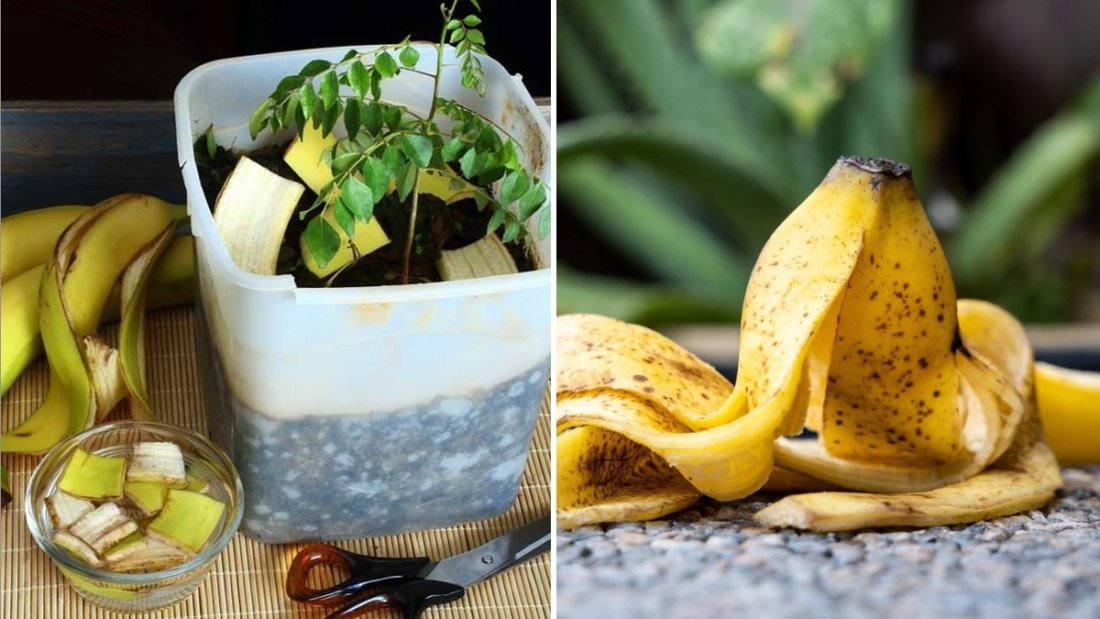
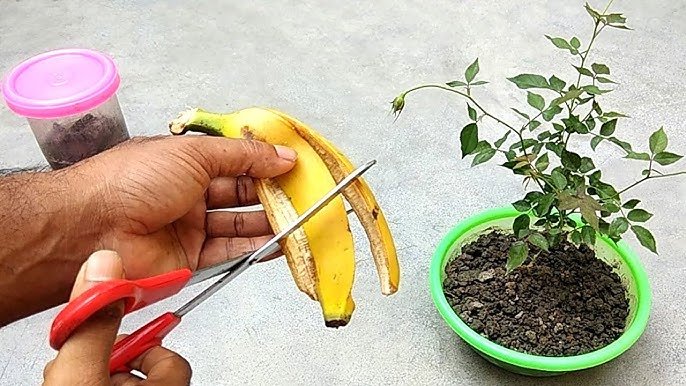
1. Fresh Banana Peels

  • Simply cut the peel into small pieces.
  • Bury them a few inches deep into the soil near the plant’s roots.
  • This allows nutrients to gradually leach into the soil as the peel decomposes.

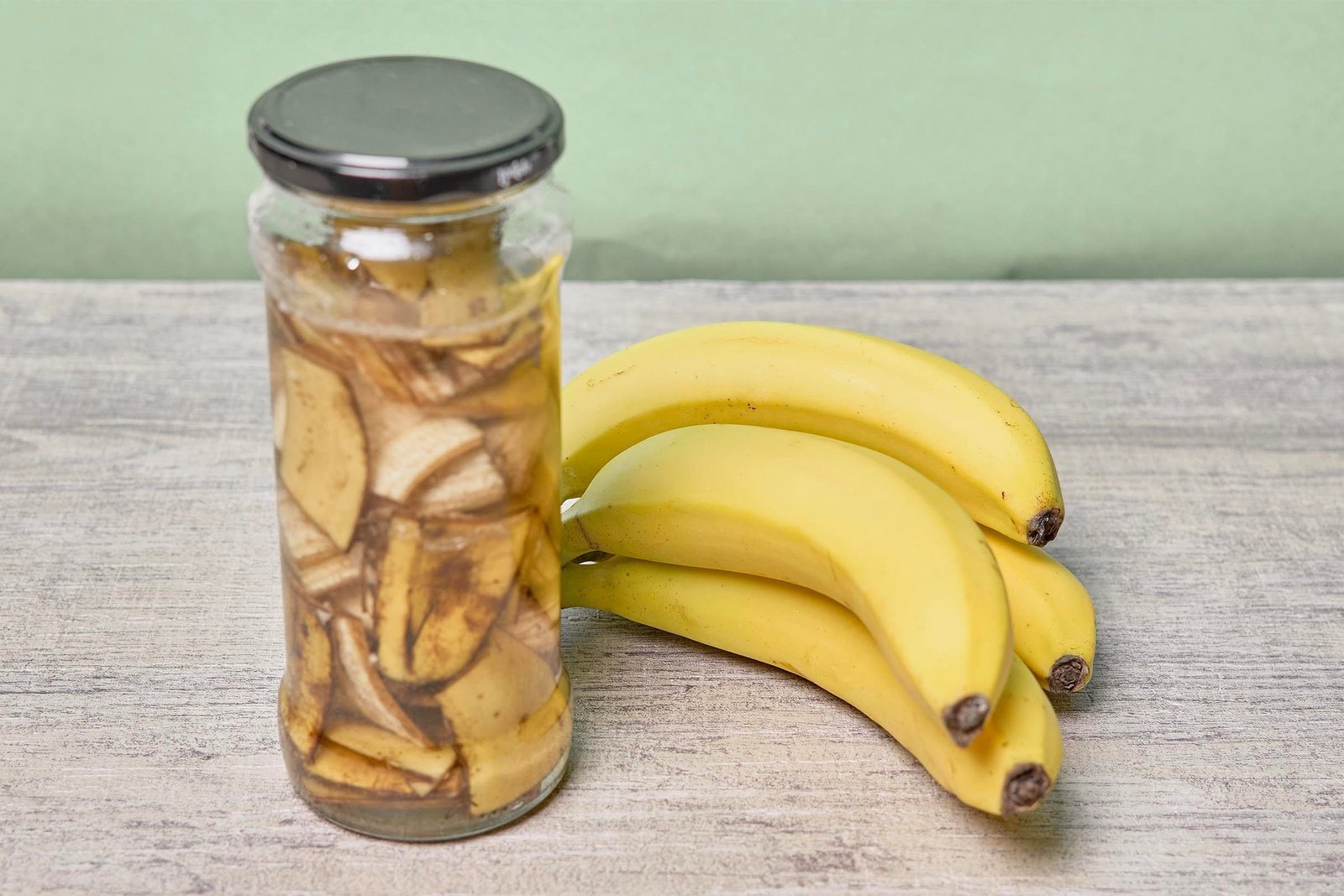
2. Banana Peel Tea

  • Chop 1–2 banana peels and soak them in 2–4 cups of water for 24–48 hours.
  • Use the liquid to water plants.
  • Provides a quick nutrient boost and is easier to apply to multiple plants.

3. Dried Banana Peels

  • Dry peels in the sun or in a low-temperature oven.
  • Grind into a powder using a blender or mortar.
  • Sprinkle around the base of plants or mix with potting soil.
  • Powdered form reduces odor and decomposes more slowly for gradual nutrient release.

Tip: Always avoid peels with mold or rot, as they may introduce harmful fungi to the soil.


Step 2: Using Banana Peels for Indoor Plants

Banana peels are ideal for houseplants, herbs, and container plants.

Methods:

  1. Direct Burial:
    • Cut peel into small pieces and bury under 1–2 inches of soil in the pot.
    • Best for slow-growing houseplants like ficus or peace lilies.
  2. Banana Peel Tea:
    • Use the liquid to water the plant once every 2–3 weeks.
    • Works well for plants that need frequent hydration and nutrient boosts.
  3. Compost Mix:
    • Chop banana peels and add them to indoor compost bins.
    • Combine with coffee grounds and eggshells for balanced nutrients.

Tips:

  • Rotate which plants receive peels to avoid over-fertilization.
  • Avoid placing large peel pieces on the soil surface, as they may attract fruit flies.

Step 3: Using Banana Peels for Outdoor Plants

Outdoor gardens, including vegetables, flowers, and fruiting plants, benefit significantly from banana peels.

Vegetable Gardens

  • Tomatoes, Peppers, and Eggplants: Bury small pieces near the root zone to prevent blossom end rot and promote fruiting.
  • Leafy Greens: Banana peel tea can provide a nitrogen and potassium boost for lush, healthy leaves.

Flowering Plants

  • Roses, Marigolds, and Geraniums: Use banana peel powder or bury peels around the base to improve flowering and vibrant colors.

Trees and Shrubs

  • Chop peels and mix into the mulch around trees to release nutrients gradually over time.

Tips:

  • Avoid overloading the soil with banana peels; too many can create excess moisture and attract pests.
  • Cover buried peels with soil to accelerate decomposition and prevent fruit flies.

Step 4: Combining Banana Peels with Other Organic Fertilizers

Banana peels work even better when combined with other natural amendments:

  • Compost: Add chopped banana peels to compost bins for a nutrient-rich mix.
  • Coffee Grounds: Mix with peels to provide nitrogen along with potassium and phosphorus.
  • Eggshells: Add calcium along with the potassium from peels for fruiting plants.
  • Worm Castings: Enhance microbial activity and nutrient absorption.

Tip: Combining organic materials creates a balanced fertilizer that supports overall soil health and plant growth.


Step 5: Precautions for Using Banana Peels

While banana peels are beneficial, some precautions are necessary:

  1. Avoid Direct Contact with Leaves: Banana peel juices can sometimes cause leaf burn in sensitive plants.
  2. Control Moisture: Excess moisture from decomposing peels can lead to root rot if not buried properly.
  3. Prevent Pest Attraction: Bury peels or turn them into tea to avoid fruit flies and ants.
  4. Moderation: Use peels sparingly; too much can alter soil pH and nutrient balance.

Step 6: Benefits of Using Banana Peels

  1. Eco-Friendly: Reduces kitchen waste and lowers the need for chemical fertilizers.
  2. Nutrient-Rich: Provides potassium, phosphorus, calcium, and magnesium naturally.
  3. Cost-Effective: Free fertilizer using materials already in your kitchen.
  4. Improves Soil Health: Encourages microbial activity and enhances organic matter.
  5. Enhances Flowering and Fruiting: Boosts plant growth, root development, and yields.

Step 7: Tips for Maximum Effectiveness

  • Chop or blend peels to accelerate decomposition.
  • Use a banana peel every 2–4 weeks depending on plant size and soil quality.
  • Combine with watering and sunlight optimization for best results.
  • Observe plants for signs of nutrient deficiency or over-fertilization.
  • Store extra peels in the fridge for up to a week or freeze for longer-term use.

Step 8: Creative Uses Beyond Fertilizing

  • Pest Deterrent: Some gardeners place peels around plants to deter aphids and rabbits.
  • Seedling Boost: Banana peel tea can help seedlings develop strong roots.
  • Mulch Ingredient: Mix peels with shredded leaves or straw to create organic mulch.
  • Compost Accelerator: High potassium content speeds up decomposition of other organic matter.

Step 9: Sustainable Gardening with Banana Peels

Incorporating banana peels into gardening routines promotes sustainability and eco-conscious practices:

  • Reduces food waste by repurposing peels.
  • Eliminates the need for chemical fertilizers.
  • Supports soil health and encourages biodiversity in the garden.
  • Cost-effective, especially for urban gardeners or balcony gardeners.

Tip: Small steps like using banana peels regularly can make a big difference over time for your garden’s productivity and environmental impact.


Step 10: Final Thoughts

Banana peels are a versatile, nutrient-packed tool for gardeners of all levels. Whether used as fresh chunks, powdered fertilizer, or banana peel tea, they offer an eco-friendly, cost-effective, and safe way to improve plant growth.

By following proper preparation methods, applying them carefully, and combining them with other natural fertilizers, banana peels can:

  • Enhance root development
  • Promote flowering and fruiting
  • Strengthen overall plant health
  • Reduce the need for chemical fertilizers

The beauty of banana peels lies in their simplicity and accessibility. By turning kitchen scraps into garden gold, you can grow healthier, more productive plants while reducing waste.

Whether you’re tending to indoor houseplants, a vegetable garden, or flowering shrubs, banana peels provide a sustainable and effective boost for your plants. Start incorporating them today and watch your garden flourish naturally!

How to Start a Balcony Garden from Scratch

How to Start a Balcony Garden from Scratch

Balcony gardening has become a popular way to bring greenery into urban spaces. Even if you don’t have a backyard, a small balcony can be transformed into a lush, productive, and visually appealing garden. Balcony gardens are perfect for growing flowers, herbs, vegetables, and even small fruiting plants while maximizing limited space.

Starting from scratch might seem daunting, but with careful planning, the right tools, and smart plant selection, you can create a thriving balcony garden. This guide will walk you through how to start a balcony garden from scratch, covering everything from design and container selection to soil, watering, and maintenance.


Step 1: Assess Your Space and Conditions

Before planting, it’s essential to understand your balcony’s environmental conditions:

  1. Sunlight: Determine how many hours of sunlight your balcony receives.
    • Full Sun: 6+ hours of direct sunlight; ideal for vegetables and sun-loving flowers.
    • Partial Sun: 3–6 hours of sunlight; suited for leafy greens, herbs, and shade-tolerant plants.
    • Shade: Less than 3 hours of direct sunlight; best for ferns, ivy, and certain flowering plants.
  2. Weight Limitations: Check the balcony’s load-bearing capacity. Heavy soil and pots can add significant weight.
  3. Wind and Exposure: Balconies are often windy; windbreaks or plant positioning can protect delicate plants.

Tip: Observe your balcony at different times of day to see which areas are sunny, shaded, or sheltered from wind.


Step 2: Plan Your Balcony Garden Layout

A clear plan helps maximize space and accessibility:

  • Vertical Gardening: Use wall-mounted planters, hanging baskets, and trellises to save floor space.
  • Tiered Stands: Multi-level plant stands allow you to fit more plants in a compact area.
  • Rail Planters: Attach planters to the balcony railing for extra planting space.
  • Containers: Arrange pots in clusters for visual appeal while allowing for growth.

Tip: Sketch a layout including plant types, sunlight needs, and water access for better organization.


Step 3: Choose the Right Containers

Selecting the right containers is crucial for plant health and growth:

  1. Material Options:
    • Plastic Pots: Lightweight, affordable, and retain moisture well.
    • Terracotta Pots: Porous, allow aeration, but dry out faster.
    • Fabric Grow Bags: Promote healthy root growth and drainage.
    • Wooden Boxes: Aesthetic, can hold larger plants, but may need lining to prevent rot.
  2. Size Considerations:
    • Choose pots large enough for roots to grow freely.
    • For vegetables, deeper pots are needed for root development (8–12 inches minimum).
  3. Drainage:
    • Ensure containers have drainage holes to prevent waterlogging.
    • Use saucers to catch excess water and protect balcony flooring.

Tip: Mix and match container types for visual appeal and functionality.


Step 4: Select the Right Plants

Balcony gardens are ideal for flowers, herbs, vegetables, and small fruiting plants:

Herbs

  • Basil, mint, rosemary, thyme, coriander, and chives.
  • Require moderate sunlight and well-draining soil.

Vegetables

  • Leafy greens like spinach, lettuce, and kale.
  • Tomatoes, peppers, radishes, and dwarf beans can thrive in large containers.

Flowers

  • Marigolds, petunias, pansies, geraniums, and impatiens.
  • Adds color and attracts pollinators if grown outdoors.

Small Fruit Plants

  • Strawberries, dwarf citrus trees, and cherry tomatoes.
  • Require more sunlight and larger pots for root space.

Tip: Start with easy-to-grow plants suited to your balcony’s light conditions. You can expand variety as you gain experience.


Step 5: Choose the Right Soil

Using the correct soil mix ensures healthy growth:

  • Potting Mix: Lightweight, well-draining, and nutrient-rich; perfect for containers.
  • Compost: Adds nutrients and improves soil structure.
  • Perlite or Vermiculite: Improves aeration and drainage, preventing root rot.

Tip: Avoid using garden soil alone, as it can compact in pots and harbor pests or diseases.


Step 6: Planting Your Balcony Garden

  1. Fill containers with soil mix, leaving 1–2 inches from the rim.
  2. Place seedlings or seeds according to recommended spacing.
  3. Gently press soil around roots and water thoroughly.
  4. Add mulch to retain moisture and reduce evaporation.

Tip: Start with small plants or seedlings for quicker results, especially if you’re new to gardening.


Step 7: Watering and Fertilization

Watering

  • Container plants dry out faster than in-ground plants.
  • Water when the top inch of soil feels dry.
  • Water at the base, avoiding wetting leaves to prevent fungal diseases.

Fertilization

  • Use organic fertilizers like compost, worm castings, or liquid seaweed extract.
  • Feed vegetables and flowering plants every 2–3 weeks during the growing season.

Tip: Self-watering containers or drip irrigation can save time and maintain consistent moisture.


Step 8: Sunlight and Positioning

  • Rotate containers periodically for even growth.
  • Place sun-loving plants where they receive maximum sunlight.
  • Shade-tolerant plants can fill corners or lower levels of tiered stands.

Tip: Use reflective surfaces (mirrors or light-colored walls) to increase sunlight exposure in shaded areas.


Step 9: Pest and Disease Management

Even balcony gardens are susceptible to pests and diseases:

  • Common Pests: Aphids, whiteflies, spider mites, and snails.
  • Organic Pest Control: Neem oil, insecticidal soap, or manual removal.
  • Disease Prevention: Avoid overwatering, ensure good air circulation, and remove diseased leaves promptly.

Tip: Companion planting (e.g., marigolds with tomatoes) can naturally deter pests.


Step 10: Maintenance Tips

  1. Pruning and Pinching: Remove dead leaves and prune overcrowded growth for better air circulation.
  2. Support Plants: Use stakes, trellises, or cages for vining plants like tomatoes or beans.
  3. Regular Observation: Check plants daily for pests, nutrient deficiencies, or water stress.
  4. Seasonal Adjustments: Move containers or use shade cloth in extreme heat; protect from frost in winter.

Tip: Keep a small gardening journal to track watering, fertilization, and growth progress.


Step 11: Creative Enhancements

  • Vertical Walls: Add trellis walls with climbers like ivy or beans for privacy and greenery.
  • Hanging Planters: Ideal for trailing flowers or herbs to save floor space.
  • Decorative Pots: Use colorful or uniquely shaped pots to enhance aesthetics.
  • Lighting: Fairy lights or solar lamps can make the balcony garden visually appealing at night.

Tip: Integrate functional and decorative elements for a balanced, inviting balcony garden.


Benefits of a Balcony Garden

  1. Fresh Produce: Grow your own herbs, vegetables, and fruits.
  2. Mental Well-being: Gardening reduces stress and boosts mood.
  3. Aesthetic Appeal: Adds color, texture, and life to urban spaces.
  4. Environmental Impact: Helps purify air and attract pollinators.
  5. Learning Opportunity: Teaches patience, responsibility, and gardening skills.

Final Thoughts

Starting a balcony garden from scratch is rewarding and achievable, even in small urban spaces. By assessing your space, planning layout, selecting suitable containers and plants, and maintaining proper care, you can create a thriving garden that provides both beauty and sustenance.

A balcony garden is not just a collection of plants—it’s a personal sanctuary where you can relax, experiment, and enjoy the satisfaction of growing your own greenery. With patience, observation, and consistent care, even beginners can transform a bare balcony into a lush, productive, and stunning garden.

Remember: Start small, choose plants suited to your environment, and gradually expand your garden as you gain experience. In no time, your balcony will flourish into a vibrant urban oasis, providing fresh produce, flowers, and a refreshing connection to nature.