Garlic Chives The Flavor-Packed Herb Every American Home Cook Should Know

Garlic Chives The Flavor-Packed Herb Every American Home Cook Should Know

In the world of herbs, garlic chives are the hidden gem that can completely transform your cooking. With their mild garlic flavor, beautiful green leaves, and impressive health benefits, garlic chives have become a rising favorite among chefs and home cooks across America.

Unlike regular chives, which have a delicate onion taste, garlic chives deliver a gentle garlic kick that enhances everything from stir-fries and soups to scrambled eggs and grilled meats. They’re a low-maintenance, easy-to-grow herb that adds both flavor and nutrition to your everyday meals.

Whether you’re a passionate foodie or simply want to make your dishes taste fresher and more vibrant, garlic chives deserve a permanent place in your kitchen and garden.

Let’s dive into the world of garlic chives—their origins, benefits, growing tips, and mouthwatering ways to use them in American-style cooking.


What Are Garlic Chives?

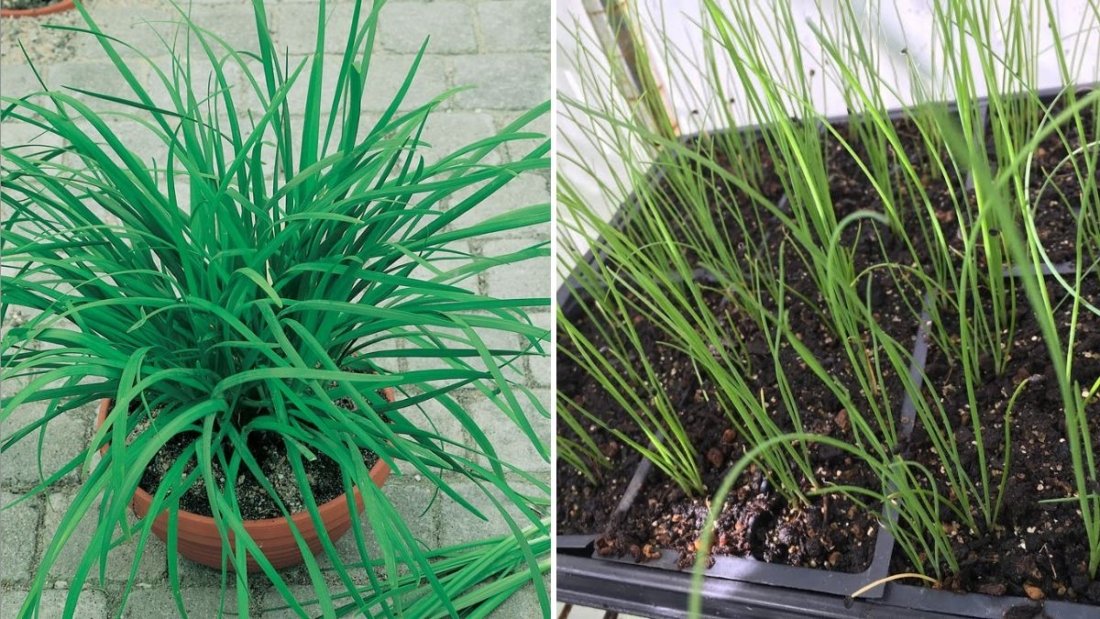
Garlic chives (Allium tuberosum), also known as Chinese chives or Oriental garlic, are a close relative of onions, leeks, and regular chives. Native to East Asia, they have long, flat green leaves with a mild garlic aroma and flavor.

While traditional chives are round and taste more like onions, garlic chives have:

  • Flat, grass-like leaves
  • A subtle garlic flavor (not as strong as raw garlic)
  • White, star-shaped edible flowers

Every part of the plant—leaves, buds, and flowers—is edible. Their versatility makes them a fantastic addition to both Asian-inspired dishes and modern American cuisine.


Garlic Chives vs. Regular Chives

FeatureGarlic ChivesRegular Chives
FlavorMild garlicMild onion
Leaf ShapeFlat and wideRound and hollow
Flower ColorWhitePurple
Best ForStir-fries, soups, saucesSalads, baked potatoes, dips
Common UseCooked or freshMostly fresh as garnish

Both herbs are aromatic and healthy, but garlic chives bring a deeper, more savory flavor that works beautifully in hot dishes, marinades, and sauces.


Nutritional Value of Garlic Chives

Don’t underestimate these slender greens—they’re packed with essential vitamins and minerals that make them a smart addition to any healthy diet.

A 100-gram serving of fresh garlic chives provides:

  • Calories: 30
  • Fiber: 2.5 g
  • Vitamin C: 60 mg (100% of daily requirement)
  • Vitamin A: 3500 IU (70% of daily requirement)
  • Vitamin K: 210 µg (175% of daily requirement)
  • Folate, Calcium, Iron, and Potassium in smaller but significant amounts

They are also rich in antioxidants, especially flavonoids and allicin, known for supporting heart health and boosting immunity.


Health Benefits of Garlic Chives
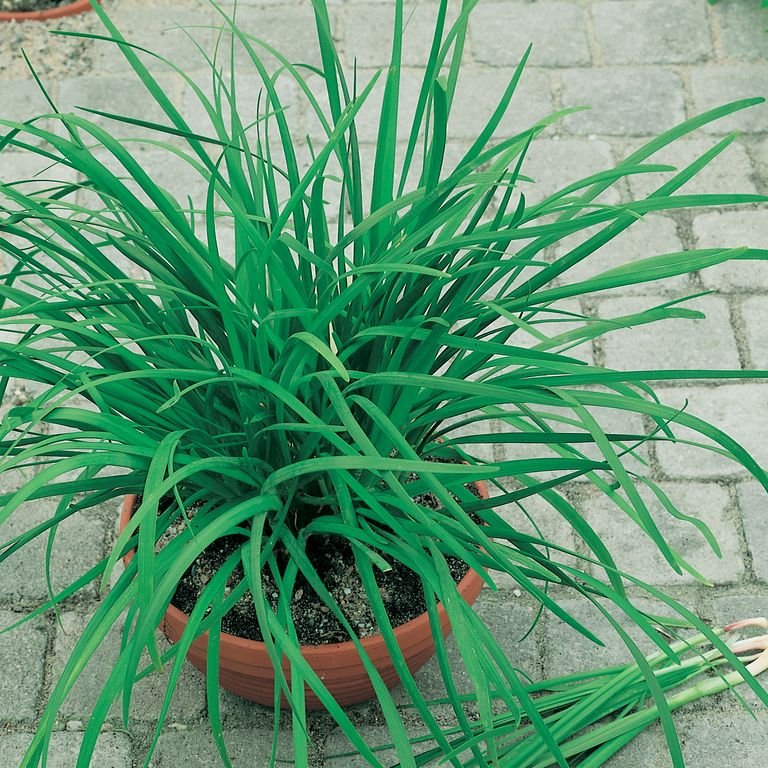
Garlic chives are not just a culinary delight—they’re also a nutritional powerhouse with plenty of wellness benefits.

1. Boosts Immunity

High in vitamin C and antioxidants, garlic chives help strengthen your immune system and fight off common colds and infections.

2. Promotes Heart Health

The presence of allicin (the same compound found in garlic) can help reduce bad cholesterol and regulate blood pressure, keeping your heart healthy.

3. Supports Bone Strength

Garlic chives are loaded with vitamin K, which plays a key role in maintaining strong bones and preventing bone loss.

4. Improves Digestion

Their natural fiber content promotes healthy digestion and supports a balanced gut microbiome.

5. Acts as a Natural Detoxifier

The chlorophyll and sulfur compounds in garlic chives help flush out toxins and purify the blood.

6. May Support Eye Health

With high levels of vitamin A and beta-carotene, garlic chives help protect your eyes from age-related vision problems.


Growing Garlic Chives at Home
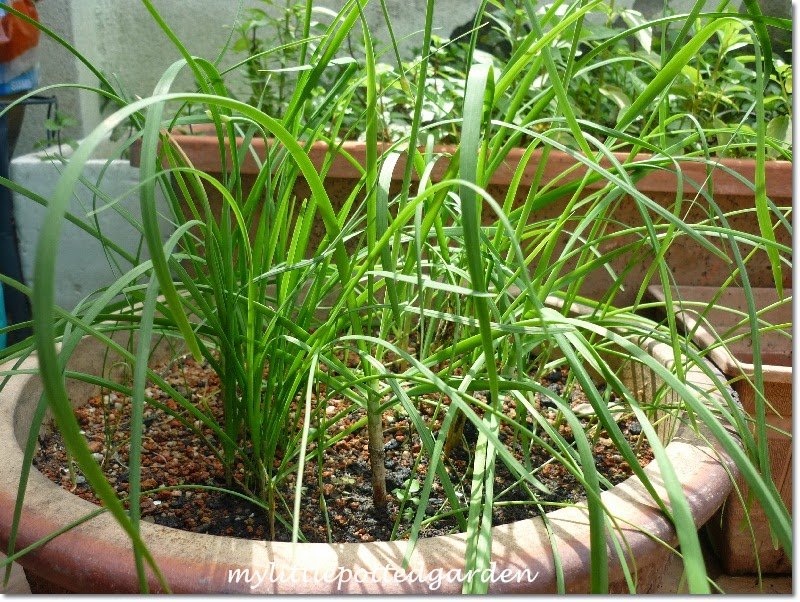
One of the best parts about garlic chives is how easy they are to grow, even if you’re new to gardening.

Here’s how to grow them successfully:

  1. Choose the Right Spot:
    Garlic chives love full sun but can also tolerate partial shade.
  2. Soil:
    They prefer well-draining, fertile soil enriched with compost.
  3. Planting:
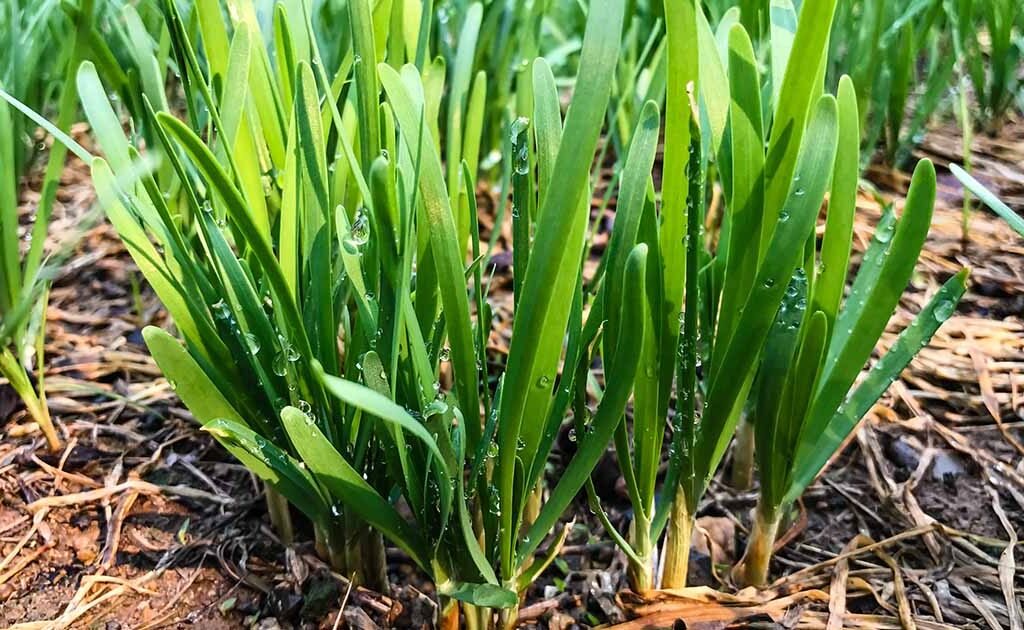
    Sow seeds or plant small clumps in early spring. Space them about 6 inches apart.
  4. Watering:
    Keep the soil evenly moist, especially during dry spells.
  5. Harvesting:
    Cut the leaves about 1 inch above the base when they reach 8–10 inches tall. They’ll regrow quickly for continuous harvests.

Garlic chives are perennial plants, meaning they’ll return every spring, giving you years of fresh harvest with minimal effort.


Storing and Preserving Garlic Chives
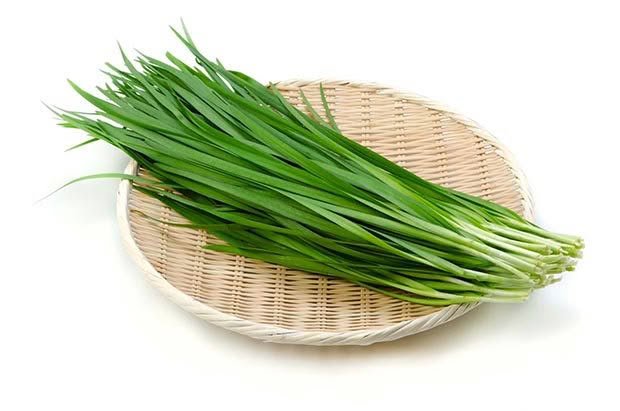
Once harvested or purchased, proper storage keeps garlic chives flavorful for longer.

  • Refrigeration: Wrap them in a damp paper towel and place inside a plastic bag. They’ll stay fresh for up to a week.
  • Freezing: Chop and store in airtight containers or ice cube trays filled with olive oil. Perfect for adding directly into soups and stir-fries.
  • Drying: You can also air-dry them, but note that drying reduces their potent aroma.

How to Use Garlic Chives in Cooking

Garlic chives can be used much like regular garlic or chives—but with a milder, more delicate touch. Their subtle yet savory flavor pairs perfectly with eggs, noodles, meats, seafood, and vegetables.

Here are some delicious ways to use garlic chives in your cooking:

1. Garlic Chive Stir-Fry

Sauté garlic chives with tofu, shrimp, or chicken for a quick, flavorful meal. Add soy sauce and sesame oil for an Asian-inspired twist.

2. Garlic Chive Pancakes (Savory Crepes)

A popular Korean and Chinese dish, these crispy pancakes are made by mixing chopped garlic chives with flour, water, and egg—then pan-fried until golden.

3. Scrambled Eggs with Garlic Chives

Add finely chopped garlic chives to scrambled eggs or omelets for a mild garlic kick that pairs beautifully with cheese and veggies.

4. Garlic Chive Butter

Mix softened butter with minced garlic chives, lemon zest, and salt. Use it to melt over steaks, corn, or baked potatoes.

5. Soups and Broths

Toss chopped garlic chives into chicken or vegetable soups just before serving. They add aroma and freshness without overpowering the dish.

6. Garlic Chive Pesto

Blend garlic chives with olive oil, nuts, and Parmesan cheese for a unique twist on traditional basil pesto. Perfect for pasta or as a sandwich spread.

7. Garnish for American Dishes

Sprinkle fresh garlic chives on mashed potatoes, grilled salmon, deviled eggs, or roasted vegetables for a pop of flavor and color.


Cooking Tips for Garlic Chives
  • Add at the end of cooking: To preserve their fresh flavor, stir in garlic chives right before serving.
  • Don’t overcook: Prolonged heat can make them lose their delicate aroma.
  • Pair with mild ingredients: Their subtle flavor works best with eggs, noodles, seafood, and creamy sauces.
  • Use the flowers: The white blossoms are edible and make a beautiful garnish for salads or cocktails.

Garlic Chives in American Cuisine

Garlic chives have gained tremendous popularity in American kitchens due to their fusion-friendly flavor. They perfectly blend the essence of garlic with the freshness of herbs, making them a natural fit for both traditional and modern dishes.

You’ll now find garlic chives featured in:

  • Farm-to-table restaurant menus
  • Homegrown herb gardens
  • Fusion dishes like garlic chive mac and cheese or avocado toast
  • Grilled meats, marinades, and compound butters

They offer an easy way to add depth and sophistication to American comfort food while keeping it light and healthy.


Fun Facts About Garlic Chives

  • Ancient Roots: Garlic chives have been cultivated in China for over 2,000 years for both culinary and medicinal purposes.
  • Pollinator-Friendly: Their flowers attract bees and butterflies, making them great for home gardens.
  • Natural Pest Repellent: Garlic chives help keep insects away from nearby plants like roses and tomatoes.
  • Long-Lived Herb: Once planted, they can produce flavorful leaves for up to 10 years with minimal care.

Why Garlic Chives Deserve a Spot in Every Kitchen

Garlic chives are the perfect bridge between flavor and nutrition. Their gentle garlic taste, combined with their ease of use and health benefits, makes them one of the most underrated herbs in American cooking.

They can turn everyday dishes into restaurant-worthy meals, whether you’re whipping up a Sunday brunch, a family dinner, or a summer barbecue spread.

With their ability to enhance flavor naturally without adding calories or sodium, garlic chives are a must-have for anyone who loves fresh, vibrant cooking.


Conclusion

From their nutrient-rich profile to their irresistible flavor, garlic chives are more than just another herb—they’re a culinary game-changer. Easy to grow, endlessly versatile, and brimming with health benefits, they deserve a place next to your basil and parsley.

So, next time you’re planning a meal, reach for a handful of these flat, fragrant greens. Whether tossed into stir-fries, sprinkled over eggs, or blended into buttery spreads, garlic chives will bring your dishes to life—naturally, deliciously, and effortlessly.


Turmeric The Ultimate Guide to Health Benefits, Cooking Tips, and Flavorful American Recipes

Turmeric The Ultimate Guide to Health Benefits, Cooking Tips, and Flavorful American Recipes

Turmeric, often called the “golden spice,” is a vibrant, yellow-orange root known for its powerful health benefits, anti-inflammatory properties, and culinary versatility. While it has been a cornerstone of traditional medicine and cuisine in Asia for thousands of years, turmeric has recently become a staple ingredient in American kitchens, popular in smoothies, teas, curries, roasted vegetables, and wellness recipes.

This comprehensive guide will cover everything you need to know about turmeric, including its nutritional profile, health benefits, preparation tips, cooking methods, and creative ways to use it in modern American dishes.


What is Turmeric?

Turmeric (Curcuma longa) is a rhizome, similar to ginger, with a distinct yellow-orange color. It belongs to the ginger family (Zingiberaceae) and is prized for its earthy, slightly bitter flavor and warm aroma.

In its natural form, turmeric is a fresh root, but it is most commonly found in dried, powdered form in American kitchens. Turmeric pairs well with spices like black pepper, cumin, and coriander, as well as ingredients such as coconut milk, garlic, and lemon.

Pro Tip: Look for turmeric roots that are firm, smooth, and free from wrinkles. Fresh turmeric has a more potent flavor than powdered turmeric and can be stored in the fridge for several weeks.


Nutritional Benefits of Turmeric

Turmeric is low in calories yet packed with bioactive compounds, most notably curcumin, which provides many of its health benefits:

  • Curcumin: A powerful antioxidant and anti-inflammatory compound.
  • Manganese: Supports bone health and metabolism.
  • Iron: Essential for oxygen transport and energy production.
  • Vitamin B6: Important for brain health and metabolism.
  • Fiber: Promotes digestive health and satiety.

Pro Tip: Pair turmeric with black pepper to enhance the absorption of curcumin, maximizing its health benefits.


Health Benefits of Turmeric

  1. Reduces Inflammation: Curcumin targets inflammation at the molecular level, which may help with conditions like arthritis and joint pain.
  2. Boosts Immunity: Turmeric has antioxidant and antimicrobial properties that strengthen the immune system.
  3. Supports Heart Health: Curcumin may improve endothelial function, which helps regulate blood pressure and reduce the risk of heart disease.
  4. Promotes Digestive Wellness: Turmeric can aid digestion, soothe bloating, and support gut health.
  5. May Enhance Brain Function: Some studies suggest curcumin may improve cognitive function and reduce the risk of neurodegenerative diseases.

Pro Tip: Incorporating turmeric regularly into your diet is a simple way to support overall wellness and reduce chronic inflammation naturally.

How to Prepare Turmeric

Turmeric can be used fresh, dried, or powdered. Here’s how to prepare it for cooking:

  • Peel Fresh Turmeric: Use a spoon to remove the thin skin.
  • Grate or Slice: Ideal for teas, curries, marinades, and stir-fries.
  • Powder: Most common form for seasoning, smoothies, and golden milk.
  • Paste: Combine fresh or powdered turmeric with water and black pepper to create a paste for cooking or health shots.
  • Juice: Blend fresh turmeric with ginger, citrus, or coconut water for a nutrient-dense drink.

Pro Tip: Wear gloves when handling turmeric, as it can stain skin and surfaces.


Turmeric Recipes to Try

Here are some delicious and creative ways to use turmeric in American kitchens:

1. Golden Milk (Turmeric Latte)

  • Heat milk or plant-based milk with 1 teaspoon turmeric, a pinch of black pepper, cinnamon, and honey.

  • Stir and enjoy a warming, anti-inflammatory beverage.
2. Turmeric Roasted Vegetables

  • Toss carrots, cauliflower, or sweet potatoes with olive oil, turmeric, cumin, and salt.
  • Roast at 400°F for 25–30 minutes for a vibrant and flavorful side dish.

3. Turmeric Chicken or Tofu Stir-Fry

  • Sauté chicken or tofu with garlic, ginger, turmeric, and vegetables.
  • Add soy sauce or coconut milk for extra flavor.
  • Serve over rice or quinoa for a hearty, healthy meal.

4. Turmeric Smoothie

  • Blend frozen pineapple, banana, turmeric, ginger, and coconut water.
  • Add a pinch of black pepper to enhance curcumin absorption.
  • Enjoy a refreshing, nutrient-packed drink.

5. Turmeric Rice

  • Add 1 teaspoon turmeric and a pinch of salt to your cooking water for white or brown rice.
  • Cook as usual for a vibrantly colored, subtly flavored side dish.

Pro Tip: Turmeric pairs beautifully with ginger, garlic, black pepper, coconut milk, lemon, and cinnamon, making it versatile for both savory and sweet dishes.


Storage Tips for Turmeric

Proper storage keeps turmeric fresh, flavorful, and potent:

  • Fresh Turmeric: Store in the refrigerator in a paper bag or airtight container for up to 3 weeks.
  • Powdered Turmeric: Keep in a cool, dark, dry place, away from sunlight and moisture.
  • Turmeric Paste: Store in the refrigerator for 1–2 weeks or freeze in small portions for long-term use.

Pro Tip: Freeze fresh turmeric in small pieces or grated form for easy use in smoothies, soups, and sauces.


Why Turmeric is Popular in American Kitchens

Turmeric has become a superfood favorite in the U.S. for several reasons:

  • Health and Wellness Trends: Curcumin is highly praised for its anti-inflammatory and antioxidant properties.
  • Culinary Versatility: Used in teas, golden milk, curries, roasted vegetables, soups, and baked goods.
  • Vibrant Color and Flavor: Adds visual appeal and warmth to dishes.
  • Diet-Friendly: Works well in vegan, gluten-free, paleo, and low-calorie diets.
  • Fusion Cuisine: Perfect for modern American dishes with an international twist, from golden smoothies to spiced roasted veggies.

Pro Tip: Use turmeric to brighten meals visually and nutritionally while taking advantage of its immune-boosting benefits.


Fun Facts About Turmeric

  1. Turmeric has been used in Ayurvedic medicine for over 4,000 years.
  2. The bright yellow-orange pigment, curcumin, is used as a natural food coloring.
  3. Turmeric has been traditionally used to treat digestive issues, inflammation, and skin conditions.
  4. It pairs exceptionally well with black pepper, which improves absorption of curcumin by up to 2,000%.
  5. Turmeric is a popular ingredient in American wellness trends, including smoothies, teas, lattes, and health shots.

Conclusion: Why You Should Add Turmeric to Your Diet

Turmeric is a nutritious, versatile, and flavorful root that deserves a spot in every American kitchen. Its earthy, warm flavor and vibrant color make it perfect for teas, stir-fries, roasted vegetables, smoothies, and baked goods.

Incorporating turmeric into your meals provides:

  • Anti-inflammatory and antioxidant support for overall wellness.
  • Digestive and immune system benefits.
  • Culinary versatility for both sweet and savory dishes.
  • Diet-friendly options for gluten-free, vegan, or health-conscious diets.

Whether you’re exploring new flavors, boosting your health, or adding color to meals, turmeric is a delicious and powerful spice that can transform both your dishes and your well-being.


Ginger The Ultimate Guide to Health Benefits, Cooking Tips, and Delicious American-Friendly Recipes

Ginger The Ultimate Guide to Health Benefits, Cooking Tips, and Delicious American-Friendly Recipes

Ginger, a fragrant and zesty root, has been celebrated for centuries for its culinary versatility and remarkable health benefits. From warming teas and savory stir-fries to baked goods and marinades, ginger is a staple ingredient in both traditional medicine and modern kitchens. In the United States, ginger is increasingly popular among home cooks, health-conscious eaters, and food enthusiasts, thanks to its unique flavor and wellness properties.

This comprehensive guide will explore everything you need to know about ginger, including its nutritional benefits, medicinal properties, preparation tips, cooking methods, and creative recipes that fit seamlessly into American cuisine.


What is Ginger?

Ginger (Zingiber officinale) is a rhizome, or underground stem, characterized by its knobby appearance and brown skin. The flesh inside can be pale yellow, pinkish, or ivory in color. Its warm, peppery, and slightly sweet flavor makes it a versatile ingredient suitable for savory dishes, sweet desserts, beverages, and sauces.

Ginger is widely used across the globe, particularly in Asian, Caribbean, and Middle Eastern cuisines. In American kitchens, fresh and powdered ginger is employed to enhance flavors, add warmth, and support wellness.

Pro Tip: Choose ginger roots that are firm, plump, and smooth. Avoid roots that are wrinkled, moldy, or soft. Fresh ginger is more aromatic and flavorful than older or dried roots.


Nutritional Benefits of Ginger

Ginger is low in calories yet rich in bioactive compounds that provide significant health benefits:

  • Gingerol: The primary bioactive compound with antioxidant and anti-inflammatory properties.
  • Vitamin C: Boosts immunity and promotes skin health.
  • Magnesium: Supports bone health and metabolism.
  • Potassium: Helps regulate blood pressure and supports heart health.
  • Fiber: Promotes digestive wellness.

Pro Tip: Fresh ginger offers higher levels of bioactive compounds than powdered forms, though both are beneficial.


Health Benefits of Ginger

  1. Reduces Inflammation: Gingerol has strong anti-inflammatory properties, which may help with conditions like arthritis and muscle soreness.
  2. Supports Digestion: Ginger stimulates digestive enzymes, alleviates bloating, and reduces nausea.
  3. Boosts Immunity: Antioxidants in ginger help protect cells and support the immune system.
  4. Relieves Nausea: Effective for motion sickness, morning sickness, and post-surgery nausea.
  5. Supports Heart Health: May help reduce cholesterol levels and improve circulation.

Pro Tip: Incorporate ginger into your daily diet through teas, smoothies, or meals to maximize its health-promoting benefits.


How to Prepare Ginger

Ginger is incredibly versatile and can be used in fresh, dried, powdered, pickled, or candied forms. Here’s how to prepare it:

  • Peel: Use a spoon or vegetable peeler to remove the thin brown skin.
  • Grate: Ideal for sauces, dressings, or marinades.
  • Slice: Perfect for teas, stir-fries, and soups.
  • Chop: Works well in curries, baked goods, and sautés.
  • Juice: Blend fresh ginger with water or citrus for beverages.

Pro Tip: Freeze fresh ginger in an airtight container to prolong its shelf life. Frozen ginger is easier to grate directly from the freezer.


Ginger Recipes to Try

Here are some delicious ways to incorporate ginger into your American kitchen:

1. Ginger Tea

  • Slice fresh ginger and steep in hot water for 10–15 minutes.
  • Add honey or lemon for a soothing, immunity-boosting drink.

2. Ginger-Glazed Carrots

  • Sauté sliced carrots with butter, ginger, and brown sugar.
  • Cook until tender and lightly caramelized.
  • Perfect for a festive side dish.

3. Ginger Chicken Stir-Fry

  • Sauté chicken pieces with garlic, ginger, and vegetables.
  • Add soy sauce, sesame oil, and a touch of honey.
  • Serve over rice or noodles for a quick, flavorful dinner.

4. Gingerbread Cookies

  • Mix ground ginger with cinnamon, nutmeg, flour, butter, and sugar.
  • Bake until soft or crisp.
  • A perfect holiday treat for families and parties.

5. Ginger Smoothie

  • Blend fresh ginger with banana, pineapple, spinach, and almond milk.
  • Add a touch of honey or coconut water for sweetness and hydration.
  • Enjoy a refreshing, metabolism-boosting drink.

Pro Tip: Fresh ginger pairs beautifully with garlic, soy sauce, honey, citrus, cinnamon, and nutmeg, making it ideal for both savory and sweet recipes.


Storage Tips for Ginger

Proper storage ensures ginger stays fresh, flavorful, and potent:

  • Store fresh ginger in the refrigerator in a paper bag for up to 3 weeks.
  • Freeze peeled or unpeeled ginger in an airtight container for 3–6 months.
  • Dried or powdered ginger should be kept in a cool, dark, dry place, away from sunlight.
  • Pickled or candied ginger can be stored in sealed jars in the refrigerator for several months.

Pro Tip: Keep a small piece of fresh ginger in your freezer for quick use in teas, soups, or stir-fries.


Why Ginger is Popular in American Kitchens

Ginger’s popularity in the U.S. continues to grow due to:

  • Health Trends: Recognized for its anti-inflammatory, antioxidant, and digestive properties.
  • Culinary Versatility: Suitable for teas, marinades, sauces, baked goods, and beverages.
  • Unique Flavor Profile: Adds warmth, zest, and aromatic complexity to dishes.
  • Fusion Cuisine: Perfect for Asian-American recipes, wellness drinks, and seasonal treats.
  • Diet-Friendly: Works in vegan, gluten-free, paleo, and low-calorie diets.

Pro Tip: Use ginger creatively in smoothie bowls, roasted vegetables, baked goods, soups, and marinades for a nutritious flavor boost.


Fun Facts About Ginger

  1. Ginger has been used for over 5,000 years for both culinary and medicinal purposes.
  2. It is native to Southeast Asia but is now cultivated worldwide.
  3. Ginger can be used fresh, dried, powdered, pickled, or candied in recipes.
  4. It has been traditionally used to treat digestive issues, colds, flu, and nausea.
  5. Ginger pairs exceptionally well with garlic, citrus, honey, soy sauce, cinnamon, and nutmeg.

Conclusion: Why You Should Add Ginger to Your Diet

Ginger is a nutritious, versatile, and flavorful root that should have a place in every American kitchen. Its zesty, warming flavor and impressive health benefits make it perfect for teas, stir-fries, baked goods, smoothies, and sauces.

Adding ginger to your meals provides:

  • Antioxidant and anti-inflammatory support for overall wellness.
  • Digestive and immune system benefits.
  • Culinary versatility for both sweet and savory dishes.
  • Diet-friendly options for gluten-free, vegan, or low-calorie eating plans.

Whether you’re boosting immunity, exploring international flavors, or adding zest to everyday meals, ginger is a delicious and health-promoting root worth incorporating into your diet.

Cassava: The Complete Guide to Nutrition, Cooking Tips, and Delicious American-Friendly Recipes

Cassava: The Complete Guide to Nutrition, Cooking Tips, and Delicious American-Friendly Recipes

Cassava, also known as yuca or manioc, is a starchy root vegetable that has been a staple in diets across Africa, South America, and Asia for centuries. Known for its mild flavor, dense texture, and versatility, cassava is now gaining popularity in American kitchens due to its nutritional benefits, gluten-free properties, and culinary flexibility.

This guide will cover everything you need to know about cassava: its health benefits, preparation tips, cooking methods, and delicious recipes that fit modern American lifestyles.


What is Cassava?

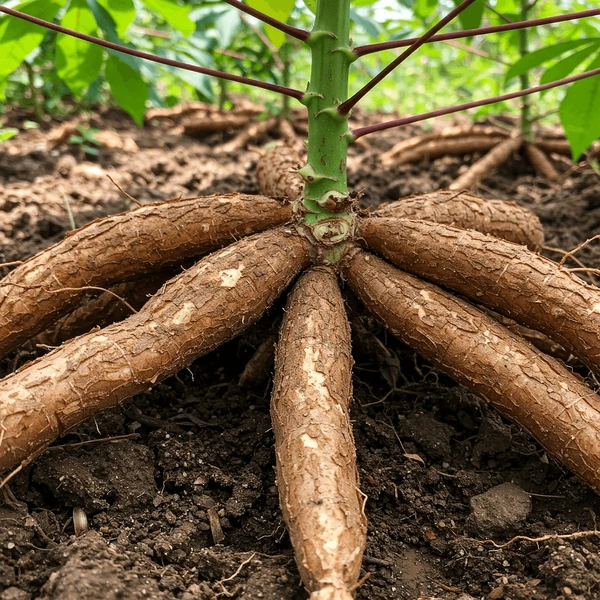
Cassava is a tuberous root vegetable that can grow up to 3 feet long and has a rough brown skin with white or yellow flesh inside. It is naturally high in starch and low in fat, making it an excellent source of sustained energy.

Despite its tough exterior, cassava is extremely versatile in cooking. It can be boiled, fried, roasted, mashed, or ground into flour for gluten-free baked goods. Cassava is often confused with yams in the United States, but they are distinct vegetables with different textures and flavors.

Pro Tip: Choose cassava roots that are firm, free from cracks or mold, and heavy for their size. Avoid soft or discolored roots, which may be past their prime.


Nutritional Benefits of Cassava

Cassava is more than just a starchy root; it is nutrient-dense and can be a valuable addition to a balanced diet:

  • High in Carbohydrates: Provides long-lasting energy for active lifestyles.
  • Low in Fat: Makes it suitable for heart-healthy diets.
  • Vitamin C: Supports immunity and skin health.
  • Potassium: Helps regulate blood pressure and maintain heart function.
  • Dietary Fiber: Promotes digestive health and satiety.
  • Gluten-Free: Ideal for those with celiac disease or gluten sensitivities.

Pro Tip: Boiling or steaming cassava preserves its nutrients better than deep frying, though fried cassava is still a beloved treat in many cultures.


Health Benefits of Cassava

  1. Supports Digestive Health: Cassava contains fiber, aiding in digestion and preventing constipation.
  2. Boosts Immunity: Vitamin C content helps strengthen the immune system.
  3. Provides Sustained Energy: Its complex carbohydrates are digested slowly, helping maintain stable blood sugar levels.
  4. Supports Heart Health: Fiber and potassium help reduce cholesterol levels and maintain healthy blood pressure.
  5. Gluten-Free Alternative: Cassava flour can replace wheat in baking and cooking, making it perfect for gluten-sensitive diets.

Pro Tip: Cassava contains cyanogenic compounds, which are toxic if eaten raw. Always cook cassava thoroughly before consumption.


How to Prepare Cassava

Proper preparation is essential for safe and delicious cassava dishes:

  • Peel Thoroughly: Use a sharp knife or vegetable peeler to remove the thick, brown outer skin and the pinkish inner layer.
  • Boil: Cut cassava into chunks and boil in water for 20–30 minutes until soft.
  • Steam: Steaming is another healthy option that preserves nutrients.
  • Fry: Slice cassava into sticks for fries or wedges for a crispy snack.
  • Mash: Boiled cassava can be mashed with butter or coconut milk as a side dish alternative to potatoes.
  • Bake: Use cassava flour for bread, pancakes, or cookies.

Pro Tip: Always discard the peel and cook thoroughly, as raw cassava contains natural toxins.


Cassava Recipes to Try

Here are some delicious ways to enjoy cassava in your American kitchen:

1. Boiled Cassava with Garlic Butter

  • Peel and cut cassava into chunks.
  • Boil until soft, drain, and toss with garlic butter.
  • Serve as a side dish with grilled meats or roasted vegetables.

2. Cassava Fries

  • Slice peeled cassava into sticks, toss with olive oil, salt, and paprika.
  • Bake or deep fry until golden brown and crispy.
  • Serve with your favorite dipping sauce.

3. Mashed Cassava

  • Boil cassava until tender, mash with butter, coconut milk, and a pinch of salt.
  • Optional: Add roasted garlic or herbs for extra flavor.

4. Cassava Flour Pancakes

  • Use cassava flour as a gluten-free alternative in pancake batter.
  • Mix with milk, eggs, and a touch of vanilla.
  • Cook on a non-stick skillet until golden brown.

5. Cassava Soup

  • Sauté onions, garlic, and diced cassava in a pot.
  • Add vegetable or chicken broth and simmer until cassava is soft.
  • Blend for a creamy soup, or leave chunky for a rustic texture.

Pro Tip: Cassava pairs beautifully with coconut milk, garlic, ginger, lime, and spices like cumin or paprika.


Storage Tips for Cassava

Proper storage keeps cassava fresh and safe to eat:

  • Store raw cassava in a cool, dry place for up to 1 week.
  • Refrigerate peeled cassava in an airtight container for 2–3 days.
  • Boiled or cooked cassava can be stored in the fridge for 3–4 days or frozen for up to 3 months.
  • Avoid storing near ethylene-producing fruits like apples or bananas, as it may accelerate spoilage.

Pro Tip: For longer storage, consider freezing boiled cassava chunks to use later in soups or mashes.


Why Cassava is Gaining Popularity in American Kitchens

Cassava is becoming more popular in the U.S. because of:

  • Gluten-Free Trend: Perfect for baking and cooking without wheat.
  • Nutritional Value: Provides fiber, potassium, and vitamin C.
  • Versatility: Can be boiled, mashed, fried, or used as flour for breads and pastries.
  • Cultural Fusion: Increasingly featured in fusion cuisine, health-conscious meals, and comfort foods.
  • Satisfying Alternative: Offers a unique texture and flavor in snacks, sides, and main dishes.

Pro Tip: Use cassava creatively in grain bowls, roasted vegetable mixes, or gluten-free baking for nutritious and flavorful meals.


Fun Facts About Cassava

  1. Cassava is native to South America but is now grown in tropical and subtropical regions worldwide.
  2. It contains cyanogenic compounds that require thorough cooking to neutralize.
  3. Cassava flour is naturally gluten-free, making it popular in health-conscious and allergy-friendly recipes.
  4. Both the root and leaves are edible, but leaves must be cooked before eating.
  5. Cassava is a staple food for millions globally and is known for its versatility in both savory and sweet dishes.

Conclusion: Why You Should Add Cassava to Your Diet

Cassava is a nutritious, versatile, and delicious root vegetable that deserves a place in your kitchen. Its mild flavor, dense texture, and gluten-free properties make it perfect for boiling, roasting, frying, mashing, or baking.

Including cassava in your meals provides:

  • Fiber-rich, nutrient-packed nutrition for digestive health and overall wellness.
  • Culinary versatility for everyday meals and creative recipes.
  • Gluten-free options for those with dietary restrictions.

Whether you’re looking to explore new flavors, create healthy dishes, or add variety to your meals, cassava is a delicious and adaptable root vegetable that fits perfectly in modern American kitchens.

Sweet Potato The Ultimate Guide to Nutrition, Cooking Tips, and Delicious American Recipes

Sweet Potato The Ultimate Guide to Nutrition, Cooking Tips, and Delicious American Recipes

Sweet potato is one of the most beloved root vegetables in American kitchens, celebrated for its natural sweetness, vibrant color, and nutritional power. From classic baked sweet potatoes to savory fries, creamy soups, and healthy casseroles, this versatile tuber has earned a permanent spot on family dinner tables, holiday feasts, and everyday meals.

In this comprehensive guide, we’ll explore everything you need to know about sweet potatoes, including nutritional benefits, health perks, preparation tips, cooking methods, and mouthwatering recipes to elevate your culinary game.


What is a Sweet Potato?

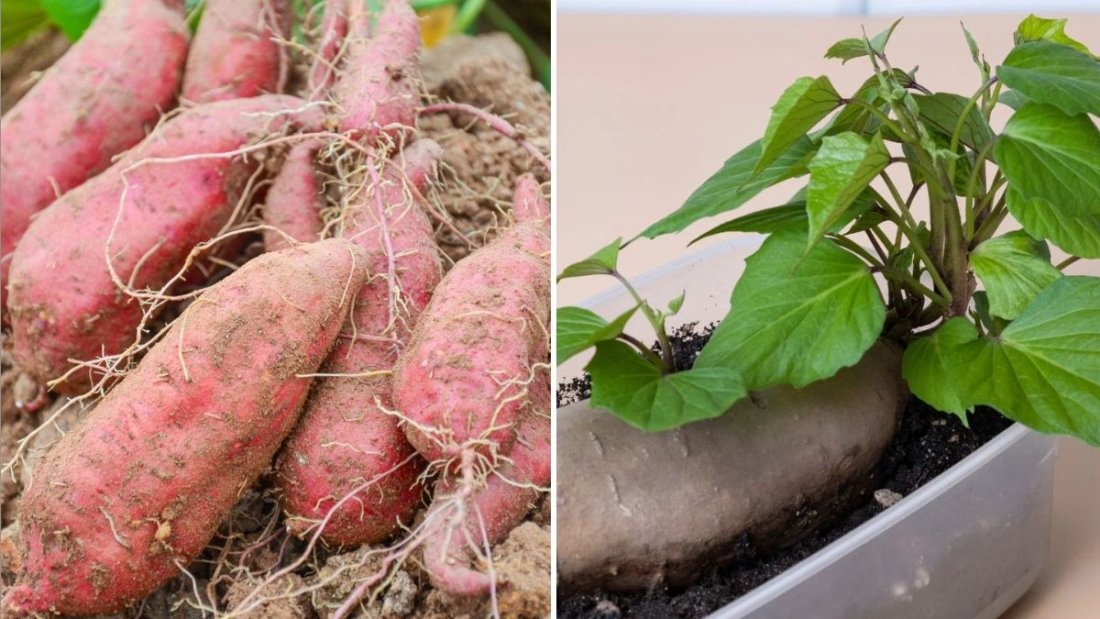
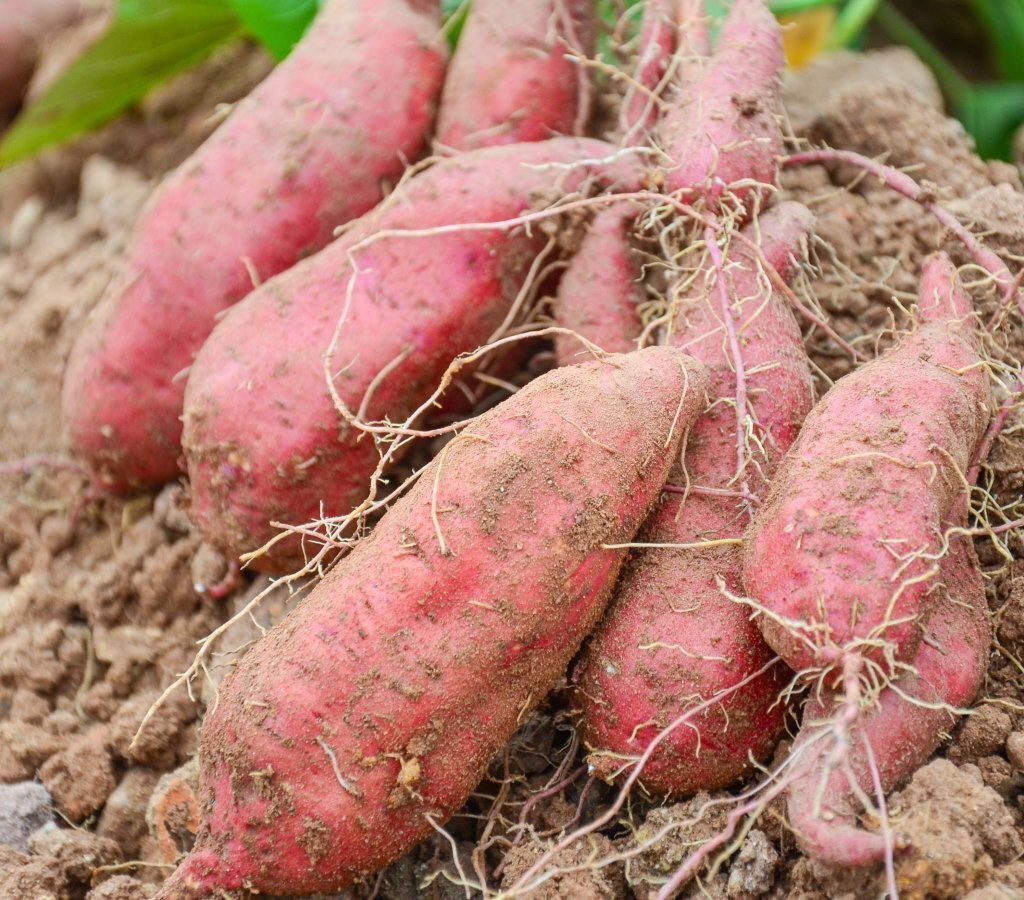
Sweet potato (Ipomoea batatas) is a starchy root vegetable native to Central and South America. Unlike regular potatoes, sweet potatoes are naturally sweet and come in varieties ranging from orange and yellow to purple and white.

Sweet potatoes are widely used in American cuisine due to their versatility and robust nutritional profile. Whether roasted, mashed, baked, or incorporated into pies and casseroles, sweet potatoes add texture, flavor, and color to countless dishes.

Pro Tip: Look for sweet potatoes that are firm, smooth, and free from cracks or soft spots. Smaller roots tend to cook more evenly and have a sweeter flavor.


Nutritional Benefits of Sweet Potatoes

Sweet potatoes are low in fat and high in essential nutrients, making them a healthy staple for any diet:

  • Vitamin A (Beta-Carotene): Supports eye health, immunity, and skin health.
  • Vitamin C: Boosts immunity and acts as an antioxidant.
  • Fiber: Promotes digestive health and satiety.
  • Potassium: Helps maintain healthy blood pressure.
  • Manganese: Supports metabolism and bone health.
  • Complex Carbohydrates: Provide steady energy without spiking blood sugar.

Pro Tip: The orange-fleshed varieties contain the highest levels of beta-carotene, while purple sweet potatoes are rich in antioxidants that support heart and brain health.


Health Benefits of Sweet Potatoes

  1. Supports Eye Health: High levels of beta-carotene convert to vitamin A, essential for vision and eye health.
  2. Boosts Immunity: Vitamins A and C strengthen the immune system and help fight infections.
  3. Promotes Heart Health: Fiber, potassium, and antioxidants contribute to cardiovascular wellness.
  4. Aids Digestion: Fiber content supports regularity and gut health.
  5. Supports Weight Management: Low-calorie and high-fiber properties help maintain fullness and control appetite.

Pro Tip: Sweet potatoes are naturally gluten-free and can be incorporated into low-carb, paleo, or diabetic-friendly recipes.


How to Prepare Sweet Potatoes

Sweet potatoes are extremely versatile and can be prepared in numerous ways:

  • Baked: Bake whole or cubed sweet potatoes in the oven until soft. Perfect for side dishes or stuffed potato recipes.
  • Mashed: Boil or steam, then mash with butter, cream, or coconut milk for a creamy, flavorful side.
  • Roasted: Toss cubed sweet potatoes with olive oil, salt, and spices for a caramelized, golden side dish.
  • Fried: Make sweet potato fries or chips for a crispy snack.
  • Soups and Stews: Puree cooked sweet potatoes to create creamy soups or hearty stews.
  • Desserts: Sweet potatoes can be used in pies, muffins, pancakes, and puddings.

Pro Tip: To enhance natural sweetness, roast or bake sweet potatoes rather than boiling, as dry heat caramelizes their sugars.


Sweet Potato Recipes to Try

Here are some delicious ways to use sweet potatoes:

1. Classic Baked Sweet Potatoes

  • Pierce whole sweet potatoes with a fork.
  • Bake at 400°F for 45–60 minutes until soft.
  • Serve with butter, cinnamon, or a drizzle of maple syrup.

2. Roasted Sweet Potato Cubes

  • Toss cubed sweet potatoes with olive oil, rosemary, salt, and pepper.
  • Roast at 425°F for 25–30 minutes until golden and caramelized.
  • Perfect as a side dish with meats or vegetables.

3. Sweet Potato Fries

  • Cut sweet potatoes into thin sticks.
  • Toss with olive oil, paprika, and salt.
  • Bake or air-fry until crispy. Serve with a dipping sauce.

4. Sweet Potato Soup

  • Sauté onions and garlic, add cubed sweet potatoes and vegetable broth.
  • Simmer until tender, then blend until creamy.
  • Season with nutmeg, cinnamon, or curry powder for a comforting meal.

5. Sweet Potato Casserole

  • Mash boiled sweet potatoes with butter and brown sugar.
  • Top with a mixture of pecans and oats.
  • Bake until golden for a holiday favorite side dish.

Pro Tip: Sweet potatoes pair well with cinnamon, nutmeg, ginger, garlic, rosemary, thyme, and coconut for both sweet and savory dishes.


Storage Tips for Sweet Potatoes

Proper storage keeps sweet potatoes fresh and flavorful:

  • Store in a cool, dry, and dark place—not in the refrigerator, as cold temperatures can alter their flavor.
  • Keep away from moisture to prevent mold and spoilage.
  • Use within 3–5 weeks for best texture and taste.
  • Cooked sweet potatoes can be stored in an airtight container in the refrigerator for 3–5 days or frozen for up to 3 months.

Pro Tip: Avoid storing sweet potatoes near ethylene-producing fruits like apples or bananas, as this can cause premature sprouting.


Why Sweet Potatoes are Popular in American Kitchens

Sweet potatoes are a beloved staple in American cuisine because of:

  • Versatility: Can be used in sweet or savory dishes, sides, mains, and desserts.
  • Nutritional Value: High in fiber, vitamins, and antioxidants, supporting overall health.
  • Flavor and Texture: Naturally sweet with creamy or firm texture depending on cooking method.
  • Cultural Significance: Integral to Thanksgiving and holiday meals, as well as everyday cooking.
  • Diet-Friendly: Suitable for gluten-free, paleo, vegan, and low-fat diets.

Pro Tip: Incorporate sweet potatoes into meal prep bowls, roasted vegetable medleys, or grain-based salads for a nutritious and colorful addition.


Fun Facts About Sweet Potatoes

  1. Sweet potatoes are native to Central and South America and have been cultivated for thousands of years.
  2. They are often confused with yams in the U.S., but true yams are unrelated.
  3. Sweet potatoes are extremely versatile, used in savory dishes, desserts, snacks, and even beverages.
  4. Orange-fleshed varieties are the richest in beta-carotene, while purple-fleshed types are high in antioxidants.
  5. Sweet potatoes were a traditional staple in Native American diets and played an important role in early American cuisine.

Conclusion: Why Sweet Potatoes Should Be in Your Diet

Sweet potatoes are a nutritious, versatile, and delicious root vegetable that deserves a permanent spot in your kitchen. Their natural sweetness, vibrant color, and creamy texture make them perfect for roasts, mashes, fries, soups, casseroles, and desserts.

Including sweet potatoes in your meals offers:

  • Fiber-rich, vitamin-packed nutrition for overall health.
  • Culinary versatility for everyday meals and special occasions.
  • Dietary adaptability for gluten-free, vegan, and low-fat diets.

Whether you’re looking to eat healthier, add color and flavor to your dishes, or celebrate traditional holiday favorites, sweet potatoes are a delicious and nutritious root vegetable that every American kitchen should embrace.

Taro The Complete Guide to Cooking, Health Benefits, and Delicious Recipes for American Kitchens

Taro The Complete Guide to Cooking, Health Benefits, and Delicious Recipes for American Kitchens

Taro, a starchy and nutrient-rich root vegetable, has been a dietary staple in Asia, the Pacific Islands, and Africa for centuries. Known for its slightly sweet, nutty flavor and creamy texture, taro is a versatile ingredient that can be boiled, baked, mashed, or fried. In recent years, taro has started to gain attention in American kitchens due to its health benefits, unique taste, and culinary versatility.

This detailed guide will cover everything you need to know about taro: its nutritional value, health benefits, preparation tips, cooking methods, and delicious recipes to incorporate into your meals.


What is Taro?

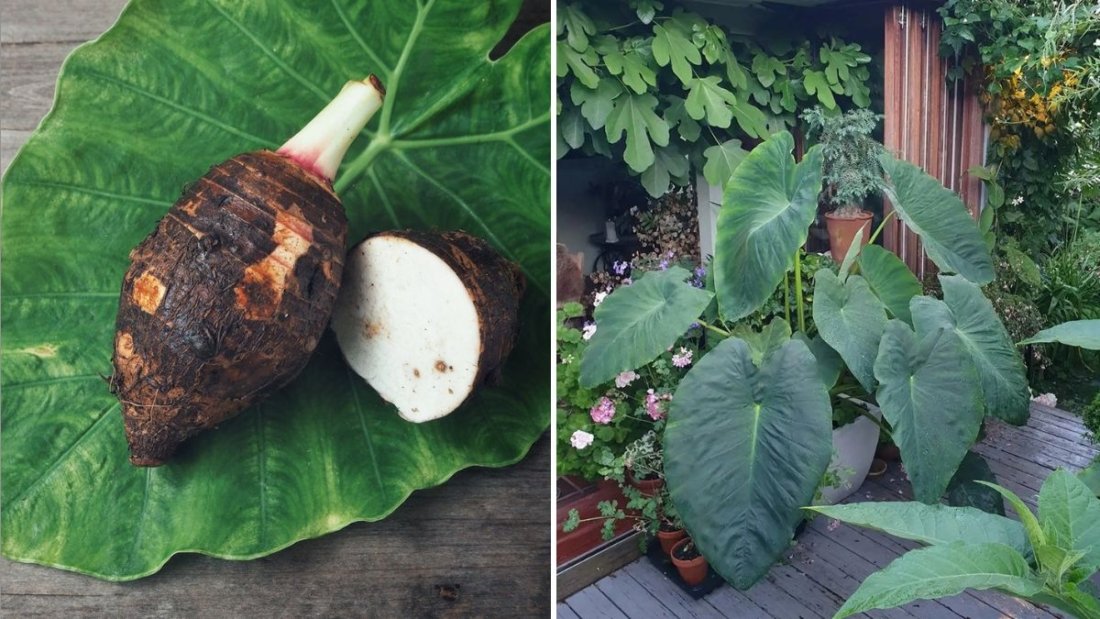
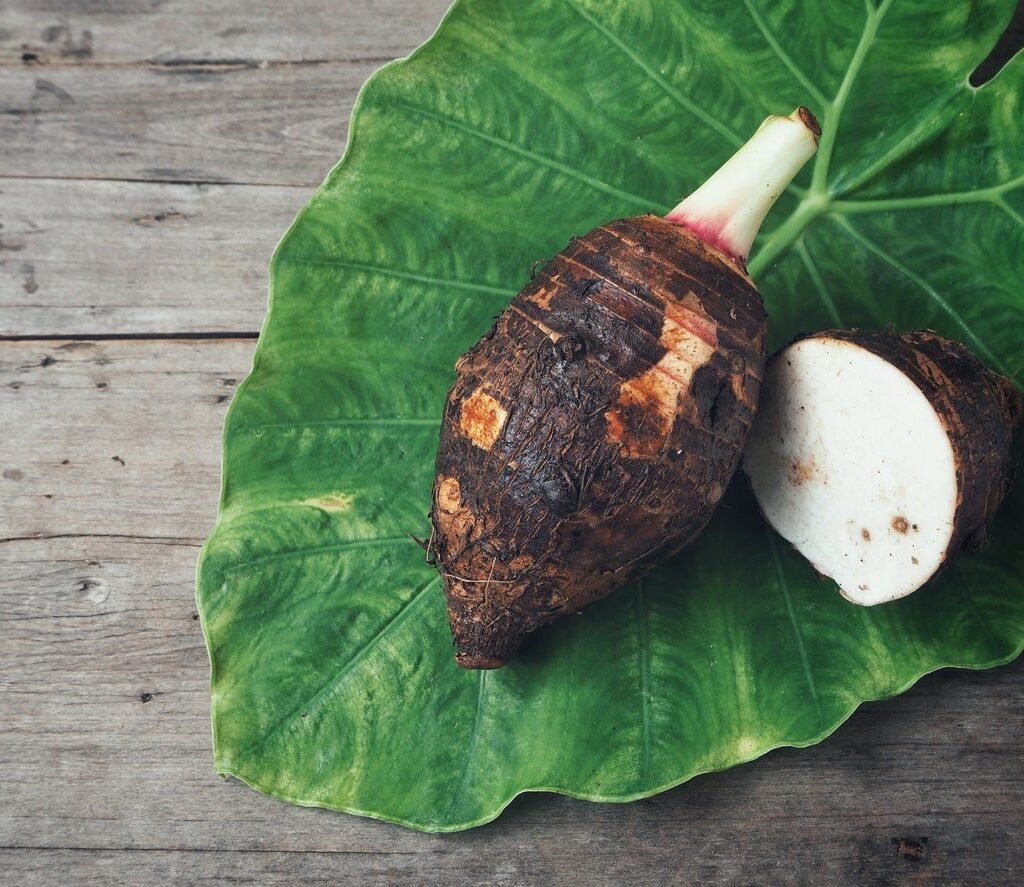
Taro (Colocasia esculenta) is a root vegetable with a rough brown exterior and a white or purple-streaked interior. Often confused with yams or sweet potatoes, taro is unique in flavor and texture. It is a staple in many tropical and subtropical regions, where it is used in both savory and sweet dishes.

Taro is a cool-season crop in the U.S. and is primarily grown in states like Hawaii, California, and Florida. Its mild sweetness, nutty undertones, and starchy texture make it ideal for mashes, chips, soups, and desserts.

Pro Tip: Choose taro roots that are firm, heavy for their size, and free from soft spots or mold. Smaller roots tend to be more tender.


Nutritional Benefits of Taro

Taro is not only tasty but also highly nutritious:

  • Rich in Fiber: Supports digestive health and promotes satiety.
  • Low in Fat: Makes it ideal for heart-healthy diets.
  • Vitamin E and C: Boost immunity and act as antioxidants.
  • Potassium: Helps regulate blood pressure and heart function.
  • Magnesium and Manganese: Support bone health and metabolism.
  • Complex Carbohydrates: Provide steady energy and help regulate blood sugar.

Pro Tip: Cooking taro by steaming or boiling preserves most of its nutrients, while frying increases calorie content.


Health Benefits of Taro

  1. Supports Digestive Health: High fiber content promotes regular bowel movements and gut health.
  2. Regulates Blood Sugar: Complex carbohydrates in taro release energy slowly, helping maintain steady blood sugar levels.
  3. Supports Heart Health: Potassium and low fat help maintain healthy blood pressure and cardiovascular function.
  4. Boosts Immunity: Vitamins C and E strengthen the immune system and reduce oxidative stress.
  5. Promotes Weight Management: Fiber content helps keep you full for longer periods, making it ideal for calorie-conscious diets.

Pro Tip: Taro is naturally gluten-free, making it an excellent choice for gluten-sensitive diets.


How to Prepare Taro

Taro must always be cooked before consumption, as raw taro contains calcium oxalate, which can cause irritation. Once cooked, taro becomes soft, creamy, and nutty.

  • Boiled or Steamed: Peel, cube, and boil or steam until tender. Ideal for mashes or soups.
  • Roasted: Toss cubed taro with oil, salt, and spices, and roast for a sweet, caramelized flavor.
  • Fried: Slice thinly to make taro chips or fries.
  • Mashed: Boil and mash with butter, coconut milk, or cream for a flavorful side dish.
  • Soups and Stews: Adds a creamy, hearty texture to soups, curries, and stews.
  • Desserts: Can be used in puddings, bubble teas, and sweet pastries.

Pro Tip: Peel taro using gloves or rinse hands immediately after handling to avoid skin irritation from oxalates.


Taro Recipes to Try

Here are some delicious ways to incorporate taro into your meals:

1. Mashed Taro

  • Boil peeled taro cubes until tender.
  • Mash with butter, coconut milk, salt, and pepper.
  • Serve as a low-fat alternative to mashed potatoes.

2. Roasted Taro Cubes

  • Toss cubed taro with olive oil, garlic, and rosemary.
  • Roast at 400°F for 25–30 minutes until golden brown.
  • Serve as a side dish with meats or vegetables.

3. Taro Chips

  • Slice thinly, toss with olive oil, salt, and optional paprika.
  • Bake or fry until crisp.
  • Enjoy as a healthy snack alternative to potato chips.

4. Taro Soup

  • Simmer cubed taro with onions, garlic, vegetable or chicken broth, and herbs.
  • Blend for a creamy texture or leave chunky for a rustic soup.
  • Garnish with fresh herbs or a drizzle of coconut milk.

5. Taro Bubble Tea

  • Boil and puree taro with milk or a dairy alternative.
  • Sweeten with sugar or syrup and mix with tapioca pearls for a popular Asian-inspired drink.

Pro Tip: Taro pairs well with coconut, garlic, ginger, soy sauce, and spices for savory dishes and with vanilla, honey, and sweetened milk for desserts.


Storage Tips for Taro

Proper storage ensures freshness and prevents spoilage:

  • Store uncooked taro in a cool, dry place away from direct sunlight.
  • Refrigerate peeled taro cubes in an airtight container for up to 2–3 days.
  • Cooked taro can be stored in the fridge for 3–4 days or frozen for up to 3 months.
  • Avoid storing taro near ethylene-producing fruits, such as apples and bananas, as this may accelerate spoilage.

Pro Tip: If freezing taro, blanch cubes briefly to maintain color, texture, and flavor.


Why Taro is Gaining Popularity in American Kitchens

Taro’s popularity in the U.S. is rising due to:

  • Health Trends: Fiber-rich, gluten-free, and full of vitamins and minerals.
  • Culinary Versatility: Can be used in savory meals, snacks, and desserts.
  • Unique Flavor: Offers a mild, nutty sweetness that enhances many dishes.
  • Dietary Adaptability: Works in low-fat, vegan, and gluten-free diets.
  • Cultural Fusion: Popular in Asian cuisine, now being embraced in modern American cooking.

Pro Tip: Use taro creatively in grain bowls, salads, soups, and baked goods to elevate meals with unique texture and nutrition.


Fun Facts About Taro

  1. Taro is one of the earliest cultivated root vegetables in the world, dating back thousands of years.
  2. It is a staple food in Pacific Island and Southeast Asian diets.
  3. Taro contains resistant starch, a type of carbohydrate beneficial for gut health.
  4. Both root and leaves are edible, but leaves must be cooked thoroughly.
  5. Taro is naturally gluten-free, making it suitable for celiac-friendly recipes.

Conclusion: Why You Should Add Taro to Your Diet

Taro is a nutritious, versatile, and delicious root vegetable that deserves a spot in your kitchen. Its creamy texture, mild sweetness, and earthy flavor make it perfect for a variety of dishes, from mashes, roasts, and soups to chips, desserts, and bubble teas.

Incorporating taro into your meals provides:

  • Fiber-rich, nutrient-dense nutrition for gut health and overall wellness.
  • Culinary versatility for both everyday meals and special occasions.
  • Low-fat, gluten-free options suitable for diverse dietary needs.

Whether you’re exploring international flavors, cooking healthier meals, or adding variety to your vegetable repertoire, taro is a delicious and nutritious root vegetable worth trying.

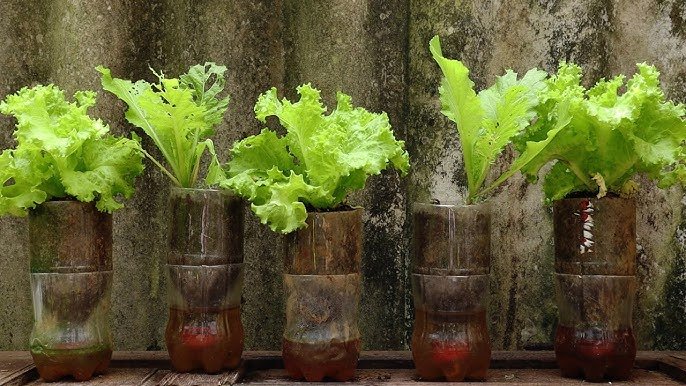
Oakleaf Lettuce: The Colorful, Nutrient-Packed Green Every American Garden Should Grow

Oakleaf Lettuce: The Colorful, Nutrient-Packed Green Every American Garden Should Grow

If you’re a fan of crisp, fresh salads or growing your own leafy greens, oakleaf lettuce deserves a spot in your garden. With its distinctive oak-shaped leaves, vibrant colors, and delicate texture, this lettuce variety is as visually appealing as it is flavorful. Perfect for both seasoned gardeners and beginner growers, oakleaf lettuce brings a touch of elegance and nutrition to American kitchens.

Unlike traditional lettuce varieties, oakleaf lettuce is low-maintenance, adaptable, and full of nutrients, making it ideal for home gardens, container growing, or even urban farming. In this article, we’ll dive into everything you need to know—from planting and care to delicious ways to enjoy it—while highlighting why it’s becoming a favorite among American home cooks and gardeners.


1. What Is Oakleaf Lettuce?

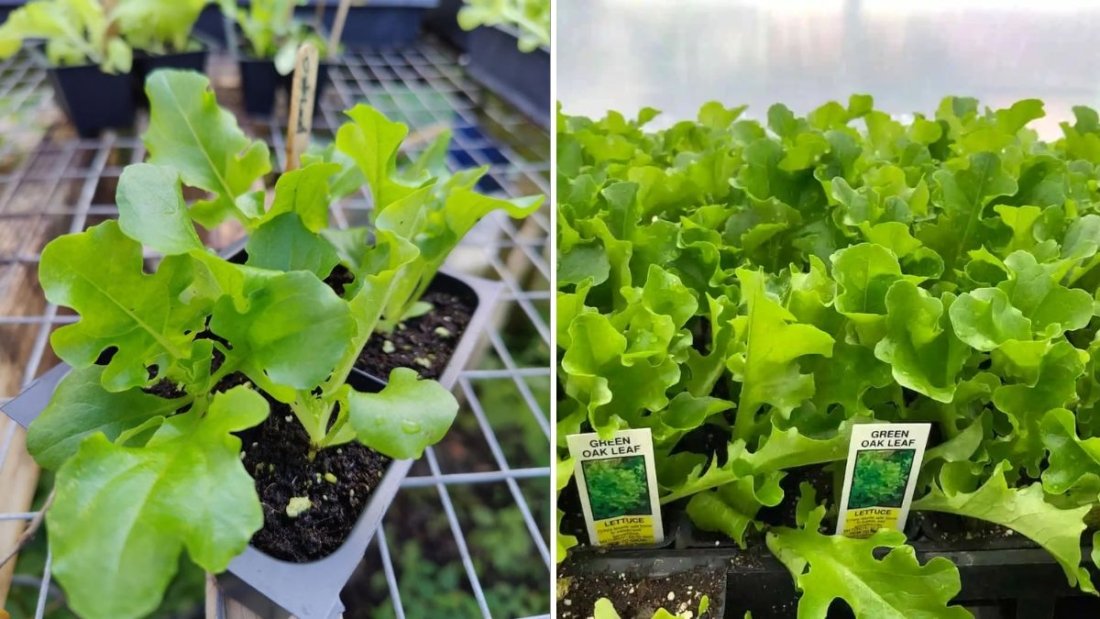
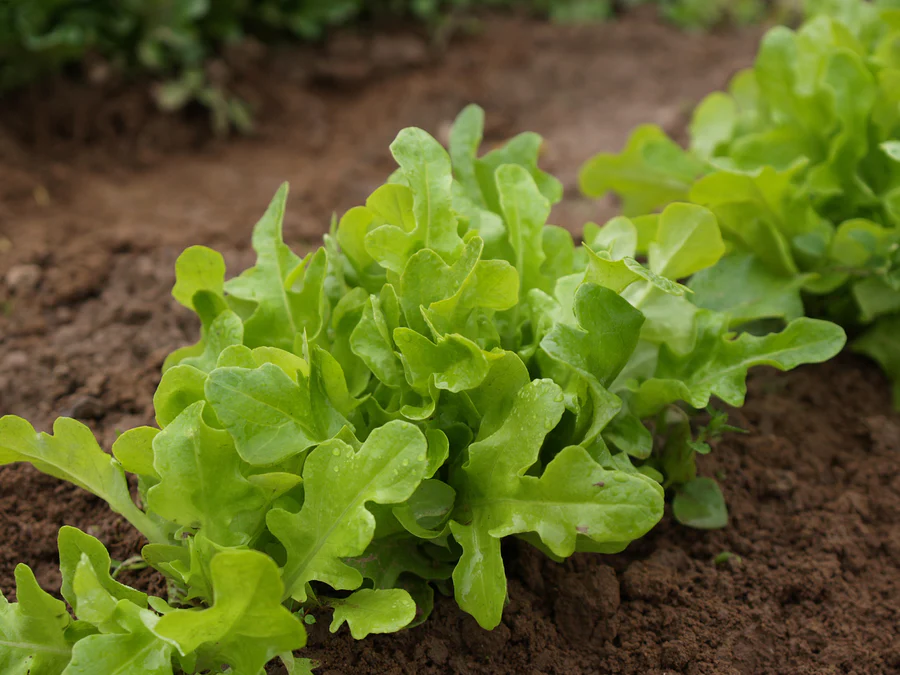
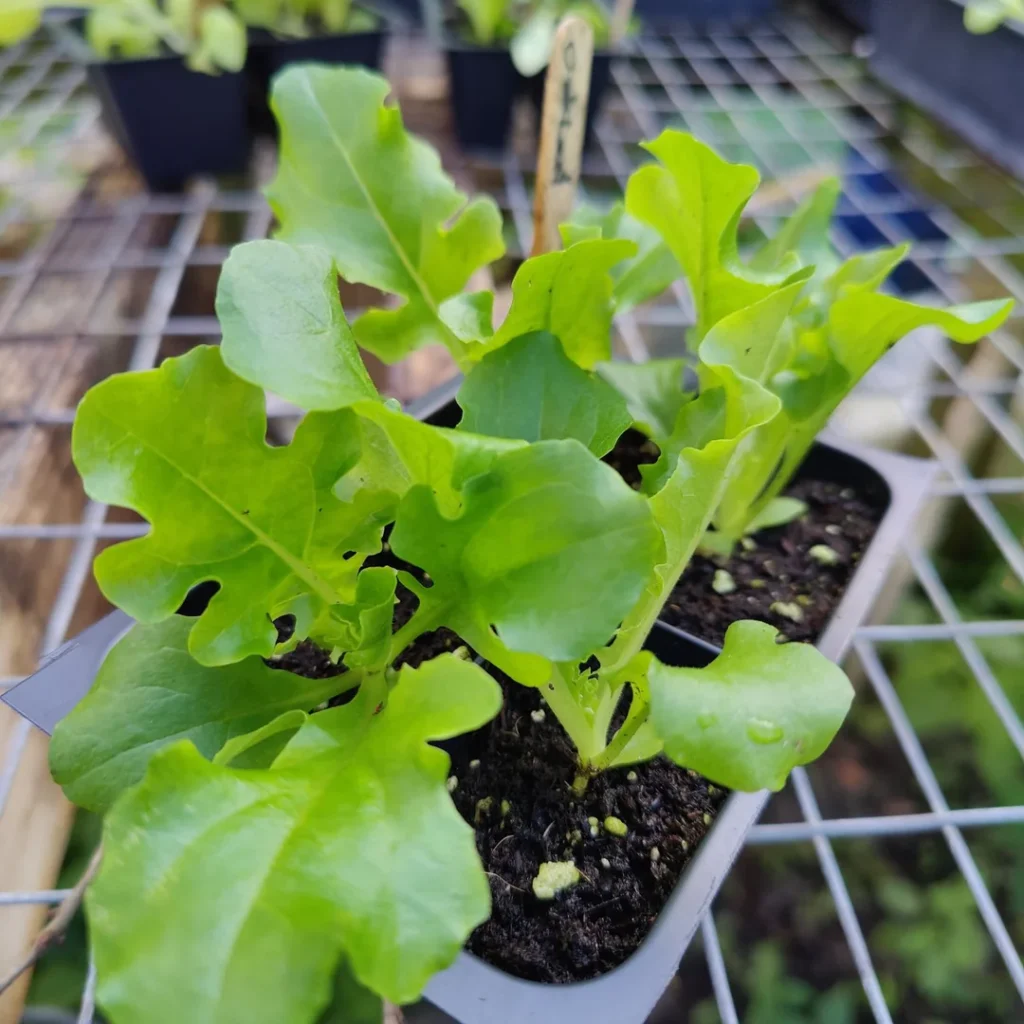
Oakleaf lettuce, sometimes referred to as Lactuca sativa var. crispa, gets its name from the unique shape of its leaves, which resemble the lobed foliage of an oak tree. Available in green, red, or bronze shades, it adds color and texture to salads, sandwiches, and garnishes.

Botanical overview:

  • Scientific name: Lactuca sativa var. crispa
  • Type: Loose-leaf lettuce
  • Growth habit: Compact, rosette-forming leaves
  • Texture: Tender, slightly ruffled leaves
  • Flavor: Mild, slightly sweet, and buttery
  • USDA Zones: Thrives in zones 4–9

Oakleaf lettuce is versatile and decorative, often used in gourmet dishes, but it’s equally perfect for everyday American meals.


2. Nutrition: A Powerhouse Green

Despite its delicate appearance, oakleaf lettuce packs a nutritional punch. It’s low in calories but rich in essential vitamins, minerals, and antioxidants.

Nutritional highlights (per 100g):

  • Calories: 13–15
  • Water content: 95–96%
  • Vitamin A: Supports healthy vision and skin
  • Vitamin K: Promotes bone strength and heart health
  • Vitamin C: Boosts immunity
  • Folate: Aids in cell growth and repair
  • Potassium: Maintains fluid balance and supports heart function
  • Fiber: Helps with digestion and satiety

Oakleaf lettuce is hydrating, low-calorie, and ideal for weight management, making it a great addition to American diets focused on health and wellness.


3. Why Oakleaf Lettuce Is Gaining Popularity in the U.S.

American gardeners and chefs are embracing oakleaf lettuce for several reasons:

  • Vibrant colors: Adds a pop of red, green, or bronze to salads and garnishes.
  • Tender texture: Softer than romaine but heartier than butterhead.
  • Versatility: Perfect for salads, sandwiches, wraps, and even smoothies.
  • Fast-growing: Matures in 45–60 days, ideal for multiple harvests.
  • Compact growth: Works well in raised beds, containers, or small gardens.
  • Heat tolerance: Certain varieties can withstand warmer conditions better than traditional leaf lettuces.

Its visual appeal and mild flavor make it a chef favorite and a practical choice for home gardeners who want quick, colorful results.


4. How to Grow Oakleaf Lettuce in the U.S.

Oakleaf lettuce is beginner-friendly, forgiving, and thrives in cool to moderate climates. Here’s how to grow it successfully in American gardens:

a. When to Plant

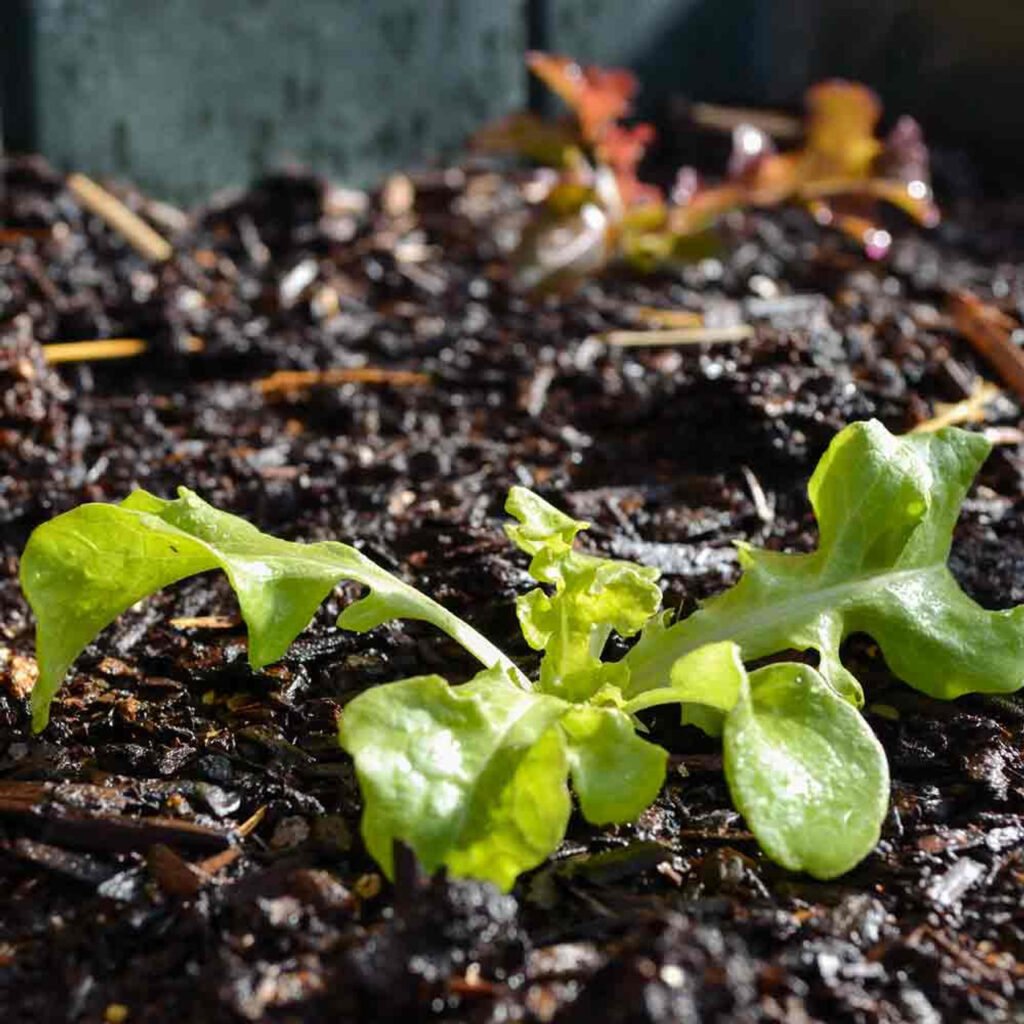
  • Spring: Sow seeds 2–4 weeks before the last frost.
  • Fall: Plant 6–8 weeks before the first frost for a late-season harvest.

It grows best at temperatures between 60°F and 70°F. In warmer states like Texas or Florida, it’s best grown in partial shade or during cooler months.

b. Soil and Sunlight Requirements

  • Soil: Loose, well-draining, rich in organic matter
  • pH: Slightly acidic to neutral (6.0–7.0)
  • Sunlight: Full sun for cooler climates, partial shade in hot regions

Adding compost or organic fertilizer boosts growth and ensures vibrant leaves.

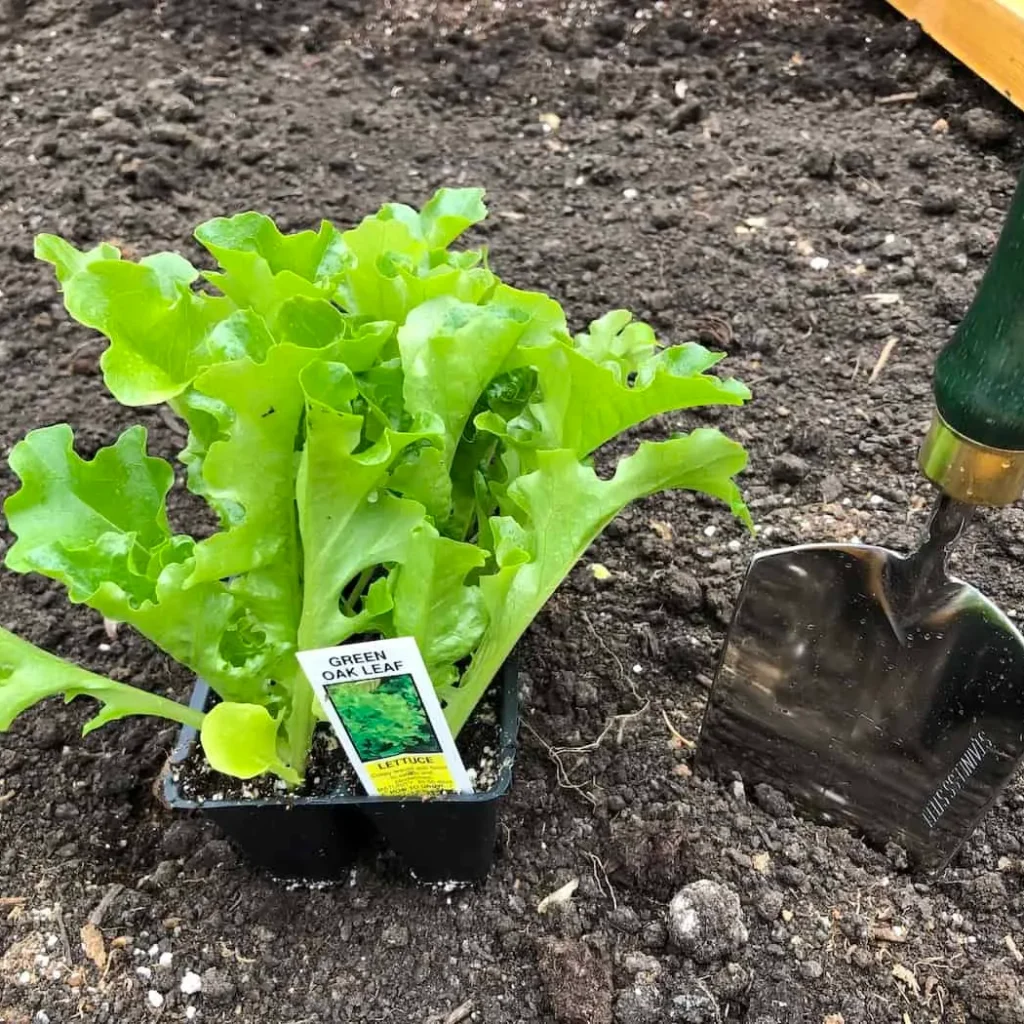
c. Planting Instructions

  • Seed depth: ¼ inch
  • Spacing: 8–12 inches apart
  • Watering: Keep soil evenly moist but avoid waterlogging.

Oakleaf lettuce is ideal for succession planting, allowing you to harvest continuously throughout the growing season.


5. Caring for Oakleaf Lettuce

Oakleaf lettuce is relatively low-maintenance, but a few simple steps help maximize yield and quality:

  • Water consistently: Shallow roots dry out quickly, especially in containers.
  • Fertilize lightly: Use compost tea or organic fertilizer every 2–3 weeks.
  • Mulch: Helps retain moisture and reduces weeds.
  • Pest control: Watch for aphids, slugs, and snails. Organic remedies like neem oil or diatomaceous earth are effective.

Regular harvesting encourages new growth and ensures tender leaves.


6. Harvesting and Storage

Oakleaf lettuce can be harvested in two ways:

  1. Cut-and-come-again: Snip outer leaves as needed, leaving the center intact for continuous production.
  2. Full head harvest: Cut the plant at the base when leaves reach 4–6 inches.

Storage tips:

  • Store unwashed leaves in a plastic bag with a paper towel in the crisper drawer.
  • Avoid washing until ready to use to prevent wilting.
  • Proper storage keeps oakleaf lettuce fresh for up to 7–10 days.

7. Culinary Uses of Oakleaf Lettuce

Oakleaf lettuce is highly versatile in the kitchen. Its delicate texture and mild flavor make it ideal for a variety of American dishes.

a. Fresh Salads

Toss oakleaf leaves with cherry tomatoes, cucumbers, and a light vinaigrette for a colorful, refreshing salad.

b. Sandwiches and Wraps

Use individual leaves as wraps or in sandwiches. Their tender texture complements both proteins and spreads.

c. Smoothies and Juices

Blend oakleaf lettuce with fruits like apples or pineapples for a mild-flavored, nutrient-rich green smoothie.

d. Garnishes and Platters

The colorful leaves make a beautiful base for cheese boards, hors d’oeuvres, or charcuterie platters.

e. Lightly Sautéed or Stir-Fried

Quickly sauté oakleaf leaves with garlic and olive oil for a simple side dish. The leaves wilt slightly but retain their sweet flavor.


8. Oakleaf Lettuce Varieties Popular in the U.S.

American gardeners can choose from several varieties of oakleaf lettuce, each offering unique color and flavor profiles:

  • ‘Red Oakleaf’: Deep red leaves with sweet flavor, perfect for salads and garnishes.
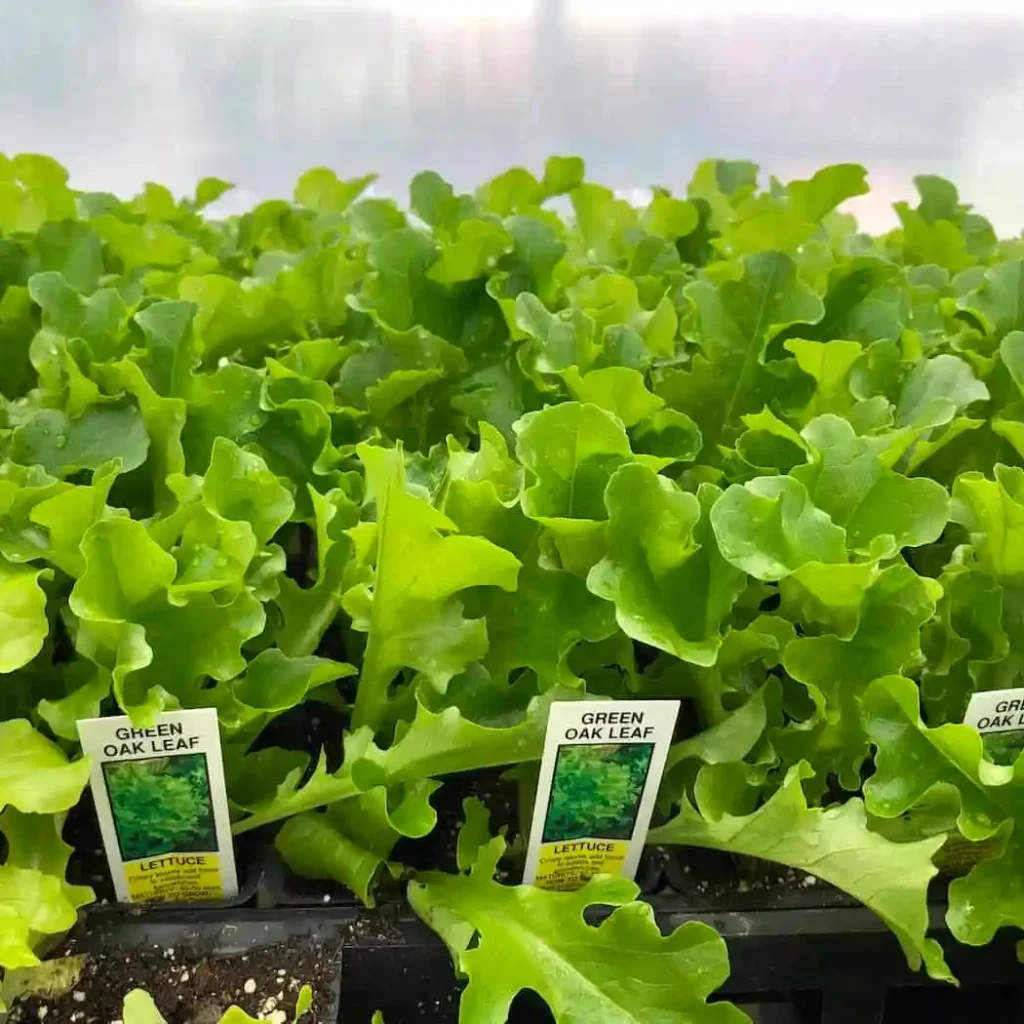
  • ‘Green Oakleaf’: Mild, crisp, and tender; versatile in all recipes.
  • ‘Bronze Oakleaf’: Attractive bronze-red hue, slightly nutty taste.
  • ‘Black-Seeded Simpson’ (Oakleaf type): Fast-growing with delicate leaves.

Planting a mix of colors adds visual interest to salads and garden beds alike.


9. Health Benefits of Oakleaf Lettuce

Incorporating oakleaf lettuce into your diet offers numerous health benefits:

  • Heart health: Potassium and folate support cardiovascular function.
  • Digestive health: Fiber aids digestion and prevents constipation.
  • Weight management: Low in calories and high in water, promoting fullness.
  • Hydration: High water content helps maintain hydration in hot climates.
  • Skin and eye health: Rich in vitamins A and C for glowing skin and healthy vision.

It’s a nutrient-packed green that fits perfectly into American diets focused on wellness and freshness.


10. Growing Oakleaf Lettuce for Sustainability

Oakleaf lettuce is an excellent choice for sustainable gardening:

  • Space-efficient: Compact growth allows for multiple plantings in small spaces.
  • Water-smart: Fast growth means minimal water usage.
  • Continuous harvest: Cut-and-come-again harvesting reduces waste.
  • Organic-friendly: Thrives with minimal pesticides or chemical inputs.

For urban gardeners or small-scale farms, oakleaf lettuce is a practical, eco-friendly, and high-yield crop.


11. Why Oakleaf Lettuce Should Be in Every American Garden

Oakleaf lettuce combines beauty, nutrition, and flavor in one compact plant. Its vibrant leaves, tender texture, and easy growth make it ideal for American home gardens and kitchens.

Whether you’re creating colorful salads, healthy wraps, or elegant garnishes, oakleaf lettuce delivers freshness, visual appeal, and essential nutrients. Its quick growth, minimal maintenance, and versatility make it a must-have for gardeners and food lovers alike.

By planting oakleaf lettuce this season, you’re not only adding flavor and nutrition to your meals but also embracing sustainable, home-grown gardening practices. It’s a small leaf with a big impact—perfect for modern American lifestyles.

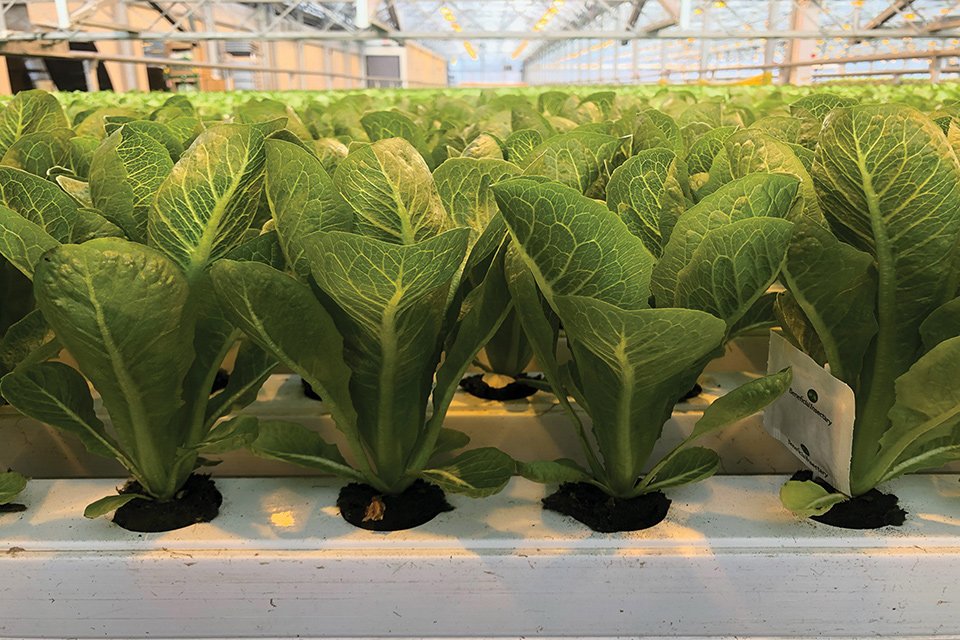
Little Gem Lettuce: The Tiny Powerhouse Green Taking Over American Kitchens and Gardens

Little Gem Lettuce: The Tiny Powerhouse Green Taking Over American Kitchens and Gardens

In a world where bigger often means better, Little Gem lettuce proves that sometimes, small is truly mighty. This charming mini lettuce has quickly become a favorite among American chefs, home gardeners, and healthy eaters. With its compact size, crisp texture, and naturally sweet flavor, Little Gem is the perfect blend of convenience and nutrition.

Often described as a cross between romaine and butterhead lettuce, Little Gem brings the best of both worlds — it’s crunchy like romaine yet tender like butter lettuce. From gourmet restaurants to backyard gardens, this tiny green is making a huge impact.

If you’re looking for a versatile, easy-to-grow leafy green that adds freshness and flair to your meals, it’s time to make room for Little Gem lettuce in your kitchen and garden.


1. What Is Little Gem Lettuce?

Little Gem lettuce (Lactuca sativa var. longifolia) is a small, heart-shaped variety of romaine lettuce. It forms tight, compact heads about 4–6 inches tall, making it the perfect single-serving lettuce. Originating from Europe, Little Gem has rapidly gained popularity across the United States due to its flavor, durability, and adaptability.

Botanical overview:

  • Type: Mini romaine (cos) lettuce
  • Growth habit: Compact, upright heads
  • Texture: Crisp ribs with buttery leaves
  • Flavor: Mild, sweet, and slightly nutty
  • USDA Zones: Grows well in zones 4–9

This pint-sized lettuce is often called a “chef’s favorite green” because it holds up beautifully in both raw and cooked dishes — from salads and wraps to grilled sides and sandwiches.


2. Nutrition: Small Lettuce, Major Health Benefits

Don’t let the size fool you — Little Gem lettuce is packed with nutrition. Like its romaine relative, it’s a low-calorie, hydrating green filled with essential vitamins, minerals, and antioxidants.

Nutritional profile (per 100g):

  • Calories: 16
  • Water content: 95%
  • Fiber: 1.2g
  • Vitamin A: 174% of the Daily Value (supports eye and skin health)
  • Vitamin K: 85% of the Daily Value (essential for bone strength)
  • Folate: Supports healthy cell growth and repair
  • Vitamin C: Boosts immunity and collagen production
  • Potassium: Helps regulate blood pressure and hydration

Because of its high water and fiber content, Little Gem is excellent for digestion and hydration — a perfect addition to a balanced, healthy American diet.


3. Why Little Gem Lettuce Is Loved in America

American chefs and gardeners adore Little Gem for good reason. Here’s why it’s quickly becoming a household favorite:

  • Compact size: Perfect for small gardens, raised beds, and even containers.
  • Flavorful and versatile: Sweet and crisp, suitable for salads, wraps, and grilled dishes.
  • Fast-growing: Matures in 50–60 days, quicker than full-sized romaine.
  • Heat-tolerant: Handles warmer temperatures better than most lettuce varieties.
  • Aesthetic appeal: Its bright green leaves look beautiful on plates and in gardens.

It’s no surprise that Little Gem is now featured in trendy restaurants across cities like New York, San Francisco, and Austin, often as the centerpiece of modern, health-focused dishes.


4. How to Grow Little Gem Lettuce in the U.S.

Whether you’re an experienced gardener or a beginner, Little Gem lettuce is one of the easiest greens to grow. It thrives in cool to mild climates and can be planted almost year-round in temperate regions of the U.S.

a. Best Time to Plant

  • Spring: 2–4 weeks before your last frost date.
  • Fall: 6–8 weeks before the first expected frost.
    In Southern states like Florida and Texas, Little Gem grows best in late fall through early spring when temperatures are cooler.

b. Soil and Light Requirements

  • Soil type: Loose, well-drained, and rich in organic matter.
  • pH range: 6.0–7.0 (neutral to slightly acidic).
  • Sunlight: Full sun in cool weather, partial shade in warmer regions.

Before planting, mix compost or organic fertilizer into the soil to boost nutrients.

c. Planting Instructions

  • Seed depth: ¼ inch
  • Spacing: 8–10 inches apart (they don’t need much room).
  • Watering: Keep soil consistently moist, not soggy.

Because of their small size, you can fit up to twice as many Little Gem heads as regular lettuce in the same space. They’re ideal for compact gardens and even indoor hydroponic setups.


5. Caring for Your Little Gem Plants

Once your seedlings have sprouted, caring for Little Gem lettuce is simple:

  • Water regularly — lettuce prefers steady moisture.
  • Mulch around plants to retain moisture and reduce weeds.
  • Fertilize lightly with compost tea or a balanced organic fertilizer every few weeks.
  • Watch for pests like aphids, slugs, and snails. Neem oil or insecticidal soap are safe, organic options.

Because Little Gem grows quickly, it often avoids many of the common lettuce diseases that affect slower-maturing varieties.


6. Harvesting and Storing

You can begin harvesting outer leaves about 4 weeks after planting for “baby lettuce,” or wait until the full head matures at around 50–60 days.

How to harvest:

  • For full heads, use a clean knife to cut at the base just above the soil line.
  • For cut-and-come-again harvesting, snip off outer leaves as needed, leaving the core intact.

Storage tips:

  • Store unwashed heads in a produce bag in the refrigerator.
  • Add a paper towel to absorb moisture and prevent wilting.
  • Properly stored, Little Gem lettuce stays fresh for up to 10 days.

7. Delicious Ways to Enjoy Little Gem Lettuce

Little Gem lettuce is a dream for home cooks because it’s tender, crisp, and versatile. Its sturdy leaves hold dressings well and won’t wilt as fast as softer greens.

Here are some delicious ways to use it:

a. Grilled Little Gem Salad

Halve the heads, drizzle with olive oil, and grill for 2–3 minutes per side. Top with lemon juice, parmesan shavings, and cracked pepper for a smoky, restaurant-quality salad.

b. Mini Lettuce Wraps

Use whole leaves as wraps for grilled chicken, shrimp, or tofu. Perfect for low-carb, gluten-free meals.

c. Classic Caesar with a Twist

Replace traditional romaine with Little Gem for a fresher, sweeter Caesar salad. Its smaller leaves soak up dressing beautifully.

d. Gourmet Sandwiches

Layer crisp Little Gem leaves in sandwiches and burgers for an extra crunch that stays fresh longer than iceberg.

e. Fresh Garden Bowls

Toss chopped Little Gem with avocado, cherry tomatoes, and balsamic vinaigrette for a quick, colorful salad.


8. Growing Little Gem Lettuce in Containers

One of the reasons Little Gem is perfect for modern American households is its adaptability to container gardening.

You can grow several heads in a single planter or even a window box.

  • Choose a container at least 8 inches deep with good drainage.
  • Use high-quality potting soil mixed with compost.
  • Water regularly and ensure at least 5–6 hours of sunlight daily.

This makes it an ideal green for urban gardeners, apartment dwellers, or anyone with limited space.


9. Health and Wellness Benefits

Beyond its delicious taste, Little Gem lettuce contributes to a healthy lifestyle:

  • Heart health: High in folate and potassium, which support cardiovascular function.
  • Digestive support: Fiber helps regulate digestion and prevent bloating.
  • Weight management: Low in calories yet filling due to its high water content.
  • Hydration boost: Keeps you hydrated and refreshed in hot weather.
  • Skin health: Vitamin A and C promote collagen and skin repair.

Incorporating Little Gem lettuce into your diet is a simple way to add volume, nutrients, and crunch to your meals — without adding extra calories.


10. Sustainability and Home Gardening Benefits

In today’s eco-conscious world, Little Gem lettuce fits perfectly into sustainable gardening practices. It’s space-efficient, water-smart, and fast-growing, making it ideal for gardeners focused on eco-friendly food production.

  • Low water needs: Short growing cycle means less water use.
  • Minimal waste: Compact heads mean you harvest and eat nearly the whole plant.
  • Fast growth: Quick turnaround allows multiple plantings per season.

For American families aiming to eat local and reduce grocery costs, Little Gem lettuce offers a delicious and sustainable way to grow your own greens right at home.


11. Why You Should Grow and Eat Little Gem Lettuce

If you’re looking for a compact, flavorful, and nutritious lettuce variety, Little Gem is your answer. It grows easily, looks beautiful, and offers gourmet-level flavor in every bite.

Whether you’re tossing it into salads, using it in wraps, or grilling it to perfection, Little Gem brings freshness, elegance, and convenience to your kitchen. And if you grow it yourself, you’ll enjoy the satisfaction of harvesting tender, crisp greens straight from your garden.

So, this season, skip the store-bought lettuce mixes and plant a few rows (or pots) of Little Gem instead — your salads, sandwiches, and taste buds will thank you.

Romaine Lettuce: The Crunchy, Heart-Healthy Green Every American Should Be Growing and Eating

Romaine Lettuce: The Crunchy, Heart-Healthy Green Every American Should Be Growing and Eating

Romaine lettuce has long been the unsung hero of the salad world. Known for its crisp texture, tall upright leaves, and refreshing flavor, it’s the foundation of the iconic Caesar salad and a go-to for health-conscious Americans who crave both crunch and nutrition.

Unlike iceberg lettuce, which is mild and watery, romaine lettuce (Lactuca sativa var. longifolia) offers a perfect balance of texture and taste—crisp at the ribs and tender at the tips. Beyond its delicious flavor, romaine is a nutrient-rich green packed with vitamins, minerals, and antioxidants that support heart health, digestion, and glowing skin.

Whether you’re a home gardener looking for an easy-to-grow leafy green or a foodie seeking new ways to upgrade your salads and sandwiches, romaine lettuce is a versatile choice that thrives in U.S. climates and deserves a permanent spot in your garden and on your plate.


1. What Is Romaine Lettuce? A Classic with a Global Story

Romaine lettuce, also known as cos lettuce, traces its origins to the Mediterranean region. It gets its name from the city of Rome, where it was cultivated for centuries before becoming a global favorite. Today, it’s a staple in American grocery stores, restaurants, and home gardens.

Botanical profile:

  • Scientific name: Lactuca sativa var. longifolia
  • Family: Asteraceae (daisy family)
  • Type: Annual, cool-season leafy vegetable
  • Shape: Tall, elongated heads with sturdy ribs
  • Flavor: Mildly sweet, slightly bitter, and refreshingly crisp

Romaine stands out because it can withstand heat better than many other lettuce varieties. Its tall, dense leaves also make it perfect for grilling, chopping, or layering in sandwiches—something most delicate lettuces can’t handle.


2. Nutrition Profile: Why Romaine Lettuce Is a Superfood in Disguise

Romaine lettuce is one of the most nutrient-dense lettuces you can eat. While low in calories, it’s rich in vitamins and minerals that promote better overall health.

Nutritional highlights (per 100g):

  • Calories: 17
  • Fiber: 2.1g
  • Vitamin A: 174% of the Daily Value (supports eye and skin health)
  • Vitamin K: 85% of the Daily Value (aids bone and heart health)
  • Vitamin C: 25% of the Daily Value (boosts immunity)
  • Folate: Essential for DNA and cell repair
  • Potassium: Helps regulate blood pressure

Because romaine is about 95% water, it’s naturally hydrating and a great addition to any diet focused on weight loss, hydration, or heart health.

Fun fact: According to the USDA, romaine lettuce is one of the top sources of vitamin A among all leafy greens.


3. How to Grow Romaine Lettuce in America

One of the best things about romaine lettuce is that it’s easy to grow in most U.S. regions. Whether you live in the sunny South or cooler Northern states, you can enjoy multiple harvests each year.

a. When to Plant

  • Spring: Start seeds 2–4 weeks before the last frost date.
  • Fall: Plant again in late summer for a fall harvest.
    Romaine prefers cool weather—between 60°F and 70°F—so avoid planting in the peak of summer unless you provide shade.

b. Ideal Soil and Light

  • Soil type: Loose, fertile, and rich in organic matter
  • pH range: 6.0–7.0
  • Sunlight: Full sun (at least 6 hours per day), though partial shade works in hot climates

Adding compost improves soil texture and boosts nutrient content, ensuring crisp and flavorful leaves.

c. Planting Instructions

  • Seed depth: ¼ inch
  • Spacing: 12–18 inches apart in rows 18 inches apart
  • Watering: Keep soil evenly moist, but not soggy. Romaine has shallow roots that dry out easily.

Mulching around the base of plants helps maintain soil moisture and keeps weeds under control.


4. Caring for Your Crop

Once established, romaine lettuce requires minimal maintenance:

  • Water regularly—consistent moisture prevents bitter leaves.
  • Fertilize lightly every 2–3 weeks with compost tea or a balanced organic fertilizer.
  • Watch for pests like aphids, slugs, and snails. Neem oil or diatomaceous earth are natural deterrents.
  • Harvest outer leaves early to encourage continuous growth.

If you’re growing in warmer regions like Florida or Southern California, consider planting heat-tolerant romaine varieties such as ‘Parris Island Cos’ or ‘Valmaine.’


5. Harvesting Romaine Lettuce

Romaine lettuce can be harvested in two ways:

  1. Cut-and-come-again: Trim outer leaves as needed, allowing the center to keep growing.
  2. Full head harvest: When the head is firm and about 10–12 inches tall (around 65–75 days after planting), cut it at the base with a clean knife.

Tip: Harvest in the early morning when leaves are crisp and full of water content for the best flavor and texture.


6. Storing Romaine Lettuce

Romaine lettuce stores well if handled properly.

  • Do not wash until ready to eat—excess moisture causes decay.
  • Wrap unwashed heads in a paper towel and place them in a produce bag.
  • Store in the crisper drawer of your refrigerator.

Properly stored, romaine can stay fresh for up to 10 days—longer than most leafy greens.


7. Delicious Ways to Use Romaine Lettuce

Romaine lettuce is one of the most versatile greens in the kitchen. Its strong ribs and mild taste make it perfect for a variety of American dishes—from salads and wraps to grilled sides.

a. The Classic Caesar Salad

Romaine’s crunchy leaves are the foundation of the Caesar salad—a timeless American favorite. Toss chopped romaine with creamy Caesar dressing, shaved Parmesan, and crunchy croutons for a simple yet elegant dish.

b. Lettuce Wraps

Use large romaine leaves as wraps for a low-carb alternative to tortillas or bread. Fill them with grilled chicken, shrimp, or tofu for a healthy lunch option.

c. Grilled Romaine

Brush halved romaine heads with olive oil and grill for 2–3 minutes per side. Top with lemon juice, shaved Parmesan, and a sprinkle of black pepper for a smoky, restaurant-quality side.

d. Smoothies and Juices

For a nutrient boost, add romaine lettuce to your morning green smoothie. Its mild flavor blends perfectly with fruits like apples, pineapples, and bananas.

e. Sandwiches and Burgers

Swap wilted lettuce for crisp romaine leaves in sandwiches and burgers. It holds up better under heat and sauces, adding both texture and freshness.


8. Romaine Lettuce Varieties for American Gardens

If you’re growing romaine at home, try these popular varieties suited for U.S. climates:

  • ‘Parris Island Cos’ – Classic, heat-tolerant, and resistant to tip burn
  • ‘Valmaine’ – Compact and slow to bolt in warm conditions
  • ‘Cimmaron’ – Deep red-green leaves with a sweet flavor
  • ‘Little Gem’ – Miniature variety perfect for container gardening

Each variety brings something unique to the table—whether it’s heat resistance, color, or texture.


9. Health Benefits of Romaine Lettuce

Beyond its crisp texture, romaine lettuce offers impressive health benefits that make it a smart choice for daily meals:

  • Supports heart health: Rich in folate and potassium, romaine helps regulate blood pressure and supports circulation.
  • Promotes weight loss: Low in calories but high in volume, it keeps you full longer.
  • Boosts immunity: High vitamin C and A content strengthen the immune system.
  • Improves digestion: The fiber content supports gut health and prevents constipation.
  • Aids hydration: With 95% water, it’s one of the most hydrating greens available.

Eating romaine regularly can be a simple but effective way to improve overall wellness while keeping your meals light and flavorful.


10. Sustainability and Why Romaine Belongs in Your Garden

Romaine lettuce is not only good for you—it’s also eco-friendly and sustainable. It grows quickly, requires minimal fertilizer, and thrives in small spaces, making it perfect for home gardens and urban containers.

Because romaine grows vertically, it maximizes space efficiency, allowing gardeners to harvest plenty even in raised beds or balcony planters. And since it’s a fast crop, you can enjoy multiple harvests per year with proper care.

Growing your own romaine also reduces packaging waste and transportation emissions—giving you fresher, cleaner, and more sustainable greens right from your backyard.


11. Why Americans Love Romaine Lettuce

From backyard gardens in the Midwest to restaurant kitchens in New York and California, romaine lettuce has become an American favorite. Its nutritional value, adaptability, and crisp texture make it ideal for modern lifestyles focused on wellness and sustainability.

Whether you’re tossing it in a salad, wrapping it around your favorite protein, or growing it for your family’s table, romaine lettuce proves that healthy eating can be both simple and delicious.

So, next time you’re planning your meals or your garden, skip the bagged greens and reach for fresh, homegrown romaine—the ultimate blend of crunch, nutrition, and classic American flavor.

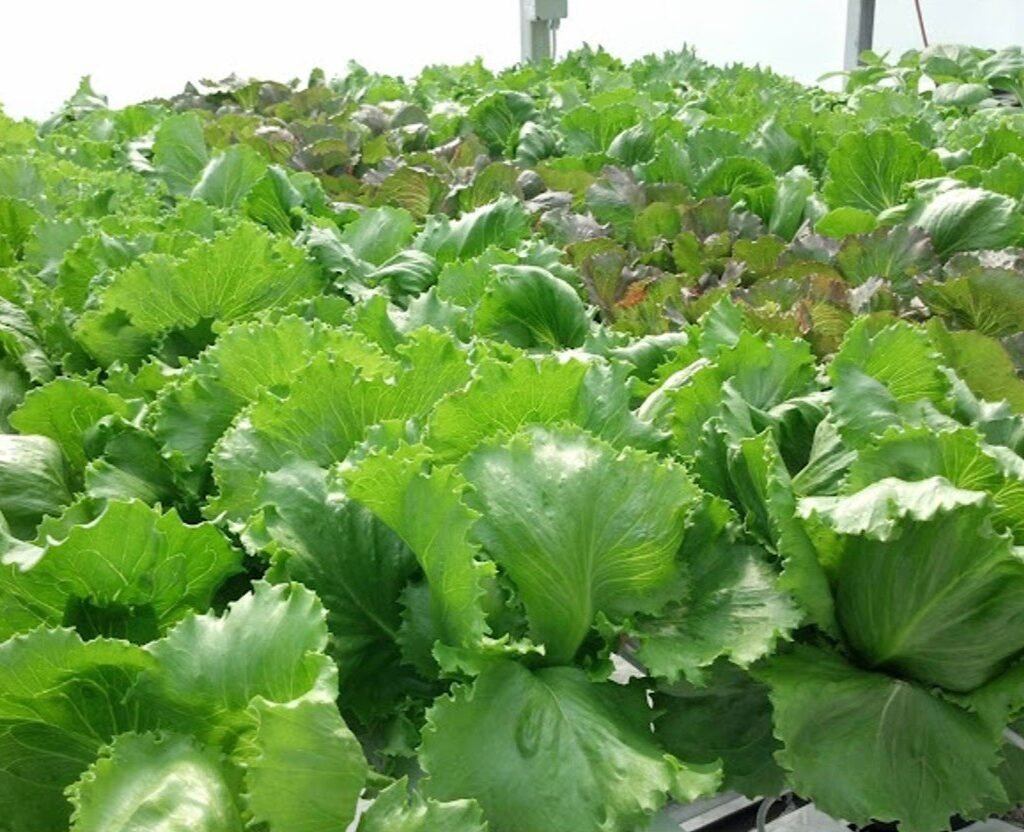
Crisp, Cool, and Classic: Why Iceberg Lettuce Deserves a Comeback in American Kitchens and Gardens

Crisp, Cool, and Classic: Why Iceberg Lettuce Deserves a Comeback in American Kitchens and Gardens

For decades, iceberg lettuce has been a staple in American households—gracing everything from crunchy salads to juicy burgers and fresh tacos. Yet, in recent years, it’s often been overshadowed by darker, trendier greens like kale and spinach. However, this crisp and refreshing lettuce is making a well-deserved comeback among home gardeners, chefs, and health enthusiasts alike.

Loved for its signature crunch, mild flavor, and refreshing bite, iceberg lettuce (Lactuca sativa var. capitata) is more than just filler—it’s a versatile, low-calorie vegetable that’s easy to grow, delicious to eat, and surprisingly good for you. Whether you’re cultivating it in your backyard or adding it to your favorite American recipes, iceberg lettuce remains an all-time classic that deserves a permanent spot in your kitchen.


1. What Is Iceberg Lettuce? A Cool Crop with a Cool History

Iceberg lettuce, also known as crisphead lettuce, earned its name from the way it was originally shipped across the U.S. in the early 1900s—packed in ice to keep it fresh during long train journeys. Its firm, tightly packed head and pale green leaves set it apart from other lettuces like romaine or butterhead.

Botanical profile:

  • Scientific name: Lactuca sativa var. capitata
  • Family: Asteraceae (daisy family)
  • Type: Annual, cool-season vegetable
  • Native to: Mediterranean region
  • USDA zones: Best grown in zones 4–9

Because of its crisp texture and neutral taste, iceberg lettuce became an instant favorite across the U.S., especially in classic American dishes like wedge salads, BLTs, and diner-style burgers.


2. Nutritional Value: More Than Just Crunch

While iceberg lettuce is often criticized for being “low in nutrients,” that reputation doesn’t tell the full story. This refreshing green is low in calories, hydrating, and rich in certain vitamins and minerals that contribute to overall wellness.

Nutritional highlights (per 100g):

  • Calories: 14
  • Water content: Over 95%
  • Fiber: 1.2g
  • Vitamin K: 17% of the daily recommended value (supports bone and heart health)
  • Vitamin A: 10% of the daily value (good for skin and vision)
  • Folate: Important for cell growth and repair
  • Electrolytes: Contains potassium and calcium for hydration and muscle balance

Its high water content makes iceberg lettuce a natural hydrator, perfect for hot American summers. For those on low-calorie or keto diets, it’s an ideal addition that provides volume and crunch without adding carbs or fat.


3. How to Grow Iceberg Lettuce in the U.S.

Iceberg lettuce may look fancy, but it’s surprisingly easy to grow—even for beginners. It thrives in cool weather, making it perfect for spring and fall planting across most parts of the country.

a. When to Plant

  • Spring planting: 2–4 weeks before the last frost
  • Fall planting: 8–10 weeks before the first expected frost
    In warmer states like California, Arizona, and Florida, it’s best to grow iceberg lettuce during the cooler months of late fall through early spring.

b. Soil and Sun Requirements

  • Soil type: Loose, fertile, and well-drained
  • pH level: Slightly acidic to neutral (6.0–7.0)
  • Sun exposure: Full sun to partial shade

Adding compost or organic matter helps improve soil texture and moisture retention.

c. Planting Tips

  • Direct sow seeds ¼ inch deep and space them about 12 inches apart.
  • Keep the soil consistently moist—lettuce roots are shallow and can dry out quickly.
  • Thin seedlings to allow enough airflow and prevent disease.

For home gardeners in hot regions, mulching and light shading can protect the plants from wilting or bolting too early.

d. Growing Indoors or in Containers

If you live in an apartment or have limited garden space, iceberg lettuce grows beautifully in containers or raised beds. Use a wide pot (at least 10 inches deep) and ensure it has good drainage. Place it in a sunny window or balcony, and you’ll enjoy fresh, homegrown lettuce within weeks.


4. Harvesting Iceberg Lettuce the Right Way

You’ll know it’s time to harvest when the heads feel firm and compact, usually about 70–90 days after planting. Cut the head off at the base using a clean knife. Be careful not to damage the outer leaves if you want to prolong the plant’s life.

If you prefer tender, young lettuce, you can harvest outer leaves earlier for continuous picking while allowing the center to mature.

Pro Tip: Harvest in the early morning when the leaves are crisp and full of moisture.


5. Storing and Preserving Freshness

Iceberg lettuce is famous for its long shelf life compared to other greens. Here’s how to keep it crisp for days:

  • Refrigerate immediately after harvest or purchase.
  • Store the head in a plastic or reusable produce bag with a paper towel to absorb moisture.
  • Avoid washing until you’re ready to use it.

Properly stored, iceberg lettuce can last up to two weeks in the refrigerator—making it a top choice for meal prep and busy households.


6. Delicious Ways to Enjoy Iceberg Lettuce

Iceberg lettuce shines in both raw and cooked dishes. Its crisp texture and refreshing flavor make it one of the most versatile greens in American cuisine.

a. Classic Wedge Salad

Cut a head of iceberg into quarters, drizzle with creamy blue cheese dressing, sprinkle with bacon bits, and top with chopped tomatoes. It’s a retro favorite that never goes out of style.

b. Lettuce-Wrapped Burgers

For a low-carb twist, swap out the bun for crisp iceberg leaves. It adds crunch and freshness to any burger or sandwich without the extra calories.

c. Taco and Wrap Shells

Use whole leaves as taco shells or wrap bases for a lighter, gluten-free option. Perfect for chicken, shrimp, or veggie fillings.

d. Stir-Fries and Soups

Add chopped iceberg lettuce at the last minute to Asian stir-fries or soups—it softens slightly but retains its delightful crunch.

e. Juicing or Smoothies

Blend iceberg lettuce with cucumber, apple, and lemon for a refreshing detox drink that hydrates and revitalizes.


7. Iceberg Lettuce vs. Romaine and Other Greens

Each lettuce variety offers its own unique benefits, but here’s how iceberg compares to the rest:

TypeTextureFlavorNutrient DensityBest For
IcebergCrisp & crunchyMild & refreshingModerateSalads, burgers, wraps
RomaineCrunchy ribs, soft leavesSlightly bitterHighCaesar salads
ButterheadSoft & tenderMild & butteryHighWraps, delicate salads
Leaf lettuceLoose & ruffledSweet or pepperyHighMixed salads

While iceberg might not be as nutrient-dense as darker greens, its texture and versatility make it indispensable for adding crunch and freshness to meals.


8. Health Benefits You Might Not Expect

Beyond hydration and low calories, iceberg lettuce offers subtle but important health benefits:

  • Supports digestion: Its fiber content aids bowel health and prevents bloating.
  • Aids weight management: Low calorie and high volume—ideal for portion control.
  • Boosts hydration: With 95% water, it helps maintain electrolyte balance.
  • Heart health: Contains folate and potassium, which support cardiovascular function.

When combined with other vegetables and proteins, iceberg lettuce forms the foundation of a balanced, nutrient-rich meal.


9. Sustainability and Growing Popularity in the U.S.

As more Americans embrace home gardening and sustainable living, iceberg lettuce is regaining popularity. It grows quickly, requires minimal care, and can be harvested multiple times in a season.

Many U.S. farmers, especially in California’s Salinas Valley, are also turning to more sustainable lettuce farming methods—reducing pesticide use and improving soil health. For home gardeners, growing your own iceberg lettuce means fewer food miles, fresher produce, and zero packaging waste.


10. Why Iceberg Lettuce Deserves a Comeback

It’s time to rethink iceberg lettuce. Sure, it’s not as dark green or trendy as kale, but it offers something those greens can’t—a refreshing crunch, long shelf life, and unbeatable versatility. It’s the foundation of countless American classics and a reliable, easy-to-grow crop for any home gardener.

So next time you’re at the grocery store or in the garden center, don’t overlook that firm, pale-green head of lettuce. Whether you toss it in a salad, wrap it around your favorite fillings, or layer it on a sandwich, iceberg lettuce brings crisp simplicity back to the table..