Fava Beans The Protein-Packed Superfood Taking Over American Gardens and Kitchens

Fava Beans The Protein-Packed Superfood Taking Over American Gardens and Kitchens

In recent years, fava beans—once considered an Old World delicacy—have made a powerful comeback in American kitchens and home gardens. Known for their rich, buttery texture and nutty flavor, these beans are gaining popularity among chefs, nutritionists, and gardeners alike.

Whether you call them fava beans, broad beans, or horse beans, these ancient legumes are prized for their exceptional nutrition, soil-enriching properties, and culinary versatility. From hearty soups to creamy dips, fava beans bring both flavor and function to every plate.

If you’ve ever wondered why these beans are so beloved across the globe—and how you can grow and enjoy them right here in the U.S.—this detailed guide covers everything from planting tips to delicious recipes and health benefits.


What Are Fava Beans?

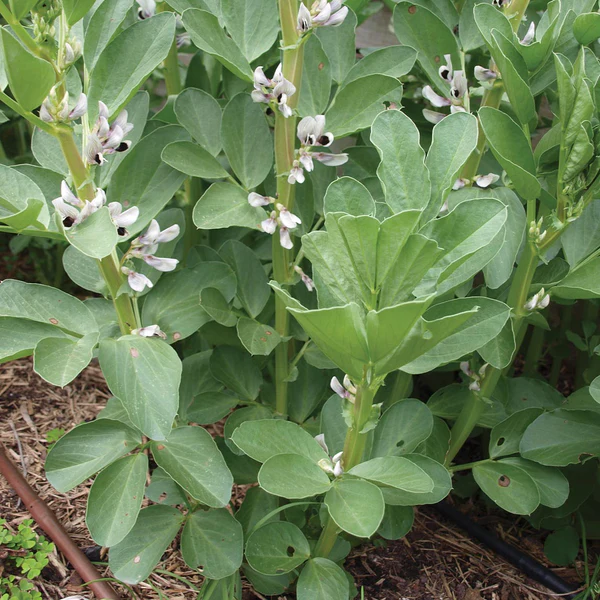
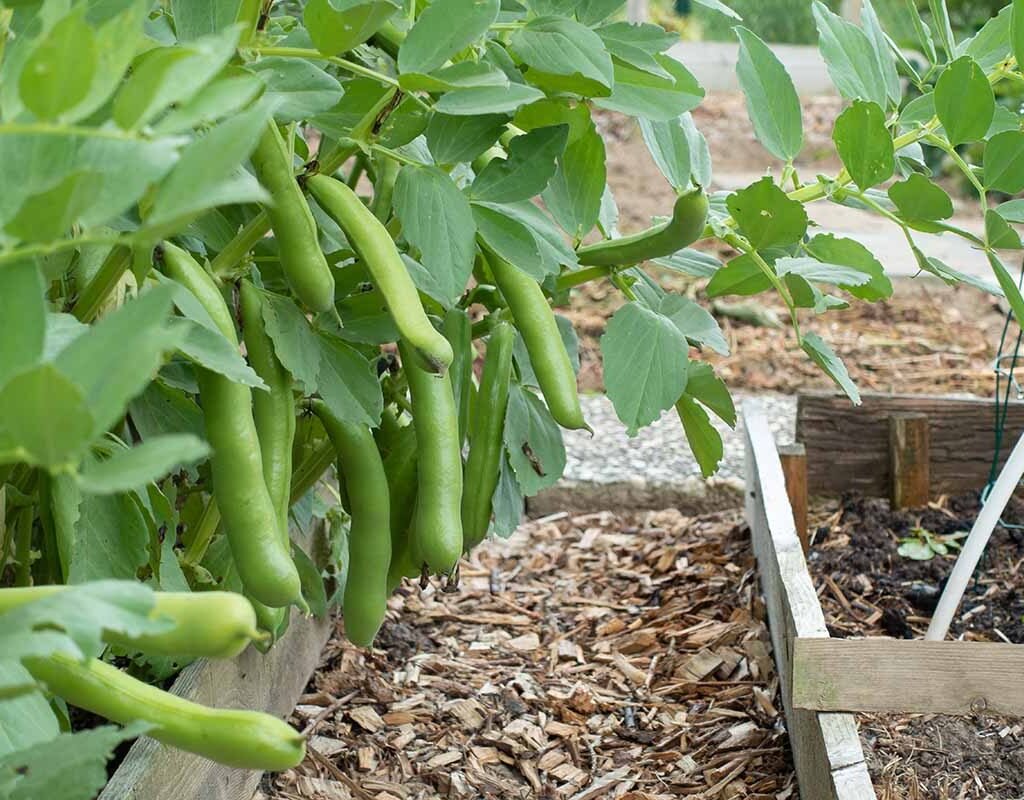
Fava beans (Vicia faba) are a cool-season legume that thrives in mild temperatures. They differ from typical green beans or snap beans because you eat the large, protein-rich seeds rather than the pods. Each thick, slightly fuzzy pod contains 4–8 beans that can be eaten fresh or dried.

Fava beans have been cultivated for over 6,000 years and remain a dietary staple in Mediterranean, Middle Eastern, and Latin American cuisines. Today, they are making their mark in American sustainable farming and plant-based diets due to their versatility and health value.


Nutritional Profile: A True Superfood

Fava beans are a nutrient-dense powerhouse that delivers high levels of plant-based protein, fiber, and essential vitamins and minerals.

Per 100 grams of cooked fava beans:

  • Calories: 110
  • Protein: 8 grams
  • Fiber: 6 grams
  • Carbohydrates: 19 grams
  • Fat: Less than 1 gram
  • Key Nutrients: Iron, Folate, Magnesium, Vitamin B1 (Thiamine), and Potassium

They’re naturally gluten-free, cholesterol-free, and low in fat, making them an ideal food for heart health and balanced nutrition.


Top Health Benefits of Fava Beans
1. Excellent Source of Plant Protein

Fava beans are a top choice for vegetarians and vegans looking for high-quality plant protein. They contain all nine essential amino acids, supporting muscle growth and tissue repair.

2. Heart Health Booster

Rich in fiber, magnesium, and potassium, fava beans help lower blood pressure and cholesterol levels, protecting against heart disease.

3. Supports Digestion and Gut Health

The soluble fiber in fava beans aids digestion and promotes healthy gut bacteria. It also helps regulate blood sugar levels.

4. Promotes Healthy Blood and Energy

Thanks to their high iron and folate content, fava beans help prevent anemia and improve red blood cell production—keeping you energized throughout the day.

5. Weight Management Aid

Low in calories and high in protein and fiber, fava beans promote satiety and reduce cravings, making them a smart choice for weight loss diets.

6. Strengthens Bones and Immunity

Fava beans provide calcium, manganese, and vitamin K, all essential for maintaining strong bones and a healthy immune system.


How to Grow Fava Beans in Your American Garden
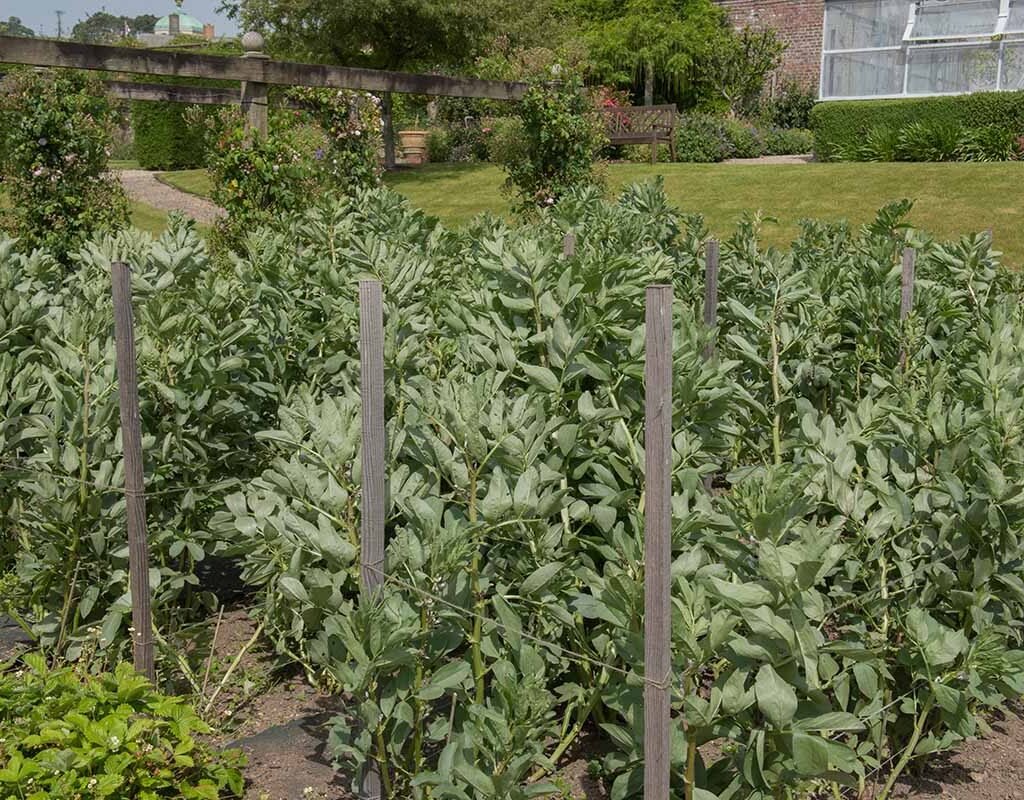
Fava beans thrive in cool climates, making them one of the first crops to plant in early spring or fall. They’re also excellent for improving garden soil, as they fix nitrogen naturally—a sustainable gardener’s dream.

1. When to Plant

  • In the South or coastal areas: Plant in fall or winter for a spring harvest.
  • In northern regions: Plant in early spring as soon as the soil is workable.

Fava beans grow best at temperatures between 40°F and 75°F and can tolerate light frost.

2. Soil Preparation

Choose well-draining, fertile soil with a pH between 6.0 and 7.5. Enrich the soil with compost before planting. Since fava beans fix nitrogen, they rarely need fertilizer.

3. Sowing the Seeds

  • Plant seeds about 1–2 inches deep and 6 inches apart.
  • Space rows 18–24 inches apart for good air circulation.
  • Soak seeds overnight before planting to speed up germination.

4. Watering and Maintenance

Water regularly, keeping the soil evenly moist but not waterlogged. Apply mulch to retain moisture and suppress weeds.

5. Supporting the Plants

Although fava beans have sturdy stems, tall varieties benefit from light staking to prevent lodging (falling over) in windy conditions.

6. Harvesting

  • For fresh beans: Harvest pods when they are plump and green.
  • For dry beans: Allow pods to dry on the plant until they turn brown and brittle.

You can also harvest young leaves and shoots, which are tender and delicious in salads or stir-fries.


Common Garden Problems and Solutions

Fava beans are generally low-maintenance but can face a few common challenges:

  • Aphids: Wash off with a jet of water or spray with neem oil.
  • Blackflies: Remove infested shoots or plant companion herbs like mint to deter them.
  • Fungal Diseases (like rust or chocolate spot): Space plants properly and water at the base to prevent leaf wetness.
  • Root Rot: Avoid overwatering and ensure good drainage.

With a bit of care, your plants will produce abundant, healthy pods throughout the season.


Cooking with Fava Beans: From Farm to Table
Fava beans are loved for their creamy texture and nutty, slightly sweet flavor. They shine in both traditional dishes and modern American recipes.

1. Fresh vs. Dried Fava Beans

  • Fresh fava beans: Best for spring dishes—blanched, sautéed, or pureed.
  • Dried fava beans: Ideal for soups, stews, and dips once soaked and cooked.

Here are some delicious ways to enjoy them:

1. Fava Bean Hummus

Blend cooked fava beans with garlic, tahini, olive oil, and lemon juice for a vibrant green dip. Serve with pita bread or veggie sticks.

2. Sautéed Fava Beans with Garlic and Lemon

A quick and healthy side dish—sauté blanched beans in olive oil with minced garlic, lemon zest, and salt.

3. Fava Bean Soup

Simmer fava beans with onions, celery, garlic, and herbs for a hearty, protein-packed soup perfect for cool evenings.

4. Pasta with Fava Beans and Parmesan

Toss fava beans with pasta, olive oil, parmesan cheese, and fresh basil for a simple, elegant meal.

5. Fava Bean Salad with Mint and Feta

Combine cooked fava beans with crumbled feta, red onion, and fresh mint for a refreshing Mediterranean-inspired salad.

6. Falafel with Fava Beans

Blend soaked fava beans with chickpeas, herbs, and spices to make light, crispy falafel—one of the most beloved Middle Eastern street foods.


Preserving and Storing Fava Beans

Fava beans can be enjoyed year-round if preserved properly:

  • Freezing: Blanch shelled beans for 2–3 minutes, cool in ice water, dry, and freeze in airtight bags.
  • Drying: Let mature pods dry on the plant, then store the shelled beans in jars for up to 12 months.
  • Canning: Pressure-can cooked beans to extend shelf life.

For best flavor, remove the outer skins of mature beans before freezing or cooking—they’re edible but can be tough.


Sustainability and Soil Health Benefits

Fava beans are more than just food—they’re an eco-friendly crop that enhances your garden’s soil.

As nitrogen fixers, they naturally convert atmospheric nitrogen into forms that plants can use. This reduces the need for synthetic fertilizers and improves soil fertility for future crops.

Many American gardeners plant fava beans as a cover crop in fall or winter to enrich the soil and prevent erosion. Plus, their white blossoms attract pollinators, supporting local biodiversity.


Fun Facts About Fava Beans

  • Fava beans were a dietary staple in ancient Egypt, Greece, and Rome.
  • The word “fava” comes from the Italian word for bean, and they are still widely used in Italian dishes today.
  • They’re one of the few beans that can grow in cool climates, making them ideal for northern U.S. gardens.
  • In parts of the Mediterranean, fava beans are considered a symbol of luck and fertility.

Buying and Storing Fava Beans

When shopping for fresh fava beans:

  • Choose firm, bright green pods without blemishes.
  • Avoid pods that feel soft, yellowed, or dry.

Store unshelled fava beans in the refrigerator for up to 5 days. Once shelled, they’ll last 2–3 days in an airtight container or can be frozen for later use.


Conclusion: Why Fava Beans Deserve a Place in Every American Garden

From their incredible nutritional profile to their soil-improving power, fava beans are a true gem in both the garden and the kitchen. They’re easy to grow, packed with protein, and delicious in a wide variety of dishes—from rustic soups to elegant salads.

As more Americans embrace home gardening, sustainable living, and plant-based eating, fava beans are becoming a must-have crop for anyone looking to eat healthier and grow greener.

So, this season, plant a few rows of fava beans and watch them thrive. When harvest time comes, you’ll enjoy a truly rewarding experience—fresh, flavorful, and full of nourishment straight from your backyard to your table.


Okra Uncovered The Complete American Guide to Growing, Cooking, and Benefiting from This Southern Superfood

Okra Uncovered The Complete American Guide to Growing, Cooking, and Benefiting from This Southern Superfood

Few vegetables capture the heart of American cuisine like okra. Known for its iconic role in Southern cooking and gumbo, okra (Abelmoschus esculentus) is much more than a traditional side dish. This versatile, nutrient-packed vegetable is celebrated for its health benefits, culinary flexibility, and even its growing ease in home gardens across the United States.

Whether you’re a foodie exploring Southern flavors, a health enthusiast seeking nutrient-dense foods, or a gardener looking for a high-yield crop, okra deserves a spot in your kitchen. In this comprehensive guide, we’ll explore everything about okra — from its nutritional value and health benefits to planting tips, cooking ideas, and storage strategies.


What Is Okra?

Okra, also known as lady’s finger, is a flowering plant in the mallow family, related to hibiscus and cotton. Its edible seed pods are elongated, tapering, and covered in tiny hairs, which contribute to its slightly mucilaginous (slimy) texture. While this texture can be polarizing, it’s essential in traditional Southern dishes like gumbo and can be minimized with proper cooking techniques.

Okra is believed to have originated in West Africa and was brought to the Americas during the transatlantic trade. Today, it thrives in the warm climates of the southern United States and is gaining popularity in gardens and markets across the country.


Nutritional Value of Okra

Okra is a low-calorie vegetable packed with essential nutrients. One cup (about 100 grams) of raw okra contains:

  • Calories: 33
  • Carbohydrates: 7 grams
  • Protein: 2 grams
  • Fat: 0.2 grams
  • Fiber: 3 grams
  • Vitamin C: 38% of the Daily Value (DV)
  • Vitamin K: 37% of the DV
  • Folate: 15% of the DV
  • Magnesium: 7% of the DV
  • Calcium: 8% of the DV

With its combination of fiber, vitamins, and minerals, okra supports digestion, immunity, and cardiovascular health, making it a staple for health-conscious Americans.


Health Benefits of Okra

Okra is often called a superfood because of its diverse health benefits:

1. Supports Digestive Health

Rich in dietary fiber and mucilage, okra helps maintain smooth digestion, prevent constipation, and promote gut health.

2. Regulates Blood Sugar

Studies suggest that okra may help stabilize blood sugar levels due to its fiber content and compounds that improve insulin sensitivity, making it a popular choice for people managing diabetes.

3. Boosts Immunity

High in vitamin C and antioxidants, okra strengthens the immune system and protects against infections.

4. Promotes Heart Health

Okra contains soluble fiber, which may reduce cholesterol levels and support a healthy heart. Its potassium and magnesium content also help regulate blood pressure.

5. Supports Bone Health

Vitamin K and calcium in okra contribute to strong bones and may reduce the risk of osteoporosis.

6. Aids in Weight Management

Low in calories and high in fiber, okra is filling and ideal for maintaining a healthy weight while providing essential nutrients.

7. Skin and Hair Benefits

The antioxidants and vitamins in okra help combat oxidative stress, promoting healthy skin and hair. Its mucilaginous texture can even be used in DIY natural hair masks for hydration.


Types of Okra

Several okra varieties are grown in America, each with unique characteristics:

1. Clemson Spineless

  • Most popular variety in the U.S.
  • Produces spineless pods that are tender and easy to cook.
  • High yield, ideal for home gardens.

2. Emerald

  • Produces dark green, smooth pods.
  • Resistant to heat and common pests.

3. Annie Oakley

  • Known for high yield and disease resistance.
  • Produces slender, spineless pods perfect for frying and soups.

4. Burgundy

  • Red-skinned pods add color to salads and dishes.
  • Turns green when cooked but retains mild flavor.

How to Grow Okra in the U.S.

Okra is a heat-loving plant that thrives in southern gardens but can also be grown as a summer annual in northern regions.

1. Climate and Soil Requirements

  • Prefers temperatures 75–95°F.
  • Needs full sun and well-draining, fertile soil.
  • Ideal pH: 6.0–7.0.

2. Planting

  • Start seeds indoors 3–4 weeks before the last frost.
  • Soak seeds in warm water for 12–24 hours to improve germination.
  • Transplant seedlings outdoors after frost risk has passed, spacing 12–18 inches apart.

3. Watering

  • Keep soil consistently moist but avoid waterlogging.
  • Water deeply once or twice a week, increasing frequency during dry spells.

4. Fertilizing

  • Use a balanced fertilizer at planting and every 4–6 weeks for optimal growth.

5. Harvesting

  • Pods are best harvested when 3–5 inches long, before becoming tough and woody.
  • Frequent harvesting encourages continuous pod production throughout the summer.

Cooking Tips for Okra

Okra’s mucilaginous texture is prized in gumbo but can be minimized for other dishes:

  • High heat cooking: Roasting, grilling, or frying reduces sliminess.
  • Acid addition: Lemon juice or vinegar helps minimize mucilage.
  • Quick sauté: Lightly sauté sliced pods with oil and spices for a crisp texture.
  • Avoid overcooking: Overcooking increases sliminess, especially in soups.

Delicious Okra Recipes for American Kitchens

1. Southern Fried Okra

A classic Southern side dish:

  • Slice okra into bite-sized pieces.
  • Coat in cornmeal and spices, then fry until golden.
  • Serve with spicy dipping sauce or alongside fried chicken.

2. Okra and Tomato Stew

A healthy, comforting dish:

  • Sauté onions, garlic, and tomatoes.
  • Add sliced okra, season with salt, pepper, and smoked paprika.
  • Simmer until tender and serve over rice.

3. Okra Gumbo

Iconic Louisiana dish:

  • Use okra as a thickening agent with roux, sausage, chicken, and spices.
  • Serve over steamed rice for a hearty meal.

4. Roasted Okra Chips

A low-calorie, crispy snack:

  • Toss sliced okra with olive oil, salt, and paprika.
  • Roast at 400°F for 15–20 minutes until crisp.

5. Okra Smoothie (Health Trend)

Blend young, tender pods with spinach, cucumber, and apple for a fiber-rich detox smoothie.


Storage Tips

  • Fresh okra: Store unwashed in a paper bag or wrapped in a paper towel in the refrigerator.
  • Shelf life: Use within 2–3 days for best flavor and texture.
  • Freezing: Blanch pods for 3–4 minutes, cool in ice water, and freeze for long-term storage.

Fun Facts About Okra

  • The word “okra” comes from the Igbo language of Nigeria, meaning “edible.”
  • Okra is a key ingredient in Creole and Cajun cuisine, particularly in Louisiana.
  • It contains mucilage, a natural thickener used in soups and sauces.
  • Okra flowers are edible and can be used as a garnish or in salads.
  • Americans are rediscovering okra as a low-calorie, nutrient-rich vegetable in wellness and plant-based diets.

Okra vs. Other Popular American Vegetables

VegetableCalories per 100gKey NutrientTextureBest Uses
Okra33Vitamin C & KMucilaginousGumbo, stir-fry, soups
Zucchini21PotassiumTenderGrilling, sauté, baking
Green Beans31Fiber & Vitamin CCrispSteamed, stir-fry
Eggplant25Fiber & AntioxidantsSpongyRoasting, stews

Okra’s mucilage and unique flavor set it apart, making it both a culinary and nutritional superstar.


Conclusion: Why Okra Deserves a Place in Every American Kitchen

Okra is much more than a Southern tradition — it’s a nutrient-packed, versatile, and easy-to-grow superfood that fits perfectly into modern American lifestyles. From the home garden to gourmet kitchens, okra offers:

  • Health benefits: Digestive support, blood sugar control, heart health, and immunity.
  • Culinary versatility: Soups, stews, stir-fries, frying, and even smoothies.
  • Gardening ease: High-yield, heat-loving plant that thrives in American climates.

Whether you’re trying it for the first time or exploring new ways to incorporate it into your diet, okra is a vegetable worth celebrating. Embrace its Southern charm, nutritional power, and culinary potential — your taste buds and body will thank you.


Snake Gourd Secrets The Complete Guide to Growing, Cooking, and Benefiting from America’s Underrated Super Veggie

Snake Gourd Secrets The Complete Guide to Growing, Cooking, and Benefiting from America’s Underrated Super Veggie

When it comes to exotic vegetables making their way into American kitchens, snake gourd is slowly slithering into the spotlight. With its long, curling shape and crisp, mildly flavored flesh, this tropical vegetable is as fascinating as it is nutritious.

Traditionally popular in Indian and Southeast Asian cuisines, snake gourd is now gaining attention among American gardeners, chefs, and health enthusiasts for its incredible health benefits, versatility in cooking, and suitability for warm climates. Whether you want to grow it in your backyard or add it to your low-calorie meal plan, snake gourd deserves a place on your table.

In this comprehensive guide, we’ll explore everything you need to know about this unique vegetable — from its origins and nutritional power to its cultivation, health benefits, and tasty American-style recipes.


What Is Snake Gourd?

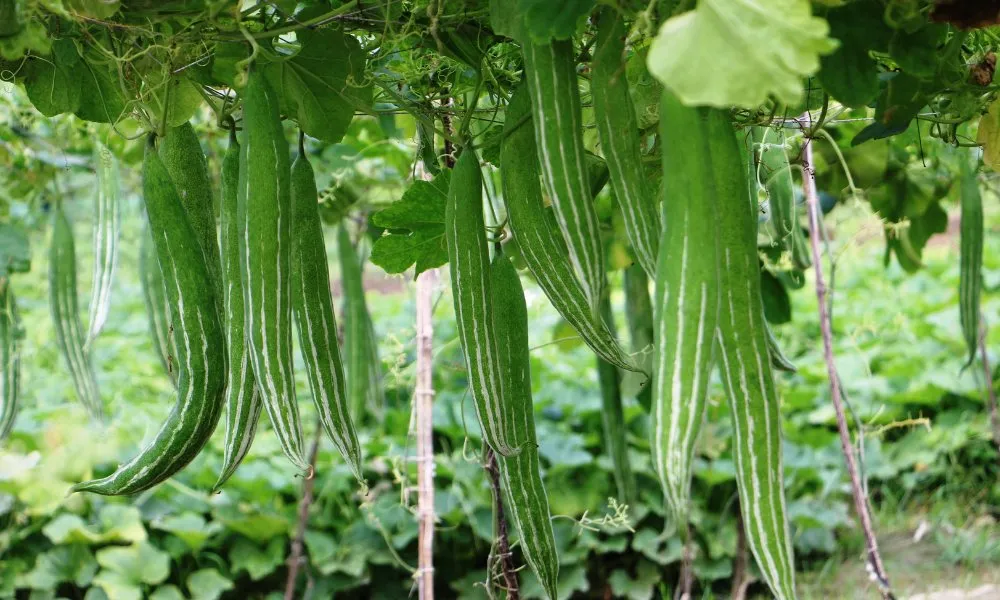
Snake gourd (Trichosanthes cucumerina) is a tropical vine vegetable belonging to the cucumber and gourd family. Native to South and Southeast Asia, it’s named for its striking resemblance to a snake — long, slender, and slightly curled.

The young fruit is tender and edible, while mature gourds become fibrous and are often used for seeds or natural sponges. In India, it’s commonly called “padwal” or “chichinda,” but in America, it’s affectionately known as snake gourd or serpent gourd.

Its mild, slightly sweet flavor makes it a versatile ingredient that can be used in stir-fries, soups, curries, and even stuffed dishes — similar to zucchini or cucumber but with its own distinct texture and aroma.


Nutritional Value of Snake Gourd

Snake gourd is a nutrient-dense, low-calorie vegetable packed with vitamins, minerals, and fiber. One cup (100 grams) of cooked snake gourd typically contains:

  • Calories: 20
  • Carbohydrates: 4 grams
  • Protein: 1 gram
  • Fiber: 1.2 grams
  • Fat: 0.1 grams
  • Vitamin A: 15% of the Daily Value (DV)
  • Vitamin C: 20% of the DV
  • Calcium: 4% of the DV
  • Iron: 5% of the DV
  • Magnesium and Potassium: small but essential amounts

Because it’s high in water and low in calories, snake gourd is ideal for hydration, digestion, and maintaining a healthy weight — making it a great addition to American health-conscious diets.


Health Benefits of Snake Gourd

Snake gourd isn’t just another exotic vegetable — it’s a true superfood loaded with healing properties. Here are some of its top health benefits:

1. Promotes Digestive Health

Snake gourd is rich in dietary fiber and water, helping to regulate bowel movements and prevent constipation. It also has mild laxative properties, which naturally support a healthy digestive tract.

2. Supports Weight Loss

Low in calories and fat but high in fiber, snake gourd fills you up without weighing you down. It’s a perfect vegetable for Americans following low-carb, keto, or clean-eating meal plans.

3. Helps Control Blood Sugar

Snake gourd may assist in stabilizing blood sugar levels thanks to compounds that enhance insulin function. That’s why it’s often recommended for people managing diabetes or prediabetes naturally.

4. Boosts Immunity

Loaded with vitamin C, snake gourd helps strengthen your immune system, protect against infections, and fight free radicals that cause cell damage.

5. Improves Heart Health

The potassium and magnesium in snake gourd contribute to healthy blood pressure levels and overall cardiovascular wellness. Its fiber also helps lower LDL (bad cholesterol).

6. Detoxifies the Body

Snake gourd acts as a natural detoxifier, cleansing the liver and kidneys. It’s also mildly diuretic, helping flush out toxins and excess fluids from the body.

7. Promotes Skin and Hair Health

With its high water content and antioxidants, snake gourd supports glowing skin and strong hair. It hydrates from within and may reduce acne and inflammation when included regularly in your diet.


Types of Snake Gourd

There are two main types of snake gourd commonly seen in markets and gardens:

1. Short Varieties

  • About 1–2 feet long
  • Thicker, with a straighter shape
  • Ideal for cooking and home gardens

2. Long Varieties

  • Can grow up to 4–6 feet long!
  • Curly and slender with tender skin
  • Used for stir-fries and soups

Both varieties are equally nutritious and can be used interchangeably in recipes.


How to Grow Snake Gourd in America

Good news for American gardeners — snake gourd grows exceptionally well in warm, sunny climates like Florida, Texas, California, and the southern states. It can even be cultivated in northern regions during the summer months.

1. Climate and Soil Requirements

  • Snake gourd thrives in warm weather (75°F–90°F).
  • Prefers loamy, well-drained soil rich in organic matter.
  • Ideal pH: 6.0 to 7.0.

2. Planting

  • Start seeds indoors 3–4 weeks before the last frost.
  • Transplant seedlings outdoors after temperatures stabilize above 70°F.
  • Space plants 3–4 feet apart and provide a trellis or fence for support.

3. Watering

  • Keep the soil moist but not soggy.
  • Water deeply 2–3 times a week during dry periods.

4. Fertilizing

  • Use a balanced organic fertilizer or compost once every 2–3 weeks.
  • Avoid excessive nitrogen to prevent leafy growth without fruits.

5. Harvesting

  • Harvest when the gourds are 12–18 inches long and still tender.
  • Overripe gourds become fibrous and less flavorful.

With proper care, snake gourd vines can yield a generous harvest throughout the summer — making it one of the most rewarding exotic vegetables to grow in the U.S.


How to Prepare and Cook Snake Gourd

Snake gourd’s subtle taste and crisp texture make it adaptable to many American and Asian-inspired dishes. Here’s how to prepare it:

Preparation Steps

  1. Wash the gourd thoroughly under running water.
  2. Peel lightly if the skin is thick (young gourds can be left unpeeled).
  3. Cut lengthwise and remove any mature seeds.
  4. Slice into rings, cubes, or strips depending on your recipe.

Delicious Snake Gourd Recipes

1. Snake Gourd Stir-Fry (American-Asian Fusion)

A light and flavorful side dish that pairs well with grilled chicken or rice bowls.

Ingredients:

  • 2 cups sliced snake gourd
  • 1 onion, thinly sliced
  • 2 cloves garlic, minced
  • 1 tbsp olive oil
  • Salt, pepper, and soy sauce to taste

Instructions:

  1. Heat oil in a pan and sauté garlic and onions until golden.
  2. Add snake gourd and stir-fry for 5–6 minutes.
  3. Season with soy sauce, salt, and pepper. Serve warm.

2. Snake Gourd Soup

A refreshing, hydrating soup perfect for hot American summers.

Ingredients:

  • 1 cup chopped snake gourd
  • 1 small carrot, diced
  • 3 cups vegetable broth
  • 1 garlic clove, minced
  • Salt, black pepper, and lemon juice to taste

Instructions:

  1. Bring broth to a boil and add all vegetables.
  2. Simmer until tender.
  3. Season and finish with lemon juice.

3. Stuffed Snake Gourd

A hearty, healthy dinner dish inspired by Mediterranean stuffed zucchini.

Ingredients:

  • 2 medium snake gourds (cut into 3-inch segments)
  • 1/2 cup cooked quinoa or brown rice
  • 1/4 cup chopped bell peppers
  • 1/4 cup feta cheese or tofu
  • Olive oil, salt, herbs, and spices

Instructions:

  1. Scoop out the inner pulp of each segment.
  2. Mix filling ingredients and stuff into the gourds.
  3. Bake at 375°F for 20–25 minutes until tender.

Snake Gourd Juice for Detox and Weight Loss

Snake gourd juice is gaining popularity in the U.S. wellness community for its detoxifying properties.

How to Make It:

  • Blend 1 cup of chopped snake gourd with ½ cup of water.
  • Add lemon juice and a pinch of salt.
  • Strain and drink chilled.

This refreshing juice is perfect for hydration, liver detox, and boosting metabolism — especially on a hot day or after a workout.


Storage Tips

To keep your snake gourd fresh:

  • Store it in the refrigerator’s crisper drawer, wrapped in a paper towel or breathable bag.
  • It stays fresh for up to 5–6 days.
  • Avoid storing near ethylene-producing fruits like bananas or apples.

Fun Facts About Snake Gourd

  • The plant gets its name because the long fruits often curl and hang like snakes from the vine.
  • In traditional Indian medicine, snake gourd is used to treat fevers, liver issues, and inflammation.
  • It’s sometimes called “vegetable serpent” due to its distinctive shape.
  • In warm American states, snake gourd flowers bloom at night and attract moths for pollination.

Snake Gourd vs. Other Gourds

VegetableCalories (per 100g)Key NutrientTextureFlavor
Snake Gourd20Vitamin CCrisp, tenderMildly sweet
Bottle Gourd15FolateSoftMild
Bitter Melon19Vitamin AFirmBitter
Zucchini21PotassiumTenderSweet, soft

Snake gourd offers a unique balance — light like zucchini but more exotic in appearance and nutrition.


Conclusion: Why Snake Gourd Deserves a Spot in American Kitchens

As more Americans embrace global flavors and nutrient-rich produce, snake gourd stands out as an incredible addition to the modern diet. It’s light, hydrating, and packed with health benefits — from digestion and detox to heart health and immunity.

Whether you sauté it for dinner, sip it as juice, or grow it in your backyard garden, snake gourd offers freshness, versatility, and nutrition in one elegant package.

So, the next time you visit your local farmers’ market or try a new vegetable in your garden, give snake gourd a chance. You might just discover your new favorite healthy ingredient — one that’s as exotic as it is wholesome.

Bitter Melon Benefits The Ultimate Guide to America’s New Superfood for Health and Wellness

Bitter Melon Benefits The Ultimate Guide to America’s New Superfood for Health and Wellness

If you’ve heard of bitter melon but haven’t yet tried it, you’re not alone. Known for its distinctive appearance and sharp, bitter flavor, bitter melon has been a staple in Asian, African, and Caribbean cuisines for centuries — and it’s finally earning its place in American kitchens and wellness circles.

Packed with nutrients and celebrated for its potential health benefits, especially for blood sugar control and immunity, bitter melon is being hailed as one of the next big superfoods in the U.S. In this comprehensive guide, we’ll explore everything about bitter melon — from its origins and nutritional value to its remarkable health benefits, preparation tips, and creative ways to add it to your diet.


What Is Bitter Melon?

Bitter melon (Momordica charantia), also called bitter gourd or balsam pear, is a tropical vine belonging to the cucumber and squash family. It grows throughout Asia, Africa, and the Caribbean, producing an oblong, green fruit covered in warty bumps.

Despite its name, bitter melon isn’t just another vegetable — it’s a nutrient powerhouse with medicinal properties recognized in traditional healing systems like Ayurveda and Chinese medicine for centuries. Today, American nutritionists, chefs, and wellness enthusiasts are rediscovering this exotic fruit for its health benefits and versatility.


Nutritional Value of Bitter Melon

Bitter melon may not be sweet, but it’s certainly rich in nutrients. One cup (about 94 grams) of raw bitter melon contains:

  • Calories: 20
  • Carbohydrates: 4 grams
  • Protein: 1 gram
  • Fiber: 2 grams
  • Vitamin C: 93% of the Daily Value (DV)
  • Vitamin A: 44% of the DV
  • Folate: 17% of the DV
  • Potassium: 8% of the DV
  • Zinc, Iron, and Magnesium: trace amounts

Low in calories but high in vitamins and antioxidants, bitter melon offers an impressive nutritional punch for such a small fruit.


Health Benefits of Bitter Melon

Bitter melon has earned a reputation as a natural healer, and modern science is catching up with what traditional medicine has known for centuries. Here are its most notable health benefits:

1. Helps Manage Blood Sugar Levels

Bitter melon contains compounds such as charantin, vicine, and polypeptide-P, which have insulin-like effects that help reduce blood glucose levels. Studies suggest that bitter melon may improve glucose tolerance and support insulin sensitivity, making it popular among people managing diabetes or prediabetes.

2. Boosts Immunity

With nearly an entire day’s worth of vitamin C in just one serving, bitter melon helps strengthen the immune system. Its antioxidants protect cells from oxidative stress and fight off harmful pathogens, keeping you healthier year-round.

3. Aids in Weight Management

Low in calories and high in fiber, bitter melon supports healthy digestion and helps you feel fuller longer. It can be a powerful ally in weight-loss diets, especially when replacing higher-calorie side dishes or snacks.

4. Promotes Healthy Skin

Bitter melon’s antibacterial and anti-inflammatory properties can help purify the blood and support clearer skin. In many cultures, bitter melon juice is used as a natural remedy for acne, eczema, and other skin issues.

5. Supports Heart Health

Some studies suggest that bitter melon may help lower “bad” LDL cholesterol and triglyceride levels, reducing the risk of heart disease. Combined with a healthy lifestyle, it can play a role in maintaining cardiovascular wellness.

6. Detoxifies the Body

Bitter melon acts as a natural detoxifier, cleansing the liver and promoting the removal of toxins from the bloodstream. It also supports kidney health and improves digestion.

7. May Have Cancer-Fighting Properties

Emerging research indicates that bitter melon extracts may inhibit the growth of certain cancer cells, including those associated with breast and colon cancer. While more studies are needed, its antioxidant compounds are believed to play a protective role.


Popular Types of Bitter Melon

There are several varieties of bitter melon, but two main types are most common:

1. Chinese Bitter Melon

  • Light green with a smooth, bumpy surface.
  • Milder in bitterness.
  • Commonly used in stir-fries and soups.

2. Indian Bitter Melon

  • Dark green, smaller, and more pointed.
  • Has deep ridges and a stronger, more pronounced bitterness.
  • Popular in curries and stuffed vegetable dishes.

Both varieties can be found in international markets or specialty grocery stores across the U.S.


How to Prepare and Cook Bitter Melon

While bitter melon’s taste can be intense, proper preparation helps tone down the bitterness while retaining its nutritional value.

Step 1: Choose the Right Melon

Look for firm, bright green melons with no soft spots. Smaller fruits tend to be less bitter than larger ones.

Step 2: Slice and Remove Seeds

Cut the melon lengthwise and scoop out the white pith and seeds with a spoon.

Step 3: Reduce Bitterness

  • Salt Method: Sprinkle salt on the sliced melon and let it sit for 20–30 minutes. Rinse well before cooking.
  • Blanching: Boil the slices in salted water for 2–3 minutes to mellow the bitterness before stir-frying or sautéing.

Delicious Bitter Melon Recipes to Try

Bitter melon’s unique flavor adds depth and complexity to dishes. Here are a few American-approved ways to enjoy it:

1. Stir-Fried Bitter Melon with Eggs

A simple, protein-packed dish popular in Chinese and Filipino cuisine.

  • Slice bitter melon thinly and sauté with garlic.
  • Add beaten eggs and cook until just set.
  • Season with soy sauce, pepper, and sesame oil.

2. Bitter Melon Chips

Perfect for healthy snacking.

  • Slice bitter melon thin, toss with olive oil and salt, and bake at 375°F until crisp.
  • Light, crunchy, and packed with nutrients!

3. Bitter Melon Curry

A flavorful Indian-inspired recipe.

  • Cook bitter melon with onions, tomatoes, turmeric, and cumin.
  • Add coconut milk for a creamy, balanced finish that complements the bitterness.

4. Bitter Melon Smoothie

For the adventurous! Blend small amounts of bitter melon with apple, cucumber, lemon juice, and honey. The sweetness of fruit balances the bitter notes.

5. Bitter Melon Soup

Simmer sliced bitter melon with chicken broth, garlic, and tofu for a light, cleansing soup perfect for detox days.


How to Grow Bitter Melon in the U.S.

Good news for home gardeners — bitter melon thrives in warm, sunny climates and can easily be grown in American gardens, especially in southern states.

1. Planting Conditions

  • Prefers temperatures between 75°F and 85°F.
  • Requires well-draining soil and full sun exposure.

2. Sowing Seeds

  • Soak seeds in warm water for 24 hours before planting to aid germination.
  • Plant 1 inch deep and 12–15 inches apart in rows or containers.

3. Watering

  • Keep the soil consistently moist but not waterlogged.
  • Water at the base to prevent fungal growth on leaves.

4. Harvesting

  • Bitter melons are ready to harvest about 60–70 days after planting.
  • Pick when they’re firm and about 4–6 inches long for best flavor.

Homegrown bitter melon tastes fresher and milder than store-bought varieties, making it a great choice for organic gardeners.


Tips for Reducing Bitterness

If you’re new to bitter melon, the taste can be strong at first. Here are a few simple tricks to make it more enjoyable:

  • Combine with savory or rich ingredients like garlic, onions, eggs, or coconut milk.
  • Add acidic components such as lemon or vinegar to balance flavors.
  • Mix with sweet vegetables like bell peppers or carrots.
  • Avoid overcooking — a light sauté keeps it from becoming overly bitter.

Bitter Melon in American Wellness Trends

The growing interest in plant-based eating and holistic health has helped bitter melon gain traction in the U.S. Many Americans are turning to it for its natural detox properties, blood sugar benefits, and low-calorie nutrition.

You can now find bitter melon supplements, powders, and teas in health food stores nationwide. However, it’s always best to consult your doctor before using bitter melon as a supplement, especially if you take diabetes medication.


Fun Facts About Bitter Melon

  • In Japan, bitter melon (called goya) is a key ingredient in Okinawa’s famous longevity diet.
  • The phrase “bitter truth” could easily apply to this fruit — its bitter taste symbolizes cleansing and healing in many cultures.
  • In Caribbean cooking, bitter melon is often sautéed with salted fish for a flavorful, traditional dish.
  • Bitter melon tea is becoming a trendy detox drink in American wellness cafes.

Conclusion: Why Bitter Melon Deserves a Spot in Your Diet

Bitter melon may not be love at first bite, but it’s one of the healthiest foods you can add to your diet. With its rich vitamin content, blood sugar-regulating power, and impressive antioxidant profile, this superfood is quickly making its mark in America’s wellness world.

Whether you stir-fry it with eggs, blend it into smoothies, or take it as a supplement, bitter melon can be your go-to vegetable for better health, clearer skin, and balanced nutrition.

So next time you’re at your local farmer’s market or international grocery store, pick up a bitter melon and give it a try — your body will thank you for discovering this ancient, healing superfood.


Cucumber Craze The Ultimate Guide to Growing, Eating, and Loving America’s Favorite Refreshing Vegetable

Cucumber Craze The Ultimate Guide to Growing, Eating, and Loving America’s Favorite Refreshing Vegetable

Few vegetables feel as crisp, cool, and refreshing as the humble cucumber. Whether you’re tossing it into salads, blending it into smoothies, or using it to infuse your water, cucumbers are a symbol of freshness in American kitchens. They’re light, hydrating, and incredibly versatile — perfect for summer barbecues, healthy snacking, and even skincare routines.

In this comprehensive guide, we’ll explore everything you need to know about cucumbers — from their history and health benefits to how to grow them in your own backyard and creative ways to enjoy them every day.


What Is a Cucumber?

Cucumbers (Cucumis sativus) belong to the gourd family, which also includes pumpkins, melons, and squash. They are technically a fruit — since they develop from flowers and contain seeds — but they’re commonly treated as a vegetable in culinary use.

Cucumbers originated in South Asia over 3,000 years ago, but today they’re one of the most popular produce items in the United States. Americans consume millions of cucumbers each year, whether fresh, pickled, or juiced. Their mild flavor and crisp texture make them a favorite addition to countless recipes and wellness routines.


Nutritional Value of Cucumbers

Cucumbers may be made up of about 95% water, but they still deliver valuable nutrients with every bite. Here’s what one cup (104 grams) of sliced cucumber with the peel provides:

  • Calories: 16
  • Carbohydrates: 4 grams
  • Protein: 0.8 grams
  • Fat: 0.1 grams
  • Fiber: 0.5 grams
  • Vitamin C: 14% of the Daily Value (DV)
  • Vitamin K: 62% of the DV
  • Magnesium: 4% of the DV
  • Potassium: 4% of the DV

Low in calories but rich in hydration and essential vitamins, cucumbers are ideal for anyone looking to maintain a healthy, balanced diet.


Health Benefits of Cucumbers

1. Keeps You Hydrated

Because cucumbers are mostly water, they’re a delicious and refreshing way to boost your hydration. Eating cucumbers can help maintain electrolyte balance, especially during hot American summers or after workouts.

2. Aids in Weight Management

Cucumbers are low in calories but high in water and fiber, which can help you feel full longer. They make the perfect crunchy snack if you’re watching your calorie intake or trying to lose weight.

3. Promotes Healthy Skin

Cucumbers are rich in antioxidants like vitamin C and caffeic acid, which help reduce puffiness and soothe irritation. That’s why cucumber slices are a spa-day staple — they refresh tired eyes and hydrate the skin naturally.

4. Supports Heart Health

The potassium and magnesium in cucumbers can help regulate blood pressure and support cardiovascular function, reducing your risk of heart disease.

5. Helps with Digestion

The fiber content in cucumbers — especially if you eat the peel — aids in digestion and keeps your gut healthy. Pair them with probiotic-rich foods like yogurt for an extra digestive boost.

6. May Help Reduce Inflammation

Cucumbers contain flavonoids and tannins, compounds known for their anti-inflammatory effects. Regular consumption can help fight oxidative stress and chronic inflammation.


Popular Types of Cucumbers in America

There’s more than one kind of cucumber! Here are the most common varieties you’ll find in American markets:

1. Slicing Cucumbers

These are the standard cucumbers sold in grocery stores — long, smooth-skinned, and perfect for salads and sandwiches.

2. English Cucumbers

Also called seedless cucumbers or hothouse cucumbers, these are wrapped in plastic to keep their thin skin from drying out. They’re mild and slightly sweeter than regular varieties.

3. Pickling Cucumbers

Shorter and bumpier than slicing types, pickling cucumbers (like Kirby cucumbers) are ideal for making homemade pickles because they stay crunchy after brining.

4. Persian Cucumbers

Smaller and thinner than English cucumbers, Persian cucumbers are known for their delicate skin and crisp texture. They’re often used in Middle Eastern and Mediterranean dishes.


How to Grow Cucumbers in Your Backyard

Cucumbers are among the easiest vegetables to grow, making them a favorite in American home gardens. Here’s a quick guide to help you get started:

1. Choose the Right Location

Cucumbers love warm weather and full sunlight, so pick a sunny spot that gets at least 6–8 hours of direct sunlight each day.

2. Prepare the Soil

They thrive in well-draining, nutrient-rich soil with a pH between 6.0 and 7.0. Add compost or aged manure to boost fertility and improve texture.

3. Planting

You can start cucumber seeds indoors 3–4 weeks before the last frost or sow them directly outdoors once temperatures stay above 70°F. Plant seeds about 1 inch deep and 12 inches apart.

4. Watering

Keep the soil consistently moist, but avoid overwatering. Cucumbers need about 1 inch of water per week — more during hot spells. Water at the base to prevent fungal diseases.

5. Support and Space

For vining varieties, use a trellis or garden fence to save space and keep the fruits off the ground. Bush varieties are ideal for containers or small gardens.

6. Harvesting

Cucumbers grow quickly! Most are ready to harvest in 50–70 days after planting. Pick them when they’re firm, green, and about 6–8 inches long. Leaving them too long can make them bitter.


Tasty and Creative Ways to Enjoy Cucumbers

Cucumbers are more than just a salad ingredient — they’re incredibly versatile. Here are some refreshing and healthy ways Americans love to use cucumbers:

1. Classic Cucumber Salad

Combine sliced cucumbers with red onions, vinegar, salt, pepper, and a touch of sugar for a tangy, crunchy side dish perfect for barbecues and picnics.

2. Cucumber Lemon Water

Add cucumber slices and lemon to your water pitcher for a naturally flavored detox drink that keeps you hydrated all day.

3. Greek Tzatziki Sauce

Blend grated cucumber with Greek yogurt, garlic, olive oil, and dill for a creamy dip that pairs perfectly with grilled meats or pita bread.

4. Cucumber Sushi Rolls

Replace rice with thin cucumber slices for a low-carb, refreshing take on sushi rolls — great for keto or paleo diets.

5. Cucumber Smoothies

Blend cucumbers with spinach, apple, and a squeeze of lime for a hydrating green smoothie packed with nutrients.

6. Pickled Cucumbers

Make your own pickles at home! Combine vinegar, water, sugar, garlic, dill, and mustard seeds for a zesty snack or sandwich topping.

7. Cucumber Avocado Toast

Top your avocado toast with thin cucumber slices, chili flakes, and a drizzle of olive oil for a crunchy, nutritious breakfast.


Cucumber in Skincare and Wellness

Beyond the kitchen, cucumbers have long been a beauty secret. Their cooling and hydrating properties make them a favorite in natural skincare.

DIY Cucumber Face Mask

Blend one cucumber with a tablespoon of aloe vera gel. Apply the mixture to your face for 10–15 minutes to refresh and hydrate tired skin.

Cucumber Eye Pads

Place chilled cucumber slices on your eyes to reduce puffiness and dark circles — a simple trick loved by Americans and beauty experts alike.

Cucumber Toner

Mix cucumber juice with rose water for a gentle, refreshing facial toner that tightens pores and soothes irritation.


Storage Tips for Cucumbers

To keep cucumbers fresh:

  • Store them in the crisper drawer of your refrigerator, wrapped in a paper towel and placed in a plastic bag.
  • Avoid storing cucumbers near fruits like apples or bananas — they emit ethylene gas, which causes cucumbers to spoil faster.
  • For the longest freshness, use cucumbers within a week of purchase.

Fun Facts About Cucumbers

  • The world’s longest cucumber on record measured over 42 inches long!
  • Ancient Egyptians used cucumbers as part of their beauty routines and diets over 3,000 years ago.
  • The phrase “cool as a cucumber” comes from the vegetable’s natural cooling effect on the body.
  • In the U.S., National Cucumber Day is celebrated on July 27th, right in the middle of cucumber season.

Cucumber Nutrition vs. Other Veggies

VegetableCalories per cupWater ContentKey Nutrient
Cucumber1695%Vitamin K
Carrot5088%Beta-Carotene
Tomato3294%Vitamin C
Celery1495%Potassium

Cucumbers stand out for their high water content and low calorie count, making them one of the most refreshing and hydrating vegetables available.


Conclusion: Why Cucumbers Deserve a Spot in Every American Kitchen

Whether you’re growing them in your garden, slicing them into a salad, or relaxing with cucumber-infused water, this versatile vegetable brings freshness and health to your daily life. Packed with nutrients, hydration, and countless culinary possibilities, cucumbers prove that eating well doesn’t have to be complicated.

From garden beds to grocery stores, cucumbers continue to be one of America’s favorite veggies — cool, crisp, and endlessly creative. So, next time you’re at the market, grab a few and join the cucumber craze — your taste buds and your body will thank you!


Butternut Squash How to Cook, Grow, and Love America’s Favorite Fall Vegetable

Butternut Squash How to Cook, Grow, and Love America’s Favorite Fall Vegetable

When the crisp autumn air rolls in and the leaves turn fiery red and gold, there’s one vegetable that perfectly captures the season’s warmth and comfort — the butternut squash. Sweet, nutty, and incredibly versatile, this creamy orange squash has become a staple in American kitchens, especially when the holidays approach. Whether it’s roasted, puréed into a velvety soup, or mashed into a hearty side, butternut squash brings both nutrition and nostalgia to the table.

In this comprehensive guide, we’ll explore everything you need to know about butternut squash — from how to select and store it to easy cooking methods, health benefits, and even how to grow it in your backyard.


What Is Butternut Squash?

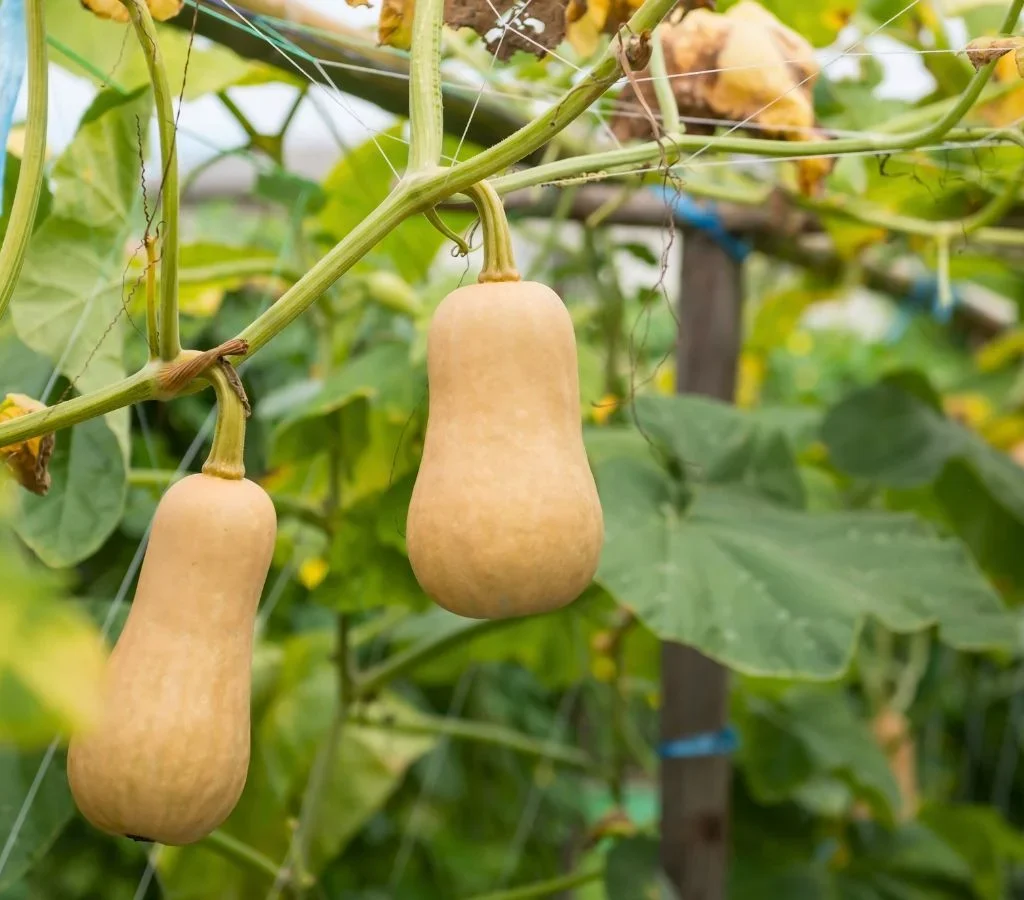
Butternut squash (Cucurbita moschata) is a type of winter squash, part of the same family as pumpkins and zucchinis. It has a long, bell-like shape, smooth beige skin, and bright orange flesh. Unlike summer squashes like zucchini, butternut squash is harvested when its skin hardens — which allows it to store well through the cold months.

Originally native to Central and South America, butternut squash became popular in the U.S. during the 20th century and is now one of the most widely grown squashes in American gardens.


How to Choose the Perfect Butternut Squash

When picking out a butternut squash at your local farmers’ market or grocery store, here’s what to look for:

  • Color: Choose a squash with a matte beige skin — not shiny or green. Shiny skin means it was picked too early.
  • Texture: The skin should be smooth, firm, and free from cuts or soft spots.
  • Weight: Pick one that feels heavy for its size — it’ll be full of flavor and moisture.
  • Stem: A dry, intact stem helps the squash last longer.

Pro Tip: Avoid squashes with wrinkled or shriveled skin — those are signs of dehydration or old age.


How to Peel and Cut Butternut Squash Safely

One of the biggest hurdles for home cooks is cutting this hard vegetable. But don’t worry — here’s a foolproof step-by-step:
  1. Wash the squash and pat dry.
  2. Slice off both ends using a sharp chef’s knife.
  3. Peel with a sturdy vegetable peeler. The skin is thick, so you may need a few passes.
  4. Cut in half lengthwise and scoop out the seeds with a spoon.
  5. Dice or cube according to your recipe.

Tip: Microwave the whole squash for 2–3 minutes before cutting — this softens the skin just enough to make peeling safer and easier.


Delicious Ways to Cook Butternut Squash

Butternut squash’s naturally sweet, nutty flavor shines in both savory and sweet dishes. Here are some popular American ways to cook it:

1. Roasted Butternut Squash

  • Cut into cubes, toss with olive oil, salt, pepper, and herbs like rosemary or thyme.
  • Roast at 400°F for 25–30 minutes until golden and caramelized.
    Perfect as a side dish or tossed into salads and grain bowls.

2. Butternut Squash Soup

  • Sauté onions and garlic, add cubed squash and broth, and simmer until tender.
  • Blend until smooth and swirl in cream or coconut milk.
  • Season with nutmeg and cinnamon for a cozy fall flavor.
    This creamy soup is a holiday classic across American households.

3. Butternut Squash Mash

  • Boil or steam chunks of squash until soft.
  • Mash with butter, salt, and a drizzle of maple syrup for a naturally sweet side.

4. Butternut Squash Pasta Sauce

  • Blend roasted squash with garlic, olive oil, and Parmesan.
  • Toss with pasta for a creamy, nutrient-rich alternative to Alfredo sauce.

5. Stuffed Butternut Squash

  • Halve lengthwise, scoop out a bit more flesh, and fill with quinoa, cranberries, pecans, and spinach.
  • Roast until the filling is golden.
    A perfect vegetarian main dish for Thanksgiving!

Nutrition & Health Benefits

Butternut squash isn’t just delicious — it’s a nutritional powerhouse. Here’s why you should add it to your weekly menu:

NutrientBenefits
Vitamin ASupports vision and immune health
Vitamin CBoosts collagen production and immunity
FiberAids digestion and promotes satiety
PotassiumHelps regulate blood pressure
AntioxidantsMay reduce inflammation and protect against chronic diseases

A single cup of cooked butternut squash provides 450% of your daily Vitamin A needs and less than 100 calories — making it a guilt-free comfort food!


How to Grow Butternut Squash in Your Garden

If you’ve got a sunny spot in your backyard, growing butternut squash can be incredibly rewarding. Here’s how:

1. Planting Time

  • In the U.S., plant seeds after the last frost, typically between April and June, depending on your region.
  • Butternut squash loves warm weather and needs at least 6–8 hours of sunlight daily.

2. Soil Requirements

  • Use well-drained, nutrient-rich soil with compost or aged manure.
  • Ideal pH: 6.0–6.8.

3. Spacing & Watering

  • Plant seeds 1 inch deep and space plants 3–4 feet apart.
  • Keep the soil consistently moist but not waterlogged.

4. Pests & Care

  • Watch out for squash bugs, vine borers, and aphids.
  • Mulch around the base to retain moisture and deter weeds.

5. Harvesting

  • Squash is ready when the skin turns deep tan and the stem is hard and dry.
  • Cut with a few inches of stem intact to extend shelf life.

Stored in a cool, dry place, butternut squash can last up to 3 months — perfect for enjoying all winter long!


Butternut Squash in American Cuisine

Across the U.S., butternut squash finds its way into countless regional dishes:

  • New England: Creamy squash bisques and roasted squash with maple syrup.
  • Southern states: Mashed squash with butter and brown sugar.
  • West Coast: Butternut squash tacos or grain bowls with kale and quinoa.
  • Midwest: Squash casseroles and hearty fall soups.

This versatility makes it one of America’s most beloved seasonal vegetables — equally at home in fine dining or a cozy home kitchen.


Sweet Side: Butternut Squash Desserts

Did you know you can use butternut squash in desserts, too? It’s a great substitute for pumpkin! Try these ideas:

  • Butternut Squash Pie: Use puréed squash instead of pumpkin for a lighter, naturally sweet filling.
  • Muffins & Bread: Add mashed squash to muffin batter for moisture and flavor.
  • Squash Cheesecake: Blend into a creamy cheesecake base for a fall-inspired twist.

Its subtle sweetness and smooth texture make butternut squash an excellent base for baking and desserts.


Flavor Pairings That Elevate Butternut Squash

Butternut squash pairs beautifully with a variety of herbs and spices. Try these combinations:

  • Savory: Sage, thyme, rosemary, garlic, black pepper, and olive oil.
  • Sweet: Cinnamon, nutmeg, brown sugar, and maple syrup.
  • Toppings: Feta cheese, toasted pecans, caramelized onions, or pomegranate seeds for extra flair.

Quick Recipe: Roasted Butternut Squash & Kale Salad

Ingredients:

  • 2 cups cubed butternut squash
  • 1 tbsp olive oil
  • 2 cups chopped kale
  • ¼ cup dried cranberries
  • ¼ cup feta cheese
  • 1 tbsp balsamic glaze

Instructions:

  1. Roast squash at 400°F for 25 minutes.
  2. Toss kale with olive oil and massage to soften.
  3. Combine roasted squash, kale, cranberries, and feta.
  4. Drizzle with balsamic glaze and serve warm or cold.

This salad is a perfect balance of sweet, salty, and tangy — a quick, healthy lunch or dinner option!


Final Thoughts

Butternut squash isn’t just a fall favorite — it’s a year-round hero packed with flavor, nutrition, and versatility. Whether you’re roasting it for dinner, blending it into a creamy soup, or growing it in your backyard, this humble vegetable can transform everyday meals into something comforting and special.

From farm to table, butternut squash captures the heart of American comfort food — simple, nourishing, and endlessly adaptable. So next time you see this golden gem in your grocery aisle, grab it and let your kitchen fill with the cozy aromas of fall.

Lemongrass The Fragrant Herb That Elevates Flavor, Health, and Home Gardens in the U.S.

Lemongrass The Fragrant Herb That Elevates Flavor, Health, and Home Gardens in the U.S.

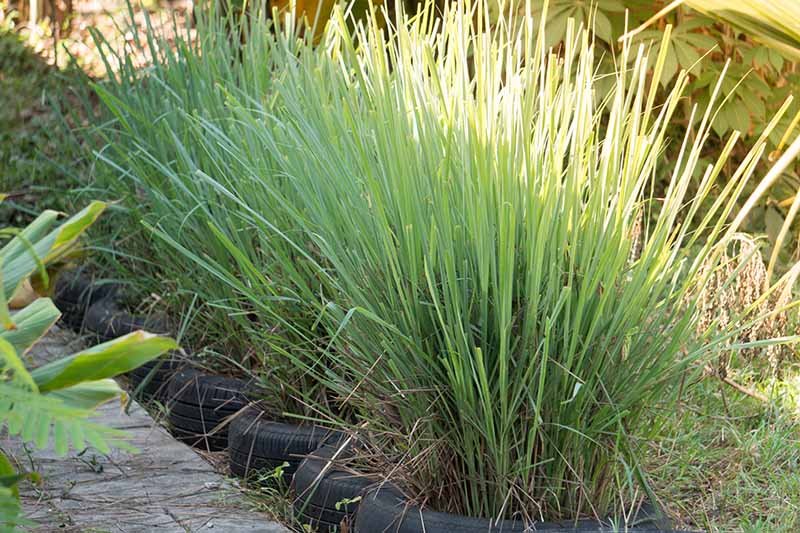
Lemongrass isn’t just a kitchen staple in Asian cuisine—it’s a fragrant, multipurpose herb that’s quickly becoming a favorite in American kitchens, herbal remedies, and home gardens. With its citrusy aroma, healing benefits, and decorative charm, lemongrass (botanically known as Cymbopogon citratus) is more than just a cooking ingredient—it’s a lifestyle herb that blends culinary delight with natural wellness.

In this detailed guide, we’ll explore everything you need to know about lemongrass: from its nutritional profile and health benefits to growing tips, cooking uses, and even its role in modern wellness routines.


What Is Lemongrass?

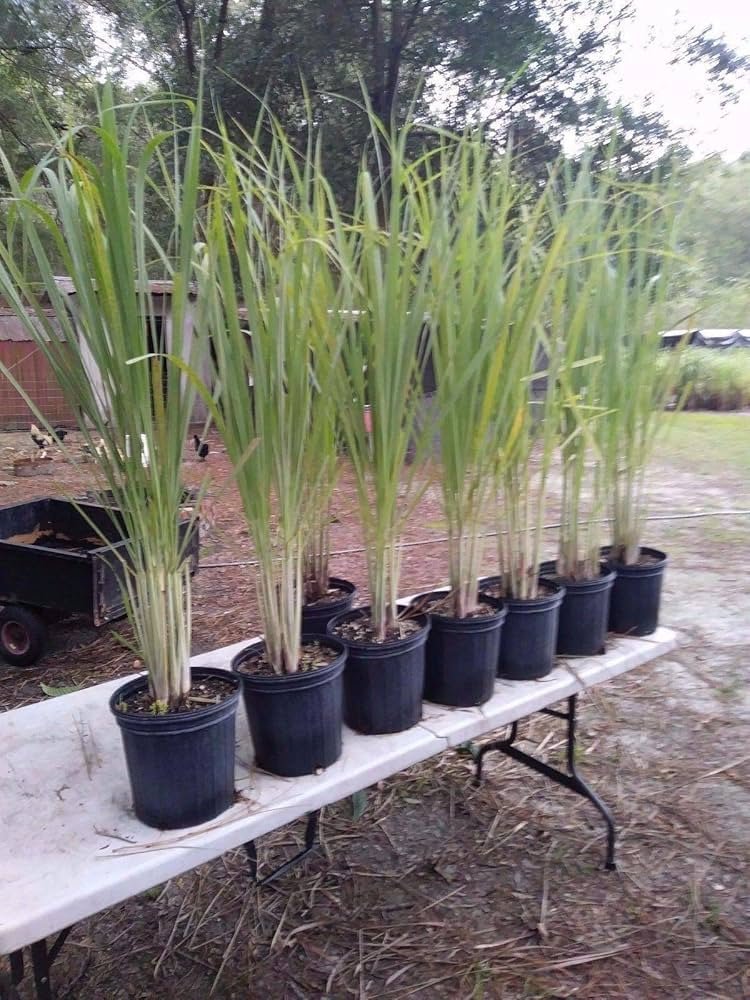
Lemongrass is a tall, tropical plant native to South and Southeast Asia. Known for its sharp, lemony fragrance, it belongs to the grass family (Poaceae). Despite its tropical origin, it’s now widely cultivated in warm climates across the U.S.—especially in states like Florida, Texas, and California.

The plant’s long, thin stalks resemble scallions but have a tough, fibrous texture. The lower stalks and leaves are rich in aromatic oils, giving lemongrass its signature lemon scent with subtle ginger undertones.


Nutritional Value of Lemongrass

Lemongrass isn’t just flavorful—it’s packed with nutrients that promote wellness. Here’s what this aromatic herb brings to your plate:

  • Rich in antioxidants – Helps neutralize free radicals and protect cells.
  • Contains vitamin A and C – Supports immune health and skin vitality.
  • High in essential minerals – Potassium, calcium, magnesium, and iron contribute to heart and bone health.
  • Low in calories – Ideal for flavoring dishes without adding unnecessary fat or sugar.

A cup of lemongrass tea, for instance, offers hydration, mild detox benefits, and a refreshing way to consume antioxidants naturally.


Health Benefits of Lemongrass

For centuries, lemongrass has been celebrated in Ayurveda and traditional Chinese medicine. Today, science supports many of its health claims. Let’s look at why this fragrant herb is considered a natural healer:

1. Supports Digestion

Lemongrass tea is a popular natural remedy for bloating, constipation, and indigestion. Its essential oils—particularly citral—help relax stomach muscles, improving digestive flow and nutrient absorption.

2. Boosts Immunity

Loaded with antioxidants and antimicrobial properties, lemongrass helps strengthen your immune system. It’s often consumed during cold and flu season to fight infections naturally.

3. Reduces Stress and Anxiety

Aromatherapy experts swear by lemongrass essential oil for its calming effects. The refreshing scent helps reduce stress, uplift mood, and promote relaxation.

4. Supports Healthy Skin

Thanks to its antibacterial and antifungal properties, lemongrass can help clear acne and skin irritations. It’s also used in toners and body scrubs to promote clear, glowing skin.

5. Aids in Detoxification

Lemongrass acts as a mild diuretic, helping the body flush out toxins while maintaining electrolyte balance. It’s a favorite addition to detox water and herbal infusions.


Growing Lemongrass at Home

Lemongrass is surprisingly easy to grow, making it an excellent choice for home gardeners who love both beauty and utility. Whether you live in a warm U.S. state or use indoor containers, this hardy herb adapts well with minimal maintenance.

Planting Tips

  • Start from stalks or seedlings: You can root store-bought lemongrass stalks by placing them in a glass of water until roots appear.
  • Sunlight: Lemongrass thrives in full sun—at least 6–8 hours of direct sunlight daily.
  • Soil: Use well-draining soil rich in organic matter.
  • Spacing: Plant stalks about 24 inches apart to allow for full growth.

Watering and Care

Lemongrass loves moisture but hates soggy roots. Keep the soil evenly moist but not waterlogged. In colder climates, it’s best to grow lemongrass in pots so it can be brought indoors during winter.

Harvesting

You can harvest lemongrass once the stalks are about half an inch thick. Cut near the base and use the lower white portion for cooking. The leaves can be dried for tea or aromatic use.


Culinary Uses of Lemongrass

Lemongrass is an essential ingredient in Southeast Asian dishes, especially Thai, Vietnamese, and Indonesian cuisines. Its flavor is lemony, slightly sweet, and gently spicy—adding a refreshing zing to many recipes.

Here are some popular ways to use it:

1. Soups and Curries

Lemongrass gives depth to broths like Tom Yum soup and coconut-based curries. Pair it with garlic, ginger, and chili for a bold, aromatic base.

2. Marinades and Grilled Dishes

Crushed lemongrass stalks are perfect for marinating chicken, shrimp, or tofu. It infuses a citrusy note that enhances flavor without overpowering.

3. Herbal Teas

Lemongrass tea is one of the simplest and healthiest ways to enjoy this herb. Boil fresh or dried leaves in water, add honey, and sip for relaxation and detox.

4. Desserts and Beverages

Mix lemongrass syrup into cocktails, iced tea, or desserts for an exotic twist. It pairs beautifully with lime, coconut, and ginger flavors.


Lemongrass in Modern Wellness

Beyond the kitchen, lemongrass has found its way into the modern wellness movement. From essential oils to spa products, it’s become a natural favorite for its soothing, antibacterial, and aromatic properties.

Aromatherapy & Essential Oil Use

Lemongrass essential oil helps relieve anxiety, muscle tension, and headaches. Add a few drops to a diffuser or bath for an instant spa-like experience.

Natural Beauty Products

It’s commonly found in soaps, lotions, and deodorants due to its cleansing and deodorizing power. The oil helps purify the skin and scalp, making it ideal for oily skin types.

Holistic Healing

Herbalists recommend lemongrass tea or oil for improving sleep quality and mental focus. Its refreshing aroma also helps reduce fatigue and enhance mindfulness.


Sustainability and Environmental Benefits

Lemongrass is a sustainable crop that benefits the environment as much as it benefits your health. It requires minimal fertilizer, repels pests naturally, and even helps prevent soil erosion. Additionally, its oil can be used as an eco-friendly insect repellent—a natural alternative to chemical sprays.


Bringing Lemongrass into Everyday Life

Whether you’re an avid gardener, home chef, or wellness enthusiast, lemongrass fits seamlessly into a modern American lifestyle. Its versatility makes it an excellent addition to your:

  • Home garden: Easy to grow and visually attractive.

  • Kitchen pantry: Adds flavor and fragrance to every dish.

  • Wellness routine: Natural detoxifier and stress reliever.
  • Beauty shelf: Refreshing, purifying, and aromatic.

Final Thoughts

Lemongrass is more than just a fragrant herb—it’s a symbol of harmony between flavor, health, and sustainability. From nourishing your body with antioxidants to calming your mind through aromatherapy, this humble plant proves that nature offers everything we need for wellness and joy.

Whether you’re brewing lemongrass tea on a chilly morning, seasoning a summer barbecue, or planting a few stalks in your backyard, this versatile herb will fill your life with freshness, vitality, and zest—naturally.


Society Garlic The Beautiful, Edible, and Fragrant Herb Taking Over American Gardens

Society Garlic The Beautiful, Edible, and Fragrant Herb Taking Over American Gardens

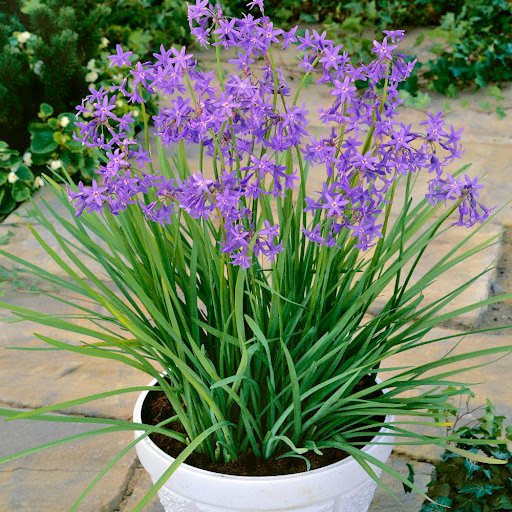
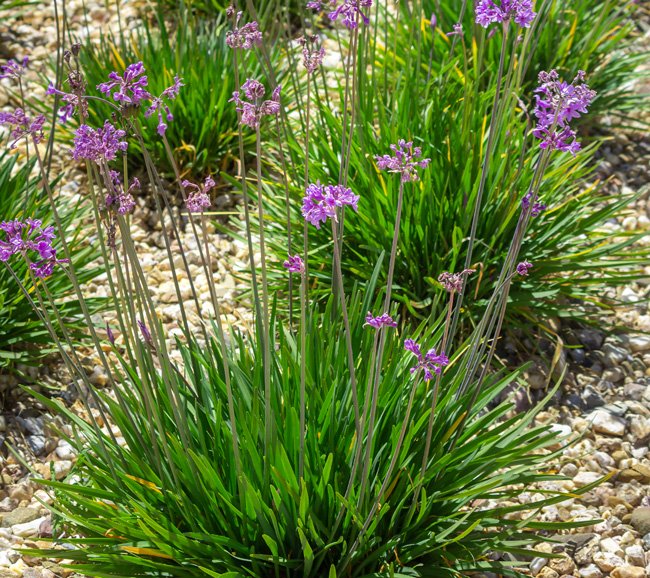
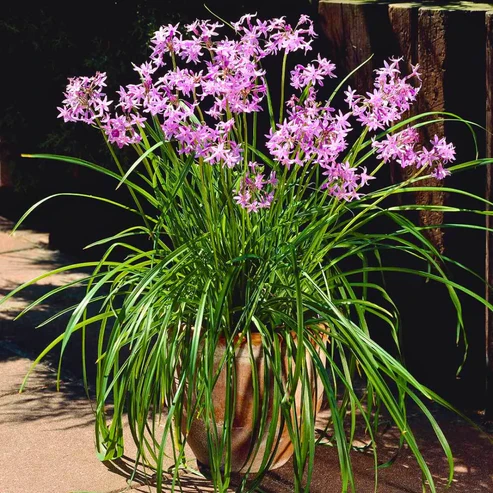
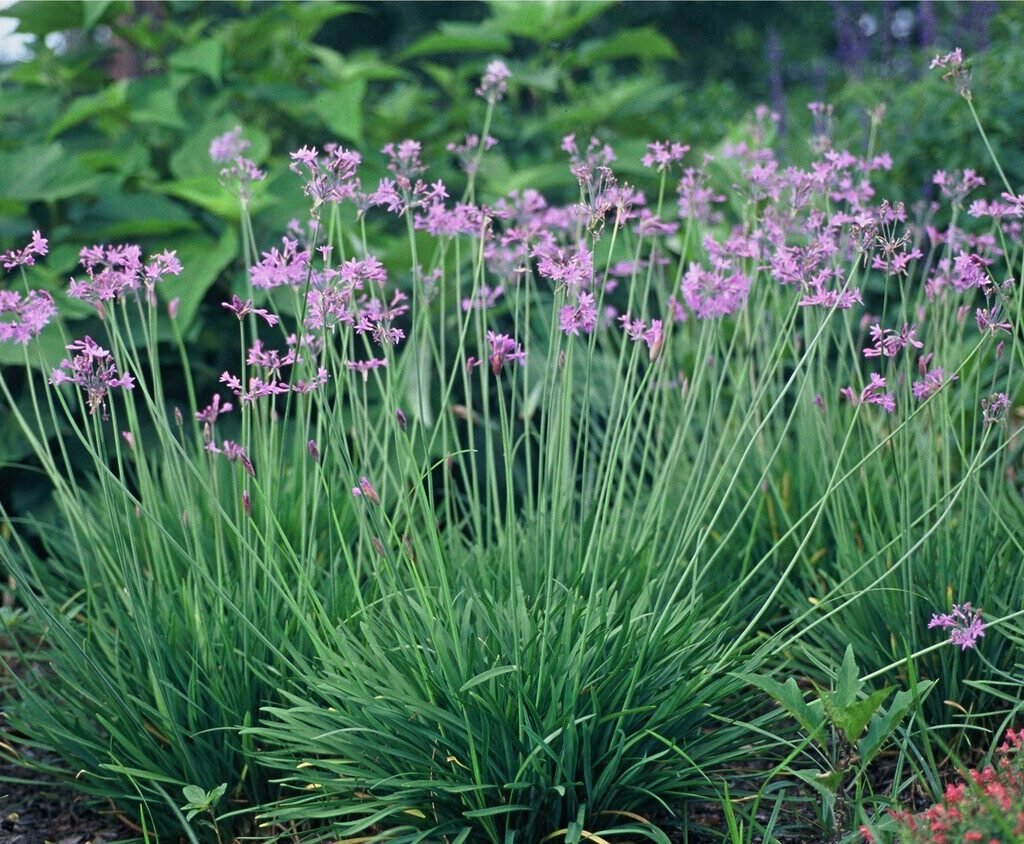
If you’ve ever wished for a plant that’s beautiful, fragrant, edible, and easy to grow, look no further than Society Garlic. This versatile herb, scientifically known as Tulbaghia violacea, is winning hearts across the United States for its stunning lilac blooms, garlic-like aroma, and dual purpose as both an ornamental flower and a culinary herb.

Native to South Africa, Society Garlic has found a comfortable home in American gardens, especially in warmer regions where it thrives with little care. Whether you’re a chef looking for new flavor notes, a home gardener seeking low-maintenance beauty, or someone wanting to repel pests naturally, this herb does it all.

In this detailed guide, we’ll explore everything you need to know about Society Garlic — its origins, health benefits, growing tips, and creative uses in American kitchens and landscapes.


What Is Society Garlic?

Despite its name, Society Garlic isn’t a true garlic (Allium sativum). It belongs to the amaryllis family, and while it shares a similar aroma and taste, its botanical classification is different.

The name “Society Garlic” has an interesting origin — it’s believed to have come from its mild garlic scent, which is said to be “polite” or socially acceptable, unlike the strong odor of true garlic. In short, it’s the “refined cousin” of garlic!

Key Features:

  • Botanical Name: Tulbaghia violacea
  • Family: Amaryllidaceae
  • Common Names: Pink Agapanthus, Wild Garlic, Sweet Garlic
  • Native Region: South Africa
  • Lifespan: Perennial
  • Height: 12–24 inches
  • Flowers: Lavender to pinkish-purple, blooming spring through fall

Why Society Garlic Is Gaining Popularity in the U.S.

In recent years, Society Garlic has become a favorite among American gardeners, landscapers, and home chefs. Its appeal lies in three main traits:

  1. Ornamental Beauty: The clusters of star-shaped lavender flowers add a burst of color to any garden.
  2. Edible Uses: Both the leaves and flowers are edible, adding a subtle garlicky flavor to dishes.
  3. Low Maintenance: Drought-tolerant, pest-resistant, and easy to grow, it’s ideal for busy homeowners.

It’s commonly found in states like California, Texas, Florida, and Arizona, where the warm climate allows it to bloom nearly year-round.


Nutritional Value of Society Garlic

While not as commonly consumed as regular garlic, Society Garlic still offers a surprising range of nutrients and compounds beneficial for health.

A small serving contains:

  • Calories: Minimal (under 20 per serving)
  • Vitamins: A, C, and small amounts of B-complex vitamins
  • Minerals: Potassium, calcium, and iron
  • Antioxidants: Flavonoids and sulfur compounds similar to those in garlic

Its sulfur-rich compounds contribute to both its signature aroma and many of its health benefits.


Health Benefits of Society Garlic

Just like true garlic, Society Garlic packs several medicinal and wellness benefits — both traditional and scientifically recognized.

1. Boosts Immunity

The sulfur and vitamin C compounds help enhance immune function and protect the body from common infections.

2. Supports Heart Health

Regular consumption may help lower cholesterol and blood pressure, thanks to its mild allicin-like compounds.

3. Anti-Inflammatory Properties

Society Garlic has natural anti-inflammatory effects, helping reduce joint pain and inflammation.

4. Aids Digestion

Its mild pungency stimulates digestion and helps relieve bloating and gas.

5. Natural Antimicrobial Agent

Extracts from Society Garlic show antibacterial and antifungal properties, making it a natural remedy in traditional medicine.

6. May Help Repel Pests

Not only does it repel mosquitoes and garden insects, but its extracts are also being studied for potential use in eco-friendly pest control.


Growing Society Garlic: A Gardener’s Dream

One of the main reasons Society Garlic is adored in the U.S. is how easy it is to grow. It thrives in warm climates and doesn’t demand much maintenance.

Ideal Growing Conditions

  • Sunlight: Full sun for best flowering; tolerates partial shade.
  • Soil: Well-drained, slightly sandy soil.
  • Watering: Moderate; drought-tolerant once established.
  • USDA Zones: 7–11

Planting Tips:

  1. Spacing: Plant clumps 12–18 inches apart.
  2. Depth: About 1 inch deep.
  3. Fertilizer: Use a balanced, organic fertilizer during growing season.
  4. Propagation: Easily propagated by dividing the bulbs in spring or fall.

Maintenance:

  • Remove faded flower stalks to encourage more blooms.
  • Divide clumps every few years to prevent overcrowding.
  • Mulch lightly to conserve moisture and reduce weeds.

Bonus: It’s deer-resistant and rabbit-proof, making it a great choice for suburban and rural gardens alike.


How to Use Society Garlic in Cooking

Society Garlic is not just a pretty plant — it’s an edible herb that adds flavor and visual appeal to your dishes. Its flowers and leaves are the stars of the show.

Culinary Uses:

  1. Salads: Chop fresh leaves or add flowers for a pop of color and a hint of garlic flavor.
  2. Omelettes & Scrambles: Add finely chopped leaves to eggs for a delicate aroma.
  3. Soups & Stews: Substitute Society Garlic leaves for chives or scallions.
  4. Herb Butter: Blend with butter, salt, and parsley for a flavorful spread.
  5. Pasta & Stir-Fries: Toss in towards the end of cooking to preserve the mild flavor.
  6. Garnishes: Use the violet blooms to top off soups, grilled meats, or baked potatoes.

Note: The flavor is much milder than true garlic, so you can use it more generously without overpowering the dish.


How to Store Society Garlic

Like most fresh herbs, Society Garlic is best used right after harvesting. However, you can store it effectively using these methods:

  • Refrigeration: Wrap the leaves in a damp paper towel and store in a perforated plastic bag for up to a week.
  • Freezing: Chop and freeze in olive oil or water using ice cube trays for longer shelf life.
  • Drying: Hang the leaves in a cool, dry place until crisp, then crush and store in an airtight container.

Society Garlic in Landscaping

Aside from the kitchen, Society Garlic shines as a landscaping superstar. Its beautiful blooms and grassy texture make it perfect for:

  • Borders and Edging: Use along driveways, sidewalks, or garden paths.
  • Rock Gardens: Adds color and texture while thriving in rocky soils.
  • Containers: Ideal for patios and balconies.
  • Pollinator Gardens: Its flowers attract bees and butterflies.
  • Pest-Repelling Borders: Plant near vegetables or outdoor seating to deter mosquitoes and aphids.

Because it blooms for most of the year in warm climates, it offers long-lasting beauty and practical pest protection — a win-win for gardeners.


Fun Facts About Society Garlic

  • The name “Society Garlic” likely comes from its less offensive odor, making it acceptable in “polite society.”
  • Its flowers are edible and slightly sweet, adding elegance to gourmet dishes.
  • The plant can grow up to two feet tall and bloom continuously from spring through fall.
  • It’s native to South Africa but perfectly adapted to American climates.
  • Society Garlic’s roots can survive brief frost periods, regrowing in spring.

Society Garlic vs. Regular Garlic: A Quick Comparison

FeatureSociety Garlic (Tulbaghia violacea)True Garlic (Allium sativum)
Botanical FamilyAmaryllidaceaeAmaryllidaceae (Allium genus)
FlavorMild, herb-like, slightly garlickyStrong, pungent
Edible PartsLeaves and flowersBulbs (cloves)
UsesGarnish, salads, ornamentalCooking, medicinal
OdorGentle, sweetStrong, lasting
Growth HabitPerennial clumping plantAnnual bulb plant

Why Society Garlic Belongs in Every American Garden

With its beauty, resilience, and usefulness, Society Garlic is the kind of plant that delivers on every level. It’s a multi-purpose wonder — an herb for your kitchen, a flower for your yard, and a natural pest deterrent that asks for very little care.

Americans are increasingly turning to low-maintenance, eco-friendly, and edible landscaping plants, and Society Garlic checks all the boxes. It’s drought-tolerant, pollinator-friendly, and visually stunning — all while giving your cooking a gourmet touch.

Whether you’re planting a flower border, creating a kitchen garden, or simply adding a splash of color to your yard, Society Garlic is an easy choice that brings year-round benefits.


Conclusion: The Perfect Blend of Beauty and Flavor

Society Garlic is more than just a pretty plant — it’s a fragrant, flavorful, and functional herb that embodies everything modern American gardeners love: versatility, sustainability, and beauty.

From its delicate blooms to its mild, garlicky taste, this plant offers something for everyone — gardeners, chefs, and nature lovers alike. So the next time you’re planning your garden or looking for a new herb to experiment with, let Society Garlic take center stage.

It’s not just a plant — it’s a lifestyle upgrade for your garden, your kitchen, and your senses.

Elephant Garlic The Giant Clove with Mild Flavor and Big Health Benefits

Elephant Garlic The Giant Clove with Mild Flavor and Big Health Benefits

When it comes to garlic, most people picture small, pungent cloves with a strong aroma that fills the kitchen. But there’s another variety that’s bigger, milder, and surprisingly versatile — the elephant garlic.

Loved by chefs, home gardeners, and food enthusiasts across the U.S., elephant garlic is not your average garlic. With bulbs that can grow up to 4 inches across and weigh nearly a pound, it looks impressive — and its sweet, mild flavor makes it perfect for those who enjoy garlic without the overpowering bite.

In this detailed guide, we’ll uncover everything you need to know about elephant garlic — from its origin, taste, and health benefits to how to grow, cook, and store this gentle giant of the allium family.


What Is Elephant Garlic?

Despite its name, elephant garlic (Allium ampeloprasum) isn’t actually a true garlic. Botanically, it’s more closely related to leeks. However, its flavor, aroma, and structure are similar enough that it’s considered part of the broader garlic family.

Here’s what makes elephant garlic stand out:

  • Bulb size: Enormous — typically two to three times the size of regular garlic bulbs.
  • Cloves: Fewer in number but much larger and easier to peel.
  • Flavor: Mild, slightly sweet, and less pungent.
  • Appearance: Pale white skin with a slight purple tint on the cloves.

Because of its subtle taste, elephant garlic is a favorite among cooks who want garlic flavor without the harshness — especially in roasted dishes, spreads, and salads.


The Origins and Popularity of Elephant Garlic

Elephant garlic originated in the Mediterranean region but has become incredibly popular in the United States, especially among home gardeners and gourmet chefs.

It thrives particularly well in California, Oregon, and Washington, where the mild coastal climate allows for large bulbs and excellent flavor. Many American farms now cultivate elephant garlic for both culinary and ornamental purposes.

Its growing popularity in the U.S. is also thanks to its versatility — it can be used raw, roasted, sautéed, or even grilled whole.


Elephant Garlic vs. Regular Garlic: What’s the Difference?

While they share a family resemblance, elephant garlic and regular garlic differ in several key ways:

FeatureElephant GarlicRegular Garlic
Botanical NameAllium ampeloprasumAllium sativum
SizeLarge bulbs (up to 1 lb)Small bulbs
FlavorMild, sweet, less pungentStrong, sharp, spicy
Number of Cloves4–6 large cloves10–20 small cloves
Cooking UseIdeal for roasting, grilling, and spreadingGreat for sautéing, seasoning, and sauces
Shelf LifeSlightly shorterLonger

So, if you want garlic flavor without the burn, elephant garlic is your go-to ingredient.


Nutritional Profile of Elephant Garlic

Elephant garlic may be mild in taste, but it’s rich in nutrition. Each serving provides a mix of vitamins, minerals, and antioxidants that support overall health.

Here’s what 100 grams of elephant garlic roughly contains:

  • Calories: 130
  • Carbohydrates: 28 g
  • Protein: 4.5 g
  • Fiber: 2 g
  • Vitamin C: 20% of the Daily Value
  • Calcium, Phosphorus, and Iron: Small but beneficial amounts
  • Sulfur Compounds: Allicin and alliin (responsible for many of its health benefits)

Health Benefits of Elephant Garlic

While milder than regular garlic, elephant garlic still offers an impressive range of health-promoting properties.

1. Supports Heart Health

The sulfur compounds in elephant garlic can help lower blood pressure and cholesterol, reducing the risk of heart disease.

2. Boosts Immunity

Its high vitamin C and antioxidant content help strengthen your immune system and protect against infections.

3. Has Anti-Inflammatory Effects

Like other members of the allium family, elephant garlic contains compounds that may help reduce inflammation and joint pain.

4. Promotes Digestive Health

The fiber in elephant garlic aids digestion and helps maintain a healthy gut microbiome.

5. Improves Circulation

Garlic’s natural compounds support better blood flow and may help prevent clot formation.

6. Antimicrobial and Antifungal Properties

Elephant garlic still retains some of the antibacterial benefits of regular garlic, helping fight harmful microbes.

7. Rich in Antioxidants

Its antioxidants combat oxidative stress and may help reduce the risk of chronic diseases.


How to Cook with Elephant Garlic

One of the best things about elephant garlic is its versatility. Its mellow flavor makes it perfect for both raw and cooked applications.

Here are some delicious ways to enjoy it:

1. Roasted Elephant Garlic Spread

Slice off the top of the bulb, drizzle with olive oil, wrap in foil, and roast at 400°F for 40–50 minutes. The result? Soft, buttery cloves you can spread on bread or mix into mashed potatoes.

2. Elephant Garlic Soup

Simmer roasted cloves with onions, cream, and vegetable broth for a smooth, comforting soup with subtle garlic sweetness.

3. Grilled Elephant Garlic

Slice thick rounds, brush with olive oil, season with salt and pepper, and grill until tender. Great as a steak topper or side dish.

4. Garlic Butter for Steaks or Bread

Mash roasted elephant garlic into softened butter, add herbs, and spread over bread or grilled meats.

5. Elephant Garlic Stir-Fry

Slice it thin and toss with vegetables, tofu, or chicken for a mild garlicky flavor without overpowering the dish.

6. Raw in Salads or Dressings

Finely mince and mix into vinaigrettes or creamy dips for a subtle garlic note.


Pro Cooking Tips

  • Don’t overcook it: Prolonged heat can make elephant garlic lose its delicate flavor.
  • Try roasting whole: Roasted elephant garlic develops a nutty sweetness that’s hard to beat.
  • Mix with stronger garlic: For a balanced flavor, combine elephant garlic with regular garlic in recipes.
  • Use as a base: The mild flavor makes it perfect for creamy sauces, soups, and marinades.

How to Grow Elephant Garlic at Home

Growing elephant garlic is surprisingly easy, even for beginners. It’s a hardy perennial that thrives in many U.S. climates.

Steps to grow:

  1. Planting Time:
    • Best planted in fall (September to November) before the first frost.
  2. Soil & Location:
    • Choose fertile, well-draining soil in full sun.
  3. Spacing:
    • Plant cloves about 6 inches apart and 2 inches deep.
  4. Watering:
    • Keep soil moist but not soggy.
  5. Fertilization:
    • Add compost or organic fertilizer midseason.
  6. Harvesting:
    • Bulbs are ready when leaves start to yellow and dry (usually late spring or early summer).

Bonus Tip: Save a few bulbs to replant each year — elephant garlic can regrow annually in mild climates.


How to Store Elephant Garlic

To maintain freshness and flavor:

  • Keep bulbs in a cool, dry place with good air circulation.
  • Avoid refrigeration unless peeled.
  • Whole bulbs can last up to 3 months, while peeled cloves should be used within a week.
  • You can also roast and freeze the cloves for long-term use.

Why Americans Love Elephant Garlic

Elephant garlic has found a special place in American kitchens and gardens. It offers the perfect balance between flavor and subtlety — great for families, beginners, and anyone who enjoys cooking without overpowering garlic intensity.

Its impressive size, simple peeling, and delicate sweetness make it an ideal ingredient for:

  • Farm-to-table recipes
  • Gourmet restaurant menus
  • Health-conscious home cooks
  • Backyard gardeners

As more Americans shift toward fresh, homegrown produce, elephant garlic continues to shine as a delicious, easy-to-grow, and nutrient-packed herb.


Fun Facts About Elephant Garlic

  • Each bulb can weigh up to one pound.
  • It can grow up to 3 feet tall in the right conditions.
  • Elephant garlic flowers are edible and make beautiful garnishes.
  • Despite its size, it’s actually a type of leek!
  • The plant produces “bulbils” (tiny cloves) that can regrow into full bulbs over time.

Conclusion: Why Elephant Garlic Deserves a Place in Your Kitchen

Elephant garlic may not have the punch of its smaller cousins, but it delivers a sweet, mellow, and elegant garlic flavor that’s perfect for modern American cooking. Whether roasted, grilled, or mashed into butter, it adds depth without overwhelming your dish.

If you’ve ever wished garlic could be just a little gentler — more refined and easier to work with — elephant garlic is your answer. Grow it, cook it, and let this gentle giant transform your meals into flavorful, healthy masterpieces.


Welsh Onion The Flavorful Green That’s Winning Over American Kitchens

Welsh Onion The Flavorful Green That’s Winning Over American Kitchens

Move over scallions—there’s a new allium in town. The Welsh onion, with its mild flavor, tender stalks, and endless versatility, is quickly gaining popularity in American kitchens. Often mistaken for green onions or spring onions, this flavorful herb is not actually from Wales but is loved worldwide for its culinary flexibility and nutritional punch.

From soups and stir-fries to salads and sauces, Welsh onions bring a fresh, delicate flavor that elevates everyday dishes. Packed with vitamins, antioxidants, and fiber, they also offer significant health benefits while adding a crisp texture and subtle sweetness to your meals.

Let’s explore why this humble green vegetable deserves a spotlight—its origins, nutrition, health advantages, and irresistible ways to use it in modern American cooking.


What Is a Welsh Onion?

Despite its name, the Welsh onion (Allium fistulosum) is not native to Wales. The term “Welsh” actually comes from an old English word meaning “foreign” or “non-native.” This perennial plant is originally from Asia, particularly China and Siberia, and has been a staple in Asian cuisines for thousands of years.

In the U.S., Welsh onions are often confused with green onions or scallions, but there’s a subtle difference:

  • Welsh onions are perennial (they regrow every year), while green onions are annuals.
  • Their flavor is slightly stronger and more aromatic than typical scallions.
  • They have a thicker base but never form full bulbs like common onions.

With long, hollow green leaves and tender white stalks, Welsh onions offer a refreshing, mildly spicy taste that pairs beautifully with meats, eggs, noodles, and soups.


Nutritional Value of Welsh Onions

Welsh onions may look small and simple, but they’re nutritional powerhouses loaded with essential vitamins, minerals, and antioxidants.

A 100-gram serving provides approximately:

  • Calories: 32
  • Protein: 1.8 g
  • Fiber: 2.5 g
  • Vitamin A: 22% of the daily recommended intake
  • Vitamin C: 30% of the daily recommended intake
  • Vitamin K: 120% of the daily recommended intake
  • Folate, Calcium, Potassium, and Iron: small but beneficial amounts

These greens are low in calories yet rich in immune-boosting nutrients and anti-inflammatory compounds, making them an excellent addition to a balanced diet.


Health Benefits of Welsh Onions

Beyond their culinary appeal, Welsh onions are celebrated for their wide range of health benefits.

1. Boosts Immunity

Packed with vitamin C and antioxidants, Welsh onions help strengthen your immune system, fight off infections, and keep your skin healthy.

2. Promotes Heart Health

The sulfur compounds (like allicin) found in Welsh onions can help reduce cholesterol levels and support healthy blood pressure, promoting long-term cardiovascular wellness.

3. Supports Bone Health

Thanks to their impressive vitamin K content, Welsh onions play an important role in maintaining bone density and preventing osteoporosis.

4. Aids Digestion

Rich in fiber, they promote good digestion, prevent constipation, and support a healthy gut microbiome.

5. Helps Regulate Blood Sugar

Some studies suggest that allium vegetables like Welsh onions may help control blood sugar by improving insulin sensitivity.

6. Detoxifies Naturally

The chlorophyll and sulfur compounds in Welsh onions support liver function and assist in natural detoxification.

7. Promotes Clear Skin

Their combination of vitamins A and C, plus antioxidants, helps combat oxidative stress and promotes a healthy, youthful complexion.


Growing Welsh Onions at Home

If you love fresh produce, Welsh onions are one of the easiest herbs to grow—whether in your backyard garden or a sunny windowsill pot.

Here’s how to get started:

  1. Planting:
    • Use fertile, well-draining soil and full sun.
    • You can plant seeds or divide existing clumps from another plant.
    • Sow seeds about ½ inch deep, spacing them 6 inches apart.
  2. Watering:
    • Keep the soil consistently moist but not waterlogged.
  3. Maintenance:
    • Trim the leaves regularly to encourage new growth.
    • Welsh onions are perennials, meaning they’ll regrow each season with little effort.
  4. Harvesting:
    • Cut the greens when they’re 8–10 inches tall.
    • You can harvest year-round in mild climates.

Bonus Tip: The more you harvest, the more they’ll grow! These hardy greens thrive in most American climates and make a great low-maintenance addition to any kitchen garden.


How to Store Welsh Onions

To keep your Welsh onions fresh and flavorful:

  • Refrigerate: Wrap them in a damp paper towel and store inside a perforated plastic bag for up to 7 days.
  • Freeze: Chop them into small pieces, place them in freezer-safe bags, and store for up to 3 months.
  • Drying: Air-dry or use a dehydrator for longer storage, though fresh onions retain better flavor.

How to Use Welsh Onions in Cooking

Welsh onions are wonderfully versatile—they can be enjoyed raw or cooked in countless ways. Their mild flavor works perfectly in both traditional and modern dishes.

Here are some delicious ways to bring Welsh onions into your kitchen:

1. Welsh Onion Omelet

Whisk eggs with chopped Welsh onions, a splash of milk, and salt. Cook until fluffy for a quick and healthy breakfast.

2. Soups and Broths

Add Welsh onions to chicken soup, miso broth, or vegetable stock for a light, aromatic depth.

3. Stir-Fries

Toss chopped Welsh onions into stir-fried noodles, beef, or tofu dishes. Their gentle spice enhances both Asian and American-style stir-fries.

4. Grilled or Roasted

Brush with olive oil, season lightly, and grill or roast until tender for a smoky-sweet side dish.

5. Welsh Onion Pancakes

A popular street-food-inspired dish—mix chopped Welsh onions with flour, water, and egg, then pan-fry until golden.

6. Toppings and Garnishes

Sprinkle chopped Welsh onions over mashed potatoes, tacos, baked fish, or pasta for an instant flavor lift.

7. Salads and Salsas

Use them raw in green salads or combine with tomatoes, avocado, and lime juice for a zesty onion salsa.


Cooking Tips for Welsh Onions

  • Add late in cooking: To preserve their bright flavor and crunch, add Welsh onions toward the end of cooking.
  • Pair with herbs: They blend beautifully with garlic, ginger, cilantro, and parsley.
  • Use both white and green parts: The white stalks offer stronger flavor, while the greens are mild and great for garnishing.
  • Balance flavors: Their subtle heat pairs well with creamy or savory ingredients like cheese, eggs, and soy sauce.

Welsh Onions in American Cuisine

Once a staple in Asian cooking, Welsh onions have become a popular ingredient in American cuisine, especially as more home cooks embrace fresh, global flavors.

You’ll now find them featured in:

  • Farm-to-table dishes at modern American restaurants
  • Fusion recipes, like Korean BBQ tacos or scallion pancakes
  • Brunch menus, used in omelets, quiches, and breakfast bowls
  • Healthy meal preps, adding color and nutrients to salads and grain bowls

Their mild taste and nutritional value make them a perfect fit for the growing American trend toward fresh, clean, and seasonal cooking.


Fun Facts About Welsh Onions

  • Not Actually Welsh: The name “Welsh onion” comes from the Old English word welisc, meaning “foreign,” not from Wales.
  • Ancient Herb: They’ve been cultivated for over 2,000 years in China and Japan.
  • Bee Magnet: Their flowers attract bees and other pollinators, making them a great companion plant for gardens.
  • Year-Round Greens: In mild climates, Welsh onions can produce fresh shoots all year long.
  • Zero-Waste Herb: Every part of the plant—from the bulb to the flower—is edible and delicious.

Why You Should Add Welsh Onions to Your Diet

With their delicate flavor, high nutrition, and easy adaptability, Welsh onions are one of the most rewarding greens to grow and cook with.

They fit seamlessly into both traditional American dishes and global-inspired recipes, making them ideal for adventurous eaters and health-conscious cooks alike.

Whether tossed into a salad, blended into soup, or grilled alongside a steak, Welsh onions deliver freshness, color, and a light garlicky-onion note that enhances every meal.


Conclusion

The Welsh onion may not have the fame of its allium cousins, but it’s every bit as flavorful and nutritious. Easy to grow, simple to cook, and endlessly versatile, it’s the kind of ingredient that quietly transforms your cooking from ordinary to exceptional.

So the next time you’re shopping for greens, skip the usual scallions and pick up a bunch of Welsh onions instead. Their crisp texture, subtle heat, and nutrient-packed goodness will bring a touch of elegance and freshness to any dish.