Chayote The Crisp Green Gem Taking Over American Kitchens and Home Gardens

Chayote The Crisp Green Gem Taking Over American Kitchens and Home Gardens

Once a hidden treasure of Latin American and Asian cuisines, chayote is quickly becoming a favorite in American kitchens and backyard gardens. With its mild flavor, crisp texture, and impressive health benefits, this versatile green squash—also known as vegetable pear or mirliton—is making its way onto grocery shelves, restaurant menus, and even farm-to-table recipes across the United States.

Whether you love to cook healthy meals, grow your own vegetables, or explore new global foods, chayote offers the perfect blend of nutrition, versatility, and sustainability. In this detailed guide, we’ll explore everything you need to know about this underappreciated superfood—from its origins and health benefits to growing tips and creative American-style recipes that make the most of it.


1. What Is Chayote?
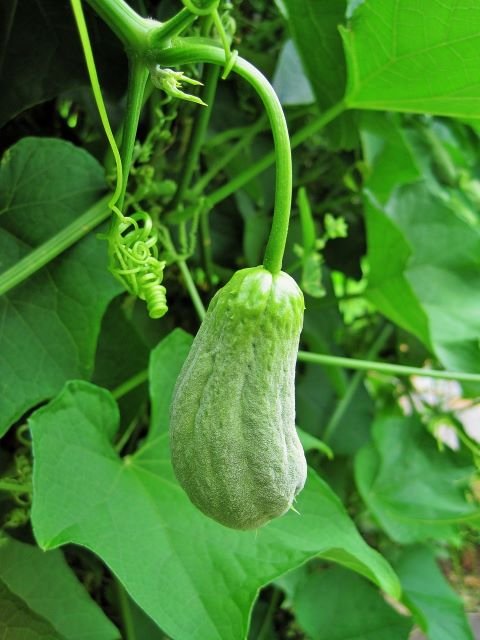
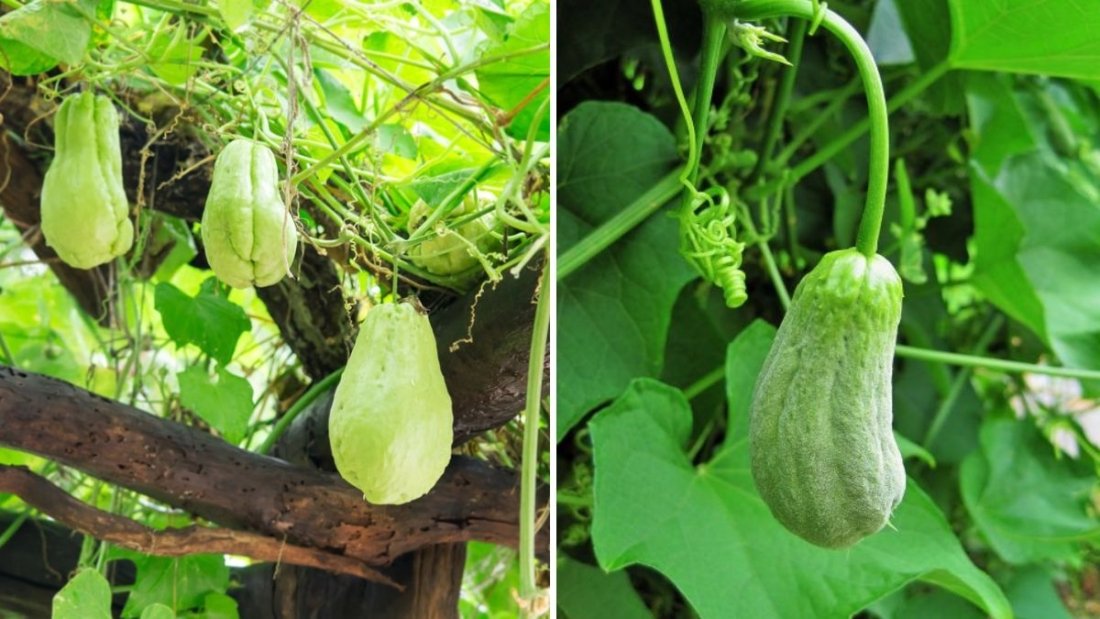
Chayote (Sechium edule) is a type of squash that belongs to the gourd family, along with cucumbers, pumpkins, and melons. Native to Central America, it’s been cultivated for centuries in Mexico, Guatemala, and surrounding regions, and is now grown in warm parts of the United States such as Florida, California, Texas, and Louisiana.

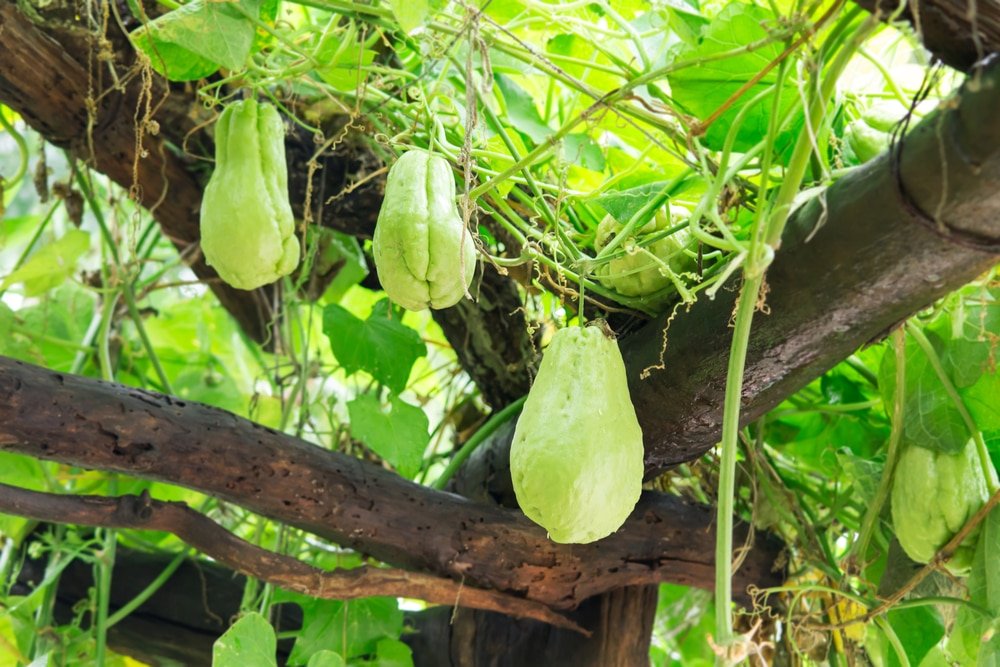
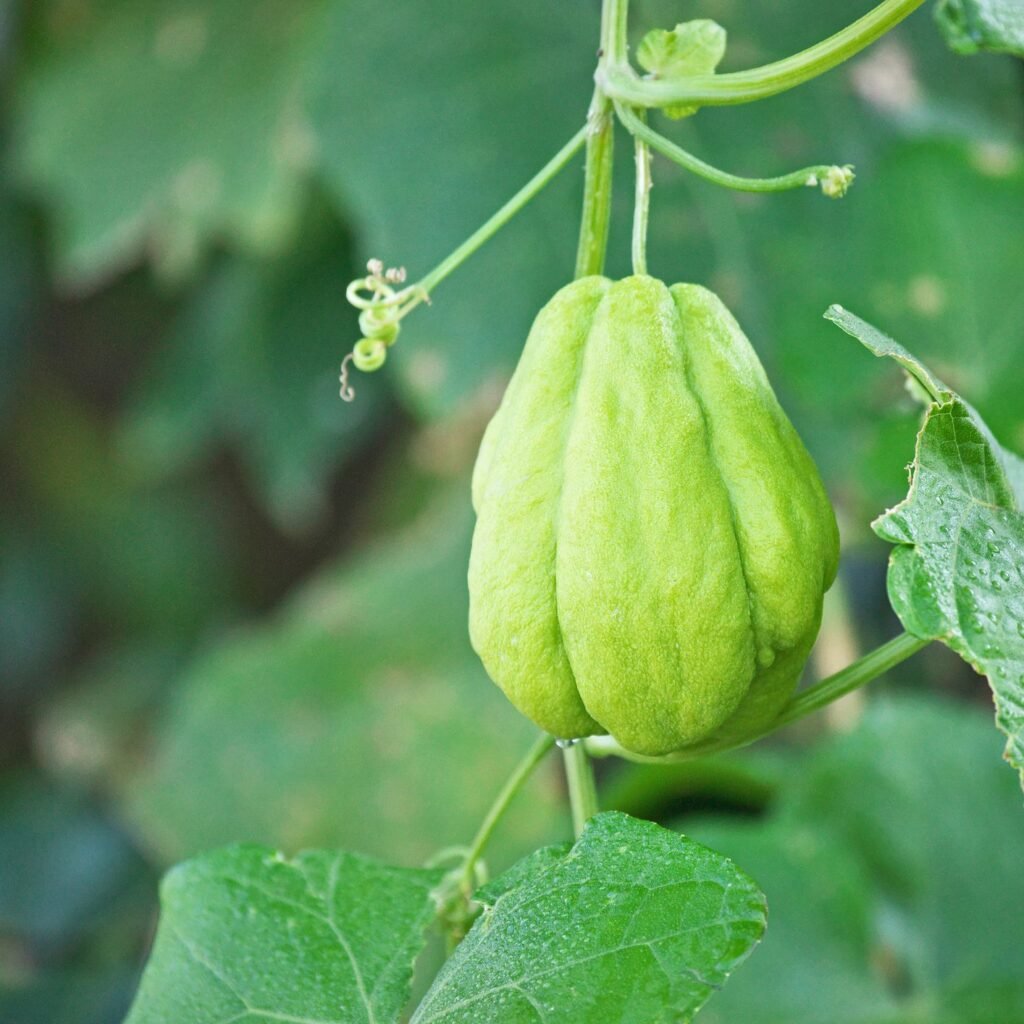
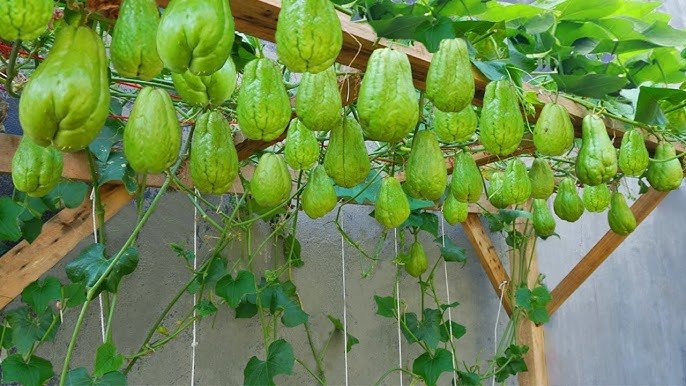
The fruit has a light green, wrinkled pear shape and a crisp texture similar to a cucumber or green apple. Unlike other squashes, every part of the chayote plant is edible—from the fruit and leaves to the shoots and even the seed inside.

Commonly known by different names around the world—mirliton in the southern U.S., chocho in Jamaica, and sayote in the Philippines—this humble vegetable is prized for its mild, refreshing taste and ability to blend seamlessly with a variety of cuisines.


2. Nutritional Benefits: Why Chayote Is a Superfood
Chayote isn’t just delicious—it’s packed with vitamins, minerals, and fiber, making it one of the healthiest and most versatile vegetables you can add to your diet.

a. Low in Calories, High in Nutrients

One cup of chayote contains only 25 calories but delivers an impressive array of nutrients:

  • Vitamin C: Boosts immunity and promotes healthy skin
  • Vitamin B9 (Folate): Essential for cell repair and growth
  • Fiber: Aids digestion and helps regulate blood sugar
  • Potassium: Balances blood pressure and supports heart health
  • Manganese and Zinc: Support metabolism and immune function

b. Supports Heart Health

Chayote’s low sodium and high potassium levels make it excellent for maintaining healthy blood pressure and reducing the risk of cardiovascular disease.

c. Great for Weight Management

Its high water content and fiber help you feel full longer, making it an ideal addition to weight-loss or low-carb diets like keto or paleo.

d. Promotes Digestive Health

Chayote is gentle on the stomach and promotes healthy digestion, helping relieve bloating and constipation naturally.

e. Anti-Aging and Antioxidant Properties

Rich in antioxidants like vitamin C and quercetin, chayote helps fight free radicals, support glowing skin, and slow down signs of aging.

In short, chayote offers a powerful nutritional profile that complements modern American wellness trends focused on whole, plant-based foods.


3. Growing Chayote in American Gardens
Chayote is an excellent choice for home gardeners—easy to grow, high-yielding, and eco-friendly. Its fast-growing vine provides not only food but also lush greenery that can shade patios or trellises beautifully.

a. Climate and Soil

Chayote thrives in warm, frost-free climates, ideally in USDA zones 8–11. States like Florida, Texas, Hawaii, and southern California offer perfect conditions.

  • Temperature: 65°F–85°F
  • Sunlight: Full sun or partial shade
  • Soil: Loamy, well-drained soil rich in organic matter
  • pH Level: Slightly acidic to neutral (6.0–7.0)

b. How to Plant Chayote

One of the most interesting aspects of chayote is that you plant it whole, like an avocado pit:

  1. Choose a mature, unblemished chayote fruit.
  2. Place it on its side in a pot or directly in the soil with the stem end facing down.
  3. Cover halfway with soil and keep moist.
  4. After a few weeks, a vine will sprout from the top.

Provide a strong trellis or fence for it to climb—chayote vines can grow up to 30 feet long!

c. Watering and Fertilization

Keep the soil consistently moist but not soggy. Fertilize monthly with a balanced organic fertilizer to encourage vigorous growth and fruiting.

d. Harvesting

Chayote fruits are typically ready 4–6 months after planting. Harvest when they’re light green, about 4–6 inches long, and still tender. The younger the fruit, the crisper and milder the flavor.

e. Sustainability Bonus

Like other members of the squash family, chayote is a low-maintenance, high-yield vegetable that produces abundantly with minimal care—making it perfect for eco-conscious American gardeners looking to grow food sustainably.


4. How to Cook Chayote: American and Global Inspirations
Chayote’s crisp, mild flavor makes it one of the most adaptable vegetables in the kitchen. It can be eaten raw, steamed, stir-fried, roasted, or even baked into casseroles. Its versatility has made it a hit among chefs experimenting with fusion cuisine.

a. Raw and Fresh

  • Chayote Slaw: Shred it and toss with carrots, lime juice, and olive oil for a refreshing slaw.
  • Chayote Salad: Combine thinly sliced chayote with avocado, cherry tomatoes, and vinaigrette for a crunchy salad.

b. Cooked Dishes

  • Sauteed Chayote with Garlic and Herbs: A quick side dish that complements grilled meats or fish.
  • Chayote Stir-Fry: Pair with bell peppers, soy sauce, and tofu for a healthy weeknight meal.
  • Stuffed Chayote: Fill halved chayotes with breadcrumbs, cheese, and herbs, then bake until golden—a favorite in Louisiana Creole cooking.
  • Chayote Soup: Simmer diced chayote with onions, celery, and vegetable broth for a creamy, comforting soup.

c. Southern and Latin Twists

  • Mirliton Casserole (Louisiana Style): A beloved Southern dish featuring chayote, shrimp, and breadcrumbs baked with spices.
  • Mexican Chayote with Lime and Chili: Boil or steam the fruit, then top with butter, chili powder, and a squeeze of lime.

d. Sweet Treats

In the Philippines and Latin America, chayote is used in desserts and jams due to its subtle sweetness. Try blending it into smoothies or baking it into quick breads for a nutrient boost.

Chayote’s mild flavor allows it to take on the taste of any dish, making it a wonderful ingredient for both traditional recipes and creative modern meals.


5. Chayote in Modern American Wellness and Diet Trends

As Americans become more interested in whole foods, plant-based diets, and low-calorie eating, chayote has found its place among trending superfoods.

Here’s why it’s gaining popularity:

  • Keto and Low-Carb Friendly: With only 3 grams of carbohydrates per serving, chayote is ideal for keto and diabetic diets.
  • Vegan and Vegetarian Versatility: It’s a great base for plant-based soups, stews, and stir-fries.
  • Clean Eating Movement: Chayote’s natural freshness and minimal processing align perfectly with the clean-eating lifestyle.
  • Cultural Fusion Cuisine: Its adaptability allows chefs to blend Latin, Asian, and Southern flavors into one wholesome ingredient.

In many U.S. health stores, chayote juice and pickles are also gaining traction as detox-friendly options rich in antioxidants and hydration.


6. Health Benefits Backed by Research

Modern science is confirming what traditional medicine in Central America and Asia has long believed: chayote offers numerous therapeutic benefits.

a. Regulates Blood Sugar

Studies suggest that compounds in chayote can improve insulin sensitivity, making it beneficial for those managing diabetes.

b. Supports Weight Loss

Low in calories and high in water and fiber, it helps reduce hunger while providing essential nutrients.

c. Improves Digestion

The natural fiber in chayote promotes healthy bowel movement and supports beneficial gut bacteria.

d. Strengthens Bones and Joints

Its minerals—especially magnesium, zinc, and calcium—contribute to bone density and joint flexibility.

e. Boosts Immune Function

The high vitamin C content strengthens the immune system and protects against seasonal infections.

f. Hydrates Naturally

Because chayote is nearly 90% water, it helps keep the body hydrated and supports glowing skin and energy levels.

This balance of nutrition, hydration, and natural healing makes chayote an excellent food for holistic wellness.


7. Chayote in American Markets and Home Kitchens

Chayote is now easier than ever to find in the U.S. You can buy it at:

  • Farmers’ markets (especially in southern and western states)
  • Asian, Latin, and Caribbean grocery stores
  • Major supermarket chains like Walmart, H-E-B, and Whole Foods

In the culinary world, chayote is being reimagined in American fusion cuisine—appearing in tacos, power bowls, and roasted vegetable platters. It’s even being pickled or spiralized as a low-carb noodle alternative, perfect for health-conscious eaters.


8. Final Thoughts: Chayote—America’s Next Green Favorite

With its refreshing taste, nutrient-rich profile, and easy growth habits, chayote is on its way to becoming a staple in American kitchens and gardens. It’s sustainable, delicious, and endlessly versatile—a vegetable that truly checks every box for modern lifestyles.

Whether you’re a gardener looking for a rewarding crop, a home cook seeking new flavors, or a health enthusiast exploring clean, plant-based foods, chayote is the perfect ingredient to try.

From its Latin roots to American tables, chayote embodies the beauty of global food traditions and the growing appreciation for nature’s green gifts.

So next time you see this pale green gem at your local market, don’t pass it by—bring it home, slice it up, and discover why chayote is the next big star in America’s superfood scene.
Fenugreek Sprouts The Hidden Superfood Taking Over America’s Healthy Eating Scene

Fenugreek Sprouts The Hidden Superfood Taking Over America’s Healthy Eating Scene

In the world of superfoods, some ingredients get all the attention—like kale, quinoa, or chia seeds. But there’s one underrated gem that’s slowly making its way into American kitchens: fenugreek sprouts.

Known for their slightly bitter yet aromatic flavor, fenugreek sprouts are packed with nutrients that can boost digestion, improve metabolism, and even help manage blood sugar. Traditionally used in Indian and Mediterranean diets, these sprouts are now gaining popularity in the U.S. health and wellness community for their impressive health benefits and versatility.

In this article, we’ll explore everything you need to know about fenugreek sprouts—from their nutritional profile and health benefits to how to grow them at home and delicious ways to use them in your daily meals.


1. What Are Fenugreek Sprouts?

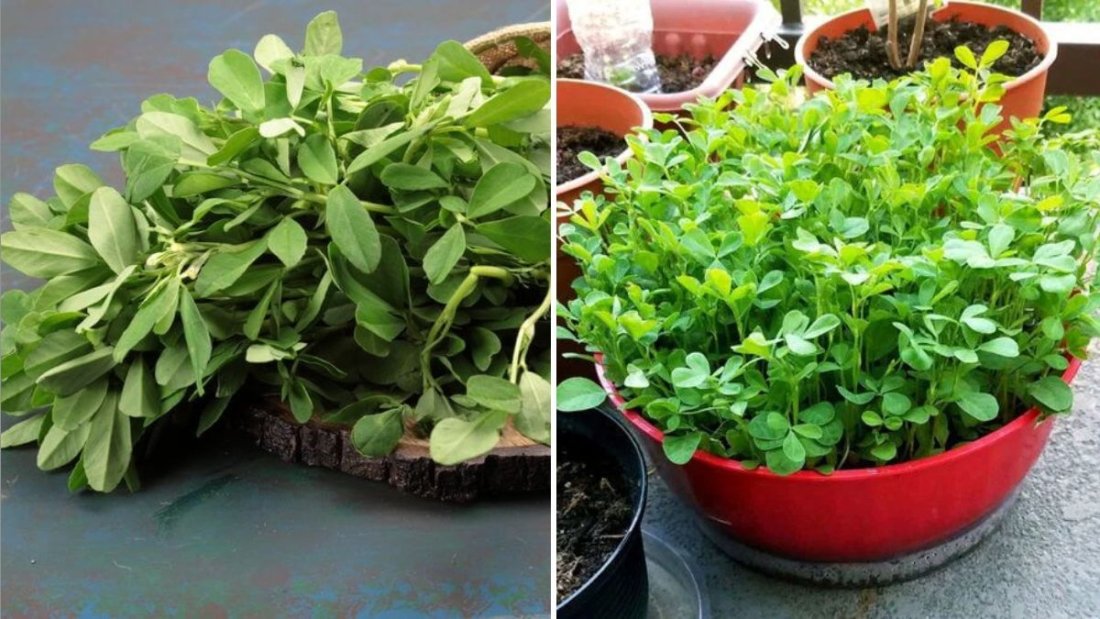
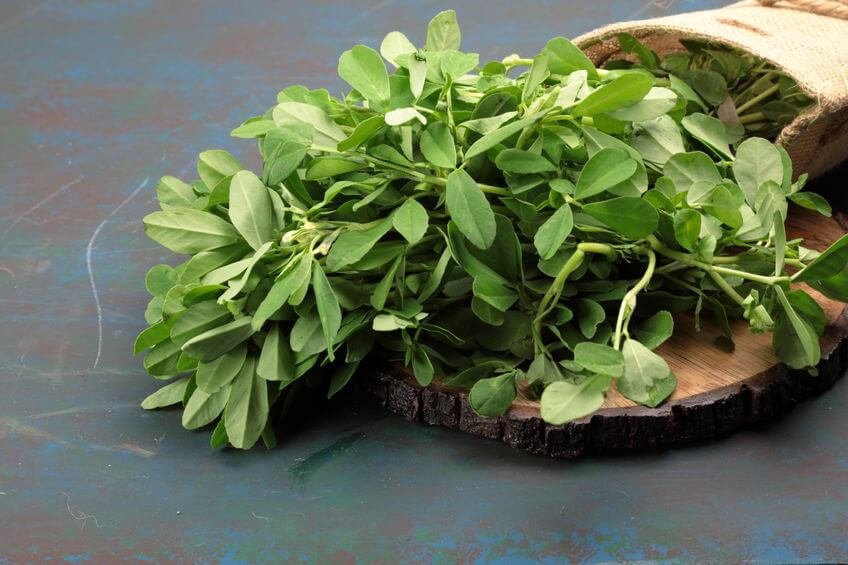
Fenugreek (Trigonella foenum-graecum) is a small herb native to Asia and the Mediterranean. Its seeds, when soaked and sprouted, produce tender, crunchy shoots known as fenugreek sprouts.

These sprouts are rich in fiber, protein, vitamins, and antioxidants, and they carry a pleasant, slightly bitter taste reminiscent of maple syrup or celery. Because sprouting transforms dry seeds into living food, fenugreek sprouts become easier to digest and even more nutrient-dense than the raw seeds themselves.

Today, they are celebrated as a functional food—a natural ingredient that not only nourishes but also supports specific body functions such as blood sugar balance, cholesterol control, and digestion.


2. Nutritional Profile: What’s Inside Fenugreek Sprouts

Fenugreek sprouts may be tiny, but they pack a serious nutritional punch. A 100-gram serving of fenugreek sprouts contains approximately:

  • Calories: 49
  • Protein: 4 grams
  • Fiber: 5 grams
  • Carbohydrates: 6 grams
  • Vitamin C: 20% of the Daily Value (DV)
  • Iron: 25% of the DV
  • Magnesium: 30% of the DV
  • Calcium: 8% of the DV
  • Folate (B9): 15% of the DV

They’re also loaded with antioxidants, saponins, and flavonoids, compounds known for their anti-inflammatory and immune-boosting properties.

The sprouting process increases their vitamin C and B-complex levels while reducing the bitter compounds that make raw seeds difficult to eat—making them both healthier and tastier.


3. Health Benefits of Fenugreek Sprouts

Fenugreek sprouts are more than just a healthy topping—they’re a natural remedy in many traditional systems of medicine, now supported by modern research. Let’s dive into their top health benefits.

a. Regulates Blood Sugar Levels

One of the most well-documented benefits of fenugreek sprouts is their ability to help manage blood sugar.
They contain galactomannan, a type of soluble fiber that slows down sugar absorption and improves insulin sensitivity. Studies show that fenugreek sprouts may benefit people with type 2 diabetes or prediabetes by helping maintain stable glucose levels.

b. Supports Healthy Digestion

The high fiber and enzyme content in fenugreek sprouts helps stimulate digestion, prevent constipation, and promote gut health. They also act as a mild detoxifier, aiding in the natural cleansing of the digestive tract.

c. Boosts Metabolism and Weight Loss

Fenugreek sprouts are low in calories but high in fiber and protein, making them great for weight management. They help you feel full longer, reduce cravings, and may even slightly boost metabolism—helping support healthy weight loss.

d. Improves Heart Health

Thanks to their saponins and fiber, fenugreek sprouts can lower bad cholesterol (LDL) and triglycerides while improving good cholesterol (HDL). This helps reduce the risk of heart disease and hypertension.

e. Balances Hormones Naturally

Fenugreek contains phytoestrogens, plant-based compounds that can help balance hormones, especially in women. Regular consumption of fenugreek sprouts may help ease menstrual discomfort and menopausal symptoms such as hot flashes.

f. Strengthens Hair and Skin

Rich in iron, vitamins, and antioxidants, fenugreek sprouts improve circulation and support healthy hair growth. Their detoxifying properties also promote clearer skin and reduce inflammation from acne and breakouts.

g. Enhances Immunity

The combination of vitamin C, iron, and antioxidants strengthens the immune system, helping your body fight infections more efficiently.


4. How to Grow Fenugreek Sprouts at Home

Growing fenugreek sprouts is one of the easiest ways to bring fresh greens into your diet without any gardening experience. Here’s a simple guide to get started:

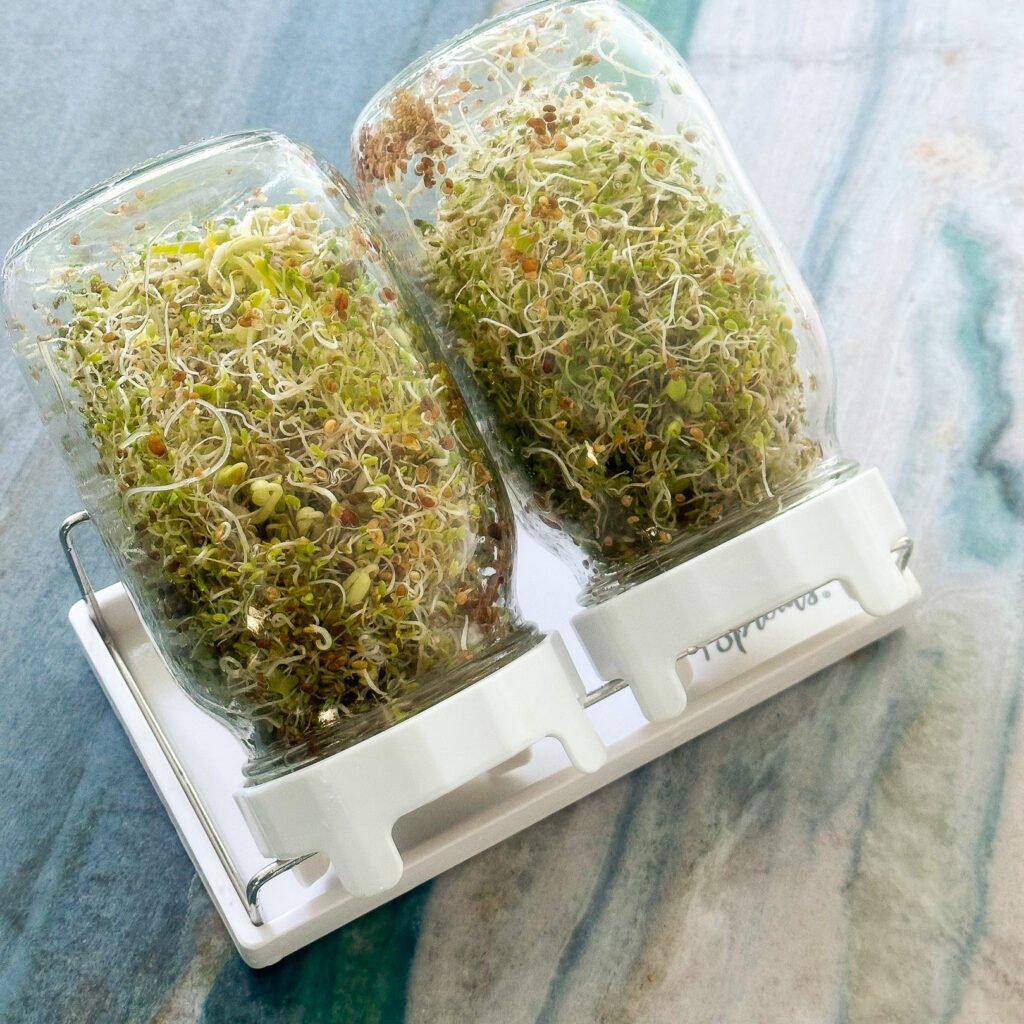
Step 1: Soak the Seeds

Add 2 tablespoons of organic fenugreek seeds to a glass jar and cover with 2 cups of water. Soak for about 8–10 hours or overnight.

Step 2: Drain and Rinse

In the morning, drain the water using a mesh lid or cheesecloth. Rinse the seeds with fresh water and drain again thoroughly.

Step 3: Sprout

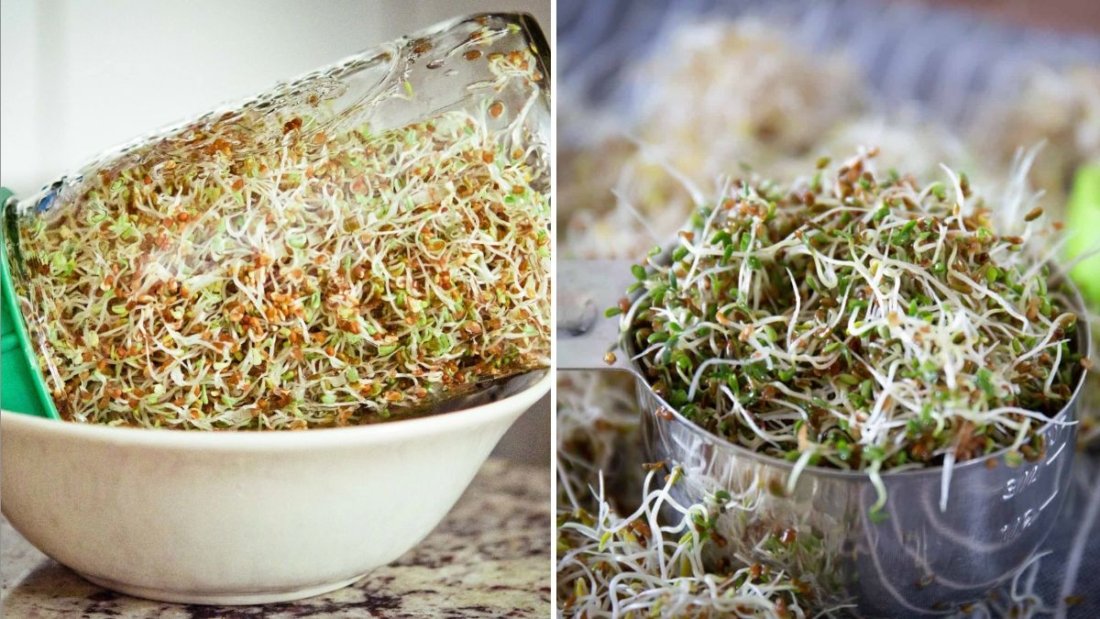
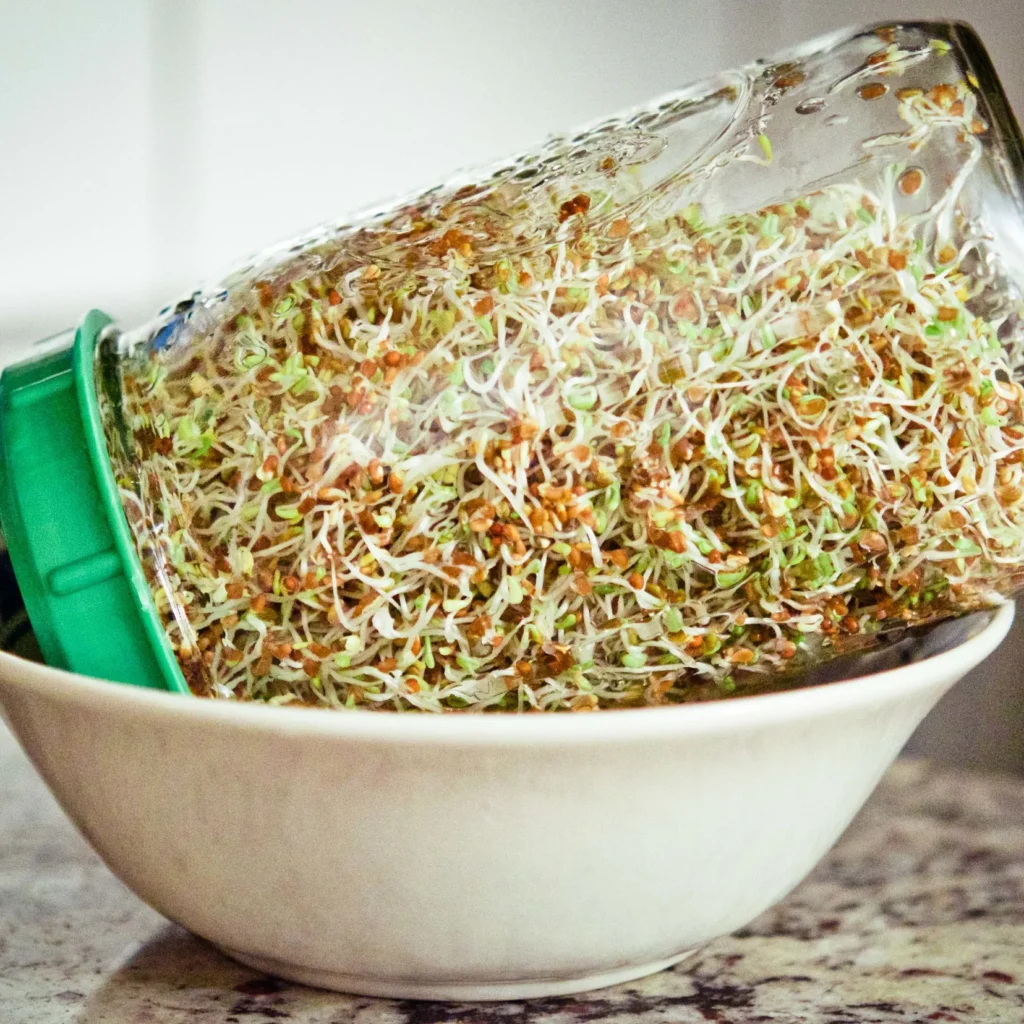
Keep the jar tilted at a 45° angle in a cool, dark place (like a kitchen cabinet) to allow airflow and drainage. Rinse and drain the seeds twice a day—once in the morning and once at night.

Step 4: Harvest

In 2–4 days, you’ll see small white shoots emerging. Once the sprouts are about 1–1.5 inches long and smell fresh, they’re ready to eat.

Step 5: Store

Rinse one final time, pat dry, and refrigerate in an airtight container. They’ll stay fresh for up to 5 days.

Tip: Always use organic, food-grade fenugreek seeds for sprouting to avoid contamination from non-edible seed coatings.


5. Culinary Uses: Delicious Ways to Eat Fenugreek Sprouts

Fenugreek sprouts may be small, but they can elevate any meal with their unique flavor and nutritional benefits. Here are some tasty American-style ways to enjoy them:

a. Power Breakfast Bowls

Add fenugreek sprouts to your morning avocado toast, smoothie bowls, or scrambled eggs for an energizing, nutrient-rich start to your day.

b. Fresh Salads

Mix sprouts with lettuce, cherry tomatoes, cucumbers, and a light olive oil dressing. The mild bitterness pairs beautifully with citrus or balsamic flavors.

c. Sandwiches and Wraps

Layer fenugreek sprouts in sandwiches, veggie wraps, or turkey rolls for a fresh crunch and a subtle tangy flavor.

d. Stir-Fries and Curries

Toss a handful of sprouts into warm vegetable stir-fries or curries at the end of cooking for an added boost of texture and nutrients.

e. Soups and Stews

Garnish lentil soups, tomato bisques, or bean stews with fresh sprouts for a lively flavor and a visual pop of green.

f. Detox Smoothies

Blend a tablespoon of fenugreek sprouts into your green smoothie with spinach, apple, lemon, and ginger for a refreshing detox drink.


6. Safety Tips for Eating Fenugreek Sprouts

Like all raw sprouts, fenugreek sprouts should be handled carefully to prevent bacterial contamination. Follow these safety tips:

  • Always use clean, sanitized jars and utensils.
  • Rinse sprouts thoroughly before eating.
  • Store in the refrigerator at below 40°F (4°C).
  • Avoid consuming sprouts that smell sour or appear slimy.
  • If you’re pregnant, elderly, or immunocompromised, lightly steam or cook sprouts before eating.

Cooking them lightly for 1–2 minutes kills harmful bacteria while preserving their nutrients and crunch.


7. Sustainability and Eco-Friendly Benefits

Fenugreek sprouts are one of the most eco-friendly and sustainable foods you can grow. They require no soil, very little water, and grow in just a few days—making them perfect for indoor growing.

By sprouting at home, you reduce food waste, packaging, and carbon emissions associated with store-bought produce. For Americans interested in sustainable living, growing fenugreek sprouts is a small but impactful way to support the environment while eating fresh, nutrient-rich food.


8. Fenugreek Sprouts vs. Other Sprouts

Here’s how fenugreek sprouts compare with other popular sprouted foods:

TypeFlavorProtein (per 100g)Best ForSpecial Benefit
Fenugreek SproutsMildly bitter & nutty4gSalads, curries, detox drinksBlood sugar & metabolism
Alfalfa SproutsLight, earthy1.3gSandwiches, wrapsBone & heart health
Mung Bean SproutsCrisp, mild3gStir-fries, soupsDigestion & hydration
Lentil SproutsHearty, earthy7gGrain bowls, stewsHigh plant protein

Fenugreek sprouts stand out for their metabolic and digestive health benefits, making them perfect for anyone pursuing a holistic, balanced diet.


9. Where to Buy Fenugreek Sprouts in the U.S.

You can find fresh fenugreek sprouts or organic sprouting seeds at most health food stores and online retailers. Popular American sources include:

  • Whole Foods Market
  • Sprouts Farmers Market
  • True Leaf Market
  • The Sprout House
  • Amazon (Organic Sprouting Seeds section)

If you’re new to sprouting, starter kits with jars and mesh lids are also available online—making home sprouting effortless.


10. Final Thoughts: A Sprout Worth the Hype

Fenugreek sprouts may be small, but they deliver big-time nutrition and wellness benefits. From balancing hormones and improving digestion to boosting immunity and heart health, these tiny sprouts pack everything your body needs to thrive naturally.

They’re affordable, easy to grow, and sustainable—making them one of the smartest superfoods to include in any American diet. Whether sprinkled over salads, stirred into smoothies, or grown fresh on your windowsill, fenugreek sprouts prove that true health can grow right at home, one seed at a time.


Mung Bean Sprouts The Crunchy, Protein-Packed Superfood Transforming American Healthy Eating

Mung Bean Sprouts The Crunchy, Protein-Packed Superfood Transforming American Healthy Eating

If you’ve ever enjoyed a crisp Asian stir-fry, a fresh salad bowl, or a wholesome vegan wrap, chances are you’ve already tasted mung bean sprouts—one of nature’s simplest yet most powerful foods. Loved for their light crunch, mild flavor, and exceptional nutritional value, mung bean sprouts have earned a place in many American kitchens as an affordable, protein-rich superfood.

In an age where more people are leaning toward plant-based diets, homegrown nutrition, and eco-friendly foods, mung bean sprouts stand out as a perfect example of how simple, natural ingredients can deliver extraordinary health benefits.

This article explores everything you need to know about mung bean sprouts—from their nutritional profile and health benefits to how to grow them at home and creative ways to use them in your meals.


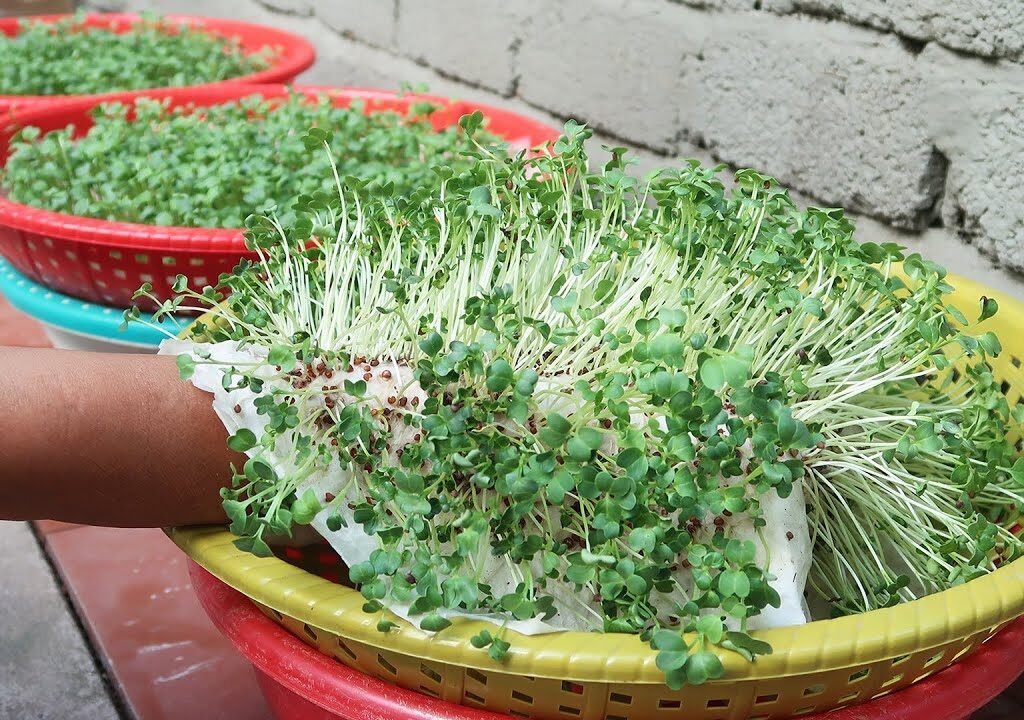
1. What Are Mung Bean Sprouts?

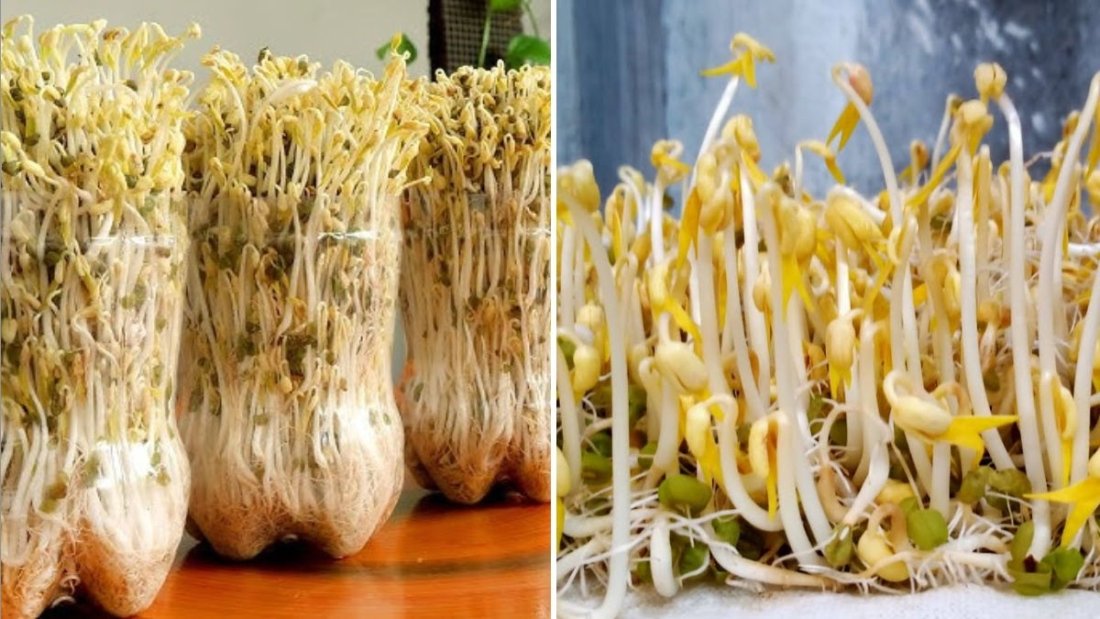
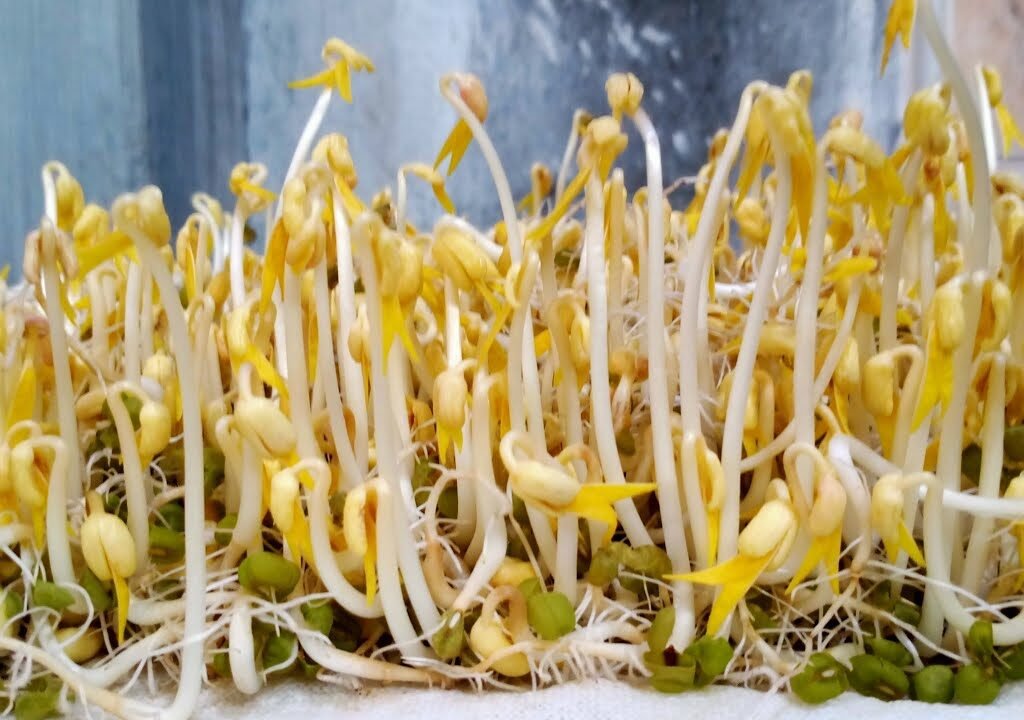
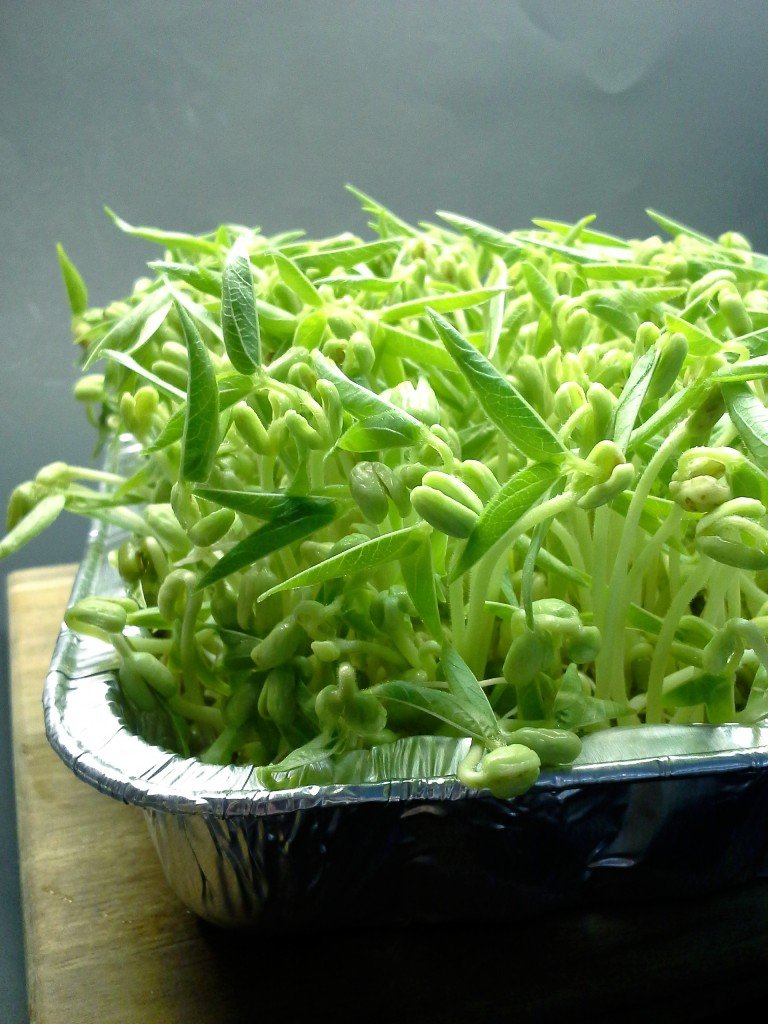
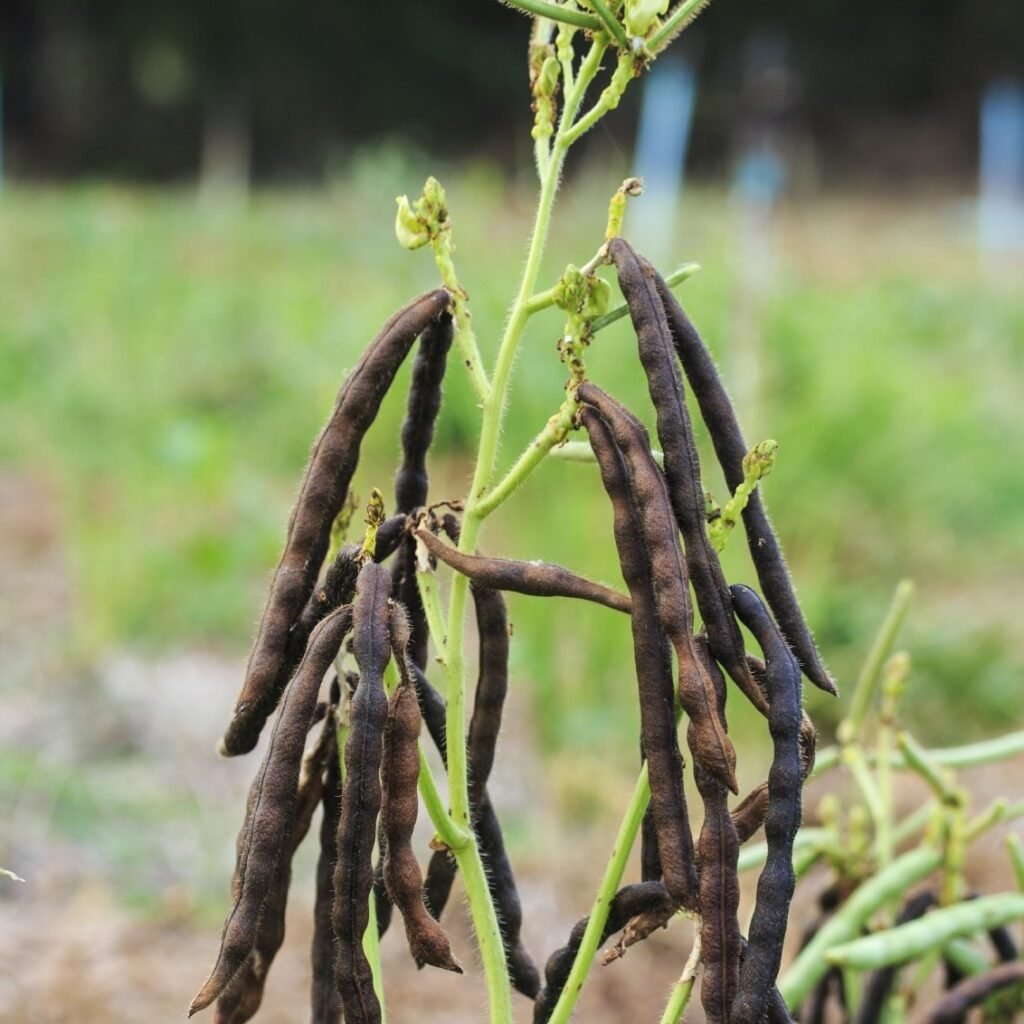
Mung bean sprouts are the young shoots of mung beans (Vigna radiata), a small green legume that’s been cultivated in Asia for thousands of years. When soaked and sprouted, these beans produce crunchy, white stems with small green tips—packed with nutrients, enzymes, and antioxidants.

In American cuisine, mung bean sprouts are often used in salads, sandwiches, soups, and stir-fries. They’re light, refreshing, and versatile—offering a crisp texture and mild flavor that pairs beautifully with both raw and cooked dishes.

What makes them even more appealing is how easy and inexpensive they are to grow right in your own kitchen.


2. Nutritional Profile of Mung Bean Sprouts

Don’t be fooled by their size—mung bean sprouts are tiny nutritional powerhouses. A one-cup serving (about 100 grams) of raw mung bean sprouts contains approximately:

  • Calories: 30
  • Protein: 3 grams
  • Fiber: 2 grams
  • Carbohydrates: 6 grams
  • Vitamin C: 23% of the Daily Value (DV)
  • Folate (B9): 16% of the DV
  • Iron: 5% of the DV
  • Magnesium, Potassium & Zinc: Essential minerals for energy and heart health

They’re also low in fat and cholesterol-free, making them an excellent addition to weight-loss and heart-healthy diets.

Because mung bean sprouts are consumed raw or lightly cooked, they retain more enzymes and vitamins than boiled beans—offering maximum nutritional absorption.


3. Health Benefits of Mung Bean Sprouts

Adding mung bean sprouts to your meals provides numerous health benefits backed by science. Let’s look at what makes them one of the healthiest foods around.

a. Boosts Immunity

Mung bean sprouts are rich in vitamin C, which helps strengthen the immune system and supports collagen formation for healthy skin and tissues.

b. Aids Digestion

The sprouting process breaks down starches and proteins, making mung bean sprouts easy to digest. Their natural fiber content also helps maintain gut health and prevent constipation.

c. Promotes Heart Health

These sprouts are high in potassium and magnesium, minerals that help regulate blood pressure and improve circulation. Their fiber content helps lower LDL cholesterol, reducing the risk of heart disease.

d. Supports Weight Loss

Low in calories but high in fiber and water, mung bean sprouts help you feel full without adding extra calories—making them perfect for weight management and clean eating.

e. Stabilizes Blood Sugar

Because of their low glycemic index, mung bean sprouts help balance blood sugar levels, making them an ideal food for people managing diabetes or insulin sensitivity.

f. Enhances Skin and Hair Health

Loaded with antioxidants, vitamin E, and zinc, mung bean sprouts help reduce inflammation, promote clear skin, and strengthen hair follicles for natural growth and shine.
g. Improves Nutrient Absorption

Sprouting increases the bioavailability of vitamins and minerals by reducing anti-nutrients like phytic acid. This means your body can absorb more nutrients from the sprouts compared to cooked or unsprouted beans.


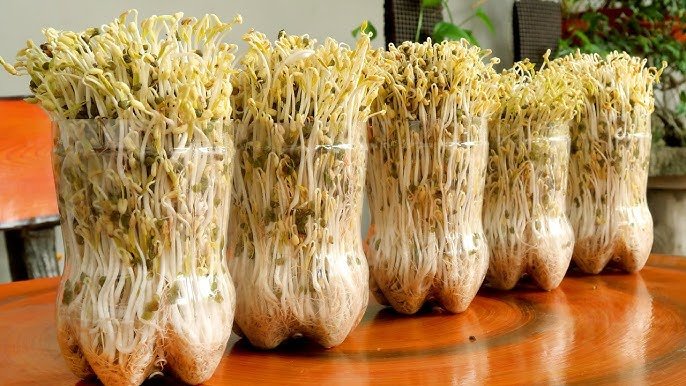
4. How to Grow Mung Bean Sprouts at Home

Growing mung bean sprouts is incredibly easy—and it’s a fun, sustainable way to add fresh greens to your diet year-round. Here’s how to do it:

Step 1: Soak the Beans

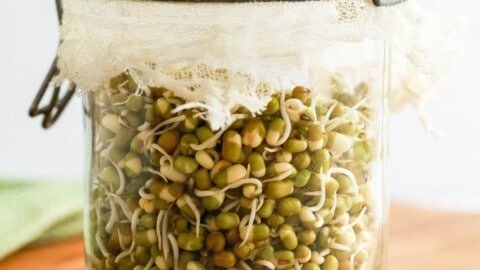
Rinse ½ cup of mung beans thoroughly. Place them in a glass jar and cover with 2 cups of cool water. Soak for 8–10 hours or overnight.

Step 2: Drain and Rinse

In the morning, drain the water using a mesh lid or cheesecloth. Rinse the beans with fresh water and drain again.

Step 3: Start Sprouting

Keep the jar tilted upside down at a 45° angle in a cool, dark place (like a kitchen cabinet). This allows air circulation while preventing excess water from collecting.

Step 4: Rinse Twice a Day

Rinse and drain the beans twice daily—morning and evening—to keep them moist and clean.

Step 5: Harvest

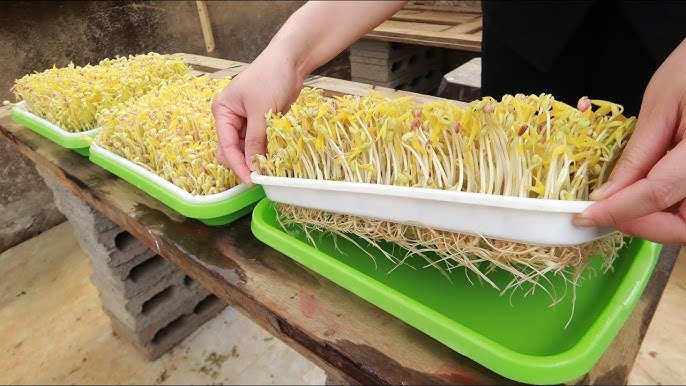
After 3–5 days, you’ll have crisp white sprouts about 2 inches long. Rinse one last time, remove any unsprouted beans, and refrigerate in an airtight container for up to 5 days.

Tip: For thicker, juicier sprouts, keep them in a darker place during growth and use a breathable cloth instead of a solid lid.


5. Delicious Ways to Enjoy Mung Bean Sprouts

One of the best things about mung bean sprouts is their versatility. Whether you prefer them raw, cooked, or blended, there are countless ways to include them in your diet.

a. Fresh Salads

Toss mung bean sprouts with lettuce, cucumber, bell peppers, and a tangy vinaigrette for a crunchy, refreshing salad. Add avocado or tofu for extra protein.

b. Stir-Fries

Add mung bean sprouts to Asian-inspired stir-fries at the very end of cooking. Their quick-cooking nature keeps them crisp while adding texture and nutrition.

c. Sandwiches and Wraps

Layer sprouts into turkey sandwiches, veggie wraps, or burgers for an instant crunch and a fresh burst of flavor.

d. Soups and Stews

Top hot soups like ramen, pho, or lentil stew with fresh mung bean sprouts for a contrast of temperature and texture.
e. Smoothies and Bowls
For an energy boost, toss a small handful of sprouts into your green smoothie or grain bowl. They blend easily and add subtle earthiness.

f. Lightly Sauteed Snack

Sauté mung bean sprouts with a bit of olive oil, garlic, and sesame seeds for a quick, healthy side dish.


6. Safety Tips When Eating Mung Bean Sprouts

Because mung bean sprouts are often eaten raw, they can sometimes carry bacteria like E. coli or Salmonella. Here are simple safety practices to keep your sprouts fresh and safe:

  • Always use fresh, organic mung beans for sprouting.
  • Wash hands, jars, and utensils thoroughly before sprouting.
  • Rinse sprouts well under cool running water before eating.
  • Store them in the refrigerator below 40°F (4°C).
  • Discard any sprouts that smell sour or feel slimy.
  • If you’re pregnant, elderly, or have a weakened immune system, lightly cook your sprouts before eating.

Cooking for just 1–2 minutes retains most nutrients while eliminating bacteria.


7. Sustainability: Small Sprouts, Big Environmental Impact

Mung bean sprouts are one of the most sustainable plant-based foods you can eat. They require minimal resources—no soil, little water, and only a few days to grow.

Compared to traditional crops or animal proteins, sprouting mung beans produces a tiny carbon footprint and almost zero waste. For Americans focused on sustainability, growing mung bean sprouts at home is a simple, eco-friendly habit with big nutritional payoffs.


8. Mung Bean Sprouts vs. Other Sprouts

Not all sprouts are created equal! Here’s how mung bean sprouts compare with other popular sprouted foods:

TypeFlavorProtein (per cup)Best Used InTexture
Mung Bean SproutsMild, earthy3gStir-fries, saladsJuicy & crisp
Alfalfa SproutsLight, nutty1gSandwiches, wrapsSoft & airy
Lentil SproutsEarthy, hearty7gBowls, soupsFirm & crunchy
Broccoli SproutsPeppery2.5gSmoothies, detox saladsTender

Mung bean sprouts shine for their texture and versatility, making them one of the most commonly used sprouts in American cooking.


9. Where to Buy Mung Bean Sprouts in the U.S.

You can find fresh mung bean sprouts in most American supermarkets, including Whole Foods Market, Trader Joe’s, Walmart, and local Asian grocery stores.

For home sprouting, buy organic mung beans labeled as “sprouting seeds” from reputable online retailers like True Leaf Market, Sprout House, or Amazon.


10. Final Thoughts: Fresh Nutrition in Every Bite

Mung bean sprouts prove that sometimes, the simplest foods can deliver the biggest health benefits. These tiny, crunchy shoots are rich in plant protein, fiber, antioxidants, and vitamins, supporting everything from heart health to digestion.

They’re easy to grow, easy to cook, and endlessly versatile—making them one of the best additions to any modern American kitchen focused on fresh, sustainable, and wholesome living.

So whether you’re a home gardener, a health enthusiast, or just someone looking to eat cleaner, add a handful of mung bean sprouts to your next meal—you’ll love the crunch, the flavor, and the incredible benefits packed in every bite.

Lentil Sprouts The Protein-Packed Superfood Every American Home Should Be Eating

Lentil Sprouts The Protein-Packed Superfood Every American Home Should Be Eating

If you’re looking for a simple, affordable, and sustainable way to boost your nutrition, lentil sprouts deserve a place in your kitchen. These tiny shoots—grown from common lentils—are rich in plant-based protein, fiber, and essential vitamins. In recent years, as Americans have embraced clean eating, plant-based diets, and sustainable food options, lentil sprouts have taken center stage as one of the healthiest and most versatile superfoods around.

From crunchy salad toppings to wholesome smoothie boosters, lentil sprouts are a nutrition-packed powerhouse that’s easy to grow at home and even easier to love. In this article, we’ll explore the benefits, nutrition, growing process, recipes, and safety tips that make lentil sprouts a must-have for every American kitchen.


1. What Are Lentil Sprouts?

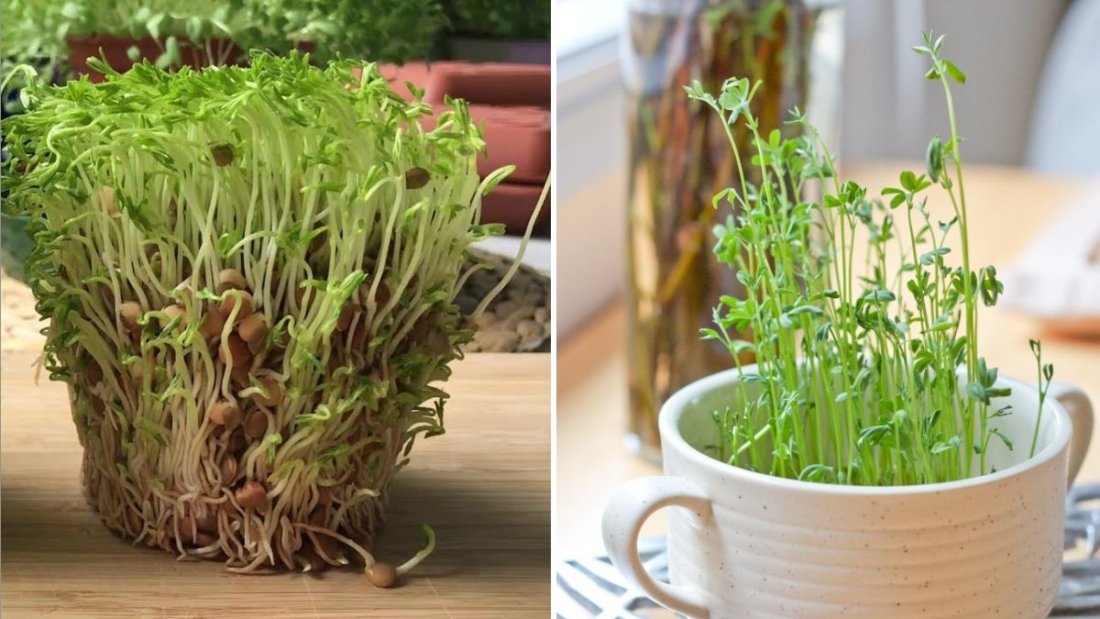
Lentil sprouts are simply lentils that have been soaked and germinated, allowing them to sprout tiny white shoots. This natural process enhances their nutritional value and makes them easier to digest.

When lentils sprout, complex starches break down into simpler forms, proteins become more bioavailable, and the concentration of essential vitamins—especially vitamin C and B vitamins—increases dramatically. The sprouting process transforms ordinary lentils into a living food, bursting with enzymes and vitality.

Lentil sprouts come in several varieties—green, brown, red, and French lentils are the most common. Each has a slightly different texture and flavor, but all are equally nutritious and versatile.


2. Nutritional Profile of Lentil Sprouts

Lentil sprouts are small but mighty when it comes to nutrients. A single cup (about 77 grams) of raw lentil sprouts contains:

  • Calories: ~82
  • Protein: ~7 grams
  • Fiber: ~7 grams
  • Vitamin C: 15–20% of the Daily Value (DV)
  • Folate (B9): 25% of the DV
  • Iron: 10% of the DV
  • Magnesium & Potassium: Support heart and muscle function

In addition to being naturally low in fat and sodium, lentil sprouts are an excellent source of plant-based protein—making them perfect for vegans, vegetarians, and anyone seeking to reduce meat consumption without sacrificing nutrition.


3. Health Benefits of Lentil Sprouts

Adding lentil sprouts to your daily meals does more than just boost flavor—it delivers real, science-backed health benefits. Here are some of the top reasons to make them part of your diet:

a. Excellent Source of Plant Protein

Lentil sprouts contain a higher concentration of protein compared to cooked lentils. Their amino acid profile supports muscle repair, tissue growth, and energy production, making them ideal for athletes and fitness enthusiasts.

b. Promotes Digestive Health

The sprouting process breaks down antinutrients like phytic acid, which can interfere with nutrient absorption. As a result, lentil sprouts are easier to digest and promote healthy gut function thanks to their natural fiber and enzymes.

c. Regulates Blood Sugar Levels

High in fiber and low in carbohydrates, lentil sprouts have a low glycemic index, helping to regulate blood sugar levels. This makes them a smart choice for individuals managing diabetes or insulin resistance.

d. Supports Heart Health

Rich in potassium, magnesium, and soluble fiber, lentil sprouts help reduce cholesterol and support cardiovascular wellness. Regular consumption can contribute to lower blood pressure and improved circulation.

e. Strengthens Immunity

Sprouting increases the vitamin C content of lentils significantly, which enhances immune defense and helps your body fight off infections. Combined with iron and folate, lentil sprouts support red blood cell production and overall vitality.

f. Aids in Weight Management

With their high fiber and protein content, lentil sprouts keep you full for longer, reducing cravings and helping with portion control—making them an excellent food for weight-conscious eaters.


4. How to Grow Lentil Sprouts at Home

One of the best parts about lentil sprouts is how easy and affordable they are to grow. You don’t need soil, fancy equipment, or even much space—just a jar, some lentils, and water.

Here’s a simple, step-by-step guide to grow lentil sprouts in your own kitchen:

Step 1: Choose Your Lentils
Select whole, unprocessed lentils (not split). Green, brown, or French lentils work best. Always use organic lentils to avoid pesticide residues.

Step 2: Soak the Lentils
Add ½ cup of lentils to a glass jar and cover with about 2 cups of cool water. Soak overnight for 8–10 hours. The lentils will expand, so make sure there’s room in the jar.

Step 3: Drain and Rinse
In the morning, drain the water using a mesh lid or cheesecloth. Rinse the lentils with fresh water, then drain completely.

Step 4: Sprouting Time
Store the jar in a cool, dark place (like a cupboard). Rinse and drain the lentils twice a day—morning and evening—to keep them moist but not waterlogged.

Step 5: Harvest and Store
In 2–4 days, tiny white sprouts will appear. Once they reach about ½ to 1 inch long, your lentil sprouts are ready to eat.
Rinse them one final time, dry them gently, and refrigerate in an airtight container for up to 5 days.

Tip: Avoid over-sprouting, as older sprouts can develop a bitter taste or lose crunch.


5. How to Use Lentil Sprouts in Everyday Meals

Lentil sprouts have a mild, earthy flavor and a satisfying crunch that makes them easy to incorporate into a wide variety of dishes. Here are some creative, American-inspired ways to enjoy them:

a. In Fresh Salads

Add a handful of lentil sprouts to mixed greens, cucumbers, cherry tomatoes, and avocado. Top with a light lemon vinaigrette for a protein-rich, refreshing salad.

b. In Sandwiches and Wraps

Layer lentil sprouts on turkey or veggie sandwiches for extra crunch and nutrition. They pair perfectly with hummus, cheese, or grilled veggies.

c. In Stir-Fries

Lightly toss lentil sprouts into a warm veggie stir-fry at the end of cooking to preserve their crunch while adding a boost of protein.

d. In Smoothies and Bowls

Blend a small amount of sprouts into smoothies for a subtle earthy flavor and added fiber, or sprinkle them on grain bowls for texture.

e. As a Snack or Topping

Season lentil sprouts with olive oil, lemon, and pepper for a quick snack. You can also use them as a topping on avocado toast, tacos, or Buddha bowls.


6. Safety Tips for Eating Lentil Sprouts

Since lentil sprouts are often eaten raw, it’s important to handle them safely to prevent bacterial contamination. Here are a few safety precautions:

  • Always use clean jars, utensils, and water.
  • Rinse sprouts thoroughly before consuming.
  • Store them in the refrigerator below 40°F (4°C).
  • Discard any sprouts that smell sour or appear slimy.
  • Vulnerable individuals—such as pregnant women, children, or the elderly—should steam or lightly cook sprouts before eating.

Cooking lentil sprouts for just a few minutes helps eliminate bacteria without significantly reducing nutrients.


7. Sustainability and Eco-Friendly Nutrition

Lentil sprouts are not just good for you—they’re great for the planet. Lentils require minimal water compared to animal protein sources and release almost no greenhouse gases.

Growing sprouts at home eliminates packaging waste and transportation emissions, making them an eco-friendly way to add fresh produce to your meals. They’re the perfect choice for anyone pursuing a sustainable, plant-based lifestyle.


8. Lentil Sprouts vs. Other Sprouts

If you’ve tried other sprouts—like alfalfa, mung bean, or broccoli sprouts—you might wonder how lentil sprouts compare.

TypeFlavorTextureProtein (per cup)Best For
Lentil SproutsEarthy & mildFirm & crunchy7gSalads, wraps, bowls
Alfalfa SproutsLight & nuttyDelicate1gSandwiches, garnishes
Mung Bean SproutsMild & crispJuicy3gStir-fries, soups
Broccoli SproutsPepperyTender2.5gSmoothies, detox salads

Lentil sprouts stand out for their high protein and hearty texture, making them ideal for substantial, balanced meals.


9. Where to Buy Lentil Sprouts in the U.S.

Fresh lentil sprouts are available at many health food stores, farmers’ markets, and grocery chains across the U.S., such as Whole Foods Market, Sprouts Farmers Market, and Kroger.

You can also buy organic sprouting lentils online from trusted suppliers like True Leaf Market, Sprout House, and Amazon to grow your own at home.


10. Final Thoughts: Small Sprouts, Big Impact

Lentil sprouts are one of nature’s most efficient sources of plant-based nutrition—a perfect combination of protein, fiber, vitamins, and minerals in a tiny, crunchy package.

They’re affordable, sustainable, and incredibly easy to grow, making them a smart choice for every American household. Whether you’re a health enthusiast, vegan, or just someone who loves fresh, wholesome food, lentil sprouts can help you take your nutrition to the next level.

So, next time you’re building a salad or a sandwich, don’t forget to sprinkle on some lentil sprouts—they’re your gateway to clean eating and better living.


Alfalfa Sprouts The Superfood Powerhouse Every American Kitchen Needs for Fresh Nutrition

Alfalfa Sprouts The Superfood Powerhouse Every American Kitchen Needs for Fresh Nutrition

When it comes to eating healthy, few foods pack as much nutrition in such a small package as alfalfa sprouts. These delicate, crisp, and mildly flavored sprouts have been a staple in health-conscious American diets for decades. Whether tossed into salads, layered in sandwiches, or blended into smoothies, alfalfa sprouts offer an effortless way to boost your daily intake of vitamins, minerals, and antioxidants.

In this article, we’ll explore the nutritional benefits, health advantages, growing methods, and culinary uses of alfalfa sprouts, along with some safety and storage tips to ensure you get the most out of this tiny but mighty superfood.


1. What Are Alfalfa Sprouts?

Alfalfa (Medicago sativa) is a legume that has been cultivated for centuries, primarily as animal feed. However, its young shoots—known as alfalfa sprouts—are entirely edible and incredibly nutritious for humans.

These sprouts are grown by germinating alfalfa seeds in a moist, dark environment for about 4–6 days. The result is a light, crunchy sprout with a subtle nutty taste and fresh aroma, making it a favorite topping for salads, sandwiches, wraps, and more.

Because they are eaten raw, alfalfa sprouts retain all their enzymes and nutrients—something that cooked vegetables can’t always offer.


2. Nutritional Profile: Why Alfalfa Sprouts Deserve a Place on Your Plate

Despite their small size, alfalfa sprouts are nutritional powerhouses. A single cup (about 33 grams) of alfalfa sprouts contains only 8 calories, yet it provides a rich dose of essential nutrients.

Here’s what makes alfalfa sprouts so special:

  • Protein: 1.3 grams per cup — ideal for plant-based diets.
  • Vitamin K: Vital for bone health and blood clotting.
  • Vitamin C: Boosts immunity and helps produce collagen.
  • Folate: Supports red blood cell formation and cell growth.
  • Calcium & Magnesium: Crucial for strong bones and muscle function.
  • Iron: Supports oxygen transport in the body.

In addition, alfalfa sprouts are high in antioxidants, phytoestrogens, and saponins—natural compounds known to support heart health, hormonal balance, and immunity.


3. Health Benefits of Alfalfa Sprouts

Adding alfalfa sprouts to your meals isn’t just about flavor—it’s a powerful health move. Here are some of the top scientifically backed benefits:

a. Supports Heart Health

Alfalfa sprouts are rich in saponins, plant compounds that can help lower bad cholesterol (LDL) while raising good cholesterol (HDL). Regular consumption may reduce the risk of heart disease and support better blood vessel function.

b. Aids in Blood Sugar Control

Some studies suggest that alfalfa sprouts may help stabilize blood sugar levels due to their high fiber and antioxidant content. This makes them a valuable addition for people managing diabetes or insulin sensitivity.

c. Promotes Bone Health

Thanks to their high vitamin K and calcium content, alfalfa sprouts support bone mineralization and help prevent osteoporosis. Just a small serving can contribute to your daily bone-strengthening nutrients.

d. Enhances Digestive Health

Raw alfalfa sprouts are full of digestive enzymes that help break down food more efficiently. They also provide dietary fiber that promotes regular bowel movements and supports gut health.

e. Supports Hormonal Balance

Alfalfa sprouts contain phytoestrogens—plant-based compounds that mimic estrogen. These may help ease menopausal symptoms like hot flashes and mood swings while promoting hormonal balance.

f. Boosts Immunity and Detoxification

Antioxidants like vitamin C and flavonoids found in alfalfa sprouts protect cells from free radical damage. Combined with their chlorophyll content, they help detoxify the body and strengthen the immune system.


4. How to Grow Alfalfa Sprouts at Home

Growing your own alfalfa sprouts is one of the simplest and most rewarding ways to ensure freshness and quality. You don’t need soil, sunlight, or much space—just a jar, water, and patience.

Here’s a simple 5-step guide:

  1. Soak the Seeds:
    Place 1 tablespoon of alfalfa seeds in a glass jar and cover them with about 2 cups of cool water. Let them soak overnight (8–12 hours).
  2. Drain and Rinse:
    After soaking, drain the water using a mesh lid or cheesecloth. Rinse the seeds with fresh water and drain again.
  3. Sprouting Time:
    Store the jar in a cool, dark spot (like a kitchen cabinet). Rinse and drain the seeds twice daily—morning and evening—to keep them moist and clean.
  4. Harvesting:
    In 4–6 days, your sprouts should be about 2 inches long. Move them to indirect sunlight for a few hours to help them turn green and develop chlorophyll.
  5. Storage:
    Rinse once more, drain thoroughly, and refrigerate in a clean container. They’ll stay fresh for up to 5 days.

Tip: Always use organic, sprouting-safe seeds and clean water to minimize the risk of bacterial contamination.


5. Culinary Uses: Delicious Ways to Enjoy Alfalfa Sprouts

Alfalfa sprouts are as versatile as they are nutritious. Their crisp texture and mild flavor make them a refreshing addition to countless dishes. Here are some American-inspired ideas:

a. In Salads

Mix alfalfa sprouts with leafy greens, cherry tomatoes, avocado, and vinaigrette for a crunchy, nutrient-rich salad.

b. In Sandwiches and Wraps

Layer sprouts in sandwiches or wraps with turkey, cheese, or hummus for added texture and freshness.

c. On Smoothie Bowls

Sprinkle a handful of alfalfa sprouts over smoothie bowls or grain bowls for a natural, earthy bite.

d. In Juices and Smoothies

Blend sprouts into green smoothies with spinach, apple, and lemon for a detox-friendly drink.

e. As a Garnish

Top soups, omelets, or even avocado toast with sprouts for a gourmet finish.


6. Safety Tips for Eating Alfalfa Sprouts

While alfalfa sprouts are healthy, they should be consumed safely because raw sprouts can sometimes harbor bacteria like E. coli or Salmonella.

Here’s how to stay safe:

  • Always buy fresh sprouts from trusted sources.
  • Rinse them thoroughly before eating.
  • Store them in the refrigerator below 40°F (4°C).
  • Avoid sprouts that look slimy, smell bad, or appear wilted.
  • Pregnant women, older adults, and those with weakened immune systems should consider eating cooked sprouts instead of raw.

You can quickly blanch or lightly sauté them to kill harmful bacteria without losing too many nutrients.


7. Sustainability and Eco-Friendly Value

Alfalfa sprouts aren’t just good for your body—they’re great for the planet.

Growing them requires very little water, no pesticides, and minimal space. Compared to animal protein sources, sprouts have a low carbon footprint and can be cultivated indoors year-round.

This makes them an eco-friendly food option for anyone wanting to embrace a greener, more sustainable lifestyle.


8. Alfalfa Sprouts vs. Other Sprouts

While alfalfa sprouts are often compared to broccoli sprouts, clover sprouts, and mung bean sprouts, they stand out for their light, crisp texture and subtle flavor.

  • Broccoli Sprouts: Stronger taste, higher in sulforaphane (a cancer-fighting compound).
  • Clover Sprouts: Similar in nutrition but slightly milder.
  • Mung Bean Sprouts: Thicker and crunchier, often used in Asian stir-fries.

If you prefer a mild, easy-to-use sprout, alfalfa sprouts are your best bet.


9. Where to Buy Alfalfa Sprouts in the U.S.

You can find fresh alfalfa sprouts in most major grocery stores across the United States, including Whole Foods, Trader Joe’s, Kroger, and local farmers’ markets.

For home sprouting, purchase organic alfalfa sprouting seeds online from trusted American suppliers like True Leaf Market, Sprout House, or Amazon.


10. Final Thoughts: Tiny Greens, Mighty Benefits

Alfalfa sprouts prove that good things come in small packages. Packed with protein, vitamins, antioxidants, and digestive enzymes, they make an exceptional addition to any diet. Whether you grow them at home or buy them fresh, these crunchy greens can upgrade your meals and support your wellness naturally.

Incorporating alfalfa sprouts into your daily routine is one of the simplest, healthiest, and most sustainable choices you can make. So next time you’re building a salad, sandwich, or smoothie—toss in a handful of these nutrient-packed sprouts and taste the freshness of true vitality.

How to Grow Clover Sprouts America’s Crunchy, Protein-Rich Superfood for Everyday Wellness

How to Grow Clover Sprouts America’s Crunchy, Protein-Rich Superfood for Everyday Wellness

Clover sprouts are becoming a favorite in American kitchens for their mild flavor, crisp texture, and powerhouse nutrition. These tiny green shoots, grown from clover seeds, are packed with protein, fiber, vitamins, and minerals — making them an excellent addition to salads, sandwiches, and smoothies.

Easy to grow at home, clover sprouts are perfect for anyone looking for fresh, pesticide-free greens year-round. With just a jar, some seeds, and water, you can harvest nutrient-rich sprouts in under a week. Let’s explore everything you need to know about clover sprouts — their benefits, how to grow them, and delicious ways to use them.


What Are Clover Sprouts?

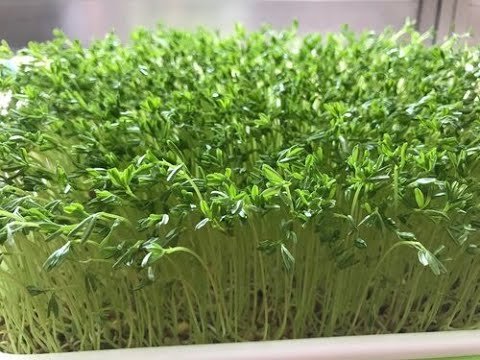
Clover sprouts are the young shoots of the clover plant, typically harvested when they’re about one to two inches long. They belong to the legume family, related to peas and alfalfa. With a delicate crunch and slightly sweet taste, clover sprouts are popular for their versatility and nutritional value.

They’re often compared to alfalfa sprouts but have a milder flavor and even higher nutrient density. Their neutral taste makes them an easy fit in a wide range of dishes, from breakfast bowls to dinner wraps.


Nutritional Benefits of Clover Sprouts

Clover sprouts may look small, but they deliver big health benefits. Each serving is loaded with vitamins, minerals, and antioxidants that promote overall wellness.

  1. High in Plant-Based Protein
    Clover sprouts contain up to 35% protein, making them an excellent option for vegetarians and vegans. Protein supports muscle repair, energy, and immune function.
  2. Rich in Vitamins A, C, K, and B-Complex
    These vitamins help boost immunity, improve skin health, and support metabolism. A handful of clover sprouts can provide a notable portion of your daily vitamin C intake.
  3. Great Source of Minerals
    They’re rich in calcium, magnesium, potassium, and iron — essential minerals that strengthen bones, support blood circulation, and balance blood pressure.
  4. Supports Digestion
    The fiber and natural enzymes in clover sprouts aid digestion, support gut health, and prevent bloating.
  5. Natural Detoxifier
    Clover sprouts help cleanse the liver and promote an alkaline environment in the body, making them a great addition to detox diets.
  6. Low in Calories
    With very few calories and high nutrient density, clover sprouts are ideal for weight management and clean eating plans.

Why Clover Sprouts Are Popular in America

From coast to coast, home sprouting has become a wellness trend. Americans love clover sprouts because they’re easy to grow, cost-effective, and environmentally friendly.

  • Ready to harvest in under a week
  • Can be grown indoors all year round
  • Requires no soil or sunlight
  • Affordable and highly sustainable
  • Adds fresh flavor to countless dishes

As more people embrace home gardening and healthy eating, clover sprouts offer an ideal combination of convenience and nutrition.


How to Grow Clover Sprouts at Home

Growing clover sprouts at home is simple, fun, and rewarding. Here’s how to do it.

You’ll need:

  • 2 tablespoons of clover sprouting seeds
  • A wide-mouth glass jar
  • A mesh or cheesecloth cover
  • Clean, filtered water
  • A cool, dark place for sprouting

Step 1: Soak the Seeds
Rinse 2 tablespoons of clover seeds, then soak them in about 2 cups of water overnight (8–10 hours).

Step 2: Drain and Rinse
In the morning, drain and rinse the seeds thoroughly. Shake off any excess water.

Step 3: Begin Sprouting
Place the jar upside down at an angle to drain completely. Keep it in a cool, dark space away from direct sunlight.

Step 4: Rinse Twice Daily
Rinse and drain the seeds twice daily to keep them moist and fresh.

Step 5: Watch Them Grow
Within 3–4 days, you’ll notice small white shoots. By day 5 or 6, the sprouts will be ready to harvest, with small green leaves.

Step 6: Harvest and Store
Rinse the sprouts one last time, drain well, and store them in an airtight container in the refrigerator for up to a week.


Tips for Successful Sprouting

  • Use organic, untreated seeds labeled specifically for sprouting.
  • Rinse seeds and jars thoroughly to prevent bacterial growth.
  • Keep sprouts well-drained and never submerged in water.
  • Expose to indirect sunlight on the final day for greener leaves.
  • Store in a clean, dry container in the fridge.

Food Safety for Sprouts

Although sprouts are healthy, they can occasionally harbor bacteria if not handled properly. To stay safe:

  • Use clean water and sanitized equipment.
  • Store sprouts at temperatures below 40°F.
  • If you’re immunocompromised, lightly steam or cook sprouts before eating.

Flavor and Texture

Clover sprouts have a mild, slightly nutty flavor with a crisp, refreshing texture. They’re less peppery than radish sprouts and subtler than alfalfa, making them a perfect choice for blending into a variety of recipes.


Delicious Ways to Enjoy Clover Sprouts

  1. Fresh Salads
    Toss clover sprouts with lettuce, tomatoes, cucumbers, and a light dressing for a crunchy, nutritious salad.
  2. Sandwiches and Wraps
    Add sprouts to veggie wraps, turkey sandwiches, or burgers for extra freshness.
  3. Smoothies and Juices
    Blend sprouts with spinach, citrus, and banana for a protein-rich green smoothie.
  4. Stir-Fries and Omelets
    Add them to stir-fries or omelets right before serving for a light, crisp texture.
  5. Toppings and Garnishes
    Sprinkle fresh sprouts over soups, Buddha bowls, or grain dishes for visual appeal and added nutrients.

Health and Lifestyle Benefits

Including clover sprouts in your daily meals can enhance overall wellness. They help balance blood sugar, improve digestion, boost energy, and support detoxification.

They’re especially beneficial for plant-based diets, weight loss programs, and anyone looking to increase their nutrient intake naturally.

Regular consumption supports:

  • Healthy digestion and metabolism
  • Stronger immunity
  • Improved skin health
  • Balanced cholesterol and blood sugar levels

Sustainability and Affordability

Clover sprouts are a sustainable superfood that anyone can grow. They require minimal resources, no packaging waste, and zero transport emissions. A small packet of seeds can produce weeks’ worth of fresh greens, making them an affordable way to eat healthy.

Home sprouting aligns with America’s growing interest in sustainability, plant-based eating, and reducing food waste.


Conclusion: Tiny Greens, Big Nutrition

Clover sprouts may be small, but their impact is mighty. Packed with vitamins, minerals, and protein, they’re one of the easiest and most rewarding foods to grow at home.

In just a few days, you can enjoy crisp, flavorful greens that boost your meals and your health. Whether you’re a beginner gardener, a nutrition enthusiast, or someone seeking fresh, eco-friendly food options, clover sprouts are a perfect fit.

Healthy, affordable, and incredibly versatile — clover sprouts are the crunchy superfood America loves to grow.

Winter Savory The Flavorful Cold-Hardy Herb Every American Home Garden Needs This Season

Winter Savory The Flavorful Cold-Hardy Herb Every American Home Garden Needs This Season

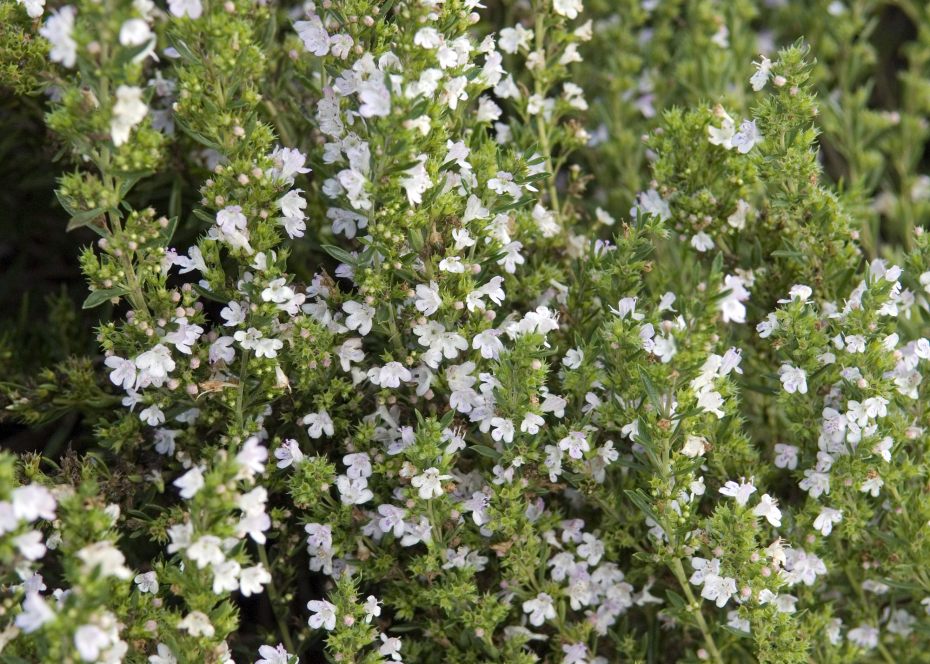
When the days grow shorter and frost dusts the garden, most herbs fade away—except for one resilient culinary champion: winter savory (Satureja montana). Known for its peppery flavor, evergreen foliage, and incredible cold tolerance, winter savory is the unsung hero of American herb gardens.

A close cousin to thyme and rosemary, winter savory adds a robust, slightly spicy flavor to dishes, especially those featuring beans, meats, and root vegetables. Beyond the kitchen, it’s prized for its antibacterial and digestive benefits, making it a natural remedy and flavor booster in one.

Whether you’re an experienced gardener or just beginning your herbal journey, winter savory deserves a spot in your garden this season. Let’s explore how this hardy herb thrives in cold climates, enhances American winter dishes, and supports natural wellness all year long.


1. What Is Winter Savory? A Hardy Herb with a Bold Personality

Winter savory is a perennial evergreen herb native to the Mediterranean region. Unlike its tender cousin, summer savory (Satureja hortensis), which thrives only in warm months, winter savory stands strong through cold weather, snow, and frost.

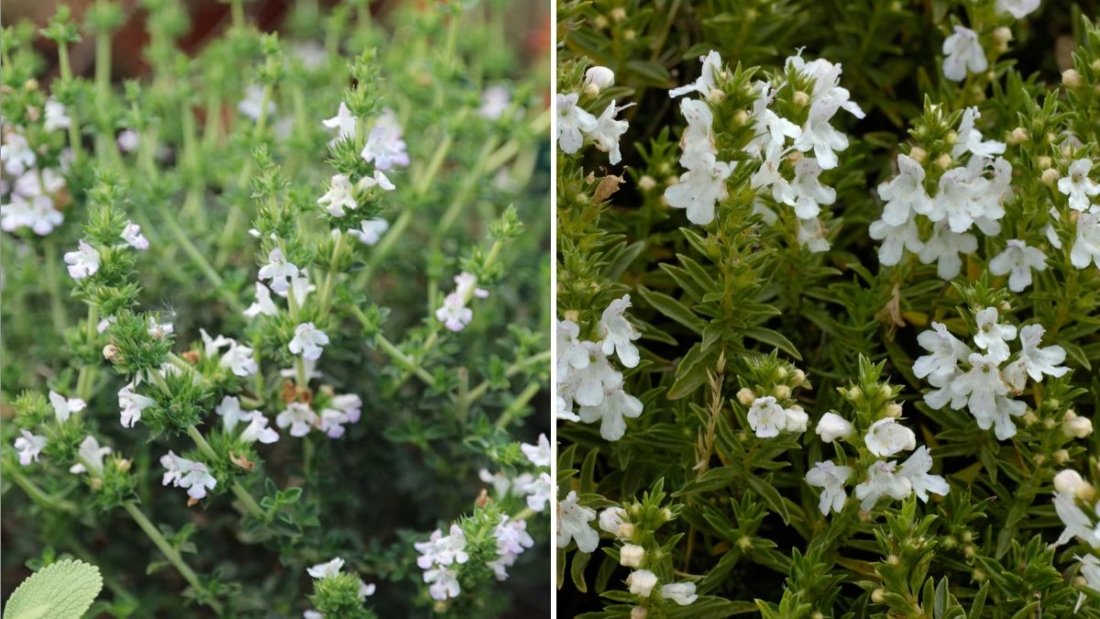
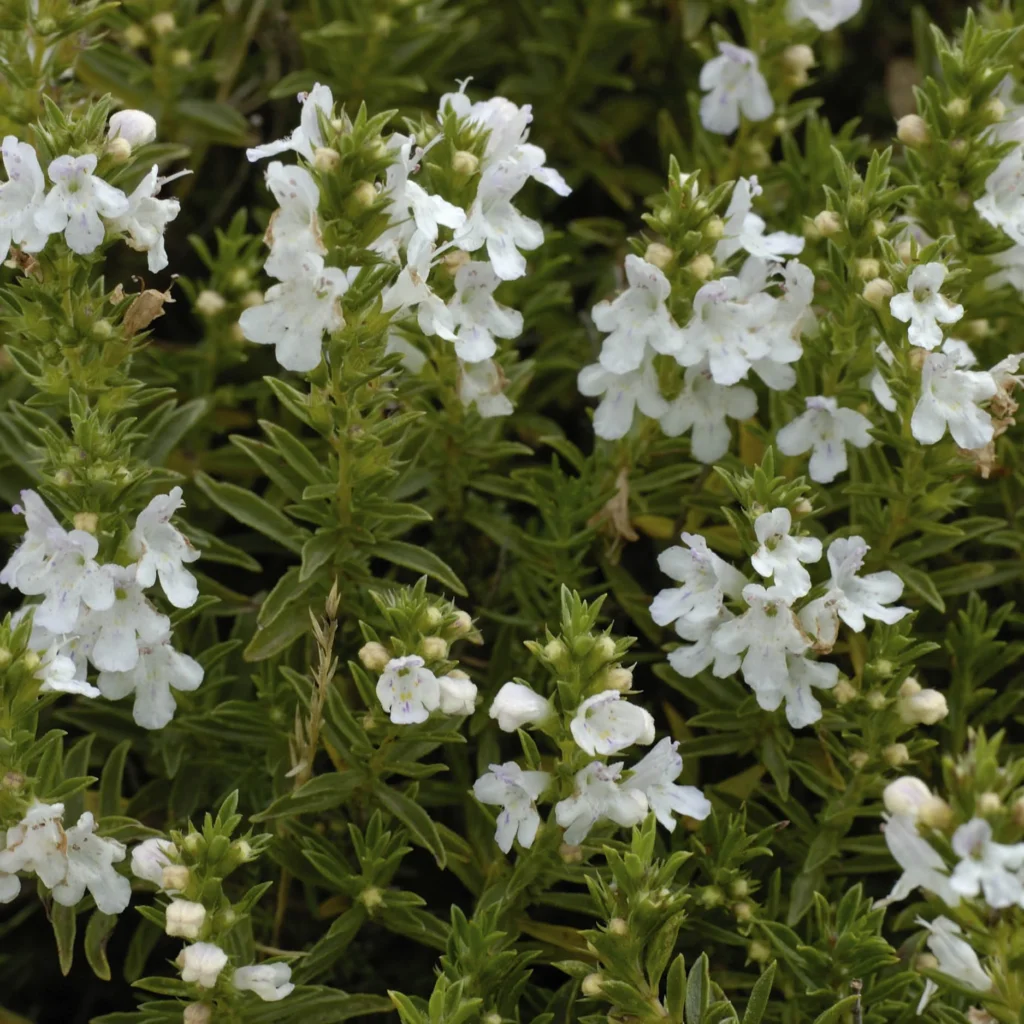
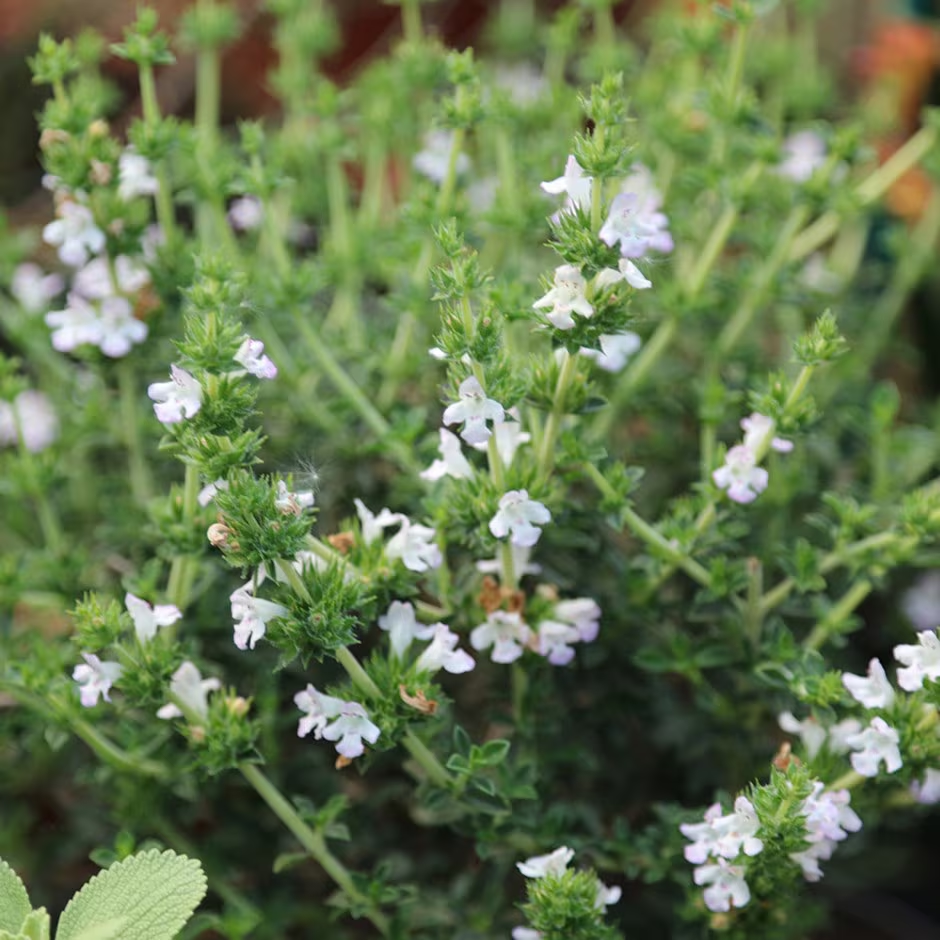
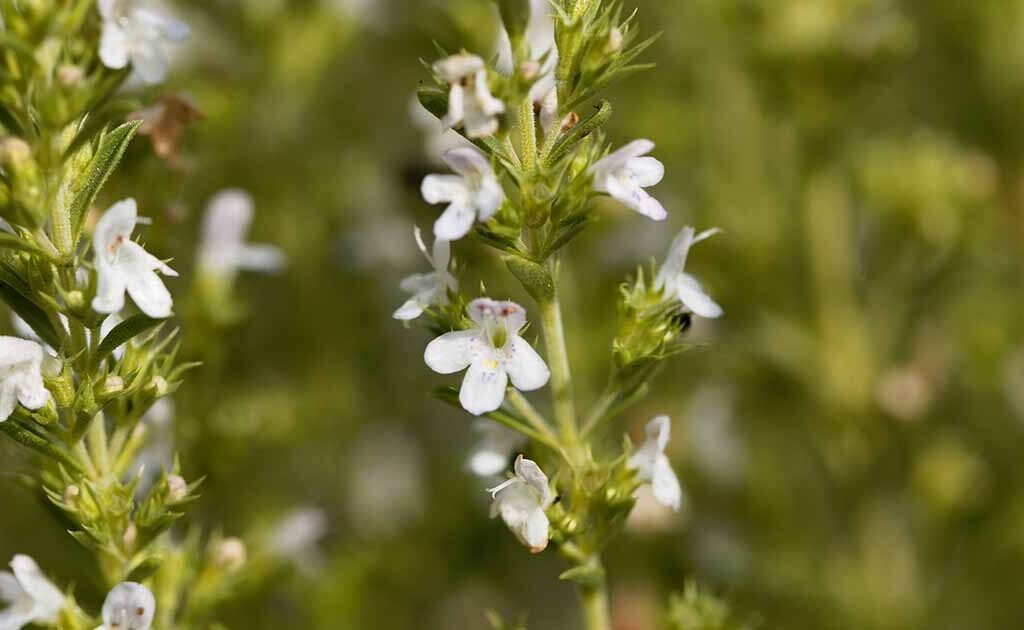
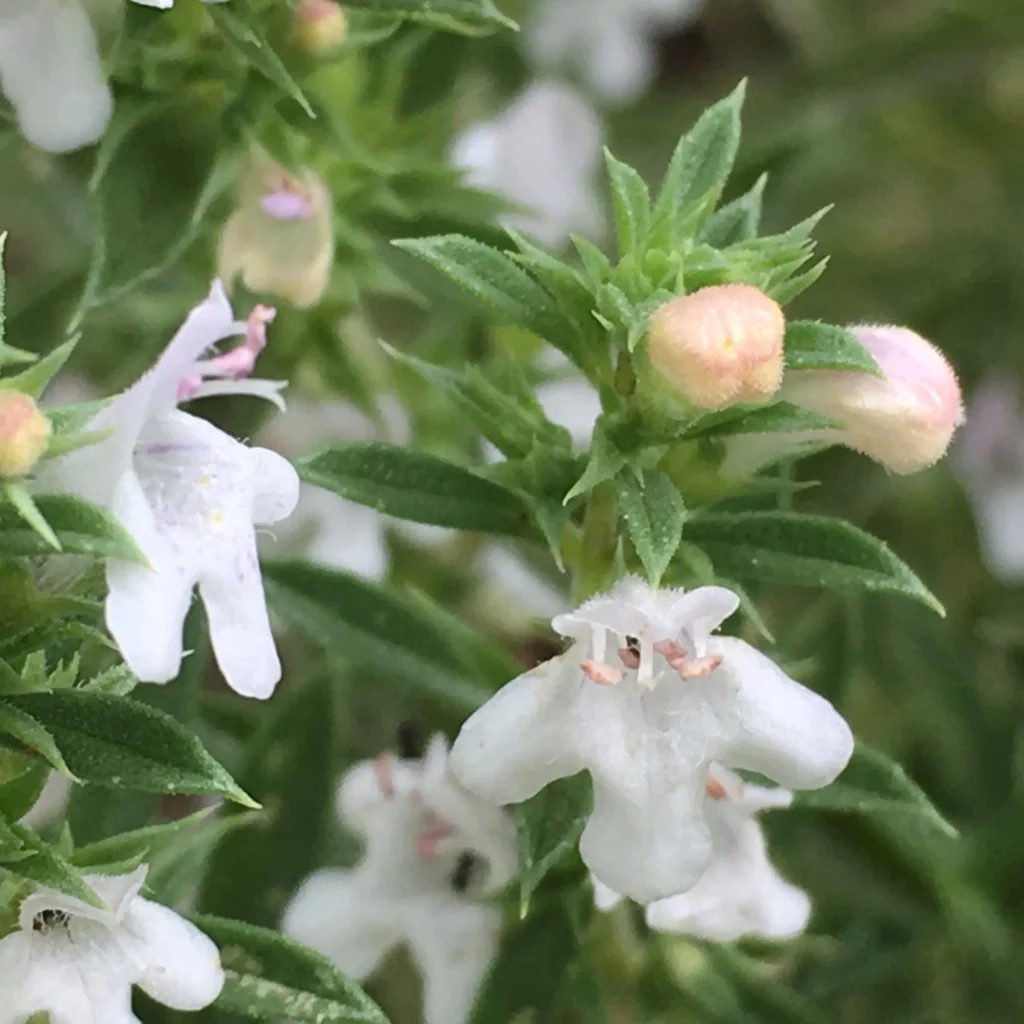
This aromatic plant forms a compact, bushy mound, typically growing 12–18 inches tall, with woody stems and dark green leaves that stay vibrant even in winter. Its small white or pale pink flowers appear in midsummer, attracting bees and beneficial pollinators to your garden.

Flavor-wise, winter savory has a stronger, spicier, and slightly piney taste compared to summer savory, making it ideal for heartier dishes like roasts, bean stews, and winter soups. It’s sometimes called the “herb of love,” both for its ancient symbolism and its ability to add warmth and passion to cold-weather cooking.


2. Why American Gardeners Love Winter Savory

Winter savory has become increasingly popular among American herb gardeners for several good reasons:

  • Cold-Hardy and Evergreen: Unlike most herbs that die back in fall, winter savory stays green and flavorful even through frost and snow.
  • Low Maintenance: Once established, it thrives with minimal care and little water.
  • Pollinator-Friendly: Its summer blooms attract bees, butterflies, and other pollinators, supporting local ecosystems.
  • Flavorful and Versatile: Its peppery taste adds depth to meat dishes, beans, and savory sauces.
  • Medicinal Value: Known for aiding digestion and relieving gas or bloating after heavy meals.

For Americans living in cooler regions or zones 5–9, winter savory is a reliable herb that keeps on giving—season after season.


3. Growing Winter Savory in Your Garden

Choosing the Right Spot

Winter savory thrives in full sun—at least six hours of sunlight daily. It prefers well-drained, sandy or loamy soil, similar to what thyme or rosemary enjoy. Avoid heavy clay or wet soils, as these can lead to root rot.

Planting from Seeds or Cuttings

You can start winter savory in early spring using seeds indoors, or propagate from cuttings or transplants for faster growth.

  • Seeds: Sow lightly in seed trays and cover with a thin layer of soil. Germination takes 2–3 weeks.
  • Transplanting: Move seedlings outdoors after the last frost, spacing them 12–15 inches apart.
  • Cuttings: Take 4–6 inch cuttings from a mature plant, root them in moist soil, and transplant when established.

Soil and Watering Tips

  • Soil pH: Slightly alkaline (6.7–7.3) works best.
  • Watering: Keep soil slightly moist until established, then water only when the top inch feels dry.
  • Fertilizing: A light compost application in spring is enough; avoid overfeeding, as rich soil can weaken flavor.

Pruning and Maintenance

Trim back winter savory after flowering to encourage bushy growth and prevent woody stems. In late fall, lightly prune to shape the plant before winter sets in.

Pro Tip: Winter savory can live for 4–5 years or more. Replace older plants every few seasons for optimal flavor and vitality.


4. Container Gardening with Winter Savory

For urban gardeners or those with limited space, winter savory grows wonderfully in containers. Use a terra-cotta or ceramic pot with drainage holes and a gritty potting mix (equal parts soil, sand, and perlite).

Place it in a sunny window or balcony, and water sparingly. Container-grown winter savory is perfect for kitchen herb gardens, allowing you to snip fresh leaves even during snowy months.


5. Harvesting and Preserving Winter Savory

You can harvest winter savory throughout the year, but the leaves are most aromatic right before flowering in midsummer.

How to Harvest:

  • Cut stems with sharp scissors or shears.
  • Leave at least one-third of the plant intact for regrowth.

To Dry:

  1. Tie stems in small bundles.
  2. Hang them upside down in a cool, airy place for about a week.
  3. Strip dried leaves and store them in airtight jars.

Dried winter savory retains its strong, spicy flavor and can last up to a year—ideal for seasoning winter dishes when the garden rests.


6. Winter Savory in the Kitchen: Flavor with a Kick

If you’re looking to elevate your winter recipes, this herb is your secret weapon. Winter savory brings a peppery, earthy kick that enhances hearty dishes and balances rich, fatty foods.

Best Culinary Uses:

  • Bean Dishes: Add to black beans, lentils, or baked beans to reduce gas and boost flavor.
  • Meat and Poultry: Perfect in marinades, rubs, or stews with lamb, chicken, or beef.
  • Vegetable Roasts: Sprinkle over roasted root veggies or potatoes for an herby aroma.
  • Stuffings and Sauces: Adds warmth to gravies, dressings, and savory bread stuffings.
  • Herbal Butter: Mix finely chopped leaves into butter with garlic and lemon zest for a flavorful spread.

Because its flavor is strong, use winter savory sparingly—a little goes a long way. It also pairs beautifully with thyme, rosemary, oregano, and bay leaf for Mediterranean-style blends.


7. Health Benefits of Winter Savory: A Natural Digestive Aid

Winter savory isn’t just flavorful—it’s also deeply medicinal. Traditional herbalists have long used it to support digestion, boost immunity, and fight infections.

Key Health Benefits:

  1. Digestive Support:
    Known as the “bean herb,” winter savory helps reduce bloating, gas, and indigestion after heavy meals.
  2. Antibacterial and Antifungal Properties:
    The essential oils in winter savory—particularly carvacrol and thymol—are natural antimicrobials that may help fight bacteria and yeast.
  3. Anti-Inflammatory Effects:
    Compounds in the herb may help reduce inflammation and ease mild sore throats or coughs.
  4. Rich in Antioxidants:
    Helps protect cells from oxidative stress and supports immune health.
  5. Natural Antiviral Herb:
    Some research suggests that savory’s essential oils may have antiviral effects, making it a helpful herb during cold and flu season.

Note: While winter savory is safe for culinary use, essential oil or high-dose supplements should only be used under professional guidance.


8. How to Make Winter Savory Tea for Digestion

A cup of savory tea is a simple, soothing way to enjoy its health benefits—especially after heavy winter meals.

Ingredients:

  • 1 teaspoon dried winter savory leaves
  • 1 cup boiling water
  • Optional: honey or lemon

Instructions:

  1. Steep the leaves in hot water for 8–10 minutes.
  2. Strain, add honey or lemon if desired, and enjoy warm.

This tea can help ease bloating, support digestion, and warm you on chilly nights.


9. Using Winter Savory in Landscaping

Winter savory isn’t just a kitchen herb—it’s also an excellent ornamental plant. Its compact shape, dark green foliage, and delicate flowers make it perfect for borders, rock gardens, and herb spirals.

Design Ideas:

  • Plant along walkways or garden edges for evergreen texture.
  • Combine with thyme, sage, and lavender for a Mediterranean-style garden.
  • Use it as a ground cover in sunny, dry areas.

Because it’s drought-tolerant and deer-resistant, it’s a great choice for low-maintenance American gardens.


10. Preserving Winter Savory for Year-Round Use

You can enjoy winter savory long after the growing season by preparing it in various ways:

  • Dried Herbs: For seasoning stews and marinades.
  • Herb Vinegars: Infuse in apple cider or white wine vinegar for salad dressings.
  • Flavored Oils: Combine fresh sprigs with olive oil and garlic for drizzling over pasta or bread.
  • Herbal Salt Mix: Blend dried savory with sea salt and pepper for an all-purpose seasoning.

These preparations not only extend its shelf life but also make thoughtful homemade holiday gifts.


Conclusion: Bring Warmth and Flavor to Winter with Savory

Winter savory may not get the spotlight like basil or rosemary, but it’s one of the most useful and resilient herbs for American gardeners. With its peppery taste, evergreen charm, and digestive benefits, it brings both beauty and practicality to the garden and kitchen alike.

Whether you grow it in the ground, on a sunny balcony, or in a container by the window, winter savory promises year-round freshness, flavor, and wellness. As cold winds blow, this tough little herb stands tall—reminding us that nature’s best flavors often thrive in the chill of winter.

Hyssop Herb The Ancient Medicinal Plant Bringing Healing, Flavor, and Fragrance to Modern American Gardens

Hyssop Herb The Ancient Medicinal Plant Bringing Healing, Flavor, and Fragrance to Modern American Gardens

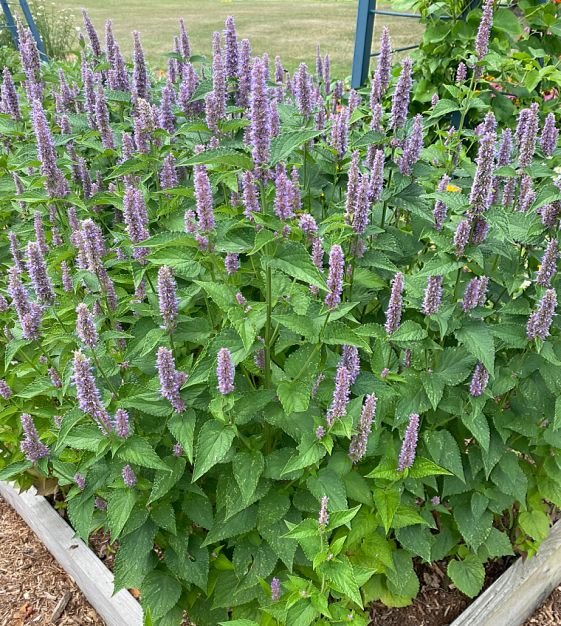
In the world of herbs, few are as ancient, aromatic, and versatile as hyssop (Hyssopus officinalis). Revered since biblical times and cherished in traditional European herbal medicine, hyssop is making a strong comeback in modern American gardens. Known for its healing properties, striking blue-purple flowers, and pollinator-friendly nature, this Mediterranean native is both beautiful and beneficial.

Whether you’re a home gardener, an herbal tea enthusiast, or a natural wellness advocate, hyssop offers a wealth of uses—from flavoring dishes and soothing coughs to attracting bees and butterflies. This article explores everything you need to know about hyssop: its origins, growing tips, health benefits, and how to incorporate it into your daily life.


1. What Is Hyssop? A Historical Herb with Modern Appeal

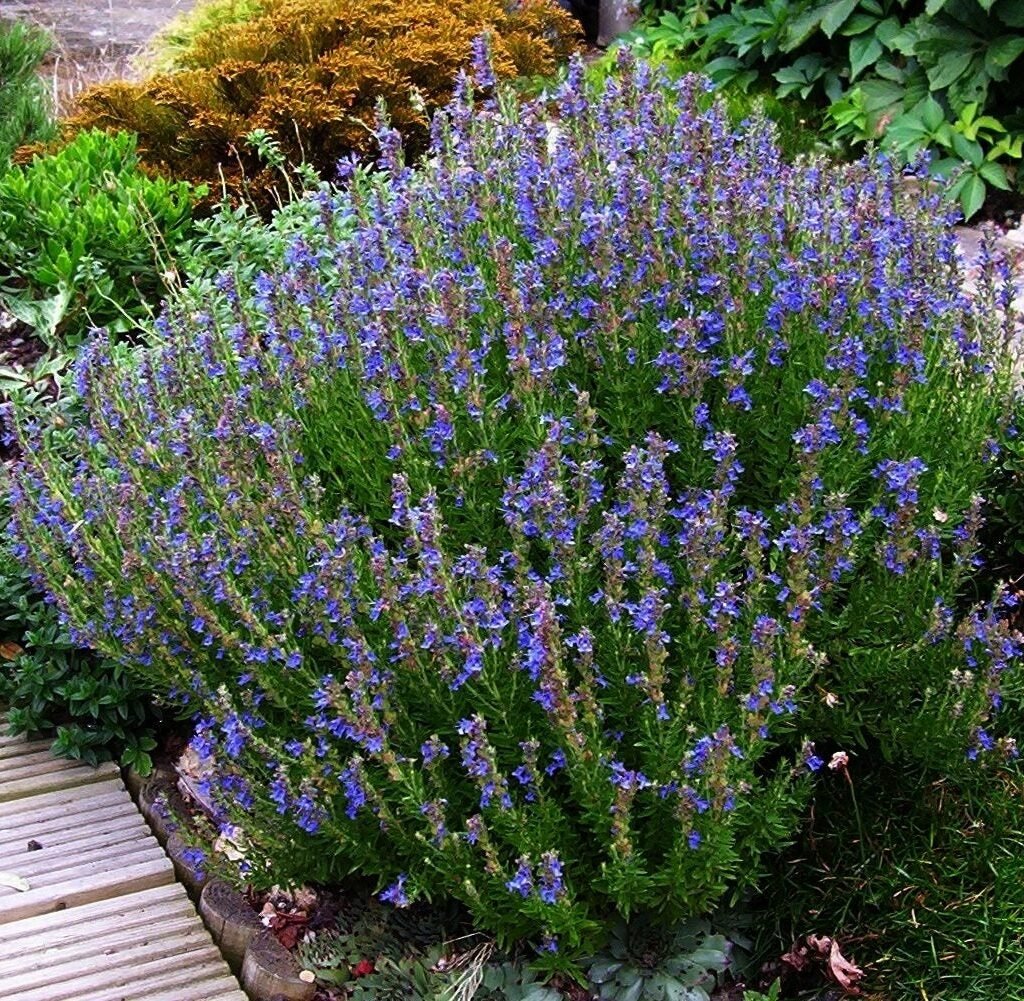
Hyssop is a perennial herb belonging to the mint family (Lamiaceae), which also includes lavender, thyme, and sage. It grows 1 to 2 feet tall, with woody stems, narrow green leaves, and spikes of vibrant blue, pink, or white flowers. Its strong, slightly bitter, minty flavor and medicinal properties have made it a staple in herbal medicine for centuries.

Historically, hyssop was used by the ancient Greeks and Romans for respiratory ailments and purification rituals. It’s mentioned multiple times in the Bible—often symbolizing cleansing and protection. In modern America, herbalists appreciate hyssop for its antiseptic, antiviral, and expectorant qualities, while gardeners value it as a low-maintenance pollinator magnet that thrives in sunny spots.


2. Why Hyssop Belongs in Every American Herb Garden

If you’re looking for a multi-purpose herb that’s easy to grow and visually stunning, hyssop checks every box. Here’s why it’s becoming a favorite among U.S. gardeners:

  • Low Maintenance: Hyssop thrives in poor, well-drained soil and doesn’t require heavy watering—perfect for drought-prone regions.
  • Beautiful Blooms: Its bright flowers bloom all summer, adding color to borders and herb beds.
  • Pollinator-Friendly: Bees, butterflies, and hummingbirds adore hyssop, making it a great companion for eco-friendly and pollinator gardens.
  • Compact Growth: Ideal for small spaces, containers, or raised garden beds.
  • Multi-Use Herb: Fresh or dried, hyssop can be used in teas, cooking, and natural remedies.

Its resilience and beauty make it perfect for American climates, from the dry Southwest to temperate East Coast regions.


3. How to Grow Hyssop Successfully in Your Garden

Planting Location and Soil

Hyssop loves full sun and well-drained soil. Avoid overly rich or damp soil—it prefers slightly dry, sandy conditions similar to its Mediterranean home. If you’re planting in clay-heavy soil, add sand or gravel to improve drainage.

Planting from Seed or Cuttings

You can start hyssop from seeds indoors in early spring or directly sow them outdoors after the last frost. Alternatively, cuttings from mature plants root easily in moist soil or water.

  • Spacing: Plant seedlings about 12–18 inches apart.
  • Watering: Keep soil lightly moist during establishment, then reduce watering once plants mature.
  • Pruning: Trim regularly to encourage bushy growth and prevent woodiness.

Container Growing

If you have limited space, hyssop grows well in pots. Use a terra-cotta container with drainage holes and a mix of potting soil and sand. Place in a sunny location—balconies or patios are ideal.

Overwintering

Hyssop is hardy in USDA zones 4–9. In colder areas, mulch around the roots to protect them from frost, or bring container plants indoors during winter.


4. Harvesting and Storing Hyssop

Hyssop leaves and flowers can be harvested anytime during the growing season, but they’re most flavorful just before the flowers fully open.

  • Use sharp scissors or pruning shears to snip stems.
  • Hang bunches upside down in a cool, dry place for about a week.
  • Once dry, strip leaves and flowers from stems and store them in airtight jars away from sunlight.

Dried hyssop retains its aroma and potency for several months, perfect for making herbal teas or seasoning dishes through winter.


5. Hyssop in the Kitchen: A Unique Culinary Herb

Though less common in modern American cuisine, hyssop’s distinct flavor—a mix of mint, sage, and lavender—adds a refreshing twist to many recipes. Use it sparingly, as its taste can be quite strong.

Culinary Uses:

  • Add fresh leaves to soups, stews, and meat marinades for a subtle minty note.
  • Infuse vinegars, honey, or oils with hyssop for gourmet flavor.
  • Mix dried hyssop into herbal tea blends, especially with lemon balm or chamomile.
  • Use the flowers as edible garnishes for salads or desserts.

Tip: Combine hyssop with other Mediterranean herbs like thyme, oregano, and rosemary for a flavorful seasoning blend.


6. Medicinal Benefits of Hyssop: Nature’s Healing Ally

Hyssop has a long reputation as a natural remedy for respiratory and digestive health. It contains beneficial compounds like tannins, flavonoids, and essential oils (pinocamphone, camphor, and limonene) that give it antiseptic and expectorant qualities.

Traditional and Modern Uses:

  1. Respiratory Support:
    Hyssop tea or steam inhalation helps relieve coughs, bronchitis, and sore throats by clearing mucus and soothing the lungs.
  2. Digestive Health:
    The herb aids digestion, reduces bloating, and can ease mild stomach cramps.
  3. Immune Boosting:
    Rich in antioxidants, hyssop supports overall immunity and helps the body fight infections.
  4. Topical Uses:
    Diluted hyssop essential oil can be used in balms and ointments for treating minor wounds or skin irritations.

Note: Hyssop essential oil should never be used undiluted or during pregnancy, as it can be too potent. Always consult a healthcare provider before using herbs medicinally.


7. Hyssop Tea Recipe for Relaxation and Wellness

Here’s a simple and soothing hyssop tea recipe you can make at home:

Ingredients:

  • 1 teaspoon dried hyssop leaves or flowers
  • 1 cup boiling water
  • Optional: honey, lemon, or mint for flavor

Instructions:

  1. Place hyssop in a cup or teapot.
  2. Pour boiling water over it and cover.
  3. Let steep for 10 minutes.
  4. Strain and sweeten if desired.

Sip warm to soothe your throat, relax your mind, or support digestion after meals.


8. Hyssop in Landscaping and Pollinator Gardens

Beyond its medicinal and culinary uses, hyssop makes a fantastic ornamental plant. Its vibrant blossoms and aromatic foliage add beauty and biodiversity to your outdoor space.

Design Ideas:

  • Plant hyssop along borders, walkways, or herb spirals for a burst of color and fragrance.
  • Pair it with lavender, sage, or echinacea for a pollinator-friendly garden.
  • Use it in rock gardens or Mediterranean-themed landscapes where drought tolerance is key.

Pollinators such as bees and butterflies love hyssop, making it a valuable addition for gardeners supporting local ecosystems.


9. Preserving and Using Hyssop Year-Round

Hyssop’s benefits don’t end with summer. You can enjoy it year-round in various forms:

  • Dried Leaves: For teas, sachets, and seasoning.
  • Hyssop Oil: For aromatherapy and topical blends (with caution).
  • Herbal Syrups: Combine with honey for homemade cough syrup.
  • Potpourri or Sachets: Dried flowers add fragrance to drawers and closets.

These simple preparations keep the essence of hyssop alive long after the growing season ends.


Conclusion: The Timeless Magic of Hyssop

From ancient temples to modern American backyards, hyssop remains a symbol of health, purity, and healing. This resilient herb combines beauty, function, and heritage—offering fragrant blooms for pollinators, flavor for the kitchen, and soothing remedies for wellness enthusiasts.

Whether you plant it for its vibrant color, medicinal benefits, or aromatic charm, hyssop is a timeless treasure worth growing. In a world turning back to natural living and herbal wellness, this ancient Mediterranean herb is finding new roots in American soil—proving that sometimes, the best remedies truly grow in our own gardens.

Curry Leaf The Aromatic Super Herb Bringing Flavor and Wellness to American Kitchens

Curry Leaf The Aromatic Super Herb Bringing Flavor and Wellness to American Kitchens

In recent years, Americans have developed an ever-growing love for global cuisine — and along with it, a fascination for the herbs and spices that make these dishes shine. One aromatic ingredient leading this flavorful revolution is the curry leaf.

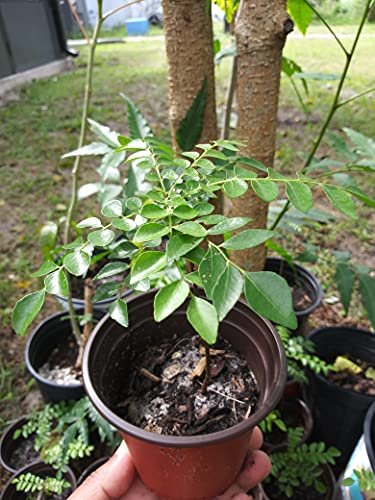
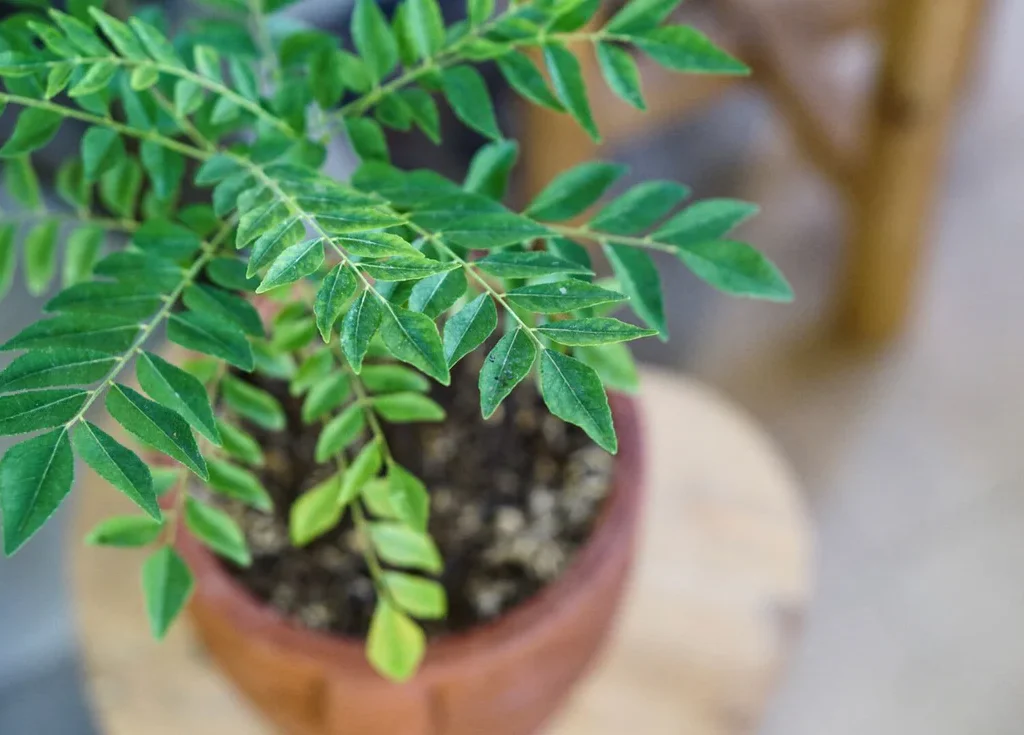
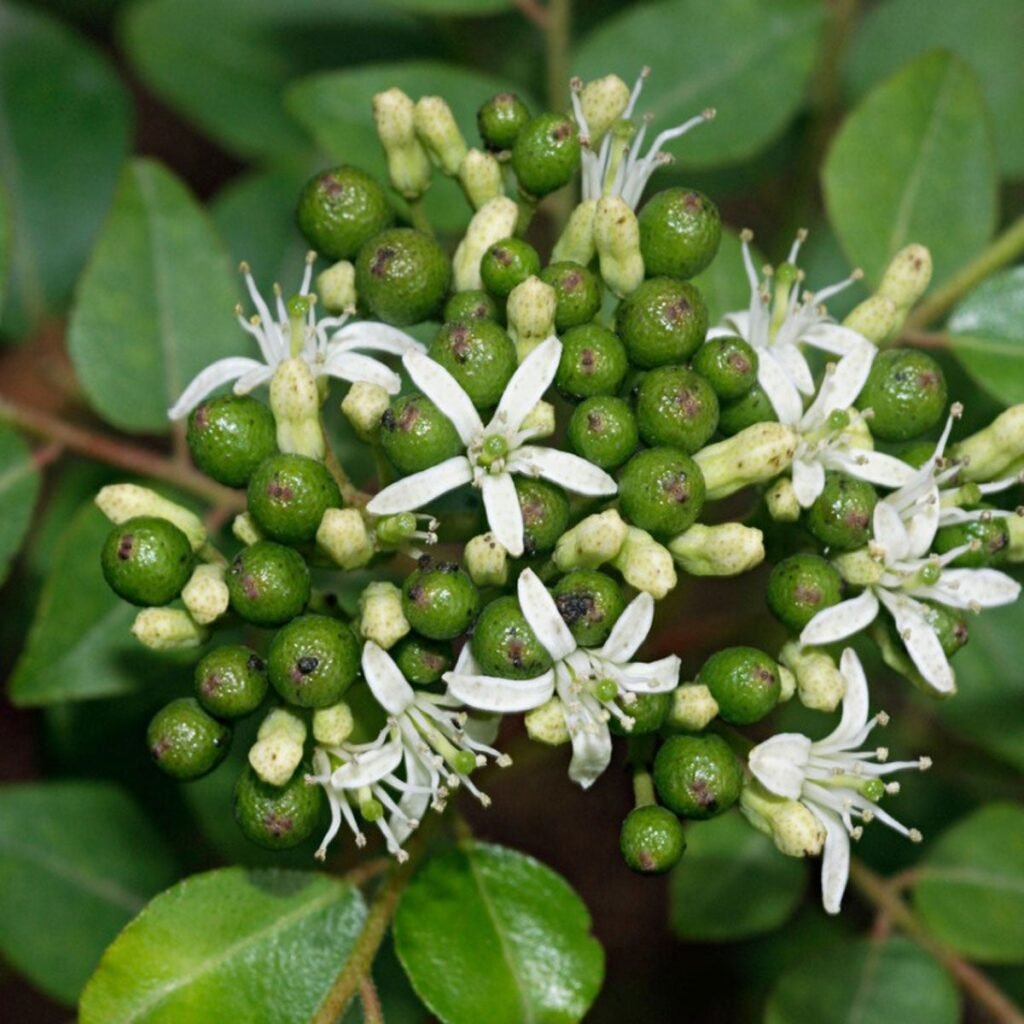
Native to India and Sri Lanka, the curry leaf (Murraya koenigii) is now finding a special place in American kitchens, home gardens, and wellness routines. Known for its distinct citrusy aroma and incredible health benefits, this little green leaf is much more than a seasoning — it’s a nutritional powerhouse and a symbol of traditional herbal wisdom.

Whether you’re an adventurous home cook, a health-conscious foodie, or a gardening enthusiast, curry leaves deserve a spot on your radar. This detailed guide explores their origin, health benefits, uses, and easy ways to grow them right in your backyard — all tailored to the American lifestyle.


What Are Curry Leaves?

Despite the name, curry leaves have nothing to do with curry powder. They come from the curry leaf tree, an aromatic evergreen native to South Asia. The leaves are small, shiny, and bursting with a unique blend of citrus, nut, and spice notes.

In Indian and Southeast Asian cuisines, curry leaves are sautéed in oil or ghee to infuse flavor into soups, stews, lentils, and rice dishes. Their distinct aroma adds depth to food, much like bay leaves or lemongrass do in Western cooking.

Today, with the growing popularity of South Asian and fusion cuisine in the U.S., Americans are embracing curry leaves not just for their flavor but also for their medicinal and nutritional value.


Nutritional Profile: Small Leaf, Big Benefits

Curry leaves are rich in antioxidants, essential oils, vitamins, and minerals, making them one of nature’s most potent edible herbs.

Here’s what makes them so powerful:

  • Vitamins: A, B, C, and E
  • Minerals: Iron, calcium, phosphorus
  • Compounds: Alkaloids, flavonoids, and phenolic acids (great for cellular health)
  • Dietary Fiber: Aids digestion and detoxification

These nutrients work together to support everything from heart health to hair growth, making curry leaves a holistic addition to any modern American diet.


Top 7 Health Benefits of Curry Leaves

Curry leaves have long been celebrated in Ayurvedic medicine for their therapeutic and restorative properties. Here’s how this humble herb can improve your health naturally:

1. Promotes Healthy Digestion

Curry leaves stimulate digestive enzymes, helping the body absorb nutrients more efficiently. They’re often used in traditional remedies to soothe indigestion, nausea, and bloating — making them perfect for those who enjoy rich or spicy foods.

2. Helps Regulate Blood Sugar Levels

Studies suggest that curry leaves help lower blood glucose levels and improve insulin activity. This makes them a valuable dietary addition for Americans managing type 2 diabetes or seeking to prevent it through balanced nutrition.

3. Supports Heart Health

Packed with antioxidants, curry leaves help reduce bad cholesterol (LDL) and increase good cholesterol (HDL), promoting a healthy heart and improving overall cardiovascular function.

4. Strengthens Hair and Prevents Hair Loss

Curry leaves are a natural remedy for hair fall and premature graying. They’re rich in beta-carotene and protein, both of which strengthen hair roots and encourage growth. Many Americans now use DIY curry leaf oil as part of their natural hair care routine.

5. Boosts Immunity

Vitamin C, A, and antioxidants in curry leaves enhance the immune system and help the body fight infections — an essential benefit for those leading busy, urban lifestyles.

6. Enhances Liver Function

Research shows that curry leaves may help protect the liver from oxidative stress and toxin buildup, promoting detoxification and better metabolism.

7. Supports Weight Management

Curry leaves contain compounds that help reduce fat accumulation and improve digestion, supporting sustainable weight loss when paired with a healthy diet.


How to Use Curry Leaves in American Cooking

Curry leaves are incredibly versatile — you can use them fresh, dried, or powdered. Their flavor is best released when they’re lightly fried in oil or ghee, allowing their essential oils to infuse the dish.

Here’s how to enjoy them in your daily meals:

1. Flavor Base for Soups and Stews

Add 5–6 fresh curry leaves when sautéing onions and garlic. They add an aromatic, citrusy depth that pairs perfectly with chicken soup, lentil stew, or vegetable chowder.

2. Curry Leaf Rice

Mix sautéed curry leaves with cooked rice, a drizzle of olive oil, and roasted nuts for a flavor-packed, gluten-free meal that’s quick and nourishing.

3. Smoothies and Herbal Teas

Dried curry leaves can be crushed into smoothies or brewed into tea. Their antioxidants make a great morning detox drink for Americans looking to start the day clean and energized.

4. Curry Leaf Oil (for Cooking or Hair Care)

Simmer fresh curry leaves in coconut oil for 5–10 minutes, then cool and strain. The oil can be used for seasoning food or nourishing the scalp naturally.

5. Fusion Dishes

Curry leaves work beautifully in American favorites like omelets, roasted vegetables, and marinades — bringing a hint of exotic flavor to familiar meals.


How to Grow Curry Leaf Plants in America

Curry leaf plants are surprisingly easy to grow in the U.S., especially in warmer regions or indoor pots. Whether you have a backyard garden or a sunny kitchen window, you can enjoy this aromatic herb year-round.

1. Ideal Growing Conditions

  • USDA Zones: 9–12 (grows outdoors); elsewhere, grow indoors or in containers
  • Soil: Well-drained potting mix with compost
  • Sunlight: 6–8 hours of direct sunlight
  • Temperature: Thrives between 65°F and 90°F

2. Planting

  • Start from seeds or young saplings (available at Indian grocery stores or online garden shops).
  • Use a 12-inch-deep pot for proper root development.
  • Keep soil moist but not soggy.

3. Watering and Fertilizing

  • Water 2–3 times a week, allowing soil to dry slightly between waterings.
  • Feed monthly with organic fertilizer or compost tea during spring and summer.

4. Pruning and Harvesting

  • Regular pruning encourages bushy growth.
  • Snip fresh leaves as needed, leaving a few branches for regrowth.
  • In cooler states, bring your plant indoors during winter to protect it from frost.

Pro Tip: For fast growth, gently pinch off new flower buds — this redirects energy to leaf production.


Curry Leaf Tea: America’s New Herbal Health Trend

One of the simplest ways to enjoy the wellness benefits of curry leaves is by making curry leaf tea — a soothing herbal infusion that’s becoming a favorite among Americans seeking natural detox options.

Recipe:

  • 8–10 fresh curry leaves
  • 2 cups of water
  • 1 teaspoon honey or lemon juice (optional)

Instructions:
Boil curry leaves in water for 5 minutes. Strain and sip warm. The tea supports digestion, immunity, and liver health, making it a perfect morning or bedtime drink.


Curry Leaves in American Wellness and Culture

As Americans move toward clean eating, holistic health, and organic gardening, curry leaves perfectly fit the trend. They embody the values of sustainability, flavor, and wellness, all in one plant.

Here’s how they’re influencing American lifestyle choices:

  • Health food stores now sell dried curry leaves and curry leaf oil.
  • Chefs and food bloggers use them in fusion recipes, from avocado toast to quinoa bowls.
  • Home gardeners grow them as part of their herbal wellness gardens, alongside basil, rosemary, and mint.
  • Wellness enthusiasts are incorporating curry leaves into natural beauty routines for hair and skin care.

This versatile herb is no longer limited to Indian kitchens — it’s becoming a mainstay of modern American living.


Fun Facts About Curry Leaves

  • The curry leaf tree belongs to the citrus family (Rutaceae) — which explains its lemony aroma.
  • In Ayurveda, it’s known as Kadi Patta, symbolizing “purity and vitality.”
  • One mature plant can live for over 15 years with proper care.
  • Curry leaves are sometimes referred to as “natural flavor bombs” because of their intense aroma when sautéed.
  • NASA researchers have identified compounds in curry leaves that exhibit antioxidant and antimicrobial potential — highlighting their global scientific appeal.

Curry Leaf vs. Curry Powder: Clearing the Confusion

Many Americans assume curry leaves and curry powder are related — but they’re entirely different.

FeatureCurry LeafCurry Powder
OriginFresh leaf from a tropical treeSpice mix (turmeric, cumin, coriander, etc.)
FlavorCitrusy, nutty, aromaticWarm, spicy, earthy
UseFresh or dried herb for seasoningDry blend for cooking sauces or stews
NutritionPacked with antioxidants and vitaminsContains spices but fewer fresh nutrients

Understanding this difference helps Americans use curry leaves correctly — as a fresh, vibrant herb, not a powdered spice.


Conclusion: Bring Home the Flavor and Wellness of Curry Leaves

From their aromatic charm to their incredible health benefits, curry leaves are redefining how Americans cook, eat, and live. This versatile herb bridges the gap between traditional herbal wisdom and modern nutrition, adding flavor to food and vitality to life.

Whether you grow them in your backyard, brew them in tea, or sauté them in your favorite dishes, curry leaves are one of nature’s best-kept secrets — now ready for American kitchens to embrace.

So next time you crave something flavorful and wholesome, skip the artificial seasonings and reach for the real thing — the vibrant, fragrant, and health-boosting curry leaf.

Stevia America’s Favorite Natural Sweetener for a Healthier, Sugar-Free Lifestyle

Stevia America’s Favorite Natural Sweetener for a Healthier, Sugar-Free Lifestyle

In a world where sugary drinks, desserts, and snacks dominate the American diet, finding a natural, zero-calorie sweetener that actually tastes good can feel like a dream. Enter stevia — the all-natural plant-based sweetener that’s taking over kitchens, cafes, and health-conscious homes across the United States.

Derived from the leaves of the Stevia rebaudiana plant, stevia offers a sweet taste without the calories or sugar spikes, making it a go-to alternative for Americans who want to reduce sugar intake without sacrificing flavor. Whether you’re managing diabetes, following a keto diet, or just trying to eat clean, stevia is the natural solution transforming how Americans sweeten their favorite foods and drinks.

In this guide, we’ll explore the origins, benefits, and uses of stevia, how to grow it in your garden, and why it’s becoming a staple in American health and wellness.


What Is Stevia? The Natural Sweetener from the South American Highlands

Stevia is a leafy green plant native to Paraguay and Brazil, belonging to the Asteraceae family — the same family as sunflowers and daisies. For centuries, indigenous Guaraní tribes used the sweet leaves of Stevia rebaudiana to flavor teas and medicines.

Today, stevia is cultivated around the world and widely used across the United States as a natural sugar substitute in everything from beverages and baked goods to yogurts and protein shakes.

The sweetness of stevia comes from steviol glycosides, natural compounds found in the plant’s leaves. These compounds are up to 300 times sweeter than sugar, yet completely calorie-free. Unlike artificial sweeteners such as aspartame or sucralose, stevia is plant-derived, non-GMO, and safe for diabetics, making it a favorite in the American wellness market.


Health Benefits of Stevia: Why Americans Are Making the Switch

Stevia’s rise in popularity isn’t just about cutting calories — it’s about embracing a healthier, more balanced lifestyle. Here’s why nutritionists, dietitians, and everyday Americans are choosing stevia over traditional sugar:

1. Zero Calories, 100% Natural

Stevia delivers sweetness without calories or artificial chemicals. It’s extracted from natural leaves and processed without harmful additives, making it an excellent choice for clean eating and weight management.

For Americans trying to reduce sugar consumption, stevia helps satisfy sweet cravings without contributing to obesity or insulin resistance.

2. Safe for Diabetics

Unlike sugar, stevia doesn’t raise blood glucose levels. Research shows that stevia can actually help stabilize blood sugar and improve insulin sensitivity, making it a perfect sugar alternative for people with type 2 diabetes or prediabetes.

3. Supports Weight Management

Cutting sugar is one of the biggest steps toward maintaining a healthy weight. Since stevia has no calories or carbohydrates, it allows Americans to enjoy sweetness while staying on track with their keto, paleo, or low-carb diets.

4. May Lower Blood Pressure

Some studies suggest that stevia may help relax blood vessels and lower blood pressure due to its natural compounds. This makes it a heart-friendly choice for adults aiming to reduce cardiovascular risks.

5. Oral Health Benefits

Unlike sugar, stevia doesn’t feed bacteria that cause tooth decay or cavities. That’s why many natural toothpaste brands in the U.S. now use stevia as a natural flavoring and sweetening agent.


How to Use Stevia in Everyday American Cooking

Stevia’s versatility makes it easy to incorporate into your daily life — whether you’re sweetening your morning coffee or baking a batch of cookies. But since stevia is much sweeter than sugar, a little goes a long way.

1. In Beverages

  • Add a few drops of liquid stevia to your coffee, iced tea, lemonade, or smoothies.
  • Mix powdered stevia into cold drinks for a refreshing, sugar-free alternative.
  • Try flavored stevia drops (vanilla, berry, caramel) for a customized drink experience.

2. In Baking and Cooking

Stevia can replace sugar in most recipes, but remember — it’s more concentrated, so use it sparingly.

Conversion tip:
1 teaspoon sugar = about 1/8 teaspoon powdered stevia (depending on the brand).

Because stevia lacks sugar’s bulk, some recipes (like cookies or cakes) may require adjustments — such as adding applesauce, yogurt, or an extra egg to maintain texture.

3. In Sauces and Dressings

Add stevia to tomato sauces, salad dressings, and marinades to balance acidity without added sugar.

4. In Yogurt and Oatmeal

Sprinkle a bit of powdered stevia over Greek yogurt, oatmeal, or fruit bowls for natural sweetness without guilt.


How to Grow Stevia in American Gardens

If you love gardening, you’ll be happy to know that stevia is easy to grow at home, especially in warm climates. Native to subtropical regions, it thrives in sunny, well-drained soil — perfect for many parts of the U.S.

1. Ideal Growing Conditions

  • USDA Zones: 9–11 (can be grown as an annual in cooler areas).
  • Sunlight: Full sun (6–8 hours per day).
  • Soil: Light, loamy, and well-draining with a slightly acidic pH (6.5–7.5).

2. Planting Tips

  • Start with stevia cuttings or seedlings rather than seeds (they germinate slowly).
  • Plant outdoors after the last frost.
  • Space plants 18 inches apart.
  • Water regularly, but don’t overwater — stevia dislikes soggy soil.

3. Maintenance

  • Pinch off flower buds to encourage leaf growth.
  • Fertilize monthly with organic compost or liquid fertilizer.
  • Protect plants from frost if you live in cooler regions by growing them in pots and bringing them indoors for winter.

4. Harvesting Stevia Leaves

Harvest leaves just before flowering, when sweetness is highest. Simply snip the stems and air-dry the leaves in a shaded area. Once dry, crush or grind them into a powder.

Pro Tip: Store dried leaves in airtight jars — they retain their sweetness for up to a year!


DIY Stevia Recipes You’ll Love

Ready to add stevia to your healthy American lifestyle? Try these easy and delicious recipes:

1. Homemade Stevia Extract

  • Fill a glass jar with crushed stevia leaves.
  • Cover with high-proof vodka or rum.
  • Let it sit for 36–48 hours, then strain and store in a dropper bottle.
    Use a few drops in tea, coffee, or desserts.

2. Sugar-Free Lemonade

  • 4 cups cold water
  • Juice of 3 lemons
  • 1/4 teaspoon stevia powder (or 8–10 drops liquid stevia)
  • Mix and chill for a refreshing summer drink.

3. Guilt-Free Chocolate Smoothie

  • 1 banana
  • 1 cup almond milk
  • 1 tablespoon cocoa powder
  • 1/4 teaspoon stevia
  • Blend and enjoy a sweet, sugar-free treat!

4. Stevia Sweetened Iced Coffee

Mix cold brew coffee with milk (or oat milk), ice, and a few drops of vanilla stevia for a healthier version of your favorite coffeehouse drink.


Stevia vs. Artificial Sweeteners: Why Americans Prefer Natural

With so many sugar substitutes available — from aspartame to sucralose — why is stevia emerging as the favorite among Americans? The answer lies in nature, taste, and trust.

SweetenerCaloriesNatural or ArtificialCommon Concerns
Sugar16 per tspNaturalHigh calories, spikes insulin
Aspartame0ArtificialLinked to headaches, digestion issues
Sucralose (Splenda)0ArtificialAlters gut bacteria
Stevia0Natural plant-basedSafe, sustainable, and diabetic-friendly

Americans are becoming increasingly aware of the health impacts of artificial additives. Stevia offers a clean, plant-based alternative that fits perfectly with the nation’s growing demand for organic and non-GMO foods.


Stevia in American Wellness and Sustainability

As Americans embrace healthier living, stevia is more than just a sugar substitute — it’s part of a larger movement toward sustainability and mindful eating.

  • Eco-friendly cultivation: Stevia requires far less land and water compared to sugarcane.
  • Low-carbon footprint: Producing stevia sweetener emits fewer greenhouse gases than refining sugar.
  • Supports local gardening: Homegrown stevia lets families make natural sweeteners without chemicals or packaging waste.

Major food companies in the U.S., including Coca-Cola, PepsiCo, and Hershey’s, are now using stevia to create reduced-sugar beverages and snacks, proving that this humble plant is transforming America’s food industry.


Fun Facts About Stevia

  • Stevia was approved by the U.S. FDA in 2008 as a safe natural sweetener.
  • It’s up to 300 times sweeter than sugar — but without the calories.
  • Japan has been using stevia in foods since the 1970s.
  • In the U.S., stevia is one of the fastest-growing natural sweetener markets.
  • One small stevia plant can sweeten your coffee all year long!

Conclusion: Stevia — Sweetness Without the Guilt

In a health-conscious America, stevia has emerged as a true game-changer — delivering sweetness that’s natural, safe, and sustainable. From diabetics managing blood sugar to fitness lovers cutting carbs, stevia allows everyone to enjoy life’s sweet moments without the risks of refined sugar.

Whether you grow it in your garden, use it in your morning coffee, or bake it into your favorite treats, stevia is the perfect way to embrace a healthier, greener, and guilt-free lifestyle.

So next time you reach for sugar, think stevia — the plant that’s making America’s sweet tooth a little bit smarter.