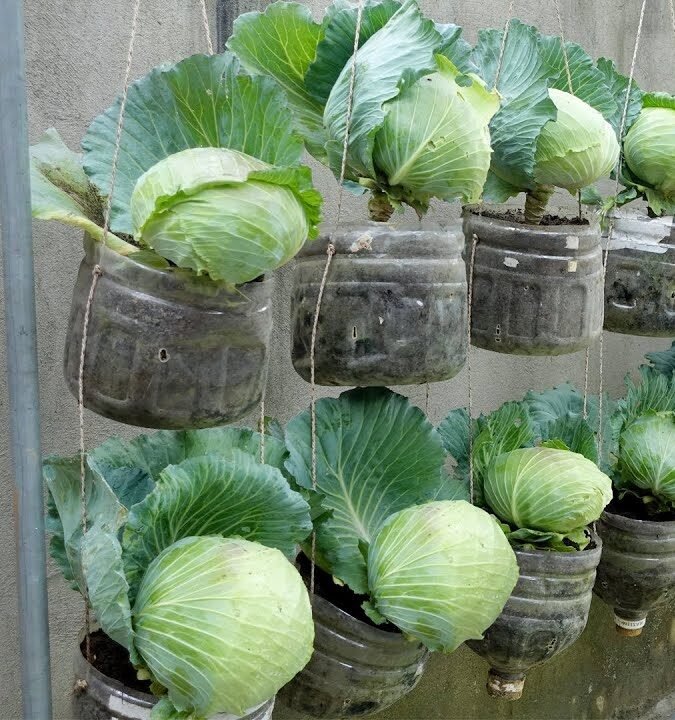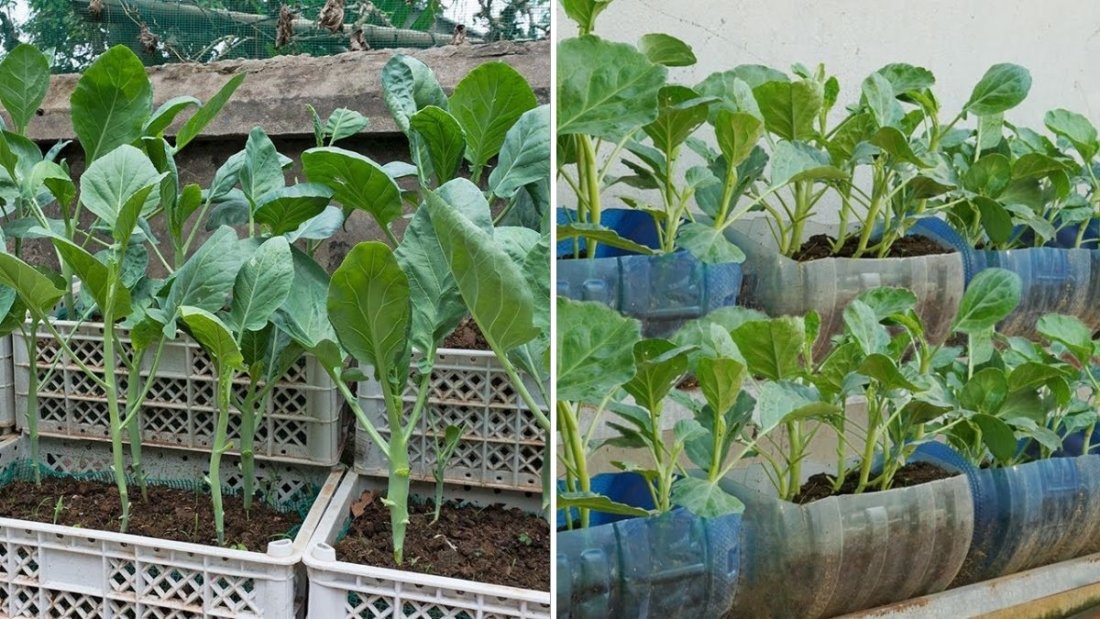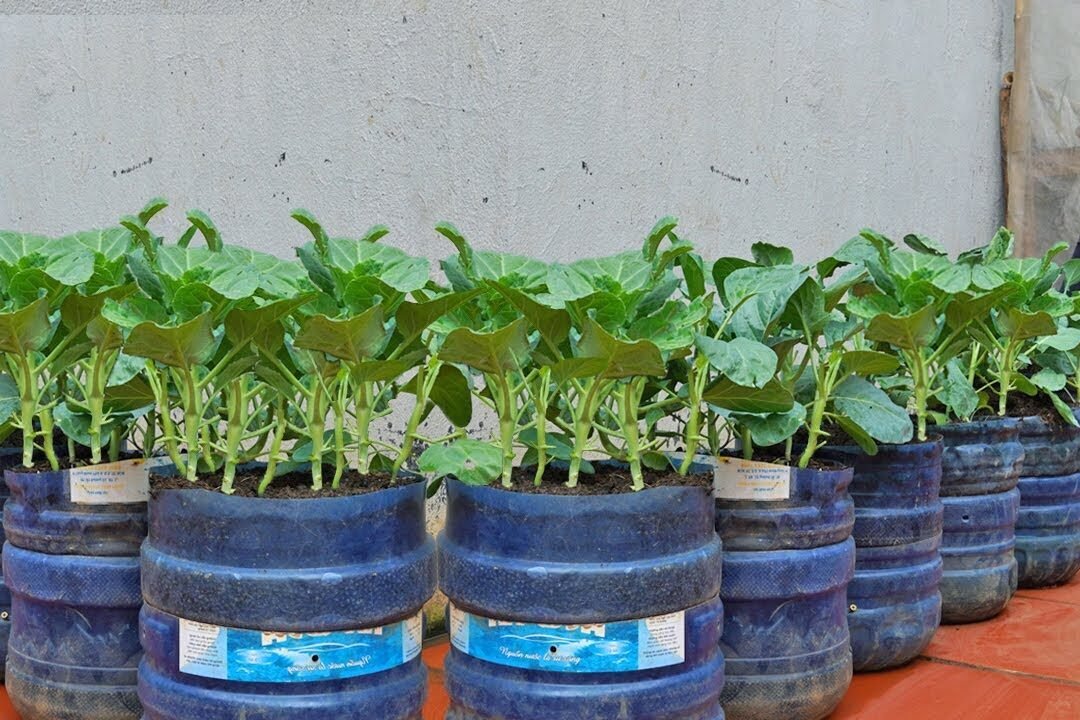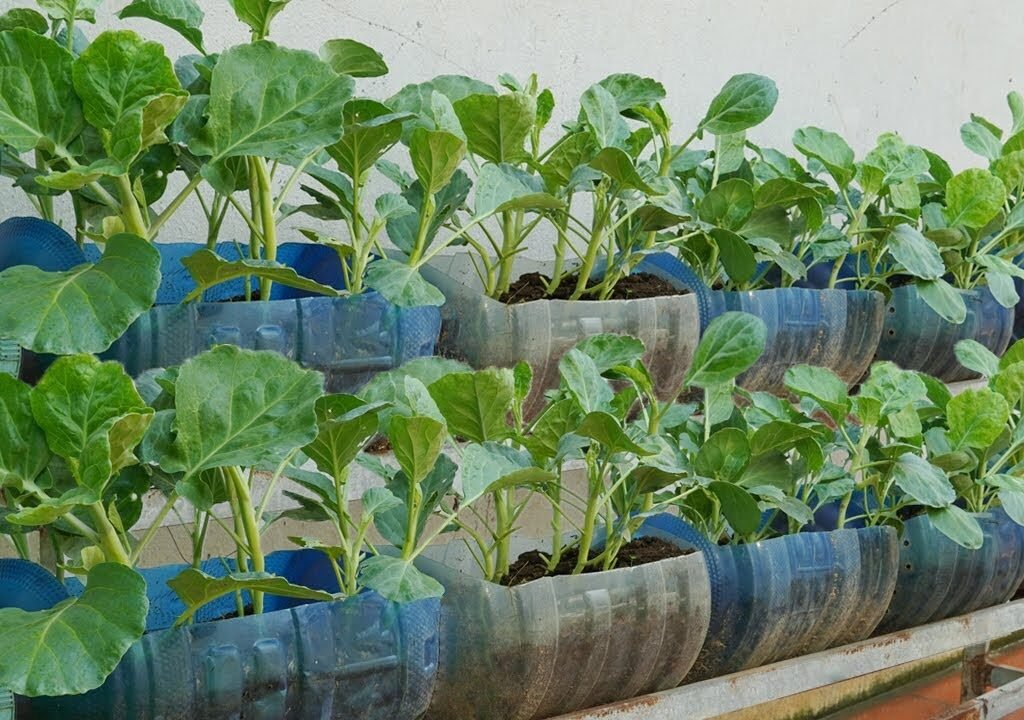
Introduction Meet New Zealand Spinach—The Heat-Loving Green You’ll Fall in Love With

Introduction Meet New Zealand Spinach—The Heat-Loving Green You’ll Fall in Love With

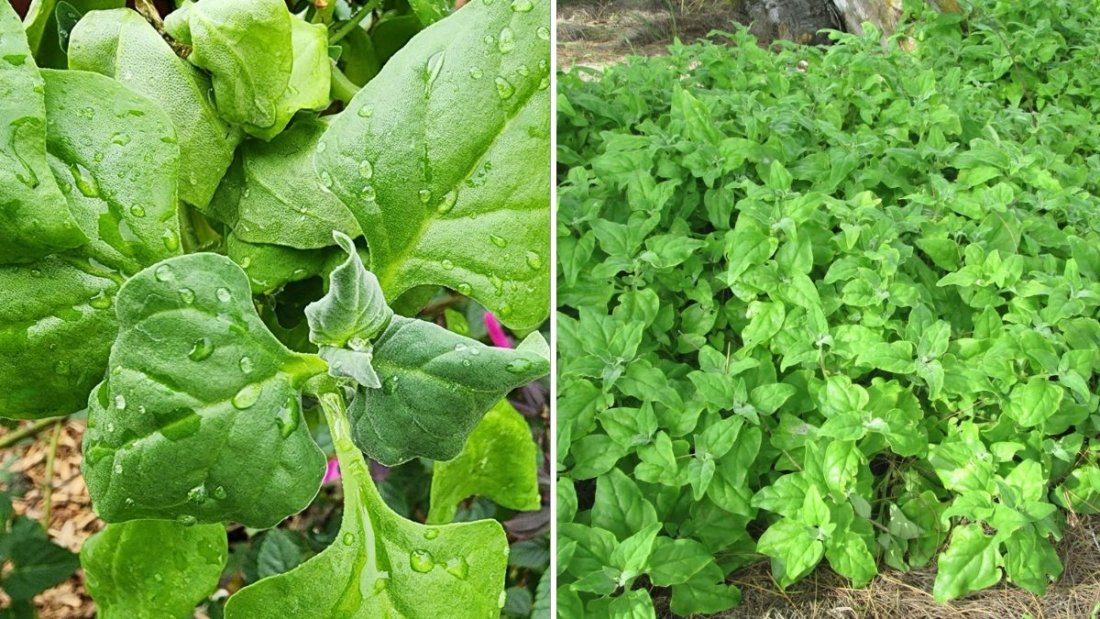
If you’ve ever struggled to grow traditional spinach during the hot summer months, New Zealand spinach (Tetragonia tetragonioides) is the heat-tolerant hero you’ve been waiting for. Despite its name, this leafy green isn’t a true spinach—it’s actually native to coastal areas of New Zealand and Australia—but its flavor, texture, and nutritional value make it an excellent substitute.

In the U.S., gardeners from Florida to California are discovering this versatile and hardy plant. It thrives where regular spinach wilts, produces lush green leaves all summer long, and packs a nutritious punch that fits perfectly into a healthy American diet. Let’s explore everything you need to know about growing, harvesting, and enjoying this underrated leafy green.


1. What Makes New Zealand Spinach Special?
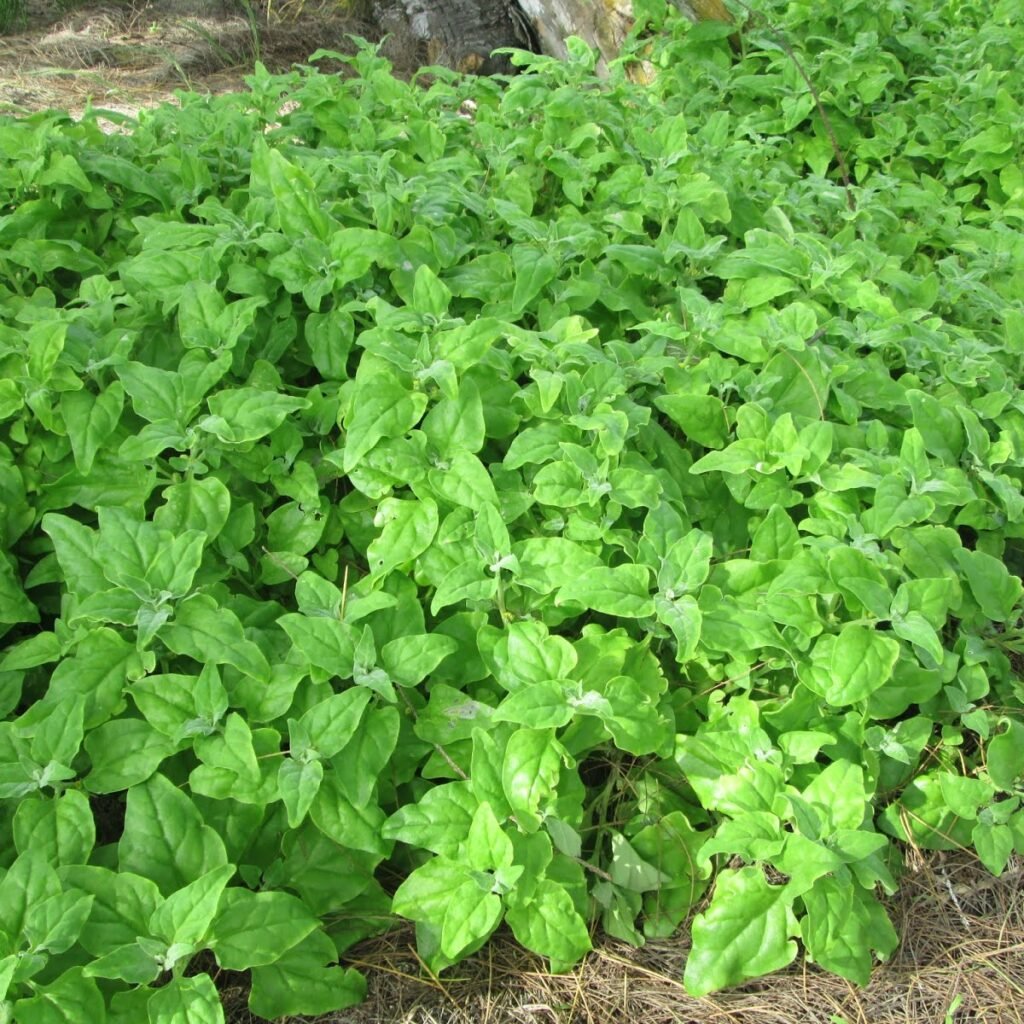
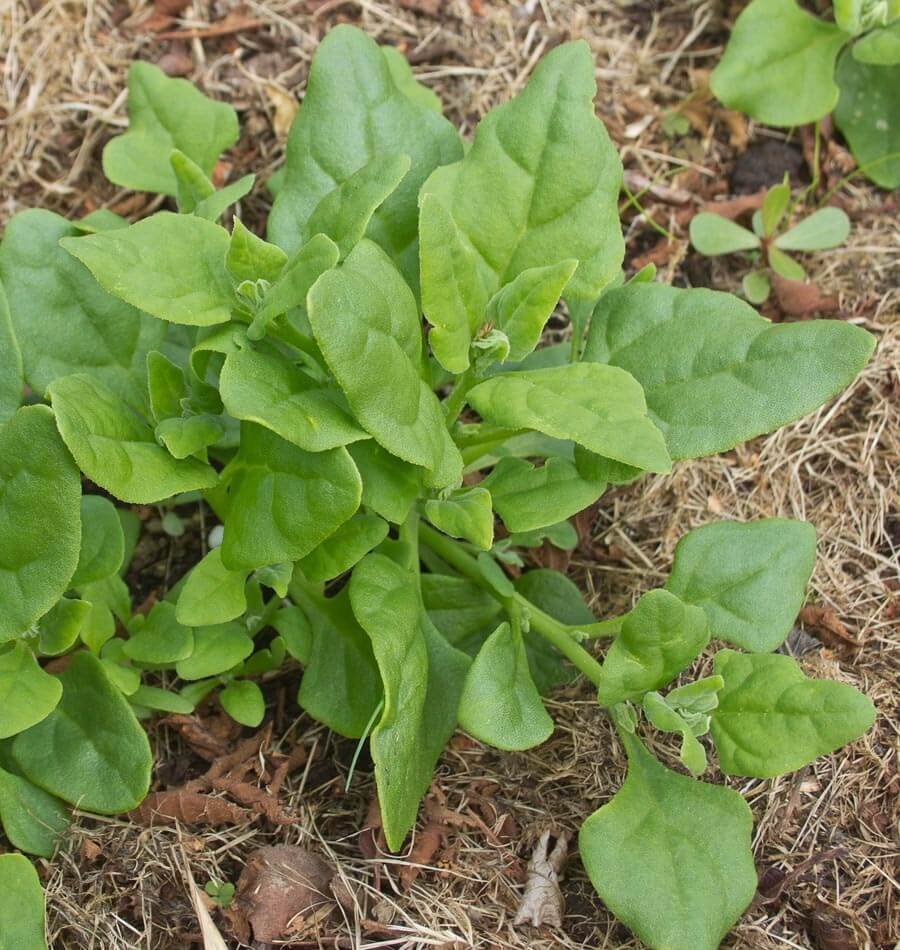
New Zealand spinach stands out for its ability to handle heat and drought—traits that make it ideal for American regions with warm summers. Unlike traditional spinach (Spinacia oleracea), which bolts quickly when temperatures rise, this variety continues producing tender, edible leaves well into late summer.

Key characteristics:

  • Botanical name: Tetragonia tetragonioides
  • Growth habit: Low-spreading, vining perennial (grown as an annual in most U.S. zones)
  • Height & spread: About 1 foot tall, spreading up to 2–3 feet wide
  • Soil preference: Well-draining, moderately fertile soil
  • Sun exposure: Full sun for best growth
  • Tolerance: Excellent heat and drought resistance

Its thick, fleshy leaves resemble spinach in both taste and use, though they’re slightly more succulent. Many gardeners describe the flavor as mild and refreshing with a hint of saltiness—perfect for stir-fries, salads, or steamed dishes.


2. Nutritional Benefits: A Superfood for Summer

Beyond its garden resilience, New Zealand spinach is a nutritional powerhouse. It’s loaded with essential vitamins, minerals, and antioxidants that support overall wellness.

Nutritional highlights (per 100g):

  • Vitamin A: Supports eye and skin health
  • Vitamin C: Strengthens immunity and promotes collagen production
  • Calcium & magnesium: Essential for bone health
  • Iron: Aids oxygen transport and energy levels
  • Antioxidants: Help combat inflammation and oxidative stress

Because it’s less likely to wilt or spoil quickly, it’s also a low-waste green—a bonus for health-conscious, eco-friendly eaters across America.


3. How to Grow New Zealand Spinach in Your Garden
a. Starting Seeds

New Zealand spinach seeds have a hard outer shell, so soaking them in warm water for 24 hours before planting helps improve germination. You can start them indoors 4–6 weeks before your last frost date or sow them directly into the garden once the soil has warmed to at least 60°F.

b. Ideal Growing Conditions

  • Soil: Well-draining soil enriched with compost or organic matter
  • pH range: 6.8–7.0 (neutral)
  • Spacing: Plant seeds or transplants about 12–18 inches apart
  • Watering: Keep soil evenly moist, but don’t overwater

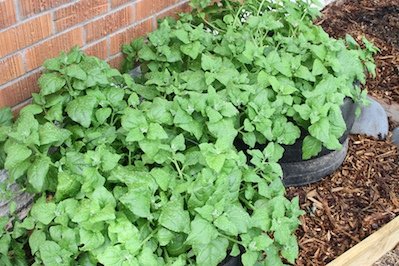
Because the plant spreads vigorously, it’s great for ground cover in raised beds or garden borders. In hot regions like Texas or Southern California, it thrives outdoors all summer. In cooler climates, it can be grown in containers or greenhouses.

c. Maintenance Tips

New Zealand spinach is low-maintenance once established:

  • Mulch around plants to retain moisture and suppress weeds.
  • Pinch back tips regularly to encourage bushy growth.
  • Harvest frequently to keep plants productive.

4. Harvesting and Storing

Harvesting New Zealand spinach is simple and rewarding. Begin picking leaves once the plant reaches about 8 inches tall. Snip off the young, tender leaves and tips, leaving enough growth so the plant can continue producing.

Storage tips:

  • Fresh leaves can be stored in the refrigerator for up to 4–5 days.
  • For long-term use, blanch and freeze the leaves—just like traditional spinach.

The flavor intensifies slightly when cooked, making it excellent for soups, sautés, and casseroles.


5. How to Use New Zealand Spinach in the Kitchen
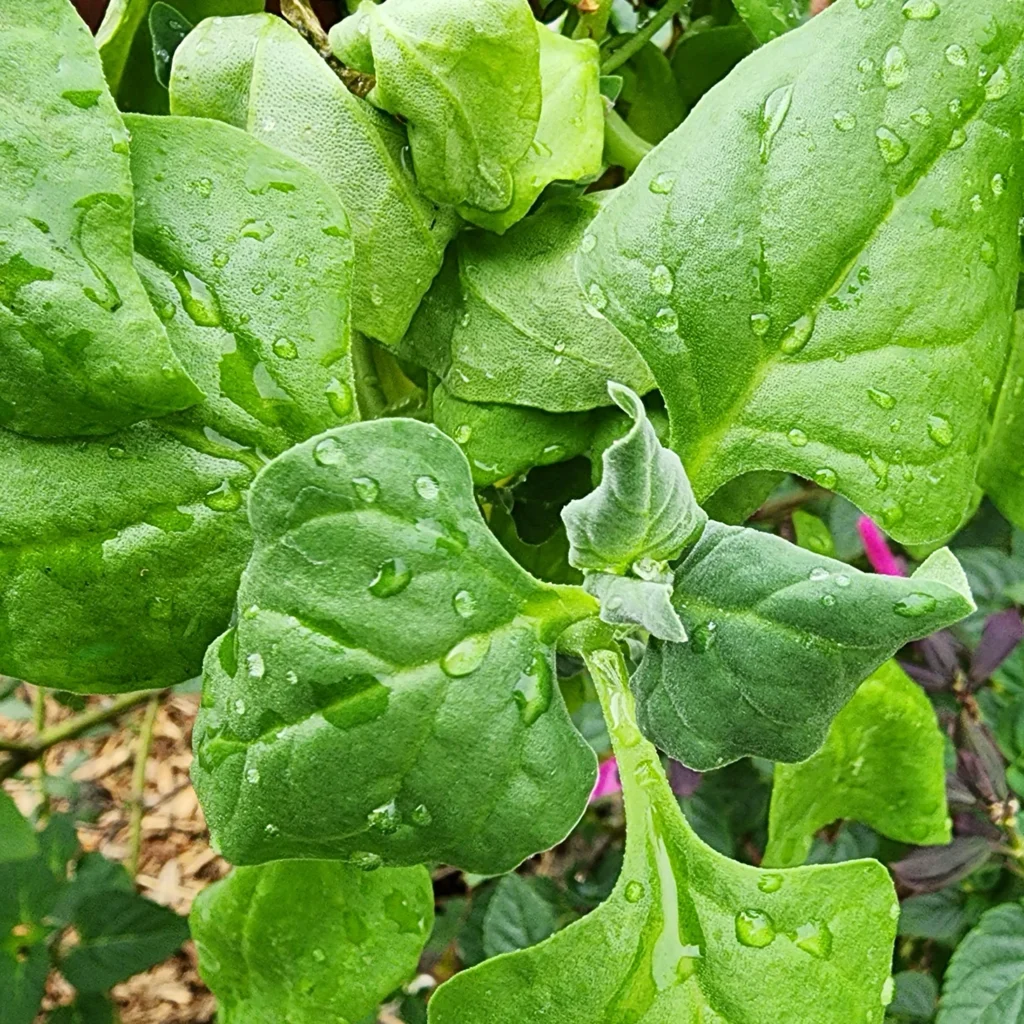
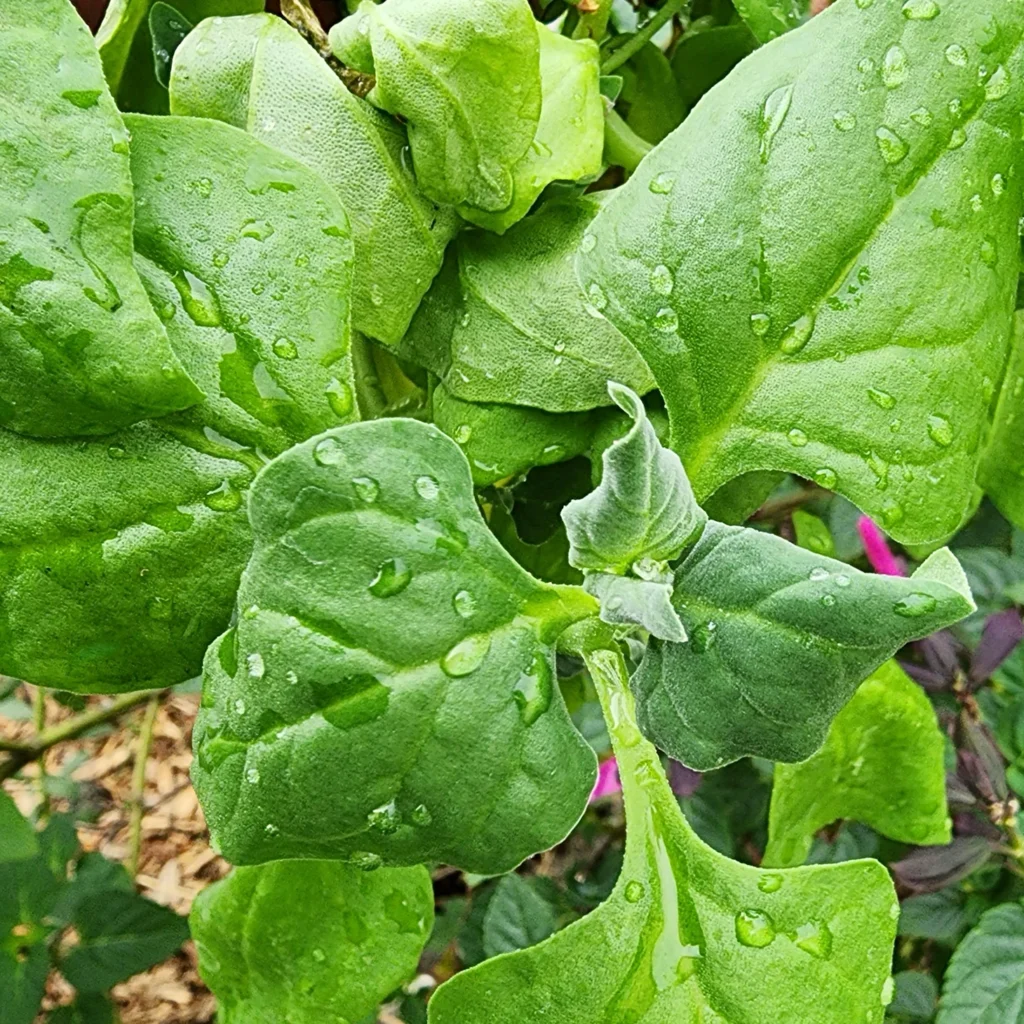
New Zealand spinach is incredibly versatile. You can use it raw in salads, lightly sautéed as a side, or blended into smoothies for an extra nutrient boost. Here are a few American-friendly ideas:

a. Sautéed Garlic New Zealand Spinach

Sauté chopped garlic in olive oil, then toss in a few handfuls of fresh New Zealand spinach. Cook until wilted, season with sea salt and a squeeze of lemon juice—simple, healthy, and delicious.

b. Creamed New Zealand Spinach

For a comforting side, swap it for regular spinach in your favorite creamed spinach recipe. It holds up beautifully to rich, creamy sauces without turning soggy.

c. Green Smoothie Power-Up

Blend New Zealand spinach with banana, Greek yogurt, and a splash of almond milk for a nutrient-packed breakfast smoothie that tastes great and fuels your day.

d. Spinach & Feta Stuffed Chicken

Stuff chicken breasts with New Zealand spinach, feta cheese, and garlic for a flavorful, protein-rich meal that’s perfect for a healthy weeknight dinner.


6. Growing New Zealand Spinach in Containers
Urban gardeners, rejoice—this plant grows exceptionally well in pots! Use a 12-inch-deep container with good drainage and a nutrient-rich potting mix. Regular watering and trimming help maintain a compact, productive plant. Place containers in full sun, and you’ll have fresh greens right outside your kitchen.


7. Companion Planting and Pest Resistance

New Zealand spinach is relatively pest-resistant but pairs well with crops that appreciate similar growing conditions. Great companions include:

  • Tomatoes
  • Peppers
  • Eggplants
  • Herbs like basil or oregano

Because it’s not part of the true spinach family, it avoids many of the common pests and diseases (like leaf miners) that plague traditional spinach. This makes it a natural, low-pesticide crop for organic gardeners.


8. Sustainability and Eco-Friendly Benefits
In the face of climate change and hotter summers, heat-tolerant greens like New Zealand spinach are becoming increasingly valuable. It requires less water, tolerates poor soil, and produces abundant yields, making it a great addition to sustainable home gardens and small farms across the U.S.

Its ability to reseed naturally in mild climates means it can become a perennial favorite in eco-conscious gardens. Whether you’re practicing regenerative gardening or simply want a reliable summer green, this plant checks all the boxes.


9. Common Questions About New Zealand Spinach

Q: Is New Zealand spinach the same as regular spinach?
A: No. It’s not botanically related to true spinach, but it’s a fantastic substitute in recipes and looks and tastes very similar once cooked.

Q: Can you eat it raw?
A: Yes, but like regular spinach, it contains oxalates. Lightly steaming or sautéing reduces oxalate content and enhances digestibility.

Q: How long does it take to grow?
A: Expect to harvest within 55–70 days after planting, with continuous production all summer.

Q: Will it grow back next year?
A: In warm USDA zones (9–11), it can act as a short-lived perennial, but in most regions, it’s treated as an annual.


10. Why You Should Grow New Zealand Spinach This Season

If you’re looking for a nutrient-dense, easy-to-grow, heat-tolerant leafy green, New Zealand spinach is a must-have for your garden. It provides:

  • Fresh, delicious greens throughout the hottest months
  • Low-maintenance, pest-resistant growth
  • Excellent nutritional benefits for you and your family
  • Endless culinary possibilities—from salads to soups to casseroles

With climate patterns shifting and summers growing warmer across much of the U.S., plants like New Zealand spinach represent the future of sustainable home gardening.

So, the next time you’re planning your vegetable patch, skip the wilted spinach woes—plant New Zealand spinach instead and enjoy fresh greens all summer long!
How to Grow Escarole at Home: The Crisp, Nutritious Green Every American Garden Needs

How to Grow Escarole at Home: The Crisp, Nutritious Green Every American Garden Needs

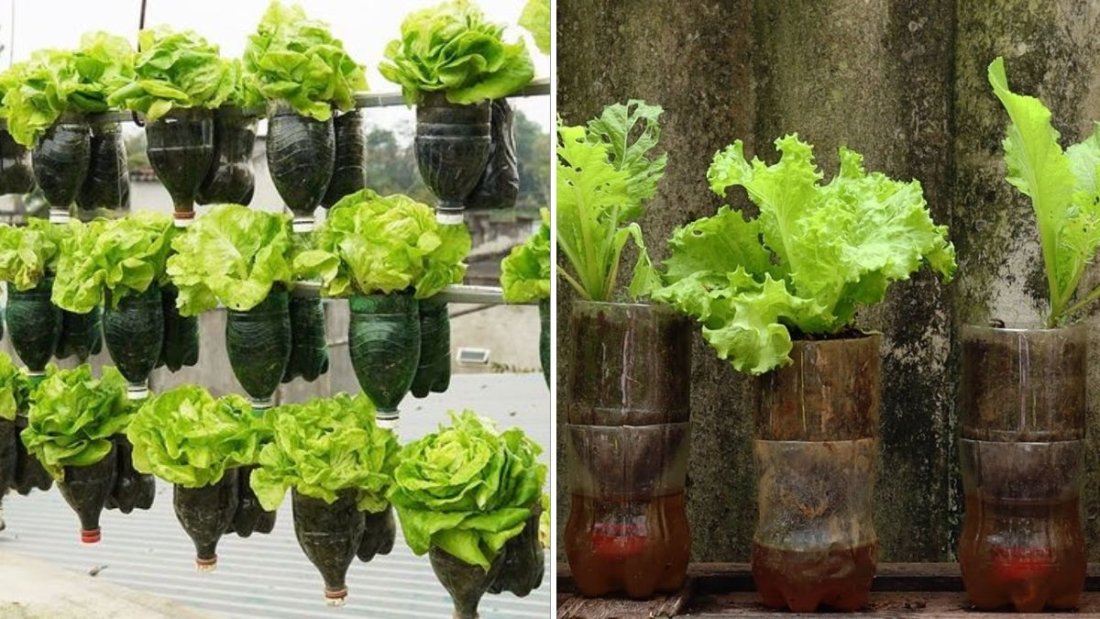
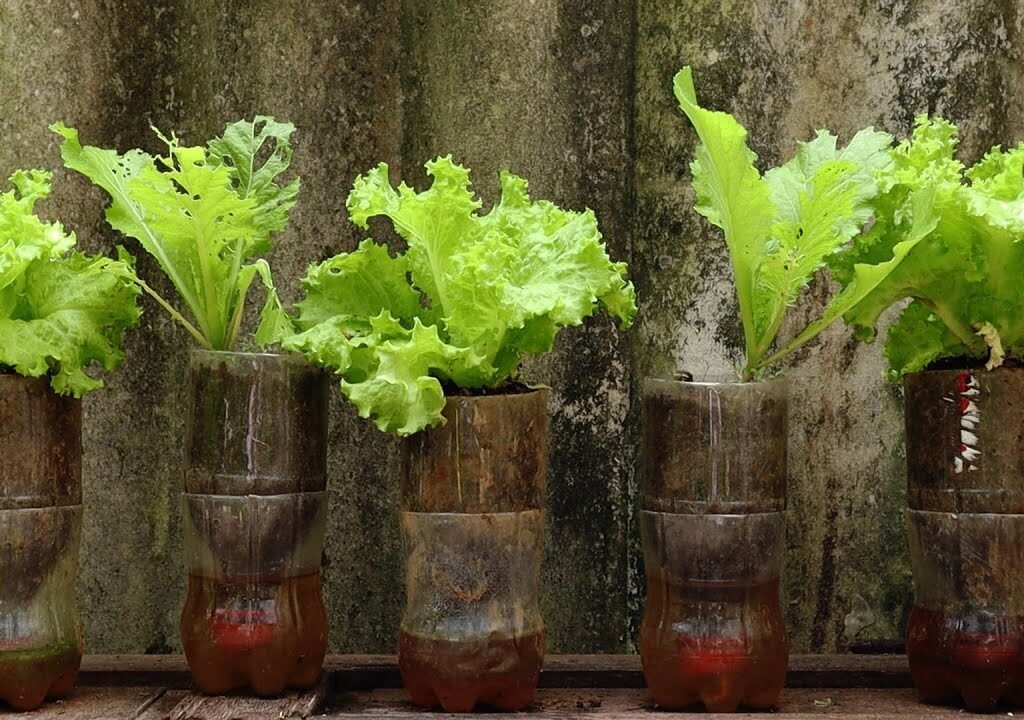
If you’re looking to expand your home garden beyond the typical lettuce and spinach, escarole is the leafy green you’ve been missing. Known for its slightly bitter taste, tender leaves, and versatility in both raw and cooked dishes, escarole (Cichorium endivia var. latifolia) is a cool-season vegetable that thrives in backyard beds, raised containers, or urban balcony gardens.

This complete guide will walk you through everything you need to know about growing, harvesting, and cooking escarole, ensuring you enjoy fresh, flavorful greens straight from your own garden. Perfect for American gardeners seeking organic, nutrient-rich, and low-maintenance crops, escarole is an essential addition to your kitchen garden this year.


What Is Escarole?

Escarole is a member of the chicory family, closely related to curly endive, radicchio, and Belgian endive. It’s characterized by broad, slightly curly leaves, which are milder and less bitter than frisée but more flavorful than standard lettuce.

There are two primary types of escarole:

  1. Broadleaf Escarole: Smooth, tender leaves with a mild flavor, perfect for sautés, soups, and salads.
  2. Curly Escarole (Frisée-like): Finely cut, slightly bitter leaves with a crisp texture, ideal for gourmet salads.

Escarole is nutrient-dense, packed with vitamins A, C, and K, folate, and fiber, making it a powerful green for immune support, bone health, and digestive wellness.


Why Escarole Deserves a Spot in Your Garden

Escarole is a garden-friendly leafy green that thrives in cooler temperatures, making it perfect for spring and fall planting across the United States. Here’s why it’s a must-grow:

  • Fast-growing: Ready to harvest in 45–60 days, providing quick returns.
  • Versatile in the kitchen: Use raw in salads, cook in soups, or braise as a side dish.
  • Highly nutritious: Supports overall health and is low in calories.
  • Compact and space-efficient: Ideal for raised beds, containers, or small garden plots.
  • Cold-tolerant: Survives light frost, and flavors improve after a cool snap.

Whether you’re an experienced gardener or a beginner, escarole is easy to grow and highly rewarding.


Choosing the Right Escarole Variety

Different escarole varieties cater to different climates and tastes. Popular options include:

  • ‘Broadleaf Batavian’: Mild-flavored, smooth leaves; perfect for braising and soups.
  • ‘Veneziana’: Italian heirloom with crisp leaves and excellent frost tolerance.
  • ‘Natacha’: Hybrid variety that resists disease and produces uniform heads.
  • ‘Green Curled’: Curly-leaf type for salads and decorative garnishes.
  • ‘Frisée Fine Maraîchère’: Offers a delicate, slightly bitter texture ideal for gourmet dishes.

Selecting the right variety ensures consistent growth, flavor, and harvest success in your region.


How to Plant Escarole

Escarole grows best from seed, but transplants are also an option for faster harvests.

1. Soil Preparation

  • Prefers well-draining, fertile soil with a pH of 6.0–7.5.
  • Enrich the soil with organic compost or aged manure to boost growth.
  • Loosen the soil to at least 6–8 inches to promote healthy roots.

2. Sowing Seeds

  • Direct sowing: Plant seeds ¼ inch deep in garden beds after the last frost.
  • Indoor starting: In cooler climates, start seeds indoors 4–6 weeks before transplanting.
  • Spacing: Thin seedlings to 8–10 inches apart, with rows 12–18 inches apart.

3. Watering and Fertilization

  • Keep the soil consistently moist for tender, crisp leaves.
  • Feed with a balanced organic fertilizer every 2–3 weeks for steady growth.

Light and Temperature Requirements

Escarole prefers cool weather, with optimal growth between 50°F and 70°F (10°C–21°C).

  • Spring planting: Ideal in northern states after the last frost.
  • Fall planting: Sow seeds in late summer or early autumn for a late-season harvest.
  • In southern states, escarole grows best in fall through winter, avoiding the hottest summer months.

Hot weather can trigger bolting, causing leaves to turn bitter and flower prematurely. Using shade cloth or partial shade can prevent this in warmer regions.


Blanching Escarole for Milder Flavor

For a tender, less bitter taste, you can blanch escarole before harvest:

  1. When plants are nearly mature, tie outer leaves over the center.
  2. Cover the plant with a pot, bucket, or blackout cloth for 10–14 days.
  3. Harvest the pale, tender inner leaves for restaurant-quality flavor.

Blanching is particularly effective for curly or frisée varieties, producing a crisp, mild salad green.


Common Pests and Diseases

Escarole is relatively hardy but may attract occasional pests:

  • Aphids: Spray off with water or use neem oil.
  • Slugs and snails: Use traps or crushed eggshells around seedlings.
  • Downy mildew: Ensure proper spacing and air circulation; avoid overhead watering.
  • Cabbage worms: Handpick or use organic BT sprays if necessary.

Crop rotation and healthy soil practices reduce the likelihood of disease and pest issues.


Harvesting Escarole

Escarole matures in 45–60 days, depending on the variety.

  • Outer leaves: Pick them for a continuous harvest while allowing the plant to keep growing.
  • Whole heads: Cut at the base once leaves are fully formed.
  • Storage: Wrap in a damp paper towel and refrigerate; fresh escarole lasts up to 10 days.

Regular harvesting encourages new growth, providing a steady supply of fresh greens.


Cooking and Enjoying Escarole

Escarole’s mild bitterness makes it a versatile ingredient in many dishes:

  1. Salads: Combine raw leaves with citrus, nuts, or cheese for a refreshing crunch.
  2. Sautéed Greens: Cook with olive oil, garlic, and a pinch of chili for a savory side.
  3. Soups and Stews: Add chopped leaves to beans, lentils, or chicken soups.
  4. Stuffed Escarole Rolls: Use broad leaves as wraps for grains or meat fillings.
  5. Grilled or Braised: Braising with butter or broth softens the leaves and enhances flavor.

Escarole pairs well with citrus, olive oil, garlic, tomatoes, and cheeses, making it an adaptable green for modern kitchens.


Companion Planting Tips

Escarole grows well with several vegetables, enhancing both flavor and pest resistance:

  • Carrots, beets, and radishes: Similar nutrient needs.
  • Onions and garlic: Natural pest repellents.
  • Spinach and lettuce: Compatible leafy greens for continuous harvesting.

Avoid planting near other Brassicas like broccoli or kale in the same location to reduce pest and disease pressure.


Sustainability Benefits

Growing escarole at home reduces food miles, packaging waste, and pesticide use. It’s an easy crop to regrow: after harvesting, roots can be replanted for a second crop of tender leaves. This makes escarole eco-friendly, economical, and endlessly useful.


Final Thoughts

Escarole may be underrated in mainstream gardening, but it’s a nutrient-rich, fast-growing, and versatile leafy green that deserves a place in every American garden. From crispy salads to hearty sautés, this cool-season green adds flavor, nutrition, and elegance to any meal.

Whether grown in backyard beds, raised planters, or even containers, escarole rewards gardeners with long harvests, easy care, and gourmet results. Add this crisp, flavorful green to your garden this season and experience the joy of homegrown, fresh-from-the-garden vegetables.

Grow Crisp, Flavorful Endive at Home: The Ultimate Guide to This Underrated Salad Green

Grow Crisp, Flavorful Endive at Home: The Ultimate Guide to This Underrated Salad Green

If you’re looking to add something fresh, slightly bitter, and absolutely gourmet to your garden—and your plate—endive deserves your attention. Often overshadowed by lettuce or spinach, endive is a leafy green packed with vitamins, texture, and that subtle tang that gives salads, wraps, and cooked dishes a professional chef’s touch.

In this complete guide, you’ll learn everything about growing endive at home, from seed selection and planting tips to harvesting and cooking ideas. Whether you live in the U.S., Canada, or Australia, this article will help you master the art of cultivating this crisp and healthy vegetable right in your backyard or kitchen garden.


What Is Endive?

Endive (Cichorium endivia) is part of the chicory family, related to escarole, radicchio, and Belgian endive. It’s a cool-weather crop known for its slightly bitter flavor and tightly curled or broad leaves, depending on the variety.

There are two main types of endive:

  1. Curly Endive (Frisée): Has finely cut, curly leaves with a crisp texture and a sharp, peppery flavor. Often used in gourmet salads.
  2. Broadleaf Endive (Escarole): Features wider, smoother leaves that are milder in taste. It’s great for soups, sautés, and stews.

Both varieties are rich in vitamin K, folate, and fiber, making endive a nutritious addition to your garden and diet.


Why Grow Endive in Your Garden

Endive is an excellent cool-season crop, perfect for spring and fall planting in most U.S. states, Canada, and temperate regions of Australia.

Here’s why gardeners love growing endive:

  • Nutrient-Dense: Packed with antioxidants, vitamin A, and minerals that boost immunity and digestion.
  • Space-Efficient: Grows well in garden beds, containers, or raised planters.
  • Cold-Tolerant: Can survive light frosts, making it ideal for transitional seasons.
  • Fast-Growing: Mature leaves can be harvested in about 45–60 days.
  • Culinary Versatility: From raw salads to braised dishes, endive offers multiple uses in the kitchen.

Choosing the Right Variety

Depending on your region and taste preferences, you can pick from several popular endive varieties:

  • ‘Frisée Fine Maraîchère’ – Classic French curly type with fine, lacy leaves.
  • ‘Green Curled Ruffec’ – Hardy and slow to bolt, perfect for fall harvests.
  • ‘Broadleaf Batavian’ – Smooth-leaf escarole variety with mild flavor.
  • ‘Natacha’ – Excellent hybrid for uniform growth and strong disease resistance.

If you’re a beginner, try broadleaf escarole, as it’s easier to grow and less prone to bitterness.


How to Grow Endive from Seed

Endive is typically grown from seeds, and starting it the right way makes a huge difference in your harvest.

1. Soil Preparation

Endive thrives in well-draining, fertile soil with a pH between 6.0 and 7.5. Mix in compost or aged manure before planting to enrich the soil.

2. Sowing the Seeds

  • Direct Sowing: Plant seeds ¼ inch deep directly into the garden after the last frost.
  • Indoor Starting: In cooler climates, start seeds indoors 4–6 weeks before transplanting.
  • Spacing: Thin seedlings to 6–8 inches apart in rows about 12 inches apart.

3. Watering and Feeding

Keep the soil consistently moist but not waterlogged. Endive prefers evenly damp soil to develop tender leaves. Water in the morning to prevent fungal issues.

Feed plants with a balanced organic fertilizer every 2–3 weeks for steady growth.


Light & Temperature Needs

Endive grows best in cool weather, with ideal temperatures ranging from 50°F to 70°F (10°C to 21°C).

In the U.S., sow endive in:

  • Spring: Early April–May in northern zones.
  • Fall: August–September for a late-season crop.

In Canada, start in late spring or early autumn to avoid summer heat.

In Australia, especially in southern regions, sow from March to May or August to October.

If temperatures climb too high, endive tends to bolt (go to seed), making the leaves more bitter.


Blanching for a Milder Flavor

Want your endive to taste less bitter and more delicate? Try blanching before harvest.

Here’s how:

  1. When plants are nearly mature (around 75–85% grown), gather the outer leaves over the center.
  2. Tie them loosely with a string or rubber band.
  3. Cover the plant with a flowerpot or bucket for 10–14 days to exclude sunlight.

This process turns the inner leaves pale and reduces bitterness—just like restaurant-quality endive!


Common Pests & Diseases

Although endive is fairly resilient, it can occasionally attract pests. Watch out for:

  • Aphids: Cause curling leaves. Control with neem oil or insecticidal soap.
  • Slugs and Snails: Feed on young plants; use traps or crushed eggshells as barriers.
  • Downy Mildew: Fungal disease in humid conditions. Ensure proper air circulation and avoid overhead watering.

Crop rotation and regular inspection help keep your plants healthy.


Harvesting Your Endive

Endive is ready for harvest in 45–60 days, depending on the variety.

  • For curly endive, cut the entire head when it’s about 10–12 inches tall.
  • For escarole, harvest outer leaves as needed or cut the full head at the base.

If you’re blanching, remove ties or covers just before cutting to reveal the tender inner leaves.

After harvest, refrigerate endive immediately—it keeps well for up to 10 days when wrapped in a damp paper towel.


Delicious Ways to Use Endive

Endive’s flavor versatility makes it a chef’s dream. Try these kitchen ideas:

  1. Fresh Salad: Combine chopped endive with apple slices, walnuts, and blue cheese for a tangy, crisp mix.
  2. Grilled Endive: Brush with olive oil, grill lightly, and drizzle with balsamic glaze.
  3. Soup or Stew: Escarole adds depth and nutrition to Italian soups and broths.
  4. Stuffed Endive Cups: Use the leaves as natural “boats” for dips or tuna salad.
  5. Sautéed Side Dish: Quickly sauté in butter and garlic for a warm, comforting meal.

Endive Companion Plants

Endive grows well alongside:

  • Carrots, beets, onions, and radishes (they share similar nutrient needs).
  • Beans and peas, which add nitrogen to the soil.
    Avoid planting near cabbages or broccoli, as they attract similar pests.

Sustainability Tip

Growing endive at home helps reduce food waste and transport emissions. Plus, it’s an easy-to-regrow crop—you can replant the base of an endive head in soil and let it regrow tender leaves in a few weeks.


Final Thoughts

Whether you call it endive, frisée, or escarole, this leafy green is a hidden gem for home gardeners. With minimal effort, you can enjoy crisp, flavorful, and nutritious greens year-round.

From container gardens on your balcony to raised beds in your backyard, endive is perfect for anyone looking to elevate their salad game while reaping the health and environmental benefits of growing food at home.

So, next time you plan your planting schedule, give endive a spot—it’s the elegant green your garden has been missing.

How to Grow Cabbage Like a Pro: The All-American Guide to Crisp, Compact, and Flavorful Heads

How to Grow Cabbage Like a Pro: The All-American Guide to Crisp, Compact, and Flavorful Heads

From backyard gardens in the Midwest to raised beds on California patios, cabbage is one of the most dependable — and rewarding — vegetables you can grow. This cool-season crop has been a cornerstone of American kitchens for centuries, featured in everything from coleslaw and sauerkraut to soups and stir-fries.

Cabbage belongs to the Brassica family, making it a close relative of broccoli, cauliflower, and kale. What makes cabbage truly special is its versatility, nutrition, and resilience — it thrives in diverse climates and stores incredibly well after harvest. Whether you’re a beginner gardener or a seasoned grower looking to boost your yields, learning how to grow cabbage the right way ensures you’ll enjoy crisp, sweet heads straight from your own garden.

Let’s dive into a step-by-step guide to growing cabbage — the ultimate American garden classic that’s both easy to cultivate and endlessly useful in the kitchen.


1. Why Cabbage Belongs in Every Home Garden

Cabbage is one of those vegetables that gives back more than you put in. It’s tough, forgiving, and extremely nutritious. Here’s why American gardeners love it:

  • Versatile in cooking — from slaws to soups, rolls, and sauerkraut.
  • Cold-hardy and resilient — thrives in spring and fall.
  • Nutrient-rich — packed with vitamins C, K, and fiber.
  • Compact — great for small gardens or raised beds.
  • Long storage life — keeps fresh for weeks in the fridge.

It’s no wonder cabbage has become a staple in both backyard gardens and homestead farms across the U.S.

2. Understanding the Different Types of Cabbage

Before planting, it’s important to choose the right type of cabbage for your region and taste preferences. Each variety offers unique colors, textures, and growing habits.

Common Types of Cabbage:

  • Green Cabbage – The most popular variety, perfect for salads, stir-fries, and coleslaw.
  • Red Cabbage – Vibrant purple leaves with a slightly peppery flavor; great for color contrast in dishes.
  • Savoy Cabbage – Crinkled, tender leaves ideal for stuffed cabbage rolls.
  • Napa Cabbage (Chinese Cabbage) – Mild and juicy, used in Asian dishes like kimchi and stir-fry.

Top Varieties for American Gardens:

  • Golden Acre: Compact heads, perfect for small spaces.
  • Late Flat Dutch: Great for long storage and large yields.
  • Stonehead: Resistant to splitting; produces dense, uniform heads.
  • Red Express: A beautiful, early-maturing red cabbage variety.
  • Savoy King: Sweet, crinkled leaves that hold up well in cooler climates.

By mixing varieties, you can enjoy a steady harvest from early spring through late fall.


3. When and Where to Plant Cabbage

Cabbage thrives in cool weather, so timing your planting is key.

Best Planting Times by Region:

  • Southern States: Plant in late fall or winter for spring harvest.
  • Northern & Midwest Regions: Start seeds indoors 6–8 weeks before the last frost, then transplant outdoors once the soil can be worked.
  • Pacific Northwest: Enjoy nearly year-round planting in mild climates.

Cabbage prefers full sun (6–8 hours daily) and well-draining, fertile soil with a pH between 6.0 and 6.8. Avoid planting in the same spot as other Brassicas (like broccoli or kale) for at least 2 years to prevent soil-borne diseases.


4. How to Plant Cabbage: Step-by-Step

Starting Seeds Indoors

  1. Sow seeds ¼ inch deep in seed trays or small pots.
  2. Keep them in a warm, bright spot — around 65°F–75°F.
  3. Transplant seedlings outdoors when they have 4–6 true leaves and are about 4 inches tall.

Transplanting Outdoors

  1. Space plants 18–24 inches apart in rows about 2–3 feet apart.
  2. Dig holes deep enough to cover the stem up to the first leaves.
  3. Water well after planting to help the roots establish.

Pro tip: Harden off seedlings before transplanting by exposing them to outdoor conditions for a few hours each day over a week.


5. Caring for Cabbage: Keep It Growing Strong

Cabbage is hardy, but it still benefits from a little TLC throughout the growing season.

Watering

Cabbage needs consistent moisture to form tight, crisp heads. Water deeply once or twice a week, keeping the soil evenly moist but not soggy. Irregular watering can cause heads to split.

Fertilizing

Feed with a nitrogen-rich fertilizer about 3 weeks after transplanting to promote leafy growth. Compost or organic vegetable fertilizer works great.

Mulching

Apply a 2–3 inch layer of mulch to retain moisture, regulate soil temperature, and suppress weeds.

Pest Control

Keep an eye out for these common cabbage pests:

  • Cabbage loopers and worms – Handpick or use organic BT spray.
  • Aphids – Spray with water or neem oil.
  • Flea beetles – Use row covers early in the season.
  • Cabbage root maggots – Rotate crops and use floating row covers.

Healthy soil and good spacing go a long way in preventing pest issues.


6. When and How to Harvest Cabbage

Cabbage heads are ready for harvest 70–120 days after planting, depending on the variety.

You’ll know it’s time to harvest when:

  • The heads are firm and compact when squeezed.
  • The size matches the variety’s description (usually 3–8 inches in diameter).

Use a sharp knife to cut the head at the base, leaving the outer leaves and stem in place. Sometimes, smaller “side heads” will grow afterward for a second mini harvest.

Tip: If you can’t harvest immediately, twist the heads slightly to break some roots — this helps prevent splitting during heavy rain.


7. Storing and Preserving Cabbage

One of the best things about cabbage is how long it lasts.

  • Store fresh cabbage heads in the refrigerator for up to 3 weeks.
  • For long-term storage, keep in a cool, dark, and humid area (32°F–40°F) for up to 2 months.
  • Cabbage also freezes well after blanching and can be fermented into sauerkraut or kimchi for even longer preservation.

Homegrown cabbage stays crisp and flavorful far longer than store-bought — making it an excellent winter pantry vegetable.


8. Health Benefits of Cabbage: The Hidden Superfood

Cabbage may look humble, but it’s one of the most nutrient-dense foods you can eat.

Top Health Benefits:

  • Rich in Vitamin K and C: Supports immunity, bone health, and brain function.
  • High in Fiber: Promotes digestion and helps maintain healthy cholesterol.
  • Loaded with Antioxidants: Fights inflammation and supports cell repair.
  • Low in Calories, Big in Nutrition: Perfect for weight management diets.
  • Detoxifying Power: Sulforaphane compounds help your liver flush out toxins.

Including cabbage in your diet regularly can support your overall wellness and even lower your risk of chronic diseases.


9. Companion Planting with Cabbage

Cabbage gets along with a variety of plants that enhance its growth and repel pests naturally.

Best Companions:

  • Onions, garlic, and leeks – repel cabbage worms.
  • Beets and celery – improve soil nutrients.
  • Herbs like dill and rosemary – deter insects and attract beneficial pollinators.

Avoid planting near:

  • Strawberries, tomatoes, or pole beans — they compete for nutrients and space.

Companion planting keeps your cabbage bed balanced and pest-free without chemicals.


10. Common Problems (and How to Fix Them)

Even the best gardeners face a few cabbage challenges — here’s how to tackle them:

  • Loose heads: Usually caused by too much heat — plant earlier or use shade cloth.
  • Split heads: Water evenly and twist the stem slightly once the head forms.
  • Yellowing leaves: Could indicate nutrient deficiency — add compost or fertilizer.
  • Bolting (flowering early): Happens in high heat — stick to cool-season planting.

With a bit of attention and care, you’ll enjoy strong, full heads that store beautifully.


Conclusion: A Classic Crop That Keeps on Giving

Cabbage is more than just a crunchy salad ingredient — it’s a symbol of self-sufficiency, health, and tradition. Whether you’re growing in raised beds, containers, or a backyard plot, this cool-weather champion rewards you with hearty harvests, nutritious meals, and garden satisfaction all season long.

From planting seeds in early spring to slicing crisp heads for a homemade coleslaw, cabbage brings flavor and freshness straight from your garden to your kitchen.

So this season, plant a few rows of cabbage — and discover why this timeless vegetable remains one of America’s favorite garden crops.

How to Grow Collard Greens: The Classic Southern Green That Every Home Gardener Should Know

How to Grow Collard Greens: The Classic Southern Green That Every Home Gardener Should Know

Few vegetables are as deeply woven into American culture as collard greens. From Sunday dinners in the South to modern healthy-eating kitchens across the country, collard greens have earned their place as a nutrient-packed, flavor-rich staple. Known for their broad, hearty leaves and mild, slightly earthy taste, these greens are both a gardener’s dream and a cook’s delight.

Collards belong to the Brassica family, making them close cousins of kale, broccoli, and cabbage. They’re celebrated not just for their rich flavor and versatility, but also for their hardiness and productivity — collard greens thrive in a range of climates, offering generous harvests even when temperatures dip.

If you’ve ever wanted to grow a vegetable that’s both easy to cultivate and endlessly rewarding, collard greens are your answer. Let’s explore how to grow, harvest, and enjoy this all-American favorite — from garden bed to dinner plate.


1. Why Collard Greens Deserve a Place in Every Garden

Collard greens (Brassica oleracea var. viridis) have long been a Southern classic, but they’re now enjoyed in kitchens coast to coast — from Georgia gardens to California backyards. And it’s easy to see why.

Here’s what makes collard greens an outstanding crop for home gardeners:

  • Extremely hardy — can handle frost and even improve in flavor after a light chill.
  • Productive — one planting can yield for months.
  • Nutrient-rich — high in vitamins A, C, and K, plus calcium and fiber.
  • Versatile in cooking — great for stews, sautés, wraps, and even smoothies.
  • Low-maintenance — they grow well in most U.S. regions with minimal effort.

For anyone looking to grow their own healthy greens without constant fuss, collards are a must-try.


2. Best Collard Varieties for American Gardens

Whether you live in the humid South, the cool Northeast, or even the dry West, there’s a collard variety suited to your climate. Here are some top picks:

  • Georgia Southern – The most popular heirloom variety, known for its tender leaves and heat tolerance.
  • Vates – Compact and slow to bolt, ideal for small gardens or containers.
  • Champion – Disease-resistant and very cold-hardy, perfect for Northern states.
  • Morris Heading – Forms loose heads like cabbage, with rich flavor and tenderness.
  • Top Bunch – Fast-growing and perfect for quick harvests.

Each variety offers slightly different textures and flavors, so experiment to find the one that best matches your taste and growing zone.


3. When and Where to Plant Collard Greens

Collard greens are a cool-season crop, thriving best in temperatures between 45°F and 75°F.

Planting Seasons by Region:

  • Southern U.S. (e.g., Texas, Georgia, Florida): Plant in late fall through winter for best results.
  • Northern and Midwest regions: Start seeds in early spring or late summer for a fall crop.
  • West Coast and Pacific Northwest: You can often grow collards nearly year-round.

Site Selection:

Choose a sunny location with at least 6 hours of sunlight daily. Collards prefer well-draining, fertile soil enriched with compost. The ideal pH is 6.0 to 6.8 — slightly acidic to neutral.


4. How to Plant Collard Greens (Step-by-Step)

Collards can be grown directly from seeds or transplants. Here’s how:

  1. Prepare the Soil: Loosen the soil to about 8 inches deep and mix in organic compost.
  2. Sow Seeds: Plant seeds ¼ to ½ inch deep and 18 inches apart. Rows should be spaced about 2–3 feet apart.
  3. Water Well: Keep the soil evenly moist but not soggy.
  4. Thin Seedlings: Once seedlings reach 3 inches tall, thin them to one plant every 12–18 inches.
  5. Mulch: Apply mulch to maintain soil moisture and suppress weeds.

Pro tip: If you’re growing for baby greens, plant seeds closer together and harvest when young.


5. Caring for Collard Greens

Once established, collards are incredibly forgiving plants. Still, a few simple practices can keep them thriving all season long.

Watering

Collards need about 1 to 1.5 inches of water per week. Consistent moisture helps prevent the leaves from becoming tough or bitter.

Feeding

Feed your plants every 3–4 weeks with a balanced organic fertilizer or compost tea. Nitrogen-rich feedings encourage lush leaf growth.

Pest Control

Common pests include:

  • Cabbage worms and loopers – remove by hand or use organic BT spray.
  • Aphids – rinse off with water or apply neem oil.
  • Flea beetles – use row covers to protect young plants.

Healthy, well-spaced plants are less likely to attract pests.


6. Harvesting Collard Greens the Right Way

Collard greens are ready to harvest about 60–75 days after planting, though baby leaves can be picked sooner.

  • Start harvesting outer leaves first, leaving the inner ones to continue growing.
  • Use a sharp knife or shears to avoid damaging the plant.
  • For a continual harvest, pick leaves regularly — this encourages new growth.
  • Mature leaves are larger and thicker, great for cooking.

Collard greens can survive light frost, and many gardeners say that a cold snap actually makes them sweeter and more flavorful.


7. Cooking with Collard Greens: From Tradition to Trend

Collard greens aren’t just a Southern side dish anymore — they’re becoming a star in modern healthy cooking. Their earthy flavor and hearty texture make them perfect for a variety of dishes.

Classic Southern Style

Slow-cook collards with smoked turkey or ham hocks, onions, and garlic for that deep, soulful flavor. Add a splash of vinegar or hot sauce for a traditional finish.

Healthy Modern Recipes

  • Collard Wraps: Use large leaves instead of tortillas for a low-carb option.
  • Garlic Sautéed Collards: Cook with olive oil, garlic, and lemon for a bright, flavorful side.
  • Green Smoothies: Add a handful of tender leaves for a vitamin-packed drink.
  • Soups and Stews: Toss chopped collards into lentil or bean soups.

Their versatility means you can enjoy collards whether you’re cooking comfort food or clean eating.


8. Storing and Preserving Collard Greens

Fresh collard greens can last up to a week in the refrigerator. Here’s how to keep them fresh:

  • Store unwashed leaves in a plastic bag or airtight container with a paper towel to absorb moisture.
  • For long-term storage, blanch and freeze them — they retain flavor and nutrients beautifully.

Frozen collards can last up to 10–12 months, making them a great crop to preserve for year-round use.


9. Health Benefits: Why Nutritionists Love Collard Greens

Collard greens are often called a “supergreen” — and for good reason. They’re one of the most nutrient-dense vegetables on the planet.

Here’s what makes them a nutritional powerhouse:

  • Rich in Vitamin K: Essential for bone strength and blood health.
  • Loaded with Fiber: Supports digestion and helps lower cholesterol.
  • Packed with Antioxidants: Fights inflammation and boosts immunity.
  • High in Calcium: Great for vegans and those avoiding dairy.
  • Low in Calories: Perfect for weight-conscious eaters.

With just one serving, you get more than your daily requirement of vitamins A and K — and a big dose of flavor too.


10. Companion Planting with Collard Greens

Collards play well with many garden vegetables. They not only enhance soil health but also deter pests when planted strategically.

Best Companions:

  • Onions and garlic (repel insects)
  • Beets and carrots (improve soil texture)
  • Spinach and lettuce (similar water needs)

Avoid planting with: other Brassicas (like cabbage or kale) in the same spot each year — it can lead to soil diseases.


Conclusion: Grow the Green That Keeps on Giving

Collard greens are more than just a side dish — they’re a symbol of American resilience, tradition, and health. With their hardy nature, rich nutrients, and endless culinary uses, it’s no wonder they’ve remained a favorite for centuries.

Whether you’re planting them in a backyard plot or a sunny balcony container, collards will reward you with months of lush, flavorful harvests. From the garden to the table, they bring nourishment, beauty, and a touch of Southern soul to every meal.

So, grab some seeds, roll up your sleeves, and grow your own collard greens this season — because every American home garden deserves a touch of green tradition.


How to Grow Mustard Greens Like a Pro: The Southern Superfood That Belongs in Every Home Garden

How to Grow Mustard Greens Like a Pro: The Southern Superfood That Belongs in Every Home Garden

If you’ve ever enjoyed a plate of tangy, peppery greens alongside cornbread and fried chicken, you’ve already met one of the most underrated stars of the garden — mustard greens. Known for their zesty flavor and impressive nutrient content, mustard greens have been a staple in Southern kitchens for generations. But these vibrant greens aren’t just for the South anymore — they’re making waves in kitchen gardens across America, loved by home gardeners for their fast growth, hardiness, and incredible health benefits.

Whether you want to add a nutrient-rich crop to your backyard or spice up your salads with something more exciting than spinach, mustard greens are your new garden must-have. Let’s dig into how to grow, harvest, and enjoy this leafy powerhouse from seed to plate.


1. Why Mustard Greens Deserve a Spot in Your Garden

Mustard greens (Brassica juncea) belong to the same family as kale, broccoli, and cabbage. What makes them special is their bold, peppery flavor that can range from mildly spicy to tongue-tingling, depending on the variety and growing conditions.

Here’s why they’re a top choice for home gardeners in the U.S.:

  • Quick to mature — ready to harvest in just 30–40 days.
  • Cold-tolerant — perfect for early spring and fall planting.
  • Rich in nutrients — packed with vitamins A, C, and K, plus antioxidants and fiber.
  • Low maintenance — they thrive even in less-than-perfect soil.
  • Versatile in the kitchen — sautéed, steamed, or added raw to salads.

If you love greens with personality, mustard greens deliver — and they’ll keep your garden lush long after other crops have faded.


2. The Best Varieties of Mustard Greens to Grow in the U.S.

When choosing mustard greens for your garden, you’ll find a mix of classic American favorites and Asian-inspired varieties. Here are some popular types to consider:

  • Southern Giant Curled – Traditional Southern-style mustard with large, frilled leaves and a strong flavor.
  • Red Giant – Deep reddish-purple leaves with a spicy bite and ornamental appeal.
  • Green Wave – Slow to bolt and heat-tolerant, great for warmer regions.
  • Tendergreen – Mild flavor, smooth leaves, and fast growth.
  • Mizuna – A Japanese mustard with delicate, feathery leaves and a mild peppery flavor.
  • Wasabina – Known for its wasabi-like heat — perfect for spice lovers.

Whether you prefer mild, decorative greens or bold, fiery flavors, there’s a mustard variety to match your taste and climate.


3. How to Plant Mustard Greens: From Seed to Sprout

One of the best things about mustard greens is how easy they are to grow, even for beginners. Here’s a step-by-step guide:

When to Plant

  • In cooler climates (like the Midwest or Northeast), plant seeds in early spring or late summer.
  • In warmer regions (like the South), fall is the ideal time — they love cool weather but can handle mild frost.

Where to Plant

Mustard greens prefer full sun but can tolerate partial shade. Choose a spot with well-draining soil and moderate fertility.

Planting Steps

  1. Loosen the soil to about 6 inches deep.
  2. Mix in compost or organic fertilizer.
  3. Sow seeds ½ inch deep and 2 inches apart.
  4. Thin seedlings to 6–12 inches apart once they sprout.

Keep the soil moist but not soggy, and you’ll see seedlings within a week.


4. Caring for Mustard Greens: Keep Them Thriving

Mustard greens are pretty low-maintenance, but a little extra care can make your harvest more abundant and flavorful.

Watering

Water regularly — about 1 inch per week. Dry soil can make the leaves tough and bitter.

Fertilizing

Add a nitrogen-rich fertilizer once or twice during the growing season to encourage lush leaf growth.

Mulching

Use mulch to keep the soil cool, moist, and weed-free. This also helps extend the harvest season into early summer.

Pest Control

Watch out for:

  • Flea beetles – tiny black insects that chew holes in leaves.
  • Aphids – spray them off with water or neem oil.
  • Cabbage worms – handpick or use organic BT spray.

Healthy plants with good air circulation are less likely to have pest problems.


5. Harvesting Mustard Greens at the Perfect Time

Mustard greens grow fast, and the key to getting the best flavor is timing your harvest right.

  • Baby greens can be picked when leaves are about 3–4 inches long — great for salads.
  • Full-sized greens are ready at 6–8 inches — perfect for cooking.
  • Cut outer leaves first and let the center continue producing for weeks of fresh harvest.

Avoid waiting too long, as older leaves can become tough and overly spicy.


6. Cooking and Enjoying Mustard Greens

Mustard greens bring flavor, texture, and nutrition to any dish. Here are a few delicious ways to enjoy them:

  • Southern-style sautéed greens: Cook with smoked bacon or ham hocks for classic comfort food.
  • Garlic stir-fried mustard greens: Add soy sauce, sesame oil, and chili for an Asian twist.
  • Mustard greens salad: Toss baby greens with citrus dressing and roasted nuts.
  • Soup booster: Add chopped greens to vegetable or lentil soups.
  • Smoothie greens: Blend a handful with pineapple or green apple for a detox drink.

Cooking them softens the spice, while raw leaves add a zesty punch — so you can mix and match depending on your mood.


7. Saving Seeds for Next Season

If you let a few plants flower and form seed pods, you can collect seeds for next year — or even make homemade mustard!

  • Wait until pods turn brown and dry.
  • Snip them off, place them in a paper bag, and shake to release seeds.
  • Store in a cool, dry place for up to 4 years.

This sustainable cycle means your garden keeps giving — season after season.


8. Health Benefits That Make Mustard Greens a Superfood

These leafy greens are a nutritional powerhouse, making them a favorite among health-conscious gardeners.

  • Vitamin K: Supports strong bones and healthy blood.
  • Vitamin A & C: Boost immunity and skin health.
  • Antioxidants: Help reduce inflammation and oxidative stress.
  • Fiber: Aids digestion and supports heart health.

Incorporating mustard greens into your diet can be a flavorful way to strengthen your body and immune system naturally.


9. Companion Planting: Mustard Greens in a Mixed Garden

Mustard greens not only thrive on their own but also benefit nearby crops.

They repel common garden pests and can be used as a trap crop for insects that might otherwise target your cabbage or kale. Great companion plants include:

  • Radishes
  • Onions
  • Carrots
  • Spinach

Avoid planting them near other Brassica crops in the same spot every year to prevent soil-borne diseases.


Conclusion: A Must-Grow Green for Every American Garden

From their peppery flavor to their incredible versatility and quick growth, mustard greens are truly a gardener’s dream crop. Whether you’re planting in raised beds, containers, or directly in the ground, these greens reward you with beauty, nutrition, and a steady harvest throughout the season.

So, next time you’re planning your vegetable patch, make room for mustard greens — they’re bold, flavorful, and deeply rooted in American garden tradition. Grow them once, and they’ll quickly become your go-to green for every meal.

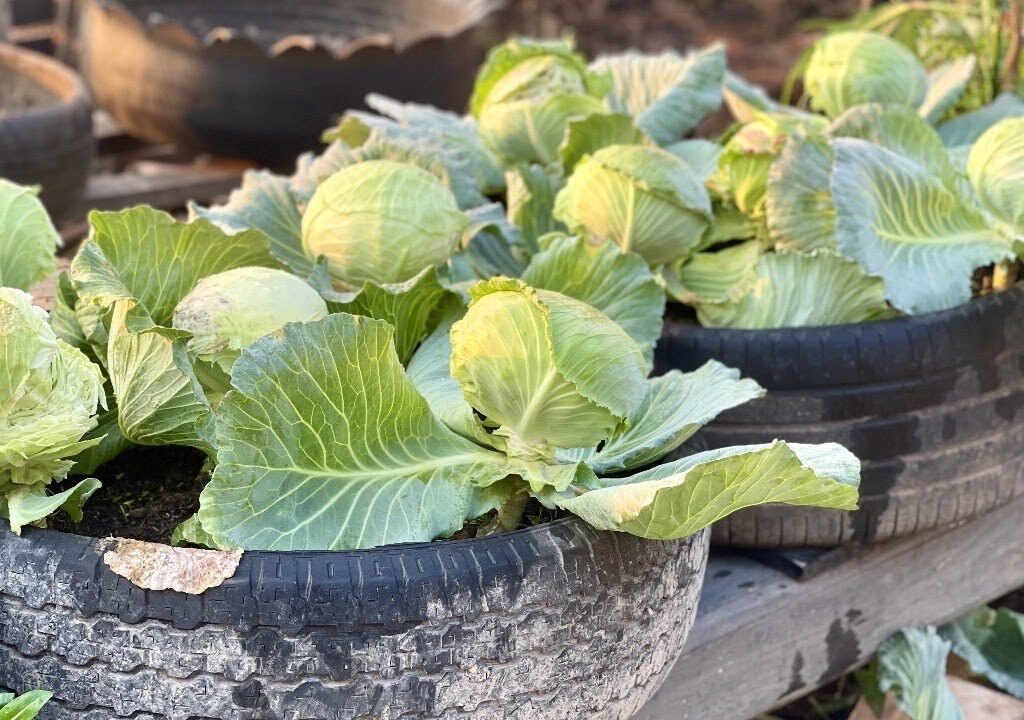
How to Turn an Old Tire Into a Super Easy Cabbage Garden: Grow Fresh, Big Cabbages from Seeds at Home

How to Turn an Old Tire Into a Super Easy Cabbage Garden: Grow Fresh, Big Cabbages from Seeds at Home

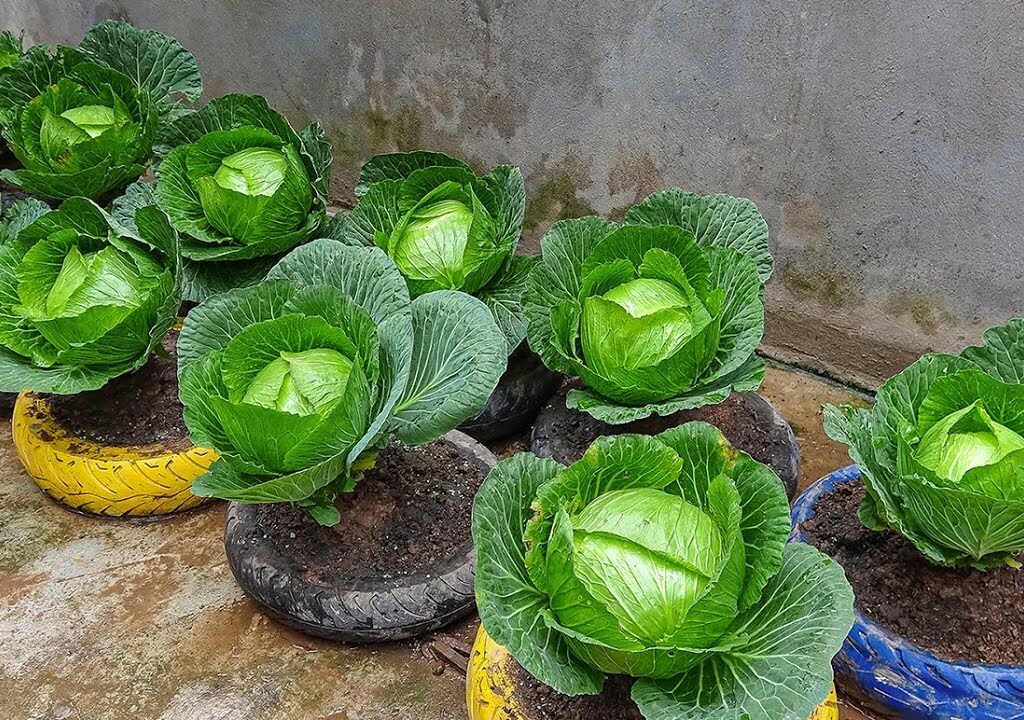
Ever looked at an old, unused tire lying around and thought it was just junk? Think again! With a little creativity, that tire can become a super productive, space-saving garden — perfect for growing fresh, healthy cabbage right at home.

Cabbage is one of America’s favorite cool-weather vegetables. It’s packed with vitamins, easy to grow, and versatile in the kitchen — from coleslaw to soups to stir-fries. But what if you don’t have much garden space? Or you want to try a fun, sustainable way to grow your own veggies?

That’s where the old tire gardening method comes in. Not only does it recycle waste, but it also creates a warm, nutrient-rich microenvironment that helps cabbage grow faster and bigger — even from seeds!

In this guide, you’ll learn step-by-step how to grow cabbage from seeds using an old tire, plus helpful tips to maximize your harvest.


Why Use an Old Tire for Gardening?

Before we dive into cabbage-growing, let’s talk about why old tires make fantastic garden planters.

1. Great Heat Retention:
Tires absorb warmth during the day and release it at night, helping cabbage seeds germinate faster — especially in cooler U.S. climates.

2. Perfect Shape and Depth:
Their round, deep structure allows cabbage roots to grow freely and stay well-aerated.

3. Budget-Friendly:
Why spend on new pots when you can reuse what you already have?

4. Portable and Durable:
Tires can be placed anywhere — balcony, patio, driveway, or backyard — and withstand harsh weather for years.

5. Eco-Friendly:
Repurposing tires helps reduce landfill waste and promotes sustainable living.

With a single old tire, you can turn an eyesore into a lush, green, edible garden.


What You’ll Need to Get Started

You don’t need fancy equipment — just some basic materials and a little effort.

Supplies:

  • 1 old car or truck tire (cleaned thoroughly)
  • Potting soil or garden soil mix
  • Organic compost or aged manure
  • Cabbage seeds (choose your preferred variety)
  • Watering can or hose
  • Gardening gloves
  • Optional: mulch (straw, dried leaves, or wood chips)

Best Cabbage Varieties for Tire Gardens (U.S. climates):

  • Golden Acre: Fast-maturing and compact.
  • Savoy: Crinkled, tender leaves and cold-tolerant.
  • Red Express: Beautiful reddish-purple heads.
  • Late Flat Dutch: Great for larger tires and big heads.

Step-by-Step: How to Grow Cabbage from Seeds in an Old Tire

Let’s turn that tire into a mini cabbage paradise!


Step 1: Clean and Prepare the Tire

Start by cleaning the tire to remove any dirt, oil, or debris. Scrub it with soap and water, then rinse thoroughly.

If you want, paint the tire’s outer surface with eco-friendly paint to give it a fresh, decorative look — plus, it keeps it cooler under strong sun.

Place the tire in a sunny area that gets at least 6 hours of sunlight per day.


Step 2: Create Drainage

Good drainage is key for healthy cabbage roots.

  • Place a layer of gravel, pebbles, or broken clay pieces at the bottom of the tire.
  • If possible, drill 3–4 small holes through the bottom rubber to let excess water escape.

Step 3: Fill with Nutrient-Rich Soil

Cabbage is a heavy feeder, meaning it needs nutrient-dense soil.

Mix the following for perfect tire-garden soil:

  • 60% high-quality potting mix or garden soil
  • 30% organic compost or aged manure
  • 10% sand or coco peat for better drainage

Fill the tire nearly to the top, leaving about 1–2 inches of space from the rim.

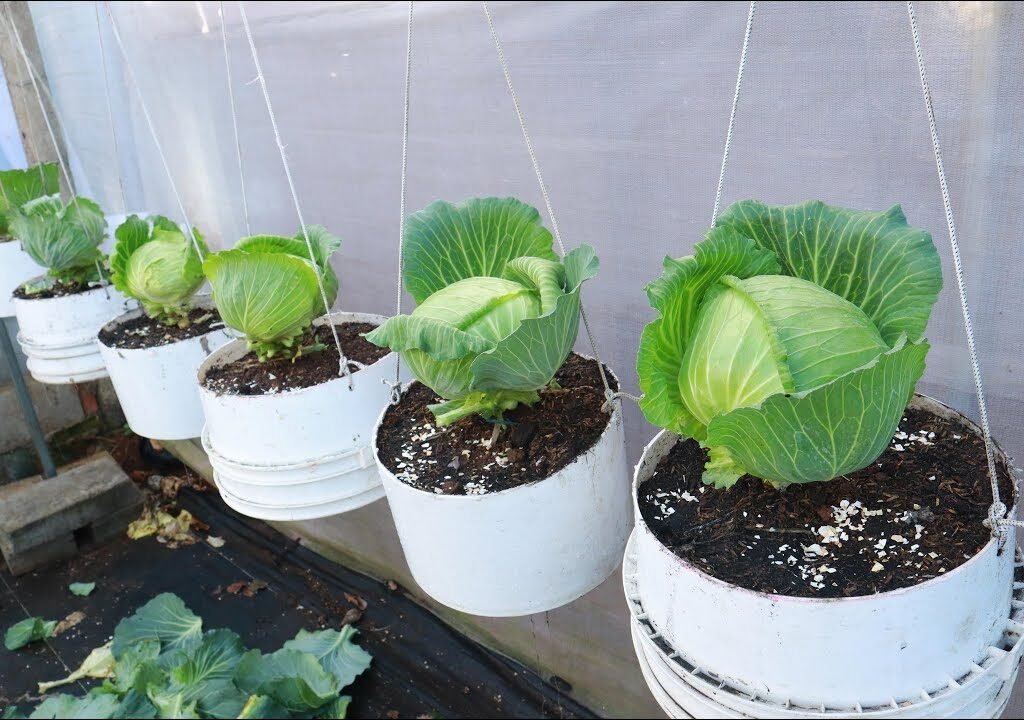
Pro Tip: Add crushed eggshells or a handful of wood ash to boost calcium and prevent “cabbage head splitting.”


Step 4: Sow the Cabbage Seeds

Now comes the exciting part — planting your seeds!

  1. Make small holes (½ inch deep) about 4–6 inches apart in the soil.
  2. Drop 2–3 seeds into each hole.
  3. Cover lightly with soil and water gently.

In about 7–10 days, the seeds will germinate. Once the seedlings are about 3 inches tall, thin them out — keeping the strongest plant every 10–12 inches.


Step 5: Watering and Sunlight Care

Cabbage loves consistent moisture but hates soggy soil. Keep the soil evenly moist by watering every 2–3 days or when the top inch feels dry.

Place the tire garden in a spot that gets full to partial sunlight — ideally 6–8 hours daily.

If you live in a hotter U.S. region (like Texas or Florida), provide some afternoon shade to prevent heat stress.


Step 6: Feeding for Faster Growth

After 3 weeks, start feeding your cabbage plants to help them grow larger heads.

Use:

  • Organic compost tea every 2 weeks, or
  • A balanced fertilizer (10-10-10 NPK) once a month.

Avoid over-fertilizing — too much nitrogen makes big leaves but small heads.


Step 7: Mulching and Weed Control

Cover the soil with mulch (straw, leaves, or shredded bark) to:

  • Retain moisture
  • Suppress weeds
  • Keep soil temperature stable

Mulching also reduces the need for frequent watering — perfect for busy gardeners!


Step 8: Pest Protection

Cabbage can attract a few common pests like:

  • Cabbage worms
  • Aphids
  • Slugs and snails

To protect your tire garden:

  • Spray with neem oil or a mild soap-water solution weekly.
  • Use mesh netting or row covers to block insects.
  • Sprinkle crushed eggshells or diatomaceous earth around plants to deter slugs.

Step 9: Harvesting Your Homegrown Cabbage

Depending on the variety, your cabbage will be ready to harvest in 70–100 days.

You’ll know it’s ready when:

  • The head feels firm and compact when squeezed.
  • The outer leaves start to curl slightly.

Use a sharp knife to cut the cabbage head at the base, leaving a few lower leaves intact — these can produce a second, smaller head in a few weeks!


Bonus Tip: Keep Your Tire Garden Productive Year-Round

  • Spring & Fall: Perfect for growing full-sized cabbage.
  • Summer: Use the tire to grow heat-tolerant greens like spinach or kale.
  • Winter: Move the tire to a sunny porch or greenhouse for cold-weather crops.

This way, your tire garden stays active throughout the year — no downtime, no wasted space.


Common Mistakes to Avoid

MistakeProblemSolution
OverwateringRoot rot, stunted growthWater only when topsoil feels dry
Crowded seedlingsSmall headsThin to 10–12 inches apart
Too much fertilizerLoose or splitting headsUse compost, not excessive chemical feed
Poor drainageYellowing leavesAdd gravel and holes at the bottom
Lack of sunlightWeak, floppy plantsEnsure at least 6 hours of sun daily

The Eco-Friendly Impact: Turning Trash Into Treasure

Old tires are one of the hardest materials to recycle — they take hundreds of years to decompose. By turning them into productive planters, you’re helping the planet while growing your own food.

You’re also:

  • Reducing waste
  • Saving money on store-bought produce
  • Creating a self-sustaining mini garden right in your backyard

It’s a small step toward a greener, more sustainable lifestyle — and it starts with just one tire.


Health Benefits of Homegrown Cabbage

Cabbage isn’t just easy to grow — it’s one of the healthiest veggies around.

High in Vitamin C: Boosts immunity.
Rich in Fiber: Supports digestion.
Low in Calories: Great for weight management.
Packed with Antioxidants: Helps reduce inflammation.

Freshly harvested cabbage tastes sweeter, crunchier, and more flavorful than store-bought — and you’ll know it’s completely chemical-free.


Final Thoughts: From Tire to Table

Who knew that something as ordinary as an old tire could transform into a thriving vegetable garden? With just a bit of effort, you can grow cabbage from seeds effortlessly, even in limited spaces.

This DIY project is eco-friendly, budget-friendly, and beginner-approved. Whether you’re an urban gardener or a suburban homesteader, this method guarantees a rewarding harvest — lush green leaves and compact, crisp heads ready for your next meal.

Lazy Gardener’s Hack: How to Grow Green Onions 10x Faster With Almost No Effort (Wish I Knew This Sooner!)

Lazy Gardener’s Hack: How to Grow Green Onions 10x Faster With Almost No Effort (Wish I Knew This Sooner!)

If you think gardening takes too much time or effort — think again! Green onions (also called scallions or spring onions) are one of the easiest vegetables to grow, even for people who consider themselves lazy gardeners.

Whether you live in a city apartment or have a suburban backyard, green onions grow fast, require minimal care, and keep producing again and again. And with a few simple tricks, you can make them 10 times more productive — no fancy equipment, no green thumb required.

In this guide, you’ll learn how to grow green onions effortlessly, using everyday materials you probably already have at home. You’ll also discover the secret methods that help your onions regrow continuously, giving you an endless supply of fresh greens for cooking — all while saving money and time.


Why Green Onions Are Perfect for Busy (or Lazy) Gardeners

Green onions are the ultimate low-maintenance vegetable. They don’t demand special soil, fertilizers, or constant attention. Once you plant them, they practically take care of themselves!

Here’s why Americans love growing green onions at home:

Fast Growth: Ready to harvest in as little as 20–25 days.
Low Effort: Water occasionally, and they’ll thrive.
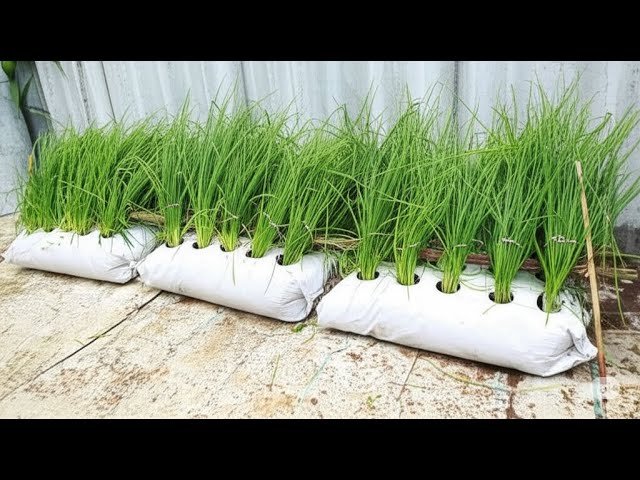
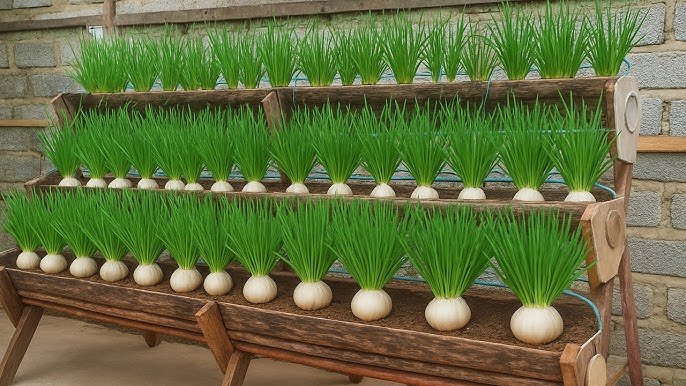
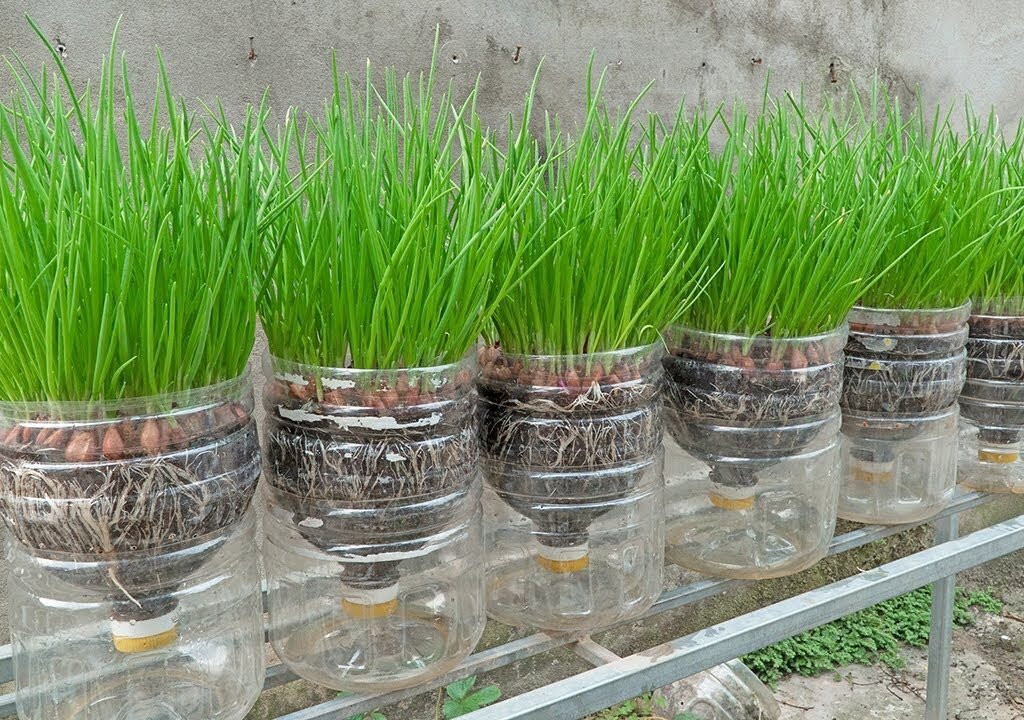
Space-Saving: Grow them in pots, bottles, or small planters.
Regrows Easily: Cut them once, and they grow back — over and over again!
Great Indoors or Outdoors: Perfect for windowsills, balconies, or gardens.

If you’ve struggled with other veggies before, green onions will restore your gardening confidence.


What You’ll Need to Start

No big garden? No problem. You can grow green onions from scraps or seeds using just a few simple items:

  • A few green onion bulbs or leftover roots from your grocery store bundle
  • A small pot, container, or recycled bottle
  • Potting soil (or even water for hydroponic growth)
  • Watering can or spray bottle
  • Access to sunlight or a bright window

Optional: Organic fertilizer or compost to boost growth.


Method 1: Regrow Green Onions From Kitchen Scraps

This is the lazy gardener’s dream method — no seeds, no soil preparation, just reuse what’s already in your kitchen.

Step 1: Save the Roots

After using the green tops for cooking, save the white root ends (at least 1–2 inches long).

Step 2: Place in Water

  • Fill a small glass or jar with about 1–2 inches of water.
  • Place the roots in the jar, ensuring they’re fully submerged but not floating.

Put the jar on a sunny windowsill, such as in your kitchen.

Step 3: Watch the Magic Happen

Within 3–5 days, you’ll see new green shoots emerging from the top. In just a week, they’ll be tall enough to harvest again!

Pro Tip: Change the water every 2–3 days to prevent mold and bacteria buildup.

Step 4: Transplant (Optional)

Once roots grow longer and stronger (after about 10 days), you can transplant them into soil for even faster and healthier growth.


Method 2: Growing Green Onions in Soil

For even higher yields, plant green onions directly in containers or garden soil. It’s still effortless but gives you bigger, stronger plants.

Step 1: Choose a Container

A small pot or recycled plastic bottle works great. Just make sure it has drainage holes.

Step 2: Fill With Soil

Use a light, well-draining mix:

  • 60% garden soil or potting mix
  • 30% compost
  • 10% sand or perlite

This keeps the soil airy and prevents soggy roots.

Step 3: Plant the Roots

Insert each onion root about 1 inch deep, spacing them 1–2 inches apart.
Water gently right after planting.

Step 4: Light and Watering

Place the pot in a sunny area — green onions love sunlight!
Water every 2–3 days or when the soil feels dry on top. Avoid overwatering; soggy soil can cause root rot.

Step 5: Harvesting

You can start harvesting the greens when they reach about 6–8 inches tall, usually within 3–4 weeks.

Simply snip the tops about 1 inch above the root, and they’ll regrow again and again!


Secret Tricks to Make Green Onions 10x More Productive

Want your onions to grow faster and thicker? Here are some tried-and-true American gardening hacks:

1. Give Them Enough Light

Green onions thrive in 6–8 hours of sunlight per day. Indoors, place them near a south-facing window or under a grow light.

2. Don’t Let the Soil Dry Out Completely

Consistent moisture = faster regrowth. Keep the soil slightly damp at all times.

3. Add Natural Fertilizers

Once a month, feed with organic compost tea or diluted fish emulsion. This keeps the greens vibrant and flavorful.

4. Cut, Don’t Pull

When harvesting, never pull the plant out. Just cut the leaves and leave the roots intact — they’ll keep regenerating!
5. Rotate Your Batches

Start new roots every 2–3 weeks so you always have a continuous supply of green onions growing.

6. Use Deep Containers

The deeper the pot, the longer and thicker your onions will grow.

7. Add Eggshells or Coffee Grounds

Crushed eggshells or used coffee grounds mixed into the soil add calcium and nitrogen, improving productivity naturally.


How to Grow Green Onions Year-Round

You don’t have to wait for spring or summer. Green onions grow beautifully indoors all year long in most parts of the U.S.

Here’s how to adapt to each season:

  • Spring/Summer: Grow outdoors or on balconies; they love the warmth.
  • Fall/Winter: Move pots indoors near a sunny window. You can even use LED grow lights to mimic sunlight.

Maintain a mild indoor temperature (between 60–75°F) for best growth.


Common Green Onion Mistakes (and How to Avoid Them)

MistakeWhat HappensEasy Fix
OverwateringRoots rot, growth slowsUse well-draining soil and don’t let pots sit in water
Too little sunlightThin, pale leavesMove to a brighter window
Harvesting too lowRoots stop regrowingLeave at least 1 inch of stalk above the root
Forgetting to change waterMold and bad odor (for water-grown onions)Change water every 2–3 days
No nutrientsWeak or slow growthAdd compost or organic fertilizer monthly

Creative Ways to Grow Green Onions Indoors

If you’re short on space, try these fun ideas to make your mini-garden both functional and stylish:

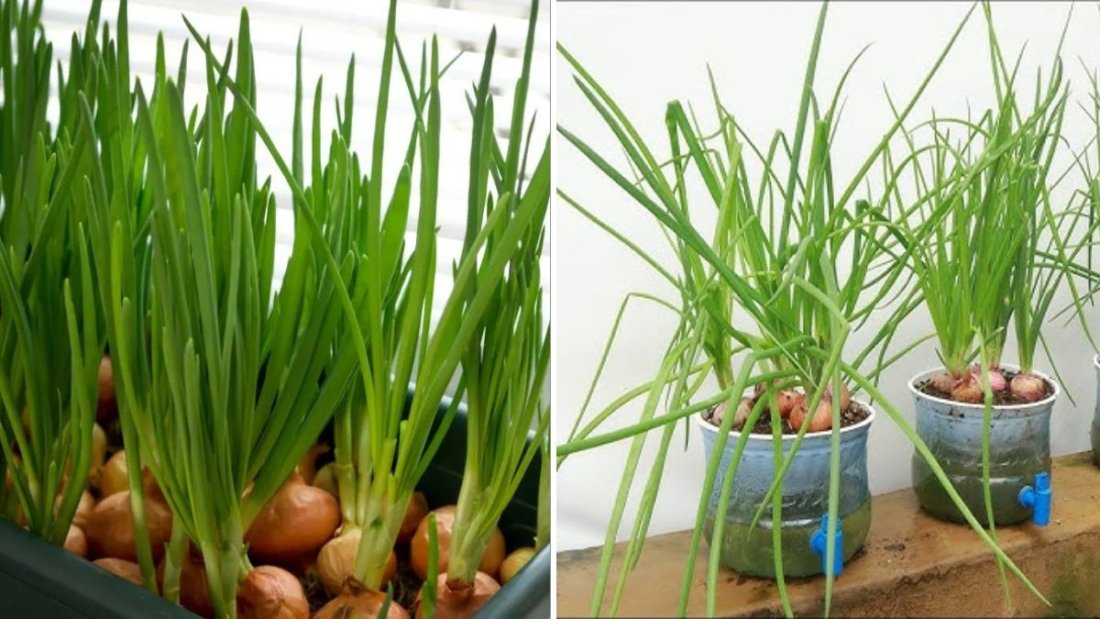
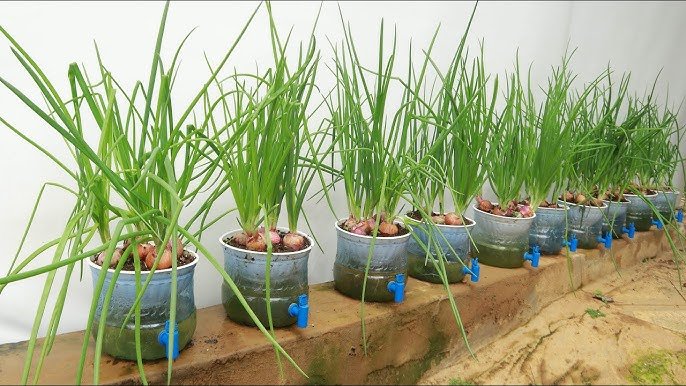
  1. Hanging Bottle Planters: Cut plastic bottles in half and hang them by a window for vertical gardening.
  2. Mason Jar Setup: Regrow onion roots in glass jars for a rustic, farmhouse-style kitchen look.
  3. Hydroponic Tray System: Use a shallow container filled with water and pebbles for a continuous indoor harvest.
  4. Windowsill Trays: Perfect for compact apartments or dorm rooms — just line up a few pots near the light.

Green onions double as kitchen decor and fresh produce — pretty and practical!
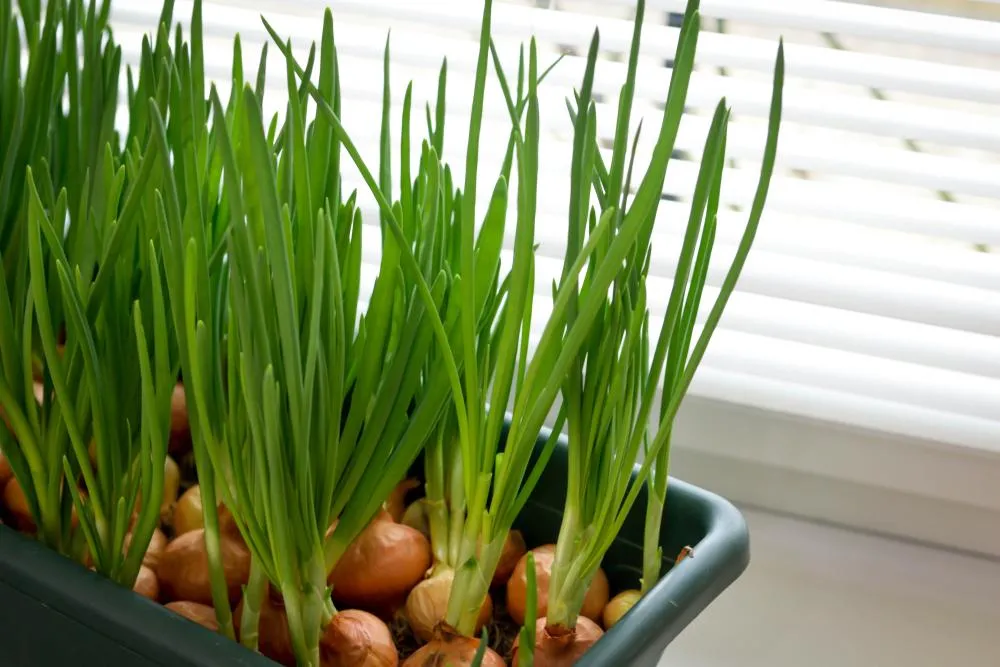

Health Benefits of Fresh Green Onions

Growing your own green onions isn’t just convenient — it’s also healthier and tastier.

Rich in Vitamin K and C, which support immunity and bone health.
Packed with antioxidants that fight inflammation.
Adds a fresh, mild onion flavor to salads, soups, and stir-fries.
100% chemical-free when grown at home.

Plus, harvesting fresh onions straight from your windowsill feels incredibly rewarding — even for those who never thought they’d be gardeners!


Eco-Friendly and Budget-Smart Gardening

Regrowing green onions from scraps is one of the most sustainable ways to garden.

  • You’re reducing food waste by reusing leftovers.
  • You’re saving money — no need to buy new onions every week.
  • You’re cutting down on plastic packaging from store produce.

Over time, this simple habit can make your kitchen both greener and cleaner — literally and figuratively.


Real-Life Results: The “Too Late” Lesson

Many gardeners admit they discovered this hack too late. After years of throwing away onion roots, they realized they could have been growing an endless supply of fresh scallions for free all along.

Once you try it, you’ll wonder why you didn’t start sooner. With just a few jars or pots, you’ll always have fresh, homegrown green onions within arm’s reach — perfect for topping omelets, soups, tacos, and salads.


Final Thoughts: Gardening Made Effortless

If you’ve ever wanted to garden but felt too busy or inexperienced, green onions are your perfect starting point.

They’re fast, forgiving, and endlessly rewarding. With a bit of sunlight and water, you’ll enjoy crisp, flavorful greens all year round — no big garden, no special skills needed.

So go ahead, grab those leftover onion roots from your fridge, stick them in a jar, and start your lazy gardening journey today. You’ll be amazed at how easy it is to grow more than you ever imagined — all from what you once threw away….

Pothos Growing Made Easy: The Ultimate American Guide to Lush, Low-Maintenance Indoor Vines

Pothos Growing Made Easy: The Ultimate American Guide to Lush, Low-Maintenance Indoor Vines

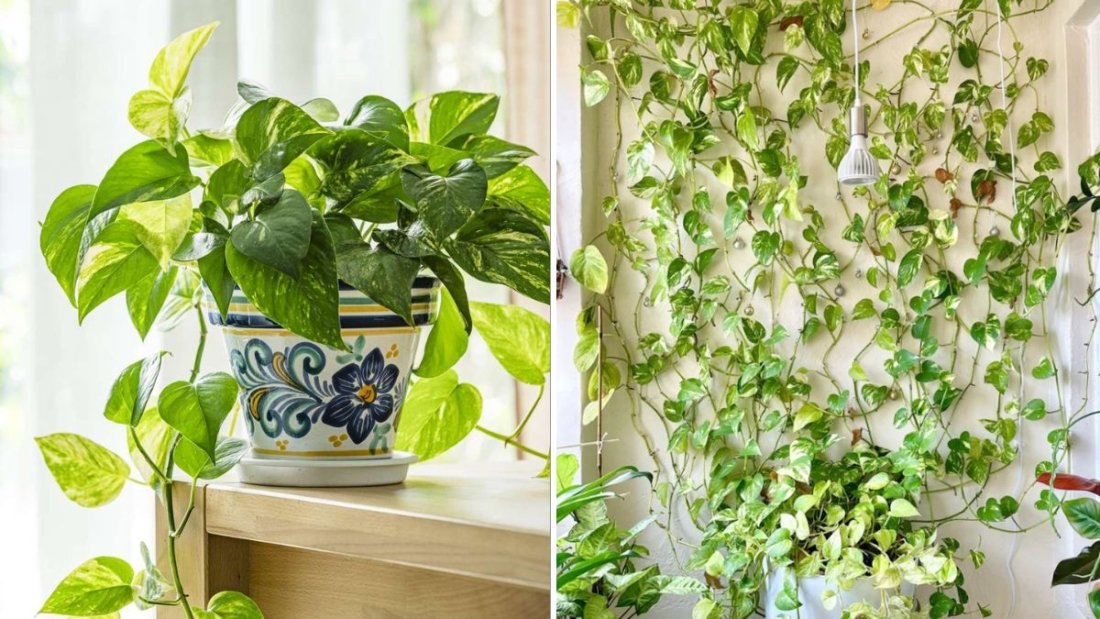
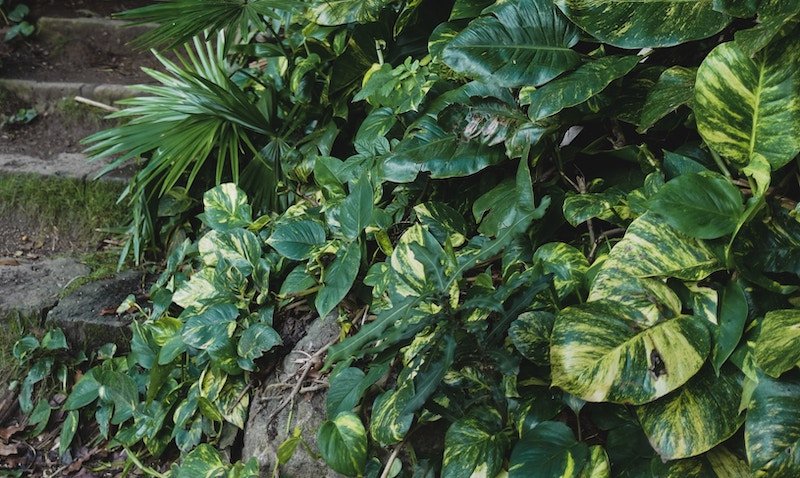
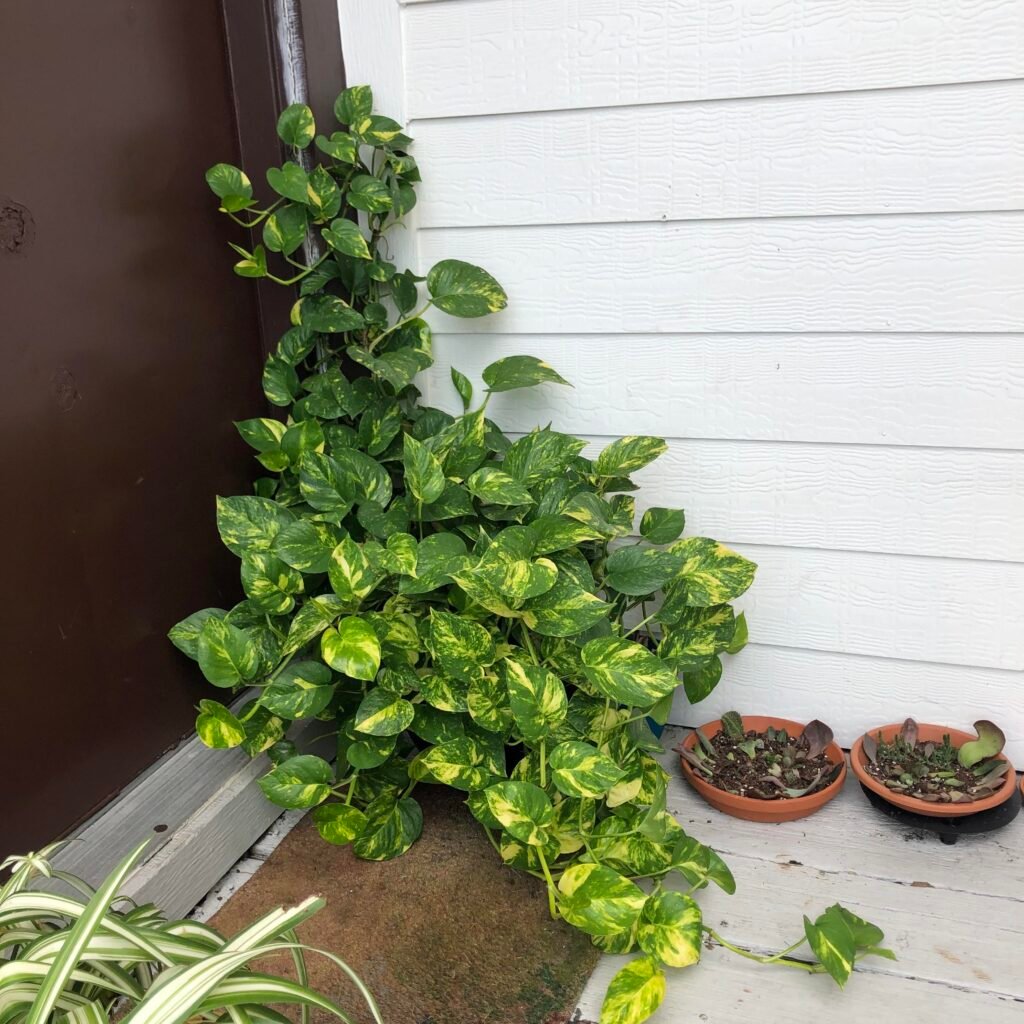
If you’re looking for a beautiful, low-maintenance houseplant that thrives almost anywhere, look no further than the Pothos plant (Epipremnum aureum) — also known as Devil’s Ivy. Loved by beginners and plant enthusiasts alike, pothos is one of the easiest indoor plants to grow in the U.S.

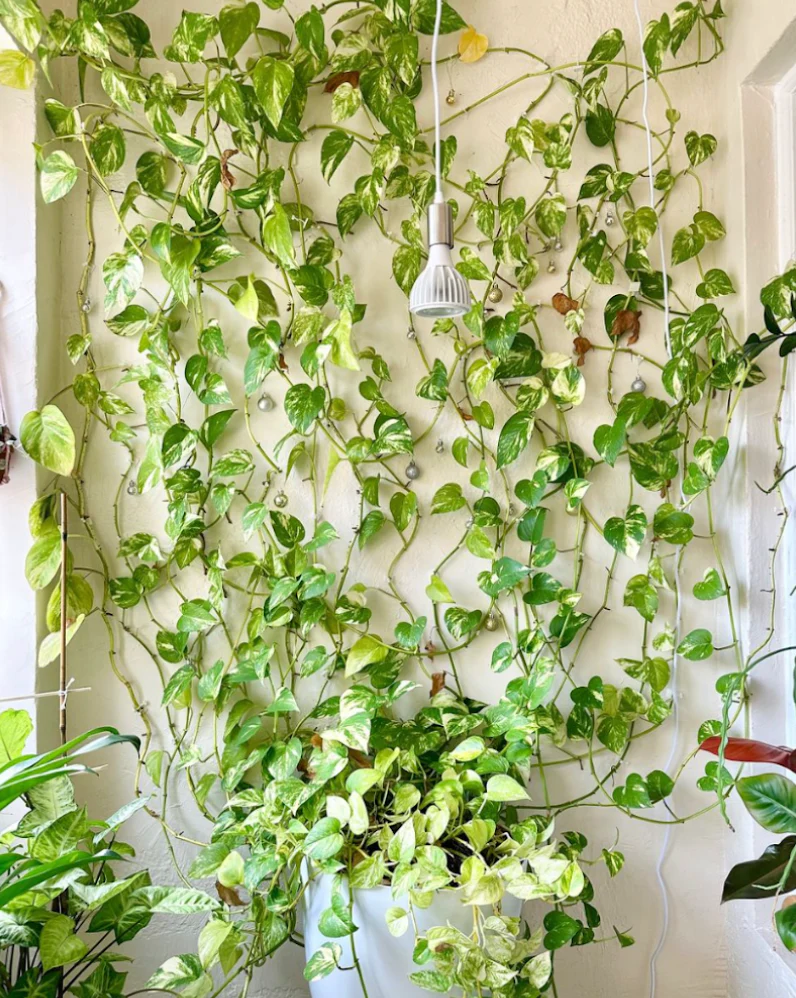
With its vibrant green, heart-shaped leaves and ability to grow in low light and inconsistent watering, this vine adds a touch of tropical charm to homes, offices, and apartments. From trailing gracefully down bookshelves to climbing walls and trellises, pothos can turn any corner into a lush, green paradise.

In this comprehensive guide, you’ll learn everything you need to know about pothos growing — from propagation to care, watering schedules, common mistakes, and styling ideas — all tailored for American homes and climates.


What Makes Pothos So Popular

Pothos is practically the poster child for low-maintenance plants. Here’s why it’s a favorite in U.S. households:

  • Tolerates Low Light: Perfect for apartments or offices without bright windows.
  • Forgiving with Water: Survives occasional neglect — great for busy schedules.
  • ir-Purifying: Removes toxins like formaldehyde, benzene, and carbon monoxide.
  • Grows Fast: Perfect for creating lush green displays or hanging plant decor.
  • Easy to Propagate: One cutting can grow into multiple new plants.

Whether you’re a plant newbie or an experienced grower, pothos is an essential addition to your indoor plant collection.


Choosing the Right Pothos Variety

Pothos comes in many beautiful varieties, each with its own unique color and leaf pattern. Here are some of the most popular types you can find in the U.S.:

  1. Golden Pothos:
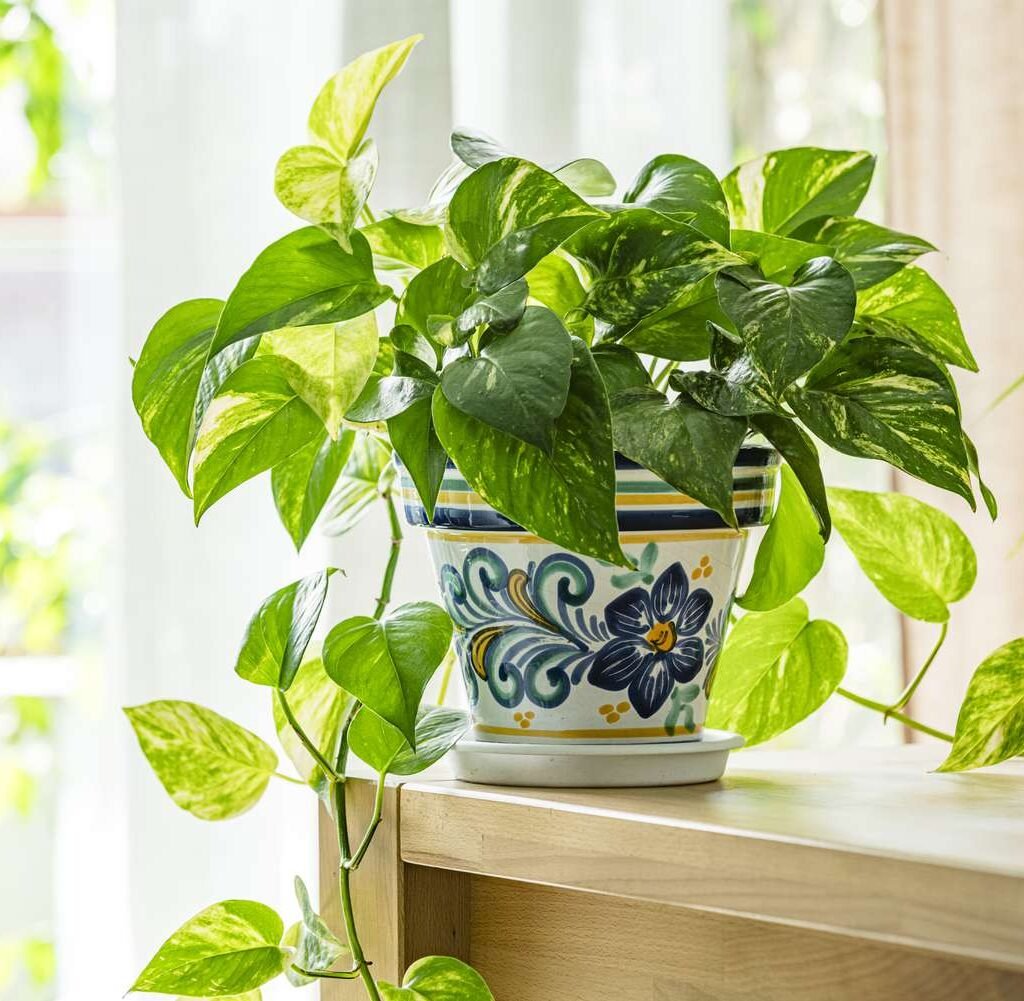
    The most common type, featuring green leaves with yellow variegation.
  2. Marble Queen Pothos:
    Elegant white and green marbled leaves — bright and eye-catching.
  3. Jade Pothos:
    Solid green leaves, perfect for low-light rooms.
  4. Neon Pothos:
    Bright, electric-green leaves that bring a pop of color to your space.
  5. Manjula Pothos:
    Curly leaves with creamy white and light green patches — a collector’s favorite.
  6. Cebu Blue Pothos:
    Silvery-blue leaves with a slightly metallic sheen — rare and exotic-looking.

Pro Tip: Mix different pothos varieties in one space to create a layered, tropical vibe.


Where to Grow Pothos Indoors

One of the best things about pothos is its versatility. It grows happily almost anywhere indoors, including:

  • Living rooms
  • Bedrooms
  • Bathrooms (yes, it loves humidity!)
  • Kitchens
  • Offices or workspaces

Lighting Needs:
Pothos prefers bright, indirect light but can also tolerate low-light conditions. However, variegated varieties (like Golden or Marble Queen) need more light to maintain their color.

Avoid direct sunlight, as it can burn the leaves.


How to Grow Pothos: Step-by-Step

Step 1: Choosing a Pot and Soil

Select a well-draining pot with drainage holes. Pothos doesn’t like soggy roots.

For soil, use a light, well-aerated potting mix such as:

  • 2 parts all-purpose potting soil
  • 1 part perlite
  • 1 part coco coir or peat moss

This mix keeps roots healthy by ensuring good airflow and drainage.


Step 2: Planting Pothos

If you bought a small pothos plant or propagated a cutting:

  1. Fill your pot halfway with soil mix.
  2. Place the plant in the center, spreading out the roots.
  3. Add more soil until the roots are fully covered.
  4. Press gently and water thoroughly.

Step 3: Watering Schedule

Water only when the top 1–2 inches of soil feel dry. Overwatering is the #1 cause of pothos problems.

In general:

  • Summer: Water once every 5–7 days.
  • Winter: Water every 10–14 days.

Pro Tip: If the leaves droop slightly, it’s a natural reminder your plant is thirsty.


Step 4: Fertilizing Pothos

Feed your pothos with a balanced liquid fertilizer (10-10-10) every 4–6 weeks during spring and summer. In winter, reduce feeding since the plant’s growth slows down.

Avoid overfertilizing — too many nutrients can burn the roots or cause yellow leaves.


Step 5: Pruning for Shape and Health

Regular pruning keeps your pothos bushy and prevents leggy vines.

  • Use clean scissors to trim stems just above a leaf node.
  • You can replant the cuttings to grow new pothos!

Pruning also stimulates new growth, making your plant fuller and healthier.


Step 6: Propagating Pothos in Water or Soil

One of the most rewarding parts of pothos growing is propagation. It’s simple and fun!

Propagation in Water:

  1. Cut a 4–6 inch section of vine below a node (where a leaf meets the stem).
  2. Remove the lower leaves, leaving 1–2 at the top.
  3. Place the cutting in a glass of clean water.
  4. Change the water every 3–5 days.
  5. Within 2–3 weeks, roots will start forming.

Once roots are 2–3 inches long, you can transfer the cutting into soil.

Propagation in Soil:

  • Dip the cutting in rooting hormone (optional) and plant directly in moist soil.
  • Keep the soil lightly damp until new growth appears.

Common Problems and How to Fix Them

Even though pothos is easy to grow, it can face a few minor issues. Here’s how to troubleshoot:

ProblemCauseSolution
Yellow leavesOverwateringLet soil dry out before watering again
Brown tipsDry air or underwateringIncrease humidity and water more regularly
Pale leavesLack of sunlightMove to a brighter area
Drooping leavesUnderwatering or cold temperaturesAdjust watering and avoid drafts
Root rotPoor drainageUse well-draining soil and a pot with holes

Extra Tip: Wipe leaves with a damp cloth monthly to remove dust and keep them glossy.


Pothos and Indoor Decor Ideas

Pothos isn’t just a plant—it’s a decor statement. Here are creative ways to style it around your home:

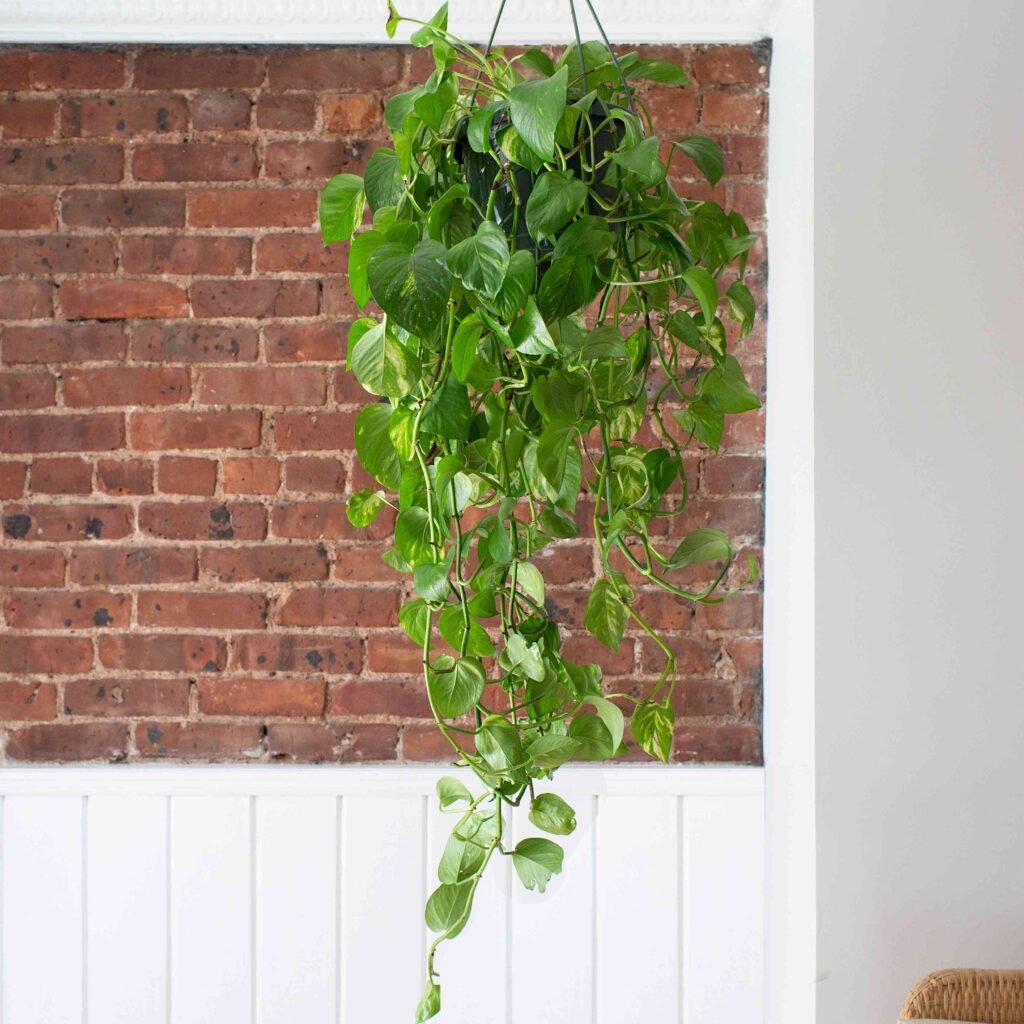
  1. Hanging Baskets: Let vines cascade beautifully from ceiling hooks.
  2. Wall Climbing: Use adhesive hooks or trellises for vertical growth.
  3. Bookshelf Plant: Perfect for draping along shelves or desk edges.
  4. Bathroom Plant: Loves the humidity — just ensure indirect light.
  5. Kitchen Corner Accent: Adds freshness and color near windows.

For a trendy American home look, pair pothos with modern ceramic pots or woven baskets for a cozy, boho vibe.


Seasonal Care Tips for U.S. Growers

Spring and Summer:

  • Active growth period — water and fertilize more often.
  • Great time for pruning and propagation.

Fall and Winter:

  • Growth slows — water less frequently.
  • Keep away from cold drafts or heating vents.

If you live in northern states with harsh winters, ensure your pothos stays indoors in warm, bright conditions.


The Benefits of Growing Pothos

Growing pothos offers more than beauty — it brings health and happiness into your space.

Air Purification: NASA studies show pothos removes airborne toxins.
Improves Mood: Greenery boosts mental health and productivity.
Boosts Humidity: Naturally increases indoor moisture levels.
Educational for Kids: Great starter plant to teach responsibility.
Sustainable Living: Propagate and share plants with friends instead of buying new ones.


Pothos Growing Mistakes to Avoid

  1. Overwatering: The most common issue — always check soil moisture first.
  2. Too Little Light: Leads to dull leaves and slow growth.
  3. Ignoring Pruning: Causes long, leggy vines with fewer leaves.
  4. No Drainage Holes: Roots can suffocate and rot.
  5. Skipping Fertilizer: Results in weak, pale growth over time.

Consistency is key — pothos doesn’t demand much, but it thrives on balance.


Final Thoughts: A Perfect Green Companion

If you want a vibrant, low-effort indoor plant, pothos is the answer. It’s hardy, fast-growing, and adaptable to almost any environment — from sunny living rooms to dim offices.

With a little care, your pothos will reward you with lush, trailing vines and cleaner indoor air, creating a peaceful, nature-inspired haven in your home.

So whether you’re a beginner or an experienced gardener, give pothos a spot in your space — and watch it flourish with very little effort.

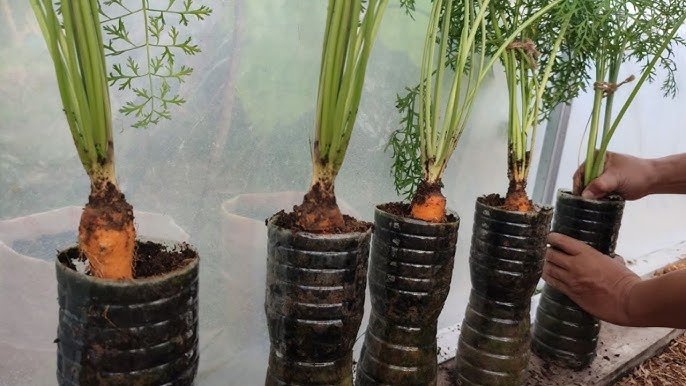
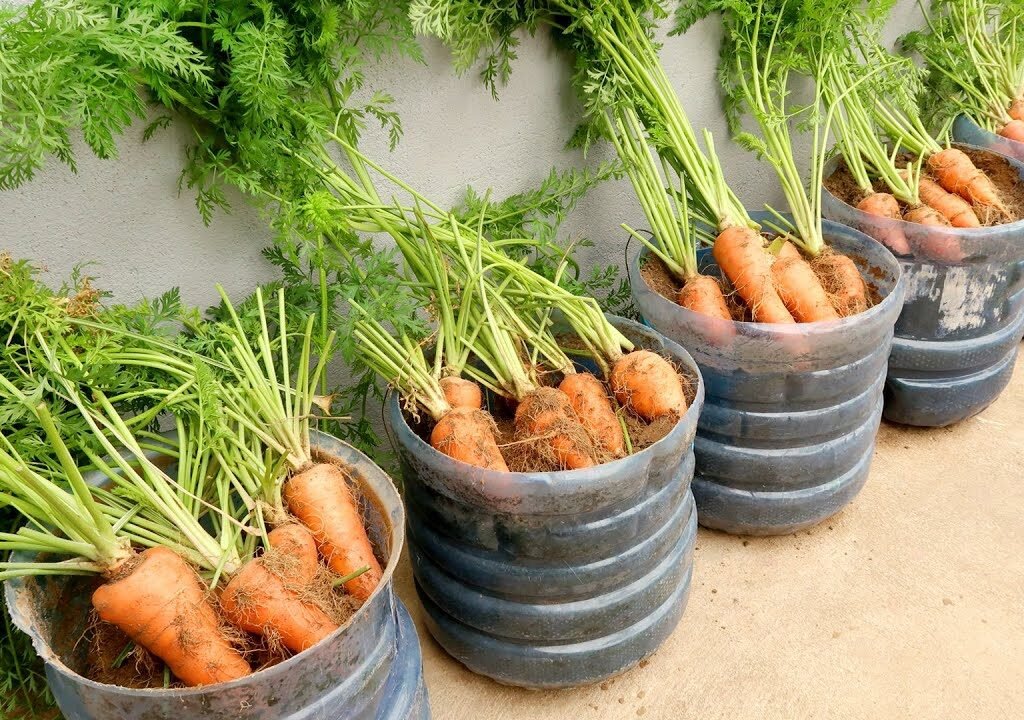
How to Grow Carrots in Plastic Bottles: The Smart, Space-Saving Way to Harvest Fresh Carrots at Home

How to Grow Carrots in Plastic Bottles: The Smart, Space-Saving Way to Harvest Fresh Carrots at Home

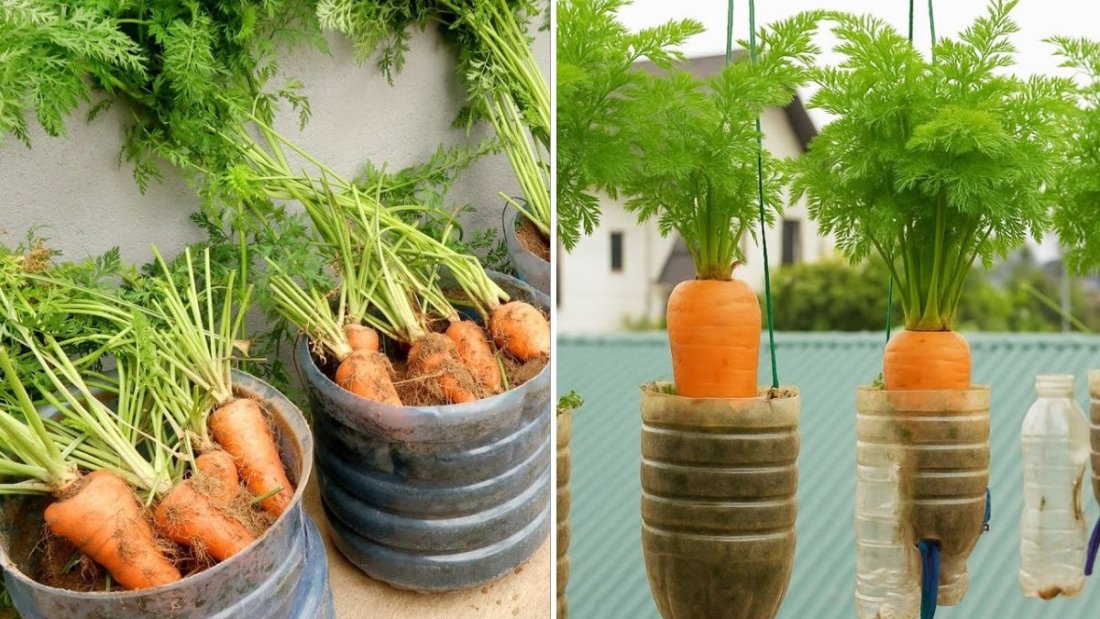
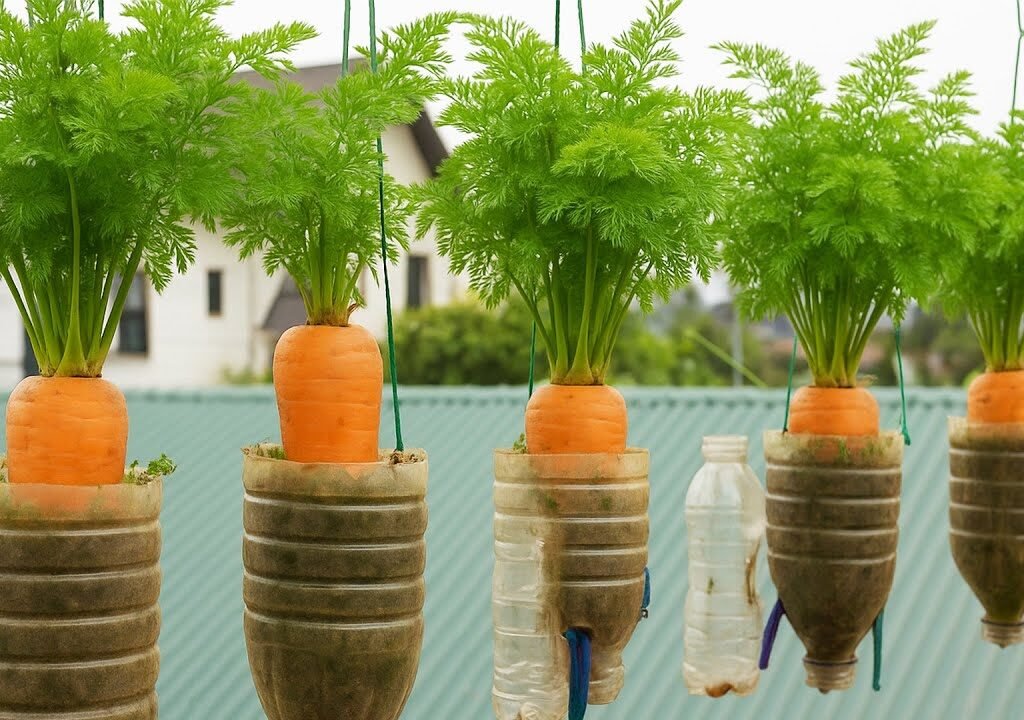
Imagine harvesting crisp, sweet, homegrown carrots — all from a few empty plastic bottles sitting on your balcony or kitchen windowsill. Sounds too good to be true? It’s not! Growing carrots in plastic bottles is one of the easiest, most eco-friendly, and space-saving ways to garden at home.

This simple method not only helps you grow fresh, organic carrots in small spaces, but it also gives a second life to plastic waste. Whether you live in an apartment, townhouse, or suburban home, this trick lets you enjoy the taste of real, homegrown carrots without needing a full garden.

In this step-by-step guide, you’ll learn how to grow carrots in plastic bottles—from setup to harvest—along with expert tips to get big, bright, and flavorful roots every time.


Why Grow Carrots in Plastic Bottles?

Carrots are one of America’s favorite vegetables—crunchy, colorful, and packed with vitamins A and C. Traditionally grown in garden beds, they can also thrive in containers if you provide the right soil depth and conditions.

Here’s why using plastic bottles is a genius move for home gardeners:

  1. Eco-Friendly: Reduces plastic waste by repurposing bottles that would otherwise end up in landfills.
  2. Space-Saving: Perfect for balconies, patios, and small urban spaces.
  3. Beginner-Friendly: No need for fancy equipment or large plots.
  4. Moisture Control: Clear bottles make it easy to monitor root growth and soil moisture.
  5. Healthy Harvests: Cleaner roots with fewer pests and diseases than ground-grown carrots.

It’s a smart and sustainable gardening hack that delivers both convenience and results.


Choosing the Right Carrot Variety

Not all carrots are created equal when it comes to growing in containers. Some varieties grow long and deep, while others stay short and sweet—perfect for plastic bottles.

Here are the best carrot types for bottle gardening:

  • Thumbelina: Small, round carrots that mature quickly.
  • Paris Market: Compact and flavorful, ideal for shallow containers.
  • Little Finger: Sweet, tender, and only 3–4 inches long.
  • Nantes: Cylindrical and smooth, perfect for medium-depth bottles.

Pro Tip: Choose short or medium-sized carrot varieties for the best results in plastic bottles.


What You’ll Need

You don’t need a big budget or professional gear. Here’s your simple supply list:

  • 1 or more plastic bottles (1.5–2 liters)
  • Sharp scissors or a knife
  • Good-quality potting mix
  • Compost or organic fertilizer
  • Carrot seeds
  • Watering can or spray bottle
  • Sunny windowsill, balcony, or outdoor space

Optional: A small hand trowel and marker to label your bottles.


Step-by-Step Guide: How to Grow Carrots in Plastic Bottles

Step 1: Prepare the Bottles

Start by cleaning your bottles thoroughly to remove any residue. Cut off the top portion (about 3–4 inches) of the bottle to create an open planter.

Next, use a hot nail or scissors to make 5–6 small drainage holes at the bottom. Proper drainage is essential to prevent root rot.

If you plan to hang the bottles, make two small holes near the rim and thread wire or twine through them for support.


Step 2: Prepare the Soil Mix

Carrots need light, loose, and well-draining soil for their roots to grow straight and long. A compact mix will result in short or deformed carrots.

Here’s a simple, proven recipe for the perfect carrot soil mix:

  • 60% potting soil
  • 30% fine sand or coco peat
  • 10% organic compost

Mix these ingredients thoroughly and fill the bottle almost to the top, leaving about 2 inches of space from the rim.

Pro Tip: Avoid using heavy clay soil — it restricts root growth.


Step 3: Sow the Carrot Seeds

Sprinkle carrot seeds evenly on the soil surface. Since the seeds are tiny, try mixing them with a bit of sand to spread them more evenly.

Cover the seeds with a thin layer of soil (¼ inch thick) and mist gently with water. Don’t bury them too deep—carrots need light to germinate.

Place the bottles in a sunny area where they’ll receive at least 6 hours of sunlight daily.


Step 4: Water and Care

Keep the soil moist but not soggy. Overwatering can cause the seeds to rot, while underwatering can stunt growth.

Water gently using a spray bottle or watering can with small holes to avoid washing away seeds.

During the first 7–10 days, you’ll see tiny sprouts emerging. At this stage, maintain consistent moisture and warmth (ideally 60–70°F).


Step 5: Thin the Seedlings

Once your seedlings reach about 2 inches tall, thin them out to prevent crowding. Leave one plant every 2 inches apart.

Don’t throw away the thinned seedlings—they’re edible and can be added to salads or smoothies!

Proper spacing allows each carrot root to develop fully, ensuring big, well-shaped carrots instead of thin, tangled ones.


Step 6: Feed and Maintain Growth

After 2–3 weeks, when the plants are established, feed them with a diluted liquid fertilizer or compost tea every 10–14 days.

Avoid fertilizers high in nitrogen — they promote leafy tops instead of strong roots. Instead, choose a balanced fertilizer with more phosphorus and potassium for root development.

Keep rotating the bottles every few days for even sunlight exposure, especially if they’re indoors.


Step 7: Watch for Pests and Problems

Carrots are relatively pest-free, but container-grown plants can still attract a few insects.

Common issues include:

  • Aphids: Spray with neem oil or soapy water.
  • Root rot: Avoid overwatering and ensure good drainage.
  • Leggy growth: Caused by insufficient sunlight—move to a sunnier spot.

Healthy carrot plants will have lush, green tops and steady upward growth.


Step 8: Harvest Time!

Depending on the variety, carrots are ready to harvest in 60–80 days after sowing. You’ll know it’s time when you see the orange or white tops slightly poking out of the soil.

To harvest:

  • Loosen the soil gently with your fingers.
  • Hold the base of the leaves and pull upward slowly.
  • Rinse and enjoy your crunchy, sweet homegrown carrots!

Pro Tip: For baby carrots, you can harvest a few earlier (after 45 days) for tender, flavorful roots.


Tips for Bigger, Healthier Carrots

  1. Use Deep Bottles:
    The deeper your container, the longer your carrots can grow. Try cutting a 2-liter bottle vertically to create more root depth.
  2. Don’t Let Soil Dry Out:
    Uneven watering causes split or misshapen carrots. Keep soil evenly moist.
  3. Avoid Overcrowding:
    Give each seedling enough room—spacing is key to producing fat, healthy roots.
  4. Fertilize Smartly:
    Go easy on nitrogen; too much makes lush tops but small roots. Use potassium-rich fertilizers instead.
  5. Harvest on Time:
    Leaving carrots in the soil too long can make them tough and woody.
  6. Reuse Bottles:
    After harvesting, refill the bottles with fresh soil and sow new seeds for a continuous supply!

Eco-Friendly and Budget-Friendly Gardening

Growing carrots in plastic bottles isn’t just fun—it’s a sustainable lifestyle choice.

You’re reducing plastic waste, saving space, and producing your own organic food at home. Plus, it’s a great DIY gardening project for kids and families, teaching them how food grows while promoting recycling.

This method also works beautifully for other root and leafy vegetables like:

  • Radishes
  • Beets
  • Spinach
  • Lettuce

With a few bottles and a bit of creativity, you can turn any balcony or window into a thriving mini garden.


Common Mistakes to Avoid

MistakeProblem CausedSolution
Using heavy soilRoots can’t expand properlyUse light, sandy soil
Planting seeds too deepPoor germinationCover seeds lightly
OverwateringRotting rootsEnsure good drainage
Not thinning seedlingsCrowded, deformed rootsSpace plants 2 inches apart
Lack of sunlightWeak growthProvide 6+ hours of sun daily

The Joy of Homegrown Carrots

There’s nothing quite like pulling your first homegrown carrot out of the soil — bright, crunchy, and bursting with flavor. And the best part? You’ve grown it sustainably, using nothing more than a recycled bottle and a bit of care.

This DIY project proves that you don’t need a big garden to grow real food. With just a few plastic bottles, you can harvest carrots all year long — fresh, chemical-free, and delicious.

So next time you finish a soda or water bottle, don’t toss it out — turn it into your next gardening success story!