The Indian Army organised a specialised scuba diving demonstration and training session for Agniveers at Manoj Pandey Swimming Pool, 11 GRRC in Lucknow, aimed at enhancing their operational preparedness and skill development. The initiative focused on introducing young soldiers to underwater operations, an essential capability in modern military scenarios that demand versatility and adaptability.
The training programme was conducted with the support of the Scuba Diving Federation of India and provided hands-on exposure to essential diving techniques. Agniveers were trained in controlled aquatic environments where they learned to manage breathing, maintain composure under pressure and adapt to underwater conditions. Such exercises are designed to build both physical endurance and mental resilience, which are crucial for handling complex operational challenges.
Officials said that the session also emphasised safety protocols and underwater navigation, ensuring that participants develop a disciplined approach while operating in unfamiliar and demanding environments. The initiative reflects the Indian Army’s continued focus on expanding the capabilities of its personnel beyond conventional training methods.
The Indian Army organised an Ex-Servicemen (ESM) Mega Rally at Shahjahanpur Military Station, reaffirming its commitment towards the welfare of veterans and Veer Naris.
The rally was conducted by the Juggernaut Brigade under the aegis of MUPSA, focusing on outreach and support for ex-servicemen and their families.
The event witnessed participation by a large number of veterans and Veer Naris, with emphasis on awareness of welfare schemes, recent policy initiatives and effective grievance redressal.
Representatives from Sainik Kalyan Vibhag, Army Welfare Placement Organisation (AWPO), Principal Controller of Defence Accounts (Pensions), Ex-Servicemen Contributory Health Scheme (ECHS), Record Offices and banking institutions provided on-the-spot assistance for financial and service-related matters.
A dedicated medical camp with specialist consultations ensured comprehensive healthcare support, reflecting a holistic approach towards veteran care and well-being.
In a message shared on social media platform X on April 5, 2026, Surya Command said, “
In a message shared on social media platform X on April 5, 2026, Surya Command highlighted the key aspects of the event, focusing on veteran welfare and outreach initiatives.
Surya Command said in the post, “Honouring service, Strenghening support. An ESM Mega Rally was organised at Shahjahanpur Military Station by Juggernaut Brigade under the aegis of MUPSA, reaffirming the Indian Army’s unwavering commitment towards the welfare of Veterans and Veer Naris.”
It further highlighted participation and awareness efforts, stating, “The rally witnessed enthusiastic participation by a large number of Veterans and Veer Naris, focusing on awareness of welfare schemes, recent policy initiatives and effective grievance redressal.”
The post also underlined institutional support provided during the event, noting, “Representatives from Sainik Kalyan Vibhag, AWPO, PCDA (Pensions), ECHS, Record Offices and banking institutions provided on-the-spot assistance for financial and service-related matters.”
Emphasising healthcare support, it added, “A dedicated medical camp with specialist consultations ensured comprehensive healthcare support, reflecting a holistic approach towards veteran care and well-being.”
Reaffirming its commitment, the post concluded, “Standing by those who served with honour, always.”
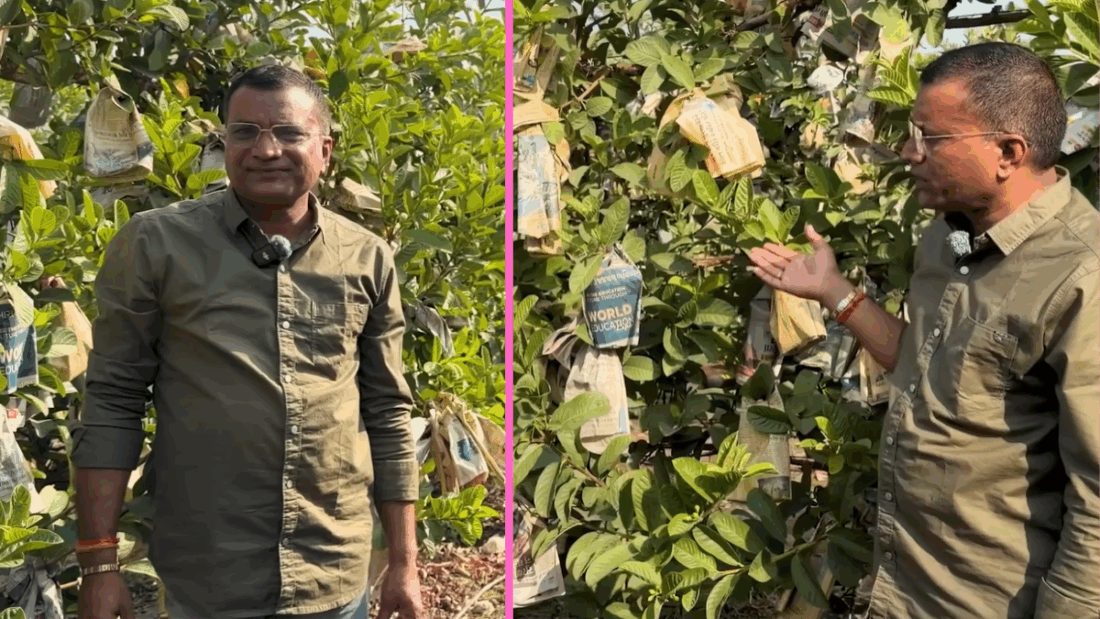
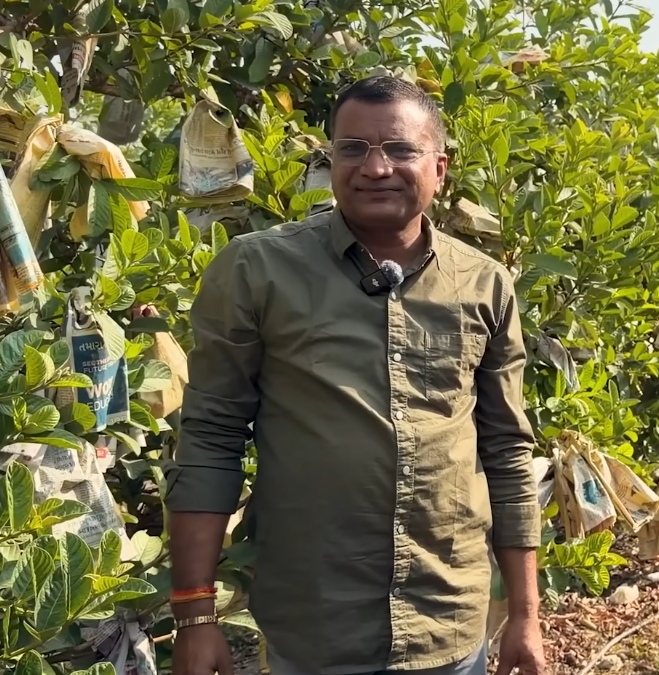
In many parts of India, guava farming still follows traditional methods where plants are grown densely, limiting sunlight and airflow and resulting in lower yields. Farmers often depend on one or two harvest cycles, which leads to unstable income. But in Rupakheda village of Madhya Pradesh, farmer Amrit Patidar is proving that a small change in technique can completely transform farming economics.
Amrit began his journey like most farmers, cultivating soybean and wheat with limited returns. “We used to earn just ₹10,000 to ₹15,000 per bigha,” he says. Like many, he accepted this as the reality of farming until a visit to progressive farms in Raipur around 2012 changed everything.
“There we saw guava plants grown on wires like grapes. At first, we didn’t believe it,” he recalls. “We thought—how will fewer branches give us more production?”
Despite his doubts, the results he saw convinced him to experiment. By 2015, he had adopted the trellis system on his own farm.
What Makes the Trellis System Different
Unlike traditional guava trees that grow in dense, unstructured forms, Amrit trains each plant along horizontal wires supported by a trellis system. The plant grows vertically at first, and then branches are spread across multiple wire levels, creating an open canopy.
“This is just like grape farming,” he explains. “You can see every branch clearly, sunlight reaches everywhere, and the plant stays healthy.”
The benefits are immediately visible. With proper airflow and sunlight, disease pressure reduces, and farm operations become easier. “Even tractors can move inside the farm for spraying and harvesting,” he adds.
Better Spacing, Stronger Plants
Amrit follows a spacing of 13 by 8 feet, allowing around 418 plants per acre. While this is fewer than traditional plantations, each plant performs far better.
“Earlier we also thought fewer plants means less production,” he admits. “But when we did it practically, we saw the opposite.”
Each plant now produces between 40 to 55 kilograms of guava, and total production reaches around 20 tons per acre. However, he is careful not to overburden the plants.
“We don’t push beyond 55 kg per plant,” he says. “If the plant weakens once, it takes a long time to recover.”
Image Source: YouTube – Indian Farmer Channel
Six Months of Continuous Harvesting
One of the biggest advantages of this system is the extended harvesting period. Unlike traditional farming, where harvesting is limited, Amrit’s farm produces continuously for months.
“Our harvesting starts from October end and continues till May,” he explains. “It keeps going for almost six months.”
This continuous production ensures regular income instead of a one-time earning. “It’s not like everything comes at once and then stops. Income keeps coming,” he adds.
Turning Farming Into a Profitable Business
The financial results are impressive. Amrit earns around ₹7 to ₹8 lakh per acre annually, with costs of ₹2 to ₹2.5 lakh. This leaves him with a net profit of ₹4 to ₹5 lakh per acre.
“If you compare this with soybean or wheat, the difference is huge,” he says. “Farming should be treated like an industry.”
He also highlights the importance of quality in the market. “In the same truck, one farmer’s produce sells at ₹40 and another’s at ₹70 per kg,” he explains. “Quality makes all the difference.”
Scientific Practices Behind His Success
Amrit’s success is built on consistent and scientific farming practices. He prefers planting in April and May to ensure strong root development before the monsoon.
“If you plant before rains, the plant becomes much stronger,” he says. “A two-month difference can make the plant look 8–10 months older.”
He uses drip irrigation with multiple lines to ensure water reaches deep into the soil. For nutrition, he applies organic inputs like cow dung and oil cake mixtures.
“We give 20–22 kg of cow dung per plant every year,” he explains. “Along with that, we use neem, mustard, and other oil cakes.”
Pruning is another critical task. “Work starts right after pruning,” he says. “You have to decide which branches to keep and which to remove.”
Challenges That Need Attention
Despite the benefits, the system comes with challenges. Pests like nematodes and mealybugs can affect the crop if not managed properly.
“Nematodes are inside the soil, and mealybugs attack from above,” he explains. “You have to keep working continuously to control them.”
However, the open structure of the trellis system makes monitoring easier compared to traditional dense farming.
Image Source: YouTube – Indian Farmer Channel
A Clear Warning for Farmers
Amrit is very clear in his advice to other farmers. He cautions against blindly copying what they see online.
“Don’t jump into anything directly after watching videos,” he says. “Many farmers invest without understanding and then face losses.”
Instead, he recommends a gradual approach. “Start with half an acre, learn properly, visit farms, and then expand,” he advises.
Farming as an Industry
For Amrit, farming is not just a tradition—it is a business.
“I believe farming is an industry,” he says. “If you treat it like a business, it will give you income like a business.”
His journey reflects a larger shift in agriculture, where knowledge, planning, and innovation are becoming more important than ever.
The Bigger Lesson
Amrit Patidar’s story is not just about guava farming, but about a shift in mindset. By adopting a trellis system and focusing on plant health, quality, and efficiency, he has transformed a single acre into a sustainable and high-income source.
“If you understand farming properly, it can give you everything,” he says.
His journey highlights that farming is no longer limited to survival—it can become a scalable and profitable venture for those willing to learn, adapt, and apply scientific practices.
Reported based on field interaction and farmer interview in Ratlam, Madhya Pradesh. Income and yield figures may vary depending on location, soil, and farm management practices.
In preparation for the upcoming West Bengal Assembly Elections 2026, the Public Works Department (PWD), Howrah Electrical Division, has issued an urgent short notice inviting tenders for temporary electrical installations at a key accommodation site for security personnel.
According to the official notice (NIT No. WBPWD/EE/HED/NIT-113 of 2025–2026), the project involves setting up temporary electrical infrastructure and related utilities at B.E. College Model School, IIEST Campus in Howrah, where male and female Central Armed Police Forces (CAPF) personnel will be housed during election deployment.
The tender process has been marked as “Election Urgent”, highlighting the time-sensitive nature of the work. Interested and eligible contractors with prior experience in similar government projects—particularly election-related infrastructure—are encouraged to apply.
Strict Eligibility Criteria
The PWD has outlined stringent qualification requirements for bidders. Contractors must possess:
Valid GST registration, PAN card, and trade license
Professional Tax clearance
Electrical contractor license
Credentials demonstrating similar work completed in the past three years
Income tax records for the last three years
Preference will be given to agencies with prior experience in setting up facilities for police or security forces during elections.
Submission Timeline
Last date for permission to participate: March 30, 2026 (12:30 PM)
Final submission deadline: March 30, 2026 (1:30 PM)
Tenders will be opened on the same day in the presence of bidders’ representatives.
Officials have emphasized that late submissions will not be considered under any circumstances.
Project Scope and Duration
The selected contractor will be responsible for executing the work in accordance with government norms. The project duration is specified as 46 days or until the election process concludes, whichever is longer.
Transparency and Compliance Measures
The department has reiterated strict anti-corruption guidelines. Any attempt at canvassing or offering inducements to government officials will lead to immediate disqualification. Additionally, bidders are required to deposit earnest money equivalent to 2% of the tender value.
PWD authorities have also reserved the right to reject any or all bids without assigning reasons, reinforcing procedural transparency.
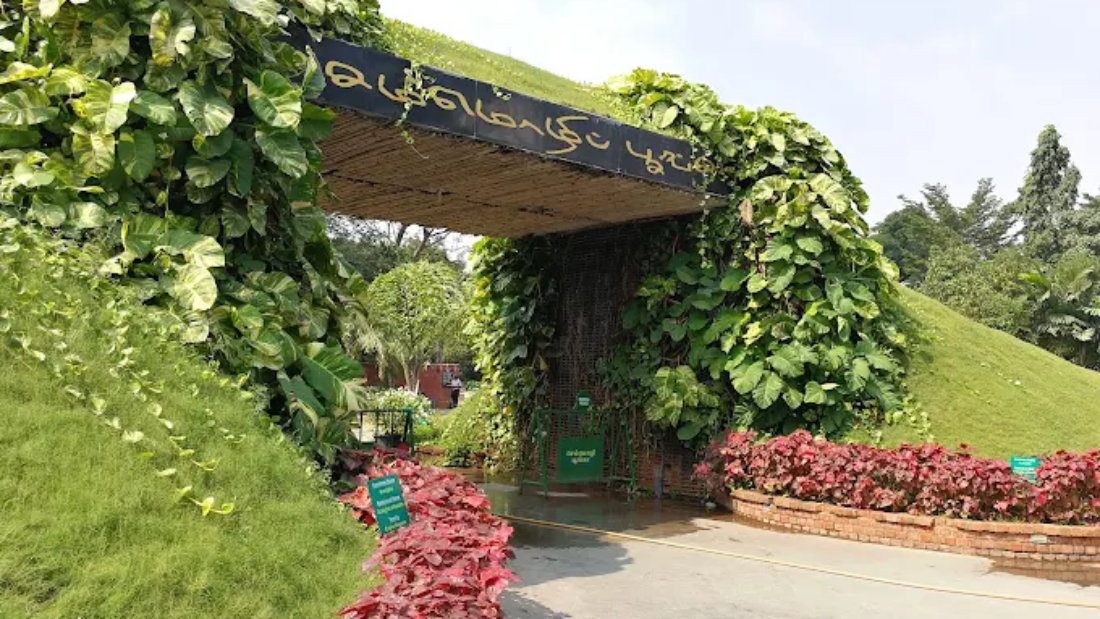
The Coimbatore City Municipal Corporation has taken a significant step in ensuring the long-term upkeep and sustainability of the newly developed Semmozhi Poonga by entrusting its maintenance to a private agency. The decision, formalized through a resolution passed by the Corporation Council on March 6, 2026, reflects a growing trend among urban local bodies to collaborate with private firms for efficient management of public infrastructure.
Spread across 45 acres, Semmozhi Poonga is one of Coimbatore’s most ambitious green projects, designed to serve as a major recreational and ecological space for residents. With landscaped gardens, children’s play zones, water features, and dining areas, the park is expected to attract a large number of visitors daily. Maintaining such a vast and dynamic space requires consistent effort, technical expertise, and a sizeable workforce—factors that influenced the Corporation’s decision to outsource the responsibility.
Under the new arrangement, M/s Srinivas Waste Management Services Pvt. Ltd. has been awarded the maintenance contract. The firm is already familiar with the city’s waste management systems, as it handles garbage collection across all Corporation zones under the solid waste management programme. Leveraging its existing experience and operational network, the agency is expected to ensure high standards of cleanliness and upkeep within the park.
A total of 228 personnel will be deployed for the maintenance of Semmozhi Poonga, highlighting the scale and complexity of the operation. The workforce will include sanitary workers, gardeners, supervisors, and specialized staff such as electricians, plumbers, and CCTV monitoring personnel. Additionally, security staff and pantry workers will be engaged to enhance visitor safety and convenience. This diverse team will work collectively to ensure that all aspects of the park—from landscaping to sanitation—are managed effectively.
The responsibilities assigned to the private agency are comprehensive. Apart from routine cleaning, the firm will be tasked with maintaining toilets, children’s play areas, and dining zones. Special emphasis has been placed on preventing water stagnation, a critical factor in avoiding mosquito breeding and the spread of vector-borne diseases. Regular spraying and quality checks will also be conducted to maintain hygiene standards and safeguard public health.
Another key aspect of the contract involves the procurement of necessary materials and equipment. The agency will supply personal protective equipment (PPE) for workers, cleaning materials, restroom accessories, and gardening tools. This integrated approach ensures that the maintenance process is not hindered by shortages or delays in acquiring essential supplies.
The annual cost of maintaining Semmozhi Poonga has been estimated at ₹6.70 crore. This expenditure covers wages for the workforce, procurement of materials, and other operational costs. While the amount is substantial, officials believe that investing in proper maintenance is crucial to preserving the park’s infrastructure and ensuring a positive experience for visitors. Well-maintained public spaces not only enhance the city’s aesthetic appeal but also contribute to the overall quality of life.
The decision to involve a private firm has sparked discussions among residents and civic observers. Supporters argue that professional agencies bring efficiency, accountability, and specialized expertise, which can lead to better outcomes compared to traditional municipal management. Critics, however, emphasize the need for strict monitoring and transparency to ensure that public funds are utilized effectively and that service standards are consistently met.
Municipal authorities have assured that the Corporation will closely supervise the agency’s performance. Regular inspections and performance reviews are expected to be part of the oversight mechanism. By maintaining a balance between outsourcing and accountability, the Corporation aims to set a benchmark for public-private partnerships in urban governance.
Semmozhi Poonga represents a significant investment in Coimbatore’s green infrastructure and urban development. Its success will depend not only on its design and facilities but also on the quality of its maintenance. With the new arrangement in place, the Corporation is hopeful that the park will remain clean, safe, and welcoming for years to come.
As cities continue to expand and public spaces become increasingly important, initiatives like this highlight the evolving strategies adopted by local governments. The collaboration between the Coimbatore Corporation and a private agency could serve as a model for other cities seeking sustainable and efficient ways to manage large-scale public amenities.
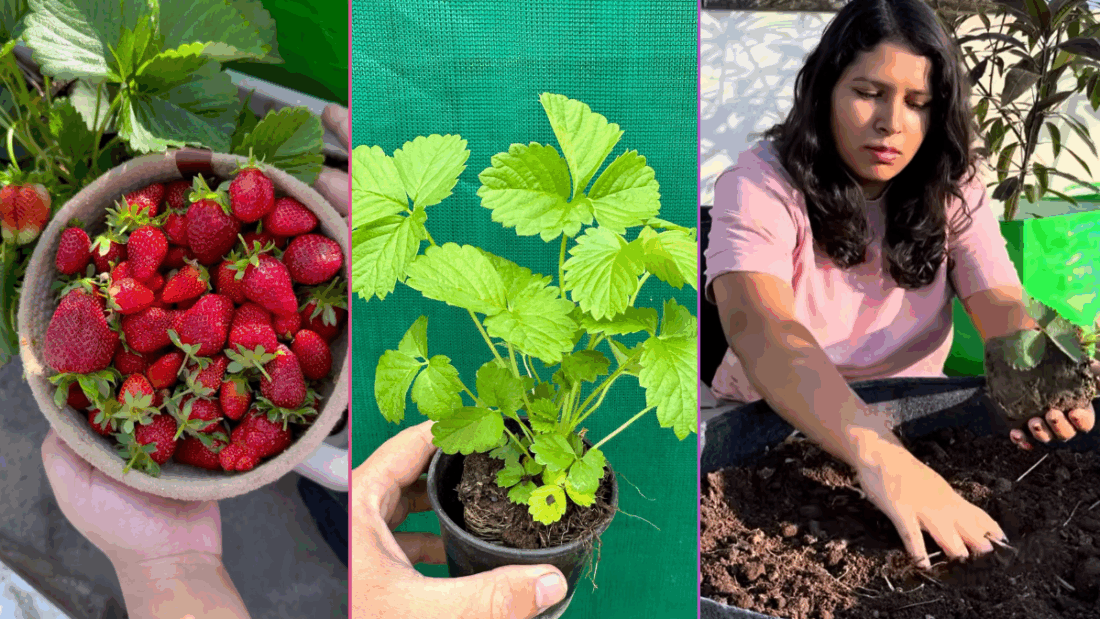
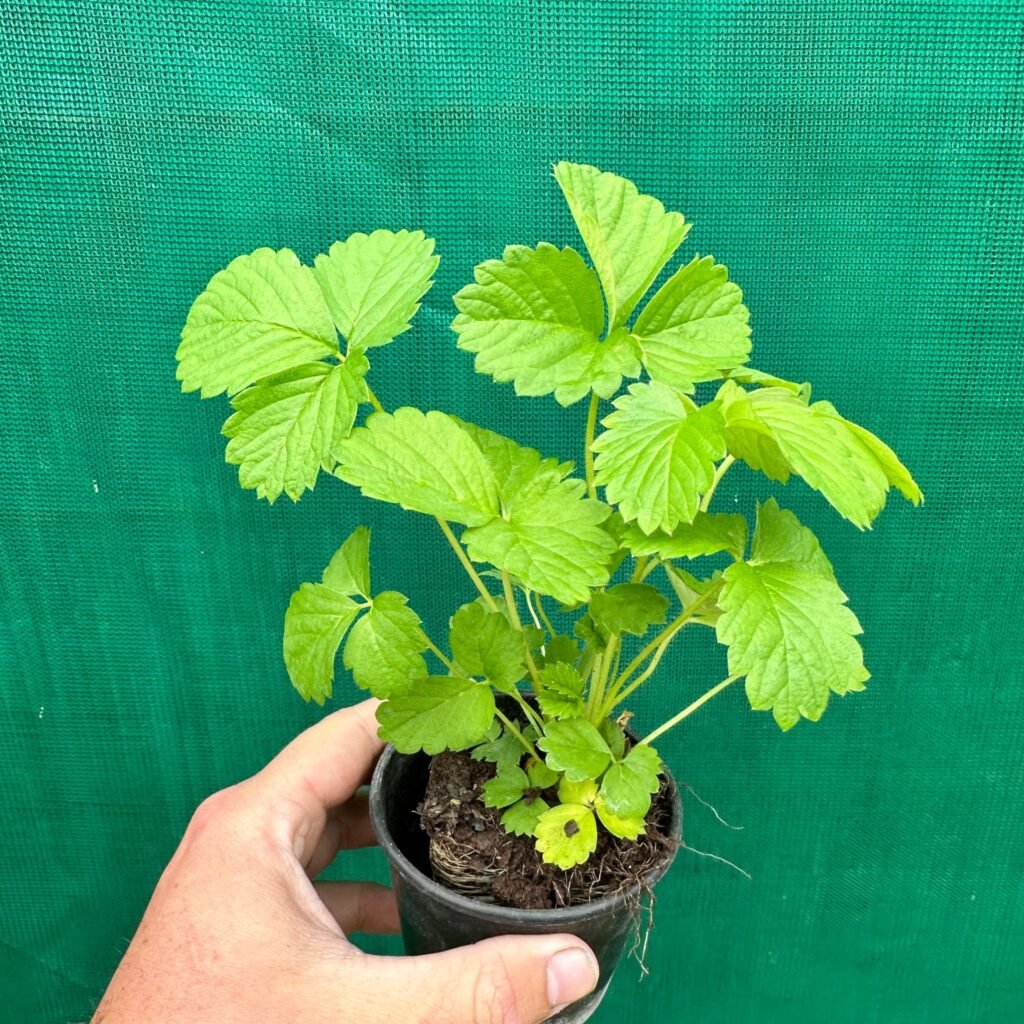
Growing strawberries at home is one of the most rewarding gardening experiences—especially for beginners. With the right care and a little patience, you can harvest fresh, juicy, organic strawberries even in small containers.
I’ve been growing strawberries in my terrace garden for over 5 years, focusing on container gardening in Indian conditions. Using simple grow bags and natural inputs, I’ve harvested over 4 kg of strawberries in a single season.
In this guide, I’ll share practical, real-world tips that actually worked for me.
Why Strawberries Are Perfect for Beginners
Strawberries are ideal if you’re new to gardening because:
They grow easily in containers
Require very little space
Start producing fruit within a few months
Multiply naturally through runners (baby plants)
Even if you only have a small balcony or terrace, you can grow a healthy strawberry garden.
Best Time to Plant Strawberries in India
The ideal planting season is:
September to November
During this period:
Plants focus on vegetative growth
Runners (baby plants) develop
Flowering and fruiting begin in winter
In my experience, planting in October gave the best results, as plants had enough time to establish before flowering.
Seed vs Nursery Plants: What Should You Choose?
While strawberries can be grown from seeds, I don’t recommend it for beginners.
My Recommendation:
Buy plants from a local nursery (₹40–₹50 per plant)
Choose runner-producing varieties like Chandler
Why nursery plants?
Seeds often have low germination rates
Growth is slow and inconsistent
Nursery plants are faster, stronger, and more reliable
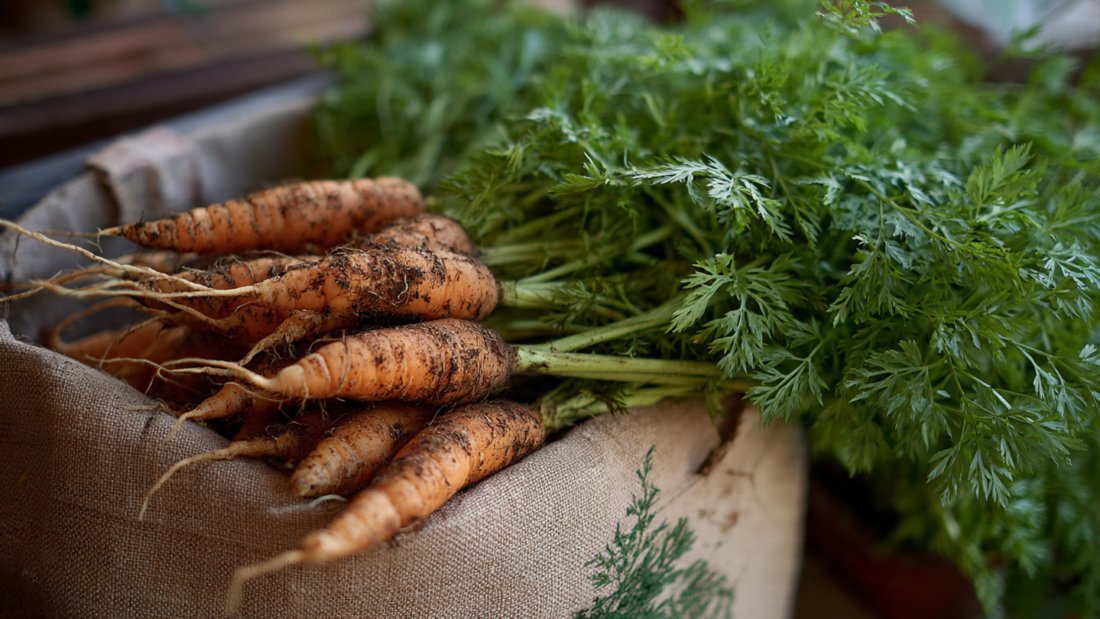
Carrots are one of the easiest and most rewarding vegetables to grow at home. Whether you have a spacious backyard or a small balcony garden, carrots can thrive with just a little care and attention. Beyond their vibrant color and crunchy texture, carrots are packed with nutrients and offer numerous health benefits. In this guide, we’ll walk you through how to grow carrots at home, explore different carrot types, understand their nutritional value, and even share juice and recipe ideas.
Why Grow Carrots at Home?
Growing carrots at home ensures you get fresh, chemical-free produce straight from your garden. Homegrown carrots are often sweeter, more flavorful, and more nutritious than store-bought ones. Plus, gardening itself is a relaxing and fulfilling activity.
Carrots are also beginner-friendly. With proper soil preparation and watering, you can successfully grow them even if you’re new to gardening.
Carrot Types You Should Know
Carrots come in various shapes, sizes, and colors. Choosing the right type depends on your soil and space.
1. Nantes Carrots
Cylindrical shape with blunt tips
Sweet and tender
Ideal for beginners
2. Imperator Carrots
Long and slender
Commonly found in supermarkets
Require deep, loose soil
3. Danvers Carrots
Medium length with a conical shape
Good for heavy or clay soil
Strong flavor
4. Chantenay Carrots
Short and thick
Perfect for shallow or container gardening
Very hardy
5. Rainbow Carrots
Available in purple, yellow, red, and white
Rich in different antioxidants
Visually appealing for meals
How to Grow Carrots at Home
Growing carrots is simple if you follow these steps:
1. Choose the Right Location
Carrots need full sunlight for at least 5–6 hours a day. Choose a spot that gets plenty of natural light.
2. Prepare the Soil
Soil should be loose, sandy, and well-drained
Remove stones and debris to prevent misshapen roots
Add compost to enrich the soil
3. Sowing Seeds
Sow seeds directly into the soil (carrots don’t transplant well)
Plant seeds about ¼ inch deep
Space rows 1–2 feet apart
4. Watering
Keep the soil consistently moist
Avoid overwatering, which can cause rot
Light watering daily works best during germination
5. Thinning
Once seedlings grow about 2 inches tall, thin them out to give space for proper root development.
6. Fertilizing
Use a low-nitrogen fertilizer. Too much nitrogen leads to leafy growth instead of root growth.
7. Harvesting
Carrots are ready in 60–80 days depending on the variety
Gently pull them out when they reach the desired size
Common Problems and Tips
Forked carrots: Caused by hard soil or stones
Slow growth: Lack of nutrients or sunlight
Pests: Use natural remedies like neem oil
Weeds: Keep the area weed-free to avoid competition
Carrot Benefits for Health
Carrots are a powerhouse of health benefits:
1. Improves Eye Health
Rich in beta-carotene, carrots help maintain good vision and prevent eye disorders.
2. Boosts Immunity
Loaded with antioxidants and vitamins, carrots strengthen your immune system.
3. Supports Heart Health
Fiber and potassium help regulate blood pressure and cholesterol levels.
4. Promotes Skin Health
Carrots contribute to glowing skin due to their high vitamin A content.
5. Aids Digestion
Dietary fiber helps improve digestion and prevent constipation.
Carrot Nutrition Facts
Carrots are low in calories but high in essential nutrients. Here’s what you get in a 100g serving:
Calories: ~41
Carbohydrates: 9.6g
Fiber: 2.8g
Vitamin A: Over 300% of daily requirement
Vitamin K, Vitamin C, and Potassium
The high beta-carotene content converts into vitamin A, which is essential for vision, immunity, and skin health.
Refreshing Carrot Juice Recipe
Carrot juice is one of the healthiest drinks you can make at home.
Ingredients:
4–5 fresh carrots
1 small piece of ginger
½ lemon (optional)
Honey (optional)
Method:
Wash and peel the carrots
Cut into small pieces
Blend with ginger and a little water
Strain if needed
Add lemon juice and honey for taste
Benefits of Carrot Juice:
Detoxifies the body
Improves skin glow
Boosts energy levels
Easy Carrot Recipe Ideas
Carrots are versatile and can be used in a variety of dishes.
1. Carrot Salad
Grated carrots with lemon juice, salt, and coriander
Light, fresh, and nutritious
2. Carrot Halwa (Indian Dessert)
Made with grated carrots, milk, sugar, and ghee
A delicious traditional treat
3. Carrot Soup
Blend cooked carrots with spices and herbs
Perfect for a healthy meal
4. Stir-Fried Carrots
Quick sauté with garlic and spices
Great side dish
5. Carrot Smoothie
Blend carrots with banana, milk, and honey
A healthy breakfast option
Tips for Growing Carrots in Containers
If you don’t have a garden, you can still grow carrots in pots.
Use deep containers (at least 12 inches)
Choose short varieties like Chantenay
Ensure proper drainage
Keep soil loose and well-aerated
Container gardening is perfect for urban homes and balconies.
Best Time to Grow Carrots
Carrots prefer cooler weather.
In India: Best grown during winter (October to February)
Avoid extreme heat as it affects root development
Final Thoughts
Growing carrots at home is simple, rewarding, and highly beneficial. From choosing the right carrot types to understanding their benefits and nutrition, carrots truly deserve a place in your garden. Not only do they provide fresh produce, but they also contribute to a healthier lifestyle.
With their versatility, you can enjoy carrots in juices, salads, desserts, and cooked dishes. Whether you’re a gardening enthusiast or a beginner, carrots are a perfect crop to start with.
So grab some seeds, prepare your soil, and start growing your own delicious and nutritious carrots today!
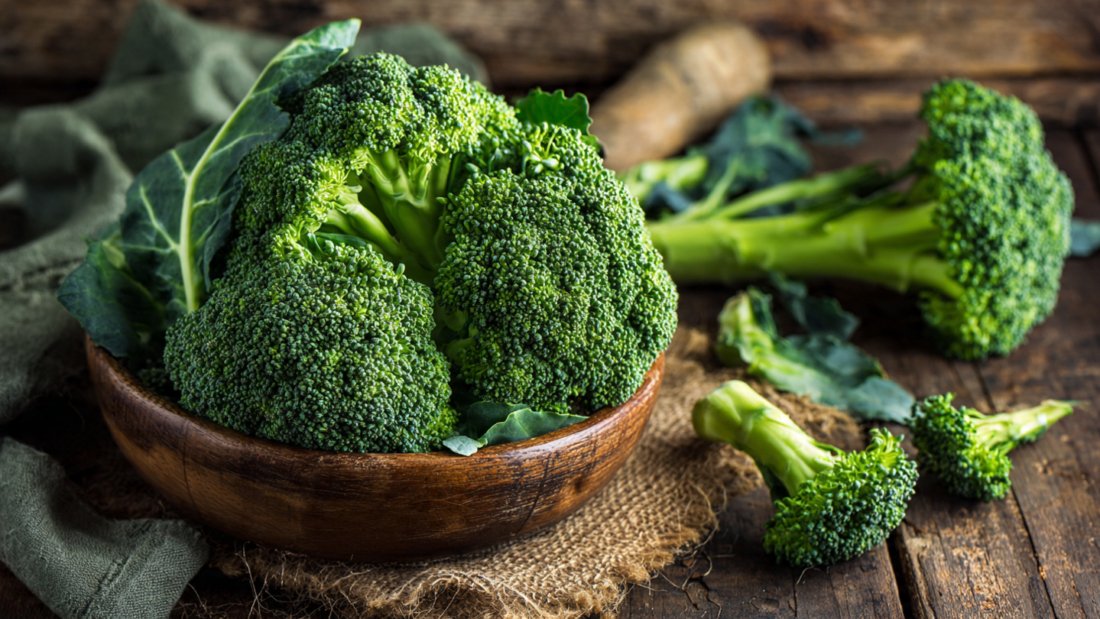
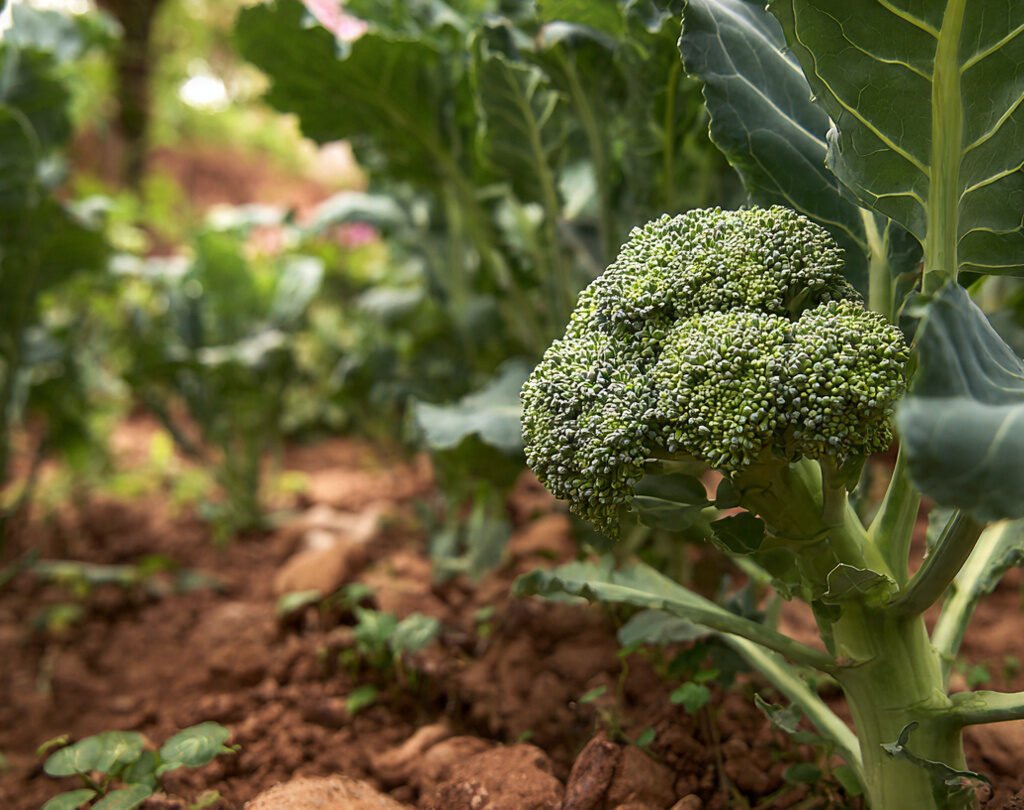
Broccoli is one of the most nutritious and versatile vegetables you can grow in your kitchen garden. Packed with essential vitamins, minerals, and antioxidants, this green superfood is not only easy to cultivate but also offers numerous health benefits. Whether you are a beginner gardener or an experienced grower, learning how to grow broccoli at home can be a rewarding experience.
In this guide, we’ll explore everything you need to know—from planting and caring for broccoli in your kitchen garden to understanding broccoli benefits, broccoli nutrition, and how to cook broccoli in delicious ways.
Why Grow Broccoli in Your Kitchen Garden?
Growing broccoli at home has several advantages. First, you get fresh, chemical-free produce right at your doorstep. Second, broccoli plants don’t require too much space, making them perfect for small kitchen gardens or even balcony pots.
Additionally, homegrown broccoli tastes better than store-bought ones and retains more nutrients. It is also cost-effective in the long run and gives you full control over how your vegetables are grown.
How to Grow Broccoli in Your Kitchen Garden
1. Choosing the Right Variety
There are different types of broccoli, but the most common ones for kitchen gardening include:
Calabrese broccoli
Sprouting broccoli
Purple broccoli
Choose a variety that suits your local climate. In India, broccoli grows best during the winter season.
2. Ideal Climate and Soil
Broccoli is a cool-season crop and thrives in temperatures between 18°C to 24°C. It grows best in well-drained, fertile soil rich in organic matter.
Soil requirements:
pH level: 6.0 to 7.0
Rich in compost or organic manure
Good drainage
Before planting, mix compost into the soil to improve fertility.
3. Planting Broccoli Seeds
You can grow broccoli either from seeds or seedlings.
Steps to plant:
Sow seeds about 0.5 cm deep in seed trays.
Keep the soil moist but not waterlogged.
Seeds germinate in 5–10 days.
Transplant seedlings when they have 4–5 leaves.
Maintain spacing of about 30–45 cm between plants.
4. Watering and Care
Broccoli requires consistent moisture for proper growth.
Water regularly, especially during dry periods
Avoid overwatering
Use mulch to retain moisture
Ensure the plants receive at least 5–6 hours of sunlight daily.
5. Fertilizing
Feed your broccoli plants with organic fertilizers like compost, vermicompost, or liquid fertilizers every 2–3 weeks. Nitrogen-rich fertilizers help in healthy leaf and head development.
6. Pest and Disease Control
Common pests include aphids, cabbage worms, and flea beetles.
Natural solutions:
Neem oil spray
Hand-picking pests
Companion planting (like mint or marigold)
Keep your garden clean and monitor plants regularly.
7. Harvesting Broccoli
Broccoli is ready to harvest in 60–90 days after planting.
Cut the main head when it is firm and tight
Harvest before flowers start to open
Side shoots will continue to grow after cutting
Broccoli Benefits
Broccoli is often called a “superfood” due to its incredible health benefits.
1. Boosts Immunity
Broccoli is rich in vitamin C, which strengthens the immune system and helps fight infections.
2. Supports Heart Health
It contains fiber, antioxidants, and compounds that reduce cholesterol levels and improve heart health.
3. Aids in Digestion
The high fiber content promotes healthy digestion and prevents constipation.
4. Helps in Weight Loss
Low in calories and high in nutrients, broccoli is perfect for weight management.
5. Fights Inflammation
Broccoli contains powerful antioxidants that reduce inflammation in the body.
6. Supports Bone Health
It provides calcium and vitamin K, which are essential for strong bones.
Broccoli Nutrition
Broccoli is loaded with essential nutrients that your body needs daily.
Nutritional value per 100g (approx.):
Calories: 34 kcal
Protein: 2.8 g
Fiber: 2.6 g
Vitamin C: 89 mg
Vitamin K: 101 mcg
Folate: 63 mcg
Potassium: 316 mg
It is also rich in antioxidants like sulforaphane, which is known for its anti-cancer properties.
How to Cook Broccoli
Cooking broccoli the right way ensures that you retain its nutrients while enhancing its taste. Here are some easy and healthy methods:
1. Steamed Broccoli
Steaming is one of the healthiest ways to cook broccoli.
Steps:
Cut broccoli into florets
Steam for 5–7 minutes
Add salt, pepper, and lemon juice
This method preserves most nutrients.
2. Stir-Fried Broccoli
A quick and flavorful option.
Steps:
Heat oil in a pan
Add garlic and broccoli
Stir-fry for 5–6 minutes
Season with salt and soy sauce
3. Boiled Broccoli
Boiling is simple but may reduce some nutrients.
Steps:
Boil water with salt
Add broccoli and cook for 3–5 minutes
Drain and serve
4. Roasted Broccoli
Roasting enhances flavor and texture.
Steps:
Toss broccoli with olive oil, salt, and spices
Roast at 200°C for 20 minutes
Serve crispy and golden
5. Broccoli Soup
A healthy and comforting dish.
Steps:
Cook broccoli with onions and garlic
Blend into a smooth paste
Add salt, pepper, and cream (optional)
Delicious Broccoli Recipes to Try
Here are some easy broccoli recipes you can make at home:
Broccoli salad with lemon dressing
Broccoli pasta
Broccoli paratha
Broccoli stir-fry with paneer
Creamy broccoli soup
These recipes are not only tasty but also packed with nutrients.
Tips for Growing Broccoli Successfully
Choose the right season (winter is best in India)
Use organic compost regularly
Avoid overcrowding plants
Keep soil moist but well-drained
Harvest at the right time
Conclusion
Growing broccoli in your kitchen garden is a simple and rewarding process that provides you with fresh, nutritious vegetables right at home. With proper care, the right climate, and a little patience, you can enjoy a healthy harvest.
Not only does broccoli offer numerous health benefits, but it is also highly versatile in the kitchen. From steamed dishes to soups and stir-fries, there are countless ways to include this superfood in your daily diet.
Start growing broccoli today and take a step toward a healthier and more sustainable lifestyle!