How to Grow Carrots at Home: Carrot Types, Benefits, Nutrition, Juice & Recipe Ideas

How to Grow Carrots at Home: Carrot Types, Benefits, Nutrition, Juice & Recipe Ideas

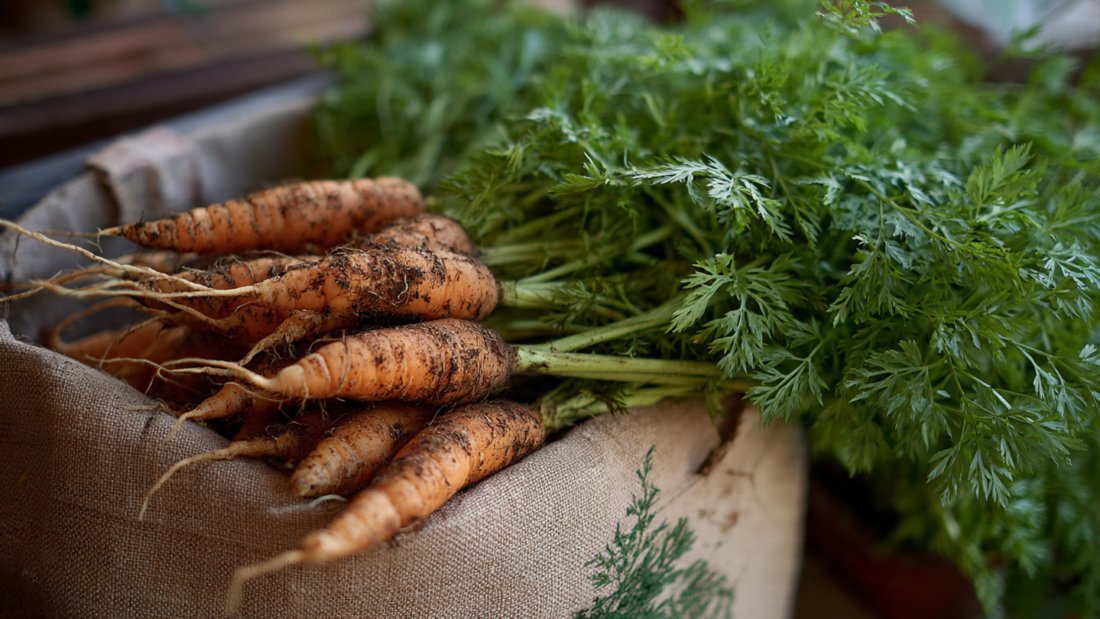
Carrots are one of the easiest and most rewarding vegetables to grow at home. Whether you have a spacious backyard or a small balcony garden, carrots can thrive with just a little care and attention. Beyond their vibrant color and crunchy texture, carrots are packed with nutrients and offer numerous health benefits. In this guide, we’ll walk you through how to grow carrots at home, explore different carrot types, understand their nutritional value, and even share juice and recipe ideas.


Why Grow Carrots at Home?

Growing carrots at home ensures you get fresh, chemical-free produce straight from your garden. Homegrown carrots are often sweeter, more flavorful, and more nutritious than store-bought ones. Plus, gardening itself is a relaxing and fulfilling activity.

Carrots are also beginner-friendly. With proper soil preparation and watering, you can successfully grow them even if you’re new to gardening.


Carrot Types You Should Know
Carrot Types You Should Know

Carrots come in various shapes, sizes, and colors. Choosing the right type depends on your soil and space.

1. Nantes Carrots

  • Cylindrical shape with blunt tips
  • Sweet and tender
  • Ideal for beginners

2. Imperator Carrots

  • Long and slender
  • Commonly found in supermarkets
  • Require deep, loose soil

3. Danvers Carrots

  • Medium length with a conical shape
  • Good for heavy or clay soil
  • Strong flavor

4. Chantenay Carrots

  • Short and thick
  • Perfect for shallow or container gardening
  • Very hardy

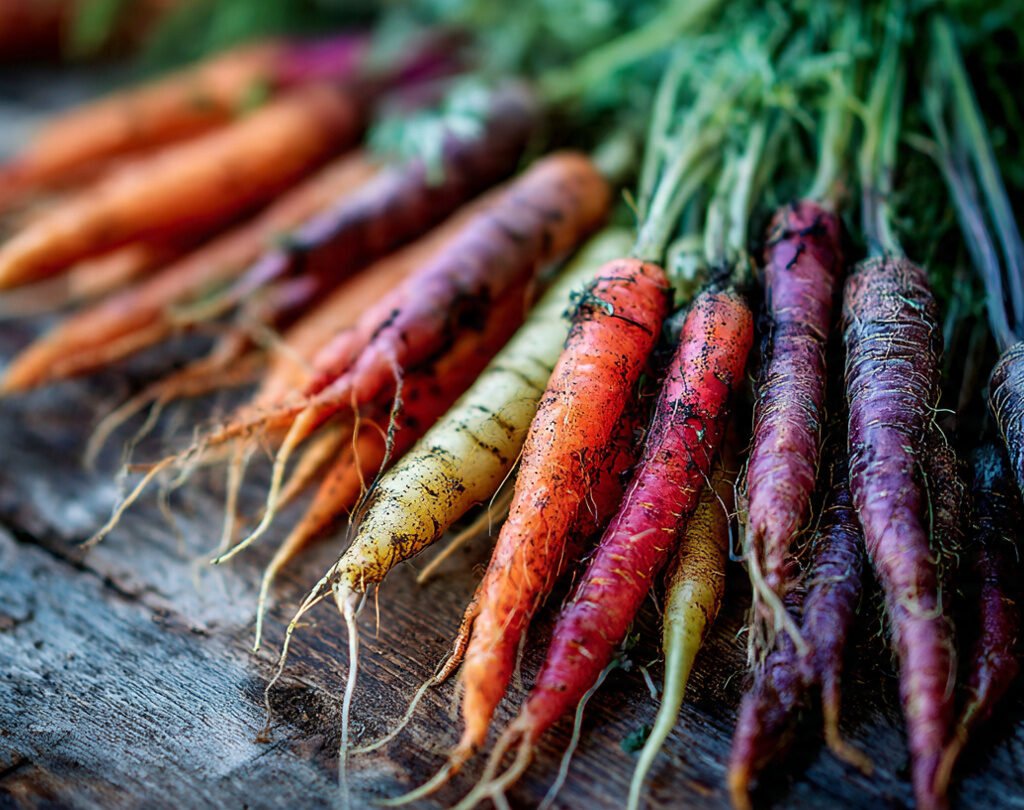
5. Rainbow Carrots

  • Available in purple, yellow, red, and white
  • Rich in different antioxidants
  • Visually appealing for meals

How to Grow Carrots at Home

Growing carrots is simple if you follow these steps:

1. Choose the Right Location

Carrots need full sunlight for at least 5–6 hours a day. Choose a spot that gets plenty of natural light.

2. Prepare the Soil

  • Soil should be loose, sandy, and well-drained
  • Remove stones and debris to prevent misshapen roots
  • Add compost to enrich the soil

3. Sowing Seeds

  • Sow seeds directly into the soil (carrots don’t transplant well)
  • Plant seeds about ¼ inch deep
  • Space rows 1–2 feet apart

4. Watering

  • Keep the soil consistently moist
  • Avoid overwatering, which can cause rot
  • Light watering daily works best during germination

5. Thinning

Once seedlings grow about 2 inches tall, thin them out to give space for proper root development.

6. Fertilizing

Use a low-nitrogen fertilizer. Too much nitrogen leads to leafy growth instead of root growth.

7. Harvesting

  • Carrots are ready in 60–80 days depending on the variety
  • Gently pull them out when they reach the desired size

Common Problems and Tips

  • Forked carrots: Caused by hard soil or stones
  • Slow growth: Lack of nutrients or sunlight
  • Pests: Use natural remedies like neem oil
  • Weeds: Keep the area weed-free to avoid competition

Carrot Benefits for Health
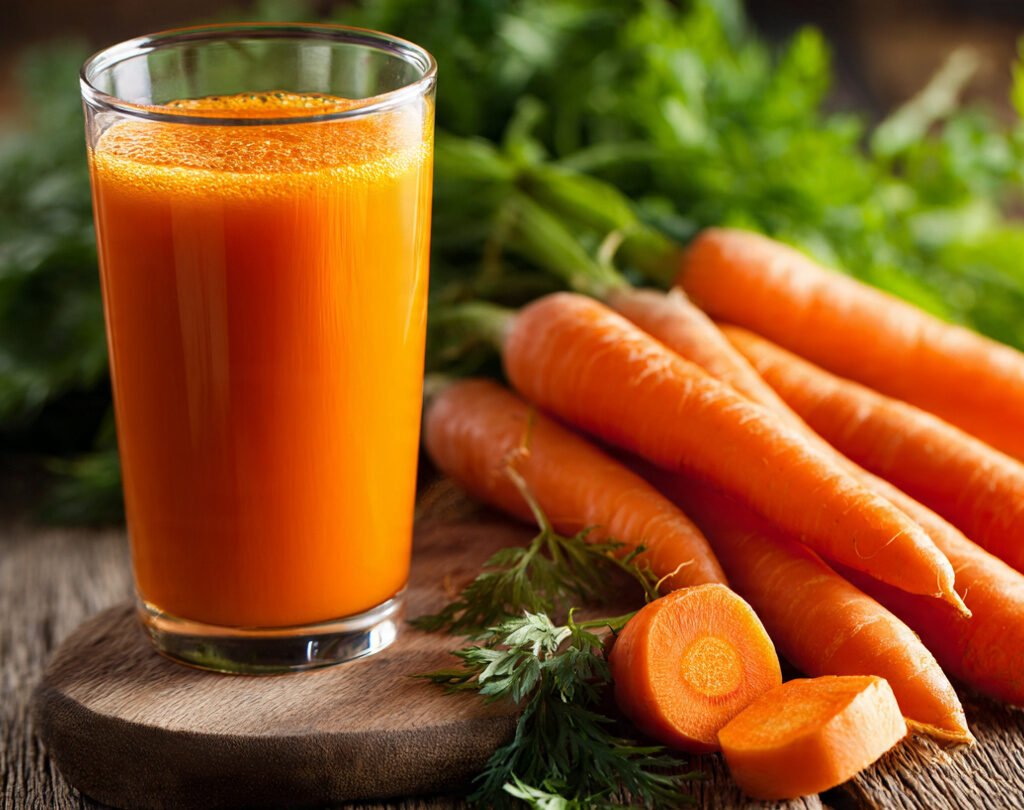
Carrots are a powerhouse of health benefits:

1. Improves Eye Health

Rich in beta-carotene, carrots help maintain good vision and prevent eye disorders.

2. Boosts Immunity

Loaded with antioxidants and vitamins, carrots strengthen your immune system.

3. Supports Heart Health

Fiber and potassium help regulate blood pressure and cholesterol levels.

4. Promotes Skin Health

Carrots contribute to glowing skin due to their high vitamin A content.

5. Aids Digestion

Dietary fiber helps improve digestion and prevent constipation.


Carrot Nutrition Facts

Carrots are low in calories but high in essential nutrients. Here’s what you get in a 100g serving:

  • Calories: ~41
  • Carbohydrates: 9.6g
  • Fiber: 2.8g
  • Vitamin A: Over 300% of daily requirement
  • Vitamin K, Vitamin C, and Potassium

The high beta-carotene content converts into vitamin A, which is essential for vision, immunity, and skin health.


Refreshing Carrot Juice Recipe

Carrot juice is one of the healthiest drinks you can make at home.

Ingredients:

  • 4–5 fresh carrots
  • 1 small piece of ginger
  • ½ lemon (optional)
  • Honey (optional)

Method:

  1. Wash and peel the carrots
  2. Cut into small pieces
  3. Blend with ginger and a little water
  4. Strain if needed
  5. Add lemon juice and honey for taste

Benefits of Carrot Juice:

  • Detoxifies the body
  • Improves skin glow
  • Boosts energy levels

Easy Carrot Recipe Ideas
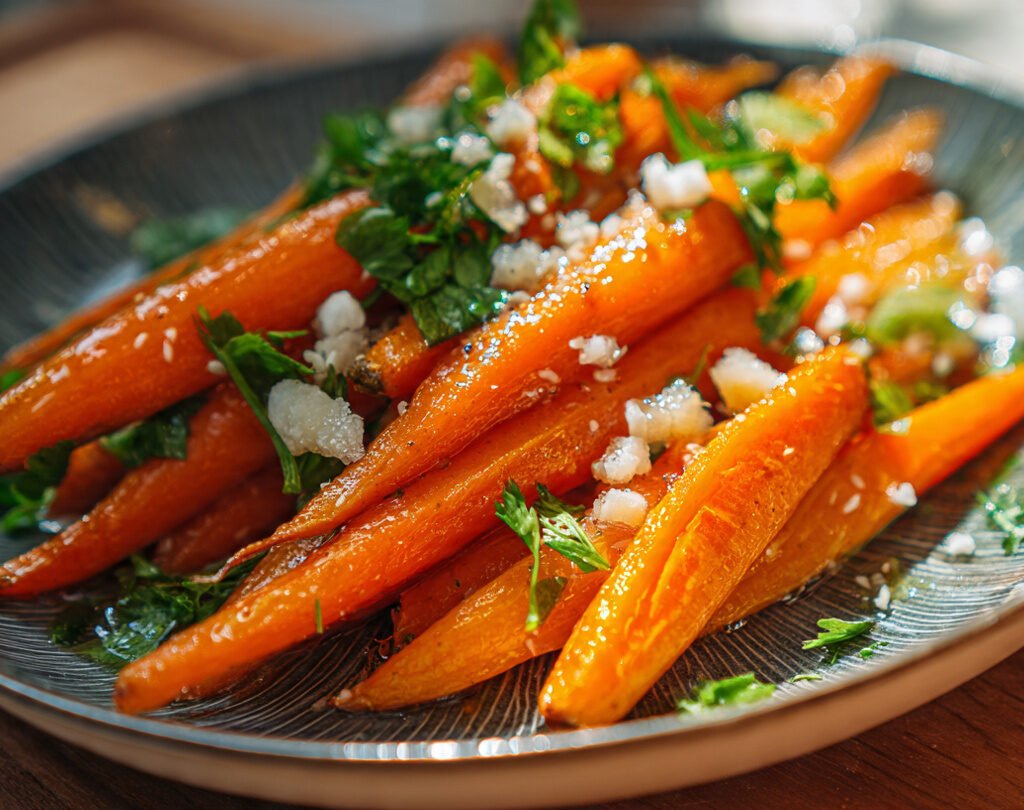
Carrots are versatile and can be used in a variety of dishes.

1. Carrot Salad

  • Grated carrots with lemon juice, salt, and coriander
  • Light, fresh, and nutritious

2. Carrot Halwa (Indian Dessert)

  • Made with grated carrots, milk, sugar, and ghee
  • A delicious traditional treat

3. Carrot Soup

  • Blend cooked carrots with spices and herbs
  • Perfect for a healthy meal

4. Stir-Fried Carrots

  • Quick sauté with garlic and spices
  • Great side dish

5. Carrot Smoothie

  • Blend carrots with banana, milk, and honey
  • A healthy breakfast option

Tips for Growing Carrots in Containers

If you don’t have a garden, you can still grow carrots in pots.

  • Use deep containers (at least 12 inches)
  • Choose short varieties like Chantenay
  • Ensure proper drainage
  • Keep soil loose and well-aerated

Container gardening is perfect for urban homes and balconies.


Best Time to Grow Carrots

Carrots prefer cooler weather.

  • In India: Best grown during winter (October to February)
  • Avoid extreme heat as it affects root development

Final Thoughts

Growing carrots at home is simple, rewarding, and highly beneficial. From choosing the right carrot types to understanding their benefits and nutrition, carrots truly deserve a place in your garden. Not only do they provide fresh produce, but they also contribute to a healthier lifestyle.

With their versatility, you can enjoy carrots in juices, salads, desserts, and cooked dishes. Whether you’re a gardening enthusiast or a beginner, carrots are a perfect crop to start with.

So grab some seeds, prepare your soil, and start growing your own delicious and nutritious carrots today!
How to Grow Broccoli in Your Kitchen Garden: Its Benefits, Nutrition & How to Cook Broccoli

How to Grow Broccoli in Your Kitchen Garden: Its Benefits, Nutrition & How to Cook Broccoli

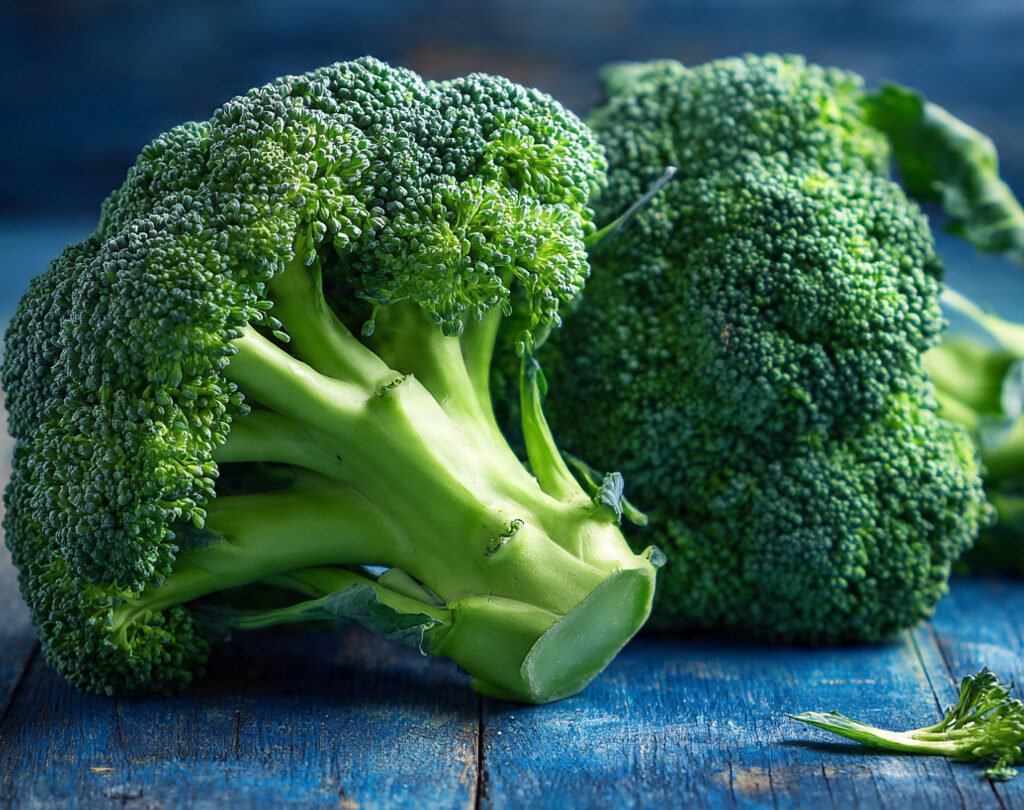
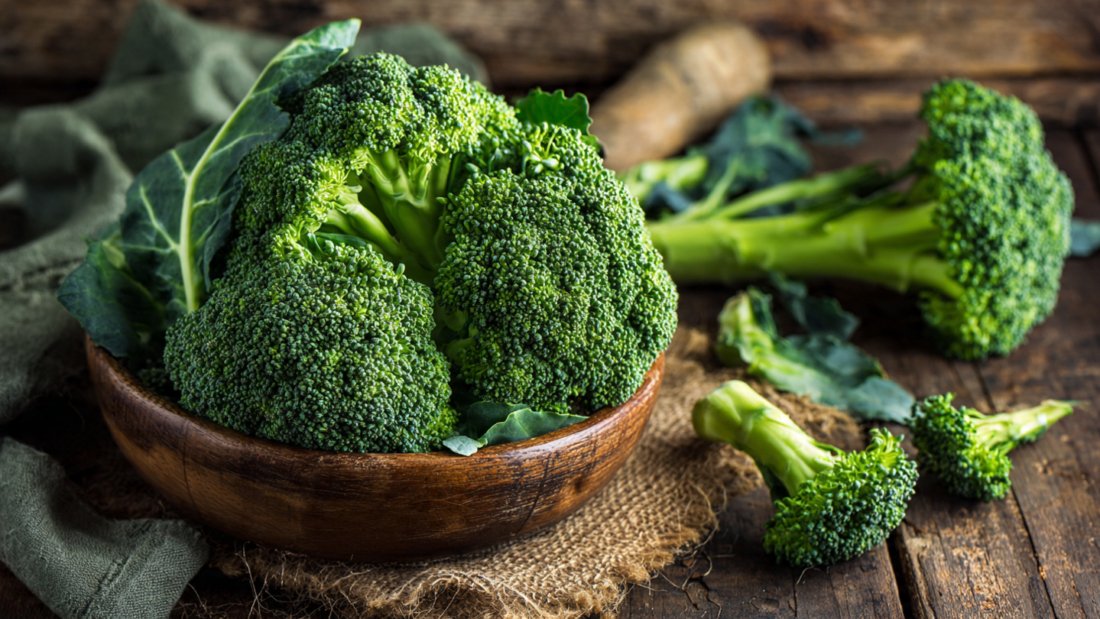
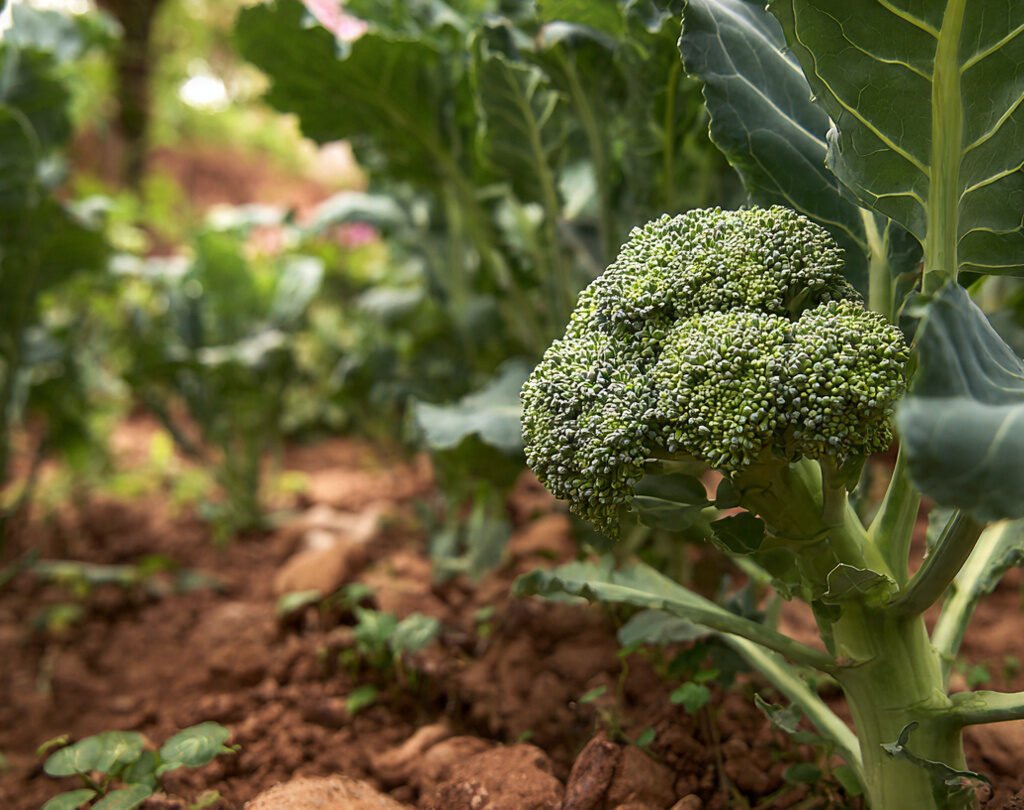
Broccoli is one of the most nutritious and versatile vegetables you can grow in your kitchen garden. Packed with essential vitamins, minerals, and antioxidants, this green superfood is not only easy to cultivate but also offers numerous health benefits. Whether you are a beginner gardener or an experienced grower, learning how to grow broccoli at home can be a rewarding experience.

In this guide, we’ll explore everything you need to know—from planting and caring for broccoli in your kitchen garden to understanding broccoli benefits, broccoli nutrition, and how to cook broccoli in delicious ways.

How to Grow Broccoli in Your Kitchen Garden

Why Grow Broccoli in Your Kitchen Garden?

Growing broccoli at home has several advantages. First, you get fresh, chemical-free produce right at your doorstep. Second, broccoli plants don’t require too much space, making them perfect for small kitchen gardens or even balcony pots.

Additionally, homegrown broccoli tastes better than store-bought ones and retains more nutrients. It is also cost-effective in the long run and gives you full control over how your vegetables are grown.


How to Grow Broccoli in Your Kitchen Garden

1. Choosing the Right Variety

There are different types of broccoli, but the most common ones for kitchen gardening include:

  • Calabrese broccoli
  • Sprouting broccoli
  • Purple broccoli

Choose a variety that suits your local climate. In India, broccoli grows best during the winter season.


2. Ideal Climate and Soil

Broccoli is a cool-season crop and thrives in temperatures between 18°C to 24°C. It grows best in well-drained, fertile soil rich in organic matter.

Soil requirements:

  • pH level: 6.0 to 7.0
  • Rich in compost or organic manure
  • Good drainage

Before planting, mix compost into the soil to improve fertility.


3. Planting Broccoli Seeds

You can grow broccoli either from seeds or seedlings.

Steps to plant:

  1. Sow seeds about 0.5 cm deep in seed trays.
  2. Keep the soil moist but not waterlogged.
  3. Seeds germinate in 5–10 days.
  4. Transplant seedlings when they have 4–5 leaves.

Maintain spacing of about 30–45 cm between plants.


4. Watering and Care

Broccoli requires consistent moisture for proper growth.

  • Water regularly, especially during dry periods
  • Avoid overwatering
  • Use mulch to retain moisture

Ensure the plants receive at least 5–6 hours of sunlight daily.


5. Fertilizing

Feed your broccoli plants with organic fertilizers like compost, vermicompost, or liquid fertilizers every 2–3 weeks. Nitrogen-rich fertilizers help in healthy leaf and head development.


6. Pest and Disease Control

Common pests include aphids, cabbage worms, and flea beetles.

Natural solutions:

  • Neem oil spray
  • Hand-picking pests
  • Companion planting (like mint or marigold)

Keep your garden clean and monitor plants regularly.


7. Harvesting Broccoli

Broccoli is ready to harvest in 60–90 days after planting.

  • Cut the main head when it is firm and tight
  • Harvest before flowers start to open
  • Side shoots will continue to grow after cutting

Broccoli Benefits

Broccoli Benefits

Broccoli is often called a “superfood” due to its incredible health benefits.

1. Boosts Immunity

Broccoli is rich in vitamin C, which strengthens the immune system and helps fight infections.

2. Supports Heart Health

It contains fiber, antioxidants, and compounds that reduce cholesterol levels and improve heart health.

3. Aids in Digestion

The high fiber content promotes healthy digestion and prevents constipation.

4. Helps in Weight Loss

Low in calories and high in nutrients, broccoli is perfect for weight management.

5. Fights Inflammation

Broccoli contains powerful antioxidants that reduce inflammation in the body.

6. Supports Bone Health

It provides calcium and vitamin K, which are essential for strong bones.


Broccoli Nutrition

Broccoli Nutrition

Broccoli is loaded with essential nutrients that your body needs daily.

Nutritional value per 100g (approx.):

  • Calories: 34 kcal
  • Protein: 2.8 g
  • Fiber: 2.6 g
  • Vitamin C: 89 mg
  • Vitamin K: 101 mcg
  • Folate: 63 mcg
  • Potassium: 316 mg

It is also rich in antioxidants like sulforaphane, which is known for its anti-cancer properties.


How to Cook Broccoli

Cooking broccoli the right way ensures that you retain its nutrients while enhancing its taste. Here are some easy and healthy methods:


1. Steamed Broccoli

Steaming is one of the healthiest ways to cook broccoli.

Steps:

  • Cut broccoli into florets
  • Steam for 5–7 minutes
  • Add salt, pepper, and lemon juice

This method preserves most nutrients.


2. Stir-Fried Broccoli

A quick and flavorful option.

Steps:

  • Heat oil in a pan
  • Add garlic and broccoli
  • Stir-fry for 5–6 minutes
  • Season with salt and soy sauce

3. Boiled Broccoli

Boiling is simple but may reduce some nutrients.

Steps:

  • Boil water with salt
  • Add broccoli and cook for 3–5 minutes
  • Drain and serve

4. Roasted Broccoli

Roasting enhances flavor and texture.

Steps:

  • Toss broccoli with olive oil, salt, and spices
  • Roast at 200°C for 20 minutes
  • Serve crispy and golden

5. Broccoli Soup

A healthy and comforting dish.

Steps:

  • Cook broccoli with onions and garlic
  • Blend into a smooth paste
  • Add salt, pepper, and cream (optional)

Delicious Broccoli Recipes to Try

Here are some easy broccoli recipes you can make at home:

  • Broccoli salad with lemon dressing
  • Broccoli pasta
  • Broccoli paratha
  • Broccoli stir-fry with paneer
  • Creamy broccoli soup

These recipes are not only tasty but also packed with nutrients.


Tips for Growing Broccoli Successfully

  • Choose the right season (winter is best in India)
  • Use organic compost regularly
  • Avoid overcrowding plants
  • Keep soil moist but well-drained
  • Harvest at the right time

Conclusion

Growing broccoli in your kitchen garden is a simple and rewarding process that provides you with fresh, nutritious vegetables right at home. With proper care, the right climate, and a little patience, you can enjoy a healthy harvest.

Not only does broccoli offer numerous health benefits, but it is also highly versatile in the kitchen. From steamed dishes to soups and stir-fries, there are countless ways to include this superfood in your daily diet.

Start growing broccoli today and take a step toward a healthier and more sustainable lifestyle!