Ever looked at an old, unused tire lying around and thought it was just junk? Think again! With a little creativity, that tire can become a super productive, space-saving garden — perfect for growing fresh, healthy cabbage right at home.
Cabbage is one of America’s favorite cool-weather vegetables. It’s packed with vitamins, easy to grow, and versatile in the kitchen — from coleslaw to soups to stir-fries. But what if you don’t have much garden space? Or you want to try a fun, sustainable way to grow your own veggies?
That’s where the old tire gardening method comes in. Not only does it recycle waste, but it also creates a warm, nutrient-rich microenvironment that helps cabbage grow faster and bigger — even from seeds!
In this guide, you’ll learn step-by-step how to grow cabbage from seeds using an old tire, plus helpful tips to maximize your harvest.
Why Use an Old Tire for Gardening?
Before we dive into cabbage-growing, let’s talk about why old tires make fantastic garden planters.
1. Great Heat Retention:
Tires absorb warmth during the day and release it at night, helping cabbage seeds germinate faster — especially in cooler U.S. climates.
2. Perfect Shape and Depth:
Their round, deep structure allows cabbage roots to grow freely and stay well-aerated.
3. Budget-Friendly:
Why spend on new pots when you can reuse what you already have?
4. Portable and Durable:
Tires can be placed anywhere — balcony, patio, driveway, or backyard — and withstand harsh weather for years.
5. Eco-Friendly:
Repurposing tires helps reduce landfill waste and promotes sustainable living.
With a single old tire, you can turn an eyesore into a lush, green, edible garden.
What You’ll Need to Get Started
You don’t need fancy equipment — just some basic materials and a little effort.
Supplies:
- 1 old car or truck tire (cleaned thoroughly)
- Potting soil or garden soil mix
- Organic compost or aged manure
- Cabbage seeds (choose your preferred variety)
- Watering can or hose
- Gardening gloves
- Optional: mulch (straw, dried leaves, or wood chips)
Best Cabbage Varieties for Tire Gardens (U.S. climates):
- Golden Acre: Fast-maturing and compact.
- Savoy: Crinkled, tender leaves and cold-tolerant.
- Red Express: Beautiful reddish-purple heads.
- Late Flat Dutch: Great for larger tires and big heads.
Step-by-Step: How to Grow Cabbage from Seeds in an Old Tire
Let’s turn that tire into a mini cabbage paradise!
Step 1: Clean and Prepare the Tire
Start by cleaning the tire to remove any dirt, oil, or debris. Scrub it with soap and water, then rinse thoroughly.
If you want, paint the tire’s outer surface with eco-friendly paint to give it a fresh, decorative look — plus, it keeps it cooler under strong sun.
Place the tire in a sunny area that gets at least 6 hours of sunlight per day.
Step 2: Create Drainage
Good drainage is key for healthy cabbage roots.
- Place a layer of gravel, pebbles, or broken clay pieces at the bottom of the tire.
- If possible, drill 3–4 small holes through the bottom rubber to let excess water escape.
Step 3: Fill with Nutrient-Rich Soil
Cabbage is a heavy feeder, meaning it needs nutrient-dense soil.
Mix the following for perfect tire-garden soil:
- 60% high-quality potting mix or garden soil
- 30% organic compost or aged manure
- 10% sand or coco peat for better drainage
Fill the tire nearly to the top, leaving about 1–2 inches of space from the rim.
Pro Tip: Add crushed eggshells or a handful of wood ash to boost calcium and prevent “cabbage head splitting.”
Step 4: Sow the Cabbage Seeds
Now comes the exciting part — planting your seeds!
- Make small holes (½ inch deep) about 4–6 inches apart in the soil.
- Drop 2–3 seeds into each hole.
- Cover lightly with soil and water gently.
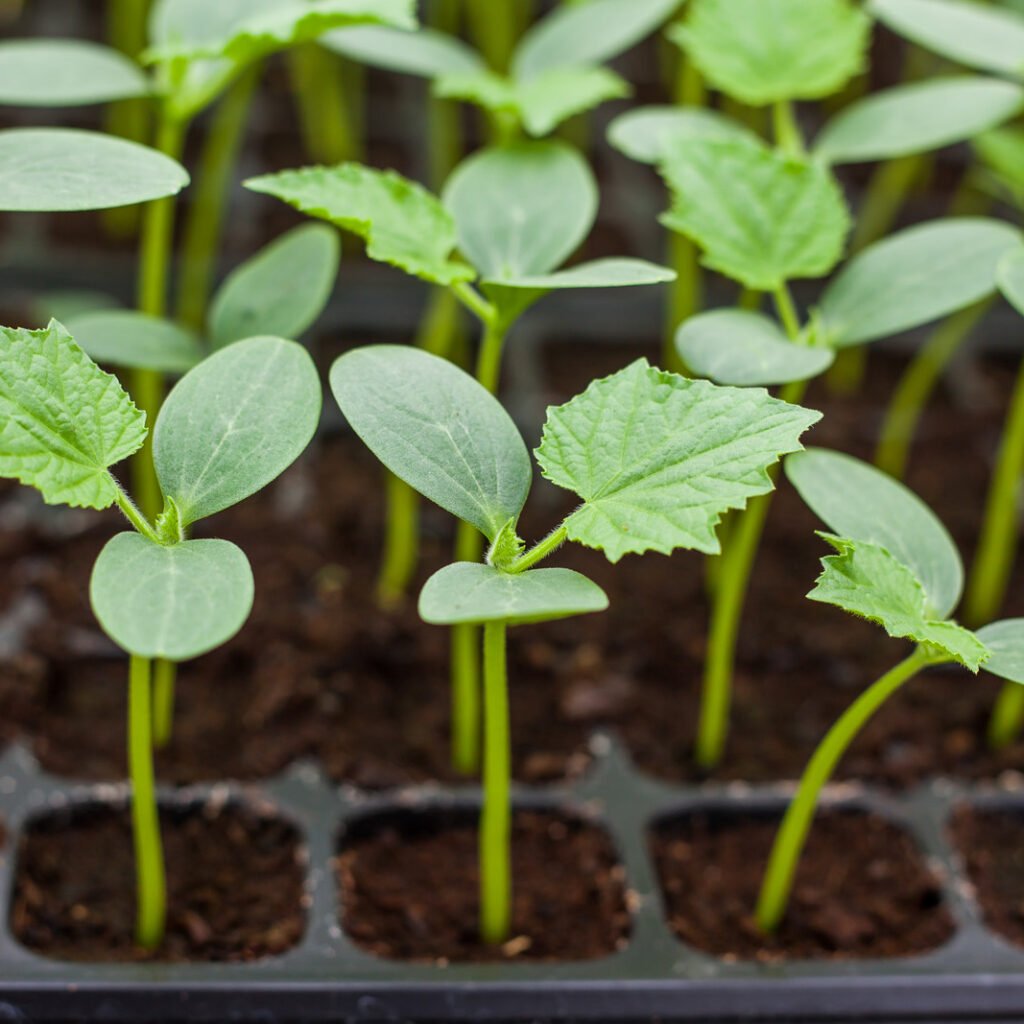
In about 7–10 days, the seeds will germinate. Once the seedlings are about 3 inches tall, thin them out — keeping the strongest plant every 10–12 inches.
Step 5: Watering and Sunlight Care
Cabbage loves consistent moisture but hates soggy soil. Keep the soil evenly moist by watering every 2–3 days or when the top inch feels dry.
Place the tire garden in a spot that gets full to partial sunlight — ideally 6–8 hours daily.
If you live in a hotter U.S. region (like Texas or Florida), provide some afternoon shade to prevent heat stress.
Step 6: Feeding for Faster Growth
After 3 weeks, start feeding your cabbage plants to help them grow larger heads.
Use:
- Organic compost tea every 2 weeks, or
- A balanced fertilizer (10-10-10 NPK) once a month.
Avoid over-fertilizing — too much nitrogen makes big leaves but small heads.
Step 7: Mulching and Weed Control
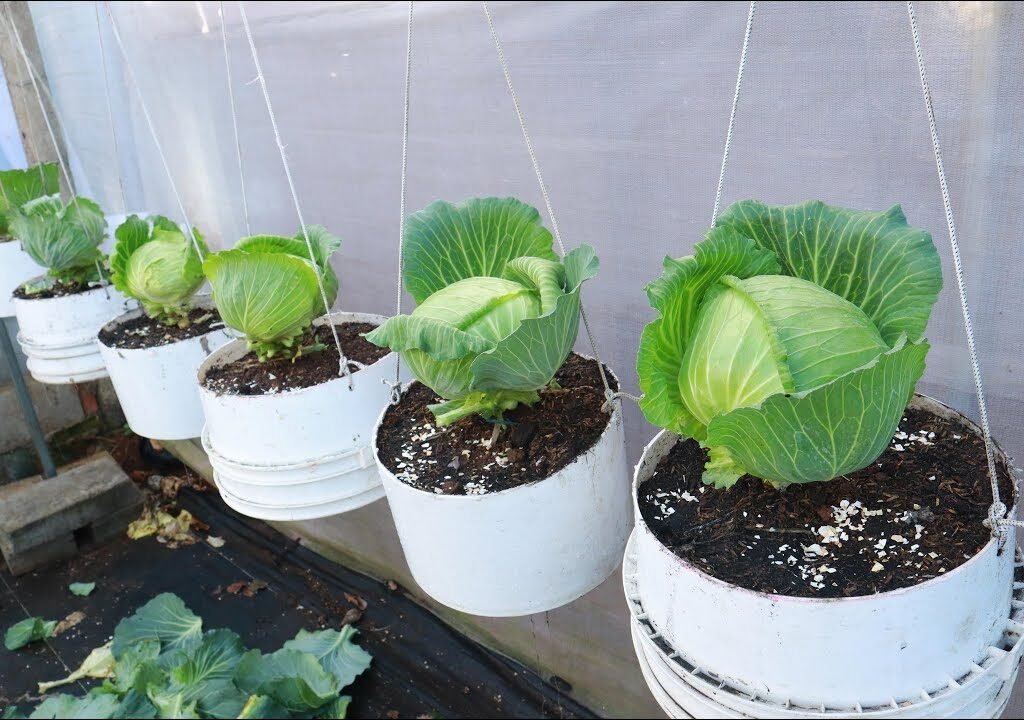
Cover the soil with mulch (straw, leaves, or shredded bark) to:
- Retain moisture
- Suppress weeds
- Keep soil temperature stable
Mulching also reduces the need for frequent watering — perfect for busy gardeners!
Step 8: Pest Protection
Cabbage can attract a few common pests like:
- Cabbage worms
- Aphids
- Slugs and snails
To protect your tire garden:
- Spray with neem oil or a mild soap-water solution weekly.
- Use mesh netting or row covers to block insects.
- Sprinkle crushed eggshells or diatomaceous earth around plants to deter slugs.
Step 9: Harvesting Your Homegrown Cabbage
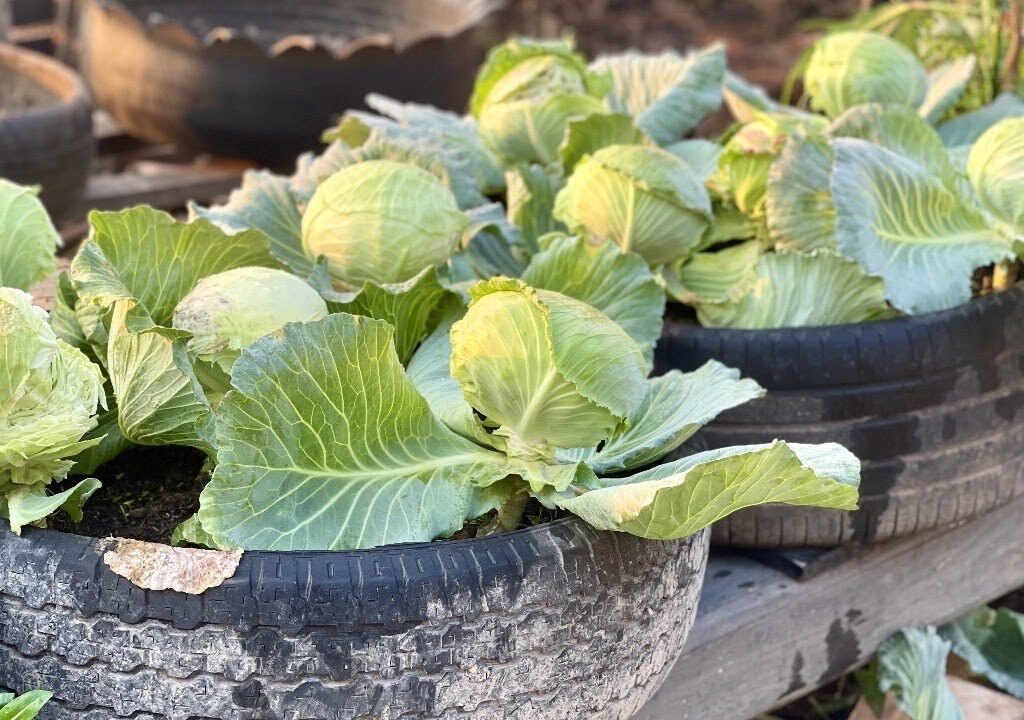
Depending on the variety, your cabbage will be ready to harvest in 70–100 days.
You’ll know it’s ready when:
- The head feels firm and compact when squeezed.
- The outer leaves start to curl slightly.
Use a sharp knife to cut the cabbage head at the base, leaving a few lower leaves intact — these can produce a second, smaller head in a few weeks!
Bonus Tip: Keep Your Tire Garden Productive Year-Round
- Spring & Fall: Perfect for growing full-sized cabbage.
- Summer: Use the tire to grow heat-tolerant greens like spinach or kale.
- Winter: Move the tire to a sunny porch or greenhouse for cold-weather crops.
This way, your tire garden stays active throughout the year — no downtime, no wasted space.
Common Mistakes to Avoid
| Mistake | Problem | Solution |
|---|---|---|
| Overwatering | Root rot, stunted growth | Water only when topsoil feels dry |
| Crowded seedlings | Small heads | Thin to 10–12 inches apart |
| Too much fertilizer | Loose or splitting heads | Use compost, not excessive chemical feed |
| Poor drainage | Yellowing leaves | Add gravel and holes at the bottom |
| Lack of sunlight | Weak, floppy plants | Ensure at least 6 hours of sun daily |
The Eco-Friendly Impact: Turning Trash Into Treasure
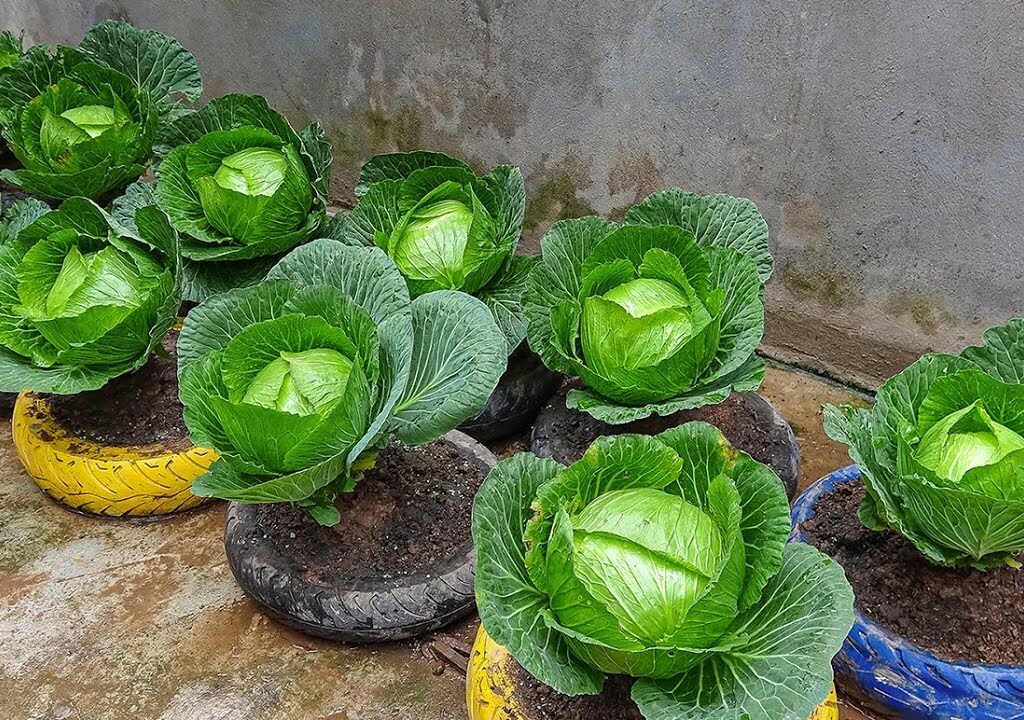
Old tires are one of the hardest materials to recycle — they take hundreds of years to decompose. By turning them into productive planters, you’re helping the planet while growing your own food.
You’re also:
- Reducing waste
- Saving money on store-bought produce
- Creating a self-sustaining mini garden right in your backyard
It’s a small step toward a greener, more sustainable lifestyle — and it starts with just one tire.
Health Benefits of Homegrown Cabbage
Cabbage isn’t just easy to grow — it’s one of the healthiest veggies around.
High in Vitamin C: Boosts immunity.
Rich in Fiber: Supports digestion.
Low in Calories: Great for weight management.
Packed with Antioxidants: Helps reduce inflammation.
Freshly harvested cabbage tastes sweeter, crunchier, and more flavorful than store-bought — and you’ll know it’s completely chemical-free.
Final Thoughts: From Tire to Table
Who knew that something as ordinary as an old tire could transform into a thriving vegetable garden? With just a bit of effort, you can grow cabbage from seeds effortlessly, even in limited spaces.
This DIY project is eco-friendly, budget-friendly, and beginner-approved. Whether you’re an urban gardener or a suburban homesteader, this method guarantees a rewarding harvest — lush green leaves and compact, crisp heads ready for your next meal.