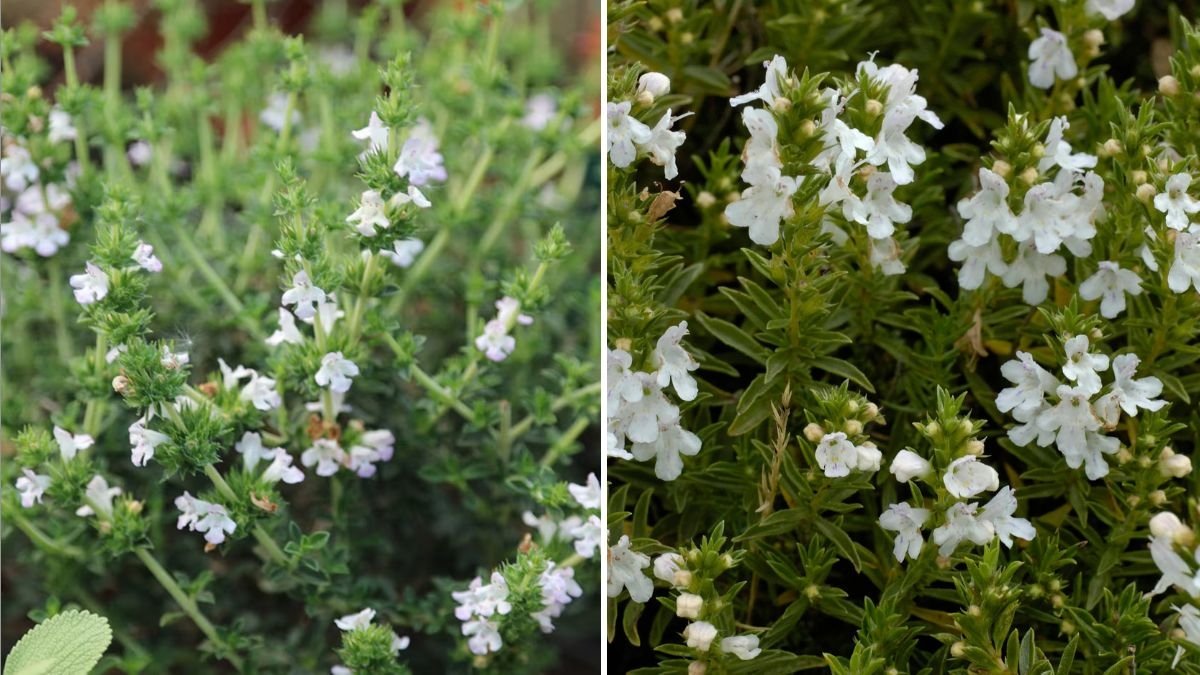
When the days grow shorter and frost dusts the garden, most herbs fade away—except for one resilient culinary champion: winter savory (Satureja montana). Known for its peppery flavor, evergreen foliage, and incredible cold tolerance, winter savory is the unsung hero of American herb gardens.
A close cousin to thyme and rosemary, winter savory adds a robust, slightly spicy flavor to dishes, especially those featuring beans, meats, and root vegetables. Beyond the kitchen, it’s prized for its antibacterial and digestive benefits, making it a natural remedy and flavor booster in one.
Whether you’re an experienced gardener or just beginning your herbal journey, winter savory deserves a spot in your garden this season. Let’s explore how this hardy herb thrives in cold climates, enhances American winter dishes, and supports natural wellness all year long.
1. What Is Winter Savory? A Hardy Herb with a Bold Personality
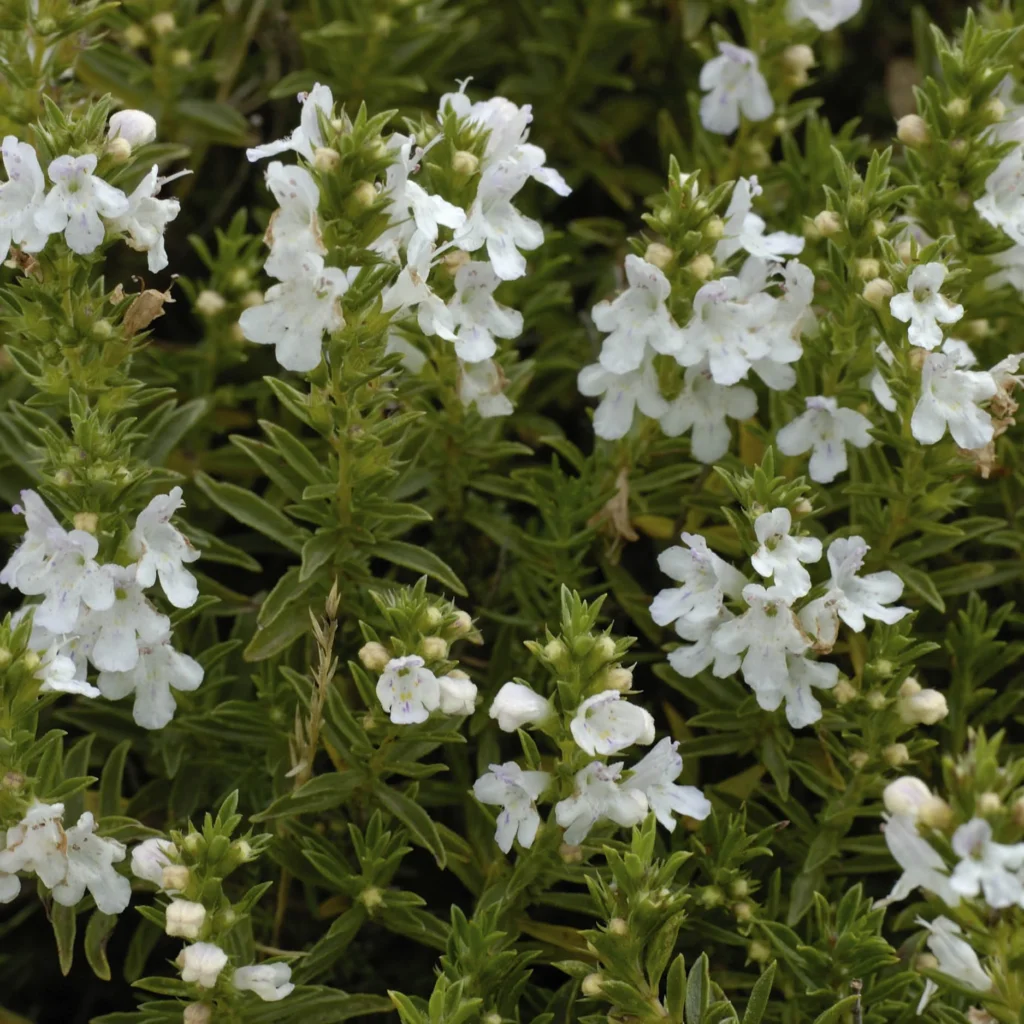
Winter savory is a perennial evergreen herb native to the Mediterranean region. Unlike its tender cousin, summer savory (Satureja hortensis), which thrives only in warm months, winter savory stands strong through cold weather, snow, and frost.
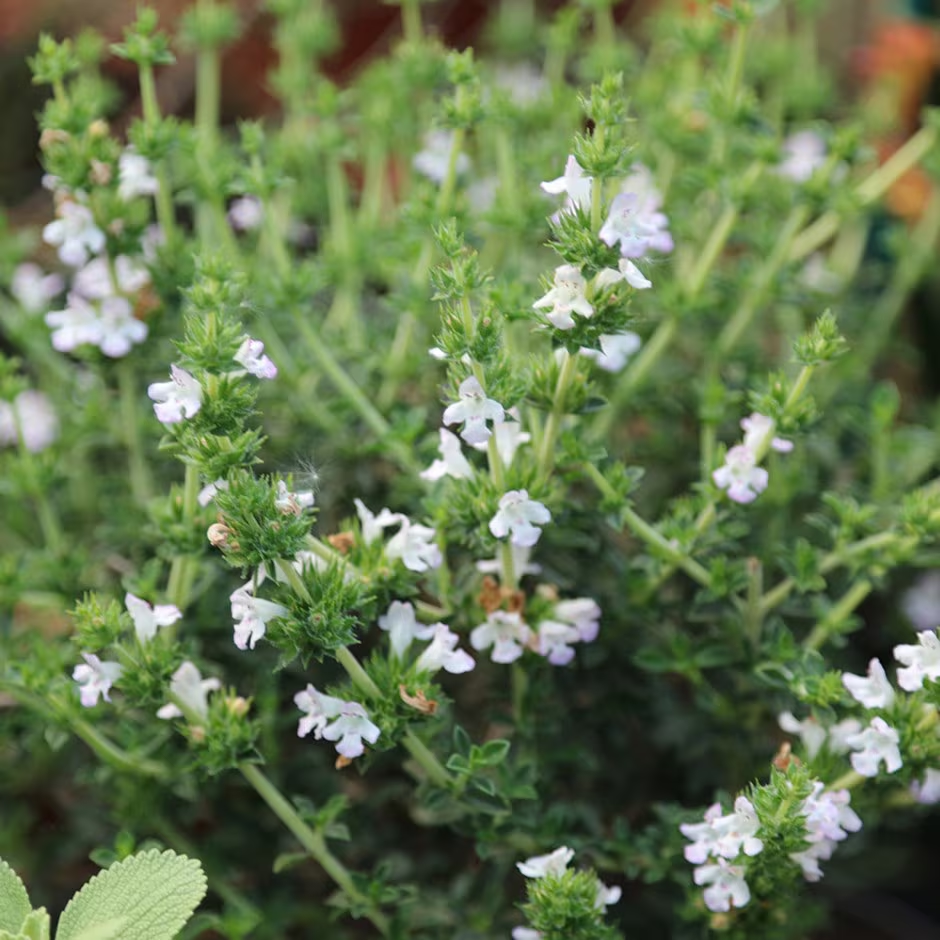
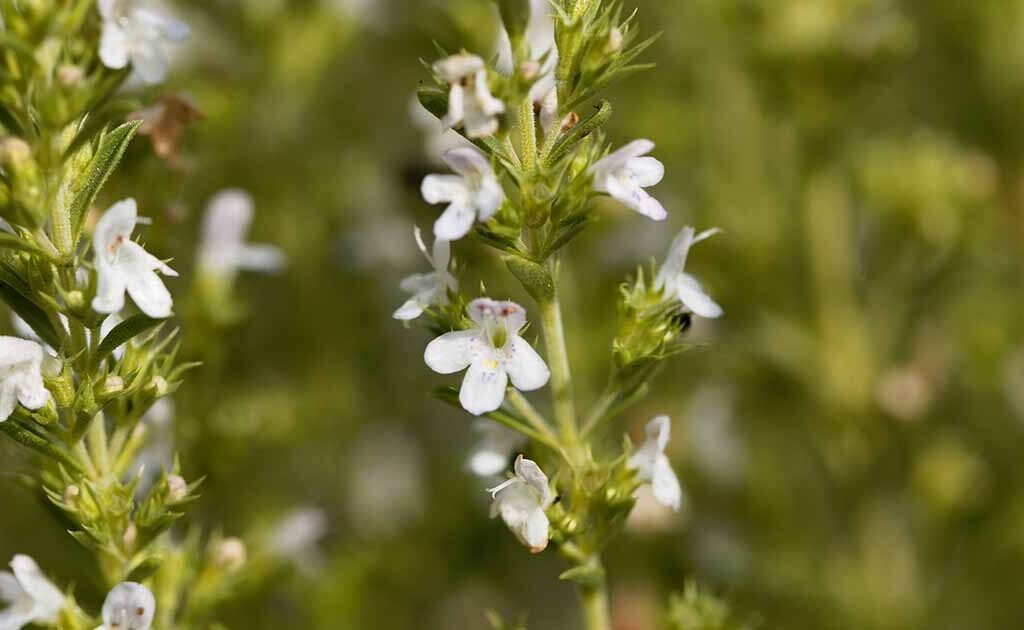
This aromatic plant forms a compact, bushy mound, typically growing 12–18 inches tall, with woody stems and dark green leaves that stay vibrant even in winter. Its small white or pale pink flowers appear in midsummer, attracting bees and beneficial pollinators to your garden.
Flavor-wise, winter savory has a stronger, spicier, and slightly piney taste compared to summer savory, making it ideal for heartier dishes like roasts, bean stews, and winter soups. It’s sometimes called the “herb of love,” both for its ancient symbolism and its ability to add warmth and passion to cold-weather cooking.

2. Why American Gardeners Love Winter Savory
Winter savory has become increasingly popular among American herb gardeners for several good reasons:
- Cold-Hardy and Evergreen: Unlike most herbs that die back in fall, winter savory stays green and flavorful even through frost and snow.
- Low Maintenance: Once established, it thrives with minimal care and little water.
- Pollinator-Friendly: Its summer blooms attract bees, butterflies, and other pollinators, supporting local ecosystems.
- Flavorful and Versatile: Its peppery taste adds depth to meat dishes, beans, and savory sauces.
- Medicinal Value: Known for aiding digestion and relieving gas or bloating after heavy meals.
For Americans living in cooler regions or zones 5–9, winter savory is a reliable herb that keeps on giving—season after season.
3. Growing Winter Savory in Your Garden
Choosing the Right Spot
Winter savory thrives in full sun—at least six hours of sunlight daily. It prefers well-drained, sandy or loamy soil, similar to what thyme or rosemary enjoy. Avoid heavy clay or wet soils, as these can lead to root rot.
Planting from Seeds or Cuttings
You can start winter savory in early spring using seeds indoors, or propagate from cuttings or transplants for faster growth.
- Seeds: Sow lightly in seed trays and cover with a thin layer of soil. Germination takes 2–3 weeks.
- Transplanting: Move seedlings outdoors after the last frost, spacing them 12–15 inches apart.
- Cuttings: Take 4–6 inch cuttings from a mature plant, root them in moist soil, and transplant when established.
Soil and Watering Tips
- Soil pH: Slightly alkaline (6.7–7.3) works best.
- Watering: Keep soil slightly moist until established, then water only when the top inch feels dry.
- Fertilizing: A light compost application in spring is enough; avoid overfeeding, as rich soil can weaken flavor.
Pruning and Maintenance
Trim back winter savory after flowering to encourage bushy growth and prevent woody stems. In late fall, lightly prune to shape the plant before winter sets in.
Pro Tip: Winter savory can live for 4–5 years or more. Replace older plants every few seasons for optimal flavor and vitality.

4. Container Gardening with Winter Savory
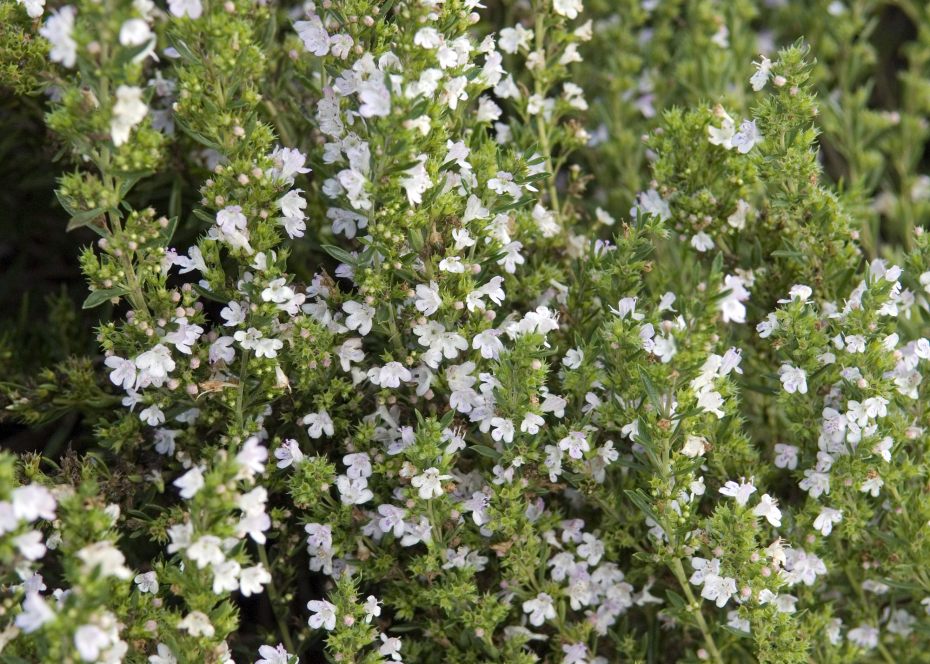
For urban gardeners or those with limited space, winter savory grows wonderfully in containers. Use a terra-cotta or ceramic pot with drainage holes and a gritty potting mix (equal parts soil, sand, and perlite).
Place it in a sunny window or balcony, and water sparingly. Container-grown winter savory is perfect for kitchen herb gardens, allowing you to snip fresh leaves even during snowy months.
5. Harvesting and Preserving Winter Savory
You can harvest winter savory throughout the year, but the leaves are most aromatic right before flowering in midsummer.
How to Harvest:
- Cut stems with sharp scissors or shears.
- Leave at least one-third of the plant intact for regrowth.
To Dry:
- Tie stems in small bundles.
- Hang them upside down in a cool, airy place for about a week.
- Strip dried leaves and store them in airtight jars.
Dried winter savory retains its strong, spicy flavor and can last up to a year—ideal for seasoning winter dishes when the garden rests.

6. Winter Savory in the Kitchen: Flavor with a Kick
If you’re looking to elevate your winter recipes, this herb is your secret weapon. Winter savory brings a peppery, earthy kick that enhances hearty dishes and balances rich, fatty foods.
Best Culinary Uses:
- Bean Dishes: Add to black beans, lentils, or baked beans to reduce gas and boost flavor.
- Meat and Poultry: Perfect in marinades, rubs, or stews with lamb, chicken, or beef.
- Vegetable Roasts: Sprinkle over roasted root veggies or potatoes for an herby aroma.
- Stuffings and Sauces: Adds warmth to gravies, dressings, and savory bread stuffings.
- Herbal Butter: Mix finely chopped leaves into butter with garlic and lemon zest for a flavorful spread.
Because its flavor is strong, use winter savory sparingly—a little goes a long way. It also pairs beautifully with thyme, rosemary, oregano, and bay leaf for Mediterranean-style blends.
7. Health Benefits of Winter Savory: A Natural Digestive Aid
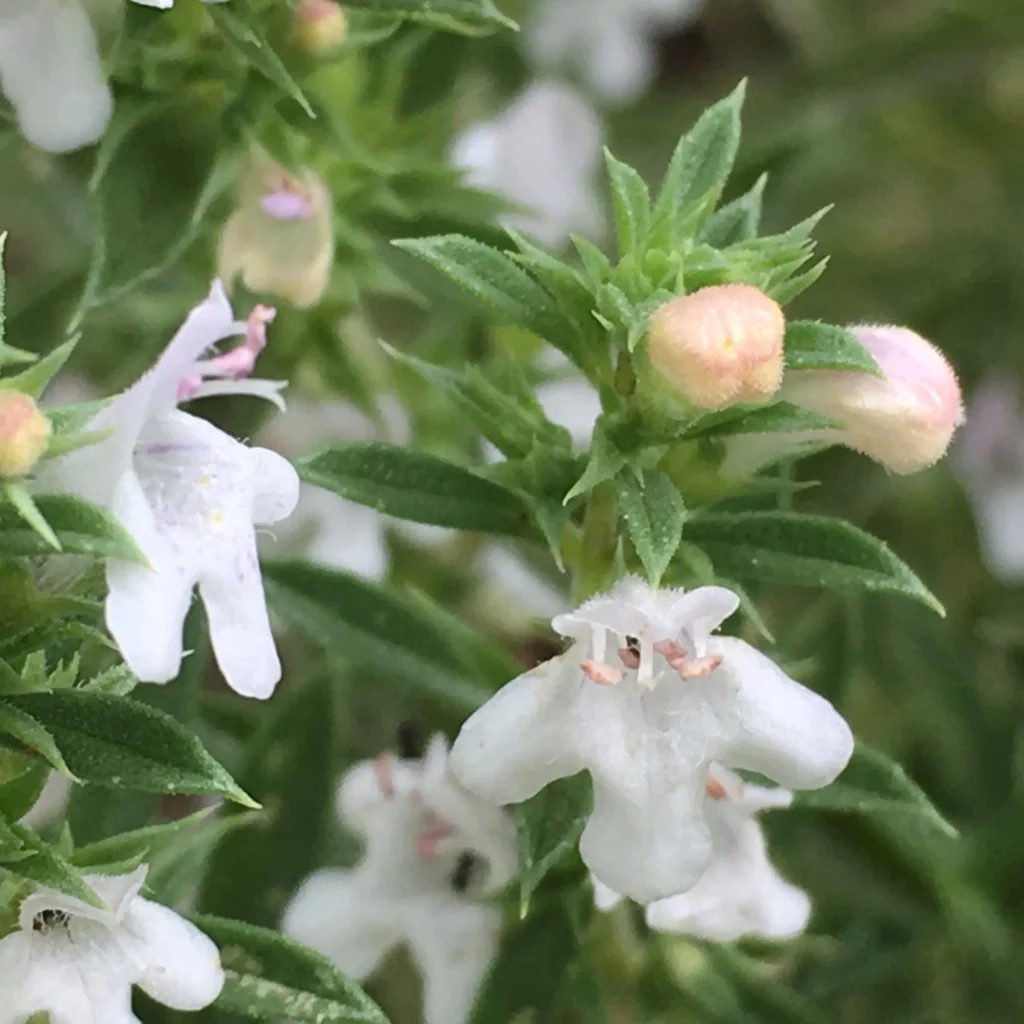
Winter savory isn’t just flavorful—it’s also deeply medicinal. Traditional herbalists have long used it to support digestion, boost immunity, and fight infections.
Key Health Benefits:
- Digestive Support:
Known as the “bean herb,” winter savory helps reduce bloating, gas, and indigestion after heavy meals. - Antibacterial and Antifungal Properties:
The essential oils in winter savory—particularly carvacrol and thymol—are natural antimicrobials that may help fight bacteria and yeast. - Anti-Inflammatory Effects:
Compounds in the herb may help reduce inflammation and ease mild sore throats or coughs. - Rich in Antioxidants:
Helps protect cells from oxidative stress and supports immune health. - Natural Antiviral Herb:
Some research suggests that savory’s essential oils may have antiviral effects, making it a helpful herb during cold and flu season.
Note: While winter savory is safe for culinary use, essential oil or high-dose supplements should only be used under professional guidance.
8. How to Make Winter Savory Tea for Digestion
A cup of savory tea is a simple, soothing way to enjoy its health benefits—especially after heavy winter meals.
Ingredients:

- 1 teaspoon dried winter savory leaves
- 1 cup boiling water
- Optional: honey or lemon
Instructions:
- Steep the leaves in hot water for 8–10 minutes.
- Strain, add honey or lemon if desired, and enjoy warm.
This tea can help ease bloating, support digestion, and warm you on chilly nights.
9. Using Winter Savory in Landscaping
Winter savory isn’t just a kitchen herb—it’s also an excellent ornamental plant. Its compact shape, dark green foliage, and delicate flowers make it perfect for borders, rock gardens, and herb spirals.
Design Ideas:
- Plant along walkways or garden edges for evergreen texture.
- Combine with thyme, sage, and lavender for a Mediterranean-style garden.
- Use it as a ground cover in sunny, dry areas.
Because it’s drought-tolerant and deer-resistant, it’s a great choice for low-maintenance American gardens.
10. Preserving Winter Savory for Year-Round Use
You can enjoy winter savory long after the growing season by preparing it in various ways:

- Dried Herbs: For seasoning stews and marinades.
- Herb Vinegars: Infuse in apple cider or white wine vinegar for salad dressings.
- Flavored Oils: Combine fresh sprigs with olive oil and garlic for drizzling over pasta or bread.
- Herbal Salt Mix: Blend dried savory with sea salt and pepper for an all-purpose seasoning.
These preparations not only extend its shelf life but also make thoughtful homemade holiday gifts.
Conclusion: Bring Warmth and Flavor to Winter with Savory
Winter savory may not get the spotlight like basil or rosemary, but it’s one of the most useful and resilient herbs for American gardeners. With its peppery taste, evergreen charm, and digestive benefits, it brings both beauty and practicality to the garden and kitchen alike.
Whether you grow it in the ground, on a sunny balcony, or in a container by the window, winter savory promises year-round freshness, flavor, and wellness. As cold winds blow, this tough little herb stands tall—reminding us that nature’s best flavors often thrive in the chill of winter.

Leave A Comment