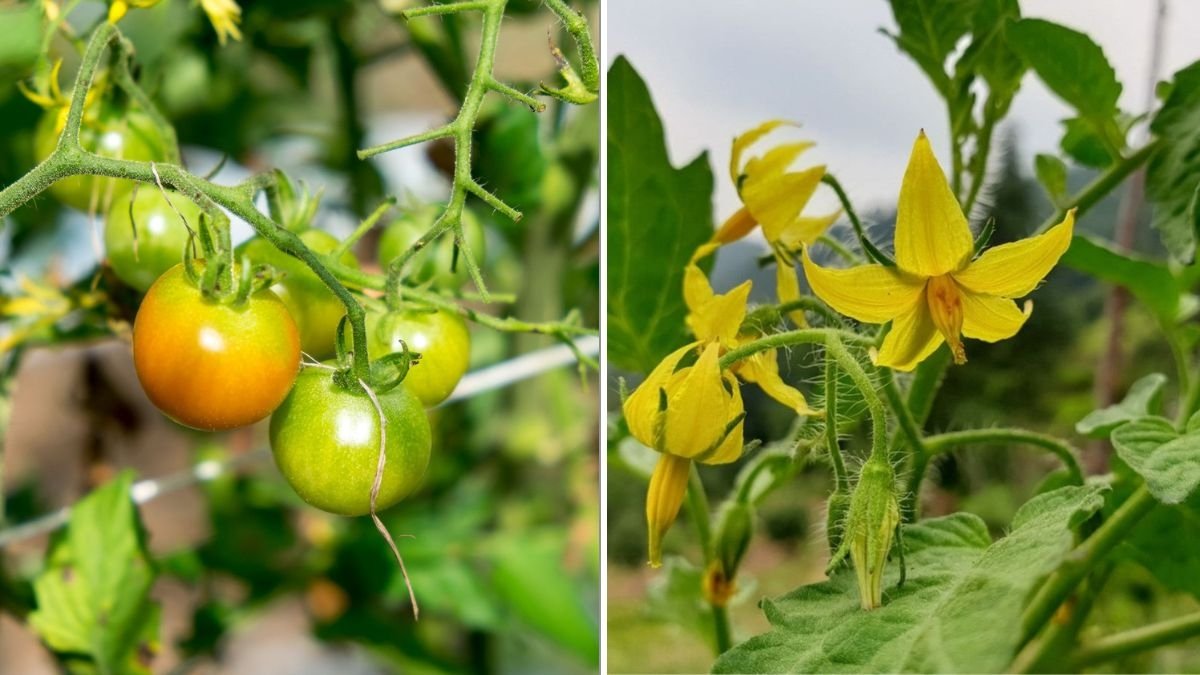
Few things frustrate gardeners more than a lush, leafy tomato plant that simply refuses to bear fruit. You’ve watered, fed, staked, and nurtured it with care—yet the flowers fall off or never turn into tomatoes. Don’t worry—you’re not alone. This is one of the most common (and solvable) problems in home gardening.
In this article, we’ll explore why your tomato plant isn’t producing fruit, what environmental and care factors are to blame, and how you can fix them to get those juicy red tomatoes growing again.
Understanding How Tomato Plants Produce Fruit
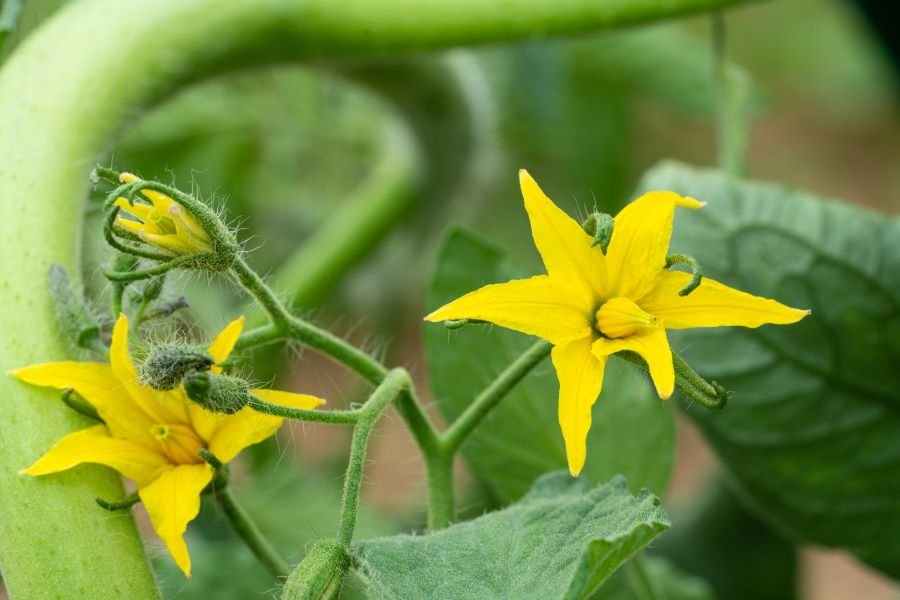
Before troubleshooting, it helps to understand the fruiting process. Tomato plants go through three key stages:
- Vegetative stage: The plant focuses on developing stems and leaves.
- Flowering stage: Blossoms form, signaling the start of fruit production.
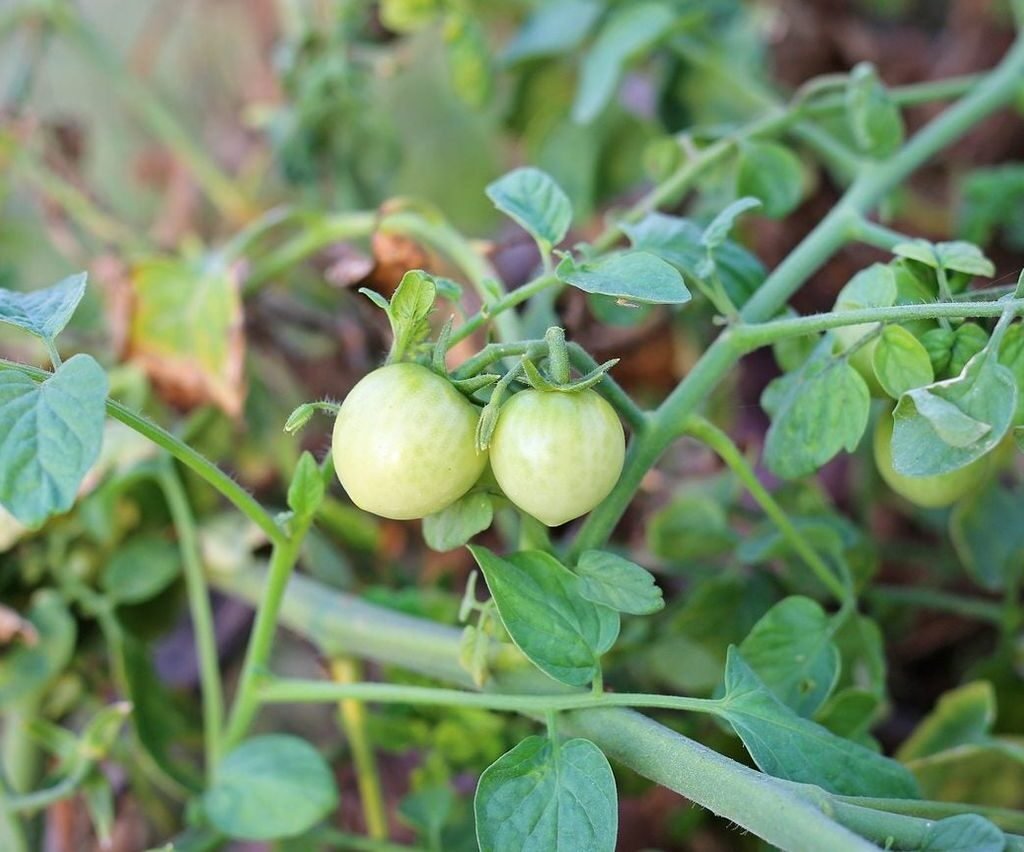
- Fruiting stage: Flowers are pollinated, then develop into tomatoes.
If your plants are stuck in the vegetative or flowering stage, something is interrupting this natural progression. That “something” usually falls into one (or more) of the following categories: temperature stress, pollination failure, improper pruning, nutrient imbalance, or environmental stress.
1. Temperature Extremes: The Silent Fruit Blocker
Tomatoes are heat-loving plants—but they’re also picky about how much heat they get. Both too much and too little can stop fruiting altogether.

Ideal Temperature Range:
- Day: 70–85°F (21–29°C)
- Night: 55–70°F (13–21°C)
When Temperatures Go Wrong:
- Above 90°F (32°C): Flowers often dry out and fall off before pollination occurs (a condition called blossom drop).
- Below 55°F (13°C): Pollination slows down or stops completely.
Fixes:
- Provide shade: Use shade cloths during heatwaves to reduce sun intensity.
- Mulch generously: A 2–3 inch layer of straw or shredded leaves helps moderate soil temperature.
- Water deeply and regularly: Especially in hot climates, consistent moisture keeps plants from stressing.
- For cold snaps: Cover plants at night with frost cloths or plastic tunnels to retain warmth.
Temperature fluctuations are the number one reason tomato plants stop producing fruit, so stabilizing their environment is your first line of defense.
2. Poor Pollination: No Pollination, No Tomatoes
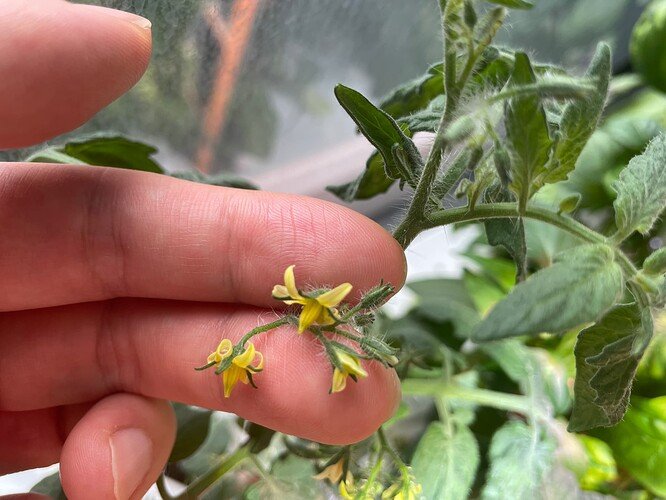
Tomato plants need their flowers to be pollinated before fruit can form. While they’re self-pollinating, meaning each flower has both male and female parts, they still need vibration or movement (from wind or insects) to transfer pollen.
Causes of Poor Pollination:
- Low bee or pollinator activity.
- Still air (especially in greenhouses).
- High humidity, which causes pollen to clump.
- Extreme heat, which sterilizes pollen.
How to Fix It:
- Attract pollinators: Plant bee-friendly flowers nearby—like lavender, basil, or marigolds.
- Encourage air movement: Use a small fan in enclosed spaces to simulate wind.
- Hand-pollinate: Gently shake or tap flower clusters, or use a soft brush or electric toothbrush to move pollen.
- Avoid pesticides: Many insecticides drive away or harm pollinators.
A little help from you—or the bees—can often jump-start fruit production within a week or two.
3. Too Much Nitrogen: All Leaves, No Fruit
If your tomato plant looks healthy, tall, and covered in lush green leaves—but not a single tomato is in sight—it’s probably getting too much nitrogen.
Nitrogen promotes leafy growth, but an excess throws the plant’s hormonal balance off, reducing flower and fruit development.

The Signs:
- Very tall plants with thick foliage.
- Few or no blossoms.
- Delayed fruiting despite vigorous growth.
The Fix:
- Switch to a balanced or low-nitrogen fertilizer, such as one labeled 5-10-10 or 4-6-8 (N-P-K ratio).
- Add bone meal or rock phosphate to boost phosphorus levels for better flowering.
- Incorporate compost instead of synthetic fertilizers for slow, steady nutrient release.
A simple feeding adjustment often brings plants back into balance, encouraging them to focus on flowering instead of just foliage.
4. Lack of Sunlight
Tomatoes are sun lovers. Without at least 6–8 hours of direct sunlight per day, your plant will struggle to produce flowers and fruit.
Symptoms:
- Long, leggy growth.
- Sparse blossoms.
- Weak stems and pale leaves.
Solutions:
- Relocate container plants to the sunniest spot available.
- Prune nearby trees or tall plants that cast shade.
- Use reflective mulch or white garden fabric to redirect light onto your plants.
More sunlight equals more energy for flowering and fruiting—simple as that.
5. Overcrowding and Poor Airflow
Tomatoes need space to breathe. When plants are too close together, airflow decreases, humidity rises, and diseases spread—creating stress that hinders fruit formation.
Recommended Spacing:
- Indeterminate varieties: 24–36 inches apart.
- Determinate varieties: 18–24 inches apart.
Fixes:
- Thin out crowded plants.
- Prune lower leaves and unnecessary suckers.
- Stake or cage plants to keep them upright and airy.
Good spacing not only encourages fruiting but also prevents common issues like blight and mildew.

6. Inconsistent Watering Habits
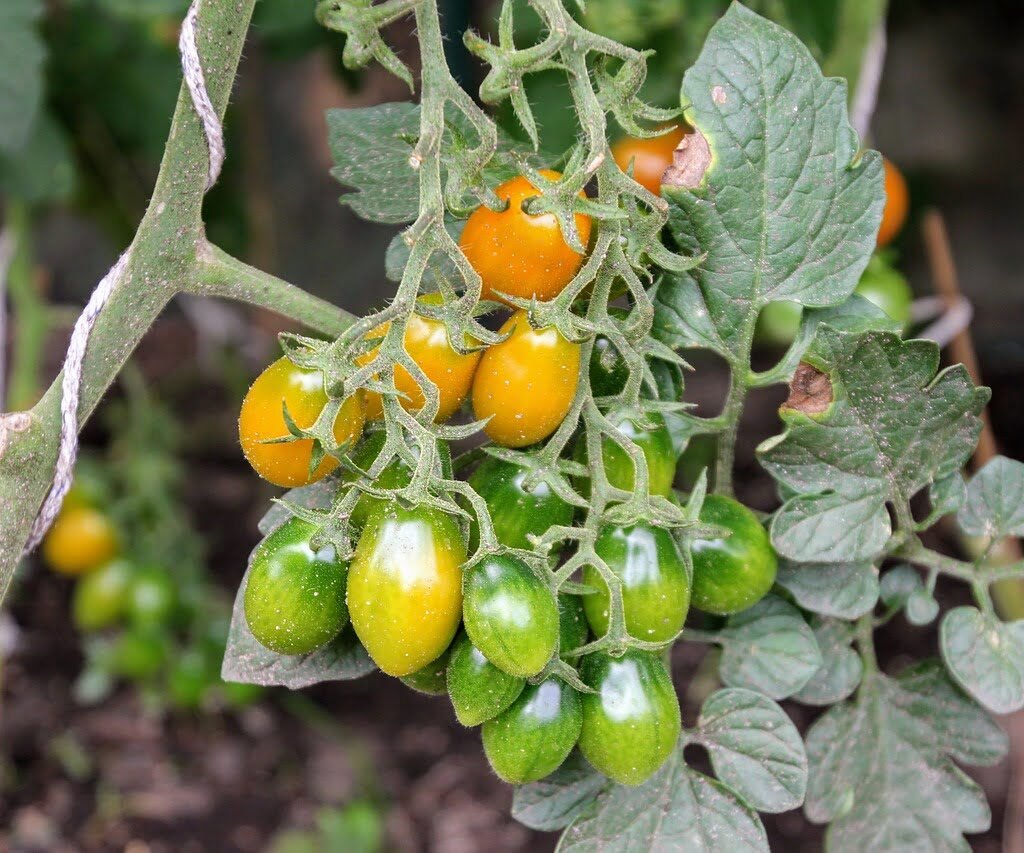
Tomatoes need steady moisture—but not too much. Irregular watering (alternating between drought and flood) stresses plants and leads to flower drop, fruit cracking, or small yields.
What Happens:
- Drought = Flowers dry up.
- Overwatering = Roots suffocate, preventing nutrient uptake.
How To Fix It:
- Water deeply and infrequently. Aim for about 1–1.5 inches of water per week.
- Use mulch. This keeps soil moisture even.
- Check soil regularly. Stick your finger 2 inches deep—if it’s dry, it’s time to water.
Consistency is the secret to healthy, fruit-bearing tomato plants.
7. Stress From Pruning or Transplanting
Overzealous pruning or rough transplanting can shock your plant into a temporary pause in growth.
How To Avoid This:
- Prune gradually. Never remove more than one-third of the plant at once.
- Transplant carefully. Disturb the root ball as little as possible.
- Water immediately after transplanting or pruning to help recovery.
- Apply mulch to stabilize temperature and moisture.
Tomatoes can be surprisingly sensitive—gentle handling keeps them in productive mode.
8. Variety and Timing Issues
Sometimes, the problem isn’t you—it’s the plant variety or the timing of your planting.

What To Know:
- Some tomato varieties take 70–90 days from transplanting to fruiting.
- If planted too early or late in the season, plants may face temperatures unsuitable for fruit set.
- Certain heirloom types are naturally slower producers.
Solutions:
- Choose heat-tolerant or early-maturing varieties (like ‘Early Girl’ or ‘Sun Gold’) for hot regions.
- Stagger plantings every 2–3 weeks for a longer harvest window.
- Track local growing seasons using a planting calendar.
9. Diseases and Pests Interfering With Fruit Set
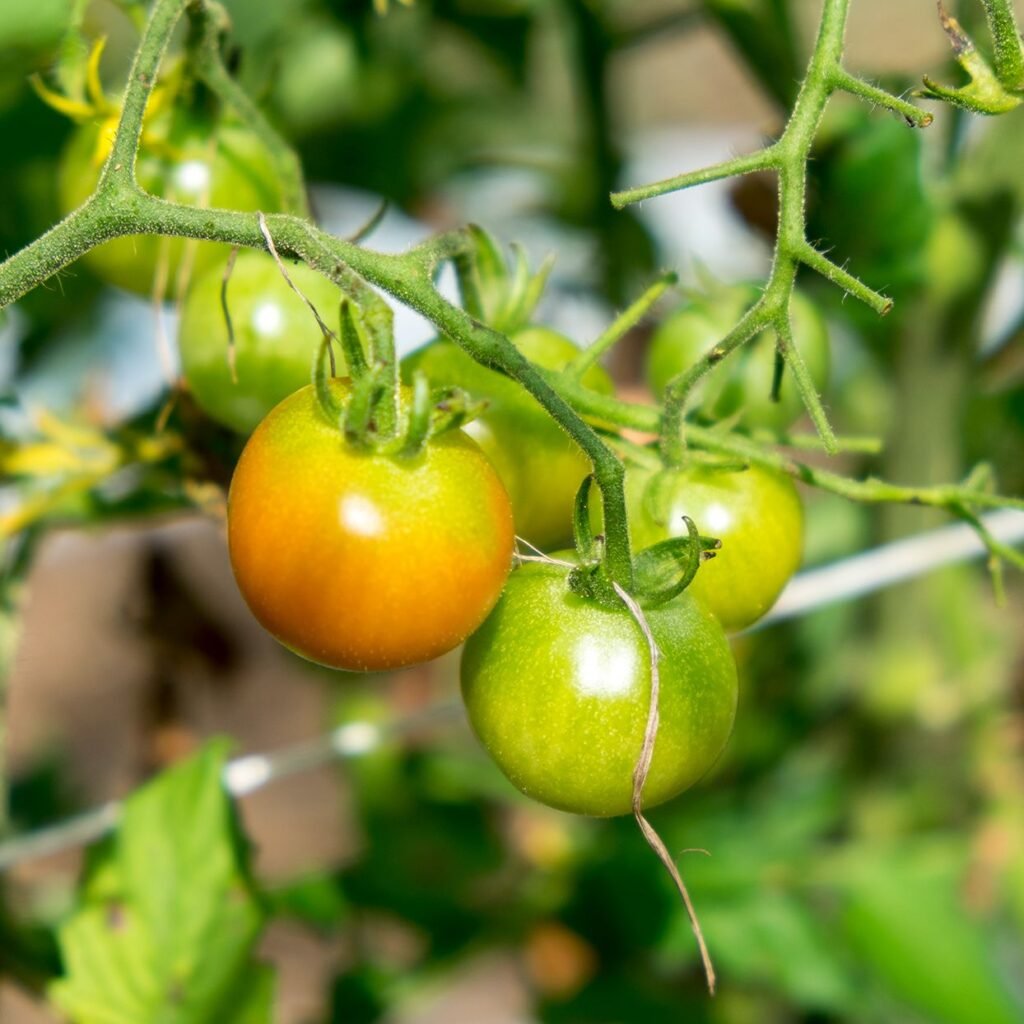
Pests and diseases weaken your plant and interfere with its reproductive process.
Common Culprits:
- Aphids and whiteflies: Suck sap and transmit viruses.
- Spider mites: Cause stippled, yellowing leaves.
- Fungal diseases: Such as blight or wilt, which stress the plant.
Natural Treatments:
- Spray with neem oil or insecticidal soap weekly.
- Remove infected leaves promptly.
- Avoid overhead watering to reduce fungal spread.
- Encourage beneficial insects like ladybugs and lacewings.
A healthy, pest-free plant has more energy to produce flowers and fruits.
10. Environmental Stress (Wind, Pollution, or Nearby Chemicals)
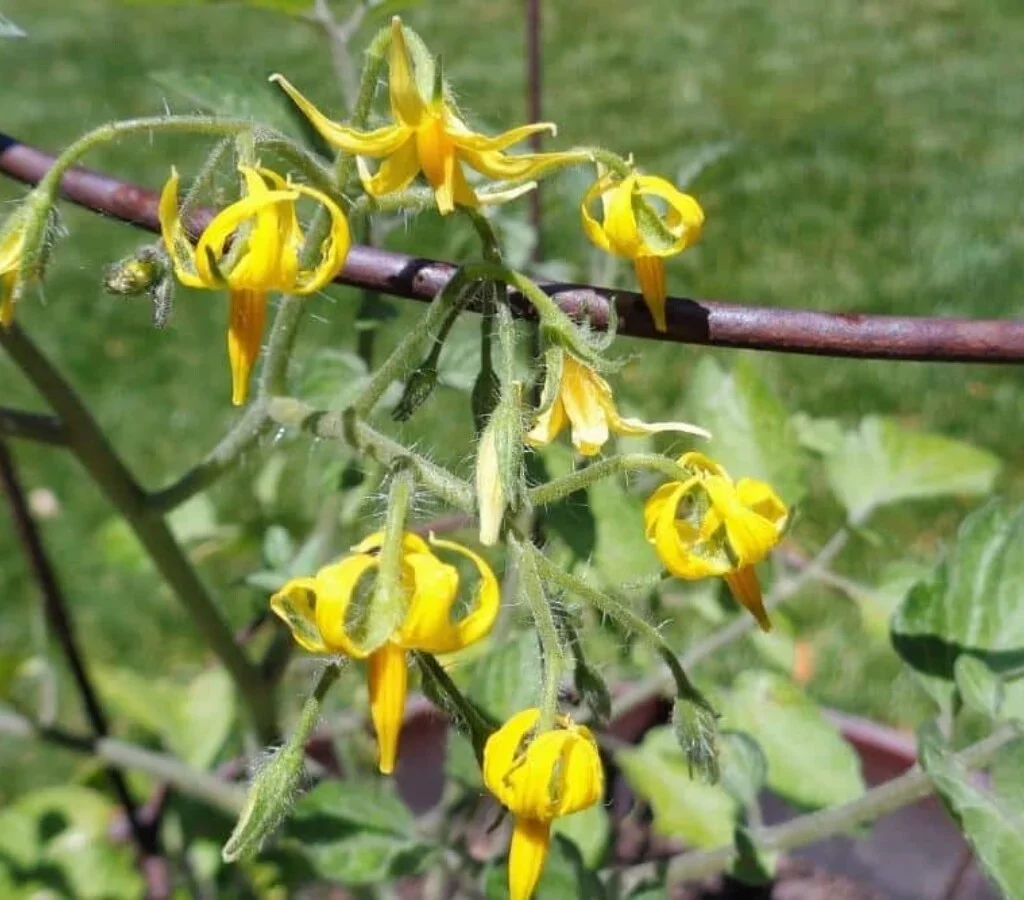
Tomatoes are sensitive to environmental pollutants and physical damage.
- Strong winds can break stems or blow away pollen.
- Herbicide drift from neighboring yards can distort leaves and halt flowering.
- Dust or pollution can coat leaves, reducing photosynthesis.
Solutions:
- Use windbreaks like fences or garden fabric.
- Avoid planting tomatoes near lawns treated with herbicides.
- Rinse leaves gently with water during dry, dusty periods.
How To Encourage Fruit Production
Once you’ve identified the likely cause, use these strategies to kickstart fruiting:
- Feed wisely: Apply a balanced fertilizer every 2–3 weeks.
- Trim excess growth: Prune suckers and lower leaves for better airflow.
- Water evenly: Avoid extremes of drought or soaking.
- Control temperature: Shade in heat, cover in cold.
- Help pollination: Shake flower clusters daily or use a soft brush.
- Patience: Once conditions improve, your plant will refocus its energy on fruiting.
Final Thoughts
A tomato plant that isn’t producing fruit isn’t a lost cause—it’s simply a signal that something’s off in its environment. Whether it’s too much heat, too little pollination, or an overload of nitrogen, every problem has a fix.

By paying attention to the plant’s cues and making small adjustments in care—consistent watering, balanced feeding, good airflow, and the right temperatures—you’ll soon see those tiny green tomatoes forming.
And once they ripen, all the patience and observation will have been worth it—because nothing tastes sweeter than the first juicy tomato from a plant you’ve nursed back to fruiting health.

Leave A Comment