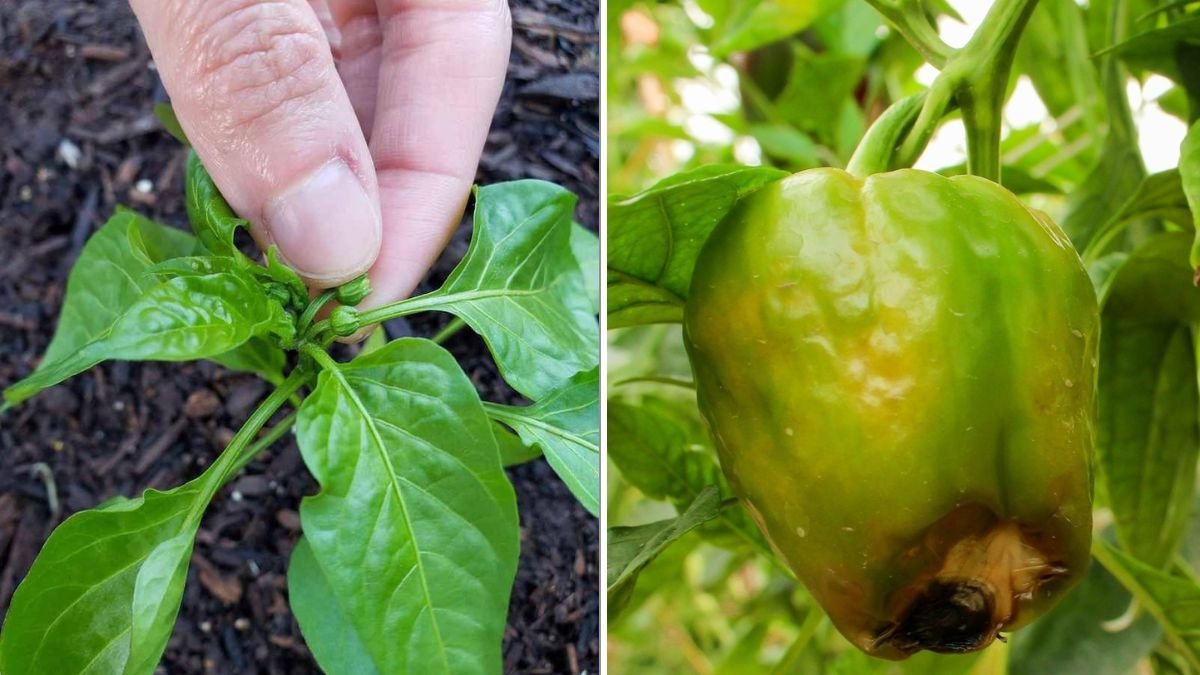
You’ve nurtured your pepper plants for weeks — watering carefully, feeding regularly, and watching those little buds appear with excitement. Then suddenly, the flowers start to drop off before forming fruit. Few things frustrate gardeners more than seeing promising blossoms fall away, leaving behind empty stems.
The good news? You’re not alone — and it’s not the end of your harvest. Pepper blossom drop is one of the most common (and fixable) issues gardeners face. Understanding why it happens is the first step toward getting your plants back on track and producing an abundance of vibrant, flavorful peppers.
Let’s break down the most common reasons pepper plants drop their blossoms — and what you can do to prevent it.
1. Temperature Stress: The Most Common Culprit
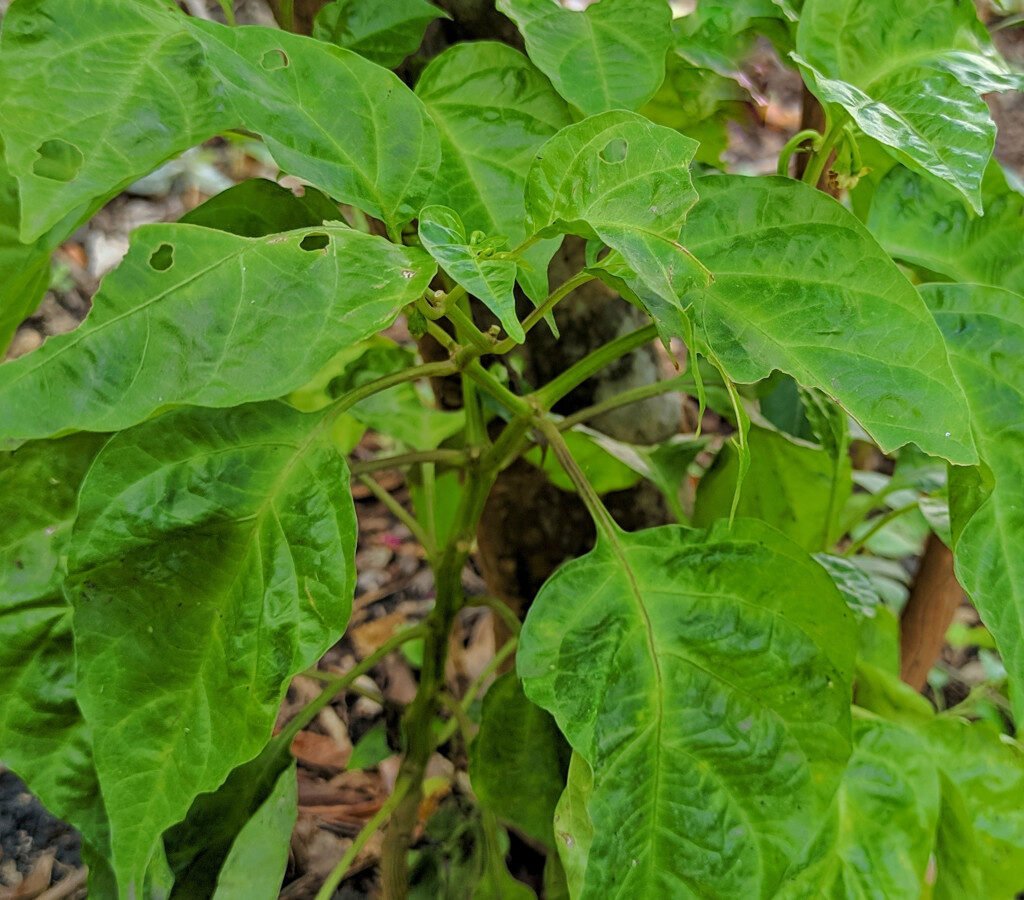
Peppers are tropical plants at heart. They love warmth but can be surprisingly sensitive to temperature swings.
Ideal growing range:
- Daytime: 70–85°F (21–29°C)
- Nighttime: 60–70°F (15–21°C)
When temperatures drift outside this sweet spot, your pepper plants get stressed — and stressed plants shed flowers to conserve energy.
Too Hot:
If daytime temperatures soar above 90°F (32°C) or nighttime temps stay above 75°F (24°C), blossoms often wither and fall before pollination. The plant’s pollen becomes sterile, making fruit formation impossible.
Too Cold:
Likewise, if the temperature dips below 55°F (13°C), pepper plants go into survival mode. Growth slows, pollination stops, and flowers drop.
How to fix it:

- Provide shade cloth (30–40%) during heat waves to protect blossoms from intense sun.
- Water consistently in hot weather — heat stress and drought often go hand-in-hand.
- Use row covers or cold frames on cool nights to trap warmth and protect plants.
- Choose heat-tolerant pepper varieties (like ‘Cayenne’, ‘Jalapeño M’, or ‘Habanero’) if you live in a hot region.
2. Inconsistent Watering
Peppers hate extremes — and watering is no exception. Both overwatering and underwatering can lead to flower drop.
When underwatered:
Plants experience drought stress, forcing them to shed blossoms and conserve moisture for survival.
When overwatered:
Soggy soil suffocates roots and blocks oxygen absorption, preventing the plant from taking up nutrients needed for flowering.
How to fix it:
- Water deeply, about 1–1.5 inches per week, depending on your soil and weather.
- Stick your finger 2 inches into the soil — if it feels dry, it’s time to water.
- Use mulch (straw, compost, or shredded leaves) to regulate moisture and temperature.
- Avoid shallow watering — it encourages weak, surface-level roots.
Consistency is key. A steady moisture routine helps pepper plants stay balanced and keep their flowers.
3. Wind and Physical Stress
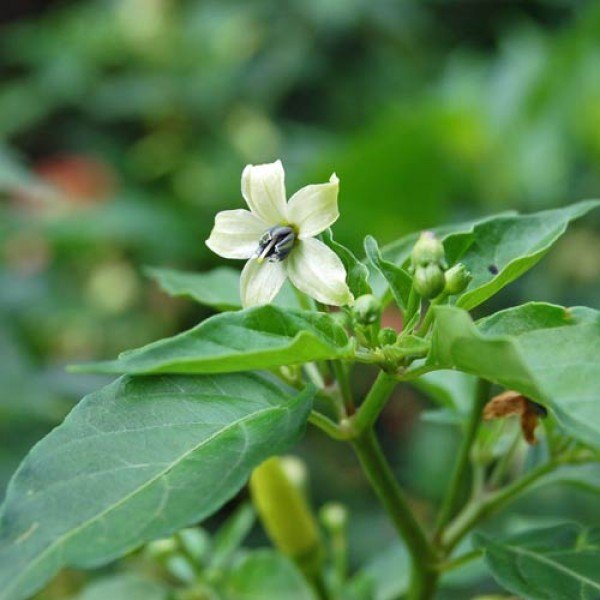
Strong winds, rough handling, or even brushing against pepper plants too often can cause blossoms to snap off.
Why it happens:
Pepper flowers are delicate, and excessive movement damages the tiny stem joints that hold them in place. In windy conditions, pollen may also blow away before fertilization occurs.
How to fix it:
- Stake or cage tall pepper varieties for support.
- Use windbreaks like garden fencing, taller plants, or shade cloth.
- Be gentle when pruning, harvesting, or checking flowers.
Even a mild breeze helps with pollination, but when the wind starts to whip, your plants need protection.

4. Poor Pollination
Even if your plants are healthy, flowers can drop simply because pollination didn’t occur.
Peppers are self-pollinating, but they rely on natural movement — wind, insects, or human touch — to transfer pollen from one flower part to another. If this doesn’t happen, the flower dies off after a few days.
Why pollination fails:
- Lack of bees or other pollinators.
- High humidity that makes pollen sticky and heavy.
- Very hot or dry air that causes pollen to dry out.
How to fix it:
- Encourage pollinators: Plant nearby flowers like marigolds, cosmos, and basil to attract bees.
- Gently shake the plant or tap flower clusters in the morning to release pollen.
- Try hand-pollinating: Use a soft brush or cotton swab to transfer pollen between blossoms.
- Ensure good airflow around plants — stagnant air limits pollen movement.
With a little encouragement, your peppers will soon have all the pollination help they need.
5. Nutrient Imbalance
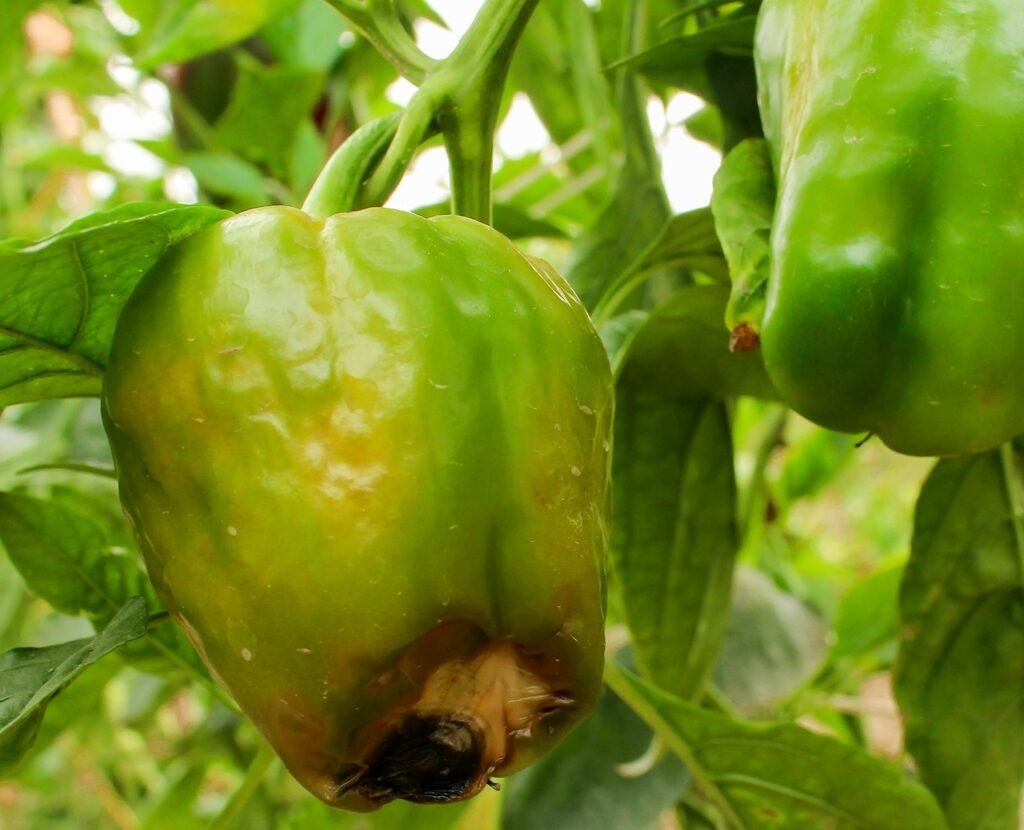
Peppers are moderate feeders, but improper fertilization can throw off their reproductive balance.
Too much nitrogen (often from lawn fertilizer or over-fertilizing) pushes lush green foliage at the expense of flowers and fruit. The plant looks beautiful — but blooms fall off before setting fruit.
Too little phosphorus or potassium can also cause weak flower formation and drop.
How to fix it:

- Use a balanced fertilizer with an N-P-K ratio like 5-10-10 or 3-4-5 to encourage blossoms and fruit.
- Avoid high-nitrogen fertilizers meant for lawns (like 20-0-0).
- Mix in compost or bone meal before planting for slow-release nutrients.
- Apply a liquid fertilizer every 2–3 weeks during blooming for a steady nutrient boost.
Pro tip: If your pepper leaves are lush but fruitless, it’s almost always a nitrogen issue — scale back feeding immediately.
6. Too Little (or Too Much) Sunlight
Peppers need at least 6–8 hours of direct sunlight daily to thrive. Insufficient light weakens growth and prevents blossoms from developing into fruit.
However, too much intense sun — especially when combined with high heat — can lead to flower scorch and drop.
How to fix it:
- If your peppers are shaded, relocate or prune nearby plants to let in more light.
- In very hot climates, use a light shade cloth to protect blossoms during midday heat.
- Container-grown peppers can be moved to follow the sun throughout the day.
Balance is crucial: enough light for strong growth, but not so much that it causes heat stress.
7. Pest or Disease Damage
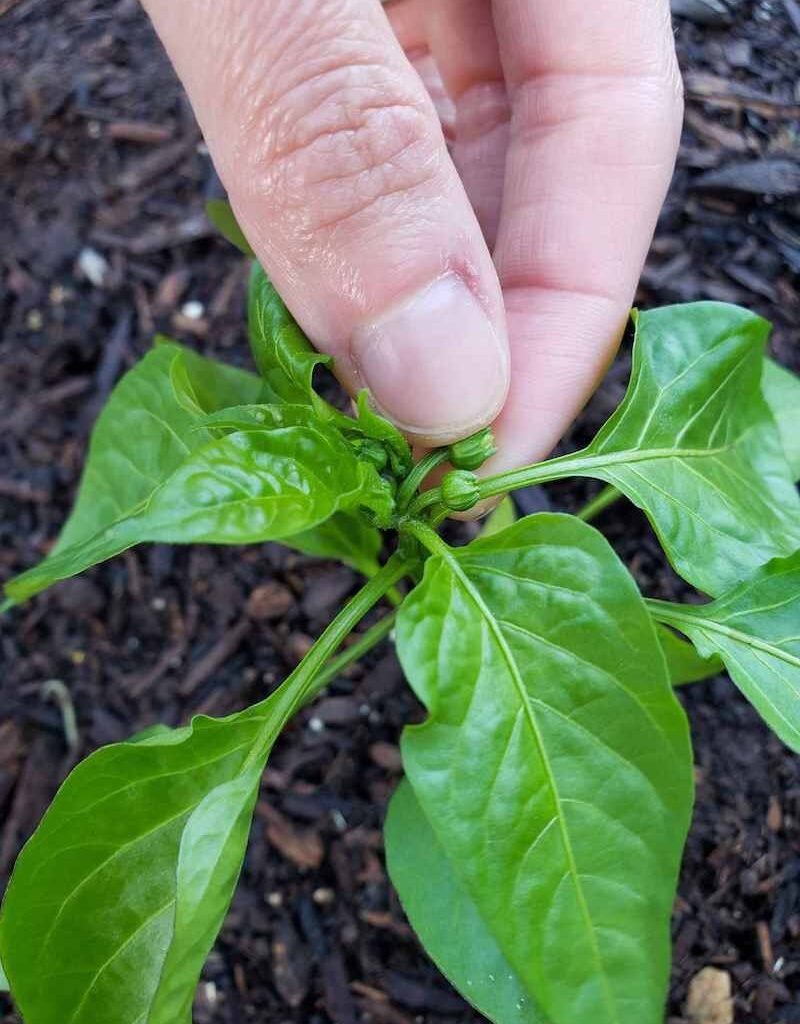
Sometimes, the issue isn’t environmental — it’s microscopic. Pests like aphids, thrips, and whiteflies feed on flower buds, causing them to dry up and fall off.
Common culprits:
- Aphids: Tiny green or black insects that suck sap from new growth.
- Thrips: Slender, fast-moving insects that damage buds and flowers.
- Spider mites: Cause stippling on leaves and can spread quickly in dry weather.
How to fix it:
- Spray plants with neem oil or insecticidal soap weekly until pests are gone.
- Introduce beneficial insects like ladybugs or lacewings.
- Keep plants healthy — strong peppers resist pests better.
Check leaves (especially undersides) regularly for signs of pests or eggs. Catching them early can prevent serious damage.

8. Plant Maturity and Natural Cycles
If your pepper plant is still young, blossom drop may simply be part of its natural development.
Many pepper plants shed their first few sets of flowers as they focus on establishing strong roots and stems before supporting fruit.
How to fix it:
- Be patient! Once the plant matures, it will produce more flowers that set fruit successfully.
- Avoid heavy feeding early on — let the plant focus on building structure first.
- Prune early blossoms on small plants to help them channel energy into growth.
Once your peppers reach maturity (about 12–16 inches tall), they’ll start holding onto flowers more consistently.
9. Overcrowding and Poor Airflow
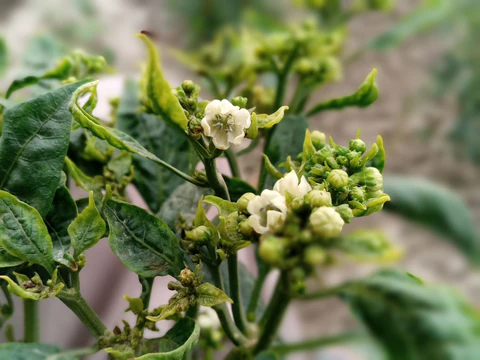
Tightly spaced pepper plants compete for sunlight, water, and nutrients — and poor airflow increases humidity, creating stress and reducing pollination success.
How to fix it:
- Space plants 18–24 inches apart for optimal airflow.
- Trim lower leaves to improve circulation around the base.
- Avoid watering foliage — focus on the soil instead.
A well-spaced pepper patch stays drier, healthier, and more productive.
How to Encourage Fruit Set After Blossom Drop
Even after some flowers fall, you can still turn things around. Try these strategies to reset your plant for fruiting success:
- Trim lightly: Remove weak or damaged leaves to direct energy toward healthy buds.
- Feed strategically: Apply a phosphorus-rich fertilizer (like bloom booster) to encourage flowering.
- Control environment: Shade in extreme heat, water consistently, and protect from cold.
- Attract pollinators: Grow herbs and flowers nearby — basil, marigold, dill, and alyssum are perfect companions.
- Stay consistent: Regular care beats quick fixes. Keep temperature, moisture, and feeding steady.
Within a week or two, you’ll likely notice new buds forming and healthier growth resuming.

Final Thoughts
Blossom drop is your pepper plant’s way of saying, “Something’s off — help me rebalance!” Whether it’s heat stress, irregular watering, or a lack of pollination, every dropped flower offers a clue.
The key is observation. Once you identify what’s causing stress, your plants will bounce back — peppers are resilient when given the right care.
With steady moisture, balanced nutrition, and a little patience, those empty stems will soon give way to a crop of colorful, flavorful peppers that make your garden shine.

Leave A Comment