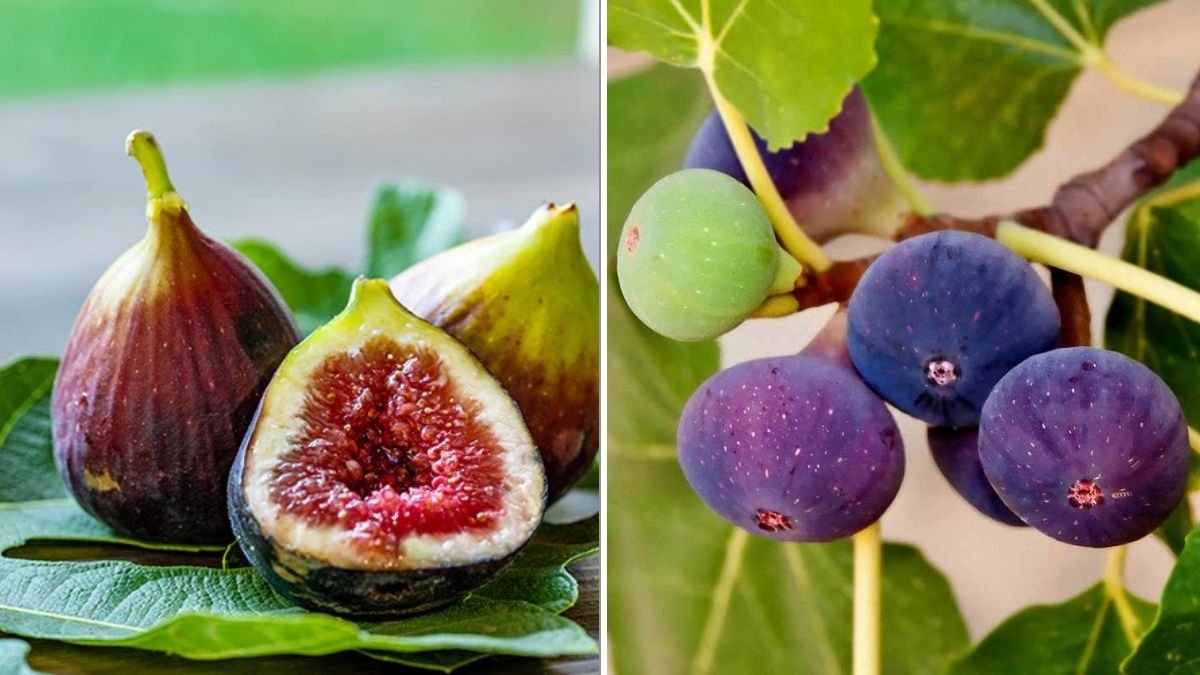
Few things are more disappointing for a gardener than seeing a lush, leafy fig tree—without a single fig in sight. You’ve watered, pruned, and cared for it faithfully, but year after year, the branches stay bare while your hopes for a sweet summer harvest fade away.
Don’t worry — you’re not alone. Fig trees are wonderfully rewarding, but they can also be a little mysterious. When they refuse to fruit, it’s usually their way of signaling that something in their environment isn’t quite right. The good news? Once you understand the reason, it’s often simple to fix.
Here’s an in-depth guide to why your fig tree isn’t producing fruit — and exactly how to get it thriving and fruiting again.
1. Your Tree Is Too Young
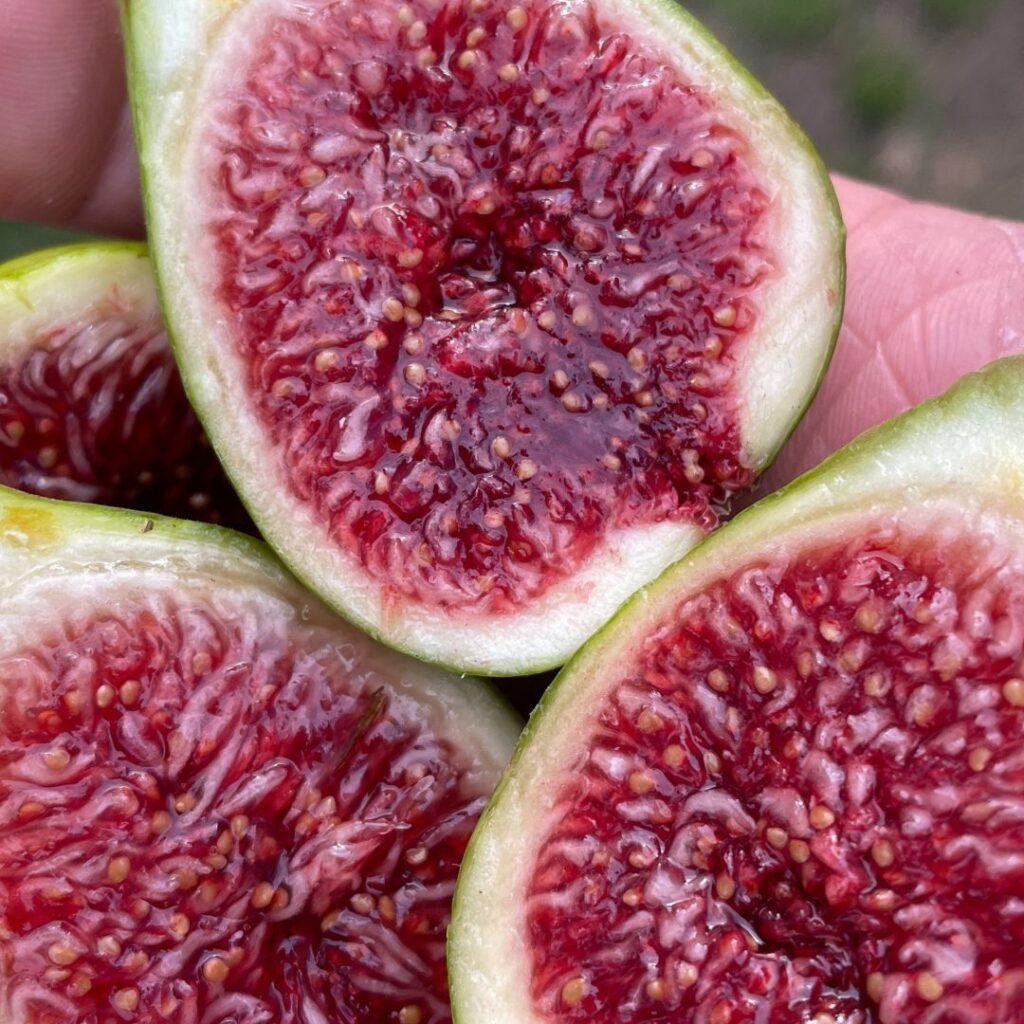
One of the most common (and most overlooked) reasons a fig tree won’t produce fruit is simply its age.
Fig trees, like many fruit-bearing plants, need to mature before they can devote energy to reproduction. During their early years, all their effort goes into growing roots, branches, and leaves.
Typical fruiting timeline:
- Potted fig trees: May begin producing small crops in 2–3 years.
- Ground-planted fig trees: Usually take 3–5 years to bear a significant harvest.
What to do:
Be patient! While waiting, continue to provide good light, regular watering, and balanced feeding. Avoid over-pruning young trees — they need their leaves to photosynthesize and grow strong.
Pro Tip: Some varieties (like ‘Celeste’ or ‘Brown Turkey’) tend to fruit earlier than others. If you’re starting from scratch, these are great beginner-friendly choices.

2. Not Enough Sunlight
Figs are sun-loving trees, and lack of sunlight is one of the biggest culprits behind poor fruiting. Without at least 6–8 hours of direct sunlight per day, your tree simply won’t have enough energy to produce and ripen fruit.
Signs of low sunlight:
- Lots of large, dark green leaves but no fruit.
- Leggy, stretched-out growth.
- Small or absent new buds.
What to do:
- Move your potted fig to the sunniest spot available (a south- or west-facing area is best).
- If it’s an indoor plant, consider using a full-spectrum grow light for 10–12 hours daily.
- For in-ground trees, prune surrounding plants or branches that may be shading it.
Pro Tip: Figs in cooler climates especially benefit from being planted against a south-facing wall, which reflects warmth and extends sunlight exposure.
3. Irregular Watering Habits
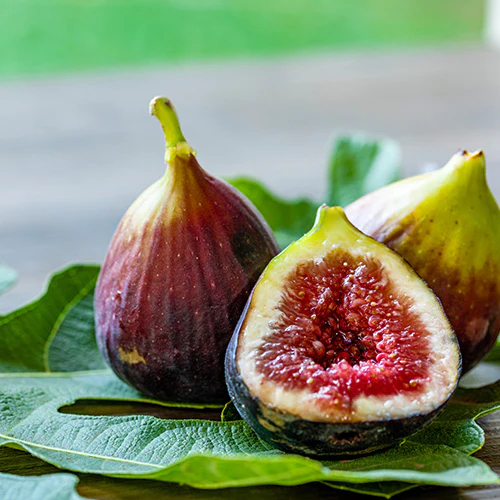
Figs love consistency. Too much or too little water—especially during fruiting season—can cause stress that halts fruit production or causes baby figs to drop prematurely.
Ideal watering routine:
- Keep the soil evenly moist, not soggy.
- Water deeply once the top 2 inches of soil feel dry.
- Avoid letting the tree dry out completely between waterings, especially in hot weather.
Signs of water stress:
- Dropping leaves or figs before ripening.
- Yellowing leaves.
- Cracked fruit (from sudden heavy watering after a dry spell).
What to do:

- Establish a consistent watering schedule based on your climate.
- Mulch around the base (but keep mulch a few inches away from the trunk) to retain moisture.
- Ensure pots and planting sites drain well to prevent root rot.
4. Overfertilizing or Using the Wrong Fertilizer
It’s tempting to feed your fig tree in hopes of encouraging fruit, but too much fertilizer—especially nitrogen—can do more harm than good.
What happens:
Nitrogen promotes leaf and branch growth at the expense of flowers and fruit. The result? A beautiful, bushy fig tree with no figs.
What to do:
- Use a balanced fertilizer like 10-10-10 or one specifically formulated for fruit trees.
- Stop fertilizing by mid-summer to allow the tree to focus on fruiting rather than new growth.
- If your soil is naturally rich, skip fertilizer altogether and top-dress with compost once a year instead.
Pro Tip: If your tree looks lush but produces no fruit, skip the fertilizer for an entire season and observe. You may find that moderation restores fruiting.
5. Pruning Mistakes
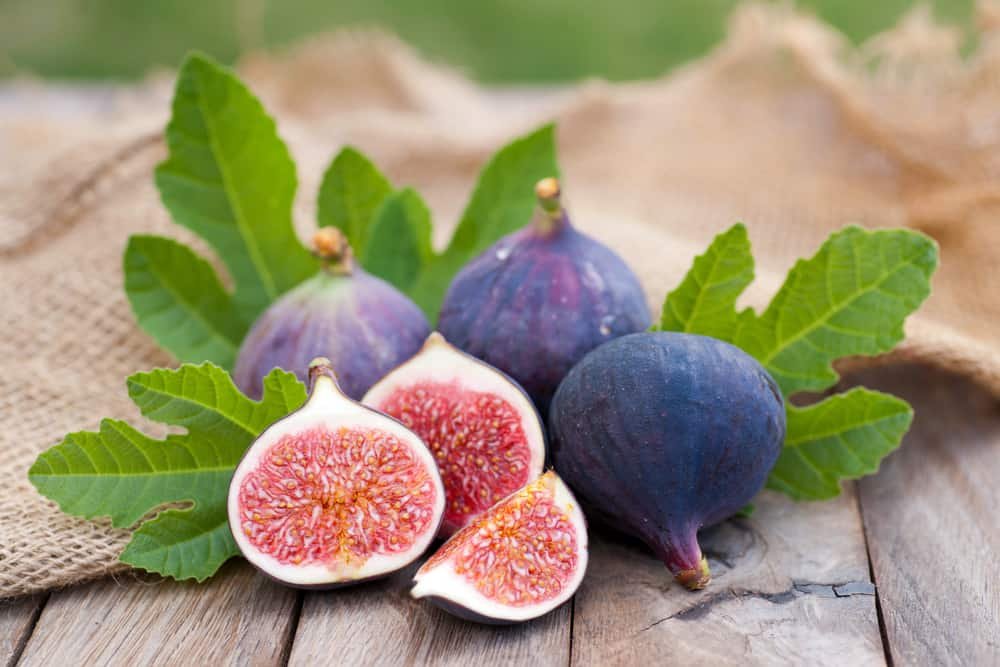
Pruning is essential to fig tree health, but improper timing or over-pruning can remove the very branches where fruit would have formed.
Understanding fig fruiting:
- Most fig varieties produce on new growth (branches that form in the current year).
- Others, like ‘Celeste,’ can produce a breba crop on old wood (previous year’s branches).
What to do:
- Prune in late winter or early spring before new growth starts.
- Focus on removing only dead, diseased, or overcrowded branches.
- Avoid heavy pruning in early summer, as this removes young shoots that could bear fruit later in the season.
Pro Tip: Learn whether your variety fruits on new or old wood — it’s key to pruning correctly.

6. Temperature and Climate Issues
Fig trees are subtropical by nature, meaning they love warm weather but dislike frost and extreme cold. If temperatures drop below 25°F (-4°C), your fig may suffer damage that delays or stops fruiting for the season.
Cold damage signs:
- Blackened or shriveled branch tips.
- No new growth in spring.
- Leaf regrowth without figs.
What to do:
- In cold climates, grow figs in containers that can be moved indoors during winter.
- For in-ground trees, insulate with burlap, mulch, or frost cloth.
- Don’t prune dead-looking branches until late spring — they may still sprout new growth.
Pro Tip: Consistent warmth in early spring and summer helps fruit set and ripen faster.
7. Lack of Pollination (for Certain Fig Types)
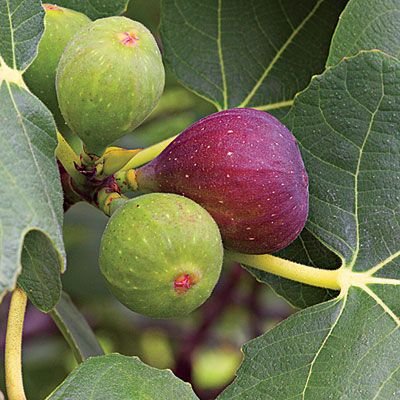
Not all figs need pollination to bear fruit — most common fig varieties (like ‘Brown Turkey’ and ‘Celeste’) are self-pollinating. However, some caprifig varieties require pollination from the fig wasp — and without it, they won’t produce edible figs.
If your tree produces lots of tiny, hard, green figs that never ripen, it could be one of these varieties.
What to do:
- Confirm the variety of your fig tree. If it’s a caprifig, consider replacing it with a self-fertile type suited to your climate.
- For self-fertile figs, hand-pollination isn’t necessary, but good airflow and proper watering help flowers and fruit set naturally.
8. Stress or Shock
Figs are sensitive to changes in environment or care routines. Transplanting, moving pots, or a sudden change in light or temperature can cause your tree to drop fruit buds or stop producing temporarily.

What to do:
- After transplanting, give the tree a few weeks to adjust before fertilizing or pruning.
- Avoid relocating potted figs once buds start to form.
- Maintain consistent watering and temperature conditions.
Pro Tip: Once the fig stabilizes, fruit production usually resumes the following season.
9. Pests or Disease
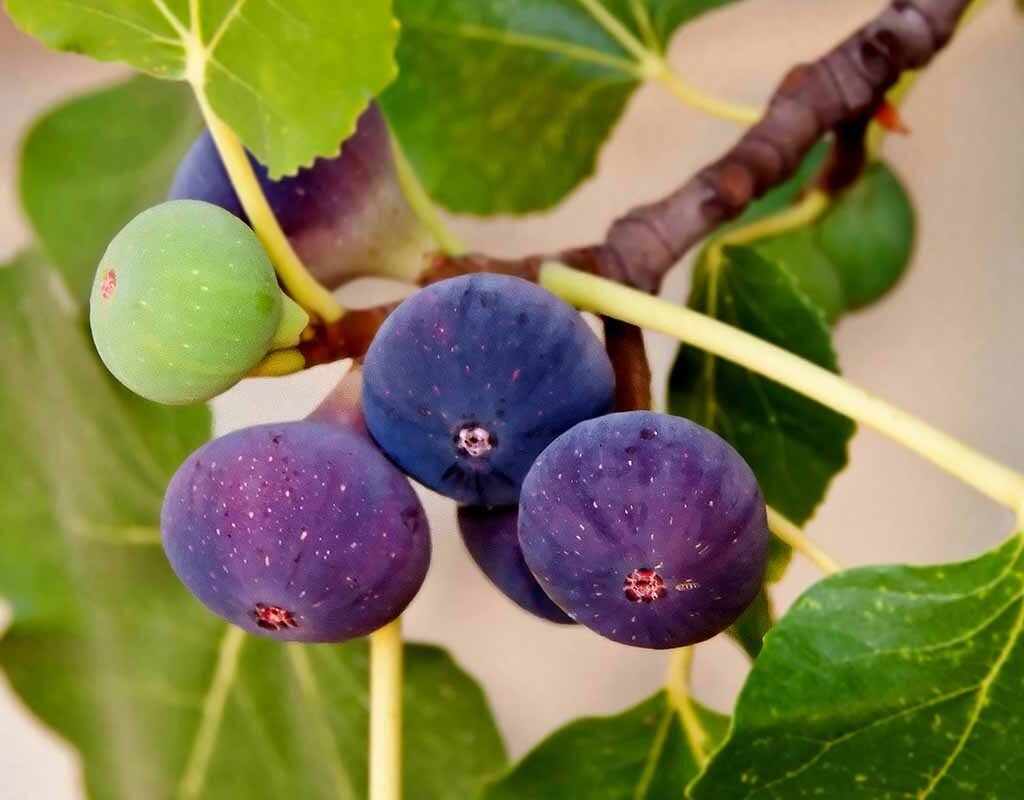
Pests like aphids, scale insects, or root-knot nematodes can weaken your fig tree, limiting its ability to fruit. Fungal infections, such as rust or leaf spot, can also interfere with healthy leaf growth — which means less energy for fruit.
Common pests and issues:
- Aphids: Cause curling leaves and sticky residue.
- Scale insects: Appear as small, brown bumps on stems.
- Fig rust: Causes yellow or brown spots on leaves.
- Root rot: Caused by overwatering and poor drainage.
What to do:
- Spray neem oil or insecticidal soap for pests.
- Remove heavily infected leaves to improve airflow.
- Ensure the soil drains well and avoid waterlogging.
Pro Tip: A healthy fig tree with good airflow and balanced care rarely suffers serious pest damage. Prevention is key.
10. Variety or Environmental Mismatch
Finally, not every fig variety performs well in every environment. Some figs thrive in dry Mediterranean climates, while others need humidity and warmth.
What to do:

- Research your variety’s ideal growing zone.
- If your region’s conditions don’t match, consider growing the fig in a pot and moving it to controlled conditions (greenhouse, sunny windowsill, or sheltered patio).
- Choose climate-appropriate types like:
- ‘Brown Turkey’ – Very hardy and reliable.
- ‘Chicago Hardy’ – Excellent for cooler climates.
- ‘Kadota’ – Prefers dry, warm weather.
Tips to Encourage Fruiting
If your fig tree is healthy but still reluctant to fruit, try these expert-approved tricks:
- Moderate water stress: Slightly reducing water in late summer can encourage fruit ripening.
- Pinch back new growth: In early summer, pinch off the tips of young shoots to redirect energy into fruiting rather than leafy growth.
- Check for root restriction: Figs fruit best when slightly root-bound — avoid planting in overly large pots.
- Add phosphorus: Supplement with bone meal or low-nitrogen fertilizer to support flowering and fruit set.
Final Thoughts: Patience Brings Sweet Rewards
A fig tree’s journey from leaf to fruit can be slow, but it’s worth every moment of care and observation. Whether it’s adjusting sunlight, rethinking fertilizer, or simply waiting for maturity, most fruiting problems have easy fixes.
Remember — once your fig tree settles into the right balance of light, warmth, and nourishment, it will reward you with the sweetest, juiciest harvests year after year.
Because in gardening, as in life, patience truly does bear fruit.

Leave A Comment