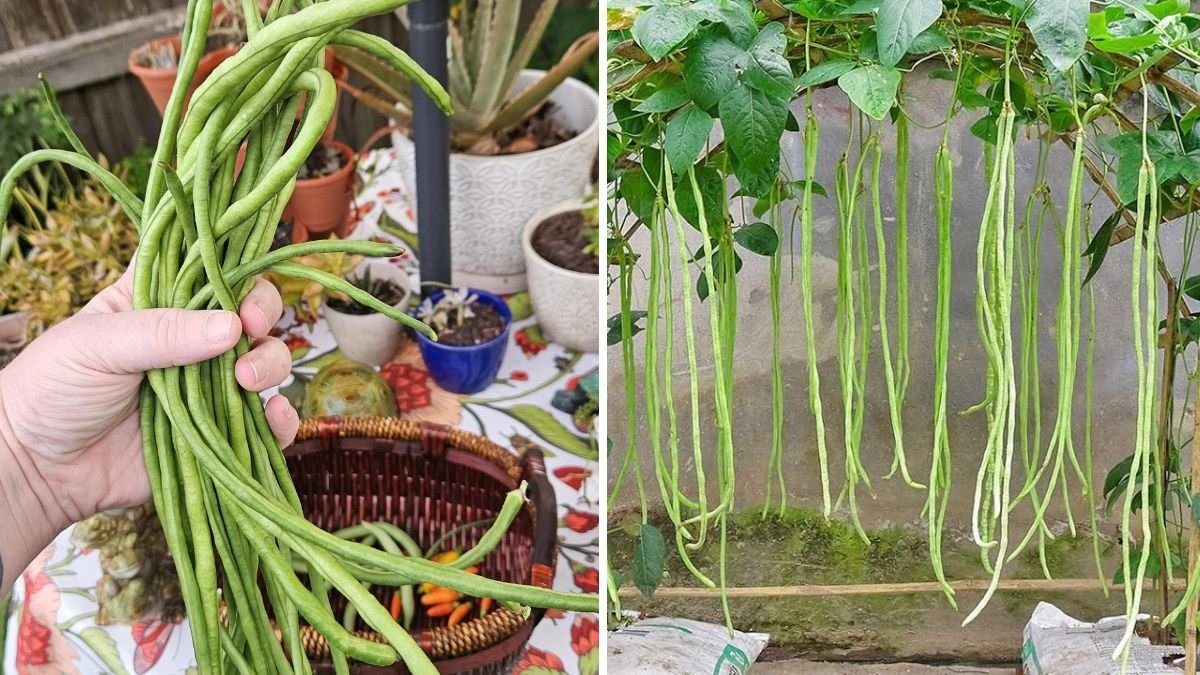
Move over green beans — there’s a new garden superstar in town! Known for their impressive length, tender texture, and earthy flavor, yardlong beans (also called asparagus beans or snake beans) are becoming a hot trend in American home gardens and kitchens.
Despite their exotic appearance, yardlong beans are surprisingly easy to grow in the U.S. and offer incredible nutritional benefits. Originally cultivated in Asia, these beans are now finding their way into American farmer’s markets, home gardens, and healthy meal plans across the country.
Whether stir-fried, grilled, or tossed into salads, yardlong beans are the perfect fusion of nutrition, flavor, and versatility. In this article, we’ll explore everything you need to know — from how to grow them in your backyard to why they deserve a spot on your dinner plate.
1. What Are Yardlong Beans?

Yardlong beans (Vigna unguiculata subsp. sesquipedalis) are part of the cowpea family, closely related to black-eyed peas rather than traditional green beans. They’re named for their astonishing length — some can reach up to 36 inches long, though most are harvested at about 18 inches for the best flavor and texture.
These beans are thin, flexible, and slightly chewy, with a taste similar to green beans but a touch nuttier. In Asian cuisine, they’re popular in stir-fries, curries, and soups — but in America, they’re gaining popularity as a nutrient-packed alternative to common beans.
Common nicknames include asparagus bean, snake bean, and Chinese long bean — all referring to their distinct, vine-like growth and elongated pods.

2. The History of Yardlong Beans: From Asia to American Gardens
Yardlong beans have deep roots in Southeast Asia and southern China, where they’ve been cultivated for centuries as a staple vegetable. They later spread across tropical and subtropical regions worldwide, finding a home wherever warm weather prevails.
In the United States, immigrant communities introduced yardlong beans to local agriculture, especially in states like California, Florida, and Texas, which have ideal climates for their growth.
Today, American gardeners appreciate yardlong beans not just for their exotic origins, but for their productivity, nutritional value, and adaptability. With climate change inspiring interest in heat-tolerant crops, yardlong beans have earned a place as a sustainable and high-yield garden favorite.
3. Why Yardlong Beans Are America’s Next Super Green

Yardlong beans have everything modern Americans love in a vegetable — nutrient density, low calories, sustainability, and versatility.
Here’s why they’re earning a place on healthy shopping lists nationwide:
- High in protein: Unlike most vegetables, yardlong beans contain significant plant-based protein — great for vegans and vegetarians.
- Loaded with vitamins and minerals: They’re rich in Vitamin C, Vitamin A, iron, magnesium, and folate.
- Heart-friendly: Their fiber and potassium levels help lower blood pressure and cholesterol.
- Low-calorie and hydrating: Perfect for weight management and summer meals.
- Sustainable crop: Yardlong beans are heat-tolerant and require less water, making them ideal for eco-friendly gardening.
These benefits make them one of the most underrated superfoods in the American diet — and one you can easily grow at home!

4. Nutritional Breakdown: The Health Benefits of Yardlong Beans
Let’s look at what makes these beans so nutritionally powerful:
| Nutrient (per 100g) | Amount | Benefit |
|---|---|---|
| Calories | 47 | Light and diet-friendly |
| Protein | 2.8g | Supports muscle growth and repair |
| Fiber | 3g | Promotes digestion and heart health |
| Vitamin C | 18mg | Boosts immunity and skin health |
| Vitamin A | 865 IU | Supports vision and cell growth |
| Iron | 0.5mg | Helps prevent anemia |
| Folate | 62µg | Crucial for cell development |
| Potassium | 240mg | Maintains electrolyte balance |
In short, yardlong beans are a green powerhouse — offering a mix of fiber, antioxidants, and essential nutrients that fit perfectly into modern American health goals.
5. How to Grow Yardlong Beans in the U.S.

If you’re a home gardener looking for a high-yield, low-maintenance plant, yardlong beans are a dream crop. They thrive in warm climates and can produce abundantly even in poor soil conditions.
Here’s how to grow them successfully:
a. Ideal Growing Conditions
- Temperature: Yardlong beans love heat — best grown in 75–90°F weather.
- Soil: Well-drained, slightly acidic soil (pH 6.0–7.0) works best.
- Sunlight: Full sun for at least 6–8 hours daily.
b. Planting
- Sow seeds directly outdoors once the soil is warm and all danger of frost has passed.
- Space seeds 4–6 inches apart, with rows about 3 feet apart.
- Seeds usually germinate within 7–10 days.
c. Watering and Maintenance
- Keep soil moist but not soggy. Yardlong beans are somewhat drought-tolerant once established.
- Use trellises or stakes — the vines can climb up to 10–12 feet tall!
- Harvest regularly to encourage continuous production.
d. Harvesting
- Pods are ready 60–70 days after planting.
- Pick when they’re about 12–18 inches long and still tender — waiting too long makes them fibrous.
With proper care, a few vines can supply pounds of beans throughout summer.
6. Cooking with Yardlong Beans: Flavor and Versatility
Yardlong beans are culinary chameleons — they adapt beautifully to a range of cuisines, from Southern-style dishes to Asian stir-fries. Their texture remains firm when cooked, making them perfect for both quick sautés and slow braises.

Here are some popular ways to cook them in American kitchens:
a. Stir-Fried Yardlong Beans
Quickly sauté chopped beans in sesame oil with garlic, soy sauce, and chili flakes for a fast, healthy side dish.
b. Southern-Style Yardlong Beans
Boil them gently with onions, bacon, and a dash of pepper for a Southern comfort twist on traditional green beans.
c. Yardlong Bean Salad
Toss blanched beans with cherry tomatoes, feta cheese, olive oil, and lemon juice for a refreshing summer salad.
d. Grilled or Roasted
Brush with olive oil and grill whole pods for a smoky, crunchy treat.
e. Curry and Stews
Their firm texture holds up beautifully in curries, stews, and soups.

Their nutty, slightly earthy taste pairs wonderfully with flavors like garlic, lime, coconut milk, and sesame — all staples in modern American fusion cooking.
7. Preserving and Storing Yardlong Beans

Like other green beans, yardlong beans are best enjoyed fresh, but they also store well:
- Refrigerate: Store in a perforated bag for up to 5 days.
- Freeze: Blanch for 2 minutes, cool in ice water, and freeze for long-term use.
- Pickle: Slice into jars with vinegar, garlic, and dill for tangy homemade pickled beans.
These storage options make it easy to enjoy yardlong beans year-round — even when they’re out of season.
8. Yardlong Beans and Sustainable Gardening
With climate shifts affecting U.S. agriculture, more gardeners are turning to drought-resistant and heat-tolerant crops. Yardlong beans are perfectly suited for these conditions.
Here’s why they’re a sustainable choice:
- Require less water than traditional beans.
- Improve soil fertility through nitrogen fixation.
- Naturally resist pests and diseases.
- High yield per square foot, ideal for small-space or vertical gardening.
By planting yardlong beans, Americans can enjoy nutritious food while reducing environmental impact — a win-win for health and sustainability.

9. Fun Facts About Yardlong Beans

- Despite their name, yardlong beans rarely grow to a full yard — most reach about 18 inches.
- They grow fast — sometimes visible growth in a single day!
- Yardlong beans are often featured in Asian street markets but are now showing up in U.S. farmers’ markets too.
- The flowers of the plant are pollinator-friendly, attracting bees and butterflies.
- They’re often featured in farm-to-table restaurants for their unique look and flavor.
10. Yardlong Beans in American Food Culture
Yardlong beans are fast becoming a fusion food star in the U.S. As Americans embrace global flavors, these beans fit right in — combining Asian heritage with American innovation.
- Farmers’ markets in California, Oregon, and Texas are seeing rising demand for fresh yardlong beans.
- Health-conscious eaters love them for their protein and fiber content.
- Chefs use them in creative dishes, from grilled appetizers to modern Asian-inspired entrées.
This blend of novelty, nutrition, and versatility ensures that yardlong beans will soon become a mainstay in American kitchens and gardens.
Conclusion: The Long and Healthy Road Ahead
Yardlong beans are more than just a unique vegetable — they represent the future of sustainable, nutritious, and flavorful eating in America.
They’re easy to grow, rich in essential nutrients, and endlessly versatile in cooking. Whether you’re a home gardener, a health-conscious eater, or a culinary experimenter, yardlong beans deserve a spot in your garden and on your plate.
So the next time you’re planning your summer crops or browsing your local farmers’ market, keep an eye out for these slender, vibrant green pods. They might just become your new favorite super green — proof that sometimes, longer really is better!

Leave A Comment