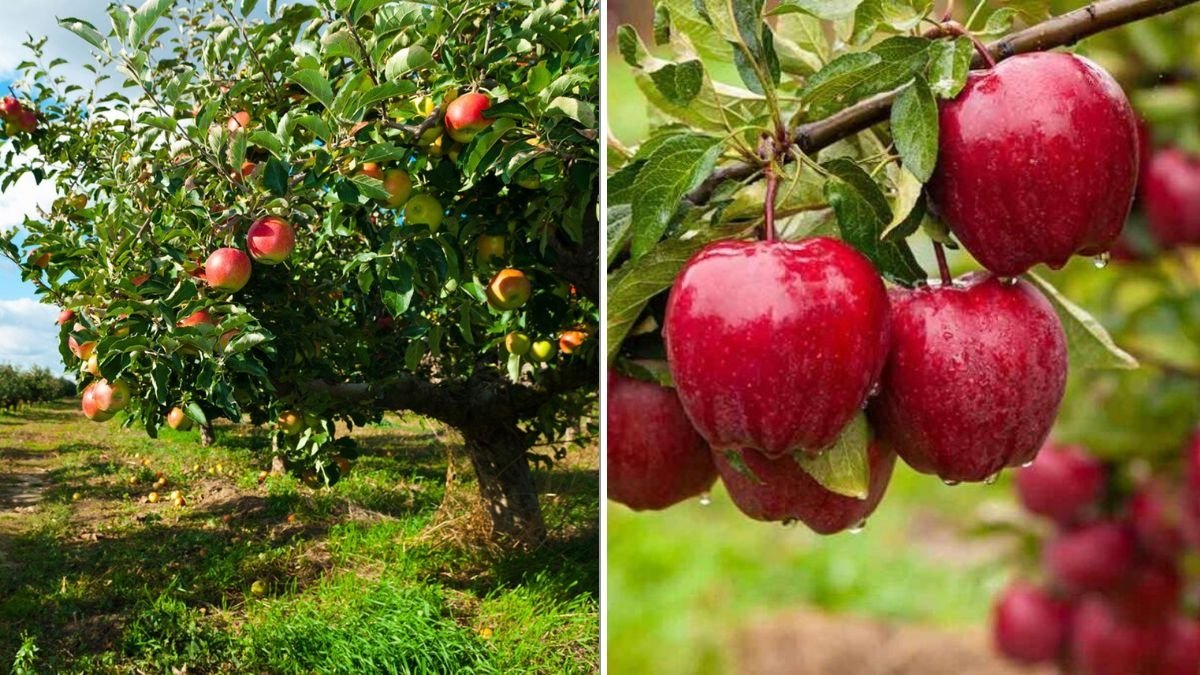
If you’ve ever dreamed of harvesting baskets of crisp, juicy apples from your backyard, you already know that healthy soil, sunshine, and pruning play key roles. But there’s another, often-overlooked secret to thriving apple trees — companion planting.
Companion planting is the art of growing certain plants together for mutual benefit. The right companions can attract pollinators, repel pests, enrich the soil, and even improve fruit flavor. For apple trees, which face common challenges like aphids, codling moths, and fungal diseases, companion plants can make a world of difference.
Whether you’re tending an orchard or a single tree in your garden, here’s a complete guide to the best companion plants for apple trees — and how to use them to create a lush, self-sustaining ecosystem.
Why Companion Planting Works for Apple Trees
Apple trees don’t grow in isolation in nature — they thrive in diverse ecosystems where plants, insects, and soil microbes work together. Companion planting recreates that natural balance right in your garden.
Here’s how it helps:
- Pest Control: Certain herbs and flowers naturally repel apple-loving pests like aphids, codling moths, and apple maggots.
- Pollination Boost: Flowers attract bees and beneficial insects, improving fruit set.
- Soil Health: Nitrogen-fixing plants and ground covers keep the soil rich, aerated, and moist.
- Disease Prevention: Aromatic herbs help reduce fungal spores and mildew around apple roots.
- Weed Suppression: Ground covers outcompete weeds and maintain consistent soil moisture.
In short: Companion planting reduces your need for pesticides and fertilizers while creating a more balanced, beautiful orchard.
The Best Companion Plants for Apple Trees
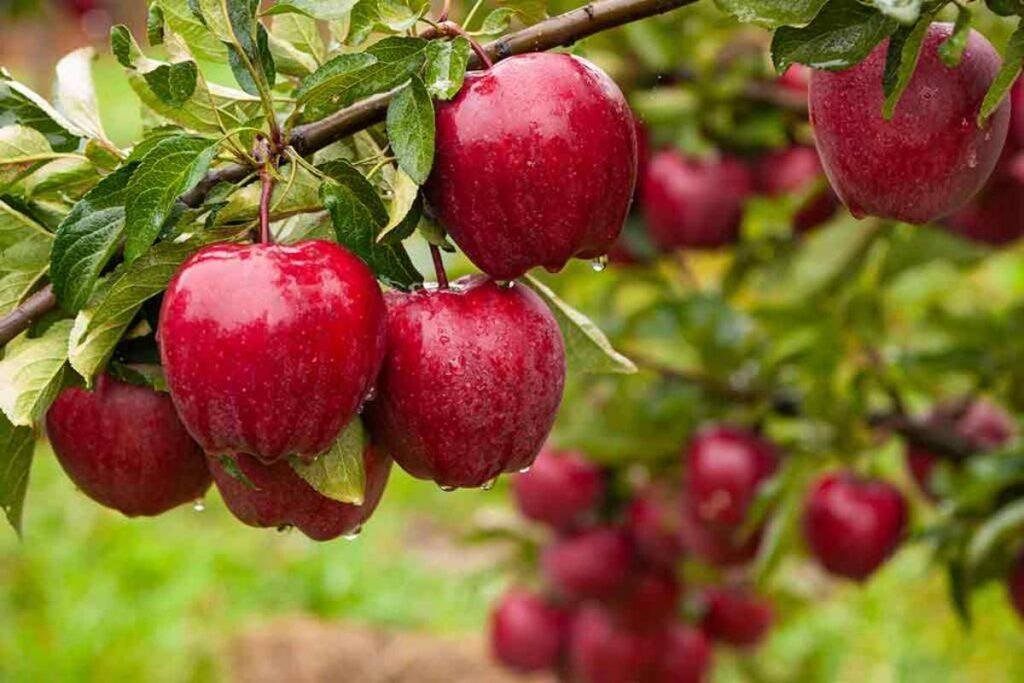
Here’s a curated list of top-performing companion plants that help apple trees grow stronger, resist disease, and yield more fruit.
1. Comfrey – The Soil Enricher
Comfrey is often called the “power plant” of permaculture — and for good reason. Its deep roots pull up nutrients like potassium, calcium, and magnesium from the subsoil, making them available to apple roots when its leaves decompose.
Benefits:
- Builds soil fertility and improves structure.
- Provides excellent mulch when chopped and dropped around the base of the apple tree.
- Attracts pollinators with its purple-blue flowers.
How to Plant:

- Plant comfrey about 2–3 feet away from the apple tree trunk.
- Cut leaves 3–4 times a year to use as mulch or compost material.
Tip: Use the sterile variety ‘Bocking 14’, which doesn’t spread aggressively.
2. Marigolds – The Pest Repellent
Marigolds are among the best-known companion plants for any garden — and apple trees love them too.
Benefits:
- Repel nematodes, aphids, and whiteflies.
- Their strong scent confuses pests like apple maggots and codling moths.
- Bright blooms attract bees and butterflies.
How to Plant:
- Scatter marigolds in clusters around the apple tree’s drip line (the area under the edge of the canopy).
- Replant annually for continuous protection.
Pro Tip: Pair marigolds with herbs like basil or dill for an even stronger pest barrier.
3. Chives – The Fungal Fighter
Chives are a must-have around apple trees. Their onion-like scent deters many pests, while their antimicrobial compounds help prevent fungal diseases such as apple scab and powdery mildew.
Benefits:
- Repels aphids, borers, and mites.
- Naturally inhibits fungal spores on nearby plants.
- Attracts pollinators when in bloom.
How to Plant:
- Plant clumps of chives around the tree base, leaving a few inches between plants.
- Divide and replant every 2–3 years for best growth.
Bonus: Chive flowers are edible and make lovely garden garnishes.
4. Garlic and Onions – Natural Pest Barriers
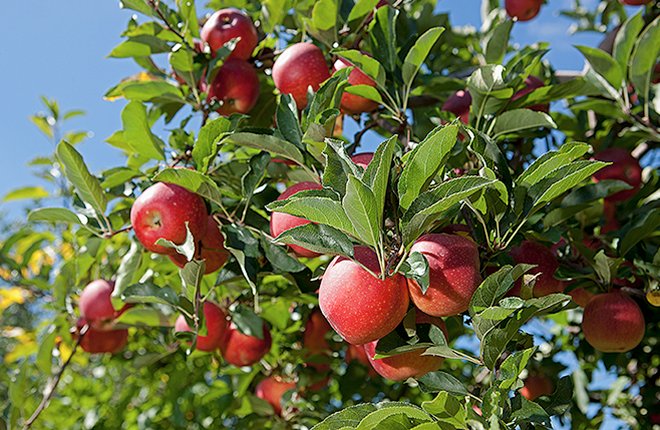
Alliums (the family that includes garlic, onions, and leeks) are among the most effective natural pest repellents.

Benefits:
- Repel aphids, mites, borers, and deer.
- Help prevent fungal infections.
- Easy to grow in the partial shade of apple trees.
How to Plant:
- Plant garlic bulbs in fall, about 6 inches apart, around the tree base.
- Harvest in summer, then replant for year-round protection.
Pro Tip: Use garlic chives for a low-maintenance perennial alternative.
5. Dandelions – The Pollinator Magnet
Though often considered a weed, dandelions play a surprising role in a healthy orchard ecosystem.
Benefits:
- Their long taproots pull up calcium and potassium for shallow-rooted trees.
- Early spring blooms attract bees just when apple blossoms begin to open.
- Help maintain soil aeration.
How to Plant:
- Allow a few dandelions to grow naturally under your tree — no special planting needed.
- Mow or pull excess plants if they start spreading too widely.
Tip: Don’t remove all dandelions from your lawn — they’re vital for early-season pollinators.
6. Clover – The Nitrogen Fixer
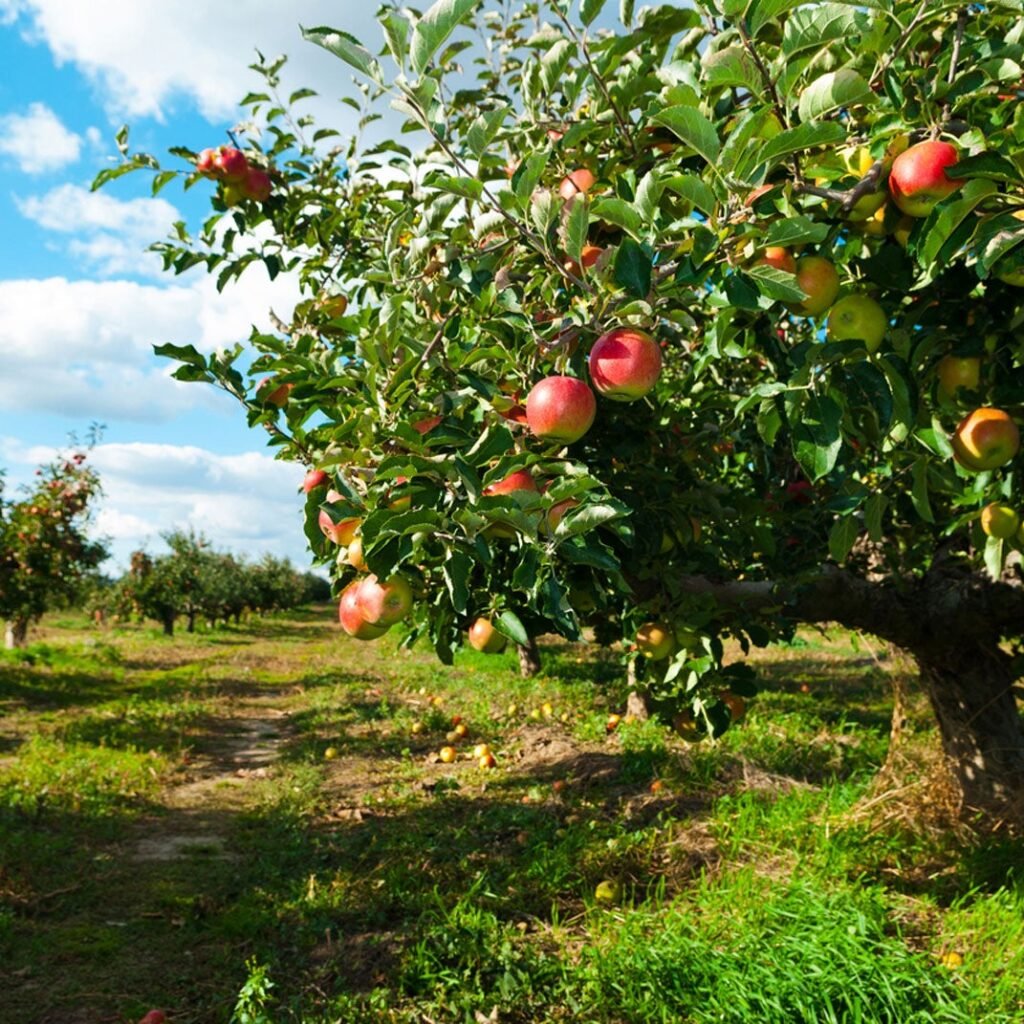
Clover is one of the best living mulches for apple trees. It’s low-growing, drought-tolerant, and improves soil fertility.
Benefits:
- Fixes nitrogen in the soil, providing natural fertilizer.
- Reduces weeds and conserves moisture.
- Attracts bees and beneficial insects.
How to Plant:

- Sow white or red clover seed in spring or fall beneath your apple tree.
- Mow occasionally to keep it tidy and stimulate new growth.
Pro Tip: Clover also helps prevent erosion and compaction around tree roots.
7. Nasturtiums – The Aphid Trap
Nasturtiums are not only beautiful — they’re a brilliant form of pest management.
Benefits:
- Act as a trap crop, luring aphids and whiteflies away from apple leaves.
- Attract beneficial insects like ladybugs and lacewings that feed on pests.
- Their bright flowers add color and are edible too!
How to Plant:
- Plant nasturtiums in small clusters 3–4 feet from the tree base.
- Let them trail naturally or climb low supports.
Bonus: Nasturtium leaves and flowers have a peppery flavor and make great additions to salads.
8. Lemon Balm and Mint – The Insect Repellers
Both lemon balm and mint are aromatic herbs that confuse and repel insect pests.
Benefits:
- Repel codling moths, aphids, and ants.
- Attract pollinators with their small, nectar-rich flowers.
- Release essential oils that deter mosquitoes and fruit flies.
How to Plant:
- Plant in containers near your apple trees to prevent aggressive spreading.
- Cut back regularly to encourage new growth and prevent overcrowding.
Pro Tip: Crushed mint leaves also deter rodents that might nibble on young bark.
9. Calendula (Pot Marigold) – The Pollinator Powerhouse
Calendula’s bright yellow-orange flowers are more than ornamental — they help keep apple trees productive and healthy.

Benefits:
- Attract bees and hoverflies for pollination.
- Repel aphids and beetles.
- Improve soil health through dense root systems.
How to Plant:
- Sow calendula seeds around the tree base in early spring.
- Deadhead spent blooms to encourage continuous flowering.
Fun Fact: Calendula petals are edible and can be used as a natural dye or garnish.
10. Yarrow – The Beneficial Insect Haven
Yarrow is a powerhouse perennial that enhances biodiversity around your apple trees.
Benefits:
- Attracts ladybugs, lacewings, and parasitic wasps that prey on aphids and caterpillars.
- Strengthens nearby plants through chemical signaling (allelopathy).
- Improves soil structure with deep, fibrous roots.
How to Plant:
- Plant yarrow at the edge of your orchard or garden bed, about 3 feet from the trunk.
- Divide clumps every few years to control spread.
Pro Tip: Choose white or yellow yarrow for best insect attraction.
Bonus Companions for Apple Trees
| Companion Plant | Benefit | Notes |
|---|---|---|
| Borage | Attracts bees, improves fruit flavor | Re-seeds easily each year |
| Thyme | Ground cover, repels worms and beetles | Plant along borders |
| Chamomile | Boosts tree immunity | Great for underplanting |
| Tansy | Repels ants and moths | Keep controlled—can spread |
| Fennel (in containers) | Attracts hoverflies | Keep away from direct root zone |
Plants to Avoid Near Apple Trees
Not all plants make good neighbors. Some compete for nutrients or release compounds that can stunt apple tree growth.
Avoid planting:
- Potatoes, tomatoes, peppers, or eggplants (members of the nightshade family – can spread blight).
- Walnuts (release juglone, which is toxic to apple trees).
- Brassicas (like cabbage and broccoli – can attract root maggots).
Tip: Always leave 2–3 feet of open space around the trunk to prevent root competition.

How to Design a Companion Planting Guild Around Your Apple Tree
A “fruit tree guild” is a layered, self-sustaining planting system that mimics a forest.
Example Apple Tree Guild:
- Center: Apple tree
- Inner Circle: Garlic, chives, and comfrey (nutrient cycling & disease control)
- Middle Circle: Clover or nasturtiums (ground cover & nitrogen fixing)
- Outer Circle: Marigolds, calendula, and yarrow (pollinator support)
This layered design provides nutrients, pest control, and pollination year-round — all without chemical fertilizers or sprays.
Final Thoughts
Companion planting around your apple tree is one of the simplest, most natural ways to boost productivity, protect against pests, and create a thriving garden ecosystem.
Instead of relying on pesticides or synthetic fertilizers, you’ll have a living system that supports your tree — from the roots to the blossoms.
With the right mix of herbs, flowers, and ground covers, your apple tree will grow stronger, produce more fruit, and stay healthier season after season.
So grab your gloves, gather your seeds, and start designing your apple tree companion garden today — because a happy tree is never alone.

Leave A Comment