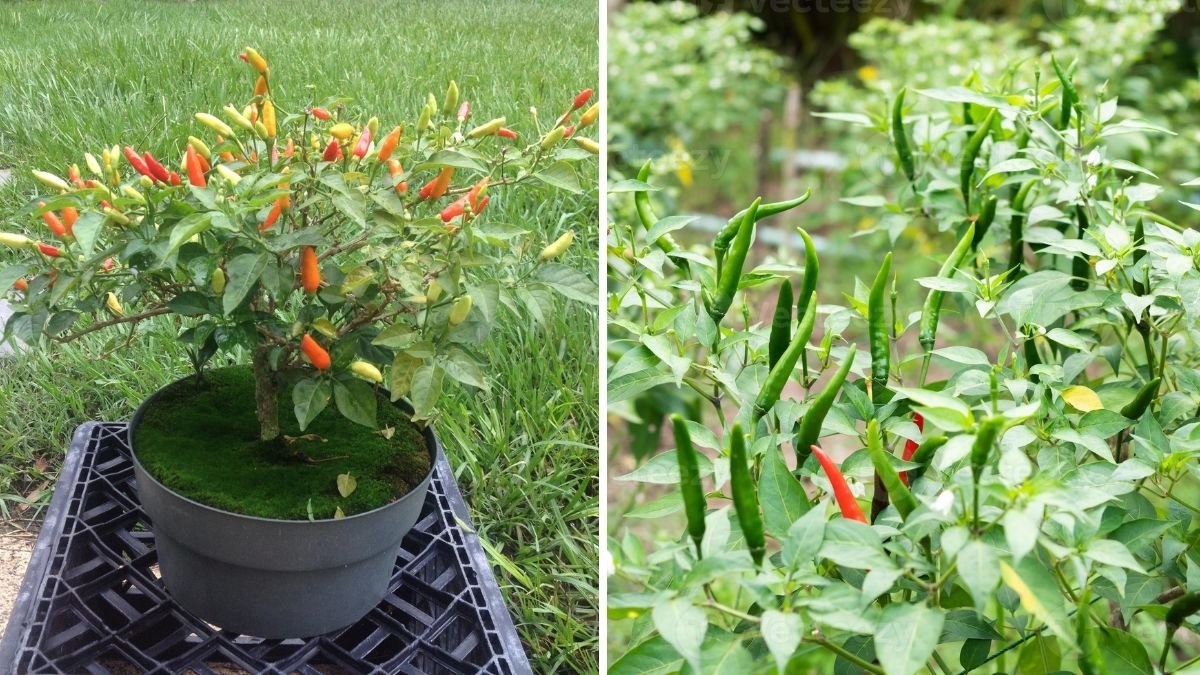
If there’s one name that instantly sparks the thought of bold heat and tangy spice, it’s Tabasco. This small but mighty pepper has become a symbol of fiery flavor across the United States, especially thanks to the world-famous Tabasco sauce that bears its name. Native to Central America but deeply rooted in American cuisine, the Tabasco pepper is celebrated for its vibrant taste, moderate heat, and culinary versatility. Whether you’re a home cook, spice lover, or hot sauce connoisseur, understanding this iconic chili will transform the way you use heat in your kitchen.
In this in-depth guide, we’ll explore everything you need to know about the Tabasco pepper—its origin, Scoville heat, nutritional value, growing tips, and mouthwatering recipes to bring a burst of Louisiana-style heat to your table.
What Is a Tabasco Pepper?

The Tabasco pepper (Capsicum frutescens) is a small, tapered chili measuring about 1.5 to 2 inches long. It’s most recognized for its bright red color, thin skin, and juicy flesh—unlike most other chilies that are dry inside. This juicy characteristic makes Tabasco peppers perfect for creating hot sauces with smooth texture and tangy kick.
On the Scoville Heat Scale, Tabasco peppers range from 30,000 to 50,000 Scoville Heat Units (SHU). That places them hotter than jalapeños (2,500–8,000 SHU) but milder than habaneros or Thai chilies. In terms of flavor, they’re tangy, fruity, and slightly smoky, which makes them ideal for Louisiana-style cuisine, soups, marinades, and, of course, hot sauces.
The Origin and History of Tabasco Peppers
The story of Tabasco peppers dates back centuries, originating in southern Mexico and Central America. The name “Tabasco” comes from a Mexican state that shares the same name—an early indication of the pepper’s Latin roots.
However, it wasn’t until the mid-1800s that the Tabasco pepper gained fame in the United States. In 1868, Edmund McIlhenny, a Louisiana businessman, crafted a fiery condiment from these peppers, mixing them with salt and vinegar. He bottled the sauce in old cologne bottles, and thus, the legendary Tabasco Sauce was born.

Today, the McIlhenny Company, based on Avery Island, Louisiana, still produces this sauce using the same original family recipe. Every bottle sold worldwide continues to carry the legacy of the Tabasco pepper—making it one of America’s most iconic exports.
Heat Level and Flavor Profile

The heat of Tabasco peppers is often described as a “pleasant burn.” It’s intense enough to satisfy spice enthusiasts yet manageable enough to complement a wide range of dishes. Unlike some peppers that deliver a sharp, fleeting sting, Tabasco heat builds gradually and lingers with a slightly tangy, vinegary finish.
Flavor notes include:
- Tangy and slightly fruity
- Lightly smoky
- Juicy with a clean, crisp finish
This unique combination of heat and brightness makes Tabasco peppers an excellent choice for hot sauces, salsas, soups, and seafood dishes.
Nutritional Benefits of Tabasco Peppers
Like many chili peppers, Tabasco peppers aren’t just about heat—they’re packed with nutrients and antioxidants that boost health and wellness.
Here’s a quick look at what these tiny fireballs contain:

- Vitamin C: Strengthens immunity and promotes healthy skin.
- Capsaicin: The compound responsible for the heat; helps reduce inflammation, improve metabolism, and may aid in pain relief.
- Vitamin A: Supports vision and immune system function.
- Antioxidants: Help fight free radicals and promote cellular health.
In moderation, adding Tabasco peppers or hot sauce to your meals can even boost endorphins—the feel-good hormones that give you that post-spice rush.
How to Grow Tabasco Peppers at Home
If you love gardening and spice, growing your own Tabasco pepper plants is a rewarding experience. These peppers thrive in warm, humid climates, making them ideal for southern states like Louisiana, Texas, and Florida.
Here’s a step-by-step growing guide:
- Start Indoors: Begin seeds indoors 6–8 weeks before the last frost. Keep the soil warm (around 75–85°F).
- Transplant Outdoors: Move seedlings outdoors once temperatures stay consistently above 60°F.
- Choose a Sunny Spot: Tabasco plants love full sunlight—at least 6–8 hours daily.
- Water Consistently: Keep soil moist but not soggy. Overwatering can lead to root rot.
- Fertilize Moderately: Use a balanced fertilizer once a month to encourage steady growth.
- Harvest Time: Peppers mature in 80–100 days. They start green and turn yellow, orange, and finally bright red when ripe.
Each plant can yield dozens of peppers, which you can use fresh, dried, or pickled—or make your own signature hot sauce!
Culinary Uses of Tabasco Peppers

From zesty sauces to spicy soups, Tabasco peppers bring bold flavor to countless recipes. Here are some creative ways to use them in your kitchen:
1. Homemade Hot Sauce
Blend ripe Tabasco peppers with vinegar and salt, then ferment the mixture for a few weeks. The result? A tangy, Louisiana-style hot sauce that’s perfect for eggs, tacos, or fried chicken.

2. Spicy Soups and Stews
Add chopped Tabasco peppers to gumbo, jambalaya, or chili for authentic Southern heat.
3. Pickled Tabasco Peppers
Preserve fresh peppers in a vinegar brine with garlic and herbs. They make a great topping for sandwiches or burgers.
4. Marinades and Rubs
Puree Tabasco peppers into a paste and mix with olive oil, lime juice, and honey for a fiery marinade for chicken, shrimp, or tofu.
5. Cocktail Enhancer
A few drops of Tabasco-infused vinegar can elevate your Bloody Mary, margarita, or spicy michelada.
How Tabasco Compares to Other Hot Peppers

| Pepper Type | Scoville Heat Units (SHU) | Flavor Profile | Common Uses |
|---|---|---|---|
| Jalapeño | 2,500 – 8,000 | Mild, earthy | Salsas, nachos, poppers |
| Cayenne | 30,000 – 50,000 | Sharp, earthy | Hot sauces, powders, soups |
| Tabasco | 30,000 – 50,000 | Tangy, juicy, slightly smoky | Hot sauces, seafood, Cajun cuisine |
| Habanero | 100,000 – 350,000 | Fruity, floral | Caribbean dishes, extreme sauces |
As you can see, Tabasco peppers fall in the medium-hot range, making them one of the most versatile chilies for American home cooking.
Fun Fact: The Tabasco Sauce Fermentation Process

One of the secrets behind the famous Tabasco sauce is fermentation. After harvesting, the peppers are mashed with salt and aged in white oak barrels for up to three years. This process develops complex flavors and deepens the sauce’s signature tang. Once matured, the mash is blended with vinegar, stirred for several weeks, and then strained and bottled.

This dedication to craftsmanship is why Tabasco sauce remains a global staple and has been exported to over 190 countries for more than 150 years.
Try This: Simple Tabasco Pepper Hot Sauce Recipe
Ingredients:
- 1 cup fresh Tabasco peppers (stems removed)
- ½ cup white vinegar
- ½ teaspoon sea salt
Instructions:
- Combine peppers and vinegar in a blender until smooth.
- Pour mixture into a saucepan and bring to a boil.
- Lower heat and simmer for 5 minutes.
- Add salt and let the mixture cool.
- Strain into sterilized bottles and refrigerate.
You now have a homemade, all-natural Tabasco-style sauce ready to add heat to any meal!
Final Thoughts: The Enduring Heat of Tabasco Peppers
The Tabasco pepper is more than just a chili—it’s a symbol of bold American flavor and culinary tradition. Its tangy, vinegary heat has shaped the hot sauce industry, elevated Southern cuisine, and found its way into kitchens around the globe.
Whether you’re crafting homemade sauces, spicing up gumbo, or exploring heirloom pepper varieties, Tabasco remains a timeless favorite for those who crave a perfect balance of heat, flavor, and history.

So the next time you reach for that familiar red bottle or see fresh Tabasco peppers at the farmer’s market, remember—you’re not just tasting spice; you’re tasting over a century of Louisiana heritage.

Leave A Comment