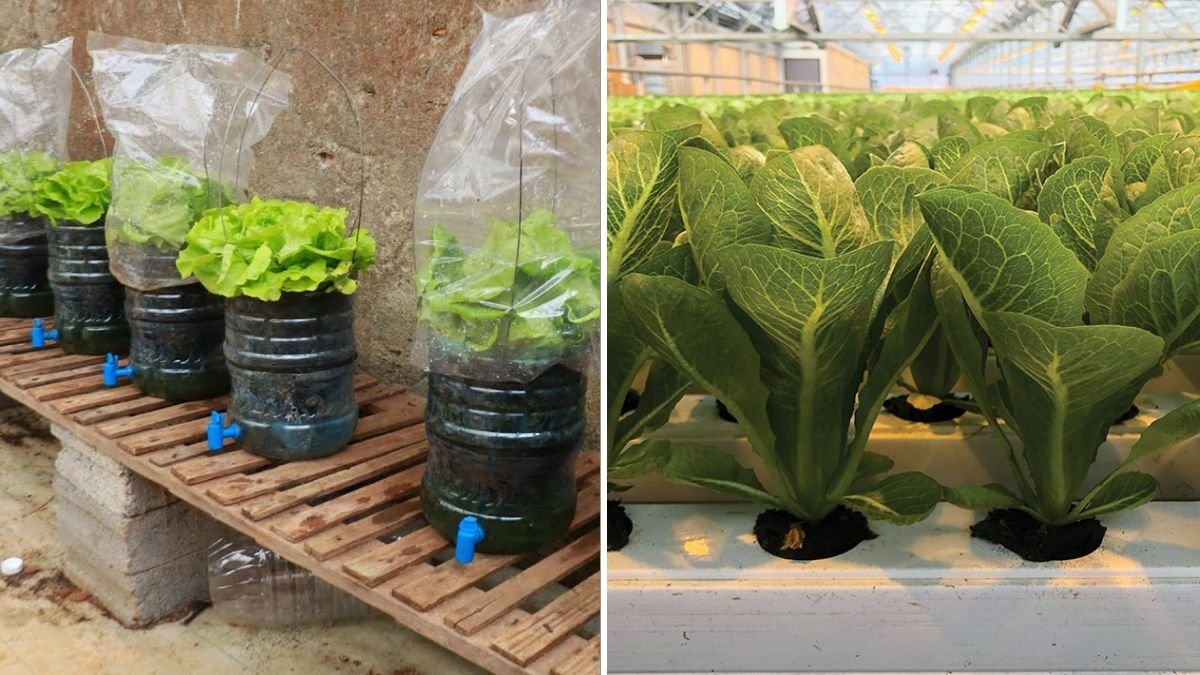
Romaine lettuce has long been the unsung hero of the salad world. Known for its crisp texture, tall upright leaves, and refreshing flavor, it’s the foundation of the iconic Caesar salad and a go-to for health-conscious Americans who crave both crunch and nutrition.
Unlike iceberg lettuce, which is mild and watery, romaine lettuce (Lactuca sativa var. longifolia) offers a perfect balance of texture and taste—crisp at the ribs and tender at the tips. Beyond its delicious flavor, romaine is a nutrient-rich green packed with vitamins, minerals, and antioxidants that support heart health, digestion, and glowing skin.
Whether you’re a home gardener looking for an easy-to-grow leafy green or a foodie seeking new ways to upgrade your salads and sandwiches, romaine lettuce is a versatile choice that thrives in U.S. climates and deserves a permanent spot in your garden and on your plate.
1. What Is Romaine Lettuce? A Classic with a Global Story
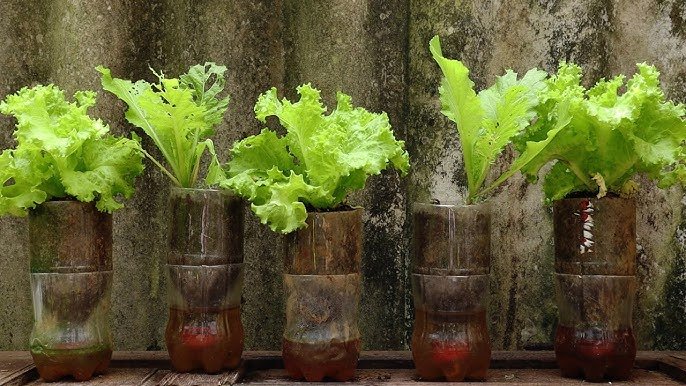
Romaine lettuce, also known as cos lettuce, traces its origins to the Mediterranean region. It gets its name from the city of Rome, where it was cultivated for centuries before becoming a global favorite. Today, it’s a staple in American grocery stores, restaurants, and home gardens.
Botanical profile:
- Scientific name: Lactuca sativa var. longifolia
- Family: Asteraceae (daisy family)
- Type: Annual, cool-season leafy vegetable
- Shape: Tall, elongated heads with sturdy ribs
- Flavor: Mildly sweet, slightly bitter, and refreshingly crisp
Romaine stands out because it can withstand heat better than many other lettuce varieties. Its tall, dense leaves also make it perfect for grilling, chopping, or layering in sandwiches—something most delicate lettuces can’t handle.

2. Nutrition Profile: Why Romaine Lettuce Is a Superfood in Disguise
Romaine lettuce is one of the most nutrient-dense lettuces you can eat. While low in calories, it’s rich in vitamins and minerals that promote better overall health.
Nutritional highlights (per 100g):
- Calories: 17
- Fiber: 2.1g
- Vitamin A: 174% of the Daily Value (supports eye and skin health)
- Vitamin K: 85% of the Daily Value (aids bone and heart health)
- Vitamin C: 25% of the Daily Value (boosts immunity)
- Folate: Essential for DNA and cell repair
- Potassium: Helps regulate blood pressure
Because romaine is about 95% water, it’s naturally hydrating and a great addition to any diet focused on weight loss, hydration, or heart health.
Fun fact: According to the USDA, romaine lettuce is one of the top sources of vitamin A among all leafy greens.
3. How to Grow Romaine Lettuce in America
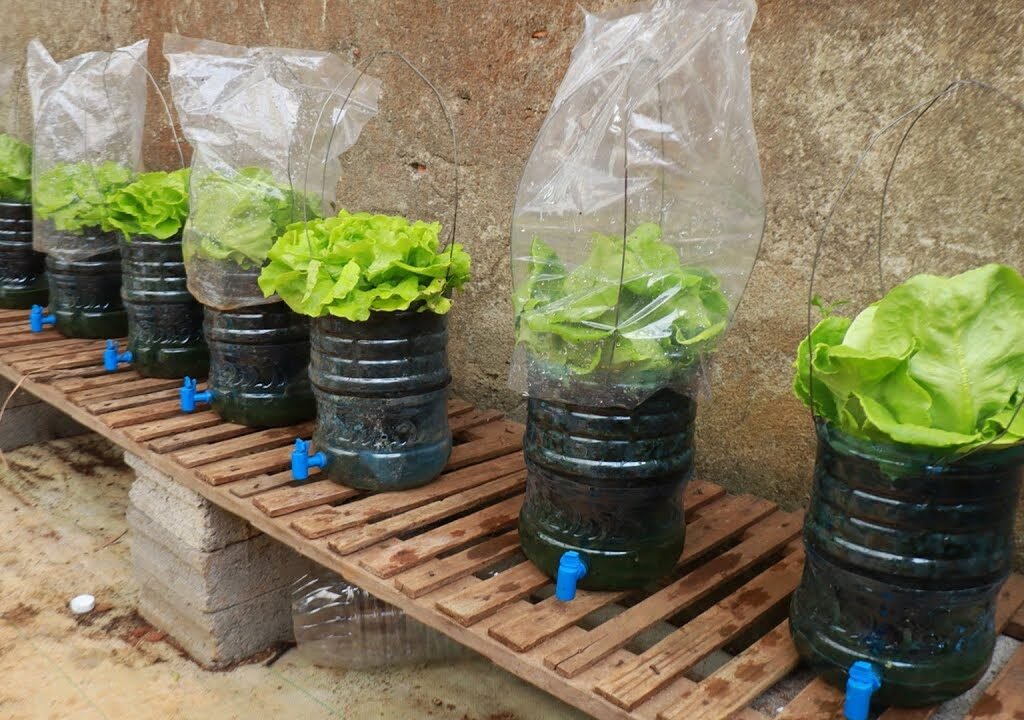
One of the best things about romaine lettuce is that it’s easy to grow in most U.S. regions. Whether you live in the sunny South or cooler Northern states, you can enjoy multiple harvests each year.
a. When to Plant
- Spring: Start seeds 2–4 weeks before the last frost date.
- Fall: Plant again in late summer for a fall harvest.
Romaine prefers cool weather—between 60°F and 70°F—so avoid planting in the peak of summer unless you provide shade.
b. Ideal Soil and Light
- Soil type: Loose, fertile, and rich in organic matter
- pH range: 6.0–7.0
- Sunlight: Full sun (at least 6 hours per day), though partial shade works in hot climates
Adding compost improves soil texture and boosts nutrient content, ensuring crisp and flavorful leaves.

c. Planting Instructions
- Seed depth: ¼ inch
- Spacing: 12–18 inches apart in rows 18 inches apart
- Watering: Keep soil evenly moist, but not soggy. Romaine has shallow roots that dry out easily.
Mulching around the base of plants helps maintain soil moisture and keeps weeds under control.
4. Caring for Your Crop
Once established, romaine lettuce requires minimal maintenance:
- Water regularly—consistent moisture prevents bitter leaves.
- Fertilize lightly every 2–3 weeks with compost tea or a balanced organic fertilizer.
- Watch for pests like aphids, slugs, and snails. Neem oil or diatomaceous earth are natural deterrents.
- Harvest outer leaves early to encourage continuous growth.
If you’re growing in warmer regions like Florida or Southern California, consider planting heat-tolerant romaine varieties such as ‘Parris Island Cos’ or ‘Valmaine.’
5. Harvesting Romaine Lettuce
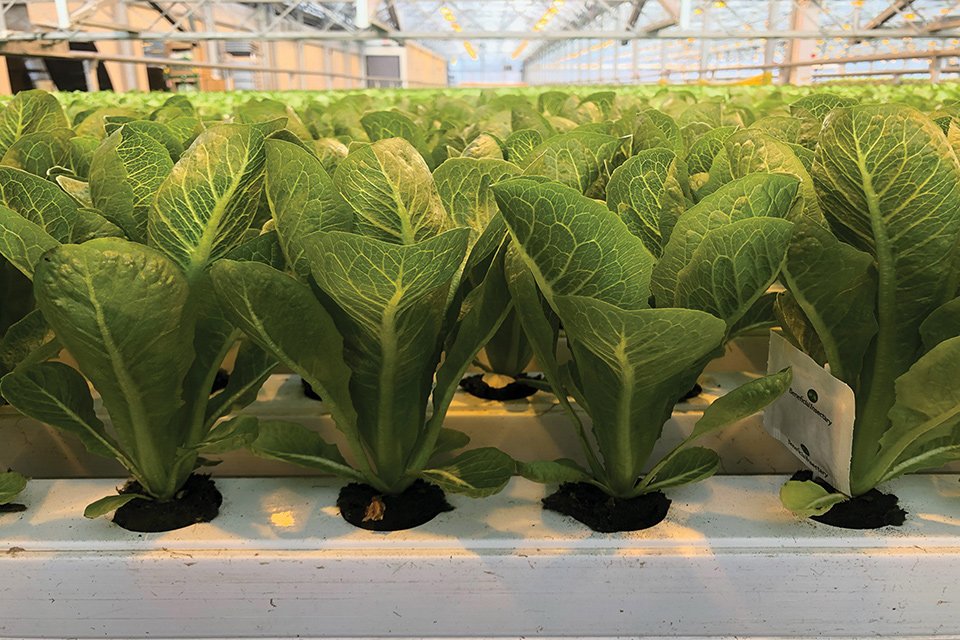
Romaine lettuce can be harvested in two ways:
- Cut-and-come-again: Trim outer leaves as needed, allowing the center to keep growing.
- Full head harvest: When the head is firm and about 10–12 inches tall (around 65–75 days after planting), cut it at the base with a clean knife.
Tip: Harvest in the early morning when leaves are crisp and full of water content for the best flavor and texture.
6. Storing Romaine Lettuce
Romaine lettuce stores well if handled properly.

- Do not wash until ready to eat—excess moisture causes decay.
- Wrap unwashed heads in a paper towel and place them in a produce bag.
- Store in the crisper drawer of your refrigerator.
Properly stored, romaine can stay fresh for up to 10 days—longer than most leafy greens.
7. Delicious Ways to Use Romaine Lettuce
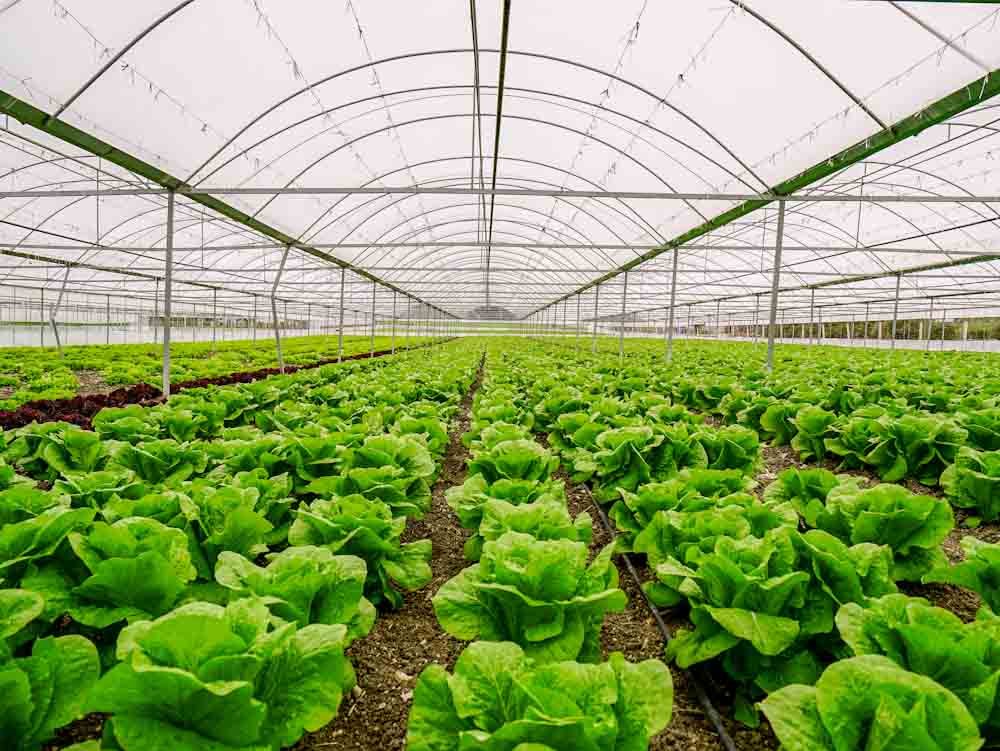
Romaine lettuce is one of the most versatile greens in the kitchen. Its strong ribs and mild taste make it perfect for a variety of American dishes—from salads and wraps to grilled sides.
a. The Classic Caesar Salad
Romaine’s crunchy leaves are the foundation of the Caesar salad—a timeless American favorite. Toss chopped romaine with creamy Caesar dressing, shaved Parmesan, and crunchy croutons for a simple yet elegant dish.
b. Lettuce Wraps
Use large romaine leaves as wraps for a low-carb alternative to tortillas or bread. Fill them with grilled chicken, shrimp, or tofu for a healthy lunch option.
c. Grilled Romaine
Brush halved romaine heads with olive oil and grill for 2–3 minutes per side. Top with lemon juice, shaved Parmesan, and a sprinkle of black pepper for a smoky, restaurant-quality side.
d. Smoothies and Juices
For a nutrient boost, add romaine lettuce to your morning green smoothie. Its mild flavor blends perfectly with fruits like apples, pineapples, and bananas.

e. Sandwiches and Burgers
Swap wilted lettuce for crisp romaine leaves in sandwiches and burgers. It holds up better under heat and sauces, adding both texture and freshness.
8. Romaine Lettuce Varieties for American Gardens
If you’re growing romaine at home, try these popular varieties suited for U.S. climates:
- ‘Parris Island Cos’ – Classic, heat-tolerant, and resistant to tip burn
- ‘Valmaine’ – Compact and slow to bolt in warm conditions
- ‘Cimmaron’ – Deep red-green leaves with a sweet flavor
- ‘Little Gem’ – Miniature variety perfect for container gardening
Each variety brings something unique to the table—whether it’s heat resistance, color, or texture.
9. Health Benefits of Romaine Lettuce

Beyond its crisp texture, romaine lettuce offers impressive health benefits that make it a smart choice for daily meals:
- Supports heart health: Rich in folate and potassium, romaine helps regulate blood pressure and supports circulation.
- Promotes weight loss: Low in calories but high in volume, it keeps you full longer.
- Boosts immunity: High vitamin C and A content strengthen the immune system.
- Improves digestion: The fiber content supports gut health and prevents constipation.
- Aids hydration: With 95% water, it’s one of the most hydrating greens available.
Eating romaine regularly can be a simple but effective way to improve overall wellness while keeping your meals light and flavorful.
10. Sustainability and Why Romaine Belongs in Your Garden
Romaine lettuce is not only good for you—it’s also eco-friendly and sustainable. It grows quickly, requires minimal fertilizer, and thrives in small spaces, making it perfect for home gardens and urban containers.

Because romaine grows vertically, it maximizes space efficiency, allowing gardeners to harvest plenty even in raised beds or balcony planters. And since it’s a fast crop, you can enjoy multiple harvests per year with proper care.
Growing your own romaine also reduces packaging waste and transportation emissions—giving you fresher, cleaner, and more sustainable greens right from your backyard.
11. Why Americans Love Romaine Lettuce
From backyard gardens in the Midwest to restaurant kitchens in New York and California, romaine lettuce has become an American favorite. Its nutritional value, adaptability, and crisp texture make it ideal for modern lifestyles focused on wellness and sustainability.
Whether you’re tossing it in a salad, wrapping it around your favorite protein, or growing it for your family’s table, romaine lettuce proves that healthy eating can be both simple and delicious.
So, next time you’re planning your meals or your garden, skip the bagged greens and reach for fresh, homegrown romaine—the ultimate blend of crunch, nutrition, and classic American flavor.

Leave A Comment