
If you’re looking for a beautiful, low-maintenance houseplant that thrives almost anywhere, look no further than the Pothos plant (Epipremnum aureum) — also known as Devil’s Ivy. Loved by beginners and plant enthusiasts alike, pothos is one of the easiest indoor plants to grow in the U.S.
With its vibrant green, heart-shaped leaves and ability to grow in low light and inconsistent watering, this vine adds a touch of tropical charm to homes, offices, and apartments. From trailing gracefully down bookshelves to climbing walls and trellises, pothos can turn any corner into a lush, green paradise.
In this comprehensive guide, you’ll learn everything you need to know about pothos growing — from propagation to care, watering schedules, common mistakes, and styling ideas — all tailored for American homes and climates.
What Makes Pothos So Popular

Pothos is practically the poster child for low-maintenance plants. Here’s why it’s a favorite in U.S. households:
- Tolerates Low Light: Perfect for apartments or offices without bright windows.
- Forgiving with Water: Survives occasional neglect — great for busy schedules.
- ir-Purifying: Removes toxins like formaldehyde, benzene, and carbon monoxide.
- Grows Fast: Perfect for creating lush green displays or hanging plant decor.
- Easy to Propagate: One cutting can grow into multiple new plants.
Whether you’re a plant newbie or an experienced grower, pothos is an essential addition to your indoor plant collection.
Choosing the Right Pothos Variety
Pothos comes in many beautiful varieties, each with its own unique color and leaf pattern. Here are some of the most popular types you can find in the U.S.:
- Golden Pothos:
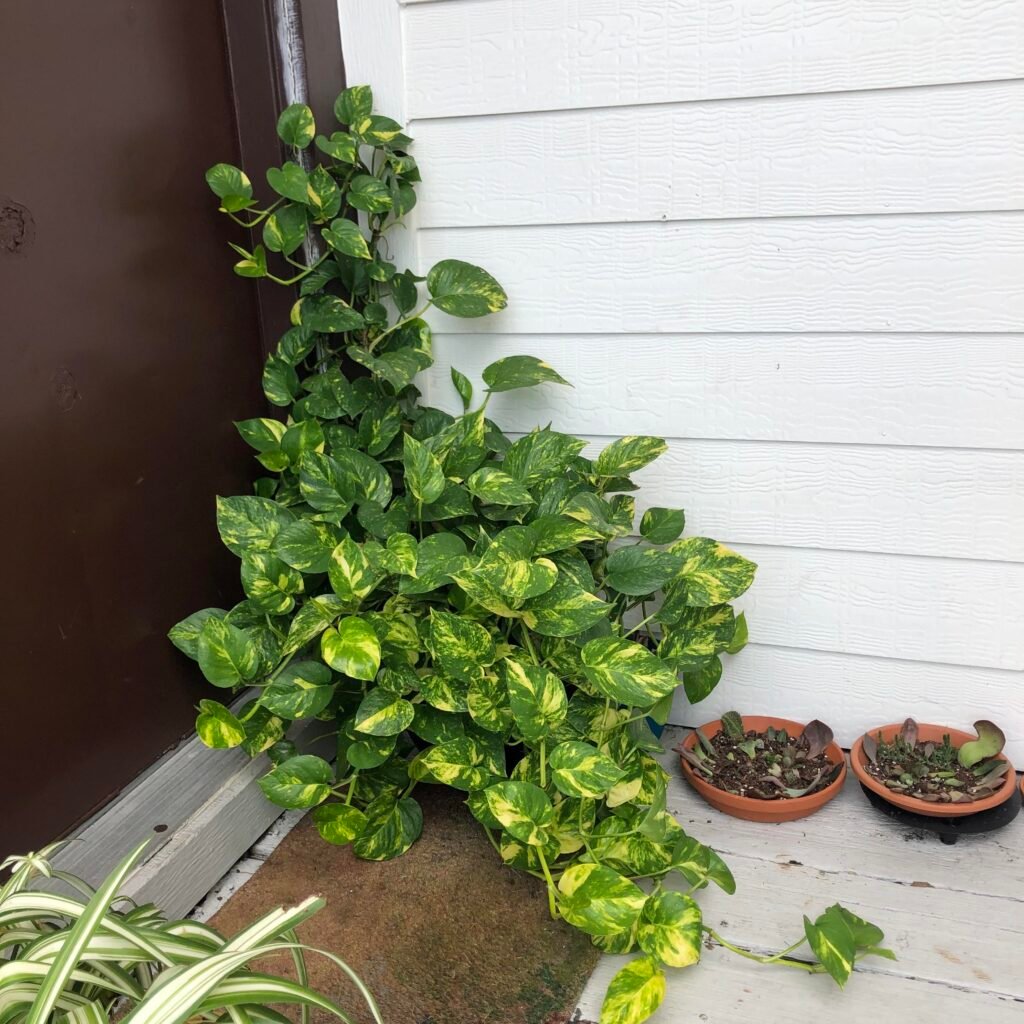
The most common type, featuring green leaves with yellow variegation. - Marble Queen Pothos:
Elegant white and green marbled leaves — bright and eye-catching. - Jade Pothos:
Solid green leaves, perfect for low-light rooms. - Neon Pothos:
Bright, electric-green leaves that bring a pop of color to your space. - Manjula Pothos:
Curly leaves with creamy white and light green patches — a collector’s favorite. - Cebu Blue Pothos:
Silvery-blue leaves with a slightly metallic sheen — rare and exotic-looking.
Pro Tip: Mix different pothos varieties in one space to create a layered, tropical vibe.

Where to Grow Pothos Indoors
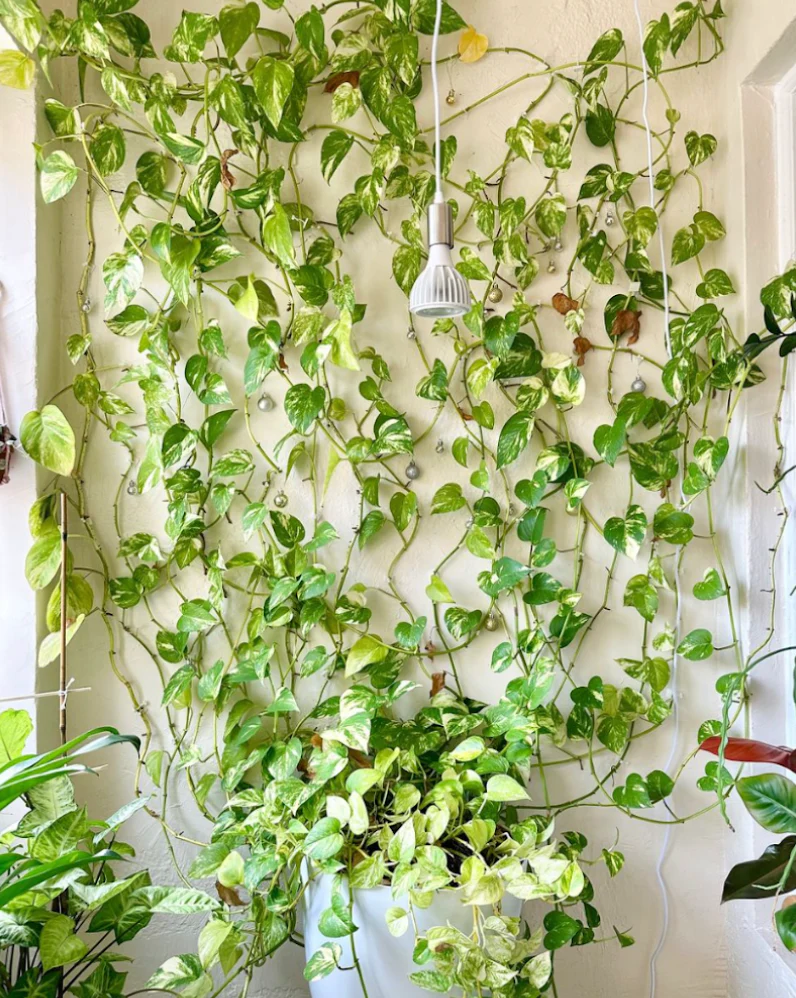
One of the best things about pothos is its versatility. It grows happily almost anywhere indoors, including:
- Living rooms
- Bedrooms
- Bathrooms (yes, it loves humidity!)
- Kitchens
- Offices or workspaces
Lighting Needs:
Pothos prefers bright, indirect light but can also tolerate low-light conditions. However, variegated varieties (like Golden or Marble Queen) need more light to maintain their color.
Avoid direct sunlight, as it can burn the leaves.
How to Grow Pothos: Step-by-Step
Step 1: Choosing a Pot and Soil
Select a well-draining pot with drainage holes. Pothos doesn’t like soggy roots.
For soil, use a light, well-aerated potting mix such as:
- 2 parts all-purpose potting soil
- 1 part perlite
- 1 part coco coir or peat moss
This mix keeps roots healthy by ensuring good airflow and drainage.
Step 2: Planting Pothos
If you bought a small pothos plant or propagated a cutting:

- Fill your pot halfway with soil mix.
- Place the plant in the center, spreading out the roots.
- Add more soil until the roots are fully covered.
- Press gently and water thoroughly.
Step 3: Watering Schedule
Water only when the top 1–2 inches of soil feel dry. Overwatering is the #1 cause of pothos problems.
In general:
- Summer: Water once every 5–7 days.
- Winter: Water every 10–14 days.
Pro Tip: If the leaves droop slightly, it’s a natural reminder your plant is thirsty.
Step 4: Fertilizing Pothos
Feed your pothos with a balanced liquid fertilizer (10-10-10) every 4–6 weeks during spring and summer. In winter, reduce feeding since the plant’s growth slows down.
Avoid overfertilizing — too many nutrients can burn the roots or cause yellow leaves.
Step 5: Pruning for Shape and Health
Regular pruning keeps your pothos bushy and prevents leggy vines.
- Use clean scissors to trim stems just above a leaf node.
- You can replant the cuttings to grow new pothos!
Pruning also stimulates new growth, making your plant fuller and healthier.

Step 6: Propagating Pothos in Water or Soil
One of the most rewarding parts of pothos growing is propagation. It’s simple and fun!
Propagation in Water:
- Cut a 4–6 inch section of vine below a node (where a leaf meets the stem).
- Remove the lower leaves, leaving 1–2 at the top.
- Place the cutting in a glass of clean water.
- Change the water every 3–5 days.
- Within 2–3 weeks, roots will start forming.
Once roots are 2–3 inches long, you can transfer the cutting into soil.
Propagation in Soil:
- Dip the cutting in rooting hormone (optional) and plant directly in moist soil.
- Keep the soil lightly damp until new growth appears.
Common Problems and How to Fix Them
Even though pothos is easy to grow, it can face a few minor issues. Here’s how to troubleshoot:
| Problem | Cause | Solution |
|---|---|---|
| Yellow leaves | Overwatering | Let soil dry out before watering again |
| Brown tips | Dry air or underwatering | Increase humidity and water more regularly |
| Pale leaves | Lack of sunlight | Move to a brighter area |
| Drooping leaves | Underwatering or cold temperatures | Adjust watering and avoid drafts |
| Root rot | Poor drainage | Use well-draining soil and a pot with holes |
Extra Tip: Wipe leaves with a damp cloth monthly to remove dust and keep them glossy.
Pothos and Indoor Decor Ideas
Pothos isn’t just a plant—it’s a decor statement. Here are creative ways to style it around your home:

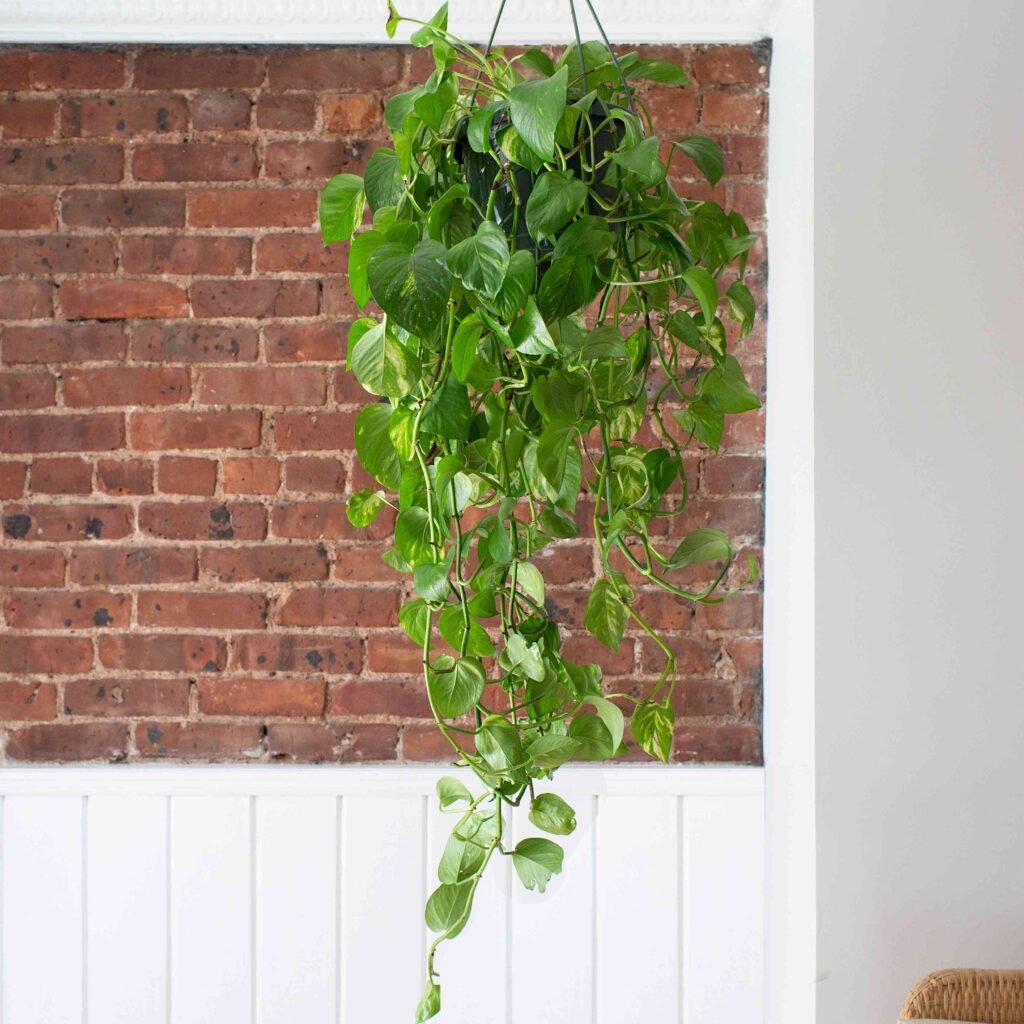
- Hanging Baskets: Let vines cascade beautifully from ceiling hooks.
- Wall Climbing: Use adhesive hooks or trellises for vertical growth.
- Bookshelf Plant: Perfect for draping along shelves or desk edges.
- Bathroom Plant: Loves the humidity — just ensure indirect light.
- Kitchen Corner Accent: Adds freshness and color near windows.
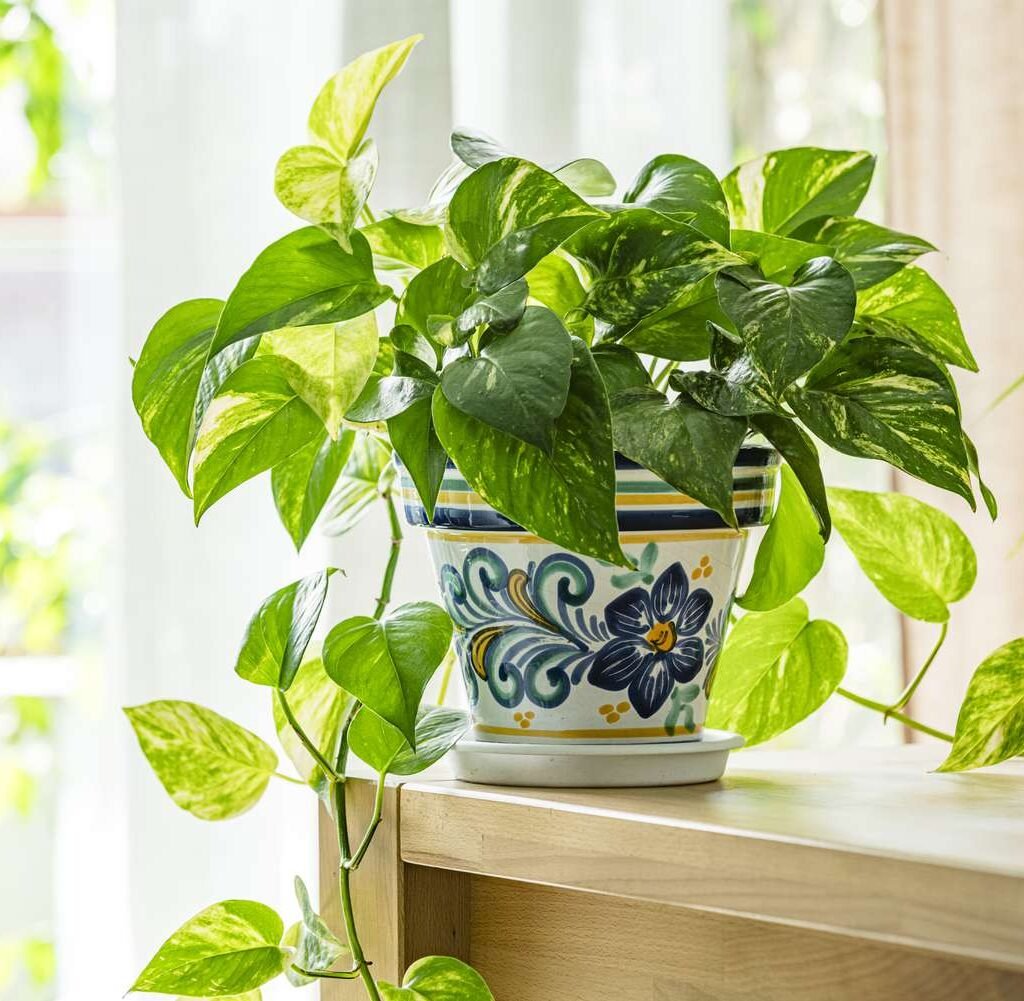
For a trendy American home look, pair pothos with modern ceramic pots or woven baskets for a cozy, boho vibe.
Seasonal Care Tips for U.S. Growers
Spring and Summer:
- Active growth period — water and fertilize more often.
- Great time for pruning and propagation.
Fall and Winter:
- Growth slows — water less frequently.
- Keep away from cold drafts or heating vents.
If you live in northern states with harsh winters, ensure your pothos stays indoors in warm, bright conditions.
The Benefits of Growing Pothos
Growing pothos offers more than beauty — it brings health and happiness into your space.
Air Purification: NASA studies show pothos removes airborne toxins.
Improves Mood: Greenery boosts mental health and productivity.
Boosts Humidity: Naturally increases indoor moisture levels.
Educational for Kids: Great starter plant to teach responsibility.
Sustainable Living: Propagate and share plants with friends instead of buying new ones.
Pothos Growing Mistakes to Avoid
- Overwatering: The most common issue — always check soil moisture first.
- Too Little Light: Leads to dull leaves and slow growth.
- Ignoring Pruning: Causes long, leggy vines with fewer leaves.
- No Drainage Holes: Roots can suffocate and rot.
- Skipping Fertilizer: Results in weak, pale growth over time.
Consistency is key — pothos doesn’t demand much, but it thrives on balance.

Final Thoughts: A Perfect Green Companion
If you want a vibrant, low-effort indoor plant, pothos is the answer. It’s hardy, fast-growing, and adaptable to almost any environment — from sunny living rooms to dim offices.
With a little care, your pothos will reward you with lush, trailing vines and cleaner indoor air, creating a peaceful, nature-inspired haven in your home.
So whether you’re a beginner or an experienced gardener, give pothos a spot in your space — and watch it flourish with very little effort.

Leave A Comment