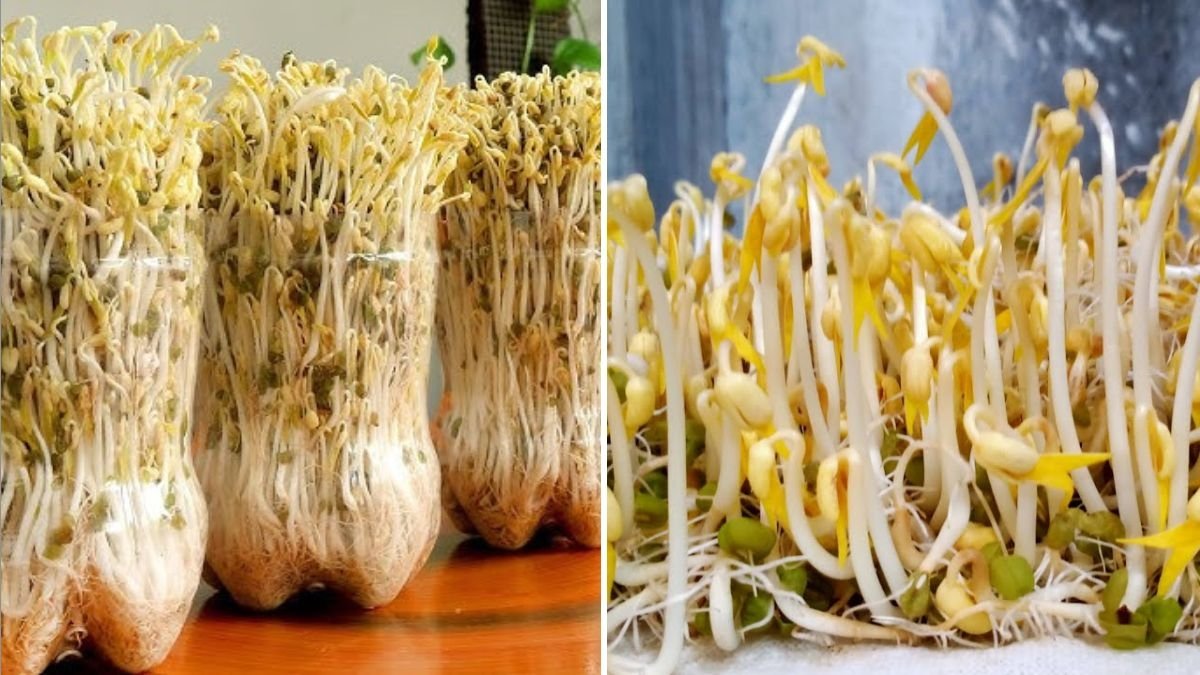
If you’ve ever enjoyed a crisp Asian stir-fry, a fresh salad bowl, or a wholesome vegan wrap, chances are you’ve already tasted mung bean sprouts—one of nature’s simplest yet most powerful foods. Loved for their light crunch, mild flavor, and exceptional nutritional value, mung bean sprouts have earned a place in many American kitchens as an affordable, protein-rich superfood.
In an age where more people are leaning toward plant-based diets, homegrown nutrition, and eco-friendly foods, mung bean sprouts stand out as a perfect example of how simple, natural ingredients can deliver extraordinary health benefits.
This article explores everything you need to know about mung bean sprouts—from their nutritional profile and health benefits to how to grow them at home and creative ways to use them in your meals.
1. What Are Mung Bean Sprouts?
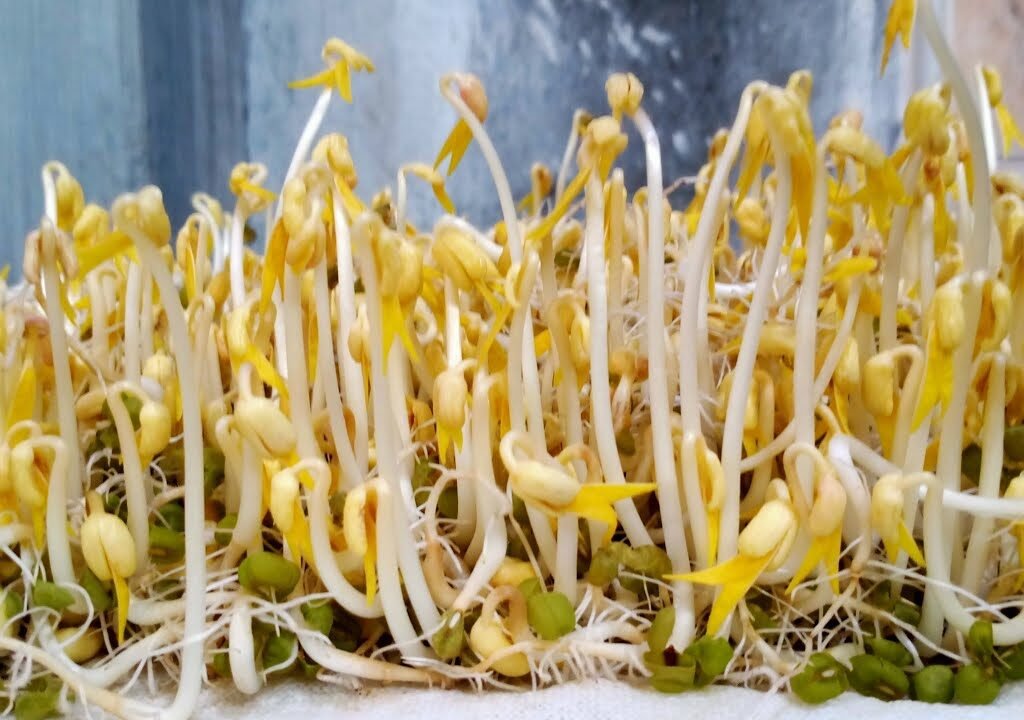
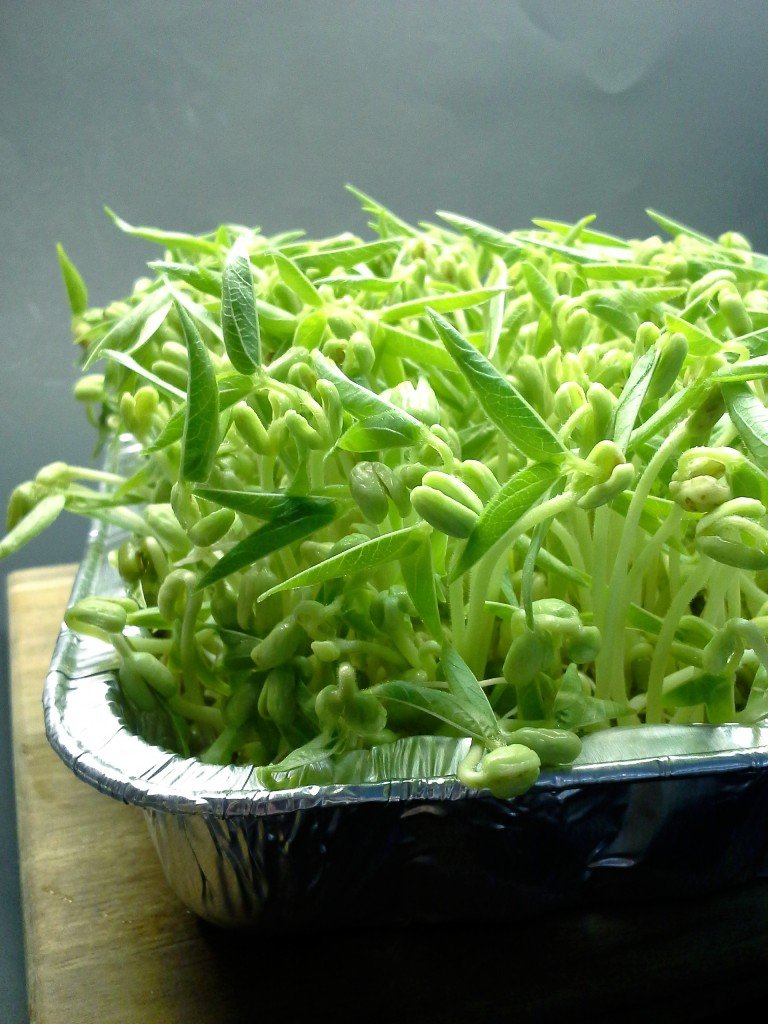
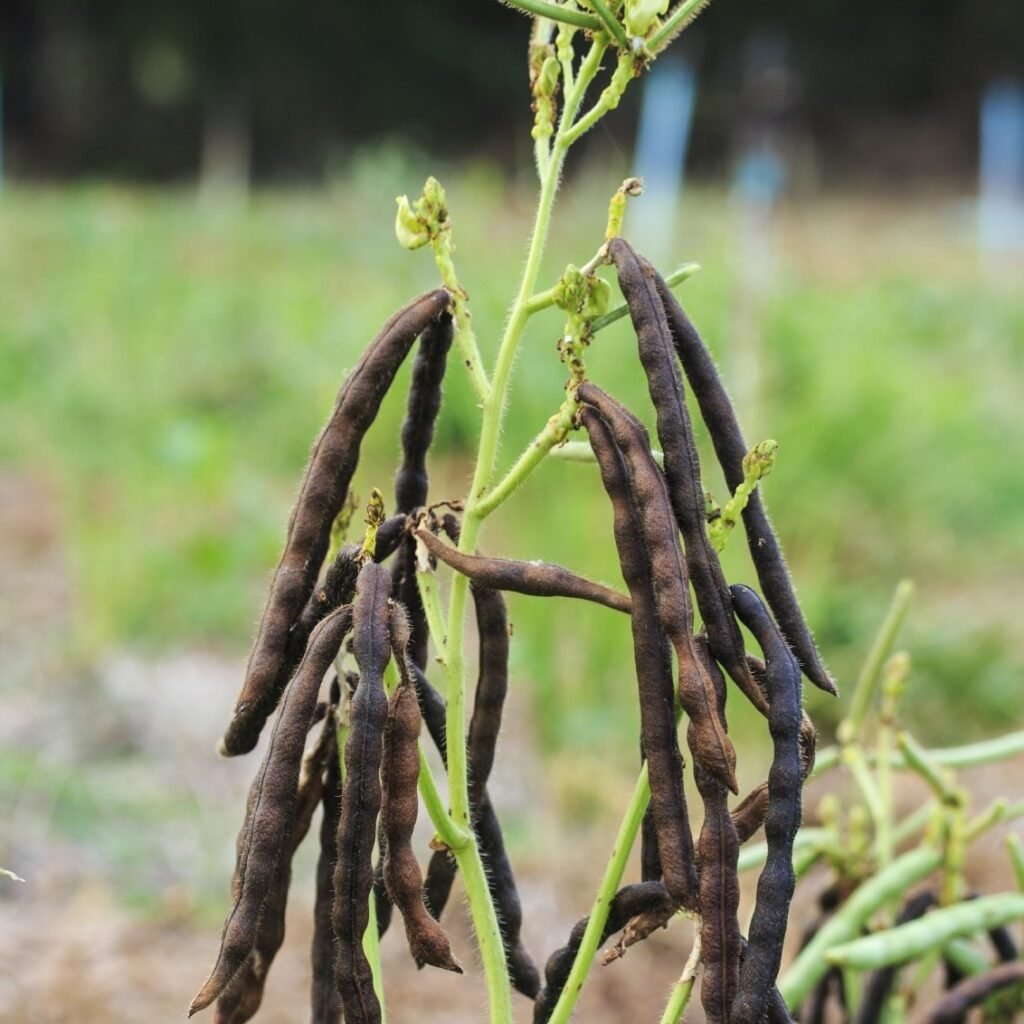
Mung bean sprouts are the young shoots of mung beans (Vigna radiata), a small green legume that’s been cultivated in Asia for thousands of years. When soaked and sprouted, these beans produce crunchy, white stems with small green tips—packed with nutrients, enzymes, and antioxidants.
In American cuisine, mung bean sprouts are often used in salads, sandwiches, soups, and stir-fries. They’re light, refreshing, and versatile—offering a crisp texture and mild flavor that pairs beautifully with both raw and cooked dishes.
What makes them even more appealing is how easy and inexpensive they are to grow right in your own kitchen.
2. Nutritional Profile of Mung Bean Sprouts
Don’t be fooled by their size—mung bean sprouts are tiny nutritional powerhouses. A one-cup serving (about 100 grams) of raw mung bean sprouts contains approximately:
- Calories: 30
- Protein: 3 grams
- Fiber: 2 grams
- Carbohydrates: 6 grams
- Vitamin C: 23% of the Daily Value (DV)
- Folate (B9): 16% of the DV
- Iron: 5% of the DV
- Magnesium, Potassium & Zinc: Essential minerals for energy and heart health
They’re also low in fat and cholesterol-free, making them an excellent addition to weight-loss and heart-healthy diets.

Because mung bean sprouts are consumed raw or lightly cooked, they retain more enzymes and vitamins than boiled beans—offering maximum nutritional absorption.
3. Health Benefits of Mung Bean Sprouts
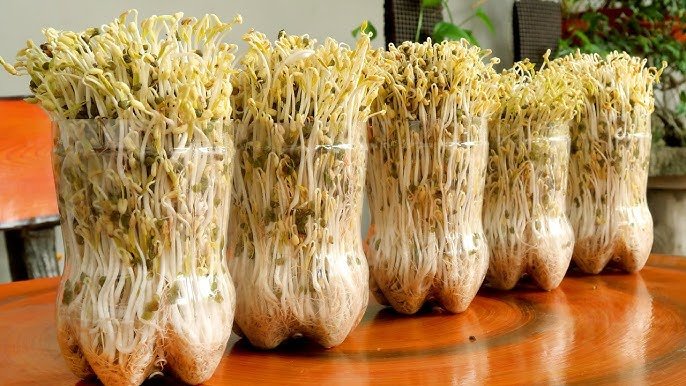
Adding mung bean sprouts to your meals provides numerous health benefits backed by science. Let’s look at what makes them one of the healthiest foods around.
a. Boosts Immunity
Mung bean sprouts are rich in vitamin C, which helps strengthen the immune system and supports collagen formation for healthy skin and tissues.
b. Aids Digestion
The sprouting process breaks down starches and proteins, making mung bean sprouts easy to digest. Their natural fiber content also helps maintain gut health and prevent constipation.
c. Promotes Heart Health
These sprouts are high in potassium and magnesium, minerals that help regulate blood pressure and improve circulation. Their fiber content helps lower LDL cholesterol, reducing the risk of heart disease.
d. Supports Weight Loss
Low in calories but high in fiber and water, mung bean sprouts help you feel full without adding extra calories—making them perfect for weight management and clean eating.
e. Stabilizes Blood Sugar
Because of their low glycemic index, mung bean sprouts help balance blood sugar levels, making them an ideal food for people managing diabetes or insulin sensitivity.
f. Enhances Skin and Hair Health
Loaded with antioxidants, vitamin E, and zinc, mung bean sprouts help reduce inflammation, promote clear skin, and strengthen hair follicles for natural growth and shine.

g. Improves Nutrient Absorption
Sprouting increases the bioavailability of vitamins and minerals by reducing anti-nutrients like phytic acid. This means your body can absorb more nutrients from the sprouts compared to cooked or unsprouted beans.
4. How to Grow Mung Bean Sprouts at Home
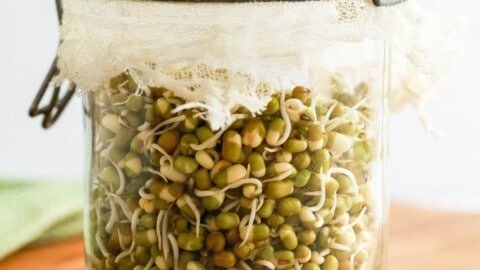
Growing mung bean sprouts is incredibly easy—and it’s a fun, sustainable way to add fresh greens to your diet year-round. Here’s how to do it:
Step 1: Soak the Beans
Rinse ½ cup of mung beans thoroughly. Place them in a glass jar and cover with 2 cups of cool water. Soak for 8–10 hours or overnight.
Step 2: Drain and Rinse
In the morning, drain the water using a mesh lid or cheesecloth. Rinse the beans with fresh water and drain again.
Step 3: Start Sprouting
Keep the jar tilted upside down at a 45° angle in a cool, dark place (like a kitchen cabinet). This allows air circulation while preventing excess water from collecting.
Step 4: Rinse Twice a Day
Rinse and drain the beans twice daily—morning and evening—to keep them moist and clean.
Step 5: Harvest
After 3–5 days, you’ll have crisp white sprouts about 2 inches long. Rinse one last time, remove any unsprouted beans, and refrigerate in an airtight container for up to 5 days.
Tip: For thicker, juicier sprouts, keep them in a darker place during growth and use a breathable cloth instead of a solid lid.

5. Delicious Ways to Enjoy Mung Bean Sprouts
One of the best things about mung bean sprouts is their versatility. Whether you prefer them raw, cooked, or blended, there are countless ways to include them in your diet.
a. Fresh Salads
Toss mung bean sprouts with lettuce, cucumber, bell peppers, and a tangy vinaigrette for a crunchy, refreshing salad. Add avocado or tofu for extra protein.
b. Stir-Fries
Add mung bean sprouts to Asian-inspired stir-fries at the very end of cooking. Their quick-cooking nature keeps them crisp while adding texture and nutrition.
c. Sandwiches and Wraps
Layer sprouts into turkey sandwiches, veggie wraps, or burgers for an instant crunch and a fresh burst of flavor.
d. Soups and Stews
Top hot soups like ramen, pho, or lentil stew with fresh mung bean sprouts for a contrast of temperature and texture.
e. Smoothies and Bowls
For an energy boost, toss a small handful of sprouts into your green smoothie or grain bowl. They blend easily and add subtle earthiness.
f. Lightly Sauteed Snack
Sauté mung bean sprouts with a bit of olive oil, garlic, and sesame seeds for a quick, healthy side dish.
6. Safety Tips When Eating Mung Bean Sprouts
Because mung bean sprouts are often eaten raw, they can sometimes carry bacteria like E. coli or Salmonella. Here are simple safety practices to keep your sprouts fresh and safe:

- Always use fresh, organic mung beans for sprouting.
- Wash hands, jars, and utensils thoroughly before sprouting.
- Rinse sprouts well under cool running water before eating.
- Store them in the refrigerator below 40°F (4°C).
- Discard any sprouts that smell sour or feel slimy.
- If you’re pregnant, elderly, or have a weakened immune system, lightly cook your sprouts before eating.
Cooking for just 1–2 minutes retains most nutrients while eliminating bacteria.
7. Sustainability: Small Sprouts, Big Environmental Impact
Mung bean sprouts are one of the most sustainable plant-based foods you can eat. They require minimal resources—no soil, little water, and only a few days to grow.
Compared to traditional crops or animal proteins, sprouting mung beans produces a tiny carbon footprint and almost zero waste. For Americans focused on sustainability, growing mung bean sprouts at home is a simple, eco-friendly habit with big nutritional payoffs.
8. Mung Bean Sprouts vs. Other Sprouts
Not all sprouts are created equal! Here’s how mung bean sprouts compare with other popular sprouted foods:
| Type | Flavor | Protein (per cup) | Best Used In | Texture |
|---|---|---|---|---|
| Mung Bean Sprouts | Mild, earthy | 3g | Stir-fries, salads | Juicy & crisp |
| Alfalfa Sprouts | Light, nutty | 1g | Sandwiches, wraps | Soft & airy |
| Lentil Sprouts | Earthy, hearty | 7g | Bowls, soups | Firm & crunchy |
| Broccoli Sprouts | Peppery | 2.5g | Smoothies, detox salads | Tender |
Mung bean sprouts shine for their texture and versatility, making them one of the most commonly used sprouts in American cooking.
9. Where to Buy Mung Bean Sprouts in the U.S.
You can find fresh mung bean sprouts in most American supermarkets, including Whole Foods Market, Trader Joe’s, Walmart, and local Asian grocery stores.
For home sprouting, buy organic mung beans labeled as “sprouting seeds” from reputable online retailers like True Leaf Market, Sprout House, or Amazon.
10. Final Thoughts: Fresh Nutrition in Every Bite
Mung bean sprouts prove that sometimes, the simplest foods can deliver the biggest health benefits. These tiny, crunchy shoots are rich in plant protein, fiber, antioxidants, and vitamins, supporting everything from heart health to digestion.

They’re easy to grow, easy to cook, and endlessly versatile—making them one of the best additions to any modern American kitchen focused on fresh, sustainable, and wholesome living.
So whether you’re a home gardener, a health enthusiast, or just someone looking to eat cleaner, add a handful of mung bean sprouts to your next meal—you’ll love the crunch, the flavor, and the incredible benefits packed in every bite.

Leave A Comment