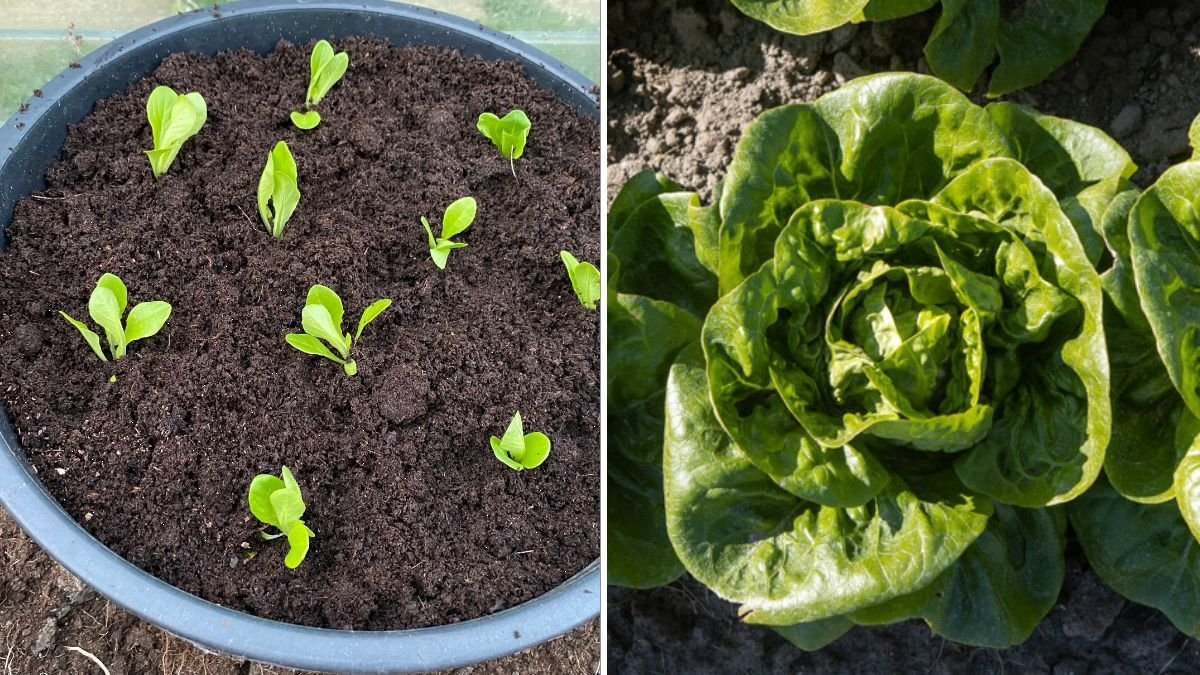
In a world where bigger often means better, Little Gem lettuce proves that sometimes, small is truly mighty. This charming mini lettuce has quickly become a favorite among American chefs, home gardeners, and healthy eaters. With its compact size, crisp texture, and naturally sweet flavor, Little Gem is the perfect blend of convenience and nutrition.
Often described as a cross between romaine and butterhead lettuce, Little Gem brings the best of both worlds — it’s crunchy like romaine yet tender like butter lettuce. From gourmet restaurants to backyard gardens, this tiny green is making a huge impact.
If you’re looking for a versatile, easy-to-grow leafy green that adds freshness and flair to your meals, it’s time to make room for Little Gem lettuce in your kitchen and garden.
1. What Is Little Gem Lettuce?
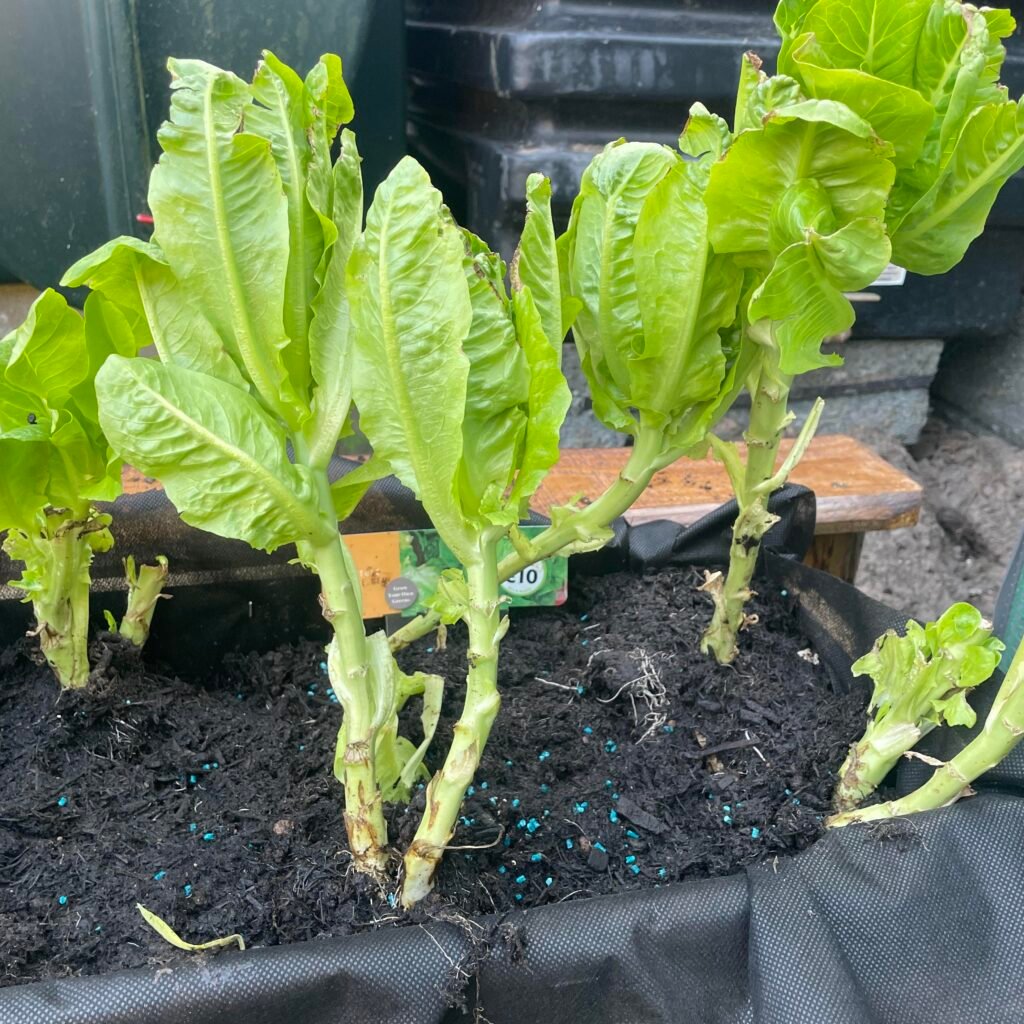
Little Gem lettuce (Lactuca sativa var. longifolia) is a small, heart-shaped variety of romaine lettuce. It forms tight, compact heads about 4–6 inches tall, making it the perfect single-serving lettuce. Originating from Europe, Little Gem has rapidly gained popularity across the United States due to its flavor, durability, and adaptability.
Botanical overview:
- Type: Mini romaine (cos) lettuce
- Growth habit: Compact, upright heads
- Texture: Crisp ribs with buttery leaves
- Flavor: Mild, sweet, and slightly nutty
- USDA Zones: Grows well in zones 4–9
This pint-sized lettuce is often called a “chef’s favorite green” because it holds up beautifully in both raw and cooked dishes — from salads and wraps to grilled sides and sandwiches.
2. Nutrition: Small Lettuce, Major Health Benefits
Don’t let the size fool you — Little Gem lettuce is packed with nutrition. Like its romaine relative, it’s a low-calorie, hydrating green filled with essential vitamins, minerals, and antioxidants.

Nutritional profile (per 100g):
- Calories: 16
- Water content: 95%
- Fiber: 1.2g
- Vitamin A: 174% of the Daily Value (supports eye and skin health)
- Vitamin K: 85% of the Daily Value (essential for bone strength)
- Folate: Supports healthy cell growth and repair
- Vitamin C: Boosts immunity and collagen production
- Potassium: Helps regulate blood pressure and hydration
Because of its high water and fiber content, Little Gem is excellent for digestion and hydration — a perfect addition to a balanced, healthy American diet.
3. Why Little Gem Lettuce Is Loved in America
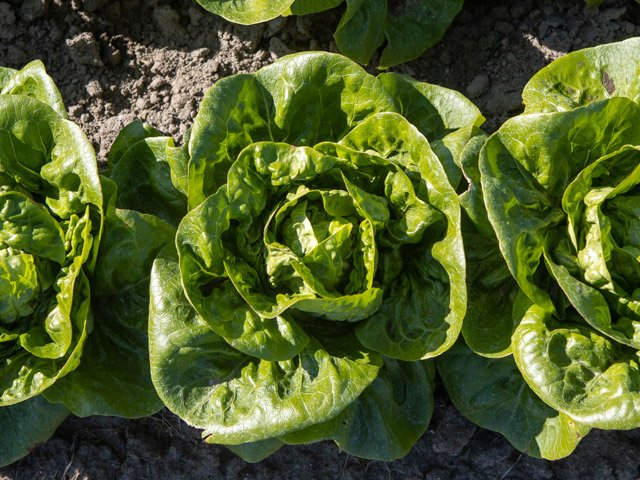
American chefs and gardeners adore Little Gem for good reason. Here’s why it’s quickly becoming a household favorite:
- Compact size: Perfect for small gardens, raised beds, and even containers.
- Flavorful and versatile: Sweet and crisp, suitable for salads, wraps, and grilled dishes.
- Fast-growing: Matures in 50–60 days, quicker than full-sized romaine.
- Heat-tolerant: Handles warmer temperatures better than most lettuce varieties.
- Aesthetic appeal: Its bright green leaves look beautiful on plates and in gardens.
It’s no surprise that Little Gem is now featured in trendy restaurants across cities like New York, San Francisco, and Austin, often as the centerpiece of modern, health-focused dishes.
4. How to Grow Little Gem Lettuce in the U.S.
Whether you’re an experienced gardener or a beginner, Little Gem lettuce is one of the easiest greens to grow. It thrives in cool to mild climates and can be planted almost year-round in temperate regions of the U.S.
a. Best Time to Plant
- Spring: 2–4 weeks before your last frost date.
- Fall: 6–8 weeks before the first expected frost.
In Southern states like Florida and Texas, Little Gem grows best in late fall through early spring when temperatures are cooler.
b. Soil and Light Requirements
- Soil type: Loose, well-drained, and rich in organic matter.
- pH range: 6.0–7.0 (neutral to slightly acidic).
- Sunlight: Full sun in cool weather, partial shade in warmer regions.
Before planting, mix compost or organic fertilizer into the soil to boost nutrients.
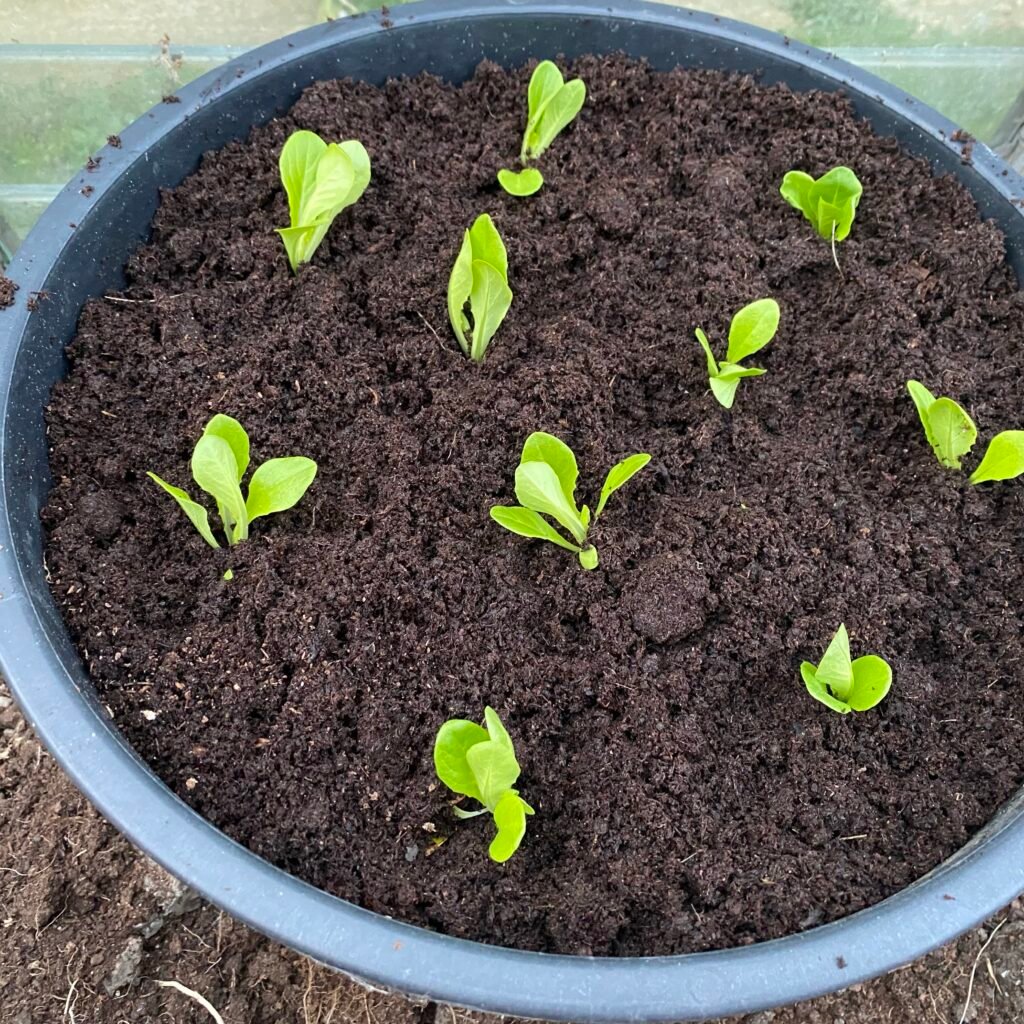
c. Planting Instructions
- Seed depth: ¼ inch
- Spacing: 8–10 inches apart (they don’t need much room).
- Watering: Keep soil consistently moist, not soggy.
Because of their small size, you can fit up to twice as many Little Gem heads as regular lettuce in the same space. They’re ideal for compact gardens and even indoor hydroponic setups.

5. Caring for Your Little Gem Plants
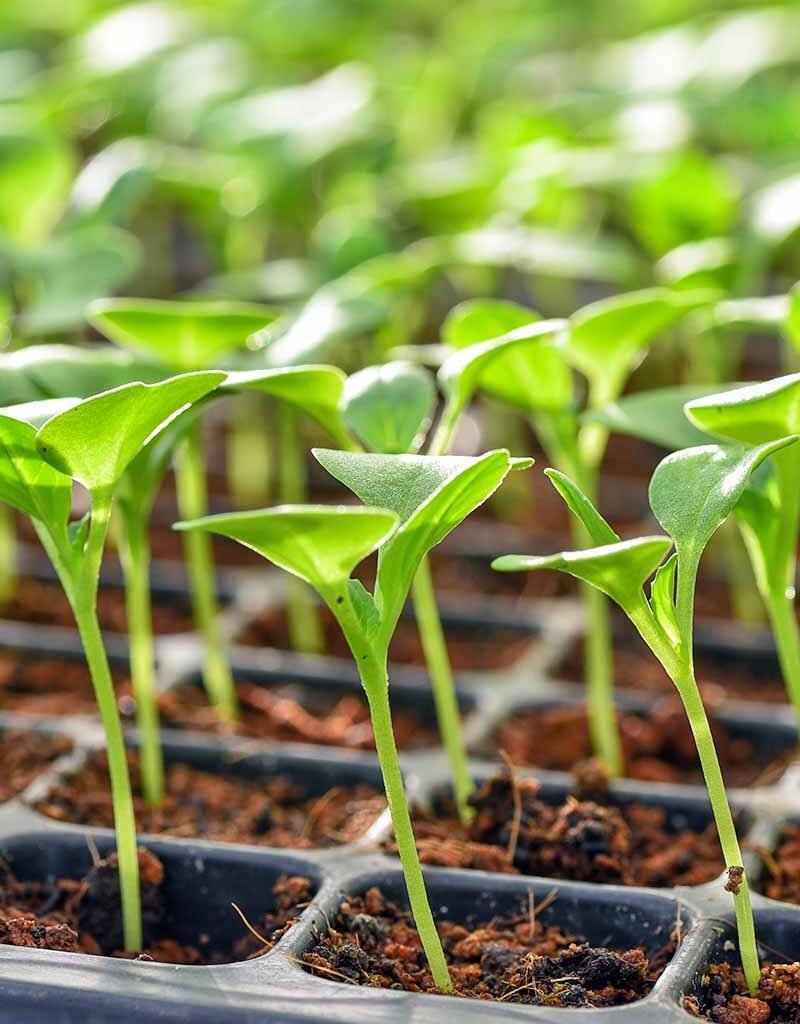
Once your seedlings have sprouted, caring for Little Gem lettuce is simple:
- Water regularly — lettuce prefers steady moisture.
- Mulch around plants to retain moisture and reduce weeds.
- Fertilize lightly with compost tea or a balanced organic fertilizer every few weeks.
- Watch for pests like aphids, slugs, and snails. Neem oil or insecticidal soap are safe, organic options.
Because Little Gem grows quickly, it often avoids many of the common lettuce diseases that affect slower-maturing varieties.
6. Harvesting and Storing
You can begin harvesting outer leaves about 4 weeks after planting for “baby lettuce,” or wait until the full head matures at around 50–60 days.
How to harvest:
- For full heads, use a clean knife to cut at the base just above the soil line.
- For cut-and-come-again harvesting, snip off outer leaves as needed, leaving the core intact.
Storage tips:
- Store unwashed heads in a produce bag in the refrigerator.
- Add a paper towel to absorb moisture and prevent wilting.
- Properly stored, Little Gem lettuce stays fresh for up to 10 days.
7. Delicious Ways to Enjoy Little Gem Lettuce
Little Gem lettuce is a dream for home cooks because it’s tender, crisp, and versatile. Its sturdy leaves hold dressings well and won’t wilt as fast as softer greens.
Here are some delicious ways to use it:

a. Grilled Little Gem Salad
Halve the heads, drizzle with olive oil, and grill for 2–3 minutes per side. Top with lemon juice, parmesan shavings, and cracked pepper for a smoky, restaurant-quality salad.
b. Mini Lettuce Wraps
Use whole leaves as wraps for grilled chicken, shrimp, or tofu. Perfect for low-carb, gluten-free meals.
c. Classic Caesar with a Twist
Replace traditional romaine with Little Gem for a fresher, sweeter Caesar salad. Its smaller leaves soak up dressing beautifully.
d. Gourmet Sandwiches
Layer crisp Little Gem leaves in sandwiches and burgers for an extra crunch that stays fresh longer than iceberg.
e. Fresh Garden Bowls
Toss chopped Little Gem with avocado, cherry tomatoes, and balsamic vinaigrette for a quick, colorful salad.
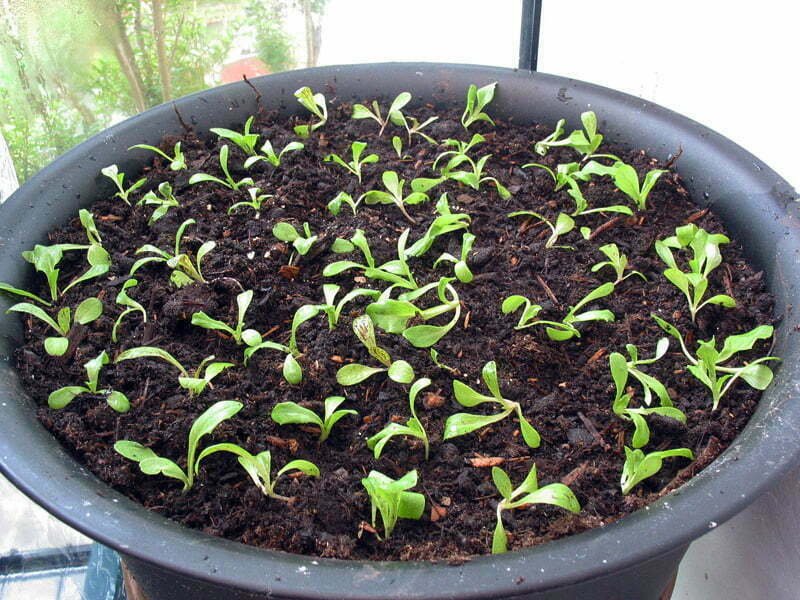
8. Growing Little Gem Lettuce in Containers
One of the reasons Little Gem is perfect for modern American households is its adaptability to container gardening.
You can grow several heads in a single planter or even a window box.

- Choose a container at least 8 inches deep with good drainage.
- Use high-quality potting soil mixed with compost.
- Water regularly and ensure at least 5–6 hours of sunlight daily.
This makes it an ideal green for urban gardeners, apartment dwellers, or anyone with limited space.
9. Health and Wellness Benefits
Beyond its delicious taste, Little Gem lettuce contributes to a healthy lifestyle:
- Heart health: High in folate and potassium, which support cardiovascular function.
- Digestive support: Fiber helps regulate digestion and prevent bloating.
- Weight management: Low in calories yet filling due to its high water content.
- Hydration boost: Keeps you hydrated and refreshed in hot weather.
- Skin health: Vitamin A and C promote collagen and skin repair.
Incorporating Little Gem lettuce into your diet is a simple way to add volume, nutrients, and crunch to your meals — without adding extra calories.
10. Sustainability and Home Gardening Benefits
In today’s eco-conscious world, Little Gem lettuce fits perfectly into sustainable gardening practices. It’s space-efficient, water-smart, and fast-growing, making it ideal for gardeners focused on eco-friendly food production.
- Low water needs: Short growing cycle means less water use.
- Minimal waste: Compact heads mean you harvest and eat nearly the whole plant.
- Fast growth: Quick turnaround allows multiple plantings per season.
For American families aiming to eat local and reduce grocery costs, Little Gem lettuce offers a delicious and sustainable way to grow your own greens right at home.
11. Why You Should Grow and Eat Little Gem Lettuce
If you’re looking for a compact, flavorful, and nutritious lettuce variety, Little Gem is your answer. It grows easily, looks beautiful, and offers gourmet-level flavor in every bite.
Whether you’re tossing it into salads, using it in wraps, or grilling it to perfection, Little Gem brings freshness, elegance, and convenience to your kitchen. And if you grow it yourself, you’ll enjoy the satisfaction of harvesting tender, crisp greens straight from your garden.

So, this season, skip the store-bought lettuce mixes and plant a few rows (or pots) of Little Gem instead — your salads, sandwiches, and taste buds will thank you.

Leave A Comment