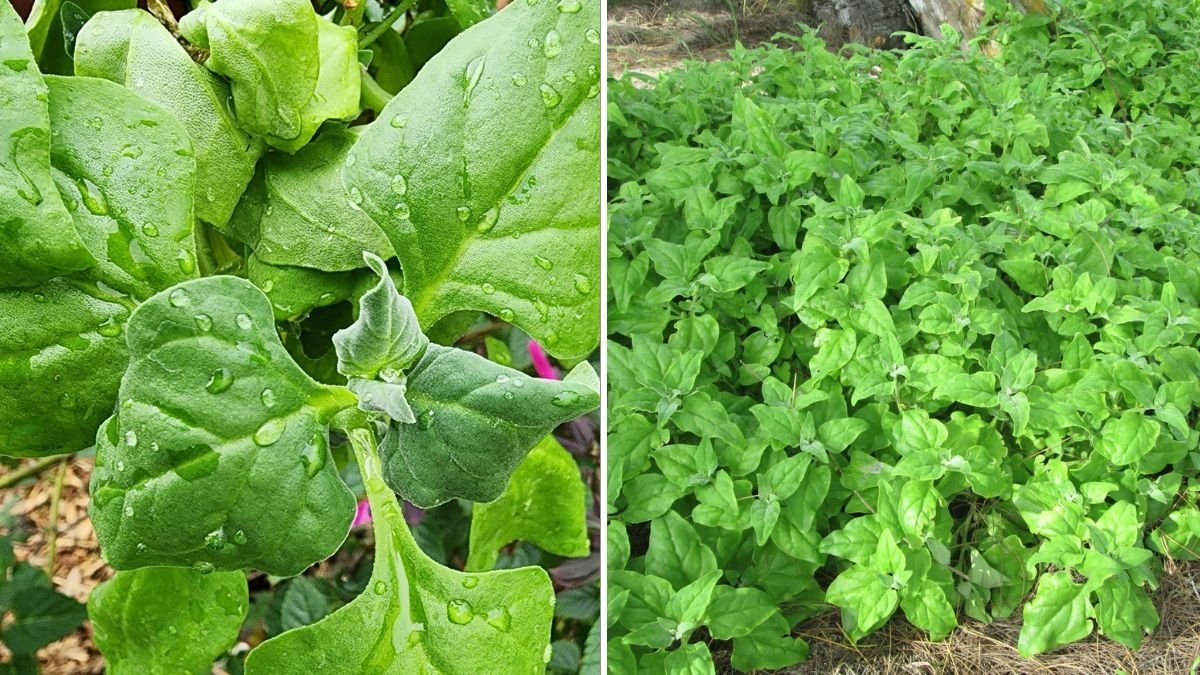
If you’ve ever struggled to grow traditional spinach during the hot summer months, New Zealand spinach (Tetragonia tetragonioides) is the heat-tolerant hero you’ve been waiting for. Despite its name, this leafy green isn’t a true spinach—it’s actually native to coastal areas of New Zealand and Australia—but its flavor, texture, and nutritional value make it an excellent substitute.
In the U.S., gardeners from Florida to California are discovering this versatile and hardy plant. It thrives where regular spinach wilts, produces lush green leaves all summer long, and packs a nutritious punch that fits perfectly into a healthy American diet. Let’s explore everything you need to know about growing, harvesting, and enjoying this underrated leafy green.
1. What Makes New Zealand Spinach Special?
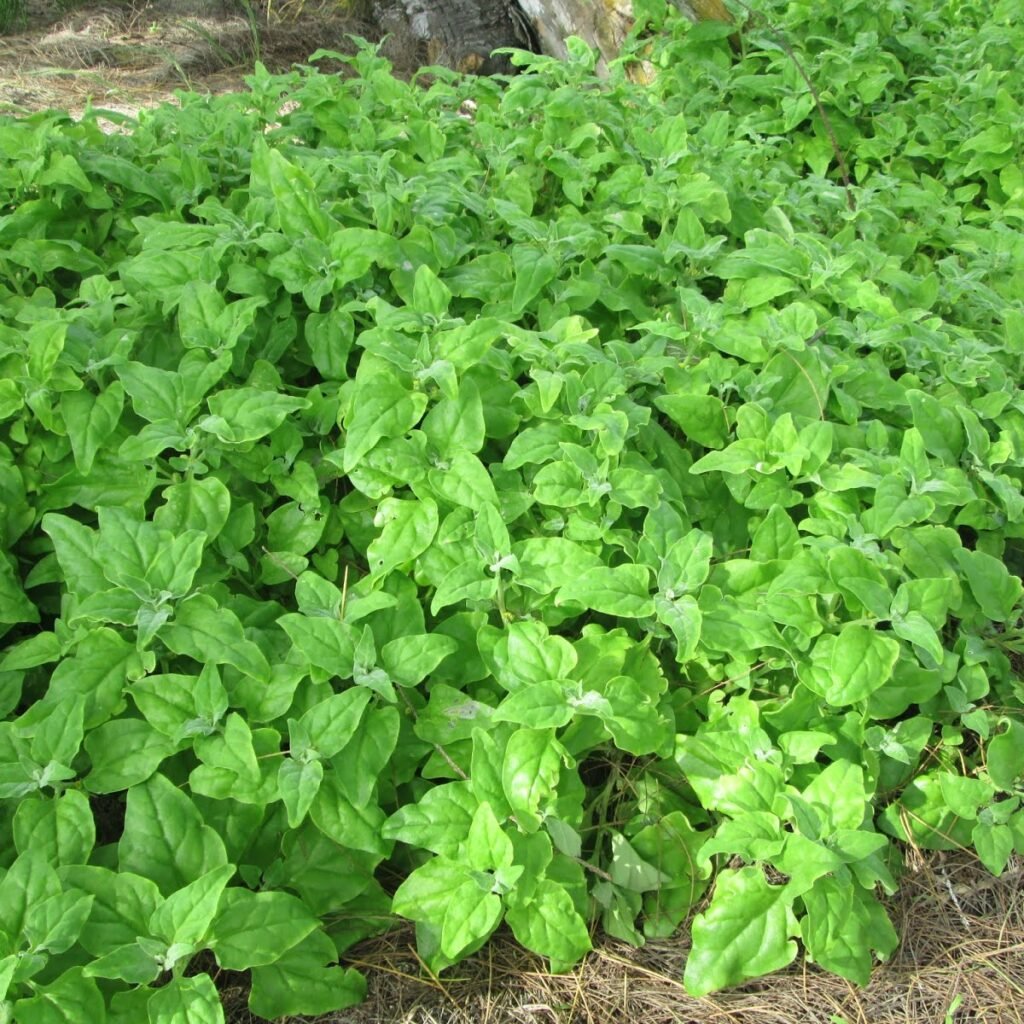
New Zealand spinach stands out for its ability to handle heat and drought—traits that make it ideal for American regions with warm summers. Unlike traditional spinach (Spinacia oleracea), which bolts quickly when temperatures rise, this variety continues producing tender, edible leaves well into late summer.
Key characteristics:
- Botanical name: Tetragonia tetragonioides
- Growth habit: Low-spreading, vining perennial (grown as an annual in most U.S. zones)
- Height & spread: About 1 foot tall, spreading up to 2–3 feet wide
- Soil preference: Well-draining, moderately fertile soil
- Sun exposure: Full sun for best growth
- Tolerance: Excellent heat and drought resistance
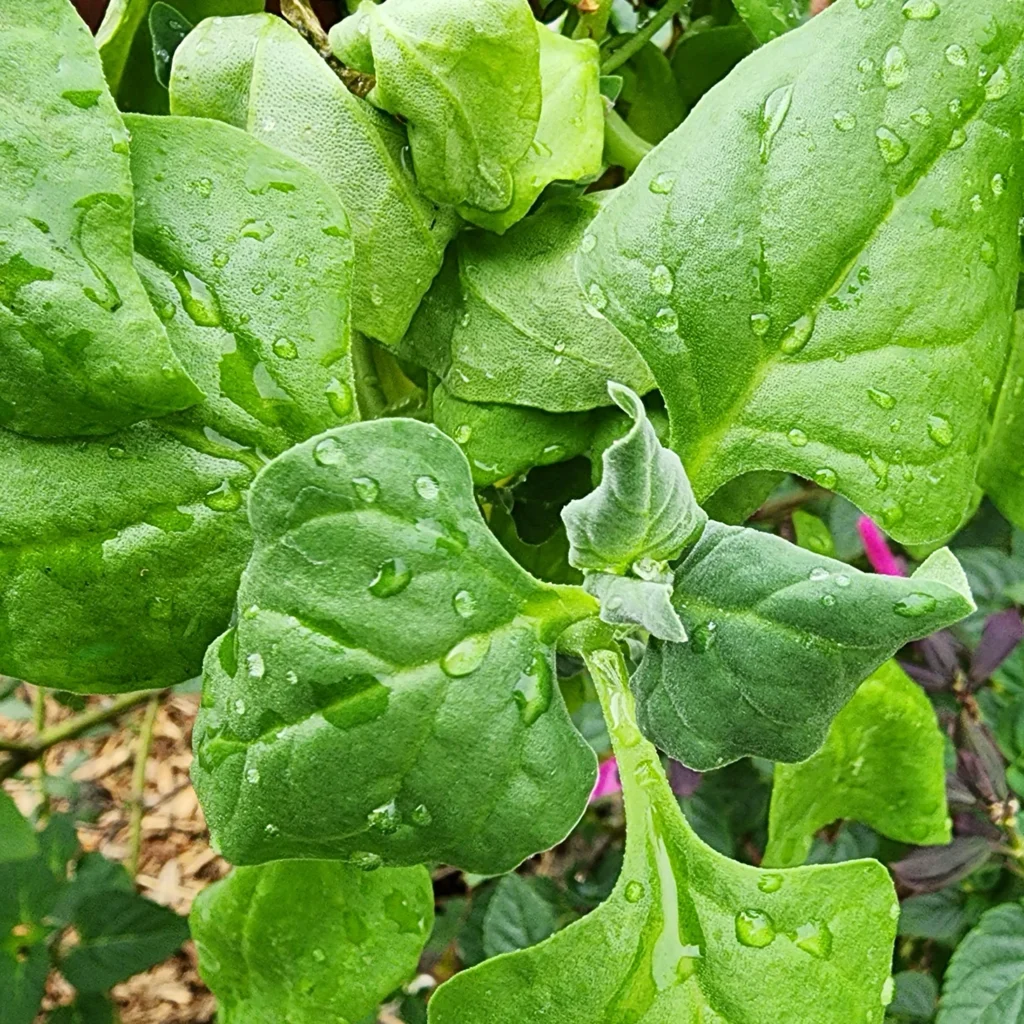
Its thick, fleshy leaves resemble spinach in both taste and use, though they’re slightly more succulent. Many gardeners describe the flavor as mild and refreshing with a hint of saltiness—perfect for stir-fries, salads, or steamed dishes.
2. Nutritional Benefits: A Superfood for Summer
Beyond its garden resilience, New Zealand spinach is a nutritional powerhouse. It’s loaded with essential vitamins, minerals, and antioxidants that support overall wellness.

Nutritional highlights (per 100g):
- Vitamin A: Supports eye and skin health
- Vitamin C: Strengthens immunity and promotes collagen production
- Calcium & magnesium: Essential for bone health
- Iron: Aids oxygen transport and energy levels
- Antioxidants: Help combat inflammation and oxidative stress
Because it’s less likely to wilt or spoil quickly, it’s also a low-waste green—a bonus for health-conscious, eco-friendly eaters across America.
3. How to Grow New Zealand Spinach in Your Garden
a. Starting Seeds
New Zealand spinach seeds have a hard outer shell, so soaking them in warm water for 24 hours before planting helps improve germination. You can start them indoors 4–6 weeks before your last frost date or sow them directly into the garden once the soil has warmed to at least 60°F.
b. Ideal Growing Conditions
- Soil: Well-draining soil enriched with compost or organic matter
- pH range: 6.8–7.0 (neutral)
- Spacing: Plant seeds or transplants about 12–18 inches apart
- Watering: Keep soil evenly moist, but don’t overwater
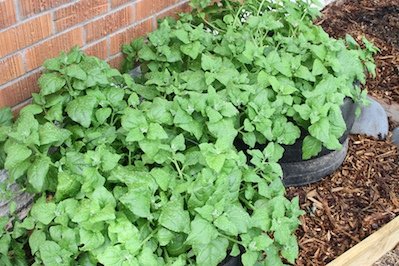
Because the plant spreads vigorously, it’s great for ground cover in raised beds or garden borders. In hot regions like Texas or Southern California, it thrives outdoors all summer. In cooler climates, it can be grown in containers or greenhouses.
c. Maintenance Tips
New Zealand spinach is low-maintenance once established:
- Mulch around plants to retain moisture and suppress weeds.
- Pinch back tips regularly to encourage bushy growth.
- Harvest frequently to keep plants productive.
4. Harvesting and Storing
Harvesting New Zealand spinach is simple and rewarding. Begin picking leaves once the plant reaches about 8 inches tall. Snip off the young, tender leaves and tips, leaving enough growth so the plant can continue producing.

Storage tips:
- Fresh leaves can be stored in the refrigerator for up to 4–5 days.
- For long-term use, blanch and freeze the leaves—just like traditional spinach.
The flavor intensifies slightly when cooked, making it excellent for soups, sautés, and casseroles.
5. How to Use New Zealand Spinach in the Kitchen
New Zealand spinach is incredibly versatile. You can use it raw in salads, lightly sautéed as a side, or blended into smoothies for an extra nutrient boost. Here are a few American-friendly ideas:
a. Sautéed Garlic New Zealand Spinach
Sauté chopped garlic in olive oil, then toss in a few handfuls of fresh New Zealand spinach. Cook until wilted, season with sea salt and a squeeze of lemon juice—simple, healthy, and delicious.
b. Creamed New Zealand Spinach
For a comforting side, swap it for regular spinach in your favorite creamed spinach recipe. It holds up beautifully to rich, creamy sauces without turning soggy.
c. Green Smoothie Power-Up
Blend New Zealand spinach with banana, Greek yogurt, and a splash of almond milk for a nutrient-packed breakfast smoothie that tastes great and fuels your day.

d. Spinach & Feta Stuffed Chicken
Stuff chicken breasts with New Zealand spinach, feta cheese, and garlic for a flavorful, protein-rich meal that’s perfect for a healthy weeknight dinner.
6. Growing New Zealand Spinach in Containers
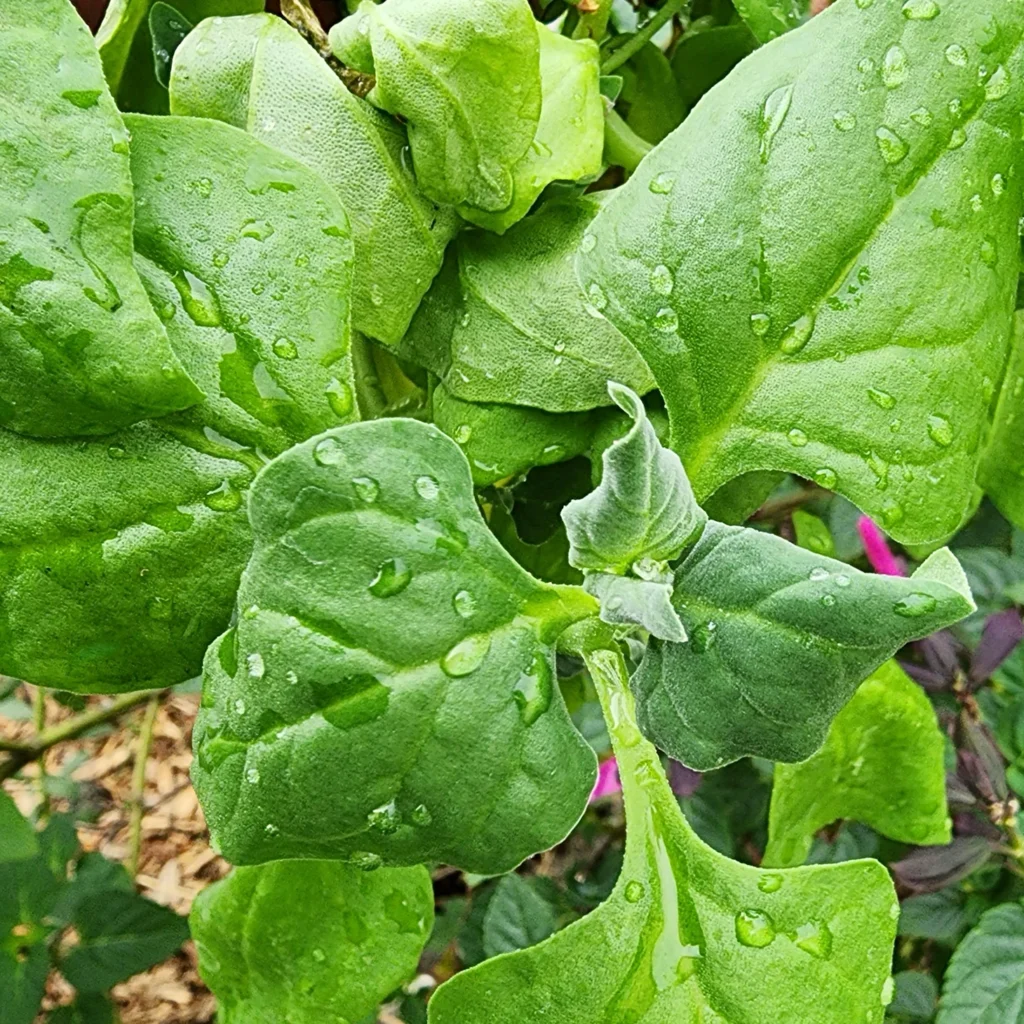
Urban gardeners, rejoice—this plant grows exceptionally well in pots! Use a 12-inch-deep container with good drainage and a nutrient-rich potting mix. Regular watering and trimming help maintain a compact, productive plant. Place containers in full sun, and you’ll have fresh greens right outside your kitchen.
7. Companion Planting and Pest Resistance
New Zealand spinach is relatively pest-resistant but pairs well with crops that appreciate similar growing conditions. Great companions include:
- Tomatoes
- Peppers
- Eggplants
- Herbs like basil or oregano
Because it’s not part of the true spinach family, it avoids many of the common pests and diseases (like leaf miners) that plague traditional spinach. This makes it a natural, low-pesticide crop for organic gardeners.
8. Sustainability and Eco-Friendly Benefits
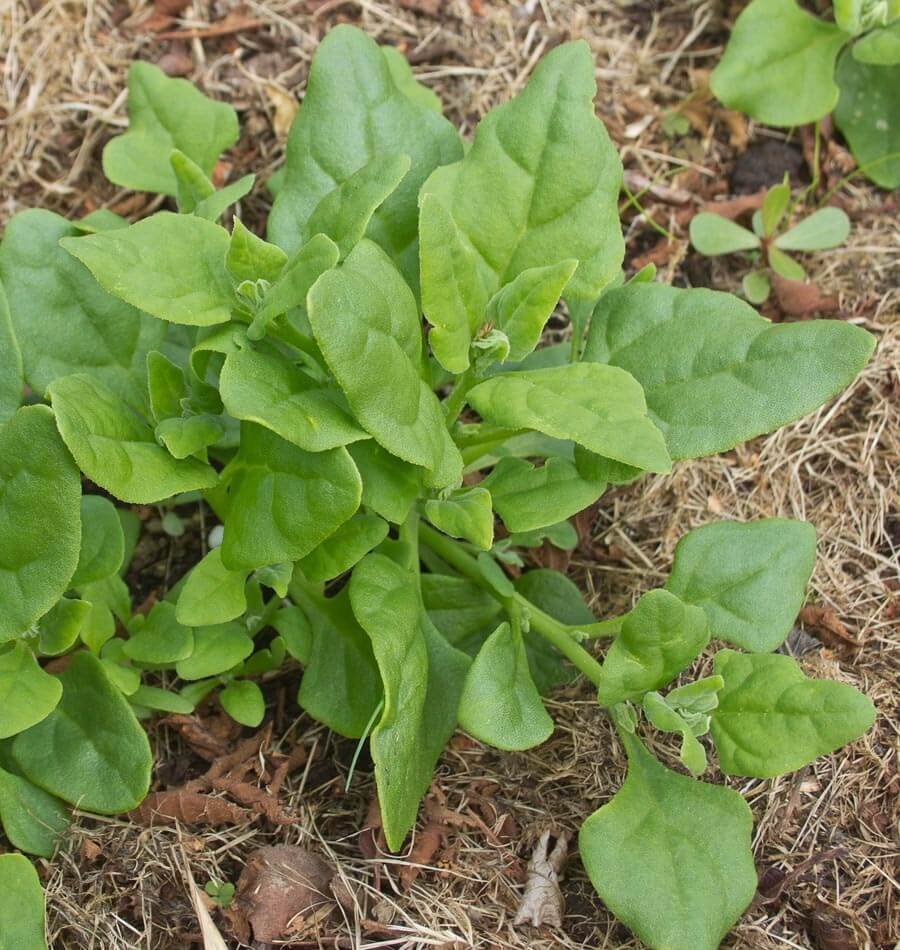
In the face of climate change and hotter summers, heat-tolerant greens like New Zealand spinach are becoming increasingly valuable. It requires less water, tolerates poor soil, and produces abundant yields, making it a great addition to sustainable home gardens and small farms across the U.S.
Its ability to reseed naturally in mild climates means it can become a perennial favorite in eco-conscious gardens. Whether you’re practicing regenerative gardening or simply want a reliable summer green, this plant checks all the boxes.

9. Common Questions About New Zealand Spinach
Q: Is New Zealand spinach the same as regular spinach?
A: No. It’s not botanically related to true spinach, but it’s a fantastic substitute in recipes and looks and tastes very similar once cooked.
Q: Can you eat it raw?
A: Yes, but like regular spinach, it contains oxalates. Lightly steaming or sautéing reduces oxalate content and enhances digestibility.
Q: How long does it take to grow?
A: Expect to harvest within 55–70 days after planting, with continuous production all summer.
Q: Will it grow back next year?
A: In warm USDA zones (9–11), it can act as a short-lived perennial, but in most regions, it’s treated as an annual.
10. Why You Should Grow New Zealand Spinach This Season
If you’re looking for a nutrient-dense, easy-to-grow, heat-tolerant leafy green, New Zealand spinach is a must-have for your garden. It provides:
- Fresh, delicious greens throughout the hottest months
- Low-maintenance, pest-resistant growth
- Excellent nutritional benefits for you and your family
- Endless culinary possibilities—from salads to soups to casseroles
With climate patterns shifting and summers growing warmer across much of the U.S., plants like New Zealand spinach represent the future of sustainable home gardening.

So, the next time you’re planning your vegetable patch, skip the wilted spinach woes—plant New Zealand spinach instead and enjoy fresh greens all summer long!

Leave A Comment