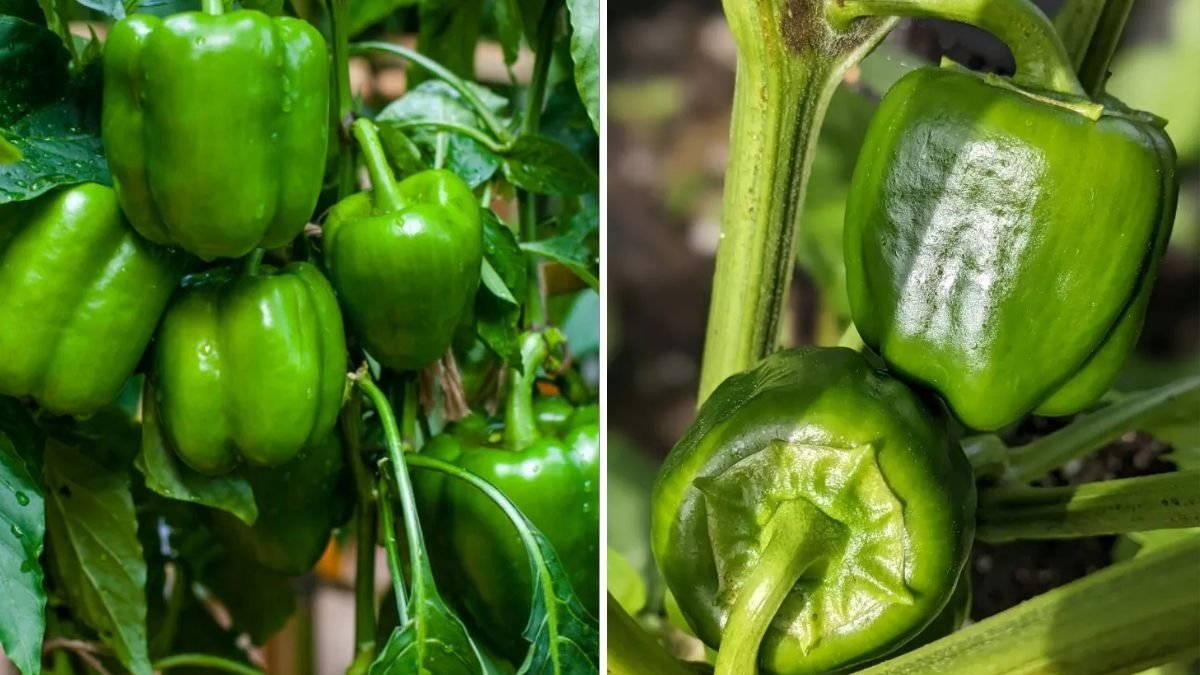
From the fiery kick of jalapeños to the sweet crunch of bell peppers, few vegetables bring as much flavor, color, and personality to the American garden as peppers. Whether you’re spicing up tacos with habaneros or tossing roasted bell peppers into salads, these vibrant plants are not only delicious but also surprisingly easy to grow — once you know what they need.
Peppers thrive in warm weather, love sunlight, and reward attentive gardeners with months of colorful harvests. They can flourish in backyard beds, raised gardens, or even large containers on patios. With hundreds of varieties ranging from sweet to scorching hot, there’s a pepper for every taste and every climate across the United States.
In this comprehensive guide, you’ll learn how to grow peppers successfully — from selecting the best varieties for your region to planting, feeding, and harvesting them for a flavorful, bountiful crop.
1. Choosing the Right Pepper Variety

Before planting, decide what kind of peppers you want to grow. There are two main types — sweet peppers and hot peppers — and each has varieties suited to different uses and growing conditions.
Sweet Peppers (Capsicum annuum)
These mild, colorful varieties are perfect for salads, stir-fries, and stuffing.
Popular choices include:
- California Wonder: A classic American bell pepper with crisp texture and mild flavor.
- Red Beauty: Deep red, sweet, and ideal for fresh eating.
- Golden Bell: Vibrant yellow color and rich flavor.
- Mini Bells: Small, snack-sized peppers great for containers or lunchboxes.
Hot Peppers (Chili varieties)
If you like a little (or a lot) of heat, hot peppers are where the excitement begins.
Top picks include:
- Jalapeño: Medium heat; great for salsas and grilling.
- Serrano: Slightly hotter than jalapeños with a bright, crisp flavor.
- Cayenne: Long, thin peppers ideal for drying or making hot sauce.
- Habanero: Very hot with fruity undertones — use sparingly!
- Ghost Pepper (Bhut Jolokia): One of the hottest in the world — for true spice lovers only.
Choose varieties that match your local climate and heat tolerance. Southern gardeners can experiment with extra-hot varieties, while northern gardeners may prefer fast-maturing, smaller-fruited types.

2. Starting Peppers from Seeds or Transplants
Peppers need warmth to thrive. In most parts of the U.S., they’re started indoors before the last frost, then transplanted outside once the soil has warmed.
Starting Seeds Indoors:
- Timing: Start seeds 8–10 weeks before your area’s last expected frost date.
- Soil Mix: Use a seed-starting mix — light, sterile, and well-draining.
- Temperature: Keep seeds at 75–85°F for good germination. A heat mat can help.
- Lighting: Once sprouted, give seedlings 14–16 hours of light daily.
- Transplanting: When seedlings have 4–6 true leaves and night temperatures stay above 55°F, they’re ready for the garden.
Alternatively, purchase young pepper transplants from a local nursery in late spring — a great option for beginners or gardeners with short growing seasons.
3. Preparing the Soil for Peppers

Peppers thrive in well-drained, fertile soil with plenty of organic matter. Healthy soil encourages strong root growth and abundant fruiting.
Ideal Conditions:
- pH: 6.2–7.0
- Soil Type: Loamy and rich in compost
- Fertility: Mix in aged compost or a balanced organic fertilizer before planting.
Avoid soils that are compacted or too wet. Peppers hate “wet feet” — soggy conditions can cause root rot and stunted growth.
Pro Tip: In cooler northern climates, use raised beds or black plastic mulch to warm the soil faster in spring. Peppers love heat!
4. Planting Peppers Outdoors

Once the weather is consistently warm and there’s no threat of frost, it’s time to plant your peppers outside.

Steps for Success:
- Choose a Sunny Spot: Peppers need at least 6–8 hours of full sunlight daily.
- Spacing: Set plants 18–24 inches apart in rows spaced 24–30 inches apart.
- Deep Planting: Plant peppers at the same depth they were growing in pots. Unlike tomatoes, they don’t grow roots from their stems, so don’t bury them too deep.
- Water Well: Water thoroughly after planting to help roots establish.
- Mulch: Add a 2–3 inch layer of straw, compost, or leaves to retain moisture and control weeds.
If your nights are still cool, cover plants with row covers or cloches to keep them warm during early growth.
5. Feeding and Watering Peppers
Peppers are moderate feeders — they appreciate regular nutrition but not excess nitrogen, which promotes leaves over fruit.
Fertilizing Tips:
- At planting, mix a slow-release organic fertilizer into the soil.
- Once flowers appear, side-dress with compost or a low-nitrogen fertilizer (like 5-10-10).
- Over-fertilizing with nitrogen can lead to tall, leafy plants with few peppers.
Watering Tips:
- Keep soil evenly moist but not waterlogged.
- Water deeply 1–2 times per week, depending on rainfall.
- Avoid letting plants dry out completely — inconsistent watering can cause blossom-end rot or bitter fruit.
- Water early in the day and aim for the base of the plant, not the leaves, to prevent disease.
6. Supporting and Caring for Pepper Plants

As peppers grow and begin producing fruit, their branches can become heavy. Supporting them early helps prevent damage.
Support Options:

- Use small tomato cages or bamboo stakes to keep plants upright.
- Tie stems loosely with soft twine or plant ties.
- Prune lightly to remove weak or crowded branches, improving airflow and sunlight penetration.
Also, keep the garden weed-free, as weeds compete for nutrients and attract pests. Mulching helps suppress weeds naturally.
7. Common Pests and Problems
Even the healthiest pepper plants can face a few challenges. Here’s how to identify and manage them:
Common Pests:
- Aphids: Small green insects that cluster on new growth. Remove with water spray or neem oil.
- Cutworms: Chew through stems at soil level. Protect young plants with collars made from cardboard or plastic cups.
- Spider Mites: Tiny pests that thrive in dry heat; rinse leaves regularly and use insecticidal soap if needed.
- Pepper Maggots or Borers: These can damage fruits; rotate crops yearly and remove infected fruit promptly.
Common Diseases:
- Blossom-End Rot: Caused by calcium deficiency or irregular watering. Keep moisture consistent.
- Bacterial Spot: Brown or black leaf spots; use disease-free seeds and avoid overhead watering.
- Powdery Mildew: Appears as a white coating on leaves. Ensure proper spacing and airflow.
Good crop rotation, healthy soil, and preventive care will keep most pepper problems at bay.
8. Harvesting Peppers

Harvest time depends on the variety and your flavor preference. Most peppers start green and mature to red, yellow, orange, or purple, depending on the type.
Harvesting Tips:

- Pick green peppers when they reach full size for a milder flavor.
- Leave them on the plant to ripen for deeper color and sweetness.
- Use scissors or garden shears to cut peppers off the plant — don’t pull, as this can damage branches.
- Regular harvesting encourages more fruit production.
If frost threatens before all peppers ripen, harvest green ones and let them finish ripening indoors in a warm spot.
9. Storing and Preserving Peppers
Freshly harvested peppers can last up to two weeks when stored correctly.
Storage Methods:
- Refrigeration: Store in a breathable bag in the vegetable crisper.
- Freezing: Wash, slice, and freeze raw or blanched peppers for later use.
- Drying: Dry hot peppers to make homemade chili flakes or powder.
- Pickling: Preserve sweet or hot peppers in vinegar brine for a tangy treat.
Homegrown peppers are also perfect for homemade salsa, hot sauce, or roasted pepper spreads — great ways to enjoy your harvest year-round.
10. Bonus: Growing Peppers in Containers
Don’t have a large garden? No problem — peppers grow beautifully in pots or containers!
Container Tips:
- Use pots at least 12–14 inches wide with drainage holes.
- Fill with high-quality potting mix and organic compost.
- Place containers in a sunny spot (balcony, patio, or rooftop).
- Water more frequently, as pots dry out faster.
Compact varieties like Mini Bells, Patio Fire, and Numex Twilight are ideal for container growing and add vibrant color to your space.

Conclusion: Spice Up Your Garden with Homegrown Peppers
Whether you crave the smoky sweetness of roasted bell peppers or the fiery punch of a jalapeño, growing peppers in your garden is an incredibly rewarding experience. With their brilliant colors, diverse flavors, and easy adaptability, peppers bring warmth, nutrition, and excitement to any American kitchen.
By starting with quality soil, providing consistent care, and protecting your plants from pests, you can enjoy an abundant, colorful harvest all summer long — and beyond.
So this season, plant a few pepper varieties, experiment with flavors, and savor the satisfaction of picking your own homegrown spice straight from the garden.

Leave A Comment