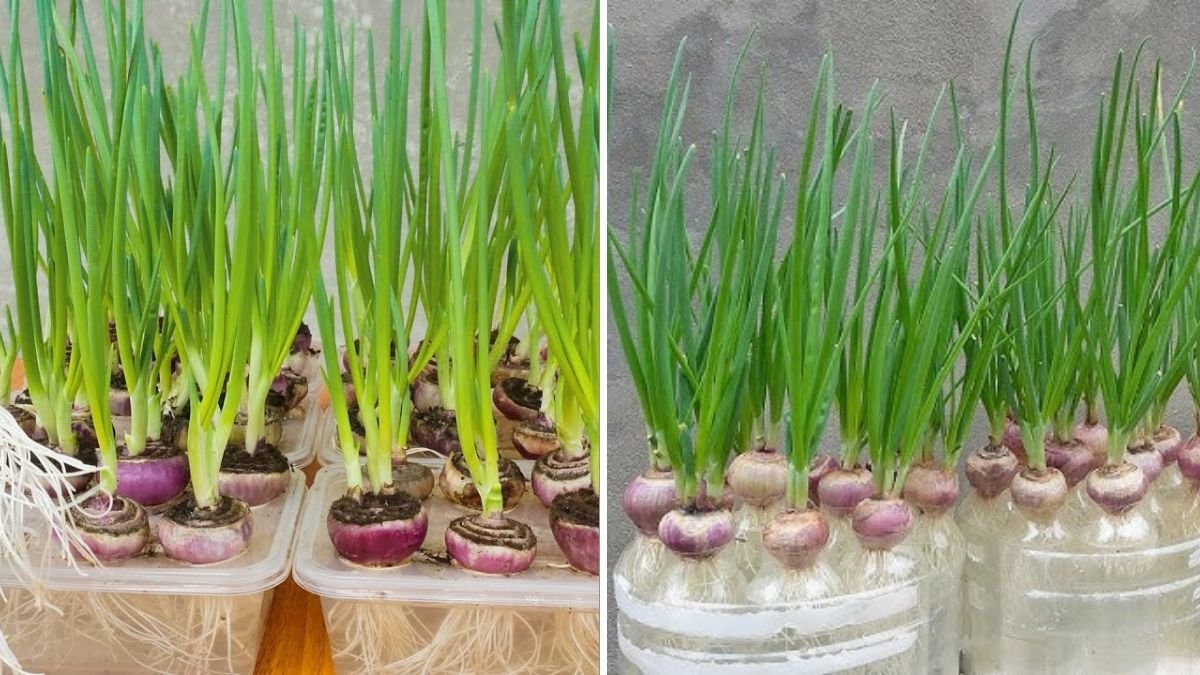
When most gardens settle into hibernation during the chilly months, overwintering onions quietly thrive beneath the frosty soil—preparing to deliver one of spring’s earliest and most rewarding harvests. For American gardeners looking to make the most of their cool-season beds, overwintering onions are the secret weapon for flavorful, hearty bulbs that mature weeks before traditional spring plantings.
Whether you’re a seasoned gardener or just getting started, learning how to plant, protect, and harvest onions through the winter can add resilience and productivity to your garden year after year. This guide covers everything from choosing the right varieties to ensuring your overwintered onions survive cold snaps and reward you with a robust, flavorful yield come spring.
1. Understanding Overwintering Onions

Overwintering onions are varieties specifically bred to survive cold winter temperatures. Unlike standard spring onions that are sown and harvested in the same growing season, overwintering onions are planted in the fall (usually from late September through early November) and left in the ground through winter.
By spring, as temperatures rise, these hardy onions resume growth and mature weeks earlier than those planted in spring. The result? Big, flavorful bulbs ready for harvest by late May or early June.
These onions are especially beneficial for gardeners in regions with mild to moderate winters, such as USDA zones 6–9. However, with proper mulching and protection, they can also thrive in colder climates.

2. Best Varieties of Overwintering Onions for American Gardens
Choosing the right variety is crucial for success. Not all onions can handle the cold, so opt for types known for winter hardiness. Here are some popular options for U.S. gardeners:
- ‘Walla Walla Sweet’ – A beloved variety from Washington State, known for its mild, sweet flavor and impressive cold tolerance.
- ‘Troy’ – A robust and reliable overwintering onion that performs well in colder climates.
- ‘Senshyu Yellow’ – A Japanese variety celebrated for its ability to withstand freezing temperatures while producing large, flavorful bulbs.
- ‘Hi Keeper’ – Great for long-day regions; stores well and holds its flavor for months.
- ‘Radar’ – A fast-growing variety that produces uniform bulbs with excellent winter resistance.
These varieties thrive when planted in fall and provide an early jumpstart on your gardening season.
3. Preparing the Soil for Planting

Healthy, nutrient-rich soil is the foundation of any successful onion crop. Since onions have shallow roots, they thrive in well-drained, fertile soil with plenty of organic matter.
Ideal Soil Conditions:
- Soil type: Loose, loamy soil is best. Avoid heavy clay that can trap water and cause rot.
- pH range: Between 6.0 and 7.0 for optimal nutrient uptake.
- Nutrients: Mix in compost or aged manure before planting to improve fertility. You can also incorporate a balanced fertilizer (10-10-10 NPK) to promote early root growth.
Before planting, remove all weeds and debris. Raised beds or rows with good drainage are ideal to prevent waterlogging, which can be detrimental in wet winter months.

4. Planting Overwintering Onions in Fall

Timing is everything when planting overwintering onions. The goal is to establish strong roots before the first hard frost hits, without encouraging excessive top growth that might suffer winter damage.
Best Planting Time:
- Northern U.S. (zones 5–6): Late September to early October
- Southern U.S. (zones 7–9): Mid to late October, even early November
How to Plant:
- Prepare the bed: Rake the soil surface smooth and make shallow furrows about 1 inch deep.
- Spacing: Plant onion sets or seedlings 4 inches apart in rows spaced 12–15 inches apart.
- Depth: Cover lightly with soil so that the tip of the bulb just peeks through.
- Watering: Water thoroughly after planting to help the roots settle.
Once planted, your onions will grow small green shoots before winter dormancy begins.
5. Protecting Onions Through Winter
Winter protection is the key to ensuring your onions survive the cold season. Even the hardiest varieties can suffer from freezing temperatures, frost heave, or waterlogged soil if left unprotected.

Winter Care Tips:
- Mulch generously: Apply 3–4 inches of straw, shredded leaves, or compost over the bed once the soil begins to cool. This insulates the bulbs and prevents repeated freezing and thawing.
- Avoid overwatering: Onions don’t need much water during dormancy. Ensure your soil drains well to avoid rot.
- Shield from heavy snow or wind: In extremely cold regions, consider using row covers, low tunnels, or cold frames for extra protection.
- Monitor during warm spells: If there’s an unexpected warm-up, check for rot or pest activity beneath the mulch.
With these measures, your onions can rest peacefully through winter, ready to burst into growth once the days lengthen.
6. Spring Care and Maintenance

As temperatures rise and daylight hours increase in early spring, overwintered onions will start growing again. This is when they’ll need a bit of help to reach their full potential.
Spring Onion Care Checklist:
- Remove mulch gradually: Once the danger of hard frost has passed, gently pull back the mulch to allow sunlight and warmth to reach the soil.
- Feed for growth: Apply a nitrogen-rich fertilizer (such as fish emulsion or a 16-6-4 mix) to encourage strong leaf and bulb development.
- Water consistently: Keep the soil evenly moist but never soggy. About 1 inch of water per week is ideal.
- Weed regularly: Onions hate competition, so keep the area weed-free to prevent stunted growth.
By mid to late spring, you’ll notice your onion tops thickening and the bulbs beginning to swell.

7. Harvesting and Storing Overwintered Onions
The reward for your patience arrives when the onion tops start to yellow and flop over—usually by late May to early June, depending on your climate. That’s your cue that the bulbs are ready for harvest.
How to Harvest:
- Use a garden fork or hand trowel to gently loosen the soil around each onion.
- Pull them out carefully by the base of the neck.
- Lay the onions in a dry, sunny area for several days to cure, allowing the outer skins to dry and toughen.
Storage Tips:
- Store fully cured onions in a cool, dry, and well-ventilated place.
- Keep them in mesh bags or baskets, not plastic, to prevent moisture buildup.
- Properly stored, overwintered onions can last for 3–4 months and maintain their fresh, bold flavor.
8. Common Problems and Solutions

Even the hardiest onions can face challenges. Here’s how to troubleshoot common overwintering issues:
- Frost damage: Use thicker mulch or row covers if winters are harsher than expected.
- Onion rot: Ensure soil drains well and avoid overwatering.
- Bolting (flowering early): Caused by fluctuating temperatures. Choose bolt-resistant varieties like ‘Radar’ or ‘Senshyu Yellow’.
- Pests: Watch for onion maggots and thrips in spring. Neem oil or insecticidal soap can help manage infestations.
Conclusion: Enjoy the Rewards of Winter Gardening
Growing overwintering onions is one of the most rewarding cold-season gardening projects you can undertake. It’s a perfect blend of patience, timing, and preparation—yielding some of the earliest and most flavorful onions you’ll ever harvest.

From selecting hardy varieties to protecting them through frosty nights and nurturing their spring revival, every step ensures a robust crop of golden bulbs that bring freshness to your kitchen long before summer arrives.
So this fall, don’t let your garden go completely dormant. Plant overwintering onions and enjoy the satisfaction of watching nature work quietly beneath the snow—ready to deliver your first harvest of the new season.

Leave A Comment