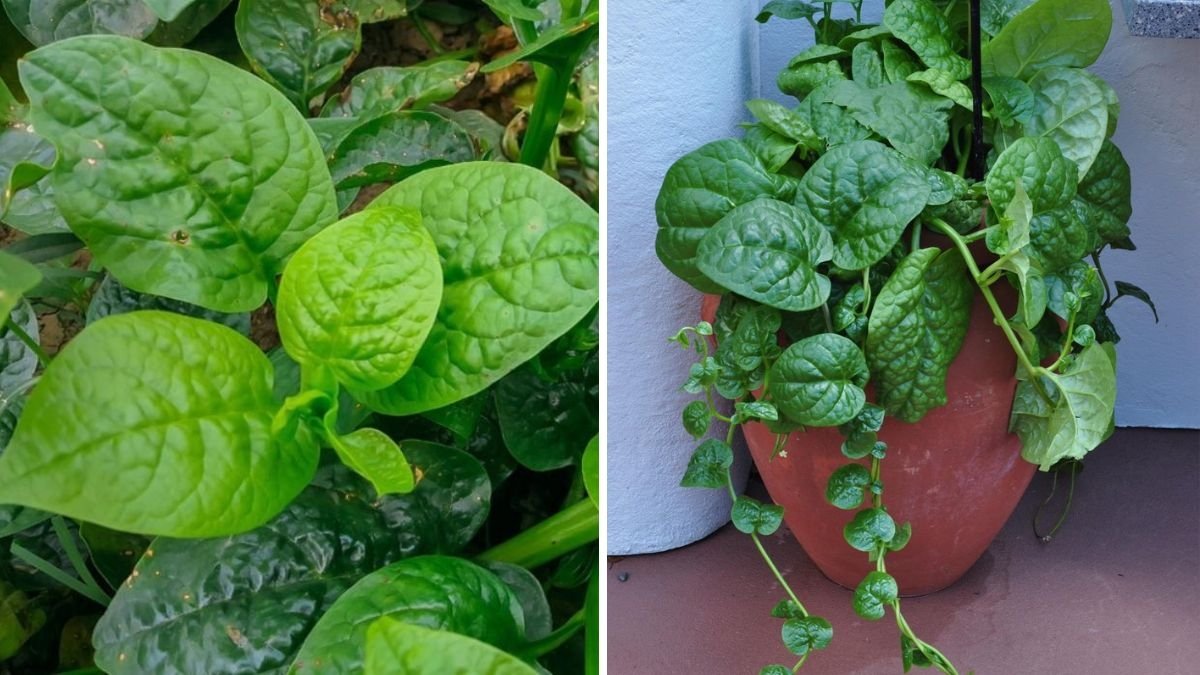
Malabar spinach (Basella alba or Basella rubra) is not your ordinary spinach — it’s a tropical vine with glossy, heart-shaped leaves that thrive in warm, humid climates where traditional spinach wilts. Commonly known as Ceylon spinach or vine spinach, this powerhouse green has become increasingly popular among American gardeners, especially in southern states like Florida, Texas, and Louisiana.
Packed with vitamins A, C, and iron, Malabar spinach is a nutritional gem that grows vigorously all summer long, even when other greens fade. Whether you’re a home gardener, a health-conscious cook, or a plant enthusiast looking to add some tropical flair to your backyard, growing Malabar spinach is a rewarding experience.
In this detailed guide, you’ll learn how to plant, grow, and harvest Malabar spinach successfully in the U.S., plus cooking tips, care strategies, and ways to keep your vines thriving season after season.
1. What Makes Malabar Spinach Unique?

Malabar spinach isn’t a true spinach but a vining green from tropical Asia. Its lush leaves and rapid growth make it perfect for both ornamental and culinary use.
Here’s what makes it stand out:
- Heat-loving plant: Thrives in temperatures above 80°F.
- Fast-growing vine: Can reach 10–30 feet long with proper support.
- Versatile use: Excellent in salads, soups, stir-fries, and smoothies.
- Decorative value: Its glossy leaves and red stems (in Basella rubra) make it a beautiful addition to gardens or patios.
Unlike regular spinach that bolts in the summer heat, Malabar spinach loves warm weather, making it an excellent alternative for year-round greens in warm American regions.
2. Best Climate and Growing Zones
Malabar spinach flourishes in USDA hardiness zones 9–11, where frost is rare. However, it can be grown as an annual vine in cooler areas.

Ideal regions:
- Southern and Gulf Coast states — Texas, Florida, Alabama, Louisiana, Georgia
- Warm parts of California and Arizona
- As a summer crop in northern regions (grown from spring to early fall)
If you’re in a cooler zone, you can start seeds indoors and transplant them outdoors once night temperatures stay above 60°F.
3. How to Plant Malabar Spinach

Getting started with Malabar spinach is easy. You can grow it from seeds or cuttings, both of which root quickly.
a. Choosing the Right Variety
Two main types are popular in the U.S.:
- Basella alba: Green stems and light green leaves; mild flavor.
- Basella rubra: Red stems with darker leaves; slightly earthier taste and ornamental appeal.
Both varieties grow similarly and are equally nutritious.
b. Starting from Seed
- Soak seeds in warm water for 24 hours to soften their tough outer coating.
- Sow seeds about ¼ inch deep in moist seed-starting mix.
- Keep the soil warm (70–80°F) — a seedling heat mat helps germination.
- Seeds sprout in 10–21 days.
Once seedlings are 3–4 inches tall and outdoor temperatures are consistently warm, transplant them into your garden or large containers.
c. Soil Preparation
Malabar spinach prefers:

- Rich, well-draining soil (loamy or sandy)
- pH: Between 6.5 and 7.5
- Plenty of organic matter like compost or aged manure
Before planting, mix in 2–3 inches of compost to improve fertility and drainage.
d. Planting and Spacing
- Space plants 12–18 inches apart in rows 2–3 feet apart.
- Provide a sturdy trellis, fence, or support structure for the vines to climb.
- Water thoroughly after planting.
4. Sunlight, Water, and Fertilizing Needs
a. Sunlight
Malabar spinach thrives in full sun (6–8 hours daily). In very hot areas, a bit of afternoon shade prevents leaf scorching.
b. Watering
Keep the soil consistently moist but not soggy. Regular watering encourages tender leaf growth. In dry climates, mulch around the base to retain moisture.
c. Fertilization
Feed the plant every 4–6 weeks with:
- Organic compost or
- Balanced fertilizer (10-10-10)
Avoid excessive nitrogen; it can cause lush foliage but fewer flavorful leaves.
5. Supporting and Training the Vines

Malabar spinach vines love to climb. Provide strong vertical support such as:
- Trellises
- Garden fences
- Bamboo poles
- Arbors or pergolas
Train young vines by gently tying them to the support. As they grow, they’ll naturally twine upward, creating a beautiful green curtain perfect for patios or garden backdrops.

6. Common Pests and Diseases
Malabar spinach is relatively hardy but can sometimes attract pests.
Common pests:
- Aphids
- Leaf miners
- Spider mites
- Snails and slugs
Use organic pest control methods:
- Spray diluted neem oil or insecticidal soap.
- Introduce ladybugs or other beneficial insects.
- Hand-pick snails early in the morning.
Diseases:
- Downy mildew or leaf spot can occur in humid, poorly ventilated areas.
Ensure proper air circulation and avoid overhead watering to prevent fungal problems.
7. Harvesting Malabar Spinach

Malabar spinach matures in 50–70 days after transplanting.
How to harvest:
- Begin picking young leaves and tender stems once the vines reach about 6–8 feet.
- Regular harvesting encourages bushier growth.
- Cut just above a leaf node to promote branching.
Leaves can be harvested continuously throughout the warm season. If you live in a frost-prone area, collect the last leaves before the first frost hits.
Seed Saving:
The plant produces small, purple-black berries that contain seeds. Let the berries dry, crush them gently, and store seeds for next season.
8. Cooking and Nutritional Benefits
Malabar spinach is not only beautiful and easy to grow — it’s also packed with nutrients.
Nutritional highlights (per 100g):

- High in Vitamin A, C, and iron
- Rich in antioxidants and calcium
- Low in calories, making it ideal for weight management
Popular ways to enjoy Malabar spinach:
- Sautéed with garlic and olive oil
- Added to stews, soups, or curries
- Mixed into omelets or frittatas
- Used in green smoothies or salads
- Cooked in Asian-style stir-fries with tofu or shrimp
The leaves have a slightly mucilaginous (slippery) texture, similar to okra, which helps thicken soups and stews naturally.
9. Overwintering and Regrowth Tips

If you live in a frost-free zone (9–11), Malabar spinach can grow year-round as a perennial. In colder areas, it dies back after frost but can self-seed easily, often returning the next season.
To overwinter:
- Take stem cuttings before frost and root them indoors.
- Keep them in a sunny windowsill or greenhouse.
- Transplant back outside in spring.
This ensures you never have to buy new seeds again.
10. Companion Planting and Garden Uses
Malabar spinach pairs beautifully with other tropical and heat-loving vegetables like:
- Peppers
- Tomatoes
- Okra
- Eggplant
Its climbing habit also makes it an excellent natural shade provider for smaller crops or herbs planted below.
Additionally, Malabar spinach can be used decoratively:

- Train it over an archway for a lush green entrance.
- Let it trail from containers or hanging baskets for a tropical vibe.
Conclusion: Bring the Tropics to Your Backyard
Malabar spinach is a low-maintenance, high-reward crop that transforms your garden into a lush green paradise. Whether you’re in sunny Florida or growing it as a summer annual in Michigan, this tropical vine adapts well with a bit of care.
From its nutritional powerhouse leaves to its decorative climbing vines, Malabar spinach is a must-have for gardeners seeking heat-tolerant, productive greens. So, grab some seeds, set up a trellis, and enjoy fresh, homegrown greens that thrive even in the peak of summer.

Leave A Comment