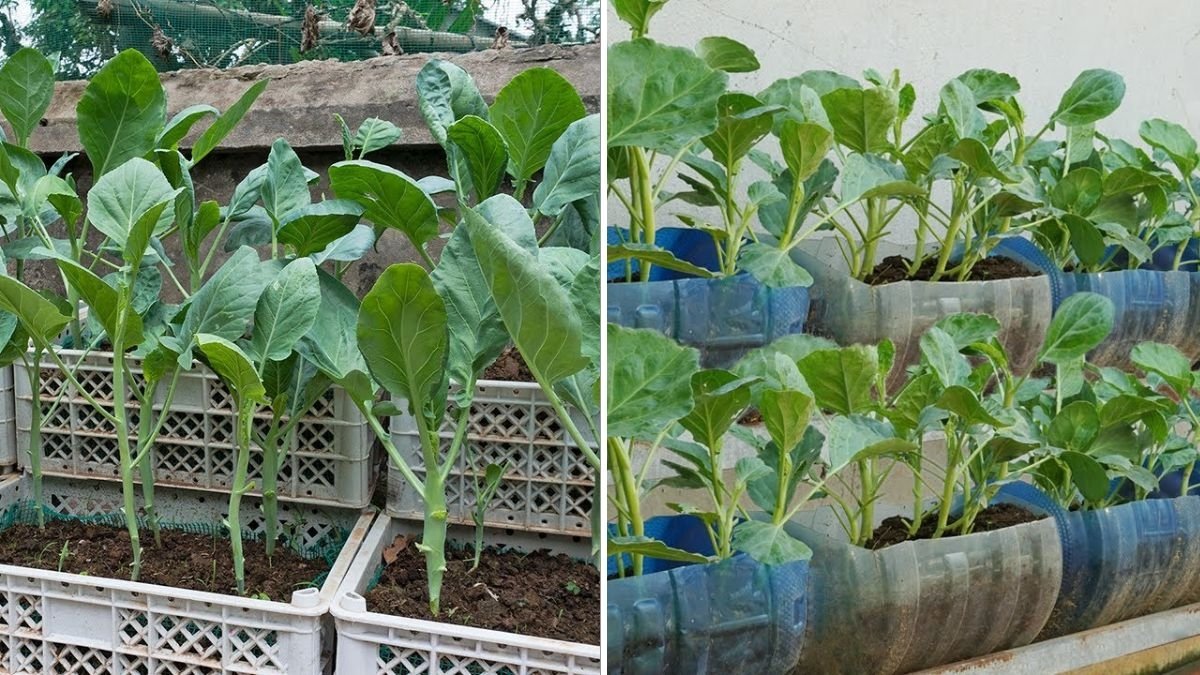
Few vegetables are as deeply woven into American culture as collard greens. From Sunday dinners in the South to modern healthy-eating kitchens across the country, collard greens have earned their place as a nutrient-packed, flavor-rich staple. Known for their broad, hearty leaves and mild, slightly earthy taste, these greens are both a gardener’s dream and a cook’s delight.
Collards belong to the Brassica family, making them close cousins of kale, broccoli, and cabbage. They’re celebrated not just for their rich flavor and versatility, but also for their hardiness and productivity — collard greens thrive in a range of climates, offering generous harvests even when temperatures dip.
If you’ve ever wanted to grow a vegetable that’s both easy to cultivate and endlessly rewarding, collard greens are your answer. Let’s explore how to grow, harvest, and enjoy this all-American favorite — from garden bed to dinner plate.
1. Why Collard Greens Deserve a Place in Every Garden
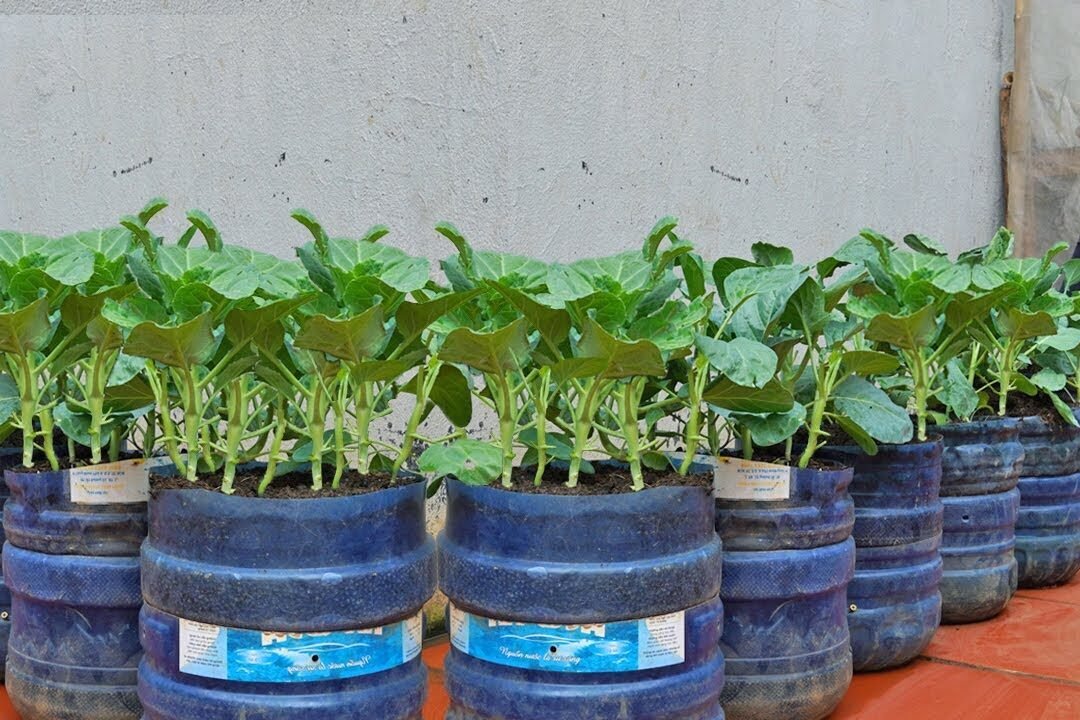
Collard greens (Brassica oleracea var. viridis) have long been a Southern classic, but they’re now enjoyed in kitchens coast to coast — from Georgia gardens to California backyards. And it’s easy to see why.
Here’s what makes collard greens an outstanding crop for home gardeners:
- Extremely hardy — can handle frost and even improve in flavor after a light chill.
- Productive — one planting can yield for months.
- Nutrient-rich — high in vitamins A, C, and K, plus calcium and fiber.
- Versatile in cooking — great for stews, sautés, wraps, and even smoothies.
- Low-maintenance — they grow well in most U.S. regions with minimal effort.
For anyone looking to grow their own healthy greens without constant fuss, collards are a must-try.

2. Best Collard Varieties for American Gardens
Whether you live in the humid South, the cool Northeast, or even the dry West, there’s a collard variety suited to your climate. Here are some top picks:
- Georgia Southern – The most popular heirloom variety, known for its tender leaves and heat tolerance.
- Vates – Compact and slow to bolt, ideal for small gardens or containers.
- Champion – Disease-resistant and very cold-hardy, perfect for Northern states.
- Morris Heading – Forms loose heads like cabbage, with rich flavor and tenderness.
- Top Bunch – Fast-growing and perfect for quick harvests.
Each variety offers slightly different textures and flavors, so experiment to find the one that best matches your taste and growing zone.
3. When and Where to Plant Collard Greens
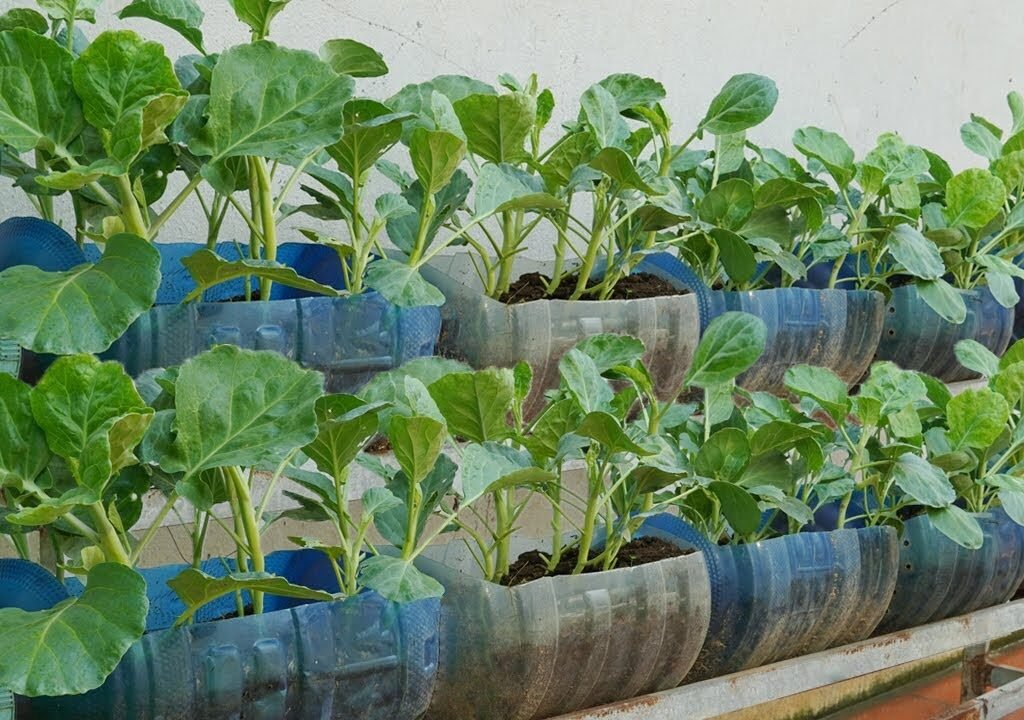
Collard greens are a cool-season crop, thriving best in temperatures between 45°F and 75°F.
Planting Seasons by Region:
- Southern U.S. (e.g., Texas, Georgia, Florida): Plant in late fall through winter for best results.
- Northern and Midwest regions: Start seeds in early spring or late summer for a fall crop.
- West Coast and Pacific Northwest: You can often grow collards nearly year-round.
Site Selection:
Choose a sunny location with at least 6 hours of sunlight daily. Collards prefer well-draining, fertile soil enriched with compost. The ideal pH is 6.0 to 6.8 — slightly acidic to neutral.
4. How to Plant Collard Greens (Step-by-Step)
Collards can be grown directly from seeds or transplants. Here’s how:
- Prepare the Soil: Loosen the soil to about 8 inches deep and mix in organic compost.
- Sow Seeds: Plant seeds ¼ to ½ inch deep and 18 inches apart. Rows should be spaced about 2–3 feet apart.
- Water Well: Keep the soil evenly moist but not soggy.
- Thin Seedlings: Once seedlings reach 3 inches tall, thin them to one plant every 12–18 inches.
- Mulch: Apply mulch to maintain soil moisture and suppress weeds.
Pro tip: If you’re growing for baby greens, plant seeds closer together and harvest when young.

5. Caring for Collard Greens
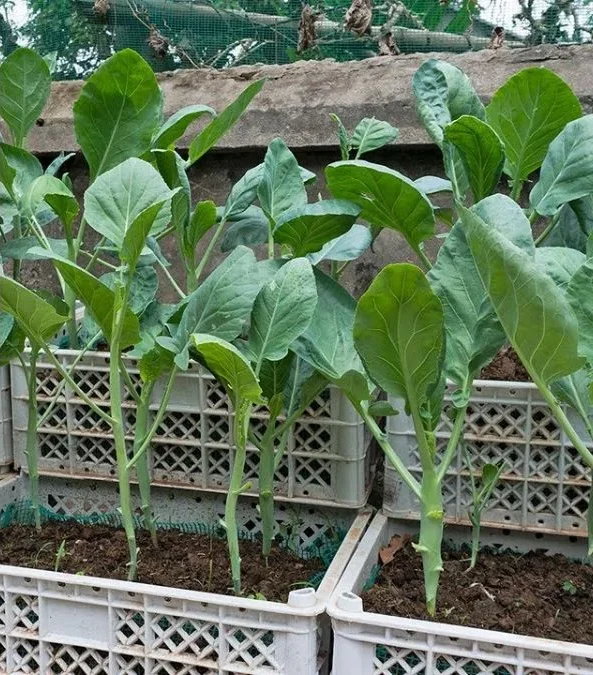
Once established, collards are incredibly forgiving plants. Still, a few simple practices can keep them thriving all season long.
Watering
Collards need about 1 to 1.5 inches of water per week. Consistent moisture helps prevent the leaves from becoming tough or bitter.
Feeding
Feed your plants every 3–4 weeks with a balanced organic fertilizer or compost tea. Nitrogen-rich feedings encourage lush leaf growth.
Pest Control
Common pests include:
- Cabbage worms and loopers – remove by hand or use organic BT spray.
- Aphids – rinse off with water or apply neem oil.
- Flea beetles – use row covers to protect young plants.
Healthy, well-spaced plants are less likely to attract pests.
6. Harvesting Collard Greens the Right Way
Collard greens are ready to harvest about 60–75 days after planting, though baby leaves can be picked sooner.

- Start harvesting outer leaves first, leaving the inner ones to continue growing.
- Use a sharp knife or shears to avoid damaging the plant.
- For a continual harvest, pick leaves regularly — this encourages new growth.
- Mature leaves are larger and thicker, great for cooking.
Collard greens can survive light frost, and many gardeners say that a cold snap actually makes them sweeter and more flavorful.
7. Cooking with Collard Greens: From Tradition to Trend
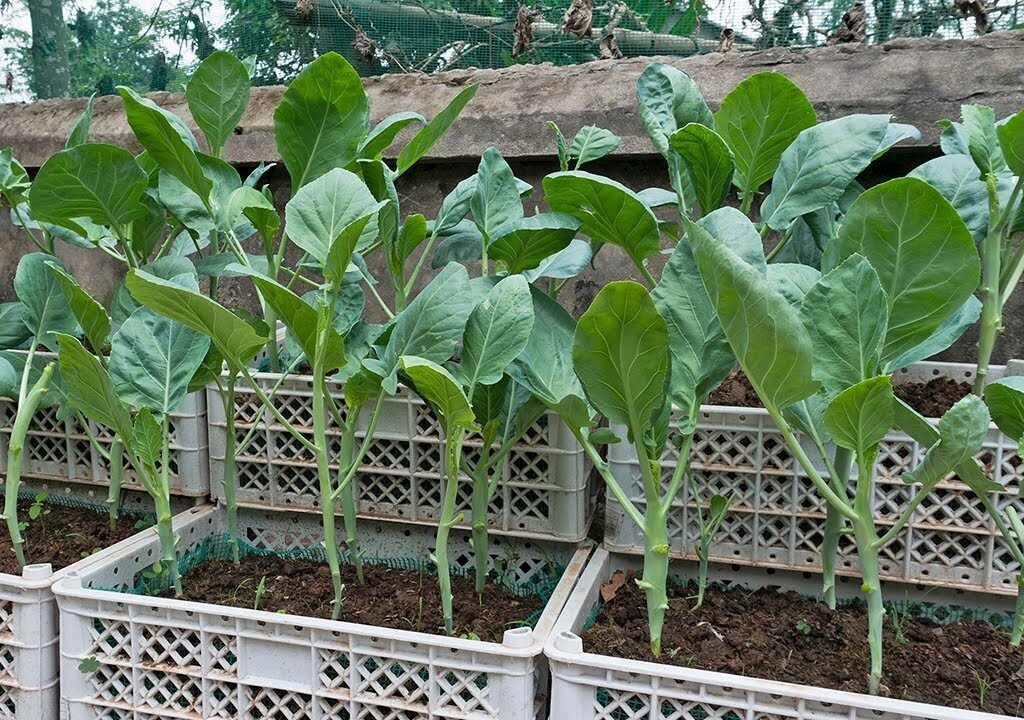
Collard greens aren’t just a Southern side dish anymore — they’re becoming a star in modern healthy cooking. Their earthy flavor and hearty texture make them perfect for a variety of dishes.
Classic Southern Style
Slow-cook collards with smoked turkey or ham hocks, onions, and garlic for that deep, soulful flavor. Add a splash of vinegar or hot sauce for a traditional finish.
Healthy Modern Recipes
- Collard Wraps: Use large leaves instead of tortillas for a low-carb option.
- Garlic Sautéed Collards: Cook with olive oil, garlic, and lemon for a bright, flavorful side.
- Green Smoothies: Add a handful of tender leaves for a vitamin-packed drink.
- Soups and Stews: Toss chopped collards into lentil or bean soups.
Their versatility means you can enjoy collards whether you’re cooking comfort food or clean eating.
8. Storing and Preserving Collard Greens
Fresh collard greens can last up to a week in the refrigerator. Here’s how to keep them fresh:
- Store unwashed leaves in a plastic bag or airtight container with a paper towel to absorb moisture.
- For long-term storage, blanch and freeze them — they retain flavor and nutrients beautifully.
Frozen collards can last up to 10–12 months, making them a great crop to preserve for year-round use.

9. Health Benefits: Why Nutritionists Love Collard Greens
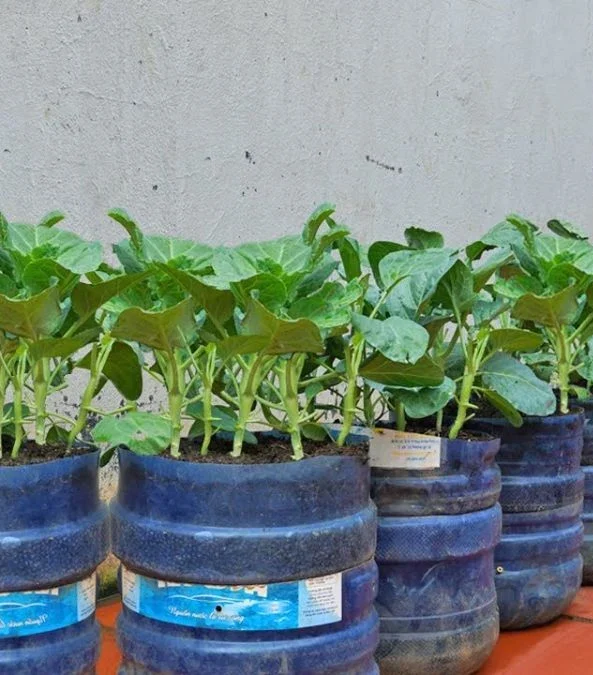
Collard greens are often called a “supergreen” — and for good reason. They’re one of the most nutrient-dense vegetables on the planet.
Here’s what makes them a nutritional powerhouse:
- Rich in Vitamin K: Essential for bone strength and blood health.
- Loaded with Fiber: Supports digestion and helps lower cholesterol.
- Packed with Antioxidants: Fights inflammation and boosts immunity.
- High in Calcium: Great for vegans and those avoiding dairy.
- Low in Calories: Perfect for weight-conscious eaters.
With just one serving, you get more than your daily requirement of vitamins A and K — and a big dose of flavor too.
10. Companion Planting with Collard Greens
Collards play well with many garden vegetables. They not only enhance soil health but also deter pests when planted strategically.
Best Companions:
- Onions and garlic (repel insects)
- Beets and carrots (improve soil texture)
- Spinach and lettuce (similar water needs)
Avoid planting with: other Brassicas (like cabbage or kale) in the same spot each year — it can lead to soil diseases.

Conclusion: Grow the Green That Keeps on Giving
Collard greens are more than just a side dish — they’re a symbol of American resilience, tradition, and health. With their hardy nature, rich nutrients, and endless culinary uses, it’s no wonder they’ve remained a favorite for centuries.
Whether you’re planting them in a backyard plot or a sunny balcony container, collards will reward you with months of lush, flavorful harvests. From the garden to the table, they bring nourishment, beauty, and a touch of Southern soul to every meal.
So, grab some seeds, roll up your sleeves, and grow your own collard greens this season — because every American home garden deserves a touch of green tradition.

Leave A Comment