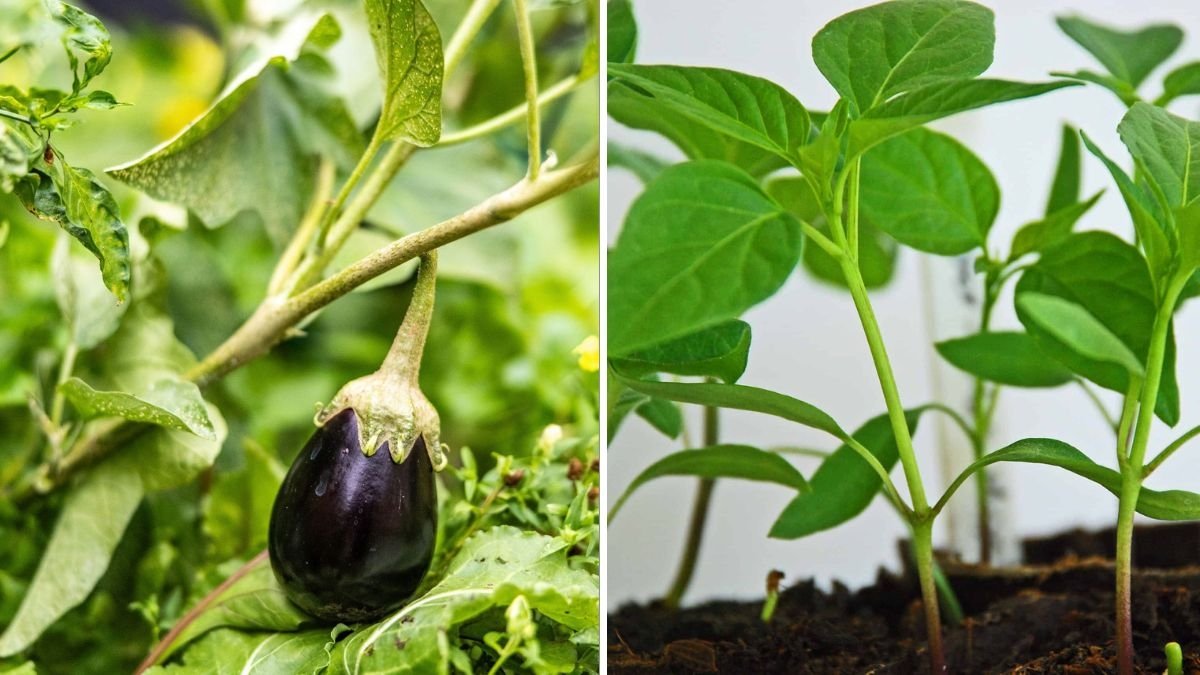
If you’re dreaming of growing a garden that bursts with color and flavor, eggplants (also known as aubergines) are the perfect addition. Their deep purple shine and meaty texture make them a garden favorite for both beginners and seasoned growers across the United States. Whether grilled, roasted, or layered in a hearty eggplant parmesan, this warm-weather crop adds a gourmet touch to your homegrown meals.
But here’s the catch: eggplants demand heat, sunlight, and care. They’re not the easiest to grow, but with the right techniques, you can enjoy a consistent harvest all summer long. This guide walks you through seven key steps to grow thriving eggplants in your home garden—whether you’re planting in raised beds, patio containers, or backyard plots.
1. Choose the Right Eggplant Variety for Your Climate

Before you start, pick an eggplant variety suited to your growing zone. The U.S. Department of Agriculture (USDA) recommends planting eggplants in Zones 5–12, where temperatures remain consistently warm during the growing season.
Here are a few top-performing varieties:
- ‘Black Beauty’ – Classic American heirloom, perfect for grilling.
- ‘Fairy Tale’ – Small, striped, and ideal for container gardening.
- ‘Ichiban’ (Japanese Eggplant) – Long, slender, and cooks quickly.
- ‘Rosa Bianca’ – Italian variety with creamy texture and mild flavor.
If you live in cooler regions, look for early-maturing or compact varieties like ‘Little Finger’ or ‘Hansel’. They produce well even when nights are slightly chilly.

2. Start Seeds Indoors for a Strong Head Start

Eggplants are heat-loving crops, meaning they need a long, warm growing season—typically 100 to 120 days. To make the most of your time, start seeds indoors 8–10 weeks before your last frost date.
Steps for seed starting success:
- Sow seeds about ¼ inch deep in seed-starting trays filled with light potting mix.
- Maintain a temperature around 75–85°F (24–29°C) for optimal germination.
- Use a grow light or sunny windowsill to ensure 12–14 hours of light per day.
- Once seedlings develop their second set of true leaves, transplant them into larger pots to encourage strong root growth.
Before moving them outside, harden off the plants by gradually exposing them to outdoor conditions for about a week. This step helps prevent transplant shock.
3. Prepare the Perfect Soil Bed
Eggplants thrive in well-draining, fertile soil rich in organic matter. Aim for a pH between 6.0 and 6.8. Loamy soil mixed with compost or aged manure provides the ideal foundation.
Here’s how to prep your garden bed:

- Till the soil 10–12 inches deep to loosen it.
- Mix in 2–3 inches of compost to improve texture and nutrition.
- Avoid planting where tomatoes, peppers, or potatoes grew last year—these crops share similar pests and diseases.
For container gardening, use 5-gallon pots with high-quality potting soil and ensure excellent drainage. Adding perlite or coarse sand can improve airflow to the roots.
4. Transplant and Space Wisely

Once nighttime temperatures stay above 55°F (13°C), it’s time to transplant. Place seedlings 18–24 inches apart in rows about 2–3 feet apart. Eggplants love space—it allows for airflow, reduces disease risk, and promotes sturdy stems.
When planting, bury the seedlings slightly deeper than they were in their pots to encourage root establishment. After transplanting, water thoroughly and add a 2-inch mulch layer (like straw or shredded leaves) to retain soil moisture and suppress weeds.
5. Provide Consistent Water and Nutrients

Eggplants are thirsty plants, especially during hot, dry spells. Keep the soil evenly moist but not soggy. Overwatering can lead to root rot, while underwatering results in bitter fruit.
- Water deeply once or twice a week, depending on weather conditions.
- Fertilize every 3–4 weeks using a balanced, slow-release fertilizer (such as 10-10-10 NPK).
- For organic gardens, apply fish emulsion or compost tea for gentle, steady nourishment.
Pro tip: When flowers start to form, side-dress with compost or a phosphorus-rich fertilizer to boost fruit development.

6. Manage Pests and Common Problems
Eggplants, like most nightshades, are prone to a few garden invaders. The key is to stay proactive with prevention and quick treatment.
Common pests include:
- Flea Beetles: Tiny black bugs that chew small holes in leaves. Use row covers or neem oil spray.
- Aphids: Sap-sucking insects found on leaf undersides. Blast them off with water or apply insecticidal soap.
- Spider Mites: Fine webbing and yellowing leaves are early signs. Increase humidity and use miticide if needed.
Additionally, watch out for diseases like verticillium wilt and powdery mildew. Crop rotation, clean tools, and healthy soil go a long way toward keeping your plants strong.
7. Harvesting and Enjoying Your Homegrown Eggplants

The best time to harvest depends on the variety, but most eggplants are ready 60–80 days after transplanting. The fruit should be glossy, firm, and about half its mature size. Dull or overly large eggplants often taste bitter.
To harvest:

- Use garden shears to cut the stem about 1 inch above the fruit cap.
- Handle carefully—eggplants bruise easily.
- Regular harvesting encourages more fruit production.
After harvesting, store your eggplants in a cool, dry place or the refrigerator’s crisper drawer for up to 5 days.
Bonus Tips for the Perfect Eggplant Harvest
- Stake or cage tall plants to prevent them from toppling over under the weight of heavy fruit.
- Prune lower leaves once plants mature to improve airflow and sunlight penetration.
- Interplant with basil or marigolds—these companion plants repel harmful insects naturally.
- Rotate crops yearly to reduce soil-borne diseases and boost fertility.
Delicious Ways to Use Your Fresh Eggplants
Once you’ve harvested your bounty, enjoy the versatility of this Mediterranean favorite. Try these ideas:
- Grilled Eggplant Steaks – Brush with olive oil, sprinkle salt, and grill until smoky.
- Baba Ganoush – A creamy, smoky Middle Eastern dip made with roasted eggplant and tahini.
- Eggplant Parmesan – Layers of breaded eggplant, marinara sauce, and melted mozzarella.
- Ratatouille – A French vegetable stew that celebrates summer produce.
Eggplants also pair beautifully with garlic, tomatoes, olive oil, and herbs like thyme or oregano.
Conclusion: Grow Bold, Eat Fresh
Growing eggplants in your backyard isn’t just rewarding—it’s a culinary adventure. With their bold colors, rich flavors, and ability to thrive in warm American climates, these plants bring both beauty and bounty to your garden.
By following these seven simple steps—from choosing the right variety to consistent care and timely harvest—you can enjoy fresh, organic eggplants straight from your own garden. So this season, grab your seeds, warm up the soil, and start growing one of summer’s most satisfying vegetables.

Your next home-cooked dish could feature the freshest, most flavorful eggplants you’ve ever tasted—grown by you!

Leave A Comment