
When it comes to garlic, most people picture small, pungent cloves with a strong aroma that fills the kitchen. But there’s another variety that’s bigger, milder, and surprisingly versatile — the elephant garlic.
Loved by chefs, home gardeners, and food enthusiasts across the U.S., elephant garlic is not your average garlic. With bulbs that can grow up to 4 inches across and weigh nearly a pound, it looks impressive — and its sweet, mild flavor makes it perfect for those who enjoy garlic without the overpowering bite.
In this detailed guide, we’ll uncover everything you need to know about elephant garlic — from its origin, taste, and health benefits to how to grow, cook, and store this gentle giant of the allium family.
What Is Elephant Garlic?
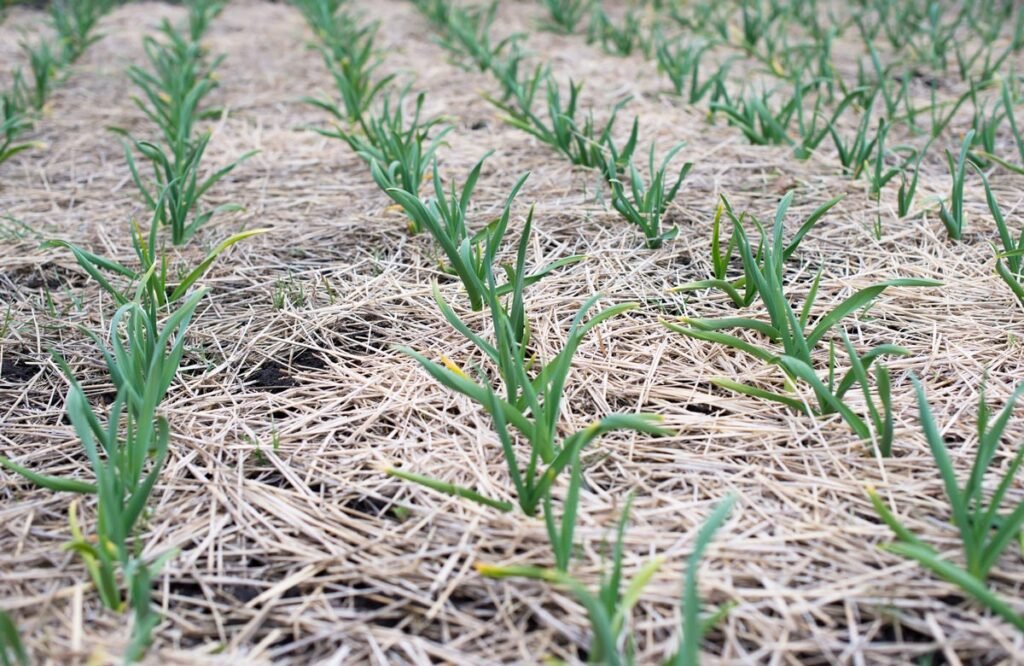
Despite its name, elephant garlic (Allium ampeloprasum) isn’t actually a true garlic. Botanically, it’s more closely related to leeks. However, its flavor, aroma, and structure are similar enough that it’s considered part of the broader garlic family.
Here’s what makes elephant garlic stand out:
- Bulb size: Enormous — typically two to three times the size of regular garlic bulbs.
- Cloves: Fewer in number but much larger and easier to peel.
- Flavor: Mild, slightly sweet, and less pungent.
- Appearance: Pale white skin with a slight purple tint on the cloves.
Because of its subtle taste, elephant garlic is a favorite among cooks who want garlic flavor without the harshness — especially in roasted dishes, spreads, and salads.
The Origins and Popularity of Elephant Garlic
Elephant garlic originated in the Mediterranean region but has become incredibly popular in the United States, especially among home gardeners and gourmet chefs.

It thrives particularly well in California, Oregon, and Washington, where the mild coastal climate allows for large bulbs and excellent flavor. Many American farms now cultivate elephant garlic for both culinary and ornamental purposes.
Its growing popularity in the U.S. is also thanks to its versatility — it can be used raw, roasted, sautéed, or even grilled whole.
Elephant Garlic vs. Regular Garlic: What’s the Difference?
While they share a family resemblance, elephant garlic and regular garlic differ in several key ways:
| Feature | Elephant Garlic | Regular Garlic |
|---|---|---|
| Botanical Name | Allium ampeloprasum | Allium sativum |
| Size | Large bulbs (up to 1 lb) | Small bulbs |
| Flavor | Mild, sweet, less pungent | Strong, sharp, spicy |
| Number of Cloves | 4–6 large cloves | 10–20 small cloves |
| Cooking Use | Ideal for roasting, grilling, and spreading | Great for sautéing, seasoning, and sauces |
| Shelf Life | Slightly shorter | Longer |
So, if you want garlic flavor without the burn, elephant garlic is your go-to ingredient.
Nutritional Profile of Elephant Garlic
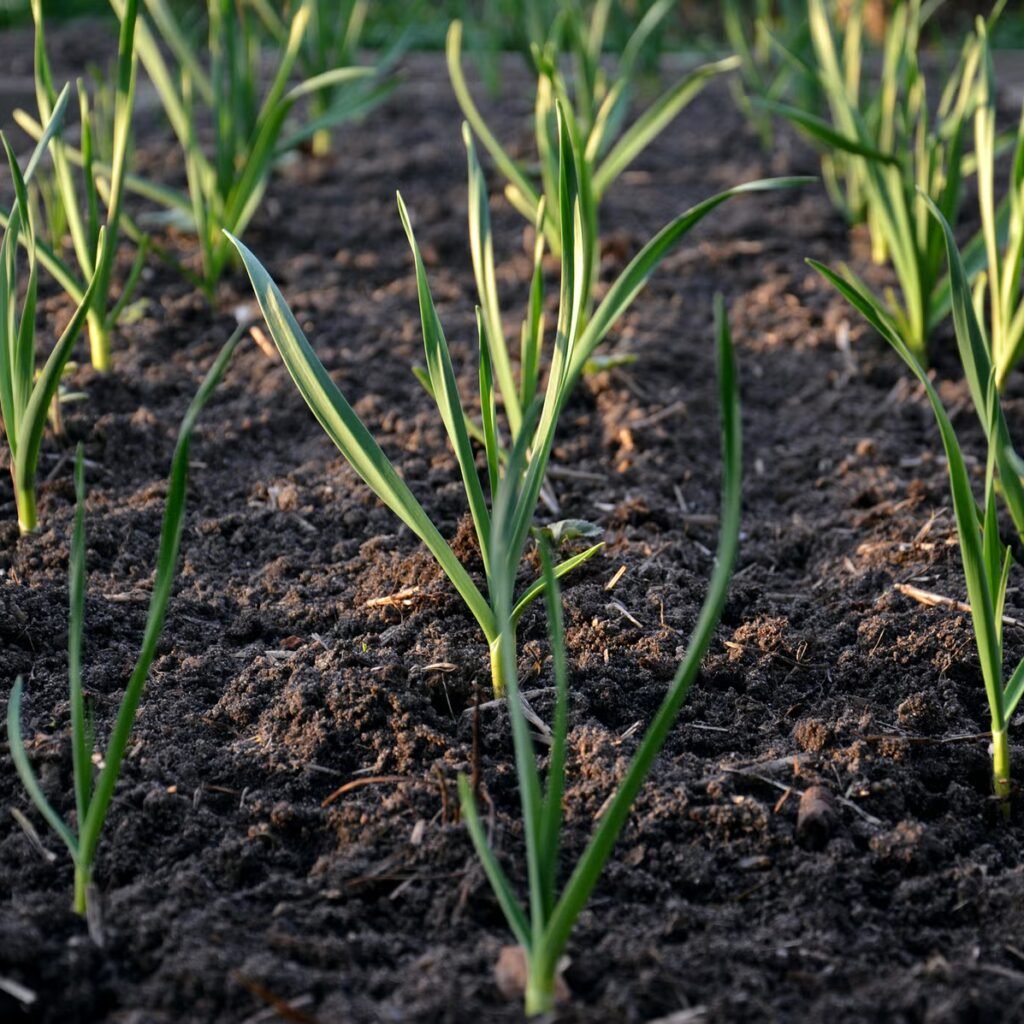
Elephant garlic may be mild in taste, but it’s rich in nutrition. Each serving provides a mix of vitamins, minerals, and antioxidants that support overall health.
Here’s what 100 grams of elephant garlic roughly contains:
- Calories: 130
- Carbohydrates: 28 g
- Protein: 4.5 g
- Fiber: 2 g
- Vitamin C: 20% of the Daily Value
- Calcium, Phosphorus, and Iron: Small but beneficial amounts
- Sulfur Compounds: Allicin and alliin (responsible for many of its health benefits)
Health Benefits of Elephant Garlic
While milder than regular garlic, elephant garlic still offers an impressive range of health-promoting properties.

1. Supports Heart Health
The sulfur compounds in elephant garlic can help lower blood pressure and cholesterol, reducing the risk of heart disease.
2. Boosts Immunity
Its high vitamin C and antioxidant content help strengthen your immune system and protect against infections.
3. Has Anti-Inflammatory Effects
Like other members of the allium family, elephant garlic contains compounds that may help reduce inflammation and joint pain.
4. Promotes Digestive Health
The fiber in elephant garlic aids digestion and helps maintain a healthy gut microbiome.
5. Improves Circulation
Garlic’s natural compounds support better blood flow and may help prevent clot formation.
6. Antimicrobial and Antifungal Properties
Elephant garlic still retains some of the antibacterial benefits of regular garlic, helping fight harmful microbes.
7. Rich in Antioxidants
Its antioxidants combat oxidative stress and may help reduce the risk of chronic diseases.

How to Cook with Elephant Garlic
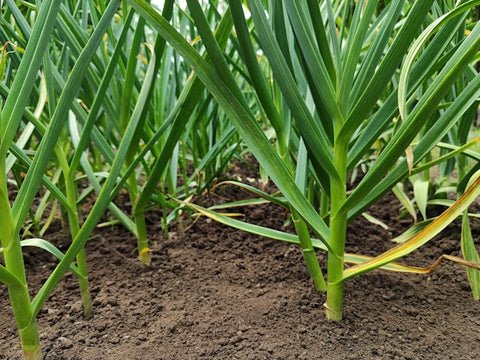
One of the best things about elephant garlic is its versatility. Its mellow flavor makes it perfect for both raw and cooked applications.
Here are some delicious ways to enjoy it:
1. Roasted Elephant Garlic Spread
Slice off the top of the bulb, drizzle with olive oil, wrap in foil, and roast at 400°F for 40–50 minutes. The result? Soft, buttery cloves you can spread on bread or mix into mashed potatoes.
2. Elephant Garlic Soup
Simmer roasted cloves with onions, cream, and vegetable broth for a smooth, comforting soup with subtle garlic sweetness.
3. Grilled Elephant Garlic
Slice thick rounds, brush with olive oil, season with salt and pepper, and grill until tender. Great as a steak topper or side dish.
4. Garlic Butter for Steaks or Bread
Mash roasted elephant garlic into softened butter, add herbs, and spread over bread or grilled meats.
5. Elephant Garlic Stir-Fry
Slice it thin and toss with vegetables, tofu, or chicken for a mild garlicky flavor without overpowering the dish.

6. Raw in Salads or Dressings
Finely mince and mix into vinaigrettes or creamy dips for a subtle garlic note.
Pro Cooking Tips
- Don’t overcook it: Prolonged heat can make elephant garlic lose its delicate flavor.
- Try roasting whole: Roasted elephant garlic develops a nutty sweetness that’s hard to beat.
- Mix with stronger garlic: For a balanced flavor, combine elephant garlic with regular garlic in recipes.
- Use as a base: The mild flavor makes it perfect for creamy sauces, soups, and marinades.
How to Grow Elephant Garlic at Home
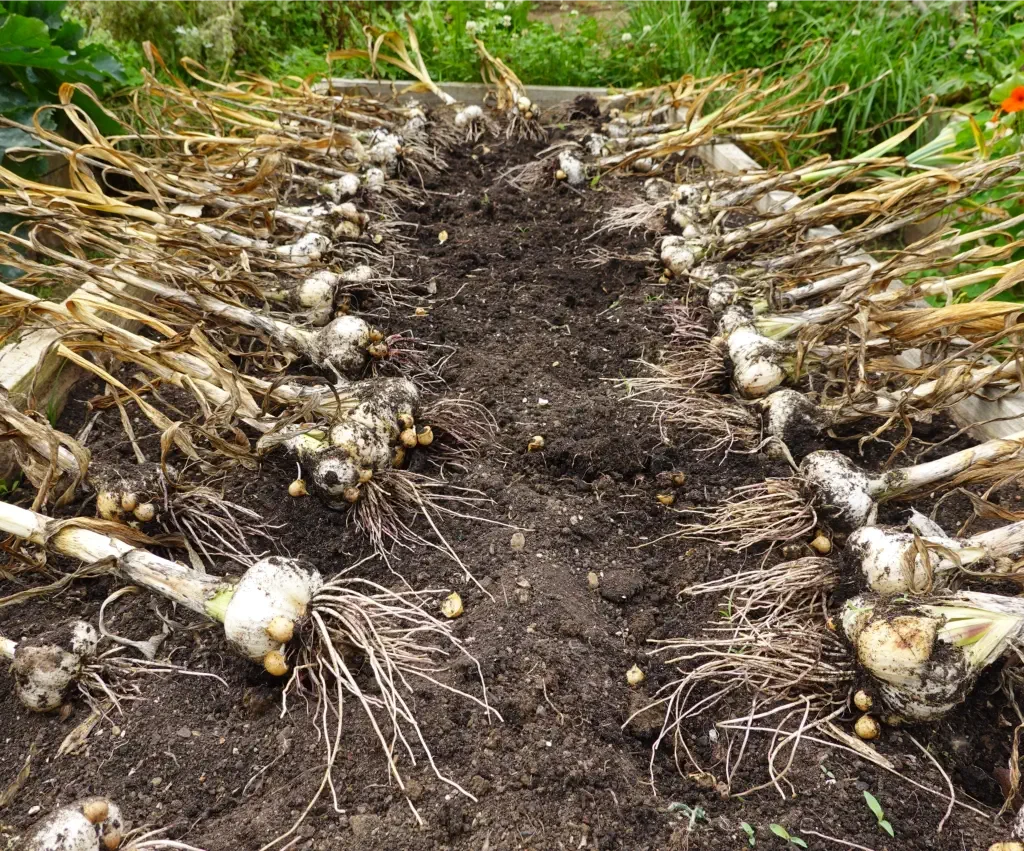
Growing elephant garlic is surprisingly easy, even for beginners. It’s a hardy perennial that thrives in many U.S. climates.
Steps to grow:
- Planting Time:
- Best planted in fall (September to November) before the first frost.
- Soil & Location:
- Choose fertile, well-draining soil in full sun.
- Spacing:
- Plant cloves about 6 inches apart and 2 inches deep.
- Watering:
- Keep soil moist but not soggy.
- Fertilization:
- Add compost or organic fertilizer midseason.
- Harvesting:
- Bulbs are ready when leaves start to yellow and dry (usually late spring or early summer).
Bonus Tip: Save a few bulbs to replant each year — elephant garlic can regrow annually in mild climates.
How to Store Elephant Garlic
To maintain freshness and flavor:
- Keep bulbs in a cool, dry place with good air circulation.
- Avoid refrigeration unless peeled.
- Whole bulbs can last up to 3 months, while peeled cloves should be used within a week.
- You can also roast and freeze the cloves for long-term use.
Why Americans Love Elephant Garlic
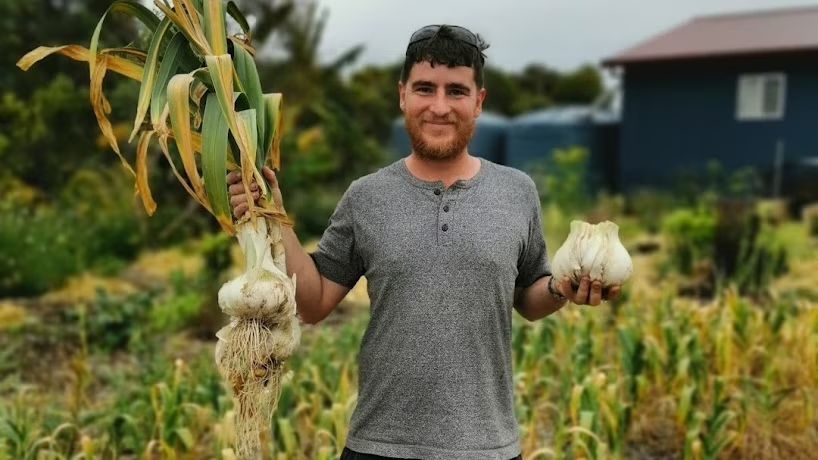
Elephant garlic has found a special place in American kitchens and gardens. It offers the perfect balance between flavor and subtlety — great for families, beginners, and anyone who enjoys cooking without overpowering garlic intensity.
Its impressive size, simple peeling, and delicate sweetness make it an ideal ingredient for:

- Farm-to-table recipes
- Gourmet restaurant menus
- Health-conscious home cooks
- Backyard gardeners
As more Americans shift toward fresh, homegrown produce, elephant garlic continues to shine as a delicious, easy-to-grow, and nutrient-packed herb.
Fun Facts About Elephant Garlic
- Each bulb can weigh up to one pound.
- It can grow up to 3 feet tall in the right conditions.
- Elephant garlic flowers are edible and make beautiful garnishes.
- Despite its size, it’s actually a type of leek!
- The plant produces “bulbils” (tiny cloves) that can regrow into full bulbs over time.
Conclusion: Why Elephant Garlic Deserves a Place in Your Kitchen
Elephant garlic may not have the punch of its smaller cousins, but it delivers a sweet, mellow, and elegant garlic flavor that’s perfect for modern American cooking. Whether roasted, grilled, or mashed into butter, it adds depth without overwhelming your dish.
If you’ve ever wished garlic could be just a little gentler — more refined and easier to work with — elephant garlic is your answer. Grow it, cook it, and let this gentle giant transform your meals into flavorful, healthy masterpieces.

Leave A Comment