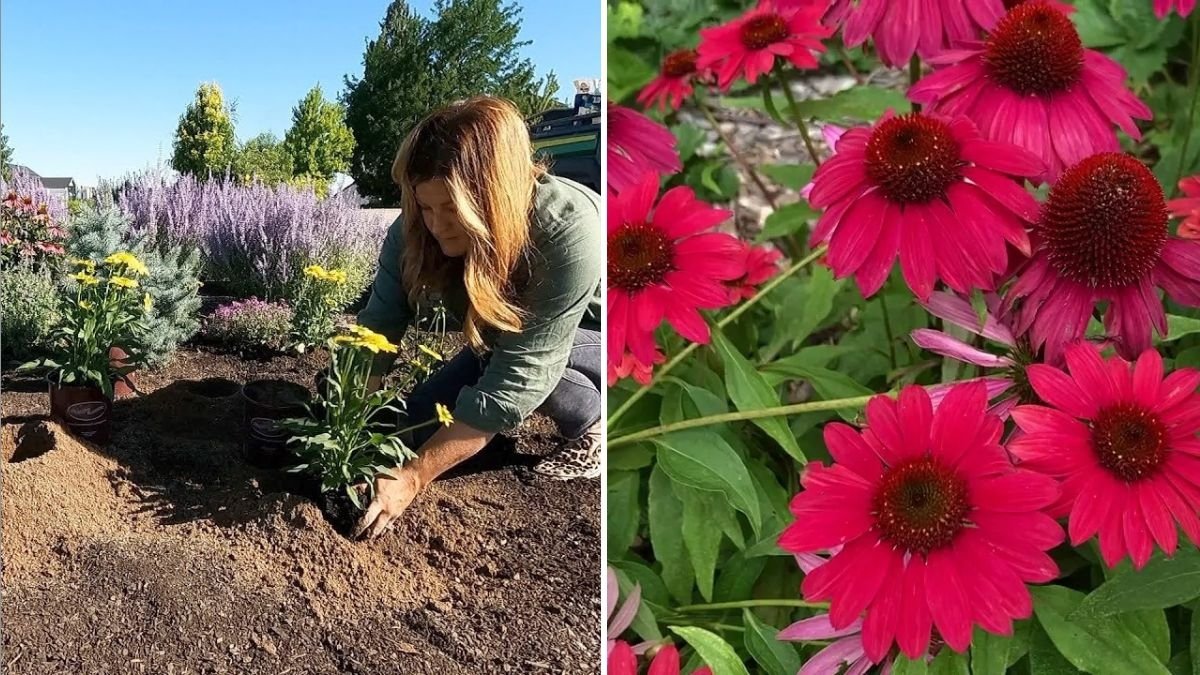
In the heart of the American prairie grows one of the most celebrated herbs in the world of natural health — Echinacea, also known as the purple coneflower. With its stunning pinkish-purple petals and spiky cone center, echinacea has long been admired by gardeners for its beauty and resilience. But beyond its ornamental charm, this North American native has earned global fame as a powerful immune booster and natural remedy for colds, flu, and infections.
From the herbal shelves of wellness stores to the flowerbeds of home gardeners, echinacea has become a symbol of American natural medicine — combining beauty, strength, and healing. In this guide, we’ll explore everything you need to know about this extraordinary herb: its history, health benefits, growing tips, and ways to use it in your daily wellness routine.
What Is Echinacea? Nature’s Native Healer
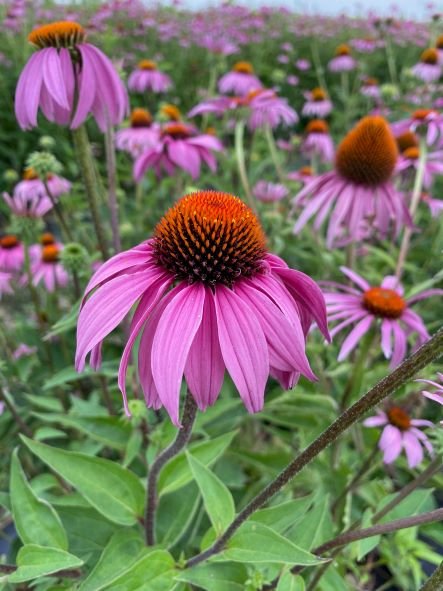
Echinacea refers to a group of flowering plants in the daisy family (Asteraceae), native to North America. The name comes from the Greek word echinos, meaning “hedgehog,” a nod to the flower’s spiky central cone.
There are several species of echinacea, but the three most popular in American herbalism are:
- Echinacea purpurea (Purple Coneflower) – Commonly grown for ornamental and medicinal use.
- Echinacea angustifolia (Narrow-Leaf Coneflower) – Highly valued for its strong immune-boosting properties.
- Echinacea pallida (Pale Purple Coneflower) – Known for its delicate appearance and historical use in Native American remedies.
Echinacea was used for centuries by Native American tribes — including the Sioux, Cheyenne, and Plains Indians — as a natural cure for infections, wounds, and snake bites. In the late 19th century, it became a key ingredient in American herbal medicine, long before antibiotics existed. Today, it remains one of the best-selling herbal supplements in the United States.
Health Benefits of Echinacea: The Immune System’s Best Friend
Echinacea’s reputation as a natural immunity enhancer is well-deserved. Packed with antioxidants, polysaccharides, and alkamides, it supports the body’s defenses against illness while promoting overall wellness. Here’s what makes echinacea a true powerhouse:

1. Strengthens the Immune System
Echinacea is most famous for its ability to stimulate white blood cell production, helping the body fight off viruses and infections. Many Americans take echinacea at the first sign of a cold or flu to shorten recovery time.
Studies have shown that echinacea may help reduce the duration and severity of upper respiratory infections by supporting immune response.
2. Fights Inflammation
The herb’s active compounds — including caffeic acid and alkamides — have anti-inflammatory properties that help reduce pain and swelling. It’s often used to soothe conditions like arthritis, sore throat, and sinus inflammation.
3. Promotes Healthy Skin
Echinacea’s antibacterial and antioxidant effects make it beneficial for skin health. It’s used in creams and serums to treat acne, eczema, and wounds, promoting faster healing and reducing redness.
4. Supports Respiratory Health
Echinacea helps open airways and relieve congestion, making it useful during allergy season or for those prone to colds. Many Americans use echinacea teas and syrups as natural alternatives to over-the-counter remedies.
5. Natural Detox and Antioxidant Boost
Echinacea is rich in flavonoids that protect the body from oxidative stress. Regular use may improve energy levels, support liver function, and help the body detox naturally.

Note: Echinacea is considered safe for short-term use, but those with autoimmune conditions or allergies to daisies should consult a healthcare professional before taking it regularly.
How to Grow Echinacea in American Gardens
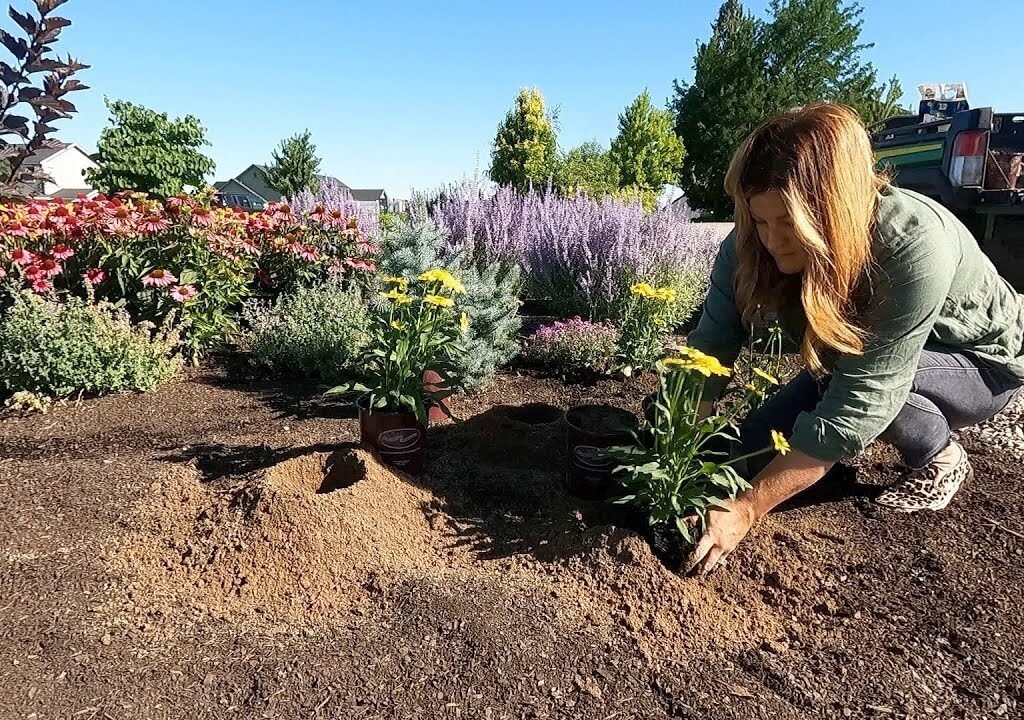
Beyond its medicinal value, echinacea is a beloved ornamental plant in American landscapes. It’s drought-tolerant, low-maintenance, and perfect for pollinator-friendly gardens. Whether you’re growing it in a backyard bed, prairie patch, or patio pot, echinacea brings life and beauty to any space.
1. Choosing the Right Variety
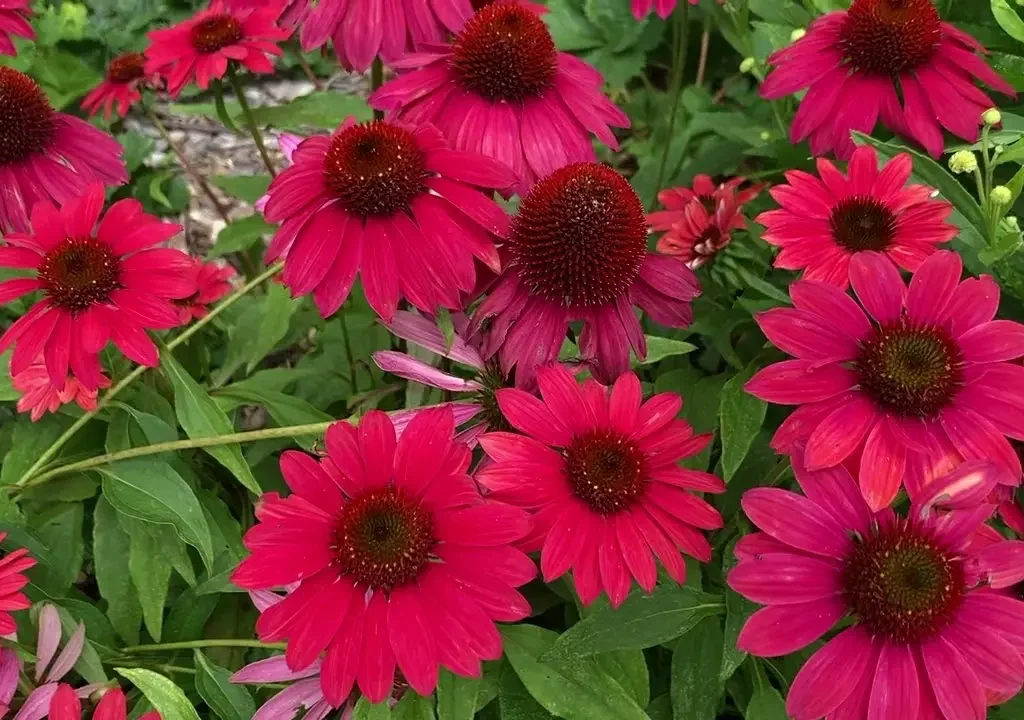
For most American gardeners, Echinacea purpurea is the easiest and most widely available variety. Other hybrids — like ‘Magnus Superior’, ‘PowWow Wild Berry’, or ‘Cheyenne Spirit’ — offer stunning color variations and extended bloom times.
2. Best Growing Conditions
- USDA Zones: 3–9
- Sunlight: Full sun for best blooms (at least 6 hours daily).
- Soil: Well-drained, moderately fertile soil. Echinacea thrives even in poor, sandy conditions.
- Water: Water regularly during establishment; once mature, it’s highly drought-tolerant.
3. Planting Tips
- Start from seeds, transplants, or root divisions in spring or fall.
- Sow seeds directly outdoors after frost or indoors 8–10 weeks before transplanting.
- Space plants about 12–18 inches apart.
Echinacea is known for its resilience — it tolerates heat, drought, and even poor soil, making it ideal for eco-friendly American gardens.
4. Caring for Your Echinacea Plants
- Deadhead spent blooms to encourage more flowers.
- Cut back in fall after flowering to tidy the garden and promote new growth.
- Divide clumps every 3–4 years to maintain vigor.
- Leave seed heads through winter — they provide food for birds like goldfinches!
Harvesting and Storing Echinacea
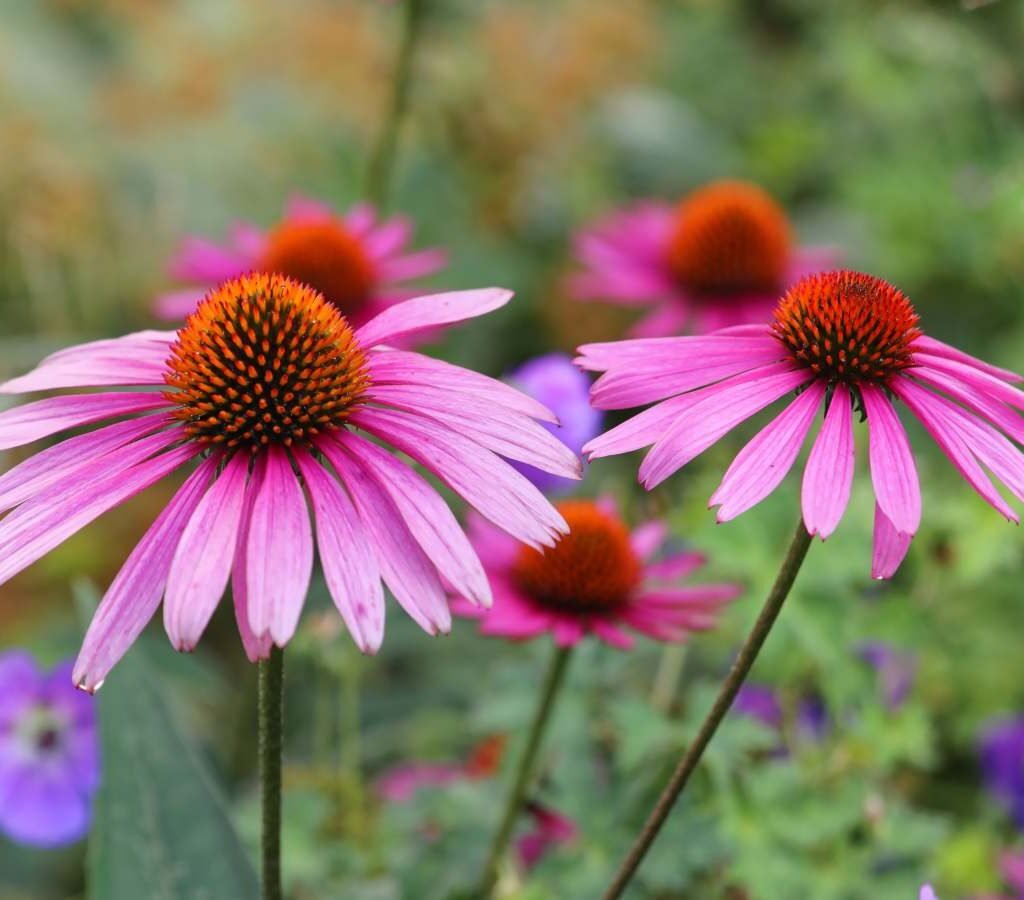
The beauty of echinacea lies in the fact that every part of the plant — from roots to petals — can be used medicinally.
1. Harvesting Flowers and Leaves
Pick flowers when they are fully open and vibrant. Dry them on a screen in a shaded, well-ventilated area. Leaves can be harvested anytime during the growing season.

2. Harvesting Roots
Echinacea roots are typically harvested in their second or third year, when their medicinal compounds are strongest. Wash, chop, and dry the roots before storing them in airtight jars.
3. Storage
Keep dried echinacea in a cool, dark place. Properly stored herbs retain potency for up to one year.
DIY Echinacea Remedies You Can Make at Home
Echinacea’s versatility makes it easy to use in homemade wellness products. Here are a few simple, effective ways to bring its benefits into your home:
1. Echinacea Herbal Tea
- Add 1–2 teaspoons of dried echinacea flowers or roots to a cup of boiling water.
- Steep for 10–15 minutes.
- Sweeten with honey and sip to boost immunity or soothe a sore throat.
2. Echinacea Tincture
- Fill a glass jar halfway with chopped fresh echinacea root.
- Cover with high-proof vodka or grain alcohol.
- Let steep for 4–6 weeks, shaking occasionally.
- Strain and store in amber bottles. Take 10–20 drops daily during cold season for immune support.
3. Echinacea Honey Syrup
Combine echinacea tea with raw honey for a delicious, throat-soothing syrup. Perfect for kids and adults alike.
4. Echinacea Facial Toner
Mix echinacea tea with witch hazel for a natural skin toner that reduces inflammation and redness.
Echinacea in American Herbal and Wellness Culture
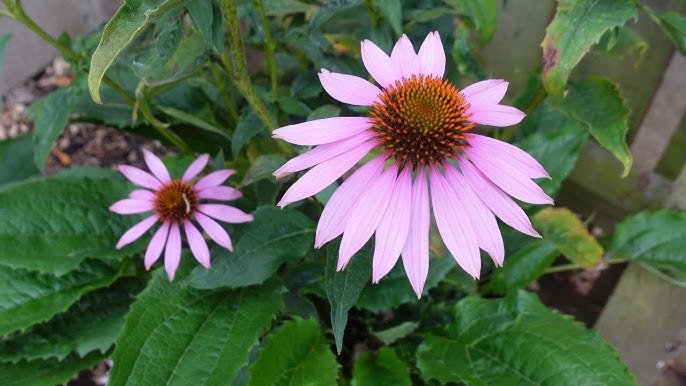
From Native American traditions to modern wellness trends, echinacea continues to be a staple of American herbal medicine. It’s featured in teas, lozenges, capsules, and immune-boosting blends found in health stores nationwide.

Its popularity has surged as Americans embrace holistic health and natural living — seeking alternatives to synthetic supplements. Echinacea symbolizes the connection between wellness and the wild beauty of native plants, reminding us that healing often starts in nature.
Even in urban settings, echinacea thrives — making it a favorite in community gardens, pollinator sanctuaries, and sustainable landscaping projects across the country.
Fun Facts About Echinacea
- Echinacea is native to the Great Plains region of the United States.
- Early settlers used it to treat snake bites, toothaches, and infections.
- Bees and butterflies love echinacea — it’s one of the best pollinator plants in America.
- The flower’s spiky cone inspired its name, derived from echinos, meaning “hedgehog.”
- In the U.S., echinacea remains one of the top five most popular herbal supplements.
Why Every American Garden Needs Echinacea
Echinacea isn’t just an immune-boosting herb — it’s a pollinator magnet, drought survivor, and landscape showstopper. Its bright flowers add months of color to summer gardens while supporting bees and butterflies that keep ecosystems healthy.
Here’s why you should plant it this season:
- Low maintenance – Thrives with little care once established.
- Eco-friendly – Native plant that supports biodiversity.
- Dual-purpose – Beautiful to look at and beneficial for health.
- Perfect for U.S. climates – From Texas to Maine, it adapts easily.
Whether you’re growing it for wellness, beauty, or sustainability, echinacea earns its place as one of America’s most iconic herbs.
Conclusion: Echinacea — The American Symbol of Strength and Healing
Few plants represent the essence of natural health and resilience like echinacea. With its roots in Native American tradition and its role in modern wellness, it bridges ancient wisdom and contemporary science.

From immune-boosting teas to pollinator-friendly gardens, echinacea proves that beauty and healing can coexist naturally. So this season, plant a patch of echinacea in your garden — and let this timeless American herb bring color, vitality, and wellness into your life.

Leave A Comment