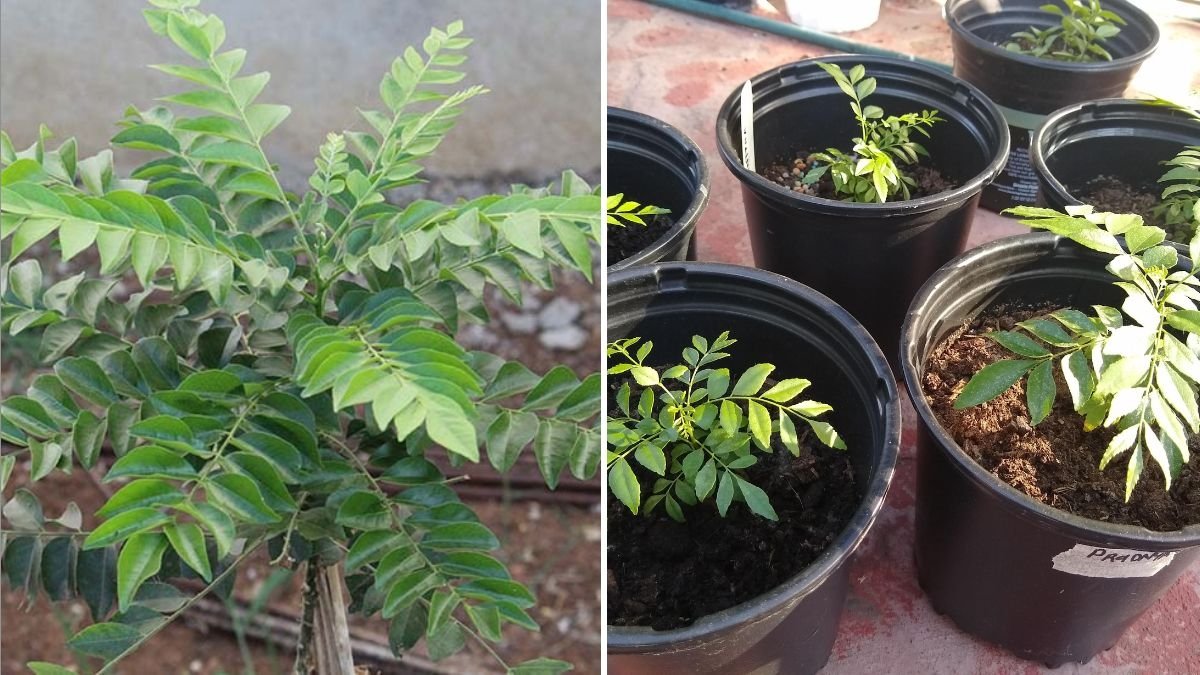
In recent years, Americans have developed an ever-growing love for global cuisine — and along with it, a fascination for the herbs and spices that make these dishes shine. One aromatic ingredient leading this flavorful revolution is the curry leaf.
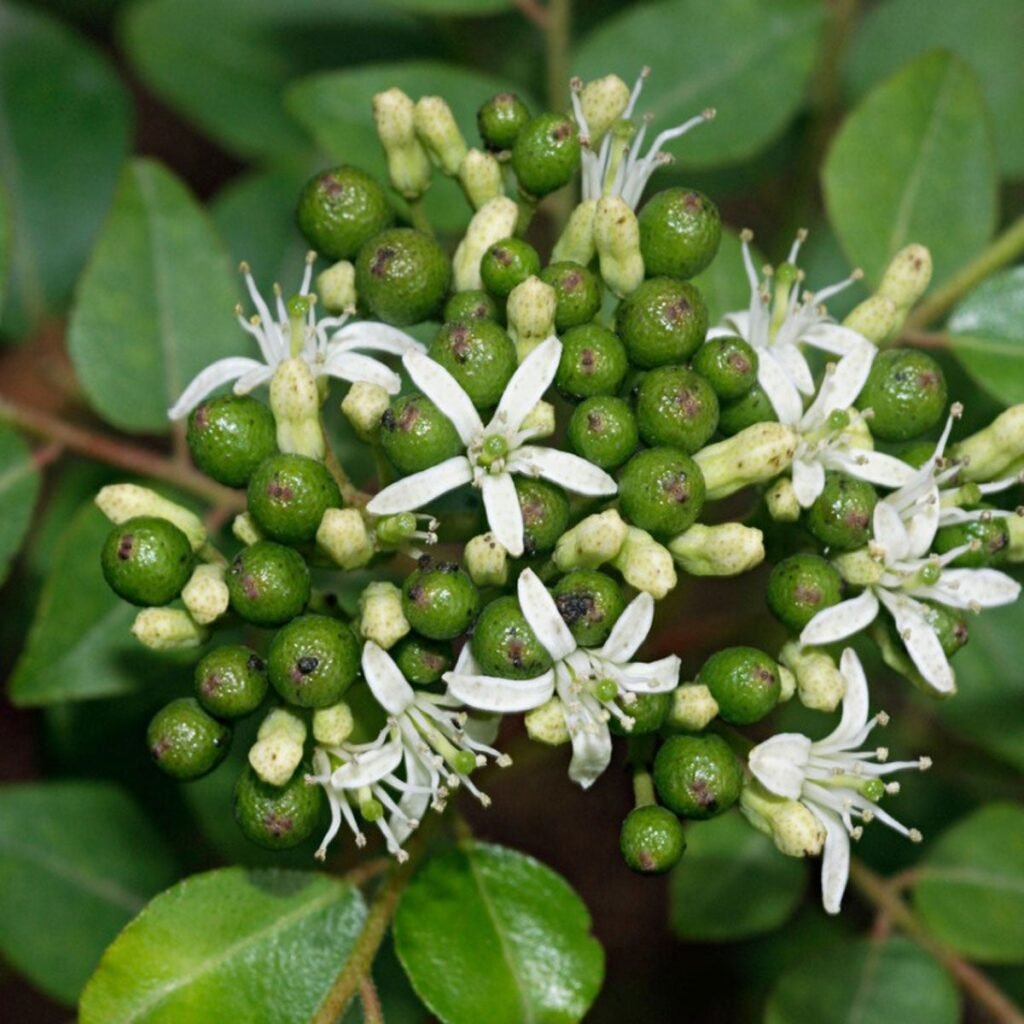
Native to India and Sri Lanka, the curry leaf (Murraya koenigii) is now finding a special place in American kitchens, home gardens, and wellness routines. Known for its distinct citrusy aroma and incredible health benefits, this little green leaf is much more than a seasoning — it’s a nutritional powerhouse and a symbol of traditional herbal wisdom.
Whether you’re an adventurous home cook, a health-conscious foodie, or a gardening enthusiast, curry leaves deserve a spot on your radar. This detailed guide explores their origin, health benefits, uses, and easy ways to grow them right in your backyard — all tailored to the American lifestyle.
What Are Curry Leaves?

Despite the name, curry leaves have nothing to do with curry powder. They come from the curry leaf tree, an aromatic evergreen native to South Asia. The leaves are small, shiny, and bursting with a unique blend of citrus, nut, and spice notes.
In Indian and Southeast Asian cuisines, curry leaves are sautéed in oil or ghee to infuse flavor into soups, stews, lentils, and rice dishes. Their distinct aroma adds depth to food, much like bay leaves or lemongrass do in Western cooking.
Today, with the growing popularity of South Asian and fusion cuisine in the U.S., Americans are embracing curry leaves not just for their flavor but also for their medicinal and nutritional value.
Nutritional Profile: Small Leaf, Big Benefits
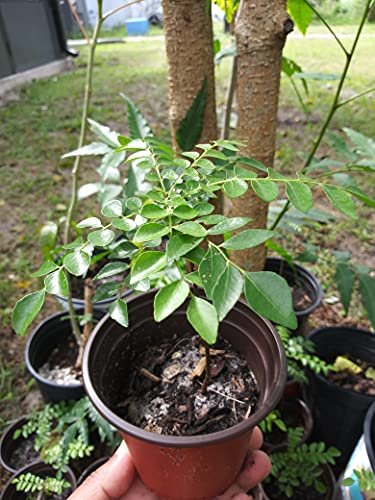
Curry leaves are rich in antioxidants, essential oils, vitamins, and minerals, making them one of nature’s most potent edible herbs.

Here’s what makes them so powerful:
- Vitamins: A, B, C, and E
- Minerals: Iron, calcium, phosphorus
- Compounds: Alkaloids, flavonoids, and phenolic acids (great for cellular health)
- Dietary Fiber: Aids digestion and detoxification
These nutrients work together to support everything from heart health to hair growth, making curry leaves a holistic addition to any modern American diet.
Top 7 Health Benefits of Curry Leaves
Curry leaves have long been celebrated in Ayurvedic medicine for their therapeutic and restorative properties. Here’s how this humble herb can improve your health naturally:
1. Promotes Healthy Digestion
Curry leaves stimulate digestive enzymes, helping the body absorb nutrients more efficiently. They’re often used in traditional remedies to soothe indigestion, nausea, and bloating — making them perfect for those who enjoy rich or spicy foods.
2. Helps Regulate Blood Sugar Levels
Studies suggest that curry leaves help lower blood glucose levels and improve insulin activity. This makes them a valuable dietary addition for Americans managing type 2 diabetes or seeking to prevent it through balanced nutrition.
3. Supports Heart Health
Packed with antioxidants, curry leaves help reduce bad cholesterol (LDL) and increase good cholesterol (HDL), promoting a healthy heart and improving overall cardiovascular function.
4. Strengthens Hair and Prevents Hair Loss
Curry leaves are a natural remedy for hair fall and premature graying. They’re rich in beta-carotene and protein, both of which strengthen hair roots and encourage growth. Many Americans now use DIY curry leaf oil as part of their natural hair care routine.

5. Boosts Immunity
Vitamin C, A, and antioxidants in curry leaves enhance the immune system and help the body fight infections — an essential benefit for those leading busy, urban lifestyles.
6. Enhances Liver Function
Research shows that curry leaves may help protect the liver from oxidative stress and toxin buildup, promoting detoxification and better metabolism.
7. Supports Weight Management
Curry leaves contain compounds that help reduce fat accumulation and improve digestion, supporting sustainable weight loss when paired with a healthy diet.
How to Use Curry Leaves in American Cooking
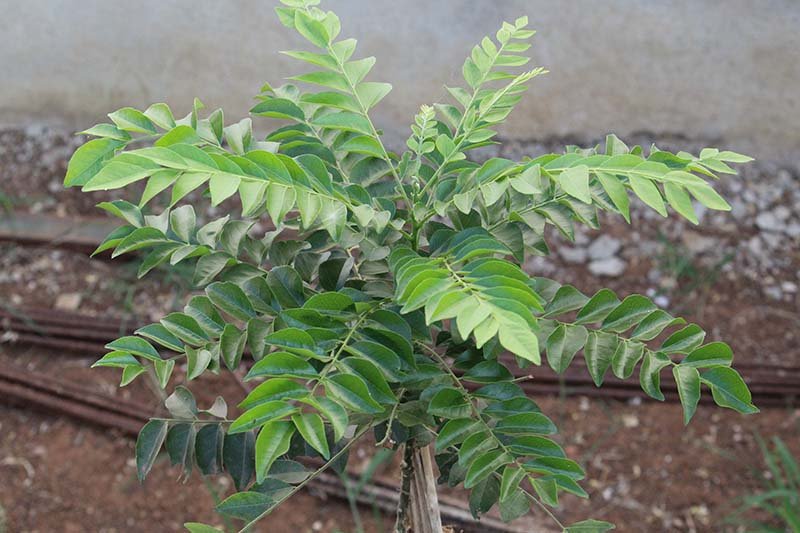
Curry leaves are incredibly versatile — you can use them fresh, dried, or powdered. Their flavor is best released when they’re lightly fried in oil or ghee, allowing their essential oils to infuse the dish.
Here’s how to enjoy them in your daily meals:
1. Flavor Base for Soups and Stews
Add 5–6 fresh curry leaves when sautéing onions and garlic. They add an aromatic, citrusy depth that pairs perfectly with chicken soup, lentil stew, or vegetable chowder.
2. Curry Leaf Rice
Mix sautéed curry leaves with cooked rice, a drizzle of olive oil, and roasted nuts for a flavor-packed, gluten-free meal that’s quick and nourishing.

3. Smoothies and Herbal Teas
Dried curry leaves can be crushed into smoothies or brewed into tea. Their antioxidants make a great morning detox drink for Americans looking to start the day clean and energized.
4. Curry Leaf Oil (for Cooking or Hair Care)
Simmer fresh curry leaves in coconut oil for 5–10 minutes, then cool and strain. The oil can be used for seasoning food or nourishing the scalp naturally.
5. Fusion Dishes
Curry leaves work beautifully in American favorites like omelets, roasted vegetables, and marinades — bringing a hint of exotic flavor to familiar meals.
How to Grow Curry Leaf Plants in America
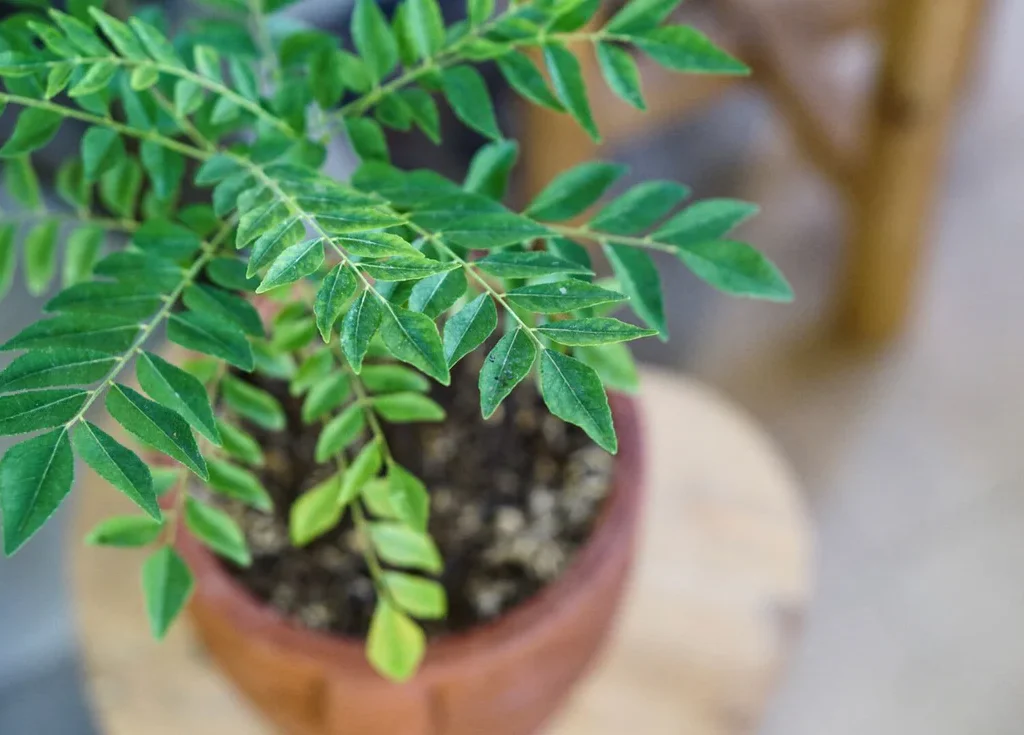
Curry leaf plants are surprisingly easy to grow in the U.S., especially in warmer regions or indoor pots. Whether you have a backyard garden or a sunny kitchen window, you can enjoy this aromatic herb year-round.
1. Ideal Growing Conditions
- USDA Zones: 9–12 (grows outdoors); elsewhere, grow indoors or in containers
- Soil: Well-drained potting mix with compost
- Sunlight: 6–8 hours of direct sunlight
- Temperature: Thrives between 65°F and 90°F
2. Planting
- Start from seeds or young saplings (available at Indian grocery stores or online garden shops).
- Use a 12-inch-deep pot for proper root development.
- Keep soil moist but not soggy.
3. Watering and Fertilizing
- Water 2–3 times a week, allowing soil to dry slightly between waterings.
- Feed monthly with organic fertilizer or compost tea during spring and summer.
4. Pruning and Harvesting
- Regular pruning encourages bushy growth.
- Snip fresh leaves as needed, leaving a few branches for regrowth.
- In cooler states, bring your plant indoors during winter to protect it from frost.
Pro Tip: For fast growth, gently pinch off new flower buds — this redirects energy to leaf production.
Curry Leaf Tea: America’s New Herbal Health Trend
One of the simplest ways to enjoy the wellness benefits of curry leaves is by making curry leaf tea — a soothing herbal infusion that’s becoming a favorite among Americans seeking natural detox options.
Recipe:

- 8–10 fresh curry leaves
- 2 cups of water
- 1 teaspoon honey or lemon juice (optional)
Instructions:
Boil curry leaves in water for 5 minutes. Strain and sip warm. The tea supports digestion, immunity, and liver health, making it a perfect morning or bedtime drink.
Curry Leaves in American Wellness and Culture
As Americans move toward clean eating, holistic health, and organic gardening, curry leaves perfectly fit the trend. They embody the values of sustainability, flavor, and wellness, all in one plant.
Here’s how they’re influencing American lifestyle choices:
- Health food stores now sell dried curry leaves and curry leaf oil.
- Chefs and food bloggers use them in fusion recipes, from avocado toast to quinoa bowls.
- Home gardeners grow them as part of their herbal wellness gardens, alongside basil, rosemary, and mint.
- Wellness enthusiasts are incorporating curry leaves into natural beauty routines for hair and skin care.
This versatile herb is no longer limited to Indian kitchens — it’s becoming a mainstay of modern American living.
Fun Facts About Curry Leaves
- The curry leaf tree belongs to the citrus family (Rutaceae) — which explains its lemony aroma.
- In Ayurveda, it’s known as Kadi Patta, symbolizing “purity and vitality.”
- One mature plant can live for over 15 years with proper care.
- Curry leaves are sometimes referred to as “natural flavor bombs” because of their intense aroma when sautéed.
- NASA researchers have identified compounds in curry leaves that exhibit antioxidant and antimicrobial potential — highlighting their global scientific appeal.
Curry Leaf vs. Curry Powder: Clearing the Confusion
Many Americans assume curry leaves and curry powder are related — but they’re entirely different.
| Feature | Curry Leaf | Curry Powder |
|---|---|---|
| Origin | Fresh leaf from a tropical tree | Spice mix (turmeric, cumin, coriander, etc.) |
| Flavor | Citrusy, nutty, aromatic | Warm, spicy, earthy |
| Use | Fresh or dried herb for seasoning | Dry blend for cooking sauces or stews |
| Nutrition | Packed with antioxidants and vitamins | Contains spices but fewer fresh nutrients |
Understanding this difference helps Americans use curry leaves correctly — as a fresh, vibrant herb, not a powdered spice.
Conclusion: Bring Home the Flavor and Wellness of Curry Leaves
From their aromatic charm to their incredible health benefits, curry leaves are redefining how Americans cook, eat, and live. This versatile herb bridges the gap between traditional herbal wisdom and modern nutrition, adding flavor to food and vitality to life.

Whether you grow them in your backyard, brew them in tea, or sauté them in your favorite dishes, curry leaves are one of nature’s best-kept secrets — now ready for American kitchens to embrace.
So next time you crave something flavorful and wholesome, skip the artificial seasonings and reach for the real thing — the vibrant, fragrant, and health-boosting curry leaf.

Leave A Comment