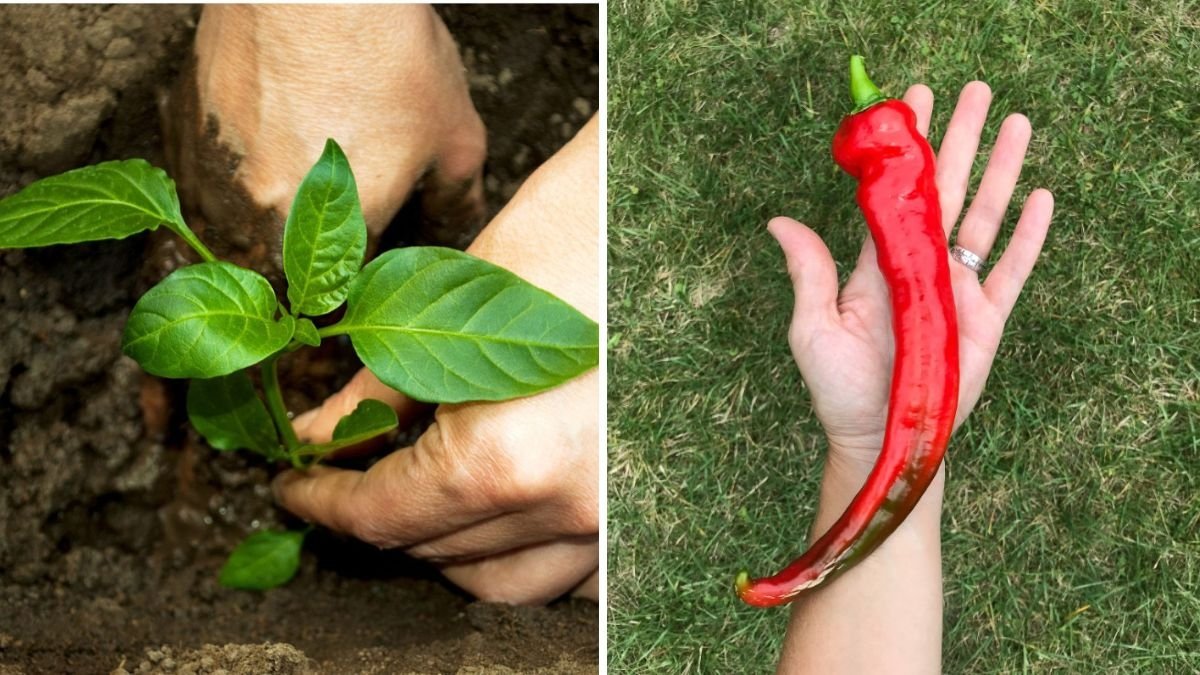
If there’s one pepper that perfectly balances sweetness, spice, and color, it’s the cherry pepper — also known as the pimento or pimiento pepper. These small, round, cherry-shaped peppers bring both visual appeal and a burst of flavor to countless American dishes. From stuffed appetizers to sandwich toppings and homemade pickles, cherry peppers are a true kitchen gem that deserve more attention.
Loved by home gardeners, chefs, and pepper enthusiasts alike, cherry peppers offer a mild to medium heat and a juicy, crisp bite that enhances everything from salads to charcuterie boards. Whether you’re exploring new flavors or expanding your home garden, this detailed guide will help you understand everything about cherry peppers — from their origins and varieties to their culinary uses, health benefits, and growing tips.
What Are Cherry Peppers?

Cherry peppers (Capsicum annuum) are small, round chili peppers that resemble bright red cherries — hence the name. They typically measure about 1 to 2 inches in diameter and ripen from green to red, sometimes orange or yellow.
These peppers are often called pimentos (though pimentos are technically a sweet variety of cherry pepper). Their flavor profile ranges from sweet and tangy to slightly spicy, depending on the type.
In American cuisine, cherry peppers are best known for:
- Being stuffed with cheese or meats as appetizers.
- Adding zesty flavor to deli sandwiches and pizzas.
- Being a star ingredient in pimento cheese spread — a Southern classic.
How Hot Are Cherry Peppers?
Cherry peppers fall on the mild to medium side of the Scoville Heat Scale.
| Pepper Type | Scoville Heat Units (SHU) | Heat Level |
|---|---|---|
| Bell Pepper | 0 | None |
| Pimento (Sweet Cherry Pepper) | 100–500 | Mild |
| Hot Cherry Pepper | 2,500–5,000 | Moderate |
| Jalapeño | 2,500–8,000 | Moderate |
| Serrano | 10,000–23,000 | Hot |
That means cherry peppers are spicy enough to add flavor but not so hot that they overpower dishes. The sweet pimento variety is especially mild, making it great for people who love flavor without fire.

The Flavor Profile: Sweet, Tangy, and Perfectly Balanced

Cherry peppers are loved for their sweet, juicy, and slightly smoky flavor. They deliver a pop of brightness to savory dishes while offering just enough heat to wake up your taste buds.
When roasted, they develop a rich, caramelized sweetness that makes them perfect for spreads, sauces, or antipasto platters.
Flavor notes:
- Sweet and fruity
- Slightly smoky when roasted
- Tangy when pickled
- Mild to moderate heat
Their vibrant flavor and color make them an ideal complement to cheese, meats, and vinegar-based sauces.
Types of Cherry Peppers
There are two main categories of cherry peppers — sweet and hot, each with distinct culinary uses.
1. Sweet Cherry Pepper (Pimento)
- Bright red and heart-shaped.
- Very mild heat (100–500 SHU).
- Commonly used to make pimento cheese, stuffed olives, and roasted pepper spreads.
2. Hot Cherry Pepper
- Slightly smaller and rounder.
- Moderate heat (2,500–5,000 SHU).
- Popular for pickling or stuffing with cheese or prosciutto.
3. Dwarf or Ornamental Varieties
- Grown primarily for their colorful, decorative appeal.
- Can range in color from yellow to purple.
- Still edible but often used as garden accents.
Health Benefits of Cherry Peppers

Beyond their great taste, cherry peppers offer impressive nutritional and health benefits:
1. Packed with Vitamins
- Vitamin C: Boosts immunity and supports collagen production.
- Vitamin A: Promotes eye and skin health.
- Vitamin B6: Aids metabolism and brain function.
2. Rich in Antioxidants
Their bright red pigment contains carotenoids and capsaicin, which help reduce inflammation and protect cells from oxidative damage.

3. Low in Calories
A 100-gram serving contains only 30 calories, making cherry peppers ideal for healthy snacking and clean eating.
4. Improves Digestion
Their natural fiber content supports healthy digestion and gut function.
5. Boosts Metabolism
Capsaicin (present in hotter varieties) helps slightly increase metabolism and fat oxidation.
How to Grow Cherry Peppers in the U.S.
Cherry peppers are easy to grow, making them a favorite among American home gardeners. Their compact size also makes them perfect for pots, patios, and raised beds.
1. Starting from Seeds
- Start seeds indoors 8–10 weeks before the last frost.
- Keep soil temperature between 75°F and 85°F for successful germination.
- Seeds usually sprout within 10–14 days.
2. Transplanting Outdoors
- Transplant seedlings when daytime temperatures stay above 65°F.
- Choose a sunny location with 6–8 hours of sunlight daily.
- Space plants 18–24 inches apart.
3. Soil and Watering
- Use well-draining, loamy soil with a pH of 6.0–6.8.
- Keep the soil consistently moist but not soggy.
- Mulch around plants to retain moisture and prevent weeds.
4. Fertilization
Use a balanced fertilizer (10-10-10) every few weeks to promote healthy growth and fruit production.
5. Harvesting
- Harvest when fruits are bright red and firm (usually 70–80 days after transplanting).
- Regular picking encourages more fruit development.
Cherry peppers thrive in warm American states such as Florida, Texas, California, and Georgia, but can also be grown in northern climates during summer.
Culinary Uses: The Many Ways to Enjoy Cherry Peppers

Cherry peppers’ versatility makes them a must-have in any American kitchen. Here’s how you can make the most of them:

1. Stuffed Cherry Peppers
A classic appetizer!
- Stuff with cream cheese, mozzarella, or prosciutto.
- Roast or marinate them in olive oil and herbs.
- Serve on charcuterie boards or as antipasto.
2. Pickled Cherry Peppers
A pantry staple that adds tang and crunch to sandwiches and pizzas.
- Combine vinegar, garlic, sugar, and salt for a quick brine.
- Store in jars for up to 6 months.
3. Roasted Cherry Peppers
- Roast under a broiler or on a grill until skins char.
- Peel, marinate in olive oil, and use for pasta or salads.
- Perfect for Italian-style roasted pepper spreads.
4. Pimento Cheese Spread
This Southern classic uses roasted pimentos (sweet cherry peppers) mixed with cheddar cheese and mayonnaise — a staple for sandwiches, crackers, and snacks.
5. Pizza and Sandwich Toppings
Add sliced or pickled cherry peppers to pizza, burgers, subs, or wraps for a flavorful, tangy kick.
6. Salads and Bowls
Toss fresh cherry peppers into salads for a crunchy, colorful twist.
7. Sauces and Salsas
Blend roasted cherry peppers with tomatoes, garlic, and herbs for a smoky-sweet salsa or dipping sauce.
Fresh vs. Pickled: Which Is Better?
Both fresh and pickled cherry peppers have their place in American cuisine.

| Type | Flavor | Best Uses |
|---|---|---|
| Fresh | Sweet, crisp, mildly spicy | Stuffed, salads, roasting |
| Pickled | Tangy, zesty, slightly hot | Sandwiches, pizzas, charcuterie |
Pickled cherry peppers are more common in American delis, while fresh ones shine in home-cooked meals and gourmet recipes.
Preserving Cherry Peppers

If you grow cherry peppers in abundance, here’s how to store them for year-round use:
- Pickling: Slice or leave whole, then preserve in vinegar and spices.
- Freezing: Wash, dry, and freeze whole or chopped peppers in airtight bags.
- Drying: Dehydrate to make crushed pepper flakes.
- Canning: Great for pickled cherry peppers and pimento spreads.
Cherry Peppers vs. Pimentos: What’s the Difference?
While the terms are often used interchangeably, there are key distinctions:
| Feature | Cherry Pepper | Pimento |
|---|---|---|
| Shape | Round or heart-shaped | Heart-shaped and slightly larger |
| Heat | 100–5,000 SHU | 100–500 SHU |
| Flavor | Sweet or moderately spicy | Sweet and mild |
| Uses | Stuffed, pickled, grilled | Pimento cheese, olives, spreads |
In short, all pimentos are cherry peppers, but not all cherry peppers are pimentos.
Fun Facts About Cherry Peppers
- Cherry peppers were originally cultivated in Central and South America, later spreading globally.
- The word “pimento” comes from the Spanish word pimiento, meaning “pepper.”
- Cherry peppers are often used to stuff green olives, a staple in martinis.
- Their bright red color makes them a favorite ornamental pepper for garden displays.
- In the U.S., cherry peppers are a key ingredient in Italian-American antipasto dishes.
Cherry Peppers in American Cuisine
From East Coast delis to Southern kitchens, cherry peppers have earned a beloved place in American food culture:
- Italian-American antipasto platters loaded with meats, cheeses, and pickled peppers.
- Southern-style pimento cheese — a comfort food favorite.
- New York-style subs and pizzas, topped with spicy cherry pepper rings.
- Barbecue dishes that use cherry pepper sauces for a sweet-spicy glaze.
Their versatility, mild heat, and brilliant color make them the perfect bridge between sweet bell peppers and fiery chilies.
Conclusion: Sweet Heat for Every Occasion
Cherry peppers prove that great flavor doesn’t need to be extreme. With their balance of sweetness, spice, and tang, they bring life to sandwiches, appetizers, and homemade preserves across American kitchens.

Whether you’re growing them in your garden, pickling them for later, or stuffing them with creamy cheese, cherry peppers offer a burst of flavor and color that elevates any meal.
From backyard barbecues to gourmet kitchens, cherry peppers are a timeless ingredient that captures the heart of America’s love for food — bold, colorful, and full of personality.

Leave A Comment