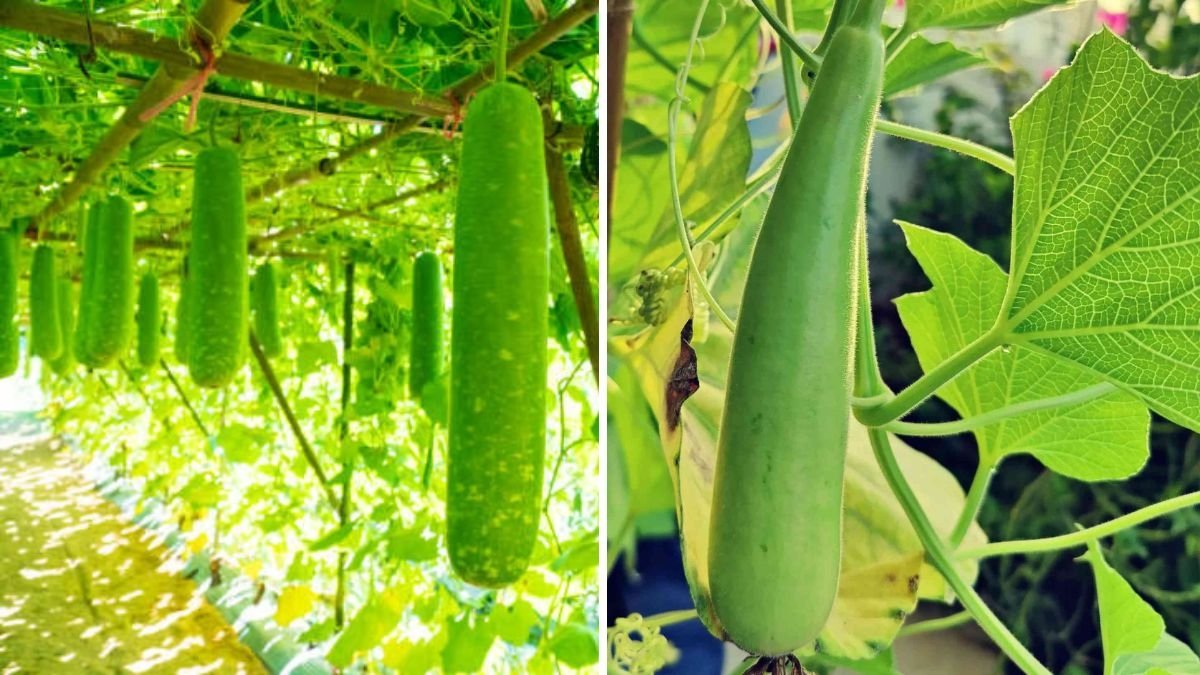
In a world obsessed with kale smoothies and avocado toast, one ancient vegetable is quietly making a comeback — the bottle gourd. Known for its versatility, nutrition, and stunning variety, bottle gourds (scientifically Lagenaria siceraria) are finally gaining attention in American gardens and kitchens.
From backyard growers in Texas to health-conscious cooks in California, people are rediscovering this humble vegetable’s power to nourish, hydrate, and heal. Also known as calabash, opo squash, or lauki, bottle gourds have been cherished across cultures for centuries — and now, they’re stepping into the spotlight as America’s next big green superfood.
This guide will take you through everything you need to know: the origins of bottle gourds, their amazing health benefits, tips for growing them in your own garden, and delicious ways to cook them American-style.
1. What Is a Bottle Gourd?

Bottle gourds belong to the gourd family (Cucurbitaceae) — the same family that gives us pumpkins, cucumbers, and squash. Their name comes from their distinct bottle-like shape, though they come in many forms: long, round, or bulbous.
In Asia and Africa, bottle gourds have been used as both food and functional objects — their hard shells were historically used to make bottles, musical instruments, and utensils.
But beyond their cultural significance, these green vegetables are prized for their mild flavor, low calories, and impressive hydration properties. The bottle gourd’s delicate taste makes it perfect for soups, stews, stir-fries, and even desserts.
Today, as Americans seek healthier, farm-fresh, and globally inspired foods, bottle gourds are finding their way into farmers’ markets, CSA boxes, and backyard gardens.

2. The American Comeback of Bottle Gourds
Although native to Africa, bottle gourds have been cultivated worldwide for thousands of years. Archaeological findings show they were among the first domesticated plants on Earth, even grown in the Americas over 8,000 years ago.
Fast forward to today, and they’re making a strong comeback thanks to:
- The rise of urban gardening and sustainable living.
- Increased interest in international and plant-based cuisines.
- Recognition of their nutritional and medicinal value.
In the U.S., bottle gourds are now popular in California, Florida, and the southern states, where the warm climate supports their growth. Gardeners love them because they’re high-yielding, pest-resistant, and fast-growing — perfect for eco-friendly and self-sufficient lifestyles.
3. Nutritional Powerhouse: The Health Benefits of Bottle Gourds

If you’re looking for a vegetable that hydrates, detoxifies, and nourishes your body naturally, bottle gourds check every box.
Here’s what makes them a true superfood:
1. Low in Calories, High in Hydration
Bottle gourds are made up of nearly 92% water and have just 15–20 calories per 100 grams — making them ideal for weight loss, summer hydration, and detox diets.
2. Packed with Vitamins and Minerals
They’re rich in vitamin C, vitamin B, zinc, potassium, and iron, all essential for immunity and energy.

3. Supports Heart Health
Their high potassium and low sodium levels help regulate blood pressure and reduce strain on the heart.
4. Aids Digestion and Detox
Bottle gourds are excellent for digestion. Their high fiber content supports gut health, while their water and electrolyte balance help flush out toxins.
5. Promotes Better Sleep and Mental Calm
In Ayurvedic medicine, bottle gourds are known to cool the body and calm the mind — great for people dealing with stress or insomnia.
6. Perfect for Fitness Enthusiasts
With natural hydration, electrolytes, and fiber, bottle gourd juice is a favorite among yogis and health enthusiasts in America’s wellness community.
4. Nutrition Breakdown of Bottle Gourds (per 100g)
| Nutrient | Amount | Health Benefit |
|---|---|---|
| Calories | 17 | Low-calorie energy |
| Water | 92% | Natural hydration |
| Fiber | 2.5g | Aids digestion |
| Vitamin C | 14mg | Boosts immunity |
| Vitamin B6 | 0.04mg | Supports brain health |
| Potassium | 170mg | Regulates blood pressure |
| Iron | 0.4mg | Supports red blood cell production |
5. How to Grow Bottle Gourds in the U.S.

Growing bottle gourds in America is surprisingly easy — especially in warm regions. With a little space and sunlight, you can enjoy fresh gourds all summer long.
a. Climate and Soil Requirements
- Bottle gourds love warm, sunny weather (75–90°F).
- They grow best in well-drained, organic-rich soil with a pH between 6.0 and 7.5.
b. Planting Tips
- Sow seeds directly outdoors after the last frost, or start indoors 3–4 weeks earlier.
- Space seeds 3 feet apart — bottle gourd vines can spread quickly.
- Provide strong trellises or fences for climbing — the vines can reach up to 15 feet long.
c. Watering and Maintenance
- Water regularly but avoid waterlogging.
- Apply compost or organic fertilizer every few weeks for strong growth.
- Prune occasionally to control vine spread and promote fruiting.
d. Harvesting
- Gourds are ready 60–80 days after planting.
- Harvest when the skin is tender and glossy green — overripe ones become too fibrous.
With minimal care, a few plants can yield dozens of gourds throughout summer!
6. Culinary Delights: How to Cook Bottle Gourds
Bottle gourds are incredibly versatile — they take on flavors beautifully and can be used in both savory and sweet dishes.

Here are some American-friendly ways to cook and enjoy bottle gourds:
1. Bottle Gourd Soup
Blend boiled gourd with garlic, onion, and vegetable stock for a creamy, low-calorie soup that’s perfect for summer detoxes.
2. Stir-Fried Bottle Gourd
Sauté diced gourd with olive oil, chili flakes, and herbs for a quick and healthy side dish.
3. Bottle Gourd Curry
For a touch of global flavor, simmer it with tomatoes, turmeric, and spices — a comforting vegetarian meal.
4. Grilled Bottle Gourd Steaks
Slice lengthwise, season with salt and olive oil, and grill — a unique twist for BBQ season!
5. Bottle Gourd Bread
Mix grated gourd into bread or muffin batter for moisture and nutrition — a hidden veggie win for picky eaters.
6. Bottle Gourd Dessert (Lauki Halwa)
Simmer grated gourd with milk and sugar for a naturally sweet treat — a great way to introduce this vegetable to dessert lovers.

7. Storing and Preserving Bottle Gourds

To make the most of your harvest:
- Refrigerate: Store in the crisper drawer for up to 10 days.
- Freeze: Blanch sliced gourd pieces for 2 minutes, then freeze.
- Dry: Dehydrate for later use in soups and stews.
- Juice: Fresh gourd juice lasts 2–3 days refrigerated.
Proper storage means you can enjoy this healthy vegetable long after harvest season.
8. Sustainability and the Eco-Friendly Benefits of Bottle Gourds
Bottle gourds are not just healthy — they’re environmentally friendly too.
Here’s why:
- They’re fast-growing and drought-tolerant, needing less water than most vegetables.
- They help improve soil health when grown organically.
- Their mature shells can be repurposed as natural containers, utensils, and crafts — reducing plastic waste.
- They attract pollinators, promoting garden biodiversity.
For eco-conscious Americans looking to live sustainably, bottle gourds are a perfect crop — offering both nourishment and eco-benefits.
9. Fun Facts About Bottle Gourds

- Bottle gourds have been found in ancient Egyptian tombs as water containers.
- Some varieties grow up to 3 feet long!
- The dried shells are often used to make musical instruments like maracas and sitars.
- In modern America, bottle gourds are used in DIY craft projects — from birdhouses to decorative lamps.
- They were one of the first plants cultivated by humans globally.
10. The Future of Bottle Gourds in American Cuisine
As American cuisine continues to embrace global flavors and sustainability, bottle gourds are becoming the next star ingredient.
Chefs across the country are experimenting with them in vegan menus, farm-to-table dishes, and fusion recipes. Their mild flavor and versatility make them perfect for everything from smoothies to soups.

At the same time, more American gardeners are turning to bottle gourds for their easy cultivation and high yields, making them an ideal crop for home gardens, community plots, and urban rooftops.
This once-overlooked vegetable is now bridging cultures — connecting ancient traditions with modern wellness and eco-living.
Conclusion: America’s Long-Lost Green Gem
Bottle gourds may not yet be a supermarket staple in every American home, but their rise is inevitable. They’re nutrient-dense, climate-friendly, and endlessly versatile — everything today’s conscious consumer wants.
Whether you’re blending a gourd smoothie, planting seeds in your garden, or exploring a new vegetarian recipe, this unique green offers flavor, function, and freshness in every bite.
So, as you plan your next home garden or healthy meal, give bottle gourds a chance — because sometimes, the most ordinary-looking vegetables turn out to be extraordinary superfoods.

Leave A Comment