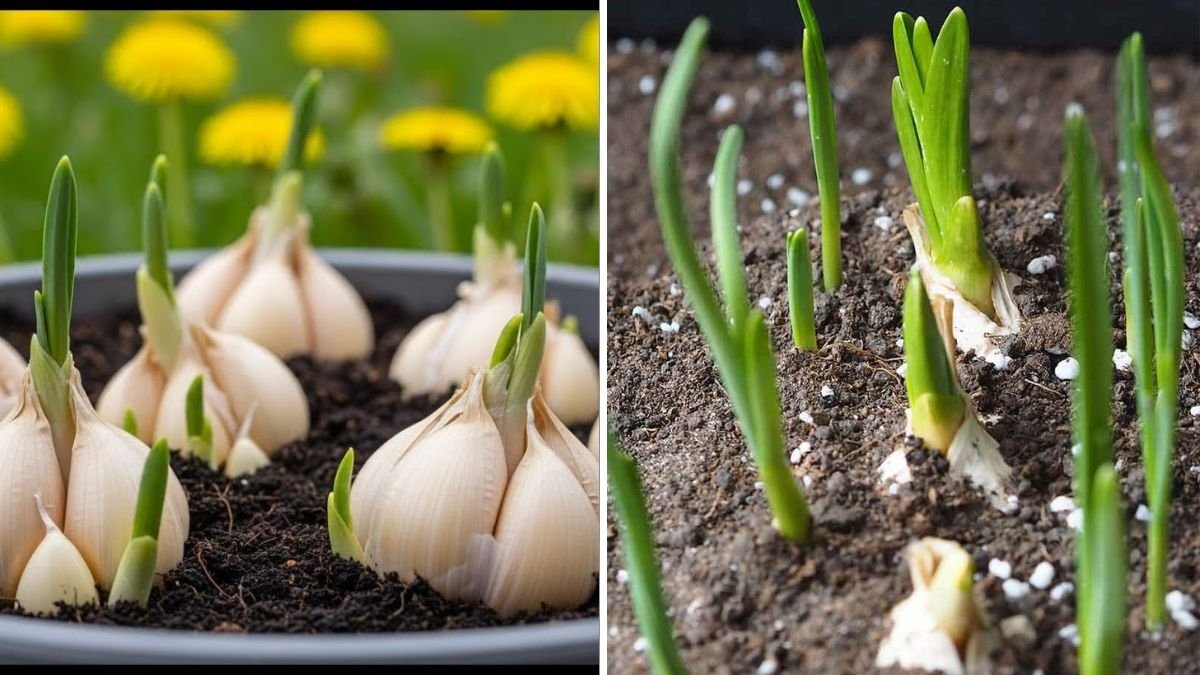
Garlic isn’t just a kitchen staple — it’s a symbol of warmth, flavor, and well-being. From its rich aroma to its powerful health benefits, garlic transforms ordinary dishes into comforting, savory masterpieces. And if you want to enjoy the very best garlic — robust, flavorful, and long-lasting — the key is simple: plant it in autumn.
Autumn-planted garlic (also called fall garlic) gives you a stronger, larger, and more flavorful bulb come summer. It thrives in the cool, moist soil of fall and quietly develops its roots through winter, preparing for an abundant spring growth.
Whether you’re a gardening enthusiast or simply a lover of homegrown flavor, this detailed guide will walk you through everything you need to know about growing, harvesting, and using autumn-planted garlic — the flavorful foundation of countless American comfort foods.
1. Why Plant Garlic in Autumn? The Secret to Bigger, Better Bulbs

When it comes to garlic, timing is everything. Many home gardeners plant in spring, but seasoned growers know that fall planting yields the best results. Here’s why:
- Root Development Before Winter: Garlic planted in the fall has time to establish strong roots before the ground freezes.
- Larger Bulbs: By spring, the plant is ready to shoot up, giving you fuller and more flavorful bulbs.
- Natural Cold Requirement: Garlic actually needs a period of cold (called vernalization) to divide properly into cloves.
- Earlier Harvest: Fall-planted garlic is typically ready to harvest by early summer, freeing up your garden for other crops.
In short, autumn planting gives garlic the head start it needs to grow strong and deliver maximum flavor.
2. Choosing the Right Type of Garlic for Autumn Planting
There are two main types of garlic, and both can be planted in fall — but they perform differently depending on your climate.

a. Hardneck Garlic (Allium sativum var. ophioscorodon)
- Best for colder regions (Northern U.S. and areas with harsh winters).
- Produces a flowering stalk called a scape, which is edible and highly prized for its mild garlic flavor.
- Has larger cloves and more complex flavor profiles.
- Stores for 4–6 months.
Popular varieties: Rocambole, Purple Stripe, Porcelain.
b. Softneck Garlic (Allium sativum var. sativum)
- Thrives in milder climates (Southern and coastal U.S.).
- Does not produce a scape but stores longer — up to 9 months.
- Has more cloves per bulb and a softer, papery neck (great for braiding).
Popular varieties: Silverskin, Artichoke, California Early.
If you’re unsure which type suits your region, visit your local nursery or cooperative extension for advice — or try planting both to compare results.
3. How to Plant Garlic in Autumn: Step-by-Step Guide

Growing garlic is easier than most people think, and autumn is the perfect time to start.
Step 1: Choose the Right Spot
Select a sunny location with well-drained, fertile soil. Garlic loves sunlight — at least 6–8 hours daily.
Step 2: Prepare the Soil
Work compost or aged manure into the soil to enrich it. Garlic prefers slightly acidic to neutral pH (6.0–7.0). Loose, crumbly soil helps roots expand easily.

Step 3: Separate the Cloves
Break apart the garlic bulb into individual cloves just before planting. Leave the papery skins intact — they protect the cloves from disease.
Step 4: Plant the Cloves
- Space cloves 4–6 inches apart in rows about 12 inches apart.
- Plant each clove 2 inches deep, with the pointed tip facing upward.
- Cover gently with soil.
Step 5: Mulch Generously
Apply a thick layer of straw, leaves, or compost over the planted bed. Mulch protects against frost, keeps the soil moist, and prevents weeds.
Step 6: Water and Wait
Water thoroughly after planting. After that, only water occasionally until spring — garlic doesn’t like soggy soil during the dormant winter months.
4. Caring for Garlic Through Winter and Spring

Once planted, garlic is surprisingly low-maintenance. Here’s how to care for it throughout the seasons:
- Winter: In most regions, garlic remains dormant beneath the mulch. Avoid disturbing it.
- Early Spring: As temperatures warm, green shoots will appear. Remove some mulch to let the plants breathe, but keep the soil moist.
- Fertilize: Side-dress with compost or a balanced organic fertilizer once shoots are 6 inches tall.
- Watering: Regular watering is key in spring. Garlic prefers deep, consistent moisture — about 1 inch per week.
- Weeding: Keep the area weed-free to reduce competition for nutrients.
Hardneck varieties will produce scapes — long, curly flower stalks. Cut these off once they appear to direct more energy into the bulb. Bonus: you can eat the scapes! They’re delicious sautéed, grilled, or turned into pesto.

5. Harvesting and Curing Garlic: Timing Is Everything
Harvest Time:
By early to mid-summer (usually July), your garlic will be ready to harvest. The telltale signs:
- Lower leaves turn yellow or brown, while upper leaves remain green.
- You can gently dig up a test bulb to check — it should be fully formed with distinct cloves.
How to Harvest:
- Loosen the soil gently with a fork or spade.
- Pull bulbs carefully by the stalks — avoid bruising them.
Curing Garlic:
Curing is crucial for storage. Here’s how to do it right:
- Lay bulbs in a single layer in a dry, airy spot out of direct sunlight (a shed or garage works well).
- Let them cure for 2–3 weeks until skins are papery and roots are dry.
- Trim roots and cut stalks (or braid softnecks for storage).
Once cured, store garlic in a cool, dry, well-ventilated area. Never refrigerate raw garlic — it encourages sprouting.
6. Using Autumn-Planted Garlic in Your Kitchen

Now comes the best part — enjoying your homegrown garlic in delicious, hearty meals. Fresh, homegrown garlic packs a more vibrant flavor and aroma than store-bought varieties. Here are a few ways to make the most of it:
a. Classic Roasted Garlic
Slice off the top of a garlic bulb, drizzle with olive oil, and roast at 400°F for 30–40 minutes. The result? Sweet, buttery cloves perfect for spreading on bread or mixing into mashed potatoes.

b. Garlic Butter Sauce
Combine melted butter with minced garlic, parsley, and lemon juice. Brush over grilled vegetables, seafood, or steaks for a rich, aromatic flavor.
c. Garlic Soup for Winter Wellness
Simmer roasted garlic with onions, vegetable broth, thyme, and a splash of cream for a comforting, immune-boosting winter soup.
d. Garlic Pickles
Preserve your harvest by pickling garlic cloves in vinegar, chili, and herbs — a tangy, crunchy addition to sandwiches and salads.
e. Homemade Garlic Oil
Infuse olive oil with lightly crushed garlic cloves for a fragrant cooking oil. Use it for sautéing or drizzling over pizza and pasta.
7. The Health Benefits of Garlic: Nature’s Medicine
Garlic isn’t just delicious — it’s also a powerful natural remedy backed by science.
- Boosts Immunity: Garlic’s allicin compound has antibacterial and antiviral properties that help fight off winter colds.
- Supports Heart Health: Regular consumption can lower cholesterol and blood pressure.
- Detoxifies the Body: Garlic helps eliminate heavy metals and supports liver function.
- Improves Bone Health: Contains nutrients that may enhance bone density, especially in women.
- Anti-Inflammatory Properties: Great for reducing inflammation and promoting overall wellness.
Adding garlic to your diet — whether raw, roasted, or cooked — is one of the simplest ways to improve both flavor and health.

8. Troubleshooting Common Garlic Growing Problems

Even though garlic is hardy, a few common issues can arise:
- Yellow Leaves Early in Spring: Could indicate nitrogen deficiency — add compost or organic fertilizer.
- Small Bulbs: Caused by late planting, compact soil, or overcrowding.
- Rotting Bulbs: Avoid overwatering and ensure proper soil drainage.
- Pests: Watch for onion maggots or nematodes. Crop rotation and healthy soil can prevent infestations.
With a little care and attention, you’ll soon have a thriving garlic bed producing beautiful, aromatic bulbs year after year.
Conclusion: The Joy of Autumn-Planted Garlic
Autumn-planted garlic is one of the easiest and most rewarding crops for home gardeners. By planting in the fall, you harness nature’s rhythm — letting the cold season work its magic beneath the soil for a bountiful summer harvest.
Beyond its gardening appeal, garlic remains a cornerstone of American cuisine — enhancing everything from hearty stews and roasted meats to simple mashed potatoes and artisan breads. It’s both a flavor booster and a wellness ally, offering nutrition, immunity, and taste in every clove.
So this autumn, roll up your sleeves, break apart a few bulbs, and get planting. Come summer, you’ll be rewarded with a harvest of pure, homegrown flavor — a true taste of nature’s goodness.

Leave A Comment