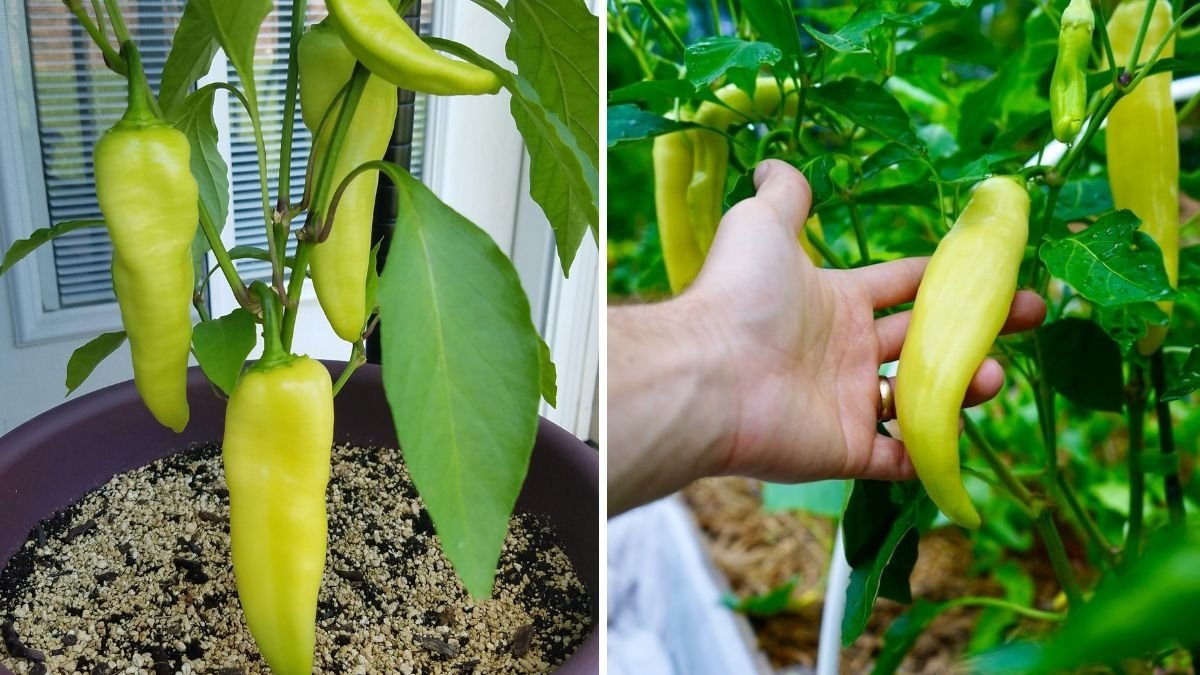
If you’re looking for a pepper that offers flavor without overpowering heat, banana peppers are your perfect pick. Their sweet, tangy, and mildly spicy flavor makes them a versatile ingredient in everything from subs and salads to pizzas and pickles.
In American households and restaurants alike, banana peppers have become a beloved condiment and cooking ingredient. You’ll find them in sandwich shops, Italian delis, pizza chains, and backyard gardens. Their cheerful yellow color and crisp texture make them not only delicious but also visually appealing on any plate.
This detailed guide will explore everything you need to know about banana peppers — from their origins and varieties to growing tips, culinary uses, and health benefits — so you can make the most of this delightful pepper in your kitchen.
What Are Banana Peppers?

Banana peppers, also known as yellow wax peppers or banana chilis, are members of the Capsicum annuum species — the same family as bell peppers, jalapeños, and cayenne.
They get their name from their banana-like shape and color, typically ranging from bright yellow to orange or red as they ripen. But unlike hot peppers, banana peppers have a gentle, sweet flavor that makes them ideal for anyone who loves spice without the burn.
They’re popular in both fresh and pickled forms, often sliced into rings and used as toppings or garnishes.
How Hot Are Banana Peppers?
Banana peppers are mild compared to most chili varieties. On the Scoville Heat Scale, they measure between 0 and 500 Scoville Heat Units (SHU) — similar to a mild bell pepper with just a whisper of heat.
| Pepper Type | Scoville Heat Units (SHU) | Flavor |
|---|---|---|
| Bell Pepper | 0 | Sweet |
| Banana Pepper | 0–500 | Mild, tangy |
| Poblano | 1,000–2,000 | Earthy, mild heat |
| Jalapeño | 2,500–8,000 | Moderate heat |
| Serrano | 10,000–23,000 | Hot |
This makes banana peppers perfect for kids, spice-sensitive eaters, and flavor lovers alike.
Banana Pepper Varieties

There are several banana pepper varieties, each with its own unique characteristics:
1. Sweet Banana Pepper
- The most common type found in grocery stores.
- Mild, crisp, and slightly tangy.
- Ideal for salads, sandwiches, and pickling.
2. Hot Banana Pepper
- A spicier cousin, with heat up to 5,000 SHU.
- Perfect for those who enjoy a little kick without going overboard.
- Great for pizzas, sausages, and spicy relishes.
3. Hungarian Wax Pepper
- Often mistaken for a banana pepper but significantly hotter (5,000–10,000 SHU).
- Similar shape but thicker walls and bolder flavor.
When shopping or growing banana peppers, always check the label or seed type — what looks like a banana pepper could surprise you with unexpected heat!
The Flavor Profile: Mild Heat with Tangy Sweetness
Banana peppers are beloved for their sweet-tart flavor and crunchy texture. When fresh, they offer a juicy bite with a tang similar to bell peppers but slightly sharper. When pickled, they take on a zesty, vinegary flavor that adds brightness to any dish.
Their mild heat and fruity undertones make them a great balance to richer foods like cheese, meats, and fried items.
Flavor descriptors:
- Sweet and tangy (fresh or pickled)
- Crunchy and juicy texture
- Mildly spicy with fruity undertones
Health Benefits of Banana Peppers

Banana peppers aren’t just tasty — they’re also packed with nutrients and health benefits.
1. High in Vitamins
- Vitamin C: Boosts immune health and skin vitality.
- Vitamin A: Supports eye health and immunity.
- Vitamin B6: Aids metabolism and brain function.
2. Rich in Antioxidants
Their bright yellow pigment comes from carotenoids, natural antioxidants that help fight inflammation and oxidative stress.
3. Low-Calorie and Fiber-Rich
Banana peppers are low in calories (about 30 per cup) and high in fiber, making them great for digestion and weight management.
4. Contains Capsaicin
Even mild peppers like banana peppers contain small amounts of capsaicin, which may help boost metabolism and improve heart health.
5. Great for Gut Health
Pickled banana peppers contain beneficial probiotics that support healthy digestion when prepared through natural fermentation.
How to Grow Banana Peppers in the U.S.
Banana peppers are one of the easiest peppers to grow at home. They thrive in warm climates and produce abundantly in both garden beds and containers.
1. Planting
- Start seeds indoors 8–10 weeks before the last frost.
- Transplant outdoors once temperatures stay above 60°F.
- Choose a sunny location with at least 6 hours of direct sunlight.
2. Soil
- Use well-draining, fertile soil with a pH between 6.0–6.8.
- Mix in compost or organic fertilizer before planting.
3. Watering
- Keep the soil consistently moist but not soggy.
- Water deeply once or twice a week.
4. Harvesting
- Harvest when the peppers reach 4–6 inches long and turn bright yellow.
- For a sweeter flavor, let them ripen to orange or red.
- Frequent picking encourages more fruit production.
5. Common Growing Regions
Banana peppers grow beautifully across the southern and midwestern United States, especially in Texas, Florida, California, and North Carolina.
Culinary Uses: How to Enjoy Banana Peppers

Banana peppers are kitchen chameleons — they adapt beautifully to a wide range of recipes. From salads to sandwiches, here’s how Americans love to use them:
1. Pickled Banana Peppers
The most popular way to enjoy them!
- Combine sliced banana peppers, vinegar, sugar, and salt.
- Let them sit for a few days for that perfect tangy crunch.
Use them on pizzas, burgers, subs, or nachos for instant zest.
2. Stuffed Banana Peppers
Fill fresh banana peppers with cream cheese, sausage, or rice, then bake until tender. A hit at parties and game nights!
3. Fresh in Salads
Slice them thinly and toss into garden salads for added crunch and flavor. They pair beautifully with Italian dressings, olives, and feta cheese.
4. On Sandwiches and Subs
Banana pepper rings add a zesty kick to deli sandwiches and cold cuts, especially turkey, ham, or roast beef subs.
5. In Pizzas and Calzones
Their tang complements melted cheese and rich tomato sauce perfectly. That’s why you’ll find them as a favorite pizza topping across the U.S.
6. In Omelets or Scrambles
Add chopped banana peppers to your breakfast eggs for a refreshing, mildly spicy twist.
7. Salsas and Relishes
Mix with onions, tomatoes, and vinegar for a bright relish that enhances grilled meats or seafood.
Pickled vs. Fresh: Which Is Better?

Both fresh and pickled banana peppers offer unique advantages:
| Type | Flavor | Best Uses |
|---|---|---|
| Fresh | Sweet, mild, crisp | Salads, sandwiches, grilling, stuffing |
| Pickled | Tangy, vinegary, zesty | Pizzas, subs, burgers, tacos |
Pickled banana peppers are more common in American households because they last longer and add instant flavor to everyday meals.
Preserving Banana Peppers
If you grow banana peppers or buy them in bulk, preservation helps you enjoy them year-round:
- Pickling: The classic method — store in vinegar with garlic and spices.
- Freezing: Wash, slice, and freeze raw or blanched peppers.
- Dehydrating: Dry slices for use in soups and stews.
- Canning: Preserve pickled banana peppers for long-term storage.
Banana Peppers in American Cuisine
Banana peppers have made their mark in American comfort food. They’re featured prominently in:
- Italian-American dishes like subs, calzones, and antipasto platters.
- Southern cooking, often fried or stuffed.
- Tex-Mex recipes, where they add a tangy element to tacos and fajitas.
- Fast food favorites, from Papa John’s pizzas to Subway sandwiches.
Their mild flavor bridges the gap between sweet bell peppers and spicy chilis, making them universally loved.
Fun Facts About Banana Peppers
- Despite the name, banana peppers don’t taste like bananas — the name refers only to their shape and color.
- The world’s largest banana pepper weighed over 1 pound, grown in the U.S.
- Banana peppers are often confused with pepperoncini, but the latter are slightly more bitter and wrinkled.
- In gardening circles, banana peppers are called “gateway peppers” because they’re perfect for beginner growers.
How to Tell Banana Peppers Apart from Pepperoncini
| Feature | Banana Pepper | Pepperoncini |
|---|---|---|
| Shape | Smooth and elongated | Wrinkled and short |
| Flavor | Sweet and tangy | Bitter and slightly salty |
| Color | Bright yellow to red | Green to light yellow |
| Heat | 0–500 SHU | 100–500 SHU |
If your pickled peppers taste slightly bitter or wrinkled — you probably have pepperoncini, not banana peppers!
Conclusion: Mild Heat, Maximum Flavor
Banana peppers may not set your mouth on fire, but they’ll light up your meals with flavor, crunch, and color. From zesty sandwich toppings to homegrown garden gems, they prove that you don’t need extreme heat to enjoy great taste.
Whether you’re a gardener looking for an easy crop, a home cook experimenting with new flavors, or a food lover searching for the perfect tangy topping — banana peppers deliver every time.
So next time you’re at the grocery store or farmers’ market, grab a bunch of these golden beauties — and taste the perfect blend of sweet, mild, and satisfying spice that Americans have loved for generations.

Leave A Comment