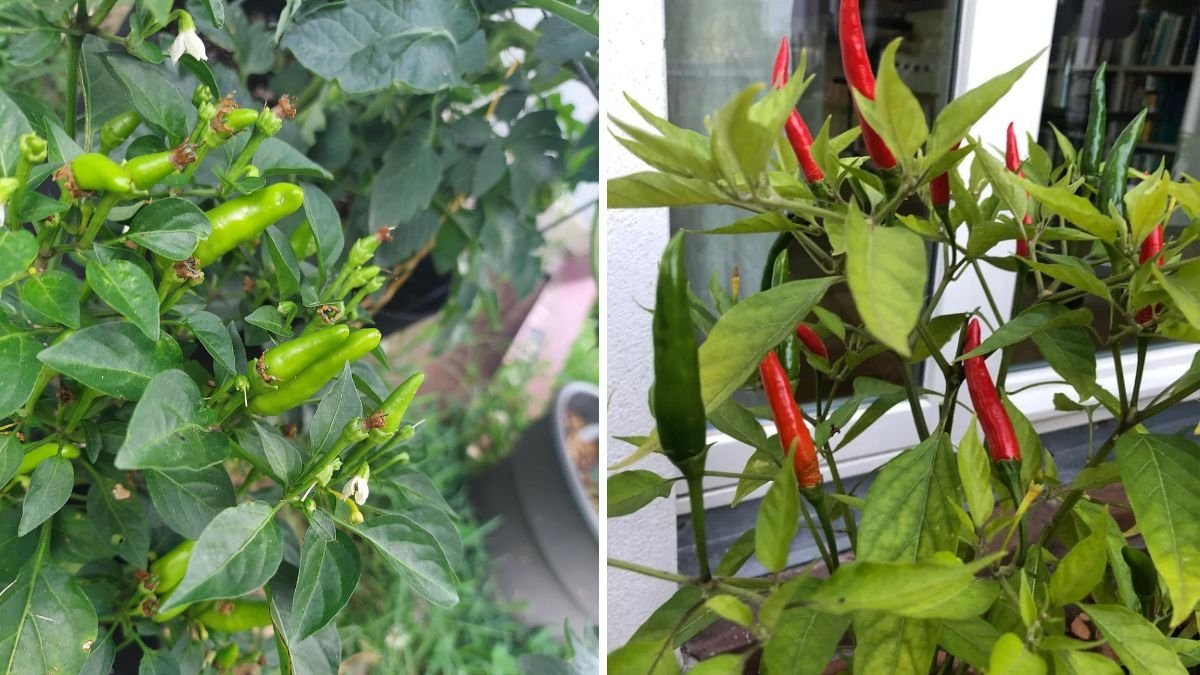
If you’re a fan of bold, spicy flavors that awaken your taste buds, the Thai chili pepper deserves a permanent spot in your kitchen. Small but mighty, these vibrant red and green chilies pack a powerful punch and deliver the authentic heat and flavor that define Thai cuisine.
In recent years, Thai chilies have become a favorite among American home cooks, chefs, and gardeners who crave that perfect balance of spice, sweetness, and aroma. Whether tossed into stir-fries, infused into sauces, or used in marinades, these peppers bring depth and excitement to any dish.
In this comprehensive guide, we’ll explore everything about Thai chilies—their origins, varieties, flavor profile, health benefits, and how to use and grow them right here in the U.S.
What Are Thai Chili Peppers?

Known in Thailand as “Prik”, Thai chilies refer to a group of small, fiery peppers native to Southeast Asia. They’re part of the Capsicum annuum species—the same family as jalapeños and cayenne—but don’t be fooled by their size. Thai chilies can be 10 to 20 times hotter than a jalapeño.
Most Thai recipes use one of two common varieties:
- Bird’s Eye Chili (Prik Kee Noo): The smallest and spiciest, measuring about 1–2 inches long.
- Prik Chee Fah: Milder and slightly larger, often used in decorative and stir-fry dishes.
In American supermarkets and farmers’ markets, “Thai chili” generally refers to Bird’s Eye Chili, prized for its intense heat and fruity undertones.
How Hot Are Thai Chilies?
Thai chilies are not the hottest in the world—but they’re definitely fiery. On the Scoville Heat Scale, they measure between 50,000 and 100,000 SHU (Scoville Heat Units).
| Pepper Type | Scoville Heat Units (SHU) |
|---|---|
| Jalapeño | 2,500 – 8,000 |
| Serrano | 10,000 – 23,000 |
| Cayenne | 30,000 – 50,000 |
| Thai Chili | 50,000 – 100,000 |
| Habanero | 100,000 – 350,000 |
This puts Thai chilies right in the middle of the heat spectrum—hot enough to make your tongue tingle, but not so hot that it overpowers your food. The best part? The burn comes with a clean, sharp flavor that enhances rather than masks other ingredients.
The Flavor Profile of Thai Chilies

Thai chilies are celebrated for their vibrant, well-rounded heat. Their flavor can be described as:
- Spicy and bright, with a lingering burn.
- Fruity and slightly sweet, especially when ripe.
- Earthy and aromatic, when cooked or roasted.
When used fresh, they add crisp heat. When dried or toasted, they develop a smoky, nutty undertone, perfect for soups, curries, and sauces.
Popular Varieties of Thai Chilies
While “Thai chili” often refers to a single type in the U.S., there are actually over 80 different Thai chili varieties used in traditional Southeast Asian cooking. Here are the most common ones available in America:
| Variety | Color | Heat Level | Common Uses |
|---|---|---|---|
| Bird’s Eye Chili (Prik Kee Noo) | Red/Green | Very Hot | Curry pastes, sauces, salads |
| Prik Chee Fah | Red | Medium | Stir-fries, decorative use |
| Prik Jinda | Red | Medium-Hot | Thai soups, pad kra pao |
| Prik Ban Chang | Green | Mild | Pickled or fresh salsas |
| Prik Leuang | Yellow | Medium | Thai chili oil, dipping sauces |
Growing Thai Chilies in the United States

Thai chili plants thrive in warm, sunny climates, making them ideal for many regions in the U.S.—especially California, Texas, Florida, and the South. Even if you live in a cooler area, you can easily grow them in containers indoors or on your balcony.
1. Starting from Seeds
- Start seeds indoors 8–10 weeks before your last frost date.
- Sow ¼ inch deep in warm, moist soil (80–90°F for best germination).
- Expect sprouting in 10–14 days.
2. Transplanting Outdoors
- Move plants outside once temperatures stay above 60°F.
- Space them 18–24 inches apart in full sunlight.
- Use well-draining soil enriched with compost.
3. Watering and Care
- Keep the soil evenly moist but not soggy.
- Fertilize every 3–4 weeks with a balanced mix (10-10-10).
- Pinch off the first few flowers to encourage stronger growth.
4. Harvesting
- Peppers mature about 90–100 days after transplanting.
- Pick green for mild heat or red for maximum spice and flavor.
- Regular harvesting encourages more fruit production.
A single plant can yield dozens of chilies, making it perfect for home gardeners who love spicy food.
Cooking with Thai Chilies
Thai chilies are incredibly versatile in both Asian and American-style cooking. Whether fresh, dried, or ground, they can transform an ordinary meal into something extraordinary.
Here are popular ways to cook with Thai chilies:
1. Thai Chili Paste (Nam Prik Pao)
A staple in Thai cuisine, this roasted chili paste combines chilies, garlic, shallots, and tamarind for a smoky, savory condiment. It’s excellent in soups, stir-fries, and noodles.
2. Spicy Thai Curry
Add Thai chilies to red or green curry paste for a deep, aromatic spice that balances perfectly with coconut milk and fresh herbs.
3. Thai Chili Dipping Sauce (Nam Jim)
Blend Thai chilies with lime juice, fish sauce, garlic, and sugar for a zesty, spicy sauce ideal for grilled meats or seafood.
4. Stir-Fries
Toss a few sliced Thai chilies into classic dishes like Pad Kra Pao (Basil Stir-Fry) or Pad Thai for that signature heat and aroma.
5. Thai Chili Oil
Infuse oil with crushed dried Thai chilies for a versatile topping that adds heat to noodles, soups, and pizzas.
Pro Tip: Always start with a small amount—these chilies pack more power than you think!
Health Benefits of Thai Chilies

Thai chilies do more than spice up your food—they’re a nutritional powerhouse packed with vitamins, minerals, and capsaicin, the compound responsible for their heat.
1. Boosts Metabolism
Capsaicin increases thermogenesis, helping your body burn calories more efficiently.
2. Supports Heart Health
Regular chili consumption may help lower cholesterol and improve blood circulation.
3. Strengthens Immunity
Thai chilies are rich in vitamin C, which boosts the immune system and promotes healthy skin.
4. Relieves Pain
Capsaicin is used in topical creams to treat arthritis, muscle pain, and nerve discomfort.
5. Enhances Mood
Spicy food releases endorphins, providing a natural mood boost and reducing stress.
In short, Thai chilies don’t just make your tongue burn—they make your whole body feel good.
Preserving Thai Chilies
Because Thai chili plants produce abundantly, you’ll want to preserve your harvest for year-round use. Here’s how:
- Drying: Air-dry or oven-dry chilies to create flakes or powder.
- Freezing: Store whole or chopped chilies in airtight bags for up to 8 months.
- Pickling: Preserve in vinegar, garlic, and sugar for a tangy condiment.
- Fermenting: Make fermented chili paste for long-lasting flavor.
- Infusing: Create chili oil or vinegar by soaking dried chilies in your favorite base.
Fun Facts About Thai Chilies

- Thai people eat chilies daily—often multiple times per meal.
- In Thailand, “Prik Kee Noo” literally translates to “mouse droppings chili” due to its tiny size!
- Thai chilies are used not only in food but also as natural pest repellents in gardens.
- They are key ingredients in globally loved dishes like Tom Yum soup and Green Curry.
- In the U.S., Thai chili oil has become a trending topping for ramen, tacos, and even pizza.
Thai Chilies in American Cuisine
Thai chilies have found their way into mainstream American cooking thanks to the rise of fusion cuisine and spice-driven food culture. You’ll see them in:
- Spicy Thai Chili Wings – a favorite at American sports bars.
- Thai Chili Burgers – where sweet and heat collide.
- Hot Sauces – American brands now blend Thai chilies with tropical fruits for unique flavors.
- Cocktails – Thai chili-infused margaritas and martinis are becoming trendy in craft bars.
- Street Tacos and Stir-Fries – chefs love their heat and versatility.
Their ability to pair well with both Asian and Western ingredients makes Thai chilies a bridge between global flavors and American tastes.
Tips for Handling Thai Chilies Safely
These small peppers may look harmless, but they can cause serious burning if mishandled.
- Always wear gloves when slicing or deseeding.
- Avoid touching your eyes, nose, or mouth.
- Wash hands and cutting boards thoroughly after use.
- To tame heat in recipes, remove the seeds and inner membrane.
If you accidentally overdo it, cool the burn with milk, yogurt, or sugar, not water!
Conclusion: Spice Up Your Life with Thai Chilies
From traditional Thai curries to American-style spicy wings, the Thai chili is a fiery little pepper that’s redefining how we experience spice. It’s not just about heat—it’s about flavor, balance, and excitement.
Whether you’re growing them in your garden, adding them to sauces, or experimenting in your kitchen, Thai chilies offer endless ways to turn any dish into a masterpiece.
So next time you’re craving something bold, reach for a Thai chili—and let its heat and flavor transport you straight to the vibrant streets of Bangkok.

Leave A Comment