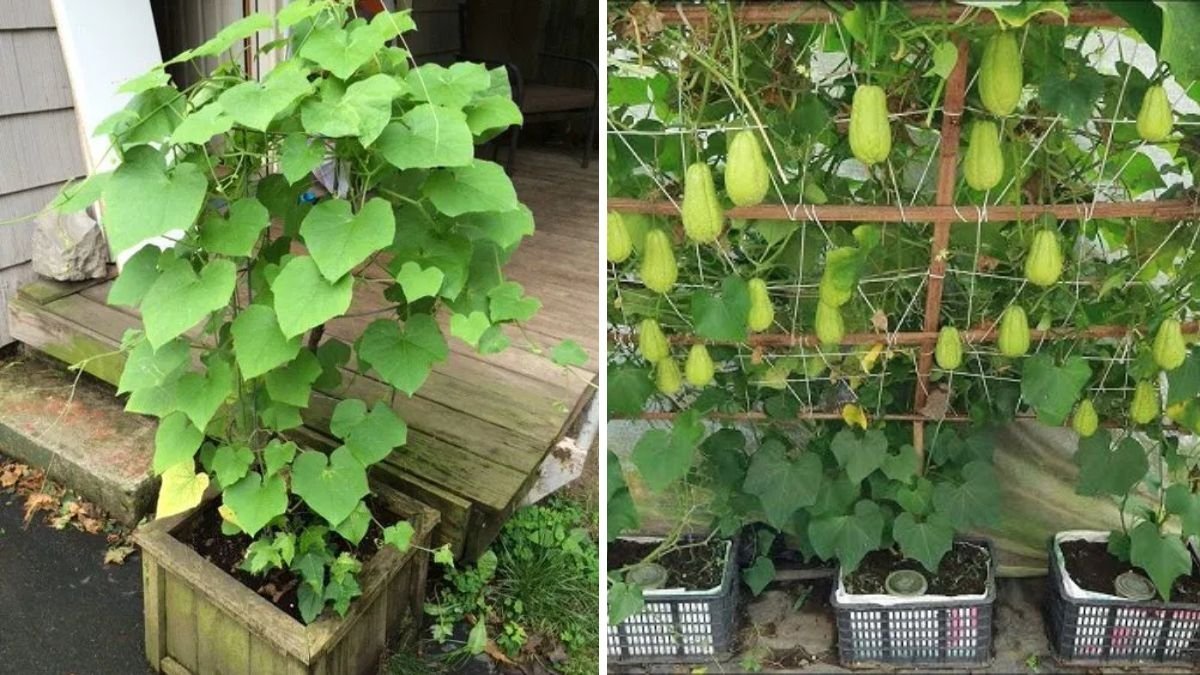
If you’ve never heard of chayote (Sechium edule), you’re not alone — but this underrated tropical vegetable is quickly gaining popularity in American gardens. Also known as vegetable pear, mirliton, or chocho, chayote belongs to the gourd family and thrives in warm, humid climates. With its pear-shaped green fruit, tender vines, and mild, crisp flavor, chayote has become a favorite among gardeners looking for something unique yet easy to grow.
Native to Central America, chayote is now cultivated across the southern United States, especially in Florida, Louisiana, Texas, and California. This perennial vine is not only a high-yield, low-maintenance plant, but it’s also packed with fiber, antioxidants, and vitamin C, making it a true superfood.
In this detailed guide, we’ll explore how to grow, care for, and harvest chayote in the U.S., along with its nutritional benefits, best cooking uses, and expert gardening tips for a successful crop.
1. What Is Chayote?

Chayote (pronounced chah-YOH-tay) is a fast-growing perennial vine that produces crisp, light-green fruits resembling a pear or wrinkled avocado. Every part of the plant is edible — including the fruit, shoots, leaves, and even the seeds.
Scientific Name: Sechium edule
Family: Cucurbitaceae (same family as cucumbers, squash, and melons)
Common Names: Vegetable pear, mirliton, chocho, christophene, choko
Chayote is loved for its mild flavor and crunchy texture, similar to a cucumber or summer squash. It’s widely used in Mexican, Caribbean, and Southern cuisine, often in stews, stir-fries, and salads.
2. Best Climate and Growing Zones in the USA
Chayote thrives in warm, frost-free regions. It requires a long growing season (at least 120–150 frost-free days) and can live for several years in tropical or subtropical climates.
Ideal USDA Zones:
- 9–11: Grows year-round as a perennial.
- 7–8: Grown as an annual; dies back in frost but can regrow from roots.
Best regions for cultivation:
- Florida, Texas, Louisiana, Alabama, Georgia, California, and southern Arizona.
- In cooler climates, grow chayote in large containers or greenhouses.
Chayote loves warm temperatures (75–90°F), full sun, and consistent moisture.
3. How to Start Chayote from Fruit

Unlike most vegetables grown from seeds, chayote is typically grown from a whole fruit because each fruit contains a single, sprouting seed inside.
Step-by-Step Guide:
- Select a mature chayote fruit — firm, light green, and free from bruises.
- Leave it in a warm, dry place until the seed inside starts to sprout.
- Once the sprout emerges (1–2 inches long), it’s ready for planting.
- Plant the entire fruit at a 45° angle with the sprouted end facing upward.
- Bury it halfway into the soil, leaving part of the fruit exposed.
This method protects the seedling and gives it nutrients from the decaying fruit as it grows.
4. Soil Preparation and Planting Tips
Chayote grows best in rich, well-draining soil with plenty of organic matter.
Ideal Conditions:
- Soil type: Loamy or sandy with good drainage.
- pH: Between 6.0 and 6.8.
- Fertilizer: Mix compost or aged manure into the soil before planting.
Plant in early spring after the last frost date. If you live in a warm zone (9–11), you can plant anytime during the growing season.
Spacing:
- Space plants 10–12 feet apart, as chayote vines can stretch 30–50 feet long.
- Provide a strong trellis, fence, or arbor for climbing.
5. Sunlight, Water, and Feeding

a. Sunlight
Chayote thrives in full sun (6–8 hours daily). In extremely hot regions, a bit of afternoon shade helps prevent leaf burn.
b. Watering
Keep the soil consistently moist but not waterlogged.
- Deep water twice a week in dry periods.
- Mulch heavily around the base to retain moisture and suppress weeds.
c. Feeding
Feed chayote every 4–6 weeks with:
- A balanced fertilizer (10-10-10), or
- Organic compost or fish emulsion for natural nutrients.
Avoid over-fertilizing with nitrogen, which encourages vines but reduces fruit production.
6. Supporting the Vines
Chayote vines grow vigorously and quickly — supporting them early is essential.
Provide a strong trellis or overhead structure (like an arbor or chain-link fence) to allow the vines to climb and spread. The hanging fruits grow straighter and cleaner this way, avoiding rot or pest damage from soil contact.
Training the vine vertically also makes harvesting easier and improves air circulation, reducing disease risk.
7. Pollination and Flowering

Chayote plants produce both male and female flowers on the same vine, typically after 2–3 months of growth.
Pollination Tips:
- Bees and butterflies are natural pollinators.
- If fruit set is low, you can hand-pollinate by gently transferring pollen from male to female flowers with a small brush.
Once pollinated, the small green fruits develop rapidly and are ready for harvest in about 4–5 weeks.
8. Common Pests and Diseases
Chayote is relatively hardy but may attract a few pests and diseases in humid regions.
Common Pests:
- Aphids
- Whiteflies
- Squash bugs
- Leaf miners
Use organic control methods such as:
- Neem oil spray or insecticidal soap
- Companion planting with marigolds or basil
- Hand-picking visible pests in the morning
Diseases:
- Powdery mildew
- Downy mildew
- Root rot (in waterlogged soils)
Prevent problems by ensuring good air circulation and well-draining soil. Avoid overhead watering to keep foliage dry.
9. Harvesting Chayote

Chayote fruits are typically ready for harvest 90–120 days after planting, depending on climate and variety.
How to Harvest:
- Pick fruits when they’re 4–6 inches long and light green in color.
- Use pruning shears to cut the fruit along with a small piece of stem.
- Handle gently — their skin is tender and bruises easily.
Frequent harvesting encourages continuous fruit production throughout the growing season.
Storage:
- Store fresh chayote in a cool, dry place or refrigerator for up to 1 month.
- Avoid sealing in plastic — ventilation helps prevent mold.
10. Culinary and Nutritional Benefits
Chayote is a nutrient-dense, low-calorie vegetable used in many cuisines for its delicate flavor and versatility.
Nutritional Value (per 100g):
- Calories: 19
- Vitamin C: 25% of daily value
- Fiber: 2g
- Folate and potassium: High levels
Health Benefits:
- Supports digestion and gut health
- Boosts immunity and heart function
- Lowers cholesterol and blood sugar levels
Cooking Uses:
Chayote’s mild, slightly sweet flavor makes it ideal for both raw and cooked dishes:
- Sautéed or stir-fried with garlic and herbs
- Boiled or steamed and served with butter or olive oil
- Stuffed and baked with cheese, rice, or ground meat
- Added to soups, stews, or curries
- Eaten raw in salads or slaws
In Southern Louisiana, it’s famously known as “mirliton”, often cooked in gumbo or stuffed Cajun-style for the holidays.
11. Overwintering and Regrowth
In warm regions (zones 9–11), chayote grows perennially, producing for several years. In cooler areas, frost kills the vine but the roots may survive and regrow in spring.
To protect your plant:
- Mulch heavily around the base in late fall.
- In colder zones, dig up tuberous roots and store them indoors until spring.
Alternatively, harvest a few mature fruits before frost and sprout them indoors for next year’s planting.
12. Tips for a Great Chayote Harvest
✅ Provide strong trellis support early
✅ Keep soil moist and mulched
✅ Hand-pollinate if necessary
✅ Fertilize moderately for consistent yields
✅ Harvest young fruits regularly for best taste
With these care steps, a single healthy vine can produce 100+ fruits in one season!
13. Why Every American Gardener Should Try Chayote
Chayote combines the best of both worlds — it’s exotic yet easy to grow, productive yet low-maintenance, and incredibly versatile in the kitchen. Whether you’re a backyard gardener in Florida or a container grower in California, this tropical vine can adapt and thrive with minimal effort.
Plus, it supports eco-friendly gardening by growing vertically and reducing food waste — every part of the plant, from the shoots to the fruit, is edible.
Conclusion: Bring the Flavor of the Tropics to Your Backyard
Growing chayote in the USA is an excellent way to diversify your garden and enjoy fresh, homegrown produce that’s as nutritious as it is delicious. Its vigorous vines, generous yields, and culinary versatility make it a standout addition for gardeners seeking something new.
From crispy stir-fries to Southern-style mirliton casseroles, chayote brings both flavor and health to your table — all from a single climbing vine. So, grab a chayote fruit, plant it in spring, and let nature reward you with months of vibrant, tropical goodness.

Leave A Comment