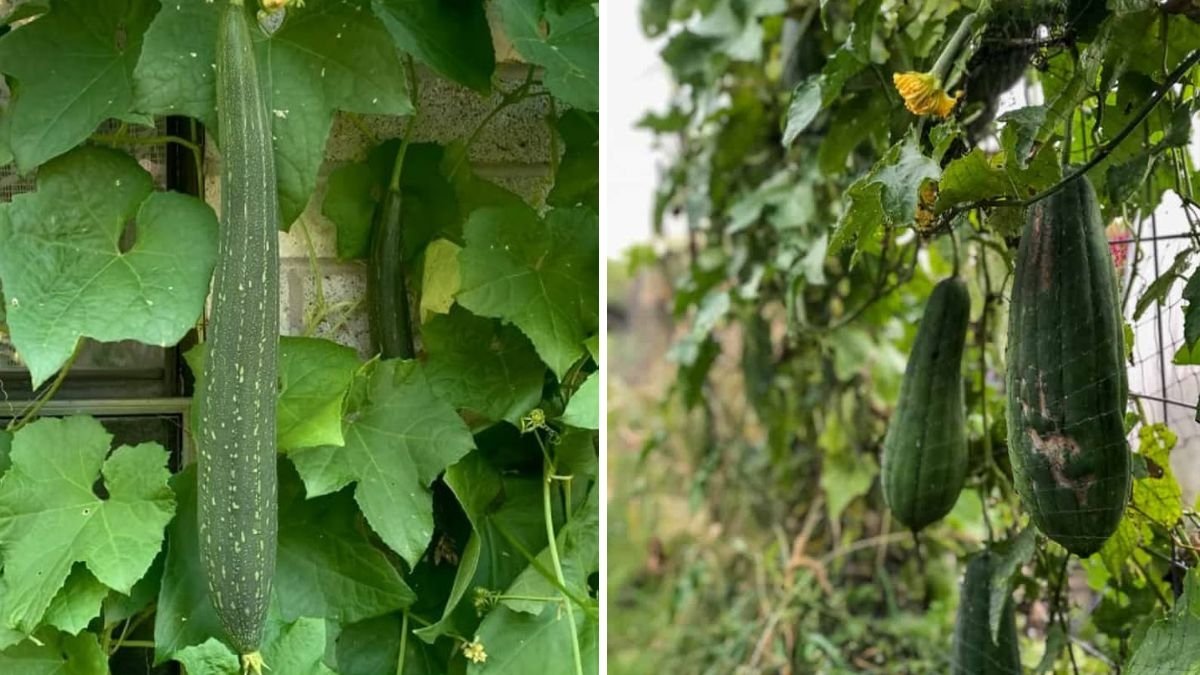
If you’ve ever used a natural loofah sponge in your shower, you might be surprised to learn that it doesn’t come from the ocean—it grows on a vine! The luffa plant (also spelled loofah) is part of the cucumber and gourd family (Cucurbitaceae) and produces long, green fruits that, when dried, form the fibrous sponges loved for exfoliating skin or cleaning dishes naturally.
Native to tropical Asia, luffa has gained popularity across the United States as both an eco-friendly alternative to synthetic sponges and a fascinating backyard crop. With the right climate, care, and patience, American gardeners can grow these tropical vines and enjoy their sustainable benefits year after year.
This complete guide covers everything you need to know about growing luffa in the USA — from planting and care to harvesting and crafting your very own organic bath sponges.
1. What Is Luffa (Loofah)?

Luffa (Luffa aegyptiaca or Luffa cylindrica) is a warm-season, vining vegetable that looks like a cross between a cucumber and a zucchini when young. It’s edible when immature and develops a tough, fibrous interior as it matures — the part that becomes the sponge.
There are two main species commonly grown:
- Luffa cylindrica (Smooth luffa): Cylindrical fruits, smooth skin, ideal for sponges.
- Luffa acutangula (Angled luffa): Has ridges along the length; more often used as a vegetable in Asian cuisine.
In the U.S., gardeners usually grow Luffa cylindrica for sponge production and Luffa acutangula for cooking.
2. Where and When to Grow Luffa in the USA
Luffa is a tropical or subtropical plant that thrives in hot, sunny, and humid environments. It requires a long growing season (150–200 frost-free days) to mature fully.
Best U.S. regions for growing luffa:
- Southern states: Florida, Texas, Louisiana, Georgia, Alabama, Mississippi
- Warm coastal areas of California
- In northern states: Start luffa indoors and transplant after frost danger passes
If you live in cooler climates (zones 6–8), start seeds indoors 6–8 weeks before your last frost date. In warmer areas (zones 9–11), you can sow directly outdoors once the soil warms up above 70°F.
3. How to Plant Luffa Successfully

Growing luffa requires patience but is incredibly rewarding once the vines take off.
a. Starting from Seeds
- Soak seeds in warm water for 24 hours before planting to soften their tough shell.
- Sow seeds ½ inch deep in biodegradable pots or seed trays.
- Keep them warm (75–85°F) and moist until germination, which takes 7–14 days.
- Once seedlings develop 2–3 true leaves, harden them off before transplanting outdoors.
b. Soil and Site Preparation
Luffa loves:
- Rich, well-draining soil
- Slightly acidic to neutral pH (6.0–7.0)
- Full sunlight (6–8 hours daily)
Before planting, amend soil with compost or aged manure to boost fertility. Mix in organic matter to improve water retention and root growth.
c. Transplanting or Direct Sowing
- Space plants 3–4 feet apart in rows 6 feet apart.
- Plant near a sturdy trellis or fence — luffa vines can grow 20–30 feet long.
- Water thoroughly after planting to help roots establish.
4. Caring for Luffa Vines
Luffa vines are vigorous growers, and once established, they require regular attention to thrive.
a. Sunlight
Ensure the plants get full sun exposure for maximum productivity. Insufficient light can lead to fewer fruits and slower growth.
b. Watering
Luffa prefers consistent moisture, especially during flowering and fruiting.
- Water deeply 2–3 times a week.
- Avoid overwatering to prevent root rot.
- Use mulch around the base to conserve soil moisture.
c. Fertilization
Feed the plants every 4–6 weeks with:
- Balanced fertilizer (10-10-10) or
- Organic compost tea
Avoid over-fertilizing with nitrogen — it promotes leafy growth instead of fruit development.
d. Training and Pruning
- Train vines up trellises, fences, or arbors to keep fruits off the ground.
- Prune side shoots occasionally to improve airflow and light penetration.
- Supporting the vines vertically also helps produce straight, clean sponges.
5. Pollination and Flowering

Luffa plants produce male and female flowers separately on the same vine.
- Male flowers appear first in clusters.
- Female flowers develop later and have a tiny fruit beneath them.
Pollination usually happens through bees or other insects. If fruit set is poor, hand-pollinate by transferring pollen from male to female flowers with a small brush.
6. Common Problems and Pest Control
Luffa plants are generally resilient but may face occasional issues.
Pests:
- Aphids
- Squash bugs
- Cucumber beetles
- Spider mites
Use organic pest control:
- Spray neem oil or insecticidal soap.
- Encourage beneficial insects like ladybugs.
- Use row covers in early stages to protect young plants.
Diseases:
- Powdery mildew
- Downy mildew
- Anthracnose
To prevent disease:
- Provide good air circulation.
- Avoid overhead watering.
- Rotate crops yearly.
7. Harvesting Luffa

Luffa can be harvested either young or mature, depending on your purpose.
For eating:
- Harvest immature luffa (4–6 inches long) while still tender and green.
- Peel and cook like zucchini — perfect for stir-fries, curries, or soups.
For sponges:
- Allow fruits to fully mature on the vine until the skin turns yellow-brown and feels lightweight.
- The fruit should rattle slightly when shaken — a sign that it’s ready.
- Cut it from the vine, then peel off the outer skin.
Processing the sponge:
- Peel off the dry skin by hand or soak it briefly in warm water.
- Remove seeds and rinse out any pulp.
- Soak the sponges in a mild bleach solution (1 part bleach to 9 parts water) to lighten color.
- Rinse thoroughly and dry completely in the sun.
You now have natural, biodegradable loofah sponges ready for use!
8. Storing and Using Luffa Sponges
Properly dried and stored luffa sponges can last for years.
- Keep them in a dry, well-ventilated space.
- Cut into smaller pieces for bath scrubs, dishwashing, or cleaning.
- For skincare use, replace your luffa sponge every 3–4 weeks to maintain hygiene.
Luffa is a great zero-waste product, helping you reduce plastic waste from synthetic sponges and bath accessories.
9. Saving Luffa Seeds

Each mature luffa contains hundreds of black seeds.
To save them:
- Dry the fruit completely.
- Shake out the seeds and store them in paper envelopes.
- Label with the harvest date and keep in a cool, dry place.
Seeds remain viable for up to 5 years, allowing you to grow new vines every season.
10. Benefits of Growing Luffa
Environmental Benefits:
- 100% biodegradable and eco-friendly
- Reduces plastic waste from synthetic sponges
- Supports pollinators like bees and butterflies
Culinary and Health Benefits:
- Young luffa fruits are rich in fiber, vitamin C, and antioxidants
- Great for detoxifying and improving digestion
- The sponge helps exfoliate skin naturally and boost circulation
Aesthetic Appeal:
- Beautiful green vines and yellow flowers make excellent garden trellises or patio screens
- Adds a tropical, ornamental charm to any landscape
11. Overwintering and Regrowth
Luffa is an annual vine in most parts of the U.S., but in frost-free areas (zones 9–11), it can grow year-round.
In cooler zones:
- Collect mature seeds for the next planting season.
- Start fresh vines each spring.
Alternatively, grow luffa indoors in large containers near sunny windows or in a heated greenhouse for year-round production.
Conclusion: Turn Your Backyard into a Sustainable Sponge Factory
Growing luffa in the USA is more than a gardening hobby — it’s a sustainable lifestyle choice. With a bit of patience and warmth, these remarkable vines reward you with edible vegetables, eco-friendly sponges, and endless gardening satisfaction.
Whether you live in humid Florida or temperate California, luffa offers a fun, green way to make your own organic bath and cleaning products right from your backyard.
So, get started today — plant a few seeds, set up a trellis, and let the vines climb. In just a few months, you’ll have your own harvest of natural, biodegradable luffa sponges, proving that sustainability really can start at home.

Leave A Comment