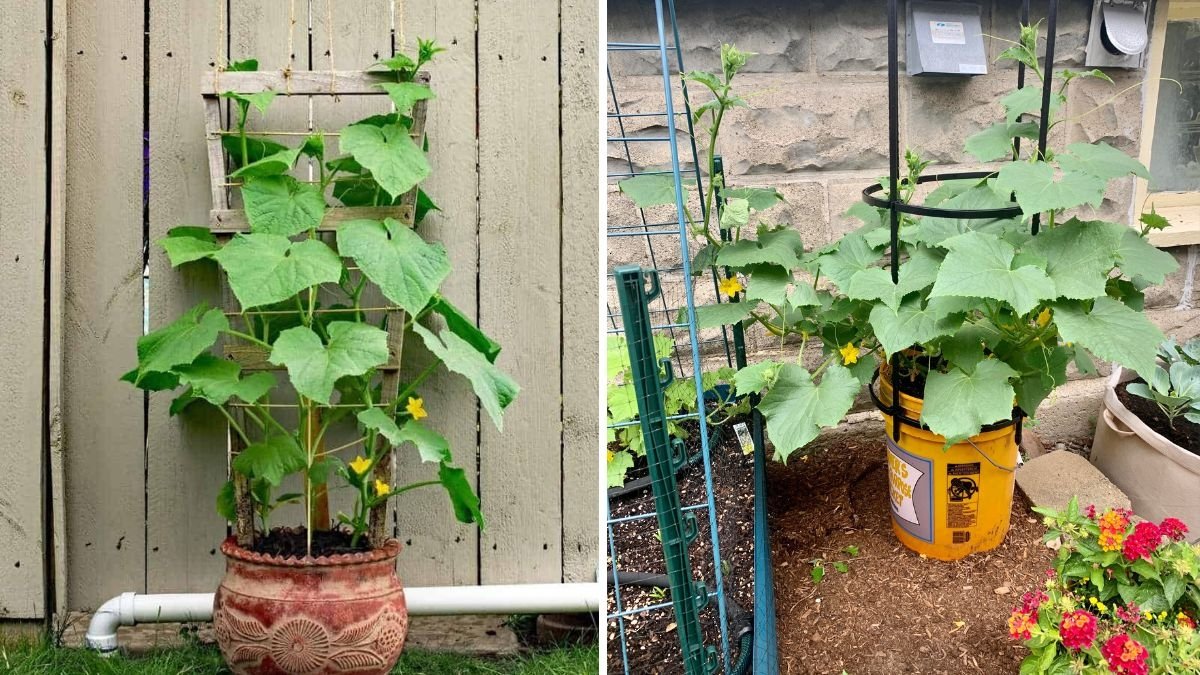
Cucumbers are one of America’s favorite garden vegetables — crisp, refreshing, and incredibly versatile. Whether you enjoy them fresh in salads, pickled in brine, or juiced for a summer refresher, cucumbers are a rewarding crop that grows easily in most U.S. climates. With just a little planning and the right care, you can harvest basketfuls of crunchy cucumbers right from your backyard or patio garden.
In this comprehensive guide, we’ll walk you through everything you need to know about how to grow cucumbers successfully in the U.S., including soil preparation, watering, varieties suited for American regions, pest control, and harvesting tips. Let’s dig in!
Why Cucumbers Are a Must-Grow Vegetable

Cucumbers (Cucumis sativus) are warm-season vegetables that thrive in sunny weather and well-draining soil. They belong to the same family as melons, pumpkins, and squash — the Cucurbitaceae family — and are known for their vigorous vines and quick growth.
Here’s why cucumbers deserve a spot in your American backyard garden:
- Fast-growing: Most cucumber varieties mature within 50–70 days.
- High yield: One plant can produce dozens of cucumbers.
- Space-efficient: Bush and compact varieties are perfect for container or balcony gardens.
- Nutritious: Cucumbers are low in calories, hydrating, and rich in antioxidants and vitamin K.
- Versatile use: Ideal for salads, sandwiches, smoothies, and homemade pickles.
Best Cucumber Varieties for American Gardens
Different U.S. climates favor different cucumber varieties. Here are some top-performing types suited for various regions and gardening goals:
1. ‘Marketmore 76’ (Slicing Variety)
- Best for: Midwest, Northeast, and Pacific Northwest
- Features: Resistant to common cucumber diseases like mosaic virus and powdery mildew. Produces dark-green, straight fruits with excellent flavor.
2. ‘Boston Pickling’ (Pickling Variety)
- Best for: Southeast and Midwest
- Features: Compact vines, heavy yield, and perfect for pickling.
3. ‘Burpless Tasty Green’ (Asian Hybrid)
- Best for: Southern and coastal climates
- Features: Tender, mild flavor and nearly seedless. Great for fresh eating.
4. ‘Spacemaster 80’ (Bush Type)
- Best for: Urban or balcony gardens
- Features: Compact and container-friendly. Ideal for limited space gardeners.
5. ‘Straight Eight’ (Classic American Heirloom)
- Best for: Most U.S. regions
- Features: Consistent size, crisp texture, and excellent flavor for slicing.
Ideal Climate and Growing Conditions

Cucumbers love warm, sunny conditions and plenty of moisture. Here’s how to create their perfect environment:
- Temperature: Ideal growing temperatures range from 70°F to 85°F (21°C–29°C).
- Frost sensitivity: Never plant cucumbers outdoors until two weeks after the last spring frost.
- Sunlight: Cucumbers need 6–8 hours of full sun daily.
- Soil: Loose, well-draining soil with a pH between 6.0 and 7.0 works best. Enrich it with compost or aged manure before planting.
If you live in a cooler northern region, start seeds indoors about 3–4 weeks before transplanting. Southern gardeners can directly sow cucumber seeds in the garden once the soil warms above 65°F.
Planting Cucumbers: Step-by-Step Guide
1. Prepare the Soil
Work in plenty of organic matter such as compost or aged manure to improve drainage and fertility. Cucumbers thrive in moist but not soggy soil. Raised beds are excellent for ensuring proper drainage.
2. Sow Seeds or Transplant Seedlings
- Direct sowing: Plant seeds 1 inch deep and 12 inches apart in rows spaced 3 feet apart.
- Transplanting: Gently move seedlings when they have 2–3 true leaves.
For vining varieties, install trellises or garden netting early to support upward growth and reduce disease risk.
3. Watering and Mulching
Cucumbers are 90–95% water, so consistent watering is key.
- Water deeply 2–3 times a week, aiming for about 1 inch of water per week.
- Mulch around the base to retain moisture, prevent weeds, and keep fruits clean.
4. Fertilizing
Use a balanced vegetable fertilizer (10-10-10) or organic compost tea every 3–4 weeks. Avoid over-fertilizing with nitrogen — it promotes leafy growth but fewer fruits.
Growing Cucumbers in Containers

Urban gardeners, rejoice! Cucumbers grow beautifully in containers or grow bags with the right setup.
- Container size: Choose at least a 5-gallon pot per plant with drainage holes.
- Soil: Use a light, well-draining vegetable potting mix.
- Support: Add a small trellis or tomato cage for vine support.
- Watering: Container plants dry out faster — check soil moisture daily.
Best container varieties: ‘Spacemaster 80’, ‘Patio Snacker’, and ‘Bush Champion’.
Common Cucumber Pests and Diseases (and How to Fix Them)
1. Cucumber Beetles
- Symptoms: Yellowing leaves and stunted growth.
- Control: Use row covers early in the season and remove them during flowering. Apply neem oil weekly.
2. Powdery Mildew
- Symptoms: White powdery spots on leaves.
- Control: Ensure good air circulation and water at the base, not on foliage. Use organic fungicide like sulfur spray if needed.
3. Aphids
- Symptoms: Sticky residue and curled leaves.
- Control: Spray with insecticidal soap or attract ladybugs to your garden.
4. Downy Mildew
- Symptoms: Yellow patches under leaves, especially in humid climates.
- Control: Rotate crops yearly and avoid overhead watering.
Pro tip: Rotate cucumber planting spots every 2–3 years to prevent soil-borne diseases.
Companion Planting for Healthier Cucumbers

Planting cucumbers near friendly companion crops can improve yield and deter pests.
Best companions:
- Radishes – repel cucumber beetles.
- Dill – attracts pollinators.
- Lettuce & spinach – provide light shade to the soil.
- Beans & peas – fix nitrogen, enriching the soil naturally.
Avoid planting near: Potatoes and aromatic herbs like sage, which can stunt cucumber growth.
Harvesting Cucumbers at the Perfect Time
Timing your harvest right ensures the best flavor and texture.
- Slicing cucumbers: Harvest when they’re 6–8 inches long.
- Pickling cucumbers: Pick smaller, around 3–4 inches long.
- Don’t let cucumbers turn yellow — they become bitter and seedy.
Harvest frequently (every 2–3 days) to encourage more fruit production. Always use garden shears or scissors to avoid damaging the vines.
Post-Harvest Tips and Storage
- Store freshly picked cucumbers in the refrigerator crisper drawer for up to 7 days.
- Don’t wash them until ready to eat — moisture can lead to decay.
- For long-term use, pickle or ferment them to enjoy throughout the year.
Health Benefits of Cucumbers
Beyond being a tasty garden treat, cucumbers offer numerous health perks:
- Hydration boost: Over 95% water content keeps your body hydrated.
- Supports weight loss: Low-calorie, high-fiber food that promotes fullness.
- Skin benefits: Cucumber slices soothe sunburns and reduce puffiness.
- Detoxification: Acts as a natural diuretic to flush out toxins.
- Heart health: Contains potassium and antioxidants that help regulate blood pressure.
Sustainability Tips for Eco-Friendly Gardening

Growing cucumbers sustainably benefits both your health and the planet:
- Compost kitchen scraps to enrich soil naturally.
- Collect rainwater for irrigation.
- Use natural pest control methods instead of chemical sprays.
- Plant pollinator-friendly flowers nearby to attract bees for better fruit set.
Final Thoughts
Growing cucumbers in your backyard garden is one of the simplest and most satisfying ways to enjoy homegrown produce in the U.S. Whether you’re a first-time gardener in California, a homesteader in Texas, or an urban grower in New York City, cucumbers reward you with crisp, hydrating harvests all summer long.
With the right care, regular watering, and a sunny spot, you can enjoy an endless supply of garden-fresh cucumbers for salads, pickles, and snacks.
So this season, grab a packet of cucumber seeds, roll up your sleeves, and get ready to grow one of America’s most beloved summer vegetables — naturally and deliciously.

Leave A Comment