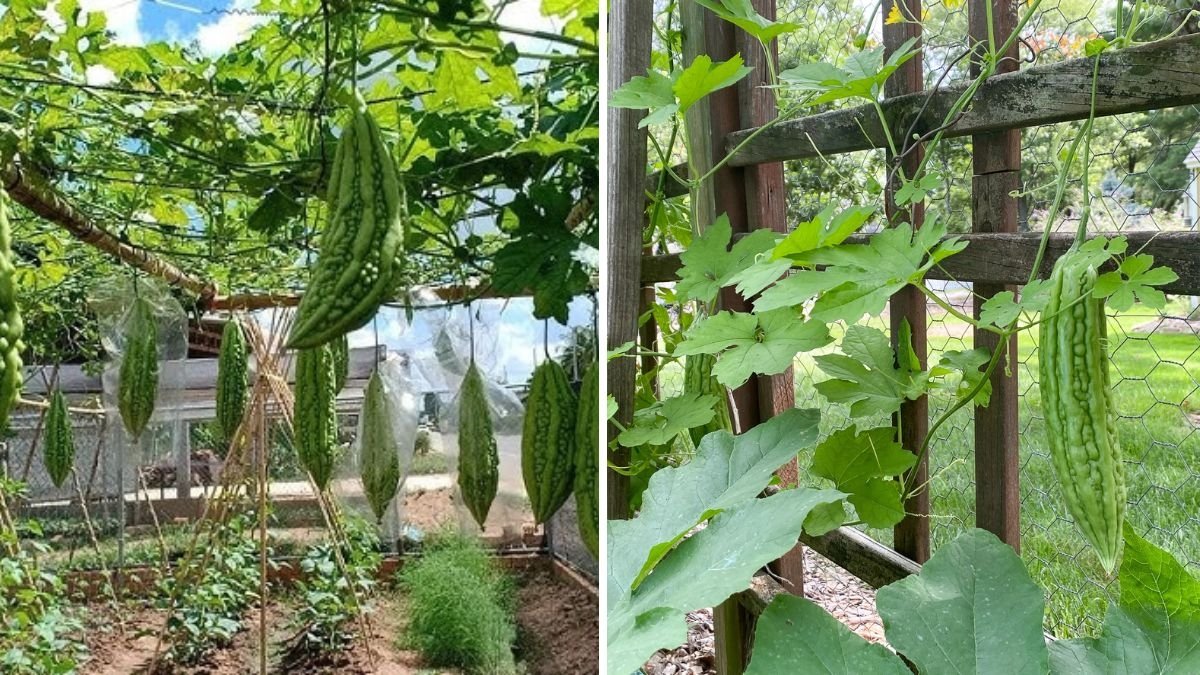
Once known mainly in Asian and tropical cuisines, bitter melon (also called bitter gourd or Momordica charantia) is gaining serious attention in American gardens and kitchens. With its knobby green skin, cucumber-like texture, and sharp, unique flavor, this exotic vegetable is both nutrient-packed and incredibly versatile.
From Florida to California, more Americans are learning that bitter melon isn’t just a plant—it’s a powerhouse of wellness. Rich in vitamins, antioxidants, and natural compounds that may help manage blood sugar levels, it’s quickly becoming a star in the world of functional foods and urban gardening.
In this comprehensive guide, we’ll explore everything you need to know about bitter melon—from its origins and growing techniques to cooking tips and proven health benefits.
1. What Is Bitter Melon?

Bitter melon is a tropical and subtropical vine belonging to the cucumber family (Cucurbitaceae). It’s native to India and Southeast Asia, but today it’s cultivated in many parts of the United States, especially in Florida, Texas, Hawaii, and Southern California.
The fruit resembles a warty cucumber, turning from bright green to yellow-orange as it ripens. Its flavor? As the name suggests—distinctly bitter, yet surprisingly satisfying when prepared correctly.
There are two main types commonly found in U.S. Asian and health food stores:
- Indian Bitter Melon: Long, narrow, and deeply ridged.
- Chinese Bitter Melon: Smoother and lighter green with gentler bitterness.
Both types can be used interchangeably in recipes and grow well in warm American climates.
2. Why Bitter Melon Deserves a Spot in American Diets
Despite its sharp flavor, bitter melon’s health benefits are extraordinary, earning it titles like “Nature’s Insulin” and “The Diabetic Superfood.”
Here’s why it’s worth adding to your garden and grocery list:
- Supports Healthy Blood Sugar Levels:
Bitter melon contains charantin and polypeptide-p, compounds that may help regulate glucose levels. - Boosts Immunity and Detoxification:
High in vitamin C and antioxidants, it helps strengthen the immune system and combat inflammation. - Promotes Weight Loss and Metabolism:
Low in calories and rich in fiber, it supports digestion and satiety. - Good for the Liver and Skin:
Known for its cleansing properties, bitter melon helps flush toxins and promote a natural glow. - Supports Heart Health:
Some studies suggest it can help reduce “bad” LDL cholesterol and improve cardiovascular function.
This is why nutritionists across the U.S. are increasingly recommending bitter melon for those following plant-based, diabetic-friendly, or detox diets.
3. How to Grow Bitter Melon in the U.S.

Growing bitter melon at home is surprisingly simple—as long as you have warm weather and plenty of sunshine. It’s a climbing vine, much like cucumbers or squash, and thrives best in USDA zones 9–11 (but can be grown as an annual in cooler zones).
Step 1: Choose the Right Spot
Select a sunny location with at least 6–8 hours of direct sunlight daily. Bitter melon loves heat and humidity, making it ideal for southern states or summer gardens.
Step 2: Prepare the Soil
Bitter melon prefers well-drained, loamy soil enriched with compost or aged manure. Aim for a soil pH of 6.0–6.7.
Step 3: Planting the Seeds
You can start seeds indoors 3–4 weeks before the last frost or sow them directly into warm soil once temperatures exceed 70°F (21°C).
- Soak seeds in warm water overnight to speed up germination.
- Plant them 1 inch deep and space 12–18 inches apart.
- Provide a trellis or fence for the vines to climb.
Step 4: Watering and Feeding
Keep the soil consistently moist but not waterlogged. Use organic compost or liquid fertilizer every 2–3 weeks during growth.
Step 5: Harvesting
Fruits are ready 60–70 days after planting. Harvest while they’re still green and firm—overripe bitter melons turn yellow and lose flavor. Regular harvesting encourages new fruiting.
4. Growing Bitter Melon in Containers or Urban Spaces
Even if you live in an apartment, you can grow bitter melon on a sunny balcony or patio. Choose a 5-gallon pot or grow bag, add nutrient-rich potting mix, and train the vines upward with a vertical trellis.
This is a fantastic choice for urban gardeners in the U.S. looking for exotic, space-efficient crops with a big health payoff.
5. Common Pests and Problems

While bitter melon is a hardy plant, it can face some challenges in American gardens:
| Problem | Cause | Solution |
|---|---|---|
| Aphids or Whiteflies | Sap-sucking pests | Use neem oil or insecticidal soap. |
| Powdery Mildew | Humid conditions | Ensure good air circulation and apply organic fungicide. |
| Fruit Rot | Overwatering or poor drainage | Improve soil drainage and avoid wetting leaves. |
Companion planting with basil, marigold, or beans helps deter pests naturally.
6. Bitter Melon in American Kitchens: How to Cook It Right
The key to enjoying bitter melon lies in balancing its bitterness. When cooked properly, it adds a unique depth of flavor to stir-fries, soups, and curries.
How to Reduce Bitterness:
- Slice the melon thinly and remove the seeds.
- Sprinkle salt and let it sit for 20 minutes.
- Rinse and pat dry before cooking.
This process draws out excess bitterness while preserving its nutrients.
Popular Ways to Cook Bitter Melon:
- Stir-Fried Bitter Melon with Eggs:
A classic Asian-American dish combining scrambled eggs, garlic, and sliced bitter melon. - Stuffed Bitter Melon:
Fill hollowed pieces with spiced ground meat, tofu, or vegetables, then steam or bake. - Bitter Melon Soup:
A light, cleansing soup with chicken broth, garlic, and herbs—popular for detox diets. - Bitter Melon Chips:
Thinly sliced, salted, and air-fried for a crisp, guilt-free snack. - Juiced or Blended:
Bitter melon juice is gaining popularity among U.S. health enthusiasts for its detox and anti-diabetic properties.
Whether you’re a health-conscious eater or a foodie exploring new flavors, bitter melon offers a distinct taste experience unlike any other vegetable.
7. Bitter Melon Nutrition Facts

Here’s what makes bitter melon a true nutritional powerhouse:
| Nutrient (per 100g) | Amount |
|---|---|
| Calories | 17 kcal |
| Carbohydrates | 3.7 g |
| Protein | 1 g |
| Fiber | 2.8 g |
| Vitamin C | 84 mg (140% DV) |
| Folate | 72 µg |
| Potassium | 296 mg |
These nutrients make bitter melon ideal for weight management, diabetes care, and overall wellness.
8. Medicinal and Research-Backed Benefits
Scientific research in the U.S. and abroad continues to reveal the therapeutic potential of bitter melon. Studies from the National Institutes of Health (NIH) and American Journal of Health Research suggest it may:
- Help lower blood sugar in type 2 diabetes.
- Act as a natural anti-inflammatory and antioxidant.
- Support liver detox and digestive health.
- Possess potential cancer-fighting compounds (though more studies are needed).
While not a replacement for medical treatment, incorporating bitter melon into a balanced diet can be a powerful step toward better health.
9. Storing and Preserving Bitter Melon
- Refrigeration: Wrap fresh bitter melon in paper towels and store in a perforated bag for up to 5 days.
- Freezing: Slice, blanch for 2 minutes, and freeze for up to 6 months.
- Drying: Dehydrated bitter melon slices can be used in teas or soups for extended storage.
This ensures you have access to its benefits long after the growing season ends.
10. Where to Buy Bitter Melon in the U.S.

If you’re not growing your own, you can find bitter melon at:
- Asian or Indian grocery stores (fresh and frozen)
- Farmers’ markets in tropical states
- Online seed retailers like Burpee, True Leaf Market, or Johnny’s Seeds
Look for firm, bright green melons with no soft spots.
Conclusion: The American Revival of Bitter Melon
Once an underappreciated crop, bitter melon is finally finding its place in American homes and gardens. It’s the perfect combination of nutrition, sustainability, and exotic flavor—a vegetable that truly earns the title superfood.
Whether you’re growing it on your patio, blending it into smoothies, or stir-frying it with garlic and eggs, bitter melon is a smart, sustainable, and health-forward choice for modern American lifestyles.
So the next time you’re planning your garden or your weekly meal prep, consider adding this ancient fruit to your list.
Your body—and your taste buds—will thank you.

Leave A Comment