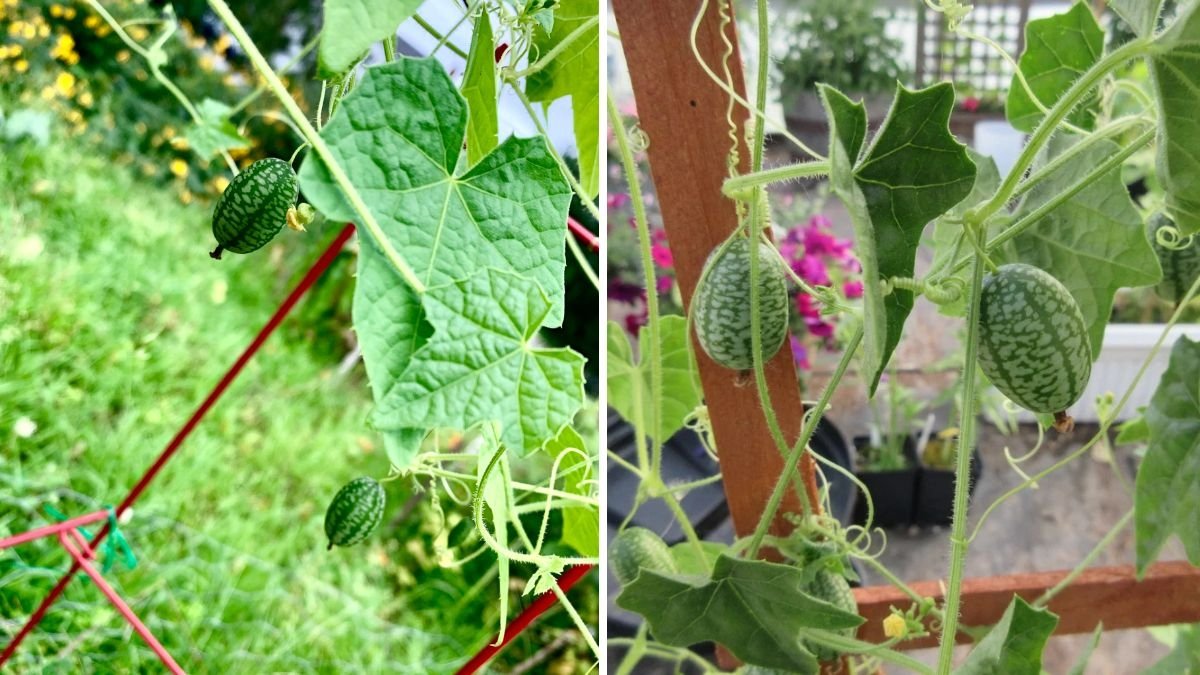
Imagine a fruit that looks like a miniature watermelon, tastes like a cucumber with a hint of lime, and grows like a dream in your backyard. Sounds too cute to be true? Say hello to cucamelons — the latest obsession of American gardeners, foodies, and wellness enthusiasts.
Also known as Mexican sour gherkins or mouse melons, cucamelons are about the size of a grape, with a refreshing tang and crisp bite that make them a delightful addition to salads, cocktails, and pickles. Though they’ve been grown in Central America for centuries, cucamelons have recently made a big splash across the U.S., thanks to their unique look, easy growth, and superfood status.
In this article, we’ll explore what makes cucamelons so special — from their fascinating origins and growing tips to their nutritional benefits and creative ways to enjoy them in American cuisine.
1. What Are Cucamelons? The Cutest Fruit You’ve Never Heard Of

Cucamelons (Melothria scabra) belong to the cucumber family (Cucurbitaceae) and are native to Mexico and Central America. Despite their resemblance to tiny watermelons, they’re not melons at all.
These bite-sized fruits, roughly the size of a large grape, feature green-striped skin and crunchy, tangy flesh that tastes like a lemony cucumber. The flavor is fresh, zesty, and slightly sour — perfect for summer salads or cocktail garnishes.
Cucamelons grow on climbing vines similar to cucumbers but are much more pest-resistant and drought-tolerant, making them a favorite among sustainable gardeners across the U.S.
2. A Brief History: From Ancient Mexico to Modern America
Cucamelons have been cultivated in Mexico for hundreds of years and were cherished by the Aztecs for their flavor and nutritional benefits. Known locally as sandita (meaning “little watermelon”), this fruit was a traditional food long before it reached American soil.
It wasn’t until the early 2000s that cucamelons began appearing in U.S. seed catalogs and farmers’ markets. Since then, they’ve gained immense popularity among American home gardeners and chefs, who love their novelty, versatility, and eco-friendly nature.
Today, cucamelons are a rising trend in organic farms, local produce markets, and health-conscious kitchens nationwide — proving that sometimes, the tiniest fruits make the biggest impression.
3. Why Americans Are Falling in Love with Cucamelons

Cucamelons check all the boxes for what modern Americans want from their food — they’re healthy, cute, sustainable, and full of flavor. Here’s why they’re trending:
- Visual appeal: Their tiny watermelon-like appearance makes them perfect for Instagram-worthy dishes and charcuterie boards.
- Easy to grow: They thrive in most U.S. climates, need minimal care, and resist common pests.
- Hydrating and refreshing: With a high water content and crisp texture, they’re perfect for summer snacking.
- Low-calorie superfood: Packed with antioxidants, fiber, and vitamins, they’re a guilt-free treat.
- Versatile in recipes: From salads to cocktails, cucamelons add a unique tangy crunch to countless dishes.
Cucamelons aren’t just a food trend — they’re a sustainable garden favorite that fits perfectly into America’s growing interest in homegrown produce and healthy eating.
4. Nutritional Benefits of Cucamelons
Don’t let their size fool you — cucamelons pack impressive nutritional power in every bite.
a. Low in Calories
A serving of cucamelons contains fewer than 20 calories, making them ideal for weight-conscious eaters.
b. High in Antioxidants
Cucamelons contain polyphenols that help fight oxidative stress and inflammation in the body.
c. Good Source of Fiber
Their skin and seeds provide natural fiber that supports digestion and gut health.
d. Rich in Vitamins and Minerals
They contain vitamin C, vitamin K, and potassium, which support immunity, bone strength, and heart health.
e. Hydration Boost
With a water content of over 90%, cucamelons help keep you hydrated — just like cucumbers or watermelon.
In short, they’re nutrient-dense, refreshing, and light — the perfect addition to any healthy American diet.
5. How to Grow Cucamelons in Your Backyard

One of the biggest reasons cucamelons are taking over American gardens is that they’re incredibly easy to grow, even for beginners.
Here’s a step-by-step guide to growing them successfully:
a. Climate and Soil
Cucamelons love warm weather (USDA zones 7–11) and well-drained soil. They can also thrive in containers, making them perfect for patios and balconies.
b. Planting
Start seeds indoors about 4–6 weeks before the last frost, then transplant outdoors once temperatures are consistently above 70°F.
c. Sunlight
Choose a spot with full sun exposure — at least 6–8 hours daily.
d. Watering
Keep the soil evenly moist, but not soggy. Mulching helps retain water during hot summers.
e. Support and Trellis
Cucamelons grow on climbing vines, so provide a trellis or fence for them to climb.
f. Harvesting
Fruits are ready to pick when they’re about the size of a grape and firm to the touch — usually 60–70 days after planting.
Each vine can produce hundreds of tiny fruits, making them both fun and rewarding to grow.
6. Delicious Ways to Eat Cucamelons
Cucamelons’ tangy, refreshing taste makes them a creative addition to countless American dishes. Here are some tasty ideas:
a. Fresh Snack
Eat them straight off the vine for a crunchy, tart snack that beats potato chips any day.
b. Summer Salad
Toss cucamelons with cherry tomatoes, feta cheese, red onion, and a splash of olive oil for a vibrant salad.
c. Pickled Cucamelons
Soak them in vinegar, dill, garlic, and peppercorns to make tangy mini-pickles — perfect with burgers or BBQ.
d. Cocktail Garnish
Add them to gin and tonic or margaritas for a playful, citrusy twist.
e. Salsa or Relish
Chop cucamelons with cilantro, jalapeños, and lime for a zesty topping for grilled fish or tacos.
f. Stir-Fries and Skewers
Their firm texture holds up beautifully when sautéed or grilled.
From picnic platters to fine dining, cucamelons bring a pop of color and a punch of flavor to any dish.
7. Pickling Cucamelons: A Trendy American Favorite

Pickled cucamelons are quickly becoming a must-have condiment in American kitchens. Their tangy crunch adds a refreshing kick to sandwiches, tacos, and even cheese boards.
Quick Pickle Recipe:
- Combine 1 cup vinegar, 1 cup water, 1 tbsp sugar, and 1 tbsp salt in a pot.
- Bring to a boil and pour over cucamelons packed in a jar with garlic and dill.
- Cool, seal, and refrigerate for 2–3 days.
That’s it — your homemade pickled cucamelons are ready to steal the spotlight at your next backyard barbecue!
8. Sustainable Gardening with Cucamelons
For eco-conscious Americans, cucamelons are a sustainable superstar.
- They’re naturally resistant to most pests, reducing the need for pesticides.
- They’re drought-tolerant and thrive in varied climates.
- Their small size means you can grow them in tight spaces or vertical gardens.
These qualities make cucamelons a perfect choice for those practicing organic gardening or living in urban areas with limited garden space.
9. Fun Facts About Cucamelons

- Cucamelons are also called mouse melons, pepquinos, or Mexican sour gherkins.
- Despite looking like baby watermelons, they’re actually closer to cucumbers in genetics and flavor.
- A single vine can yield hundreds of fruits throughout the growing season.
- They’re gaining popularity in farm-to-table restaurants and artisan cocktail bars across America.
- Cucamelons can be stored for weeks in the fridge or pickled for year-round enjoyment.
Tiny, adorable, and flavorful — what’s not to love?
10. Cucamelons in American Food Culture
Cucamelons have quickly become a symbol of creativity and sustainability in modern American cuisine. Chefs love their aesthetic appeal and bright, citrusy flavor, while home gardeners appreciate their easy growth and eco-friendliness.
They’ve also found their way into the wellness movement, often featured in detox waters, salads, and vegan dishes. And thanks to social media, their picture-perfect appearance has made them an Instagram sensation among food bloggers and plant enthusiasts alike.
Cucamelons embody everything America’s food culture celebrates today — innovation, health, and a love for homegrown goodness.
Conclusion: Small in Size, Big in Flavor and Potential
Cucamelons may be tiny, but they’re making a giant impact in American gardens and kitchens. These charming fruits deliver everything you could want — taste, nutrition, sustainability, and fun.
Whether you grow them in your backyard, pickle them for your pantry, or toss them into your summer salad, cucamelons offer a fresh, flavorful way to enjoy seasonal produce.
So, if you’re looking to try something new this year, grab a pack of cucamelon seeds and join the growing number of Americans who’ve fallen in love with this adorable little superfruit.
Your garden — and your taste buds — will thank you!

Leave A Comment