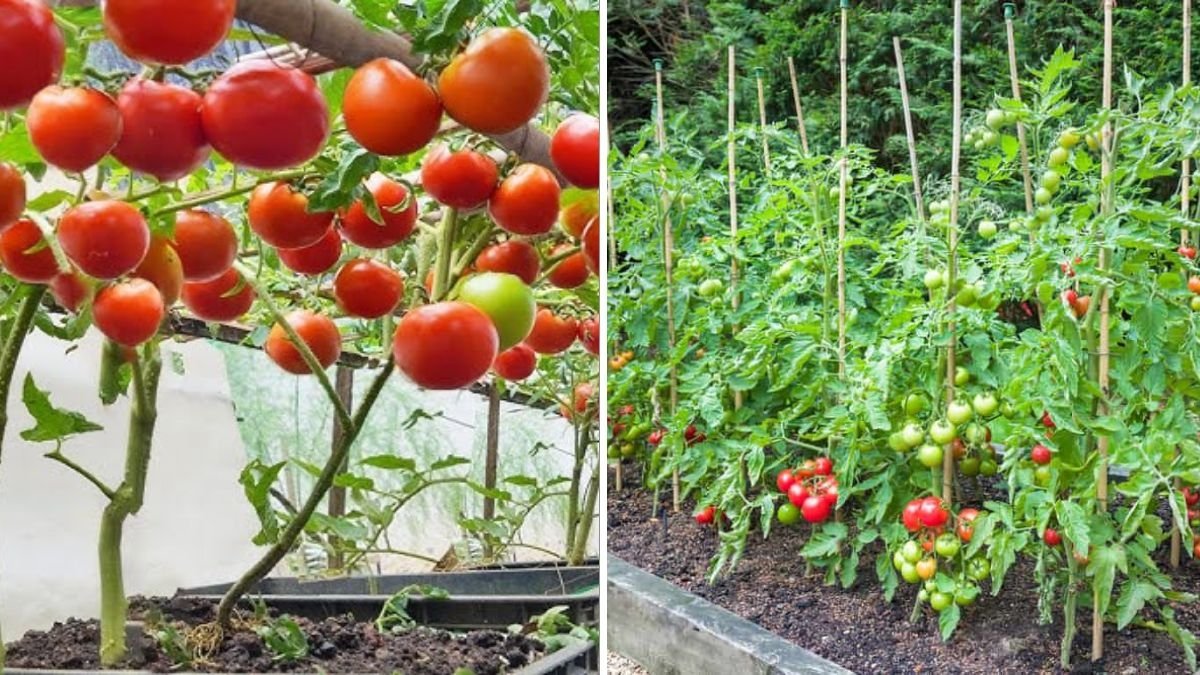
Few vegetables (or fruits, technically!) capture the heart of American gardeners quite like the tomato. Whether you’re slicing them fresh for a summer sandwich, simmering them into rich sauces, or roasting them for a burst of flavor, tomatoes are the undisputed stars of the backyard garden.
From coast to coast — whether you’re gardening in the humid South, the sunny Southwest, or the cooler Northern states — growing juicy, homegrown tomatoes is one of the most rewarding experiences. With the right variety, proper care, and a few insider tricks, you can produce an abundant harvest that tastes far better than anything you’ll find at the grocery store.
In this detailed guide, we’ll explore how to grow tomatoes successfully — from seed to harvest — and share tips tailored for American climates to help you grow plump, flavorful tomatoes all season long.
1. Understanding Tomato Varieties

Tomatoes come in an incredible range of shapes, colors, and flavors — from tiny cherry tomatoes to massive beefsteaks. Choosing the right variety for your region and taste preferences is the first step toward success.
Main Types of Tomatoes:
- Determinate (Bush) Tomatoes:
These varieties grow to a certain size, produce fruit all at once, and then stop. Ideal for container gardens and small spaces. Examples: Roma, Celebrity, Bush Early Girl. - Indeterminate (Vining) Tomatoes:
These grow continuously throughout the season, producing fruit until frost. Great for gardeners who love a steady supply. Examples: Brandywine, Better Boy, Sungold. - Heirloom Tomatoes:
Beloved for their exceptional flavor and unique colors, heirlooms are open-pollinated varieties passed down through generations. Examples: Cherokee Purple, Black Krim, Green Zebra. - Hybrid Tomatoes:
Bred for disease resistance and uniformity, hybrids are reliable producers and easier to grow for beginners. Examples: Big Beef, Mountain Fresh, Early Girl.
Choose your varieties based on your local climate, garden space, and how you plan to use them — fresh salads, sauces, or slicing.
2. Starting Tomatoes from Seed or Transplants
If you’re an early planner, start your tomatoes from seed indoors 6–8 weeks before your area’s last frost date. For most U.S. regions, this means starting in late winter or early spring.
Starting from Seed:
- Fill seed trays or pots with seed-starting mix.
- Plant seeds ¼ inch deep and keep them moist.
- Provide warmth (70–80°F) and light (14–16 hours daily using grow lights).
- Transplant seedlings into larger pots when they develop two sets of true leaves.
Alternatively, purchase young transplants from a trusted local nursery in late spring. Choose healthy, green plants with thick stems and no flowers yet — they’ll adapt better once planted.
3. Preparing the Perfect Soil

Tomatoes are heavy feeders and thrive in rich, well-drained, slightly acidic soil. They love warm, nutrient-dense environments that support deep root growth.
Ideal Soil Conditions:
- pH: 6.0–6.8
- Texture: Loamy soil with good drainage
- Nutrients: Incorporate compost, aged manure, or organic fertilizer before planting
Pro Tip: Rotate your tomato crops each year to prevent soil-borne diseases like blight. Avoid planting tomatoes in the same spot where you grew peppers, potatoes, or eggplants the previous year.
4. Planting Tomatoes Outdoors

Once the soil warms to at least 60°F and all danger of frost has passed, it’s time to move your tomato plants outdoors.
Steps for Planting:
- Harden Off Seedlings: Gradually expose your indoor-grown plants to outdoor conditions over 7–10 days.
- Choose a Sunny Spot: Tomatoes need 6–8 hours of direct sunlight daily for best growth.
- Deep Planting Technique: Bury two-thirds of the tomato plant under the soil — including part of the stem. New roots will form along the buried stem, creating a stronger root system.
- Spacing: Give plants enough room — about 24–36 inches apart in rows spaced 3–4 feet apart.
After planting, water deeply and add a layer of mulch (such as straw or shredded leaves) to retain moisture and regulate soil temperature.
5. Watering and Feeding Tomatoes
Tomatoes are thirsty plants, but overwatering can be just as harmful as underwatering. The key is consistent, deep watering.
Watering Tips:
- Water early in the morning to reduce evaporation.
- Provide about 1–1.5 inches of water per week, adjusting for rainfall.
- Water at the base — not overhead — to prevent fungal diseases.
- Use drip irrigation or a soaker hose for even moisture distribution.
Fertilizing Tips:
- At planting time, mix compost or a slow-release organic fertilizer into the soil.
- Once flowering begins, switch to a phosphorus-rich fertilizer to boost fruit production.
- Avoid excessive nitrogen — it encourages leafy growth at the expense of fruit.
6. Supporting and Pruning Tomato Plants

Tomatoes grow best when supported — especially indeterminate varieties that can reach six feet or more in height.
Support Options:
- Tomato cages: Easy to use and perfect for smaller gardens.
- Stakes: Drive wooden or metal stakes about 6 feet tall next to each plant and tie stems loosely with soft twine.
- Trellises: Great for raised beds or vertical gardens.
Pruning Tips:
- Remove lower leaves that touch the ground to prevent disease.
- Pinch off “suckers” — small shoots that grow in the leaf axils — to improve airflow and direct energy to fruit production.
- Keep the plant open and airy for better sunlight penetration.
Proper pruning and support lead to healthier plants and larger, more flavorful tomatoes.
7. Managing Common Tomato Pests and Diseases
Even the most experienced gardeners face tomato troubles now and then. Here’s how to handle common issues:
Common Pests:
- Aphids: Tiny green insects that suck sap from leaves. Control with insecticidal soap or neem oil.
- Tomato Hornworms: Large green caterpillars that can quickly strip foliage. Handpick them or use Bacillus thuringiensis (Bt).
- Whiteflies: Remove by spraying water or using sticky traps.
Common Diseases:
- Blossom End Rot: Caused by calcium deficiency or irregular watering. Keep soil evenly moist.
- Early Blight & Late Blight: Fungal infections that cause leaf spots and rot. Avoid overhead watering and rotate crops.
- Powdery Mildew: Prevent by improving air circulation and avoiding overcrowding.
Healthy soil, proper spacing, and regular monitoring are your best defenses against tomato problems.
8. Harvesting and Storing Tomatoes

The best part of growing tomatoes? The harvest — and the first bite of a sun-warmed tomato right off the vine.
When to Harvest:
- Tomatoes are ready when they reach full color and feel slightly soft to the touch.
- Gently twist or cut them off the vine to avoid bruising.
- For green tomatoes, bring them indoors to ripen on a sunny windowsill or in a paper bag.
Storage Tips:
- Keep ripe tomatoes at room temperature, not in the fridge, to preserve their flavor and texture.
- To extend freshness, store unwashed tomatoes stem-side down in a single layer.
- Freeze excess tomatoes or turn them into sauces, soups, or salsa for long-term storage.
9. Bonus: Tips for Maximum Tomato Flavor
Every gardener wants that sweet, tangy, garden-fresh tomato taste. Here’s how to make it happen:
- Sunlight = Sweetness: More sun means more natural sugars.
- Moderate Watering: Overwatering dilutes flavor.
- Add Compost Tea: Organic feeding enhances flavor depth.
- Pick at Peak Ripeness: Vine-ripened tomatoes always taste best.
Conclusion: From Seed to Sauce — Your Tomato Journey
Growing tomatoes is more than just gardening — it’s a labor of love that rewards you with the taste of summer in every bite. Whether you prefer classic red slicers, golden cherries, or heirloom beauties, there’s a variety for every American gardener and climate.
By understanding your soil, choosing the right varieties, watering wisely, and caring for your plants throughout the season, you’ll enjoy a vibrant, abundant harvest that fills your kitchen with color, flavor, and freshness.
So roll up your sleeves, plant a few seeds, and get ready for the satisfaction of picking your own homegrown tomatoes — the crown jewels of the American garden.

Leave A Comment