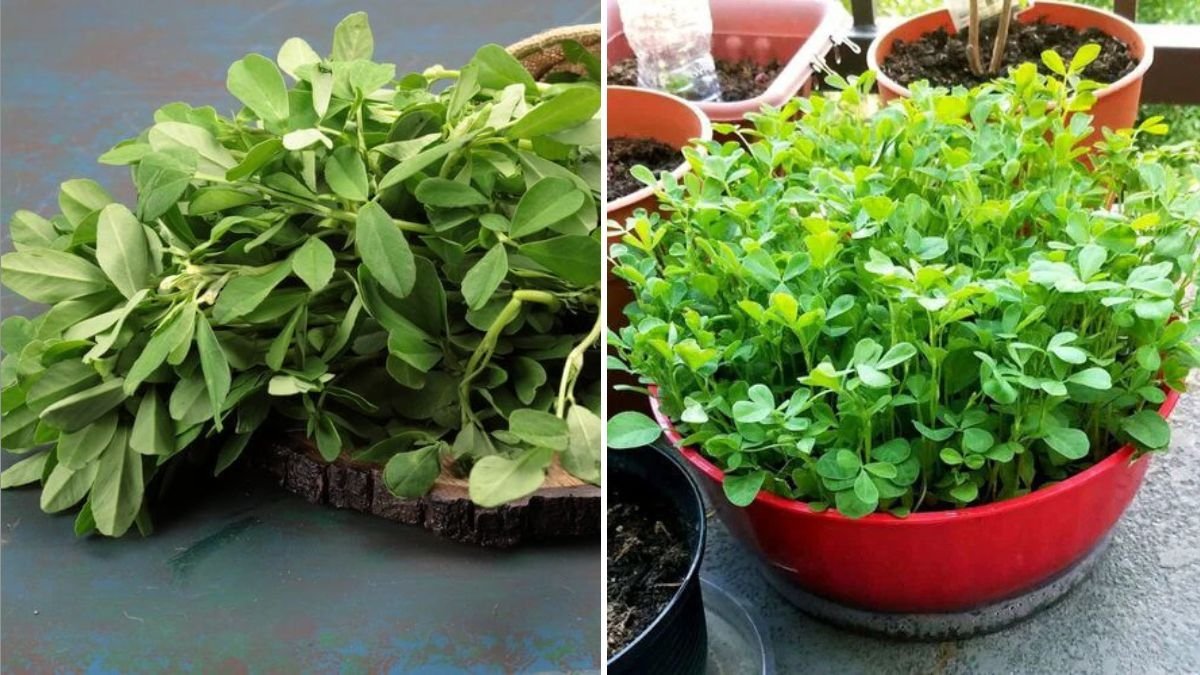
In the world of superfoods, some ingredients get all the attention—like kale, quinoa, or chia seeds. But there’s one underrated gem that’s slowly making its way into American kitchens: fenugreek sprouts.
Known for their slightly bitter yet aromatic flavor, fenugreek sprouts are packed with nutrients that can boost digestion, improve metabolism, and even help manage blood sugar. Traditionally used in Indian and Mediterranean diets, these sprouts are now gaining popularity in the U.S. health and wellness community for their impressive health benefits and versatility.
In this article, we’ll explore everything you need to know about fenugreek sprouts—from their nutritional profile and health benefits to how to grow them at home and delicious ways to use them in your daily meals.
1. What Are Fenugreek Sprouts?
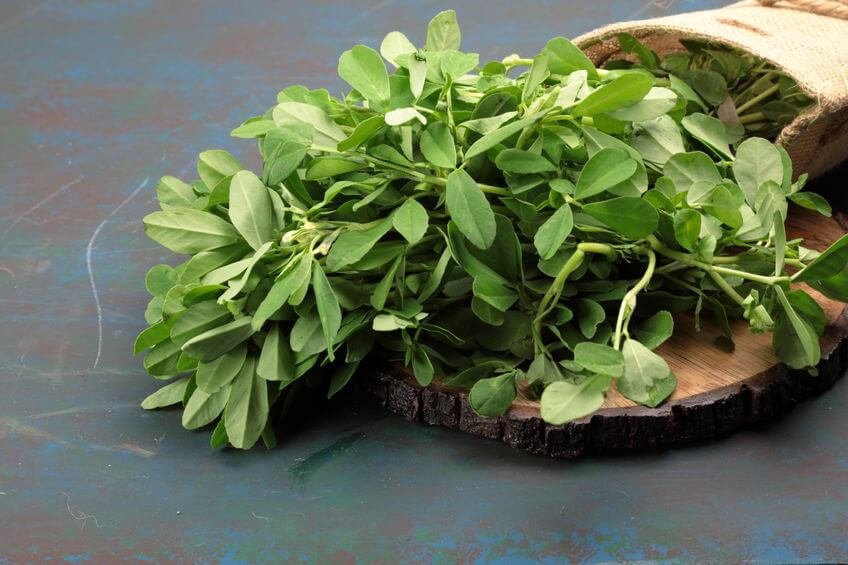
Fenugreek (Trigonella foenum-graecum) is a small herb native to Asia and the Mediterranean. Its seeds, when soaked and sprouted, produce tender, crunchy shoots known as fenugreek sprouts.
These sprouts are rich in fiber, protein, vitamins, and antioxidants, and they carry a pleasant, slightly bitter taste reminiscent of maple syrup or celery. Because sprouting transforms dry seeds into living food, fenugreek sprouts become easier to digest and even more nutrient-dense than the raw seeds themselves.
Today, they are celebrated as a functional food—a natural ingredient that not only nourishes but also supports specific body functions such as blood sugar balance, cholesterol control, and digestion.
2. Nutritional Profile: What’s Inside Fenugreek Sprouts
Fenugreek sprouts may be tiny, but they pack a serious nutritional punch. A 100-gram serving of fenugreek sprouts contains approximately:
- Calories: 49
- Protein: 4 grams
- Fiber: 5 grams
- Carbohydrates: 6 grams
- Vitamin C: 20% of the Daily Value (DV)
- Iron: 25% of the DV
- Magnesium: 30% of the DV
- Calcium: 8% of the DV
- Folate (B9): 15% of the DV
They’re also loaded with antioxidants, saponins, and flavonoids, compounds known for their anti-inflammatory and immune-boosting properties.
The sprouting process increases their vitamin C and B-complex levels while reducing the bitter compounds that make raw seeds difficult to eat—making them both healthier and tastier.
3. Health Benefits of Fenugreek Sprouts
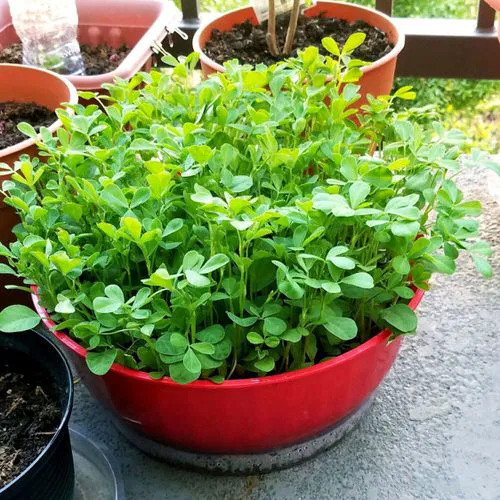
Fenugreek sprouts are more than just a healthy topping—they’re a natural remedy in many traditional systems of medicine, now supported by modern research. Let’s dive into their top health benefits.
a. Regulates Blood Sugar Levels
One of the most well-documented benefits of fenugreek sprouts is their ability to help manage blood sugar.
They contain galactomannan, a type of soluble fiber that slows down sugar absorption and improves insulin sensitivity. Studies show that fenugreek sprouts may benefit people with type 2 diabetes or prediabetes by helping maintain stable glucose levels.
b. Supports Healthy Digestion
The high fiber and enzyme content in fenugreek sprouts helps stimulate digestion, prevent constipation, and promote gut health. They also act as a mild detoxifier, aiding in the natural cleansing of the digestive tract.
c. Boosts Metabolism and Weight Loss
Fenugreek sprouts are low in calories but high in fiber and protein, making them great for weight management. They help you feel full longer, reduce cravings, and may even slightly boost metabolism—helping support healthy weight loss.
d. Improves Heart Health
Thanks to their saponins and fiber, fenugreek sprouts can lower bad cholesterol (LDL) and triglycerides while improving good cholesterol (HDL). This helps reduce the risk of heart disease and hypertension.
e. Balances Hormones Naturally
Fenugreek contains phytoestrogens, plant-based compounds that can help balance hormones, especially in women. Regular consumption of fenugreek sprouts may help ease menstrual discomfort and menopausal symptoms such as hot flashes.
f. Strengthens Hair and Skin
Rich in iron, vitamins, and antioxidants, fenugreek sprouts improve circulation and support healthy hair growth. Their detoxifying properties also promote clearer skin and reduce inflammation from acne and breakouts.
g. Enhances Immunity
The combination of vitamin C, iron, and antioxidants strengthens the immune system, helping your body fight infections more efficiently.
4. How to Grow Fenugreek Sprouts at Home
Growing fenugreek sprouts is one of the easiest ways to bring fresh greens into your diet without any gardening experience. Here’s a simple guide to get started:
Step 1: Soak the Seeds
Add 2 tablespoons of organic fenugreek seeds to a glass jar and cover with 2 cups of water. Soak for about 8–10 hours or overnight.
Step 2: Drain and Rinse
In the morning, drain the water using a mesh lid or cheesecloth. Rinse the seeds with fresh water and drain again thoroughly.
Step 3: Sprout
Keep the jar tilted at a 45° angle in a cool, dark place (like a kitchen cabinet) to allow airflow and drainage. Rinse and drain the seeds twice a day—once in the morning and once at night.
Step 4: Harvest
In 2–4 days, you’ll see small white shoots emerging. Once the sprouts are about 1–1.5 inches long and smell fresh, they’re ready to eat.
Step 5: Store
Rinse one final time, pat dry, and refrigerate in an airtight container. They’ll stay fresh for up to 5 days.
Tip: Always use organic, food-grade fenugreek seeds for sprouting to avoid contamination from non-edible seed coatings.
5. Culinary Uses: Delicious Ways to Eat Fenugreek Sprouts
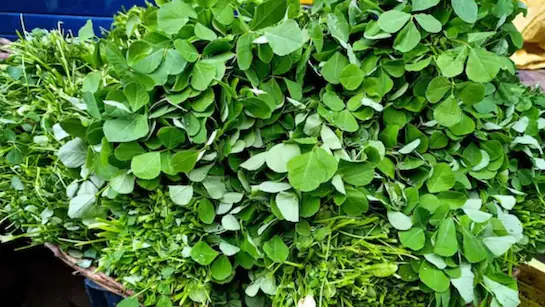
Fenugreek sprouts may be small, but they can elevate any meal with their unique flavor and nutritional benefits. Here are some tasty American-style ways to enjoy them:
a. Power Breakfast Bowls
Add fenugreek sprouts to your morning avocado toast, smoothie bowls, or scrambled eggs for an energizing, nutrient-rich start to your day.
b. Fresh Salads
Mix sprouts with lettuce, cherry tomatoes, cucumbers, and a light olive oil dressing. The mild bitterness pairs beautifully with citrus or balsamic flavors.
c. Sandwiches and Wraps
Layer fenugreek sprouts in sandwiches, veggie wraps, or turkey rolls for a fresh crunch and a subtle tangy flavor.
d. Stir-Fries and Curries
Toss a handful of sprouts into warm vegetable stir-fries or curries at the end of cooking for an added boost of texture and nutrients.
e. Soups and Stews
Garnish lentil soups, tomato bisques, or bean stews with fresh sprouts for a lively flavor and a visual pop of green.
f. Detox Smoothies
Blend a tablespoon of fenugreek sprouts into your green smoothie with spinach, apple, lemon, and ginger for a refreshing detox drink.
6. Safety Tips for Eating Fenugreek Sprouts
Like all raw sprouts, fenugreek sprouts should be handled carefully to prevent bacterial contamination. Follow these safety tips:
- Always use clean, sanitized jars and utensils.
- Rinse sprouts thoroughly before eating.
- Store in the refrigerator at below 40°F (4°C).
- Avoid consuming sprouts that smell sour or appear slimy.
- If you’re pregnant, elderly, or immunocompromised, lightly steam or cook sprouts before eating.
Cooking them lightly for 1–2 minutes kills harmful bacteria while preserving their nutrients and crunch.
7. Sustainability and Eco-Friendly Benefits
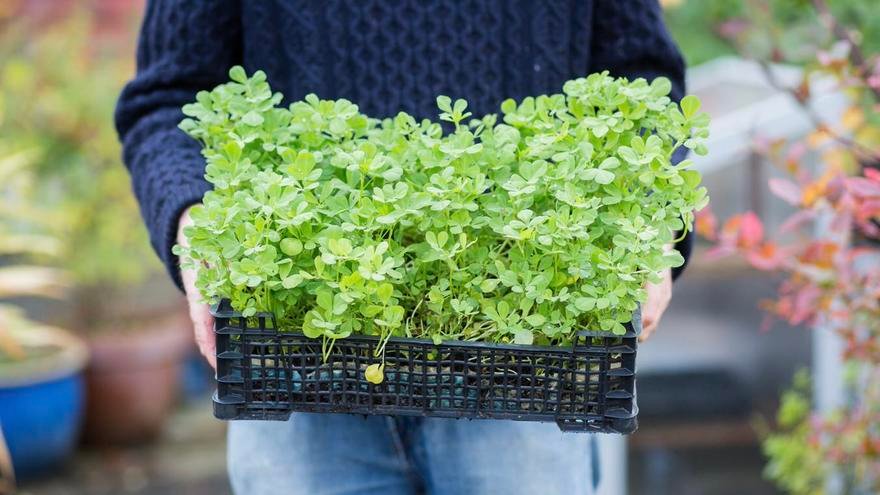
Fenugreek sprouts are one of the most eco-friendly and sustainable foods you can grow. They require no soil, very little water, and grow in just a few days—making them perfect for indoor growing.
By sprouting at home, you reduce food waste, packaging, and carbon emissions associated with store-bought produce. For Americans interested in sustainable living, growing fenugreek sprouts is a small but impactful way to support the environment while eating fresh, nutrient-rich food.
8. Fenugreek Sprouts vs. Other Sprouts
Here’s how fenugreek sprouts compare with other popular sprouted foods:
| Type | Flavor | Protein (per 100g) | Best For | Special Benefit |
|---|---|---|---|---|
| Fenugreek Sprouts | Mildly bitter & nutty | 4g | Salads, curries, detox drinks | Blood sugar & metabolism |
| Alfalfa Sprouts | Light, earthy | 1.3g | Sandwiches, wraps | Bone & heart health |
| Mung Bean Sprouts | Crisp, mild | 3g | Stir-fries, soups | Digestion & hydration |
| Lentil Sprouts | Hearty, earthy | 7g | Grain bowls, stews | High plant protein |
Fenugreek sprouts stand out for their metabolic and digestive health benefits, making them perfect for anyone pursuing a holistic, balanced diet.
9. Where to Buy Fenugreek Sprouts in the U.S.
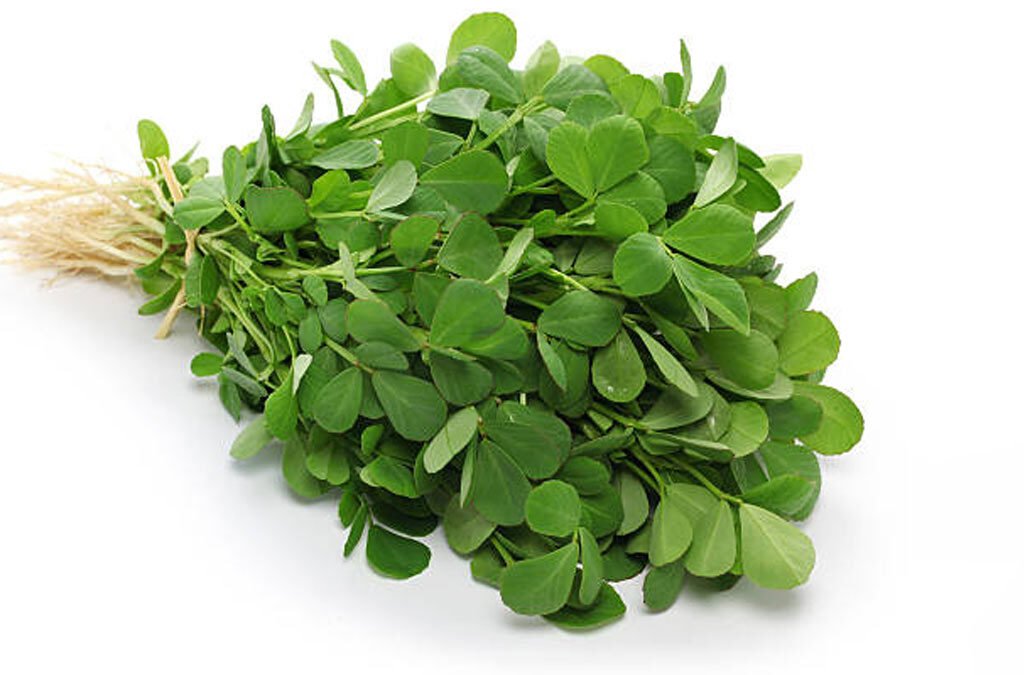
You can find fresh fenugreek sprouts or organic sprouting seeds at most health food stores and online retailers. Popular American sources include:
- Whole Foods Market
- Sprouts Farmers Market
- True Leaf Market
- The Sprout House
- Amazon (Organic Sprouting Seeds section)
If you’re new to sprouting, starter kits with jars and mesh lids are also available online—making home sprouting effortless.
10. Final Thoughts: A Sprout Worth the Hype
Fenugreek sprouts may be small, but they deliver big-time nutrition and wellness benefits. From balancing hormones and improving digestion to boosting immunity and heart health, these tiny sprouts pack everything your body needs to thrive naturally.
They’re affordable, easy to grow, and sustainable—making them one of the smartest superfoods to include in any American diet. Whether sprinkled over salads, stirred into smoothies, or grown fresh on your windowsill, fenugreek sprouts prove that true health can grow right at home, one seed at a time.

Leave A Comment