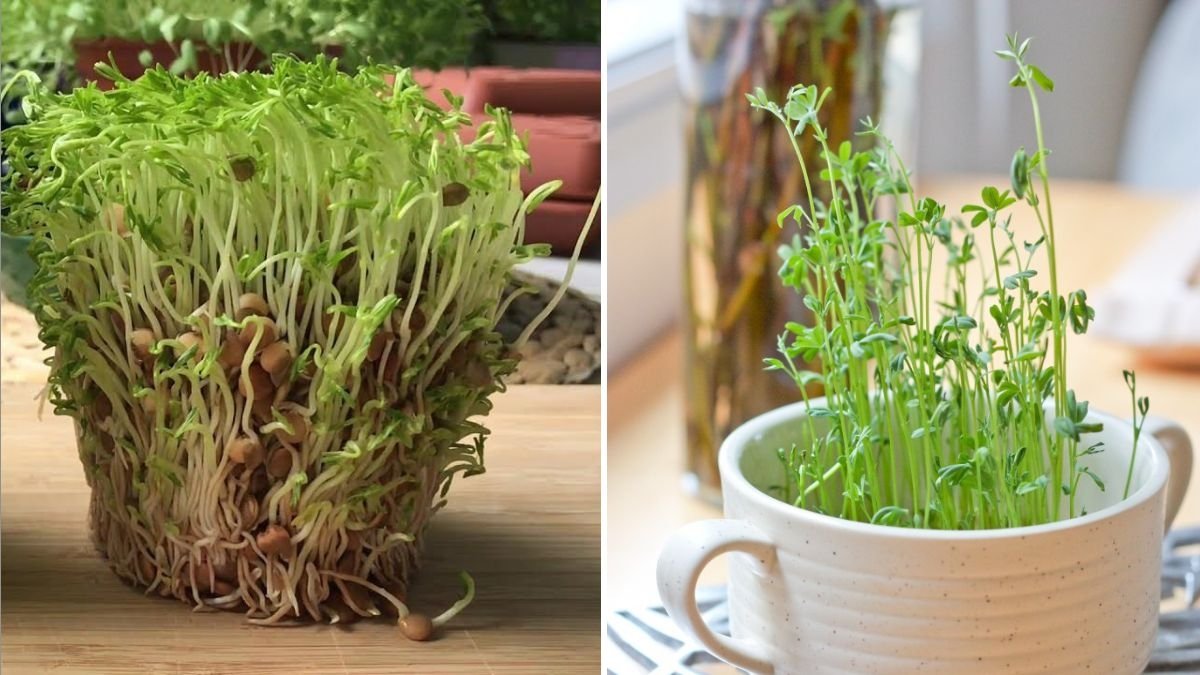
If you’re looking for a simple, affordable, and sustainable way to boost your nutrition, lentil sprouts deserve a place in your kitchen. These tiny shoots—grown from common lentils—are rich in plant-based protein, fiber, and essential vitamins. In recent years, as Americans have embraced clean eating, plant-based diets, and sustainable food options, lentil sprouts have taken center stage as one of the healthiest and most versatile superfoods around.
From crunchy salad toppings to wholesome smoothie boosters, lentil sprouts are a nutrition-packed powerhouse that’s easy to grow at home and even easier to love. In this article, we’ll explore the benefits, nutrition, growing process, recipes, and safety tips that make lentil sprouts a must-have for every American kitchen.
1. What Are Lentil Sprouts?
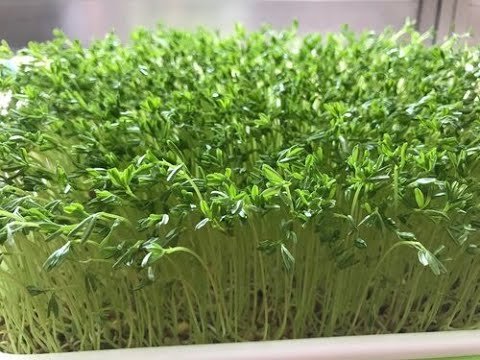
Lentil sprouts are simply lentils that have been soaked and germinated, allowing them to sprout tiny white shoots. This natural process enhances their nutritional value and makes them easier to digest.
When lentils sprout, complex starches break down into simpler forms, proteins become more bioavailable, and the concentration of essential vitamins—especially vitamin C and B vitamins—increases dramatically. The sprouting process transforms ordinary lentils into a living food, bursting with enzymes and vitality.
Lentil sprouts come in several varieties—green, brown, red, and French lentils are the most common. Each has a slightly different texture and flavor, but all are equally nutritious and versatile.
2. Nutritional Profile of Lentil Sprouts
Lentil sprouts are small but mighty when it comes to nutrients. A single cup (about 77 grams) of raw lentil sprouts contains:
- Calories: ~82
- Protein: ~7 grams
- Fiber: ~7 grams
- Vitamin C: 15–20% of the Daily Value (DV)
- Folate (B9): 25% of the DV
- Iron: 10% of the DV
- Magnesium & Potassium: Support heart and muscle function
In addition to being naturally low in fat and sodium, lentil sprouts are an excellent source of plant-based protein—making them perfect for vegans, vegetarians, and anyone seeking to reduce meat consumption without sacrificing nutrition.
3. Health Benefits of Lentil Sprouts
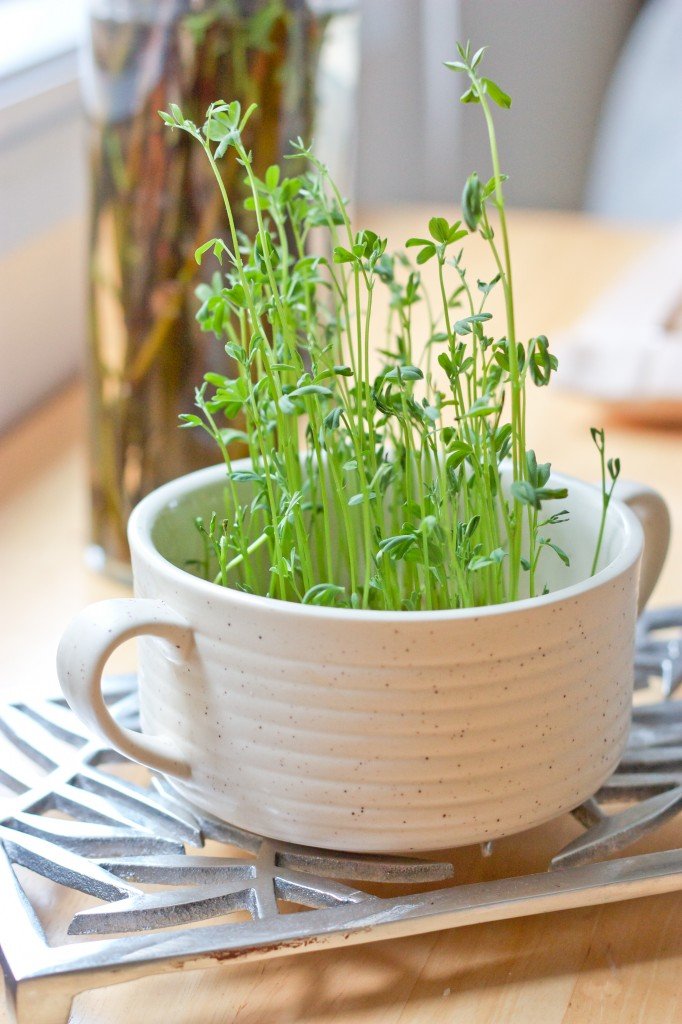
Adding lentil sprouts to your daily meals does more than just boost flavor—it delivers real, science-backed health benefits. Here are some of the top reasons to make them part of your diet:
a. Excellent Source of Plant Protein
Lentil sprouts contain a higher concentration of protein compared to cooked lentils. Their amino acid profile supports muscle repair, tissue growth, and energy production, making them ideal for athletes and fitness enthusiasts.
b. Promotes Digestive Health
The sprouting process breaks down antinutrients like phytic acid, which can interfere with nutrient absorption. As a result, lentil sprouts are easier to digest and promote healthy gut function thanks to their natural fiber and enzymes.
c. Regulates Blood Sugar Levels
High in fiber and low in carbohydrates, lentil sprouts have a low glycemic index, helping to regulate blood sugar levels. This makes them a smart choice for individuals managing diabetes or insulin resistance.
d. Supports Heart Health
Rich in potassium, magnesium, and soluble fiber, lentil sprouts help reduce cholesterol and support cardiovascular wellness. Regular consumption can contribute to lower blood pressure and improved circulation.
e. Strengthens Immunity
Sprouting increases the vitamin C content of lentils significantly, which enhances immune defense and helps your body fight off infections. Combined with iron and folate, lentil sprouts support red blood cell production and overall vitality.
f. Aids in Weight Management
With their high fiber and protein content, lentil sprouts keep you full for longer, reducing cravings and helping with portion control—making them an excellent food for weight-conscious eaters.
4. How to Grow Lentil Sprouts at Home
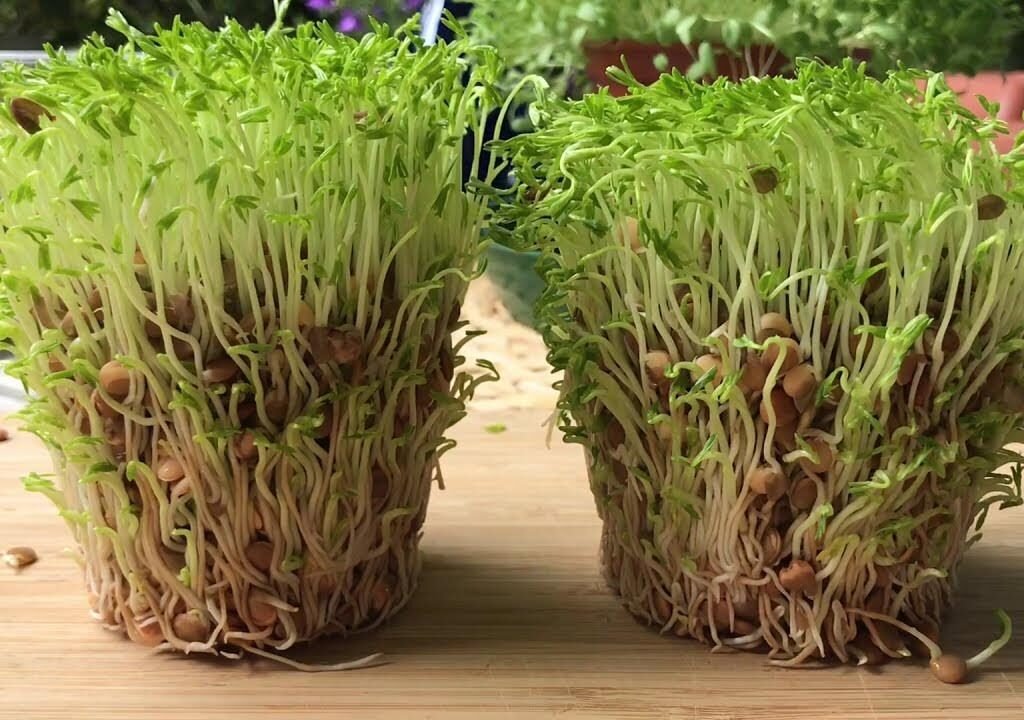
One of the best parts about lentil sprouts is how easy and affordable they are to grow. You don’t need soil, fancy equipment, or even much space—just a jar, some lentils, and water.
Here’s a simple, step-by-step guide to grow lentil sprouts in your own kitchen:
Step 1: Choose Your Lentils
Select whole, unprocessed lentils (not split). Green, brown, or French lentils work best. Always use organic lentils to avoid pesticide residues.
Step 2: Soak the Lentils
Add ½ cup of lentils to a glass jar and cover with about 2 cups of cool water. Soak overnight for 8–10 hours. The lentils will expand, so make sure there’s room in the jar.
Step 3: Drain and Rinse
In the morning, drain the water using a mesh lid or cheesecloth. Rinse the lentils with fresh water, then drain completely.
Step 4: Sprouting Time
Store the jar in a cool, dark place (like a cupboard). Rinse and drain the lentils twice a day—morning and evening—to keep them moist but not waterlogged.
Step 5: Harvest and Store
In 2–4 days, tiny white sprouts will appear. Once they reach about ½ to 1 inch long, your lentil sprouts are ready to eat.
Rinse them one final time, dry them gently, and refrigerate in an airtight container for up to 5 days.
Tip: Avoid over-sprouting, as older sprouts can develop a bitter taste or lose crunch.
5. How to Use Lentil Sprouts in Everyday Meals
Lentil sprouts have a mild, earthy flavor and a satisfying crunch that makes them easy to incorporate into a wide variety of dishes. Here are some creative, American-inspired ways to enjoy them:
a. In Fresh Salads
Add a handful of lentil sprouts to mixed greens, cucumbers, cherry tomatoes, and avocado. Top with a light lemon vinaigrette for a protein-rich, refreshing salad.
b. In Sandwiches and Wraps
Layer lentil sprouts on turkey or veggie sandwiches for extra crunch and nutrition. They pair perfectly with hummus, cheese, or grilled veggies.
c. In Stir-Fries
Lightly toss lentil sprouts into a warm veggie stir-fry at the end of cooking to preserve their crunch while adding a boost of protein.
d. In Smoothies and Bowls
Blend a small amount of sprouts into smoothies for a subtle earthy flavor and added fiber, or sprinkle them on grain bowls for texture.
e. As a Snack or Topping
Season lentil sprouts with olive oil, lemon, and pepper for a quick snack. You can also use them as a topping on avocado toast, tacos, or Buddha bowls.
6. Safety Tips for Eating Lentil Sprouts
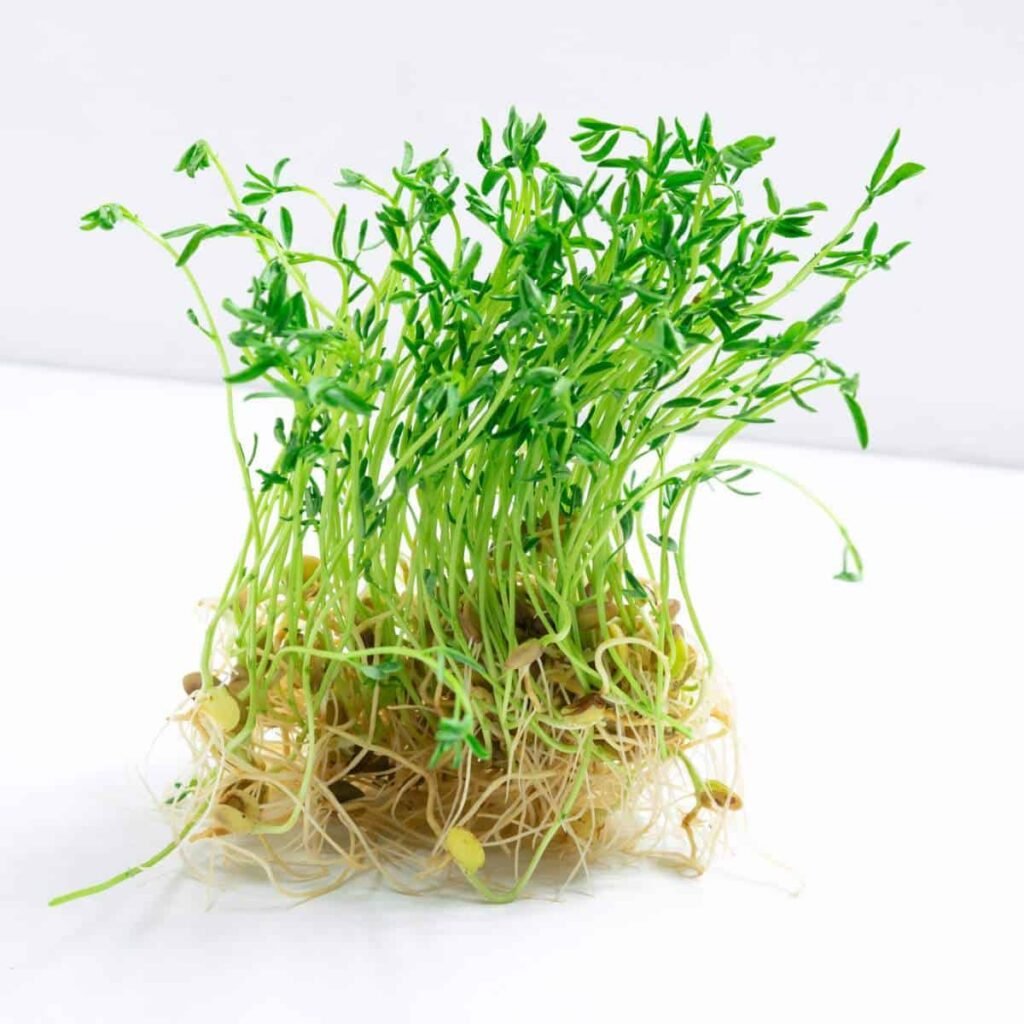
Since lentil sprouts are often eaten raw, it’s important to handle them safely to prevent bacterial contamination. Here are a few safety precautions:
- Always use clean jars, utensils, and water.
- Rinse sprouts thoroughly before consuming.
- Store them in the refrigerator below 40°F (4°C).
- Discard any sprouts that smell sour or appear slimy.
- Vulnerable individuals—such as pregnant women, children, or the elderly—should steam or lightly cook sprouts before eating.
Cooking lentil sprouts for just a few minutes helps eliminate bacteria without significantly reducing nutrients.
7. Sustainability and Eco-Friendly Nutrition
Lentil sprouts are not just good for you—they’re great for the planet. Lentils require minimal water compared to animal protein sources and release almost no greenhouse gases.
Growing sprouts at home eliminates packaging waste and transportation emissions, making them an eco-friendly way to add fresh produce to your meals. They’re the perfect choice for anyone pursuing a sustainable, plant-based lifestyle.
8. Lentil Sprouts vs. Other Sprouts
If you’ve tried other sprouts—like alfalfa, mung bean, or broccoli sprouts—you might wonder how lentil sprouts compare.
| Type | Flavor | Texture | Protein (per cup) | Best For |
|---|---|---|---|---|
| Lentil Sprouts | Earthy & mild | Firm & crunchy | 7g | Salads, wraps, bowls |
| Alfalfa Sprouts | Light & nutty | Delicate | 1g | Sandwiches, garnishes |
| Mung Bean Sprouts | Mild & crisp | Juicy | 3g | Stir-fries, soups |
| Broccoli Sprouts | Peppery | Tender | 2.5g | Smoothies, detox salads |
Lentil sprouts stand out for their high protein and hearty texture, making them ideal for substantial, balanced meals.
9. Where to Buy Lentil Sprouts in the U.S.
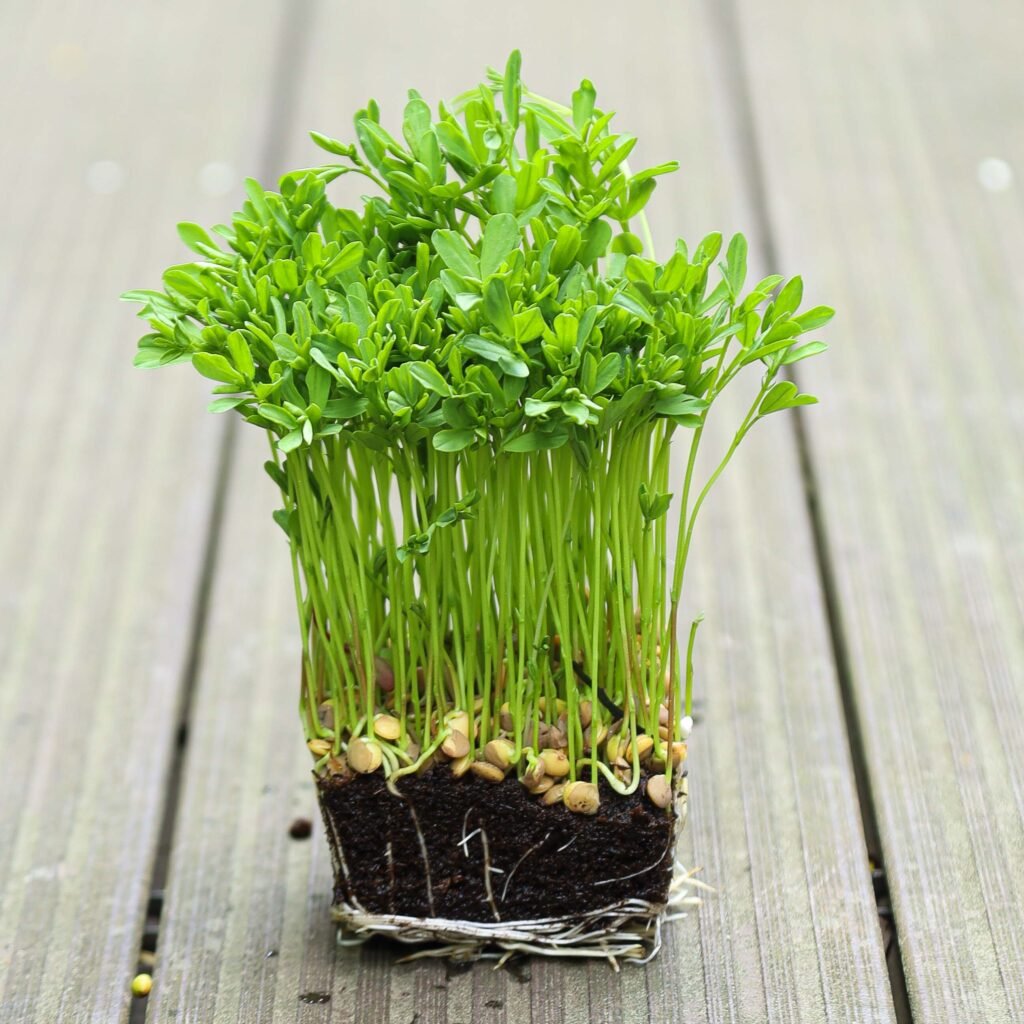
Fresh lentil sprouts are available at many health food stores, farmers’ markets, and grocery chains across the U.S., such as Whole Foods Market, Sprouts Farmers Market, and Kroger.
You can also buy organic sprouting lentils online from trusted suppliers like True Leaf Market, Sprout House, and Amazon to grow your own at home.
10. Final Thoughts: Small Sprouts, Big Impact
Lentil sprouts are one of nature’s most efficient sources of plant-based nutrition—a perfect combination of protein, fiber, vitamins, and minerals in a tiny, crunchy package.
They’re affordable, sustainable, and incredibly easy to grow, making them a smart choice for every American household. Whether you’re a health enthusiast, vegan, or just someone who loves fresh, wholesome food, lentil sprouts can help you take your nutrition to the next level.
So, next time you’re building a salad or a sandwich, don’t forget to sprinkle on some lentil sprouts—they’re your gateway to clean eating and better living.

Leave A Comment