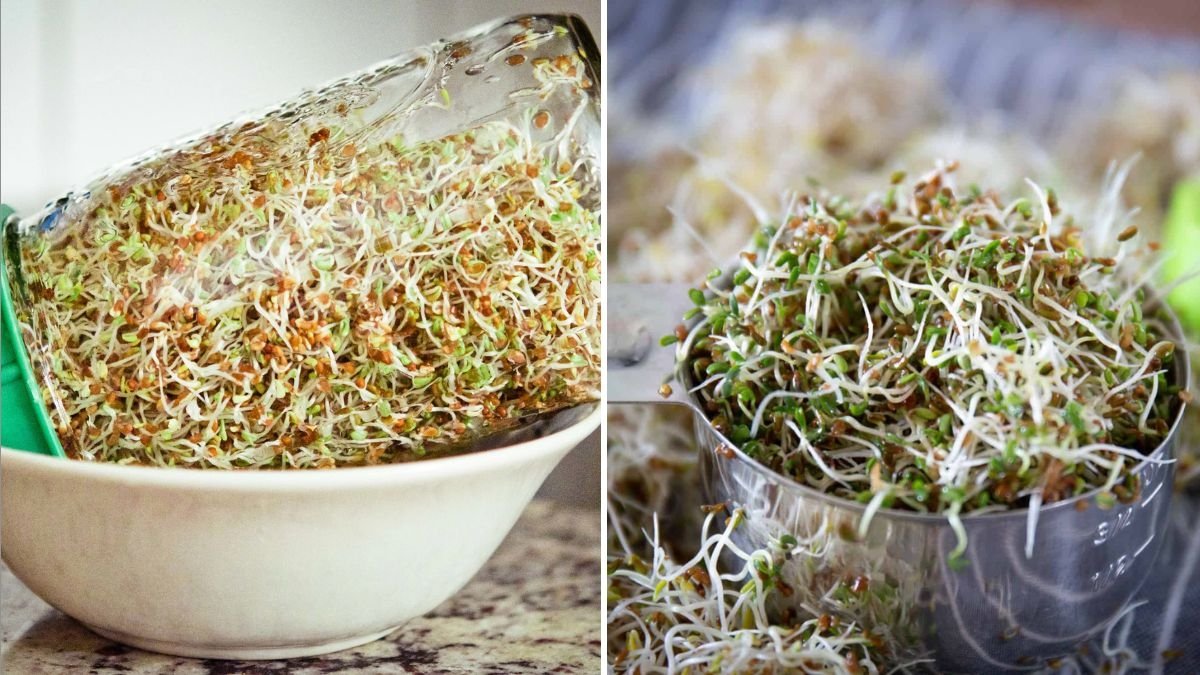
When it comes to eating healthy, few foods pack as much nutrition in such a small package as alfalfa sprouts. These delicate, crisp, and mildly flavored sprouts have been a staple in health-conscious American diets for decades. Whether tossed into salads, layered in sandwiches, or blended into smoothies, alfalfa sprouts offer an effortless way to boost your daily intake of vitamins, minerals, and antioxidants.
In this article, we’ll explore the nutritional benefits, health advantages, growing methods, and culinary uses of alfalfa sprouts, along with some safety and storage tips to ensure you get the most out of this tiny but mighty superfood.
1. What Are Alfalfa Sprouts?
Alfalfa (Medicago sativa) is a legume that has been cultivated for centuries, primarily as animal feed. However, its young shoots—known as alfalfa sprouts—are entirely edible and incredibly nutritious for humans.
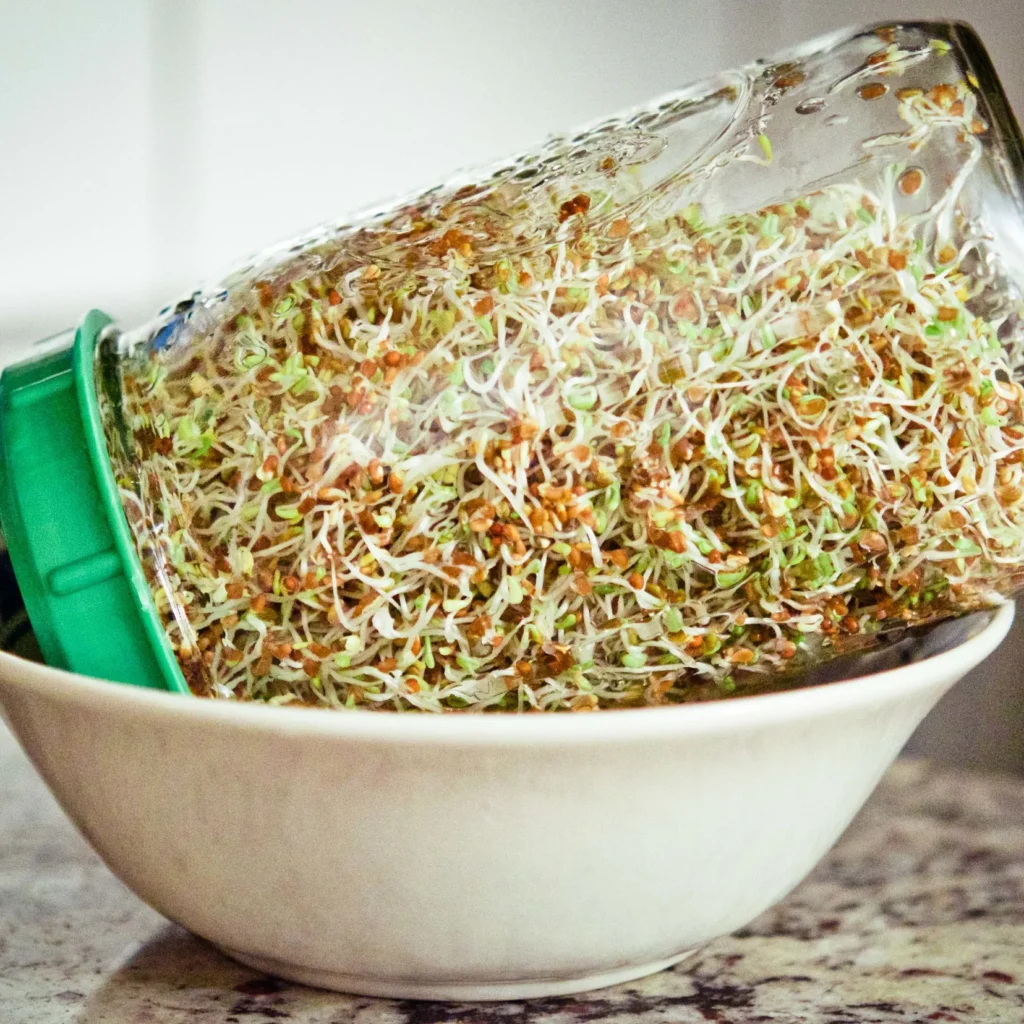
These sprouts are grown by germinating alfalfa seeds in a moist, dark environment for about 4–6 days. The result is a light, crunchy sprout with a subtle nutty taste and fresh aroma, making it a favorite topping for salads, sandwiches, wraps, and more.
Because they are eaten raw, alfalfa sprouts retain all their enzymes and nutrients—something that cooked vegetables can’t always offer.
2. Nutritional Profile: Why Alfalfa Sprouts Deserve a Place on Your Plate
Despite their small size, alfalfa sprouts are nutritional powerhouses. A single cup (about 33 grams) of alfalfa sprouts contains only 8 calories, yet it provides a rich dose of essential nutrients.
Here’s what makes alfalfa sprouts so special:
- Protein: 1.3 grams per cup — ideal for plant-based diets.
- Vitamin K: Vital for bone health and blood clotting.
- Vitamin C: Boosts immunity and helps produce collagen.
- Folate: Supports red blood cell formation and cell growth.
- Calcium & Magnesium: Crucial for strong bones and muscle function.
- Iron: Supports oxygen transport in the body.
In addition, alfalfa sprouts are high in antioxidants, phytoestrogens, and saponins—natural compounds known to support heart health, hormonal balance, and immunity.
3. Health Benefits of Alfalfa Sprouts
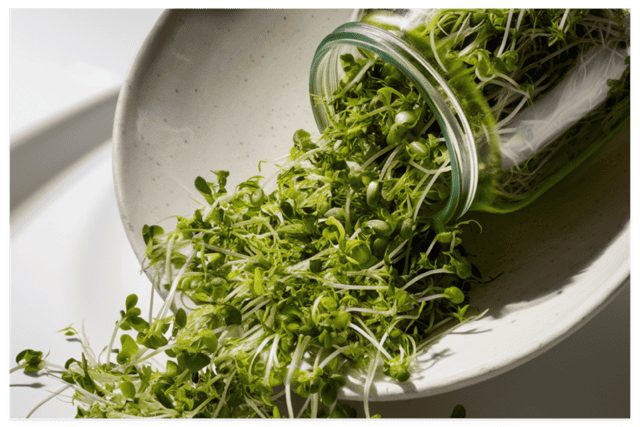
Adding alfalfa sprouts to your meals isn’t just about flavor—it’s a powerful health move. Here are some of the top scientifically backed benefits:
a. Supports Heart Health
Alfalfa sprouts are rich in saponins, plant compounds that can help lower bad cholesterol (LDL) while raising good cholesterol (HDL). Regular consumption may reduce the risk of heart disease and support better blood vessel function.
b. Aids in Blood Sugar Control
Some studies suggest that alfalfa sprouts may help stabilize blood sugar levels due to their high fiber and antioxidant content. This makes them a valuable addition for people managing diabetes or insulin sensitivity.
c. Promotes Bone Health
Thanks to their high vitamin K and calcium content, alfalfa sprouts support bone mineralization and help prevent osteoporosis. Just a small serving can contribute to your daily bone-strengthening nutrients.
d. Enhances Digestive Health
Raw alfalfa sprouts are full of digestive enzymes that help break down food more efficiently. They also provide dietary fiber that promotes regular bowel movements and supports gut health.
e. Supports Hormonal Balance
Alfalfa sprouts contain phytoestrogens—plant-based compounds that mimic estrogen. These may help ease menopausal symptoms like hot flashes and mood swings while promoting hormonal balance.
f. Boosts Immunity and Detoxification
Antioxidants like vitamin C and flavonoids found in alfalfa sprouts protect cells from free radical damage. Combined with their chlorophyll content, they help detoxify the body and strengthen the immune system.
4. How to Grow Alfalfa Sprouts at Home
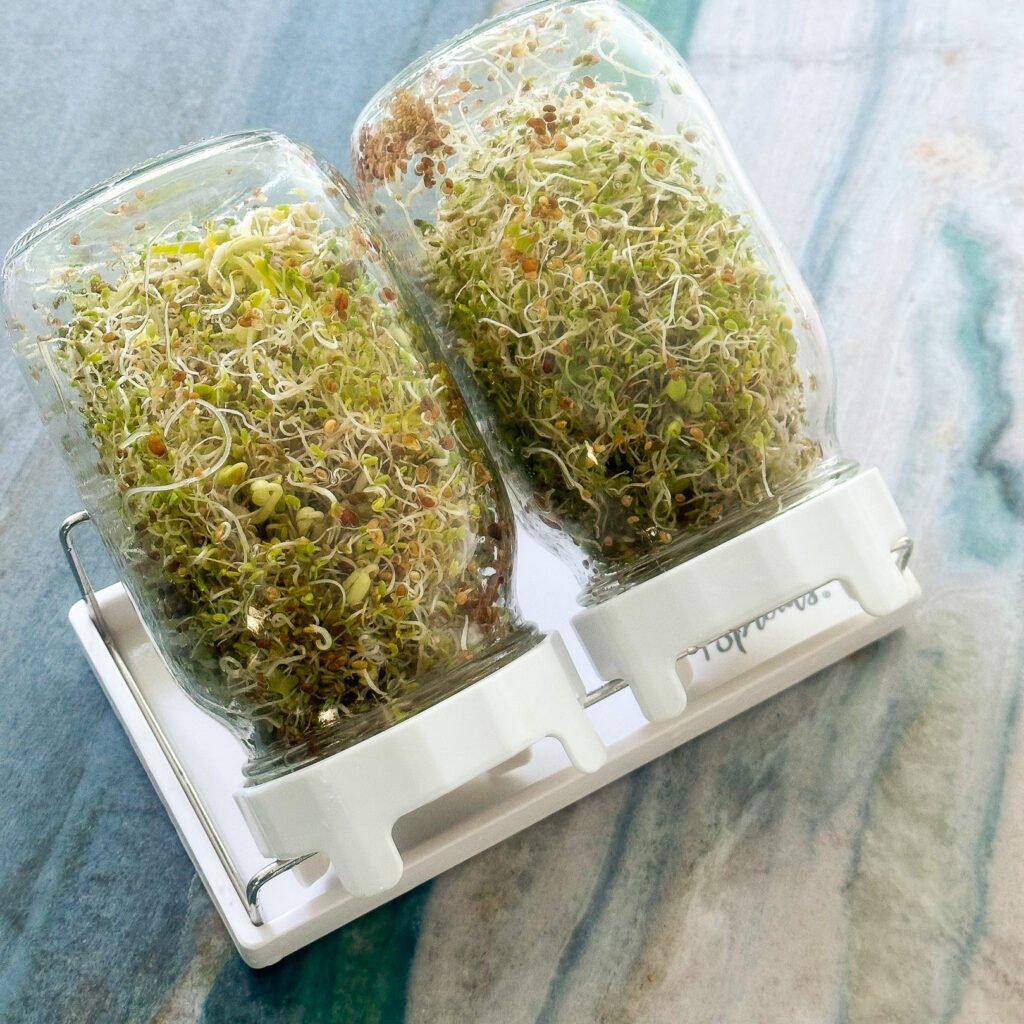
Growing your own alfalfa sprouts is one of the simplest and most rewarding ways to ensure freshness and quality. You don’t need soil, sunlight, or much space—just a jar, water, and patience.
Here’s a simple 5-step guide:
- Soak the Seeds:
Place 1 tablespoon of alfalfa seeds in a glass jar and cover them with about 2 cups of cool water. Let them soak overnight (8–12 hours). - Drain and Rinse:
After soaking, drain the water using a mesh lid or cheesecloth. Rinse the seeds with fresh water and drain again. - Sprouting Time:
Store the jar in a cool, dark spot (like a kitchen cabinet). Rinse and drain the seeds twice daily—morning and evening—to keep them moist and clean. - Harvesting:
In 4–6 days, your sprouts should be about 2 inches long. Move them to indirect sunlight for a few hours to help them turn green and develop chlorophyll. - Storage:
Rinse once more, drain thoroughly, and refrigerate in a clean container. They’ll stay fresh for up to 5 days.
Tip: Always use organic, sprouting-safe seeds and clean water to minimize the risk of bacterial contamination.
5. Culinary Uses: Delicious Ways to Enjoy Alfalfa Sprouts
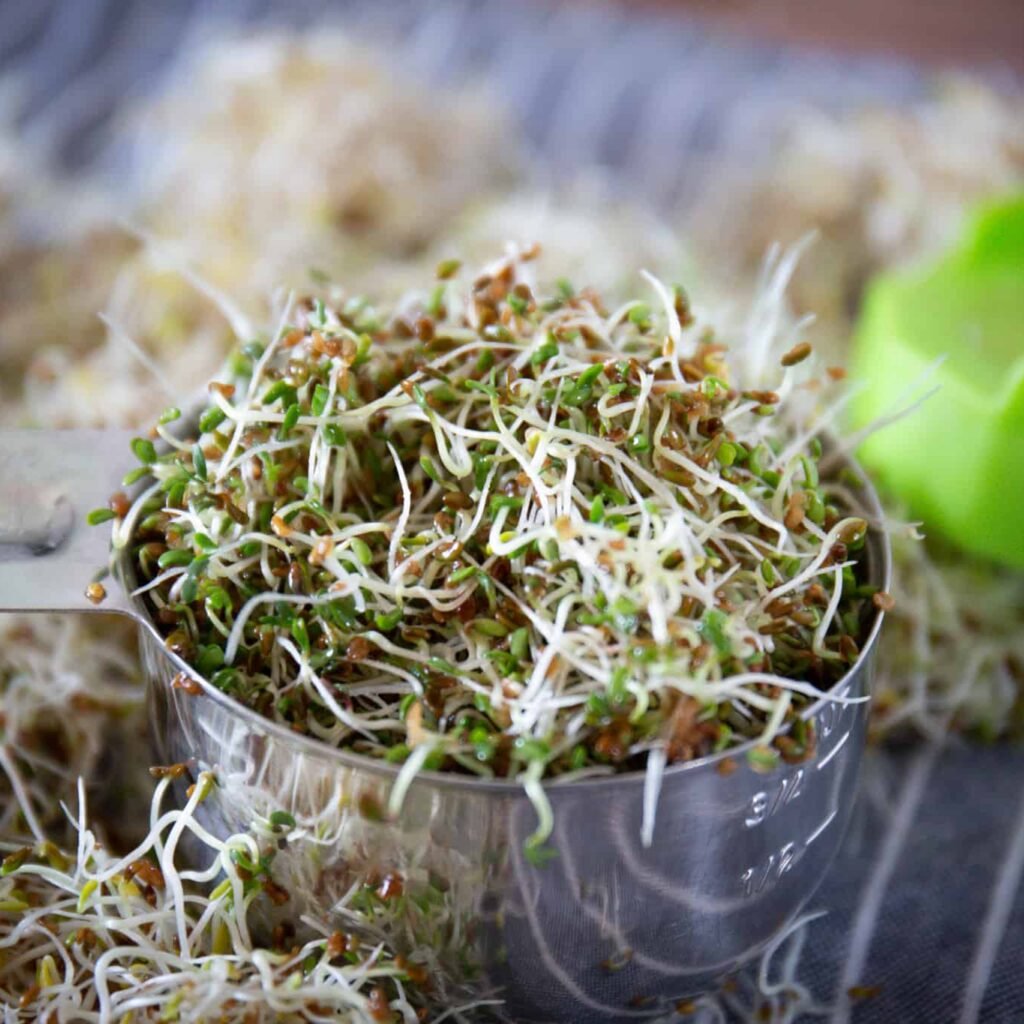
Alfalfa sprouts are as versatile as they are nutritious. Their crisp texture and mild flavor make them a refreshing addition to countless dishes. Here are some American-inspired ideas:
a. In Salads
Mix alfalfa sprouts with leafy greens, cherry tomatoes, avocado, and vinaigrette for a crunchy, nutrient-rich salad.
b. In Sandwiches and Wraps
Layer sprouts in sandwiches or wraps with turkey, cheese, or hummus for added texture and freshness.
c. On Smoothie Bowls
Sprinkle a handful of alfalfa sprouts over smoothie bowls or grain bowls for a natural, earthy bite.
d. In Juices and Smoothies
Blend sprouts into green smoothies with spinach, apple, and lemon for a detox-friendly drink.
e. As a Garnish
Top soups, omelets, or even avocado toast with sprouts for a gourmet finish.
6. Safety Tips for Eating Alfalfa Sprouts
While alfalfa sprouts are healthy, they should be consumed safely because raw sprouts can sometimes harbor bacteria like E. coli or Salmonella.
Here’s how to stay safe:
- Always buy fresh sprouts from trusted sources.
- Rinse them thoroughly before eating.
- Store them in the refrigerator below 40°F (4°C).
- Avoid sprouts that look slimy, smell bad, or appear wilted.
- Pregnant women, older adults, and those with weakened immune systems should consider eating cooked sprouts instead of raw.
You can quickly blanch or lightly sauté them to kill harmful bacteria without losing too many nutrients.
7. Sustainability and Eco-Friendly Value
Alfalfa sprouts aren’t just good for your body—they’re great for the planet.
Growing them requires very little water, no pesticides, and minimal space. Compared to animal protein sources, sprouts have a low carbon footprint and can be cultivated indoors year-round.
This makes them an eco-friendly food option for anyone wanting to embrace a greener, more sustainable lifestyle.
8. Alfalfa Sprouts vs. Other Sprouts
While alfalfa sprouts are often compared to broccoli sprouts, clover sprouts, and mung bean sprouts, they stand out for their light, crisp texture and subtle flavor.
- Broccoli Sprouts: Stronger taste, higher in sulforaphane (a cancer-fighting compound).
- Clover Sprouts: Similar in nutrition but slightly milder.
- Mung Bean Sprouts: Thicker and crunchier, often used in Asian stir-fries.
If you prefer a mild, easy-to-use sprout, alfalfa sprouts are your best bet.
9. Where to Buy Alfalfa Sprouts in the U.S.
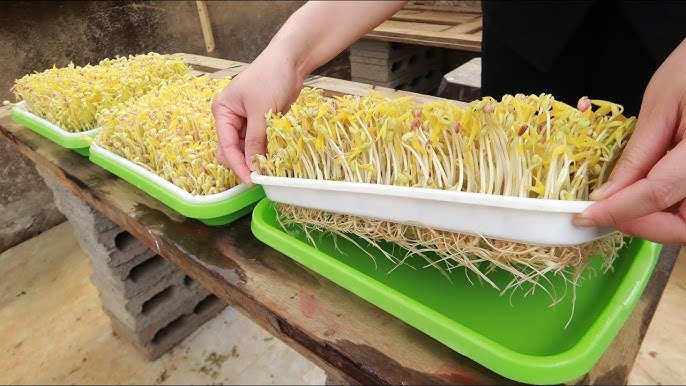
You can find fresh alfalfa sprouts in most major grocery stores across the United States, including Whole Foods, Trader Joe’s, Kroger, and local farmers’ markets.
For home sprouting, purchase organic alfalfa sprouting seeds online from trusted American suppliers like True Leaf Market, Sprout House, or Amazon.
10. Final Thoughts: Tiny Greens, Mighty Benefits
Alfalfa sprouts prove that good things come in small packages. Packed with protein, vitamins, antioxidants, and digestive enzymes, they make an exceptional addition to any diet. Whether you grow them at home or buy them fresh, these crunchy greens can upgrade your meals and support your wellness naturally.
Incorporating alfalfa sprouts into your daily routine is one of the simplest, healthiest, and most sustainable choices you can make. So next time you’re building a salad, sandwich, or smoothie—toss in a handful of these nutrient-packed sprouts and taste the freshness of true vitality.

Leave A Comment