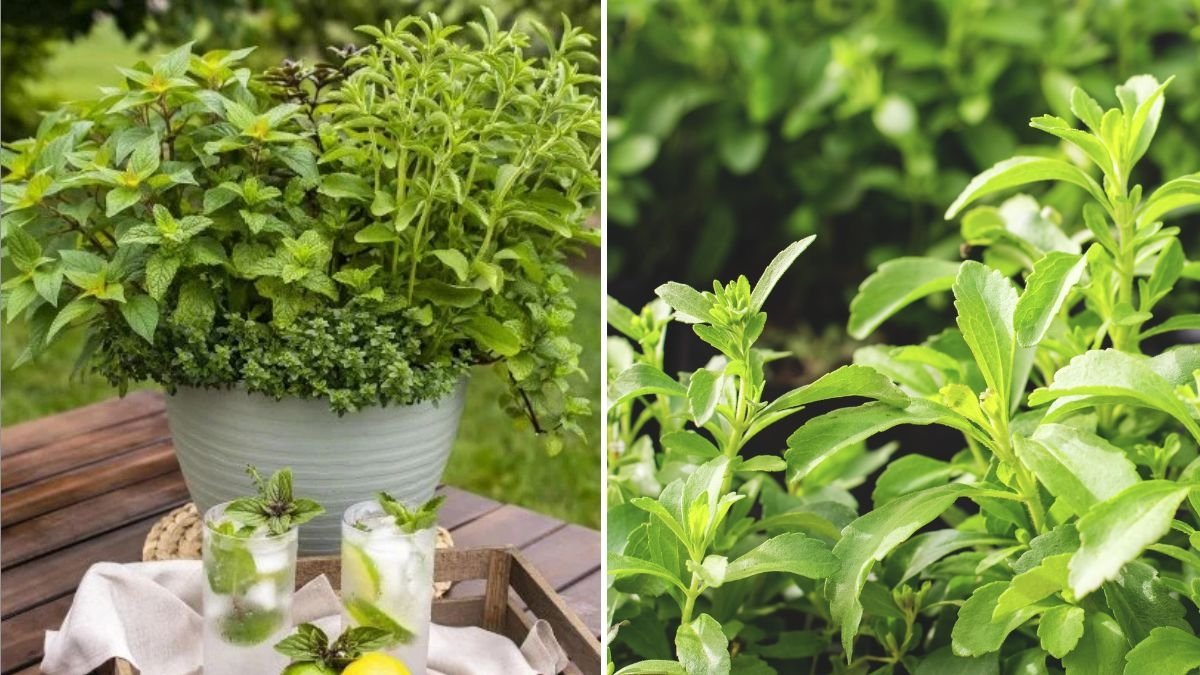
In a world where sugary drinks, desserts, and snacks dominate the American diet, finding a natural, zero-calorie sweetener that actually tastes good can feel like a dream. Enter stevia — the all-natural plant-based sweetener that’s taking over kitchens, cafes, and health-conscious homes across the United States.
Derived from the leaves of the Stevia rebaudiana plant, stevia offers a sweet taste without the calories or sugar spikes, making it a go-to alternative for Americans who want to reduce sugar intake without sacrificing flavor. Whether you’re managing diabetes, following a keto diet, or just trying to eat clean, stevia is the natural solution transforming how Americans sweeten their favorite foods and drinks.
In this guide, we’ll explore the origins, benefits, and uses of stevia, how to grow it in your garden, and why it’s becoming a staple in American health and wellness.
What Is Stevia? The Natural Sweetener from the South American Highlands
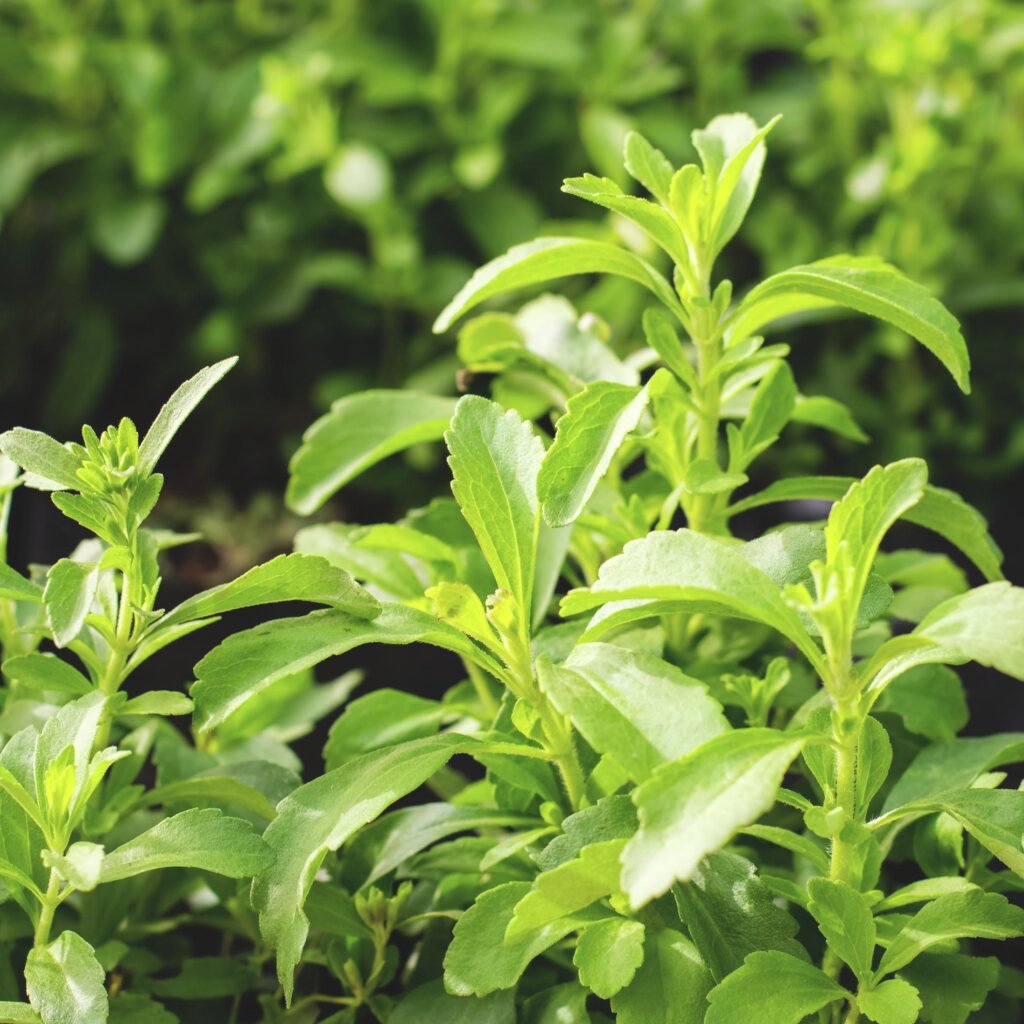
Stevia is a leafy green plant native to Paraguay and Brazil, belonging to the Asteraceae family — the same family as sunflowers and daisies. For centuries, indigenous Guaraní tribes used the sweet leaves of Stevia rebaudiana to flavor teas and medicines.
Today, stevia is cultivated around the world and widely used across the United States as a natural sugar substitute in everything from beverages and baked goods to yogurts and protein shakes.
The sweetness of stevia comes from steviol glycosides, natural compounds found in the plant’s leaves. These compounds are up to 300 times sweeter than sugar, yet completely calorie-free. Unlike artificial sweeteners such as aspartame or sucralose, stevia is plant-derived, non-GMO, and safe for diabetics, making it a favorite in the American wellness market.
Health Benefits of Stevia: Why Americans Are Making the Switch
Stevia’s rise in popularity isn’t just about cutting calories — it’s about embracing a healthier, more balanced lifestyle. Here’s why nutritionists, dietitians, and everyday Americans are choosing stevia over traditional sugar:
1. Zero Calories, 100% Natural
Stevia delivers sweetness without calories or artificial chemicals. It’s extracted from natural leaves and processed without harmful additives, making it an excellent choice for clean eating and weight management.
For Americans trying to reduce sugar consumption, stevia helps satisfy sweet cravings without contributing to obesity or insulin resistance.
2. Safe for Diabetics
Unlike sugar, stevia doesn’t raise blood glucose levels. Research shows that stevia can actually help stabilize blood sugar and improve insulin sensitivity, making it a perfect sugar alternative for people with type 2 diabetes or prediabetes.
3. Supports Weight Management
Cutting sugar is one of the biggest steps toward maintaining a healthy weight. Since stevia has no calories or carbohydrates, it allows Americans to enjoy sweetness while staying on track with their keto, paleo, or low-carb diets.
4. May Lower Blood Pressure
Some studies suggest that stevia may help relax blood vessels and lower blood pressure due to its natural compounds. This makes it a heart-friendly choice for adults aiming to reduce cardiovascular risks.
5. Oral Health Benefits
Unlike sugar, stevia doesn’t feed bacteria that cause tooth decay or cavities. That’s why many natural toothpaste brands in the U.S. now use stevia as a natural flavoring and sweetening agent.
How to Use Stevia in Everyday American Cooking
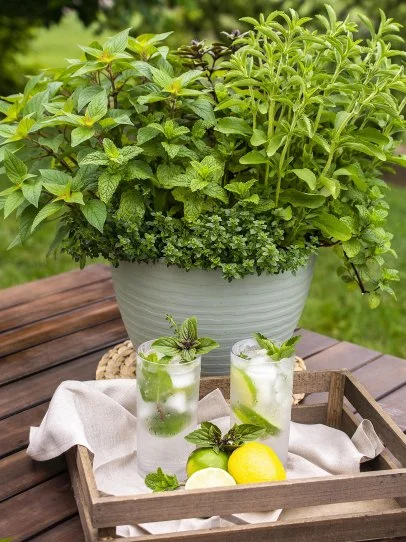
Stevia’s versatility makes it easy to incorporate into your daily life — whether you’re sweetening your morning coffee or baking a batch of cookies. But since stevia is much sweeter than sugar, a little goes a long way.
1. In Beverages
- Add a few drops of liquid stevia to your coffee, iced tea, lemonade, or smoothies.
- Mix powdered stevia into cold drinks for a refreshing, sugar-free alternative.
- Try flavored stevia drops (vanilla, berry, caramel) for a customized drink experience.
2. In Baking and Cooking
Stevia can replace sugar in most recipes, but remember — it’s more concentrated, so use it sparingly.
Conversion tip:
1 teaspoon sugar = about 1/8 teaspoon powdered stevia (depending on the brand).
Because stevia lacks sugar’s bulk, some recipes (like cookies or cakes) may require adjustments — such as adding applesauce, yogurt, or an extra egg to maintain texture.
3. In Sauces and Dressings
Add stevia to tomato sauces, salad dressings, and marinades to balance acidity without added sugar.
4. In Yogurt and Oatmeal
Sprinkle a bit of powdered stevia over Greek yogurt, oatmeal, or fruit bowls for natural sweetness without guilt.
How to Grow Stevia in American Gardens
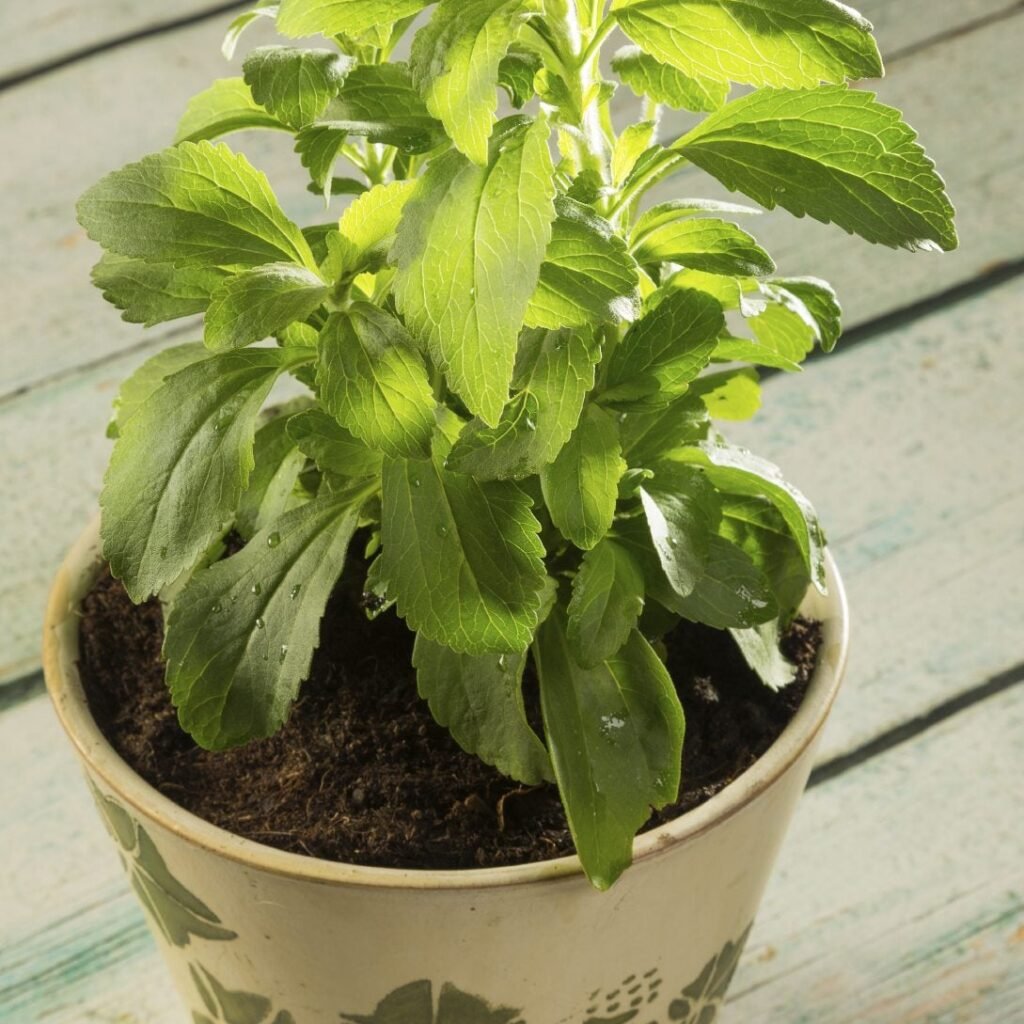
If you love gardening, you’ll be happy to know that stevia is easy to grow at home, especially in warm climates. Native to subtropical regions, it thrives in sunny, well-drained soil — perfect for many parts of the U.S.
1. Ideal Growing Conditions
- USDA Zones: 9–11 (can be grown as an annual in cooler areas).
- Sunlight: Full sun (6–8 hours per day).
- Soil: Light, loamy, and well-draining with a slightly acidic pH (6.5–7.5).
2. Planting Tips
- Start with stevia cuttings or seedlings rather than seeds (they germinate slowly).
- Plant outdoors after the last frost.
- Space plants 18 inches apart.
- Water regularly, but don’t overwater — stevia dislikes soggy soil.
3. Maintenance
- Pinch off flower buds to encourage leaf growth.
- Fertilize monthly with organic compost or liquid fertilizer.
- Protect plants from frost if you live in cooler regions by growing them in pots and bringing them indoors for winter.
4. Harvesting Stevia Leaves
Harvest leaves just before flowering, when sweetness is highest. Simply snip the stems and air-dry the leaves in a shaded area. Once dry, crush or grind them into a powder.
Pro Tip: Store dried leaves in airtight jars — they retain their sweetness for up to a year!
DIY Stevia Recipes You’ll Love
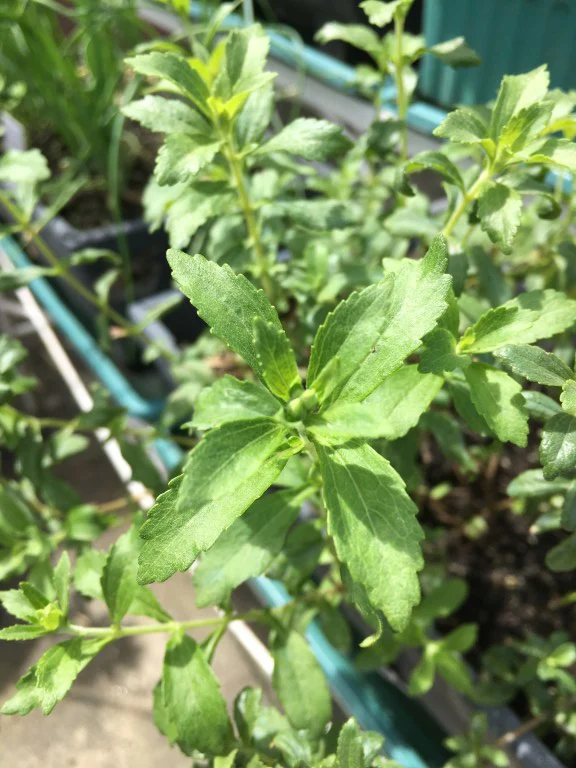
Ready to add stevia to your healthy American lifestyle? Try these easy and delicious recipes:
1. Homemade Stevia Extract
- Fill a glass jar with crushed stevia leaves.
- Cover with high-proof vodka or rum.
- Let it sit for 36–48 hours, then strain and store in a dropper bottle.
Use a few drops in tea, coffee, or desserts.
2. Sugar-Free Lemonade
- 4 cups cold water
- Juice of 3 lemons
- 1/4 teaspoon stevia powder (or 8–10 drops liquid stevia)
- Mix and chill for a refreshing summer drink.
3. Guilt-Free Chocolate Smoothie
- 1 banana
- 1 cup almond milk
- 1 tablespoon cocoa powder
- 1/4 teaspoon stevia
- Blend and enjoy a sweet, sugar-free treat!
4. Stevia Sweetened Iced Coffee
Mix cold brew coffee with milk (or oat milk), ice, and a few drops of vanilla stevia for a healthier version of your favorite coffeehouse drink.
Stevia vs. Artificial Sweeteners: Why Americans Prefer Natural
With so many sugar substitutes available — from aspartame to sucralose — why is stevia emerging as the favorite among Americans? The answer lies in nature, taste, and trust.
| Sweetener | Calories | Natural or Artificial | Common Concerns |
|---|---|---|---|
| Sugar | 16 per tsp | Natural | High calories, spikes insulin |
| Aspartame | 0 | Artificial | Linked to headaches, digestion issues |
| Sucralose (Splenda) | 0 | Artificial | Alters gut bacteria |
| Stevia | 0 | Natural plant-based | Safe, sustainable, and diabetic-friendly |
Americans are becoming increasingly aware of the health impacts of artificial additives. Stevia offers a clean, plant-based alternative that fits perfectly with the nation’s growing demand for organic and non-GMO foods.
Stevia in American Wellness and Sustainability
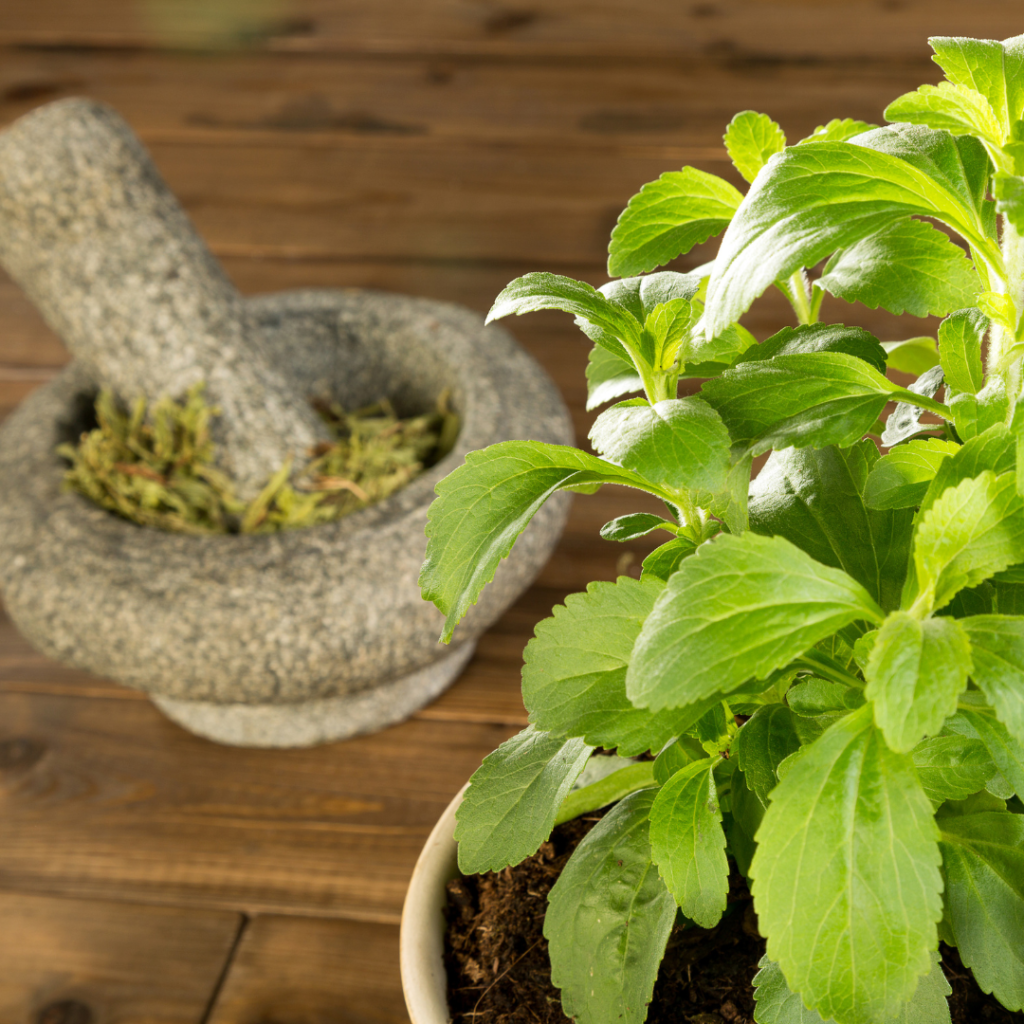
As Americans embrace healthier living, stevia is more than just a sugar substitute — it’s part of a larger movement toward sustainability and mindful eating.
- Eco-friendly cultivation: Stevia requires far less land and water compared to sugarcane.
- Low-carbon footprint: Producing stevia sweetener emits fewer greenhouse gases than refining sugar.
- Supports local gardening: Homegrown stevia lets families make natural sweeteners without chemicals or packaging waste.
Major food companies in the U.S., including Coca-Cola, PepsiCo, and Hershey’s, are now using stevia to create reduced-sugar beverages and snacks, proving that this humble plant is transforming America’s food industry.
Fun Facts About Stevia
- Stevia was approved by the U.S. FDA in 2008 as a safe natural sweetener.
- It’s up to 300 times sweeter than sugar — but without the calories.
- Japan has been using stevia in foods since the 1970s.
- In the U.S., stevia is one of the fastest-growing natural sweetener markets.
- One small stevia plant can sweeten your coffee all year long!
Conclusion: Stevia — Sweetness Without the Guilt
In a health-conscious America, stevia has emerged as a true game-changer — delivering sweetness that’s natural, safe, and sustainable. From diabetics managing blood sugar to fitness lovers cutting carbs, stevia allows everyone to enjoy life’s sweet moments without the risks of refined sugar.
Whether you grow it in your garden, use it in your morning coffee, or bake it into your favorite treats, stevia is the perfect way to embrace a healthier, greener, and guilt-free lifestyle.
So next time you reach for sugar, think stevia — the plant that’s making America’s sweet tooth a little bit smarter.

Leave A Comment