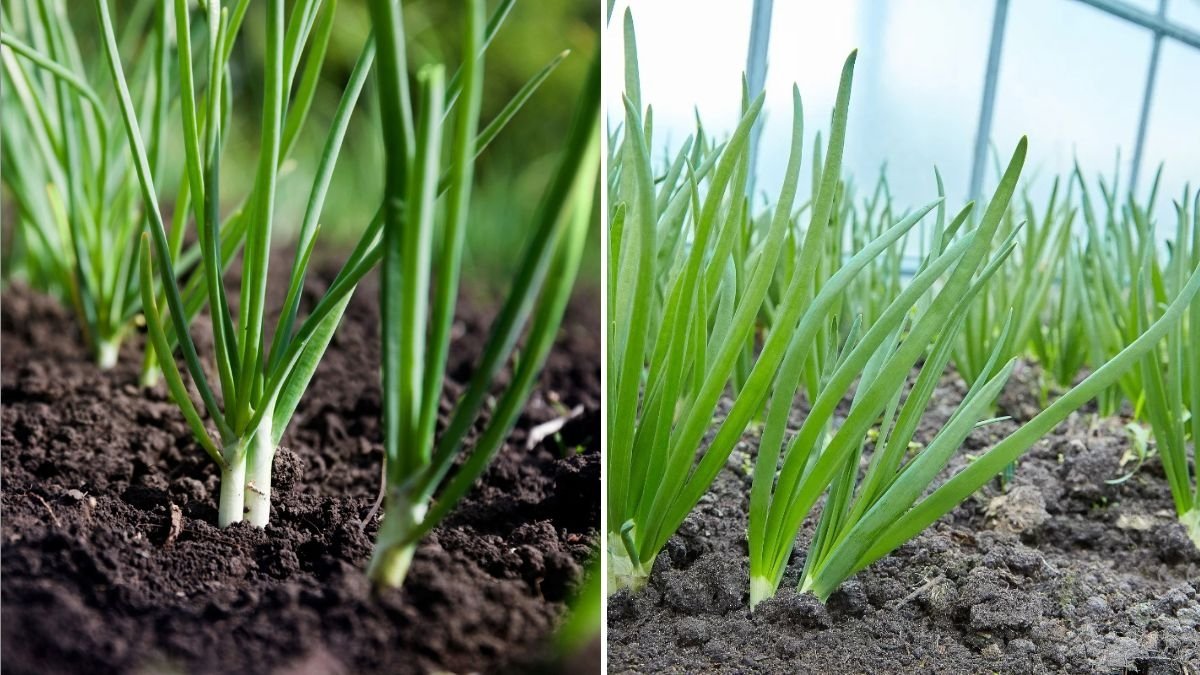
Move over scallions—there’s a new allium in town. The Welsh onion, with its mild flavor, tender stalks, and endless versatility, is quickly gaining popularity in American kitchens. Often mistaken for green onions or spring onions, this flavorful herb is not actually from Wales but is loved worldwide for its culinary flexibility and nutritional punch.
From soups and stir-fries to salads and sauces, Welsh onions bring a fresh, delicate flavor that elevates everyday dishes. Packed with vitamins, antioxidants, and fiber, they also offer significant health benefits while adding a crisp texture and subtle sweetness to your meals.
Let’s explore why this humble green vegetable deserves a spotlight—its origins, nutrition, health advantages, and irresistible ways to use it in modern American cooking.
What Is a Welsh Onion?
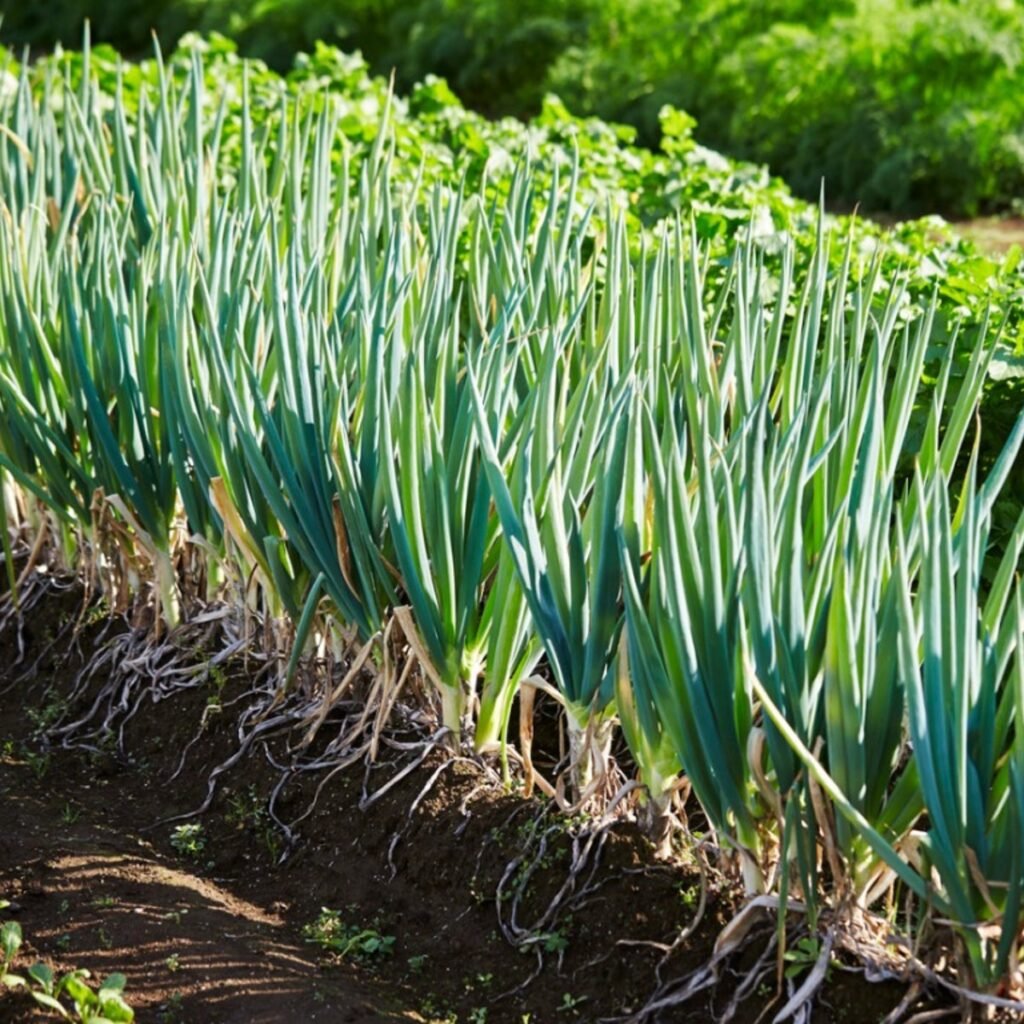
Despite its name, the Welsh onion (Allium fistulosum) is not native to Wales. The term “Welsh” actually comes from an old English word meaning “foreign” or “non-native.” This perennial plant is originally from Asia, particularly China and Siberia, and has been a staple in Asian cuisines for thousands of years.
In the U.S., Welsh onions are often confused with green onions or scallions, but there’s a subtle difference:
- Welsh onions are perennial (they regrow every year), while green onions are annuals.
- Their flavor is slightly stronger and more aromatic than typical scallions.
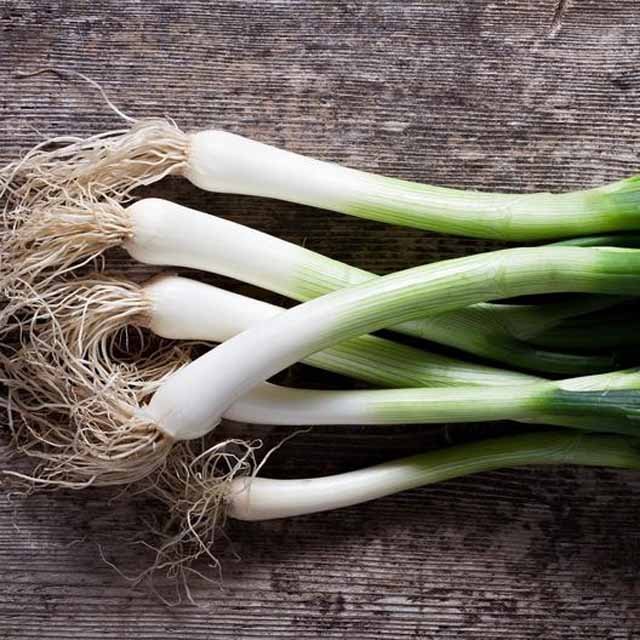
- They have a thicker base but never form full bulbs like common onions.
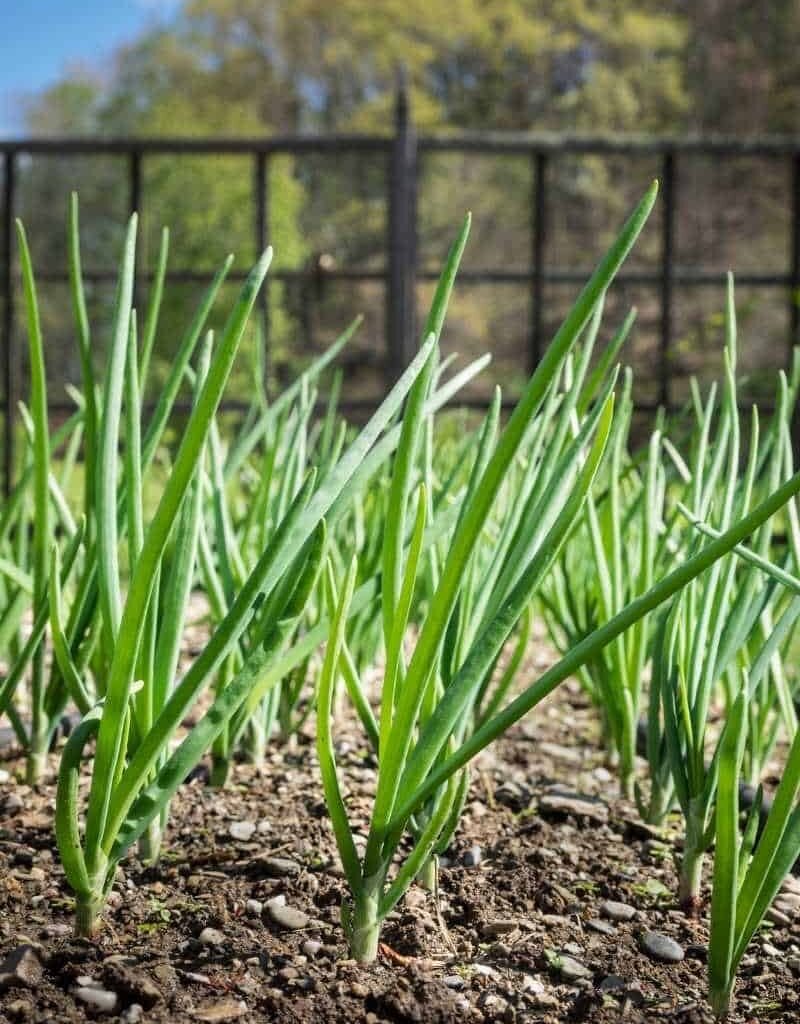
With long, hollow green leaves and tender white stalks, Welsh onions offer a refreshing, mildly spicy taste that pairs beautifully with meats, eggs, noodles, and soups.
Nutritional Value of Welsh Onions
Welsh onions may look small and simple, but they’re nutritional powerhouses loaded with essential vitamins, minerals, and antioxidants.
A 100-gram serving provides approximately:
- Calories: 32
- Protein: 1.8 g
- Fiber: 2.5 g
- Vitamin A: 22% of the daily recommended intake
- Vitamin C: 30% of the daily recommended intake
- Vitamin K: 120% of the daily recommended intake
- Folate, Calcium, Potassium, and Iron: small but beneficial amounts
These greens are low in calories yet rich in immune-boosting nutrients and anti-inflammatory compounds, making them an excellent addition to a balanced diet.
Health Benefits of Welsh Onions
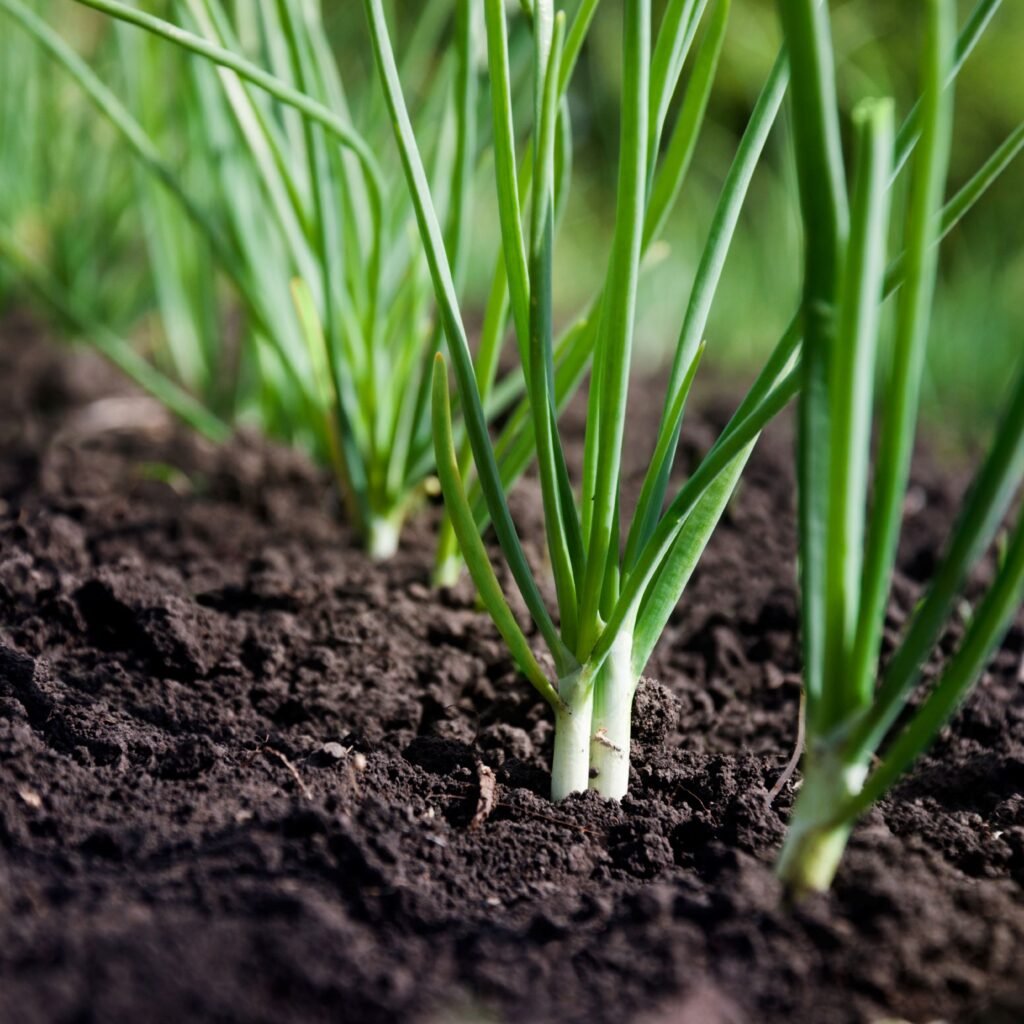
Beyond their culinary appeal, Welsh onions are celebrated for their wide range of health benefits.
1. Boosts Immunity
Packed with vitamin C and antioxidants, Welsh onions help strengthen your immune system, fight off infections, and keep your skin healthy.
2. Promotes Heart Health
The sulfur compounds (like allicin) found in Welsh onions can help reduce cholesterol levels and support healthy blood pressure, promoting long-term cardiovascular wellness.
3. Supports Bone Health
Thanks to their impressive vitamin K content, Welsh onions play an important role in maintaining bone density and preventing osteoporosis.
4. Aids Digestion
Rich in fiber, they promote good digestion, prevent constipation, and support a healthy gut microbiome.
5. Helps Regulate Blood Sugar
Some studies suggest that allium vegetables like Welsh onions may help control blood sugar by improving insulin sensitivity.
6. Detoxifies Naturally
The chlorophyll and sulfur compounds in Welsh onions support liver function and assist in natural detoxification.
7. Promotes Clear Skin
Their combination of vitamins A and C, plus antioxidants, helps combat oxidative stress and promotes a healthy, youthful complexion.
Growing Welsh Onions at Home
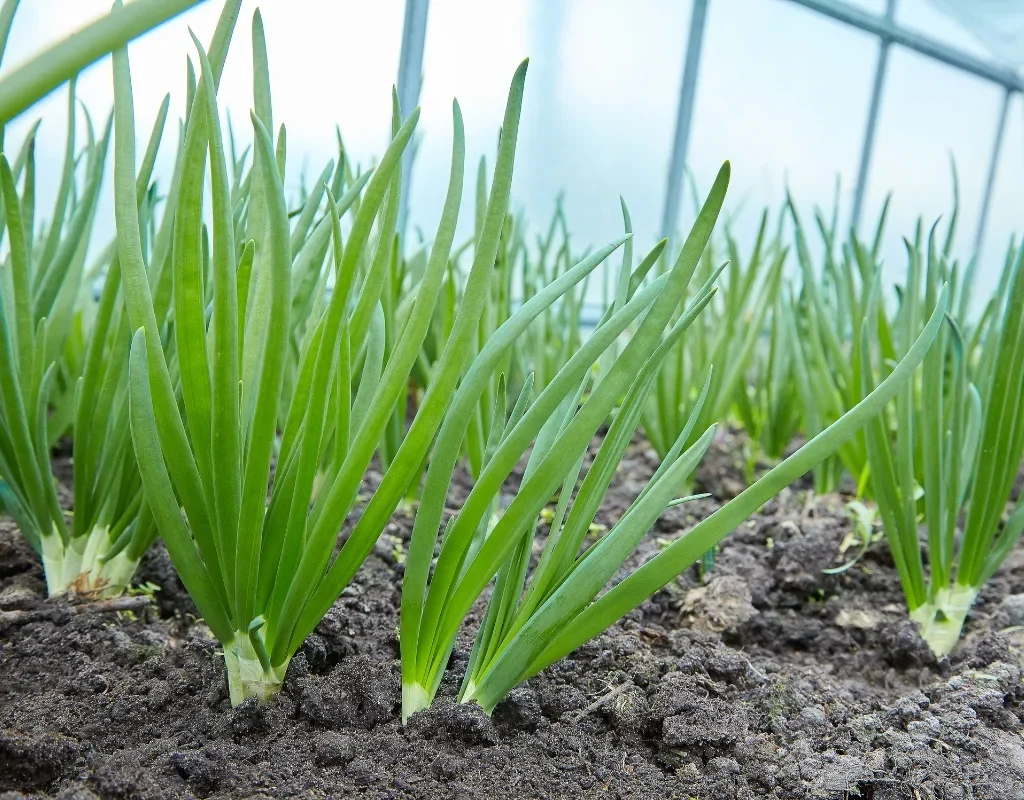
If you love fresh produce, Welsh onions are one of the easiest herbs to grow—whether in your backyard garden or a sunny windowsill pot.
Here’s how to get started:
- Planting:
- Use fertile, well-draining soil and full sun.
- You can plant seeds or divide existing clumps from another plant.
- Sow seeds about ½ inch deep, spacing them 6 inches apart.
- Watering:
- Keep the soil consistently moist but not waterlogged.
- Maintenance:
- Trim the leaves regularly to encourage new growth.
- Welsh onions are perennials, meaning they’ll regrow each season with little effort.
- Harvesting:
- Cut the greens when they’re 8–10 inches tall.
- You can harvest year-round in mild climates.
Bonus Tip: The more you harvest, the more they’ll grow! These hardy greens thrive in most American climates and make a great low-maintenance addition to any kitchen garden.
How to Store Welsh Onions
To keep your Welsh onions fresh and flavorful:
- Refrigerate: Wrap them in a damp paper towel and store inside a perforated plastic bag for up to 7 days.
- Freeze: Chop them into small pieces, place them in freezer-safe bags, and store for up to 3 months.
- Drying: Air-dry or use a dehydrator for longer storage, though fresh onions retain better flavor.
How to Use Welsh Onions in Cooking
Welsh onions are wonderfully versatile—they can be enjoyed raw or cooked in countless ways. Their mild flavor works perfectly in both traditional and modern dishes.
Here are some delicious ways to bring Welsh onions into your kitchen:
1. Welsh Onion Omelet
Whisk eggs with chopped Welsh onions, a splash of milk, and salt. Cook until fluffy for a quick and healthy breakfast.
2. Soups and Broths
Add Welsh onions to chicken soup, miso broth, or vegetable stock for a light, aromatic depth.
3. Stir-Fries
Toss chopped Welsh onions into stir-fried noodles, beef, or tofu dishes. Their gentle spice enhances both Asian and American-style stir-fries.
4. Grilled or Roasted
Brush with olive oil, season lightly, and grill or roast until tender for a smoky-sweet side dish.
5. Welsh Onion Pancakes
A popular street-food-inspired dish—mix chopped Welsh onions with flour, water, and egg, then pan-fry until golden.
6. Toppings and Garnishes
Sprinkle chopped Welsh onions over mashed potatoes, tacos, baked fish, or pasta for an instant flavor lift.
7. Salads and Salsas
Use them raw in green salads or combine with tomatoes, avocado, and lime juice for a zesty onion salsa.
Cooking Tips for Welsh Onions
- Add late in cooking: To preserve their bright flavor and crunch, add Welsh onions toward the end of cooking.
- Pair with herbs: They blend beautifully with garlic, ginger, cilantro, and parsley.
- Use both white and green parts: The white stalks offer stronger flavor, while the greens are mild and great for garnishing.
- Balance flavors: Their subtle heat pairs well with creamy or savory ingredients like cheese, eggs, and soy sauce.
Welsh Onions in American Cuisine
Once a staple in Asian cooking, Welsh onions have become a popular ingredient in American cuisine, especially as more home cooks embrace fresh, global flavors.
You’ll now find them featured in:
- Farm-to-table dishes at modern American restaurants
- Fusion recipes, like Korean BBQ tacos or scallion pancakes
- Brunch menus, used in omelets, quiches, and breakfast bowls
- Healthy meal preps, adding color and nutrients to salads and grain bowls
Their mild taste and nutritional value make them a perfect fit for the growing American trend toward fresh, clean, and seasonal cooking.
Fun Facts About Welsh Onions
- Not Actually Welsh: The name “Welsh onion” comes from the Old English word welisc, meaning “foreign,” not from Wales.
- Ancient Herb: They’ve been cultivated for over 2,000 years in China and Japan.
- Bee Magnet: Their flowers attract bees and other pollinators, making them a great companion plant for gardens.
- Year-Round Greens: In mild climates, Welsh onions can produce fresh shoots all year long.
- Zero-Waste Herb: Every part of the plant—from the bulb to the flower—is edible and delicious.
Why You Should Add Welsh Onions to Your Diet
With their delicate flavor, high nutrition, and easy adaptability, Welsh onions are one of the most rewarding greens to grow and cook with.
They fit seamlessly into both traditional American dishes and global-inspired recipes, making them ideal for adventurous eaters and health-conscious cooks alike.
Whether tossed into a salad, blended into soup, or grilled alongside a steak, Welsh onions deliver freshness, color, and a light garlicky-onion note that enhances every meal.
Conclusion
The Welsh onion may not have the fame of its allium cousins, but it’s every bit as flavorful and nutritious. Easy to grow, simple to cook, and endlessly versatile, it’s the kind of ingredient that quietly transforms your cooking from ordinary to exceptional.
So the next time you’re shopping for greens, skip the usual scallions and pick up a bunch of Welsh onions instead. Their crisp texture, subtle heat, and nutrient-packed goodness will bring a touch of elegance and freshness to any dish.

Leave A Comment