
Ginger, a fragrant and zesty root, has been celebrated for centuries for its culinary versatility and remarkable health benefits. From warming teas and savory stir-fries to baked goods and marinades, ginger is a staple ingredient in both traditional medicine and modern kitchens. In the United States, ginger is increasingly popular among home cooks, health-conscious eaters, and food enthusiasts, thanks to its unique flavor and wellness properties.
This comprehensive guide will explore everything you need to know about ginger, including its nutritional benefits, medicinal properties, preparation tips, cooking methods, and creative recipes that fit seamlessly into American cuisine.
What is Ginger?

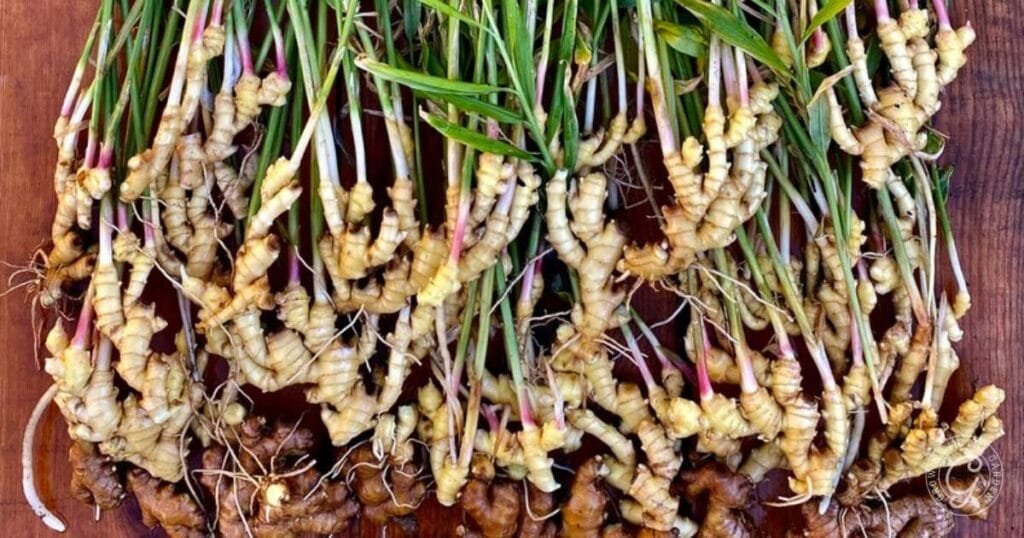
Ginger (Zingiber officinale) is a rhizome, or underground stem, characterized by its knobby appearance and brown skin. The flesh inside can be pale yellow, pinkish, or ivory in color. Its warm, peppery, and slightly sweet flavor makes it a versatile ingredient suitable for savory dishes, sweet desserts, beverages, and sauces.
Ginger is widely used across the globe, particularly in Asian, Caribbean, and Middle Eastern cuisines. In American kitchens, fresh and powdered ginger is employed to enhance flavors, add warmth, and support wellness.
Pro Tip: Choose ginger roots that are firm, plump, and smooth. Avoid roots that are wrinkled, moldy, or soft. Fresh ginger is more aromatic and flavorful than older or dried roots.
Nutritional Benefits of Ginger
Ginger is low in calories yet rich in bioactive compounds that provide significant health benefits:
- Gingerol: The primary bioactive compound with antioxidant and anti-inflammatory properties.
- Vitamin C: Boosts immunity and promotes skin health.
- Magnesium: Supports bone health and metabolism.
- Potassium: Helps regulate blood pressure and supports heart health.
- Fiber: Promotes digestive wellness.
Pro Tip: Fresh ginger offers higher levels of bioactive compounds than powdered forms, though both are beneficial.
Health Benefits of Ginger
- Reduces Inflammation: Gingerol has strong anti-inflammatory properties, which may help with conditions like arthritis and muscle soreness.
- Supports Digestion: Ginger stimulates digestive enzymes, alleviates bloating, and reduces nausea.
- Boosts Immunity: Antioxidants in ginger help protect cells and support the immune system.
- Relieves Nausea: Effective for motion sickness, morning sickness, and post-surgery nausea.
- Supports Heart Health: May help reduce cholesterol levels and improve circulation.
Pro Tip: Incorporate ginger into your daily diet through teas, smoothies, or meals to maximize its health-promoting benefits.
How to Prepare Ginger
Ginger is incredibly versatile and can be used in fresh, dried, powdered, pickled, or candied forms. Here’s how to prepare it:
- Peel: Use a spoon or vegetable peeler to remove the thin brown skin.
- Grate: Ideal for sauces, dressings, or marinades.
- Slice: Perfect for teas, stir-fries, and soups.
- Chop: Works well in curries, baked goods, and sautés.
- Juice: Blend fresh ginger with water or citrus for beverages.
Pro Tip: Freeze fresh ginger in an airtight container to prolong its shelf life. Frozen ginger is easier to grate directly from the freezer.
Ginger Recipes to Try
Here are some delicious ways to incorporate ginger into your American kitchen:
1. Ginger Tea
- Slice fresh ginger and steep in hot water for 10–15 minutes.
- Add honey or lemon for a soothing, immunity-boosting drink.
2. Ginger-Glazed Carrots
- Sauté sliced carrots with butter, ginger, and brown sugar.
- Cook until tender and lightly caramelized.
- Perfect for a festive side dish.
3. Ginger Chicken Stir-Fry
- Sauté chicken pieces with garlic, ginger, and vegetables.
- Add soy sauce, sesame oil, and a touch of honey.
- Serve over rice or noodles for a quick, flavorful dinner.
4. Gingerbread Cookies
- Mix ground ginger with cinnamon, nutmeg, flour, butter, and sugar.
- Bake until soft or crisp.
- A perfect holiday treat for families and parties.
5. Ginger Smoothie
- Blend fresh ginger with banana, pineapple, spinach, and almond milk.
- Add a touch of honey or coconut water for sweetness and hydration.
- Enjoy a refreshing, metabolism-boosting drink.
Pro Tip: Fresh ginger pairs beautifully with garlic, soy sauce, honey, citrus, cinnamon, and nutmeg, making it ideal for both savory and sweet recipes.
Storage Tips for Ginger

Proper storage ensures ginger stays fresh, flavorful, and potent:
- Store fresh ginger in the refrigerator in a paper bag for up to 3 weeks.
- Freeze peeled or unpeeled ginger in an airtight container for 3–6 months.
- Dried or powdered ginger should be kept in a cool, dark, dry place, away from sunlight.
- Pickled or candied ginger can be stored in sealed jars in the refrigerator for several months.
Pro Tip: Keep a small piece of fresh ginger in your freezer for quick use in teas, soups, or stir-fries.
Why Ginger is Popular in American Kitchens
Ginger’s popularity in the U.S. continues to grow due to:
- Health Trends: Recognized for its anti-inflammatory, antioxidant, and digestive properties.
- Culinary Versatility: Suitable for teas, marinades, sauces, baked goods, and beverages.
- Unique Flavor Profile: Adds warmth, zest, and aromatic complexity to dishes.
- Fusion Cuisine: Perfect for Asian-American recipes, wellness drinks, and seasonal treats.
- Diet-Friendly: Works in vegan, gluten-free, paleo, and low-calorie diets.
Pro Tip: Use ginger creatively in smoothie bowls, roasted vegetables, baked goods, soups, and marinades for a nutritious flavor boost.
Fun Facts About Ginger

- Ginger has been used for over 5,000 years for both culinary and medicinal purposes.
- It is native to Southeast Asia but is now cultivated worldwide.
- Ginger can be used fresh, dried, powdered, pickled, or candied in recipes.
- It has been traditionally used to treat digestive issues, colds, flu, and nausea.
- Ginger pairs exceptionally well with garlic, citrus, honey, soy sauce, cinnamon, and nutmeg.
Conclusion: Why You Should Add Ginger to Your Diet
Ginger is a nutritious, versatile, and flavorful root that should have a place in every American kitchen. Its zesty, warming flavor and impressive health benefits make it perfect for teas, stir-fries, baked goods, smoothies, and sauces.
Adding ginger to your meals provides:
- Antioxidant and anti-inflammatory support for overall wellness.
- Digestive and immune system benefits.
- Culinary versatility for both sweet and savory dishes.
- Diet-friendly options for gluten-free, vegan, or low-calorie eating plans.
Whether you’re boosting immunity, exploring international flavors, or adding zest to everyday meals, ginger is a delicious and health-promoting root worth incorporating into your diet.

Leave A Comment