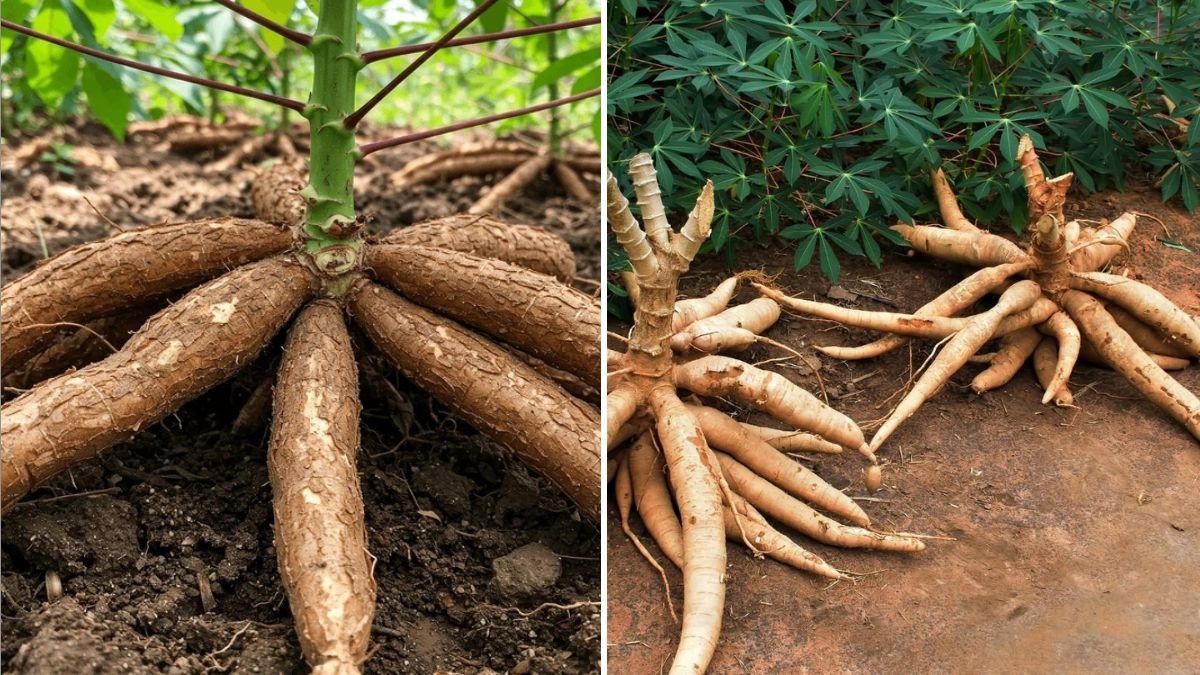
Cassava, also known as yuca or manioc, is a starchy root vegetable that has been a staple in diets across Africa, South America, and Asia for centuries. Known for its mild flavor, dense texture, and versatility, cassava is now gaining popularity in American kitchens due to its nutritional benefits, gluten-free properties, and culinary flexibility.
This guide will cover everything you need to know about cassava: its health benefits, preparation tips, cooking methods, and delicious recipes that fit modern American lifestyles.
What is Cassava?
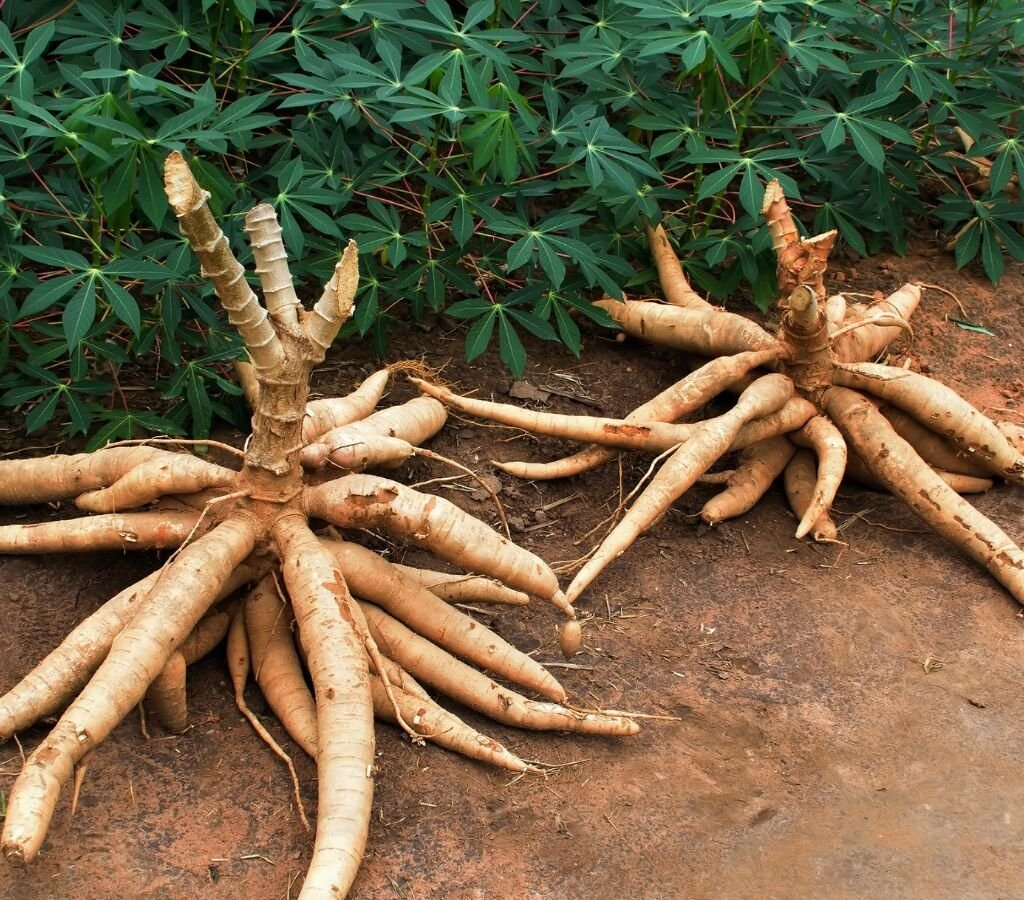
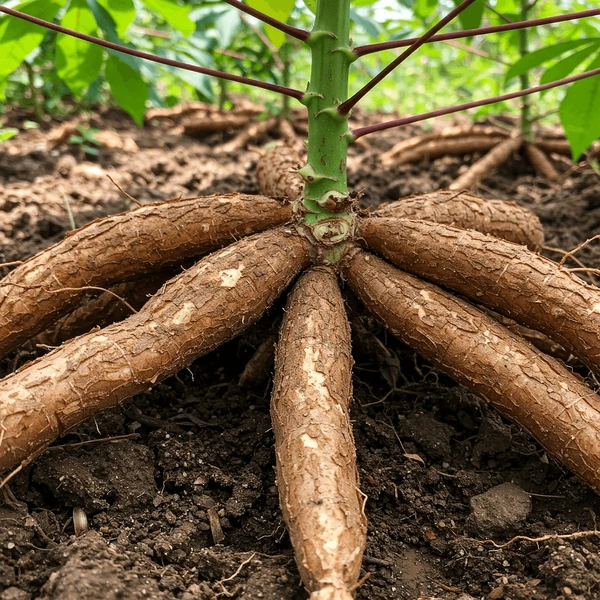
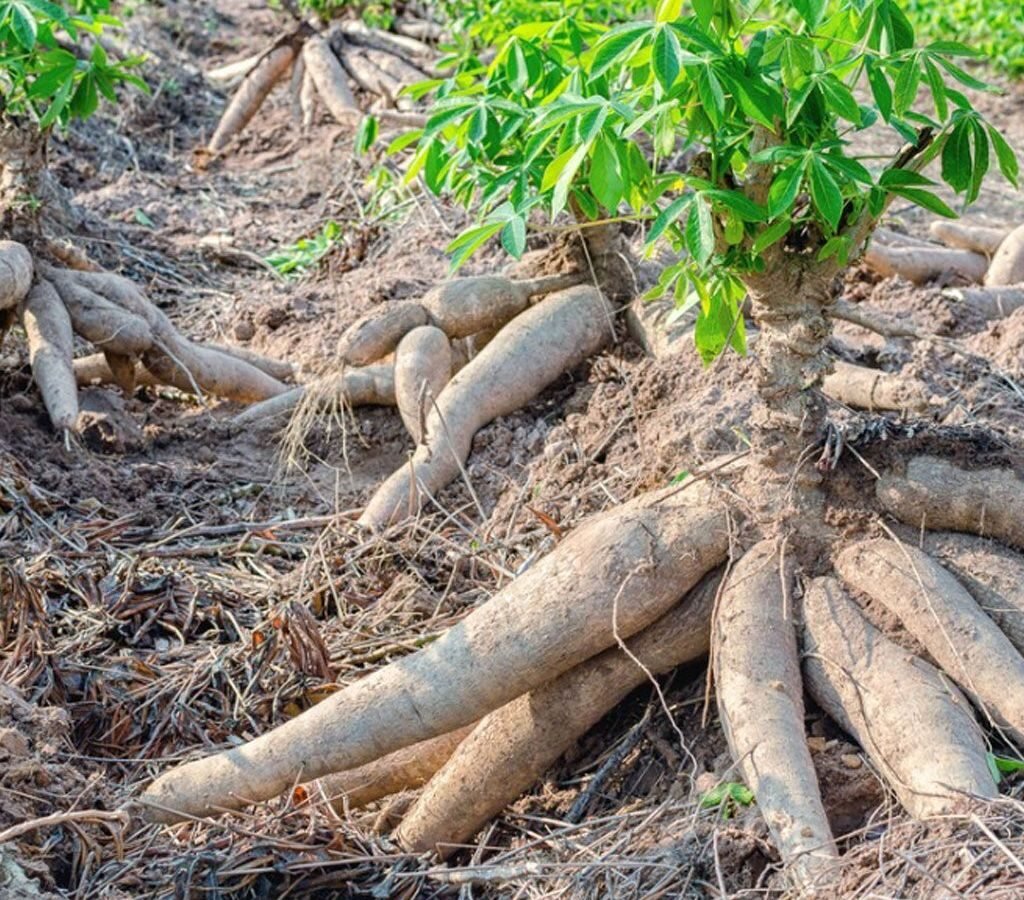
Cassava is a tuberous root vegetable that can grow up to 3 feet long and has a rough brown skin with white or yellow flesh inside. It is naturally high in starch and low in fat, making it an excellent source of sustained energy.
Despite its tough exterior, cassava is extremely versatile in cooking. It can be boiled, fried, roasted, mashed, or ground into flour for gluten-free baked goods. Cassava is often confused with yams in the United States, but they are distinct vegetables with different textures and flavors.
Pro Tip: Choose cassava roots that are firm, free from cracks or mold, and heavy for their size. Avoid soft or discolored roots, which may be past their prime.
Nutritional Benefits of Cassava
Cassava is more than just a starchy root; it is nutrient-dense and can be a valuable addition to a balanced diet:
- High in Carbohydrates: Provides long-lasting energy for active lifestyles.
- Low in Fat: Makes it suitable for heart-healthy diets.
- Vitamin C: Supports immunity and skin health.
- Potassium: Helps regulate blood pressure and maintain heart function.
- Dietary Fiber: Promotes digestive health and satiety.
- Gluten-Free: Ideal for those with celiac disease or gluten sensitivities.
Pro Tip: Boiling or steaming cassava preserves its nutrients better than deep frying, though fried cassava is still a beloved treat in many cultures.
Health Benefits of Cassava
- Supports Digestive Health: Cassava contains fiber, aiding in digestion and preventing constipation.
- Boosts Immunity: Vitamin C content helps strengthen the immune system.
- Provides Sustained Energy: Its complex carbohydrates are digested slowly, helping maintain stable blood sugar levels.
- Supports Heart Health: Fiber and potassium help reduce cholesterol levels and maintain healthy blood pressure.
- Gluten-Free Alternative: Cassava flour can replace wheat in baking and cooking, making it perfect for gluten-sensitive diets.
Pro Tip: Cassava contains cyanogenic compounds, which are toxic if eaten raw. Always cook cassava thoroughly before consumption.
How to Prepare Cassava
Proper preparation is essential for safe and delicious cassava dishes:
- Peel Thoroughly: Use a sharp knife or vegetable peeler to remove the thick, brown outer skin and the pinkish inner layer.
- Boil: Cut cassava into chunks and boil in water for 20–30 minutes until soft.
- Steam: Steaming is another healthy option that preserves nutrients.
- Fry: Slice cassava into sticks for fries or wedges for a crispy snack.
- Mash: Boiled cassava can be mashed with butter or coconut milk as a side dish alternative to potatoes.
- Bake: Use cassava flour for bread, pancakes, or cookies.
Pro Tip: Always discard the peel and cook thoroughly, as raw cassava contains natural toxins.
Cassava Recipes to Try
Here are some delicious ways to enjoy cassava in your American kitchen:
1. Boiled Cassava with Garlic Butter
- Peel and cut cassava into chunks.
- Boil until soft, drain, and toss with garlic butter.
- Serve as a side dish with grilled meats or roasted vegetables.
2. Cassava Fries
- Slice peeled cassava into sticks, toss with olive oil, salt, and paprika.
- Bake or deep fry until golden brown and crispy.
- Serve with your favorite dipping sauce.
3. Mashed Cassava
- Boil cassava until tender, mash with butter, coconut milk, and a pinch of salt.
- Optional: Add roasted garlic or herbs for extra flavor.
4. Cassava Flour Pancakes
- Use cassava flour as a gluten-free alternative in pancake batter.
- Mix with milk, eggs, and a touch of vanilla.
- Cook on a non-stick skillet until golden brown.
5. Cassava Soup
- Sauté onions, garlic, and diced cassava in a pot.
- Add vegetable or chicken broth and simmer until cassava is soft.
- Blend for a creamy soup, or leave chunky for a rustic texture.
Pro Tip: Cassava pairs beautifully with coconut milk, garlic, ginger, lime, and spices like cumin or paprika.
Storage Tips for Cassava
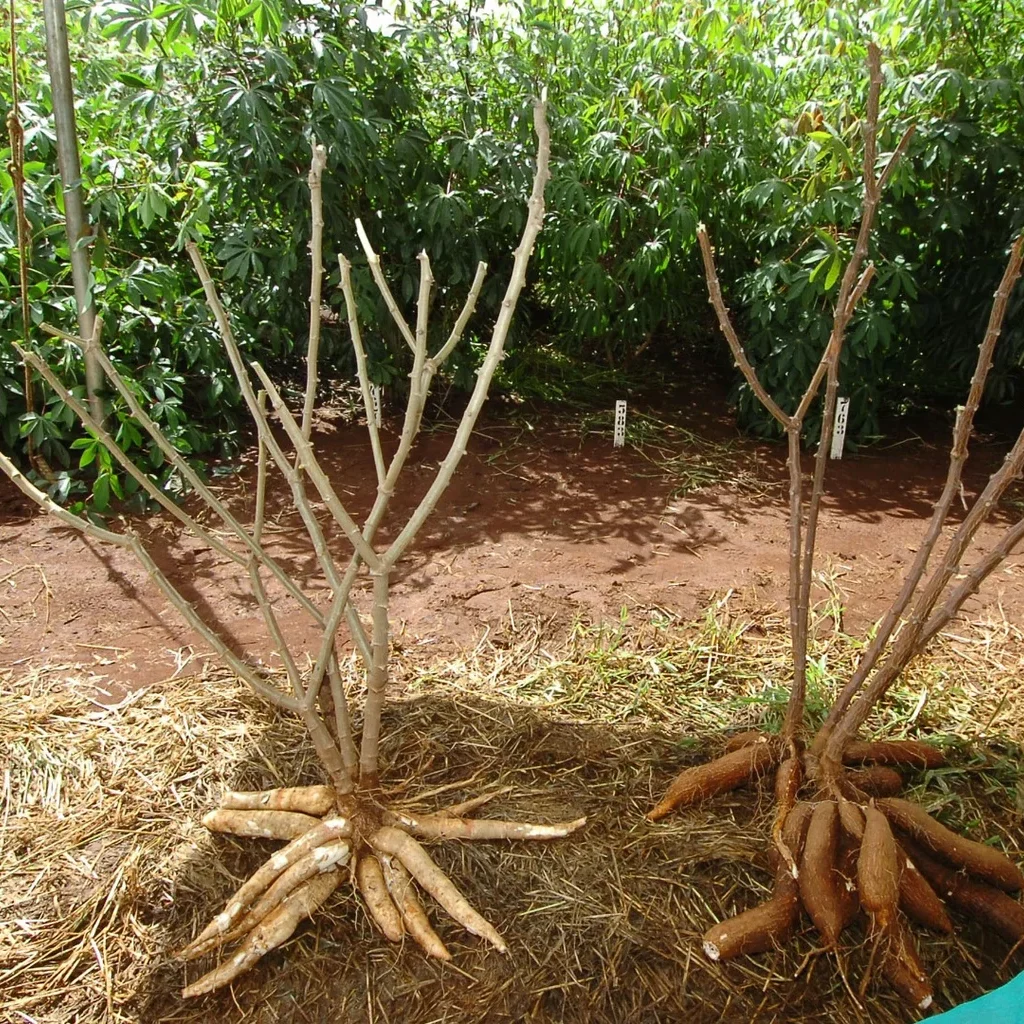
Proper storage keeps cassava fresh and safe to eat:
- Store raw cassava in a cool, dry place for up to 1 week.
- Refrigerate peeled cassava in an airtight container for 2–3 days.
- Boiled or cooked cassava can be stored in the fridge for 3–4 days or frozen for up to 3 months.
- Avoid storing near ethylene-producing fruits like apples or bananas, as it may accelerate spoilage.
Pro Tip: For longer storage, consider freezing boiled cassava chunks to use later in soups or mashes.
Why Cassava is Gaining Popularity in American Kitchens
Cassava is becoming more popular in the U.S. because of:
- Gluten-Free Trend: Perfect for baking and cooking without wheat.
- Nutritional Value: Provides fiber, potassium, and vitamin C.
- Versatility: Can be boiled, mashed, fried, or used as flour for breads and pastries.
- Cultural Fusion: Increasingly featured in fusion cuisine, health-conscious meals, and comfort foods.
- Satisfying Alternative: Offers a unique texture and flavor in snacks, sides, and main dishes.
Pro Tip: Use cassava creatively in grain bowls, roasted vegetable mixes, or gluten-free baking for nutritious and flavorful meals.
Fun Facts About Cassava
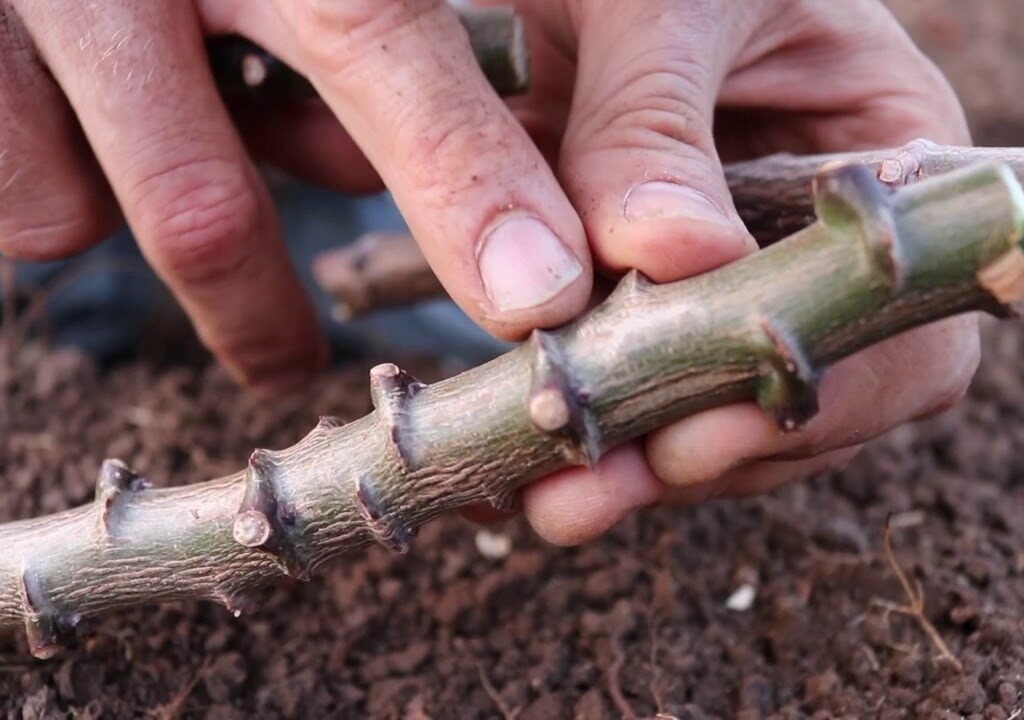
- Cassava is native to South America but is now grown in tropical and subtropical regions worldwide.
- It contains cyanogenic compounds that require thorough cooking to neutralize.
- Cassava flour is naturally gluten-free, making it popular in health-conscious and allergy-friendly recipes.
- Both the root and leaves are edible, but leaves must be cooked before eating.
- Cassava is a staple food for millions globally and is known for its versatility in both savory and sweet dishes.
Conclusion: Why You Should Add Cassava to Your Diet
Cassava is a nutritious, versatile, and delicious root vegetable that deserves a place in your kitchen. Its mild flavor, dense texture, and gluten-free properties make it perfect for boiling, roasting, frying, mashing, or baking.
Including cassava in your meals provides:
- Fiber-rich, nutrient-packed nutrition for digestive health and overall wellness.
- Culinary versatility for everyday meals and creative recipes.
- Gluten-free options for those with dietary restrictions.
Whether you’re looking to explore new flavors, create healthy dishes, or add variety to your meals, cassava is a delicious and adaptable root vegetable that fits perfectly in modern American kitchens.

Leave A Comment