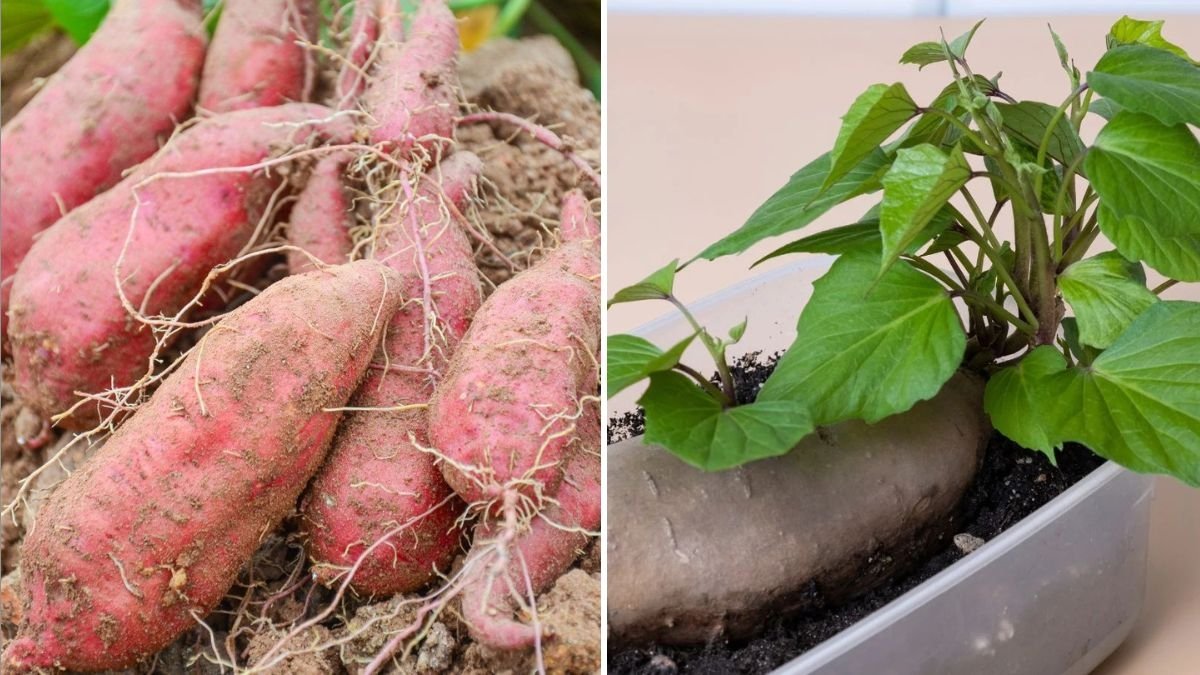
Sweet potato is one of the most beloved root vegetables in American kitchens, celebrated for its natural sweetness, vibrant color, and nutritional power. From classic baked sweet potatoes to savory fries, creamy soups, and healthy casseroles, this versatile tuber has earned a permanent spot on family dinner tables, holiday feasts, and everyday meals.
In this comprehensive guide, we’ll explore everything you need to know about sweet potatoes, including nutritional benefits, health perks, preparation tips, cooking methods, and mouthwatering recipes to elevate your culinary game.
What is a Sweet Potato?

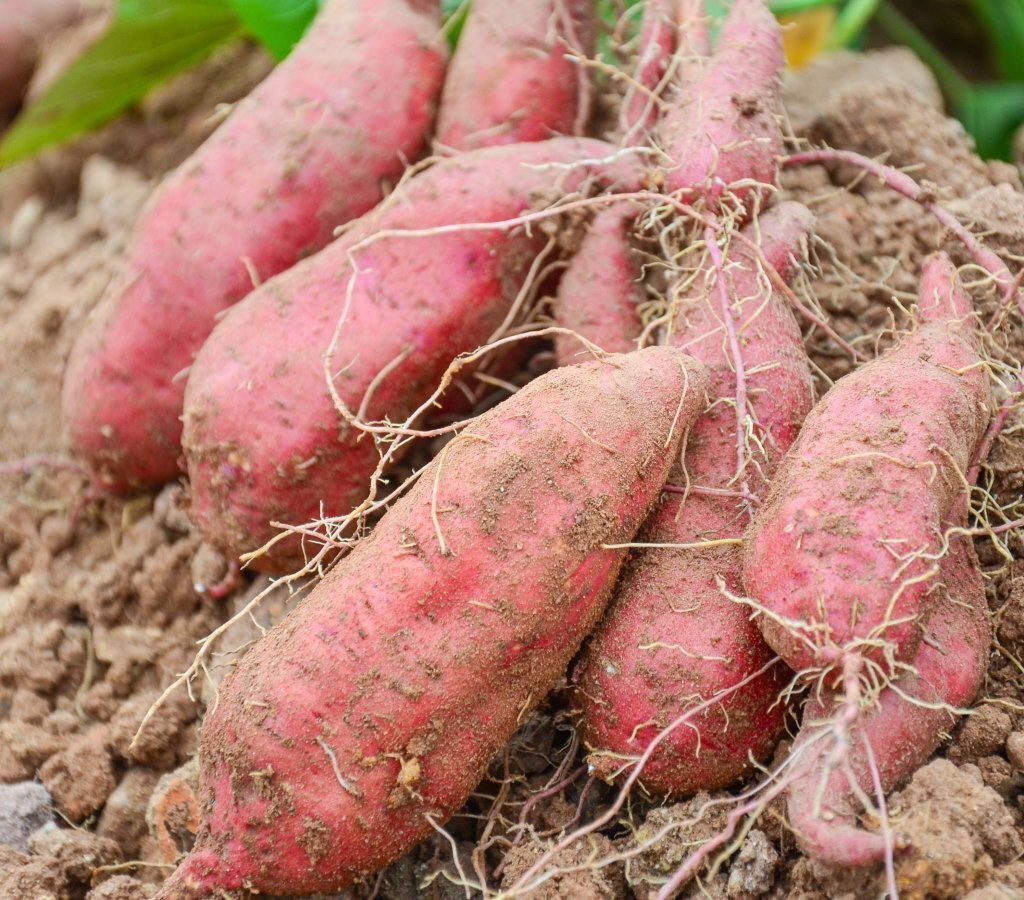
Sweet potato (Ipomoea batatas) is a starchy root vegetable native to Central and South America. Unlike regular potatoes, sweet potatoes are naturally sweet and come in varieties ranging from orange and yellow to purple and white.
Sweet potatoes are widely used in American cuisine due to their versatility and robust nutritional profile. Whether roasted, mashed, baked, or incorporated into pies and casseroles, sweet potatoes add texture, flavor, and color to countless dishes.
Pro Tip: Look for sweet potatoes that are firm, smooth, and free from cracks or soft spots. Smaller roots tend to cook more evenly and have a sweeter flavor.
Nutritional Benefits of Sweet Potatoes

Sweet potatoes are low in fat and high in essential nutrients, making them a healthy staple for any diet:
- Vitamin A (Beta-Carotene): Supports eye health, immunity, and skin health.
- Vitamin C: Boosts immunity and acts as an antioxidant.
- Fiber: Promotes digestive health and satiety.
- Potassium: Helps maintain healthy blood pressure.
- Manganese: Supports metabolism and bone health.
- Complex Carbohydrates: Provide steady energy without spiking blood sugar.
Pro Tip: The orange-fleshed varieties contain the highest levels of beta-carotene, while purple sweet potatoes are rich in antioxidants that support heart and brain health.
Health Benefits of Sweet Potatoes
- Supports Eye Health: High levels of beta-carotene convert to vitamin A, essential for vision and eye health.
- Boosts Immunity: Vitamins A and C strengthen the immune system and help fight infections.
- Promotes Heart Health: Fiber, potassium, and antioxidants contribute to cardiovascular wellness.
- Aids Digestion: Fiber content supports regularity and gut health.
- Supports Weight Management: Low-calorie and high-fiber properties help maintain fullness and control appetite.
Pro Tip: Sweet potatoes are naturally gluten-free and can be incorporated into low-carb, paleo, or diabetic-friendly recipes.
How to Prepare Sweet Potatoes
Sweet potatoes are extremely versatile and can be prepared in numerous ways:
- Baked: Bake whole or cubed sweet potatoes in the oven until soft. Perfect for side dishes or stuffed potato recipes.
- Mashed: Boil or steam, then mash with butter, cream, or coconut milk for a creamy, flavorful side.
- Roasted: Toss cubed sweet potatoes with olive oil, salt, and spices for a caramelized, golden side dish.
- Fried: Make sweet potato fries or chips for a crispy snack.
- Soups and Stews: Puree cooked sweet potatoes to create creamy soups or hearty stews.
- Desserts: Sweet potatoes can be used in pies, muffins, pancakes, and puddings.
Pro Tip: To enhance natural sweetness, roast or bake sweet potatoes rather than boiling, as dry heat caramelizes their sugars.
Sweet Potato Recipes to Try

Here are some delicious ways to use sweet potatoes:
1. Classic Baked Sweet Potatoes
- Pierce whole sweet potatoes with a fork.
- Bake at 400°F for 45–60 minutes until soft.
- Serve with butter, cinnamon, or a drizzle of maple syrup.
2. Roasted Sweet Potato Cubes
- Toss cubed sweet potatoes with olive oil, rosemary, salt, and pepper.
- Roast at 425°F for 25–30 minutes until golden and caramelized.
- Perfect as a side dish with meats or vegetables.
3. Sweet Potato Fries
- Cut sweet potatoes into thin sticks.
- Toss with olive oil, paprika, and salt.
- Bake or air-fry until crispy. Serve with a dipping sauce.
4. Sweet Potato Soup
- Sauté onions and garlic, add cubed sweet potatoes and vegetable broth.
- Simmer until tender, then blend until creamy.
- Season with nutmeg, cinnamon, or curry powder for a comforting meal.
5. Sweet Potato Casserole
- Mash boiled sweet potatoes with butter and brown sugar.
- Top with a mixture of pecans and oats.
- Bake until golden for a holiday favorite side dish.
Pro Tip: Sweet potatoes pair well with cinnamon, nutmeg, ginger, garlic, rosemary, thyme, and coconut for both sweet and savory dishes.
Storage Tips for Sweet Potatoes
Proper storage keeps sweet potatoes fresh and flavorful:
- Store in a cool, dry, and dark place—not in the refrigerator, as cold temperatures can alter their flavor.
- Keep away from moisture to prevent mold and spoilage.
- Use within 3–5 weeks for best texture and taste.
- Cooked sweet potatoes can be stored in an airtight container in the refrigerator for 3–5 days or frozen for up to 3 months.
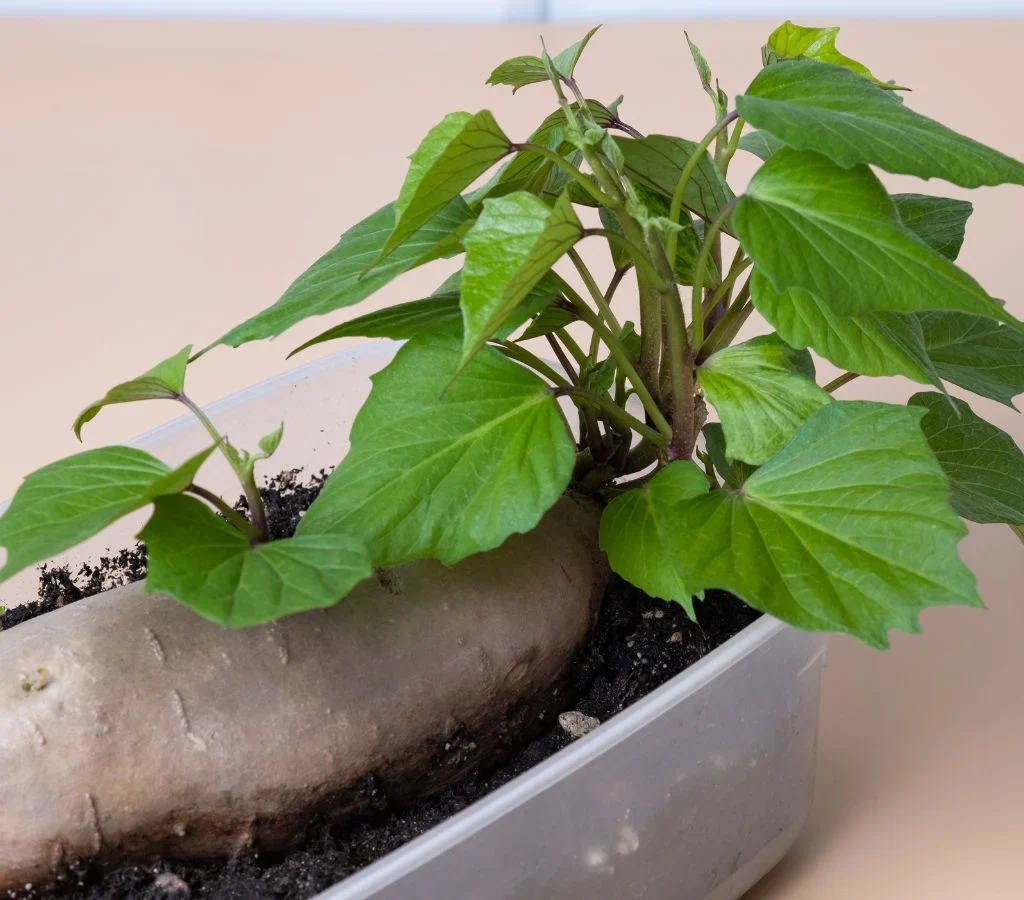
Pro Tip: Avoid storing sweet potatoes near ethylene-producing fruits like apples or bananas, as this can cause premature sprouting.
Why Sweet Potatoes are Popular in American Kitchens
Sweet potatoes are a beloved staple in American cuisine because of:
- Versatility: Can be used in sweet or savory dishes, sides, mains, and desserts.
- Nutritional Value: High in fiber, vitamins, and antioxidants, supporting overall health.
- Flavor and Texture: Naturally sweet with creamy or firm texture depending on cooking method.
- Cultural Significance: Integral to Thanksgiving and holiday meals, as well as everyday cooking.
- Diet-Friendly: Suitable for gluten-free, paleo, vegan, and low-fat diets.
Pro Tip: Incorporate sweet potatoes into meal prep bowls, roasted vegetable medleys, or grain-based salads for a nutritious and colorful addition.
Fun Facts About Sweet Potatoes
- Sweet potatoes are native to Central and South America and have been cultivated for thousands of years.
- They are often confused with yams in the U.S., but true yams are unrelated.
- Sweet potatoes are extremely versatile, used in savory dishes, desserts, snacks, and even beverages.
- Orange-fleshed varieties are the richest in beta-carotene, while purple-fleshed types are high in antioxidants.
- Sweet potatoes were a traditional staple in Native American diets and played an important role in early American cuisine.
Conclusion: Why Sweet Potatoes Should Be in Your Diet
Sweet potatoes are a nutritious, versatile, and delicious root vegetable that deserves a permanent spot in your kitchen. Their natural sweetness, vibrant color, and creamy texture make them perfect for roasts, mashes, fries, soups, casseroles, and desserts.
Including sweet potatoes in your meals offers:
- Fiber-rich, vitamin-packed nutrition for overall health.
- Culinary versatility for everyday meals and special occasions.
- Dietary adaptability for gluten-free, vegan, and low-fat diets.
Whether you’re looking to eat healthier, add color and flavor to your dishes, or celebrate traditional holiday favorites, sweet potatoes are a delicious and nutritious root vegetable that every American kitchen should embrace.

Leave A Comment