
Taro, a starchy and nutrient-rich root vegetable, has been a dietary staple in Asia, the Pacific Islands, and Africa for centuries. Known for its slightly sweet, nutty flavor and creamy texture, taro is a versatile ingredient that can be boiled, baked, mashed, or fried. In recent years, taro has started to gain attention in American kitchens due to its health benefits, unique taste, and culinary versatility.
This detailed guide will cover everything you need to know about taro: its nutritional value, health benefits, preparation tips, cooking methods, and delicious recipes to incorporate into your meals.
What is Taro?

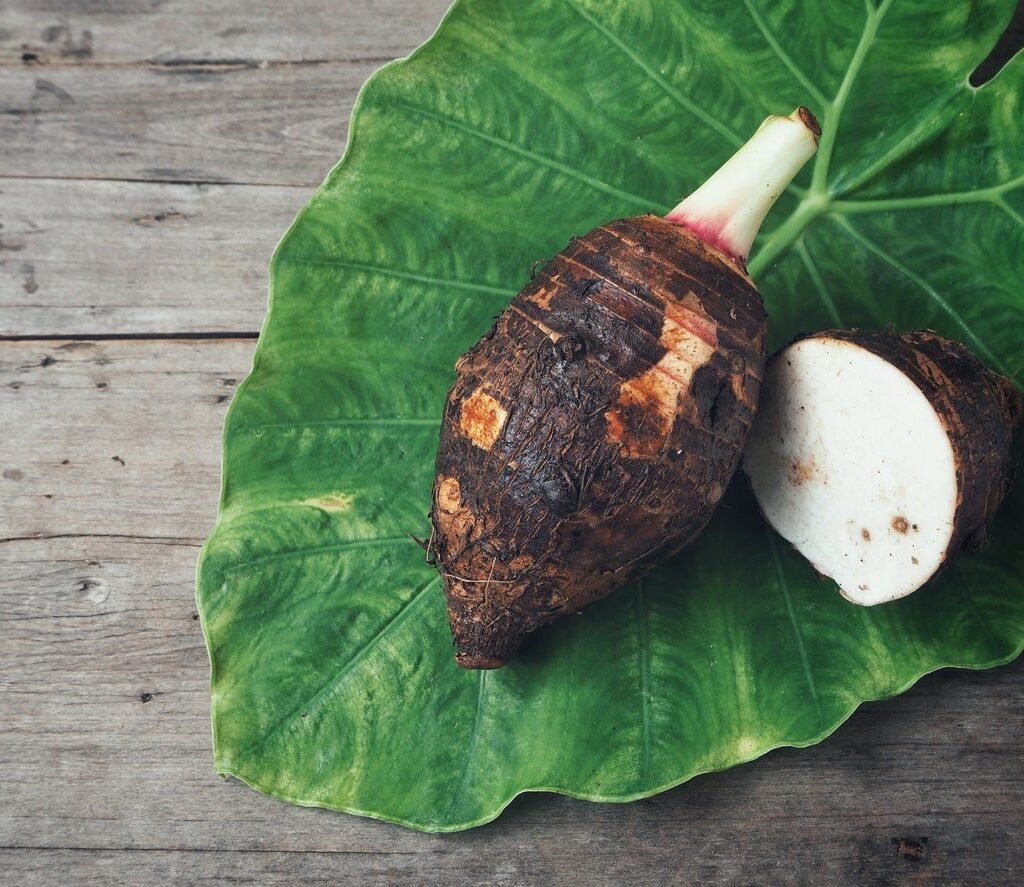
Taro (Colocasia esculenta) is a root vegetable with a rough brown exterior and a white or purple-streaked interior. Often confused with yams or sweet potatoes, taro is unique in flavor and texture. It is a staple in many tropical and subtropical regions, where it is used in both savory and sweet dishes.
Taro is a cool-season crop in the U.S. and is primarily grown in states like Hawaii, California, and Florida. Its mild sweetness, nutty undertones, and starchy texture make it ideal for mashes, chips, soups, and desserts.
Pro Tip: Choose taro roots that are firm, heavy for their size, and free from soft spots or mold. Smaller roots tend to be more tender.
Nutritional Benefits of Taro
Taro is not only tasty but also highly nutritious:
- Rich in Fiber: Supports digestive health and promotes satiety.
- Low in Fat: Makes it ideal for heart-healthy diets.
- Vitamin E and C: Boost immunity and act as antioxidants.
- Potassium: Helps regulate blood pressure and heart function.
- Magnesium and Manganese: Support bone health and metabolism.
- Complex Carbohydrates: Provide steady energy and help regulate blood sugar.
Pro Tip: Cooking taro by steaming or boiling preserves most of its nutrients, while frying increases calorie content.
Health Benefits of Taro

- Supports Digestive Health: High fiber content promotes regular bowel movements and gut health.
- Regulates Blood Sugar: Complex carbohydrates in taro release energy slowly, helping maintain steady blood sugar levels.
- Supports Heart Health: Potassium and low fat help maintain healthy blood pressure and cardiovascular function.
- Boosts Immunity: Vitamins C and E strengthen the immune system and reduce oxidative stress.
- Promotes Weight Management: Fiber content helps keep you full for longer periods, making it ideal for calorie-conscious diets.
Pro Tip: Taro is naturally gluten-free, making it an excellent choice for gluten-sensitive diets.
How to Prepare Taro
Taro must always be cooked before consumption, as raw taro contains calcium oxalate, which can cause irritation. Once cooked, taro becomes soft, creamy, and nutty.
- Boiled or Steamed: Peel, cube, and boil or steam until tender. Ideal for mashes or soups.
- Roasted: Toss cubed taro with oil, salt, and spices, and roast for a sweet, caramelized flavor.
- Fried: Slice thinly to make taro chips or fries.
- Mashed: Boil and mash with butter, coconut milk, or cream for a flavorful side dish.
- Soups and Stews: Adds a creamy, hearty texture to soups, curries, and stews.
- Desserts: Can be used in puddings, bubble teas, and sweet pastries.
Pro Tip: Peel taro using gloves or rinse hands immediately after handling to avoid skin irritation from oxalates.
Taro Recipes to Try
Here are some delicious ways to incorporate taro into your meals:
1. Mashed Taro
- Boil peeled taro cubes until tender.
- Mash with butter, coconut milk, salt, and pepper.
- Serve as a low-fat alternative to mashed potatoes.
2. Roasted Taro Cubes
- Toss cubed taro with olive oil, garlic, and rosemary.
- Roast at 400°F for 25–30 minutes until golden brown.
- Serve as a side dish with meats or vegetables.
3. Taro Chips
- Slice thinly, toss with olive oil, salt, and optional paprika.
- Bake or fry until crisp.
- Enjoy as a healthy snack alternative to potato chips.
4. Taro Soup
- Simmer cubed taro with onions, garlic, vegetable or chicken broth, and herbs.
- Blend for a creamy texture or leave chunky for a rustic soup.
- Garnish with fresh herbs or a drizzle of coconut milk.
5. Taro Bubble Tea
- Boil and puree taro with milk or a dairy alternative.
- Sweeten with sugar or syrup and mix with tapioca pearls for a popular Asian-inspired drink.
Pro Tip: Taro pairs well with coconut, garlic, ginger, soy sauce, and spices for savory dishes and with vanilla, honey, and sweetened milk for desserts.
Storage Tips for Taro

Proper storage ensures freshness and prevents spoilage:
- Store uncooked taro in a cool, dry place away from direct sunlight.
- Refrigerate peeled taro cubes in an airtight container for up to 2–3 days.
- Cooked taro can be stored in the fridge for 3–4 days or frozen for up to 3 months.
- Avoid storing taro near ethylene-producing fruits, such as apples and bananas, as this may accelerate spoilage.
Pro Tip: If freezing taro, blanch cubes briefly to maintain color, texture, and flavor.
Why Taro is Gaining Popularity in American Kitchens

Taro’s popularity in the U.S. is rising due to:
- Health Trends: Fiber-rich, gluten-free, and full of vitamins and minerals.
- Culinary Versatility: Can be used in savory meals, snacks, and desserts.
- Unique Flavor: Offers a mild, nutty sweetness that enhances many dishes.
- Dietary Adaptability: Works in low-fat, vegan, and gluten-free diets.
- Cultural Fusion: Popular in Asian cuisine, now being embraced in modern American cooking.
Pro Tip: Use taro creatively in grain bowls, salads, soups, and baked goods to elevate meals with unique texture and nutrition.
Fun Facts About Taro
- Taro is one of the earliest cultivated root vegetables in the world, dating back thousands of years.
- It is a staple food in Pacific Island and Southeast Asian diets.
- Taro contains resistant starch, a type of carbohydrate beneficial for gut health.
- Both root and leaves are edible, but leaves must be cooked thoroughly.
- Taro is naturally gluten-free, making it suitable for celiac-friendly recipes.
Conclusion: Why You Should Add Taro to Your Diet
Taro is a nutritious, versatile, and delicious root vegetable that deserves a spot in your kitchen. Its creamy texture, mild sweetness, and earthy flavor make it perfect for a variety of dishes, from mashes, roasts, and soups to chips, desserts, and bubble teas.
Incorporating taro into your meals provides:
- Fiber-rich, nutrient-dense nutrition for gut health and overall wellness.
- Culinary versatility for both everyday meals and special occasions.
- Low-fat, gluten-free options suitable for diverse dietary needs.
Whether you’re exploring international flavors, cooking healthier meals, or adding variety to your vegetable repertoire, taro is a delicious and nutritious root vegetable worth trying.

Leave A Comment